🛣️ MOTORWAYS AND HIGHWAYS: ROADS THAT BUILT NATIONS
PAGE 1 OF 5, FROM DIRT TRACE TO NATIONAL LIFELINE
WHY A "SUPER-ROAD" AT ALL?
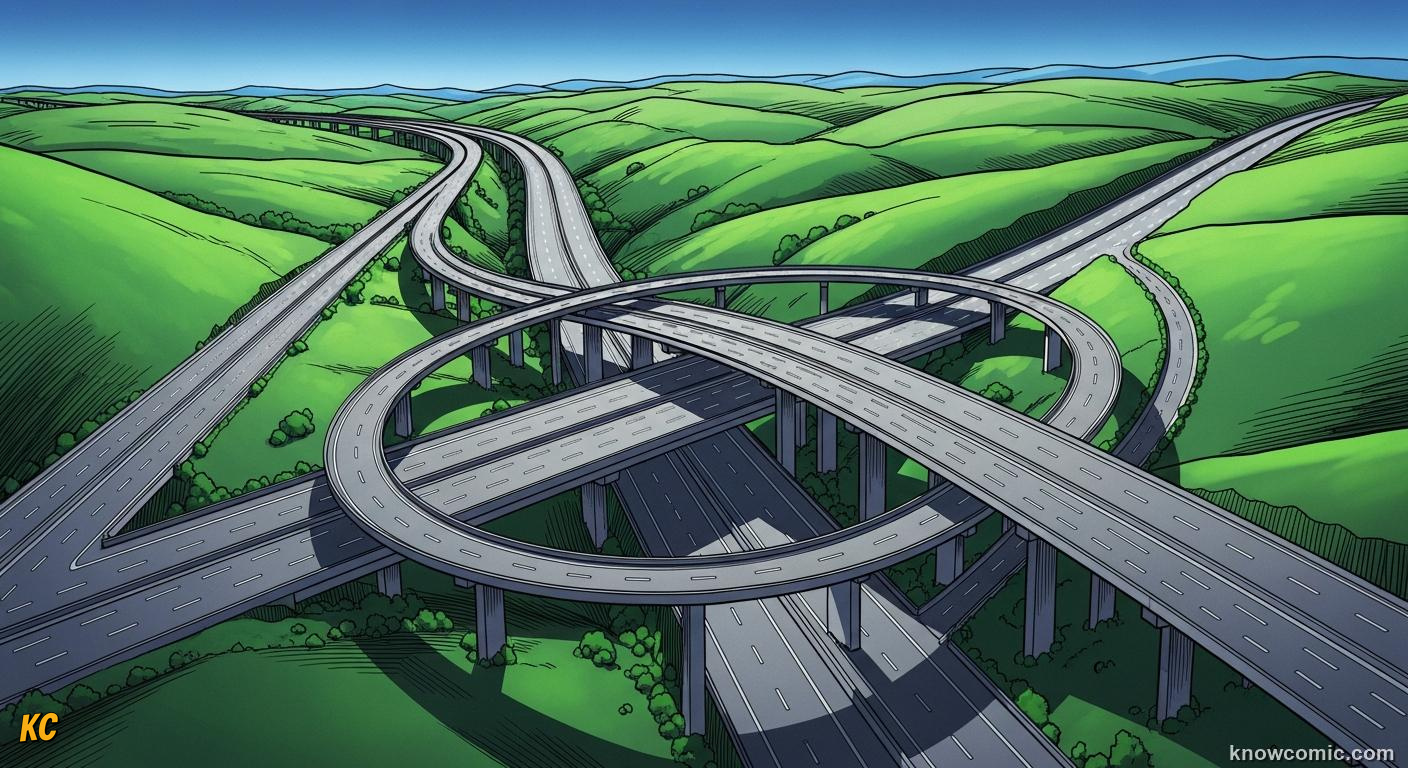
CARS WANT SPACE; TRUCKS WANT GRADES
By the 1900s, Topic 3's car and lorry traffic could not squeeze forever through old town grids designed for Topic 1's carts and Topic 4's hooves. A motorway / freeway / autostrada / highway (names vary by country) is not just wide — it is designed in layers: limited access (on- and off-ramps only, no surprise shop driveways in the fast lane), banked turns, long sight lines, and emergency lay-bys so high-speed flow is legal and survivable. Building one is a nation-scale decision: it moves food, post, soldiers, and tourists and permanently re-zones farms into suburbs.
📌 BIG PICTURE
A cartoon definition: a motorway is a river of lane markings with rules printed on every sign — the opposite of a meandering donkey path.
BLINK…
MIX
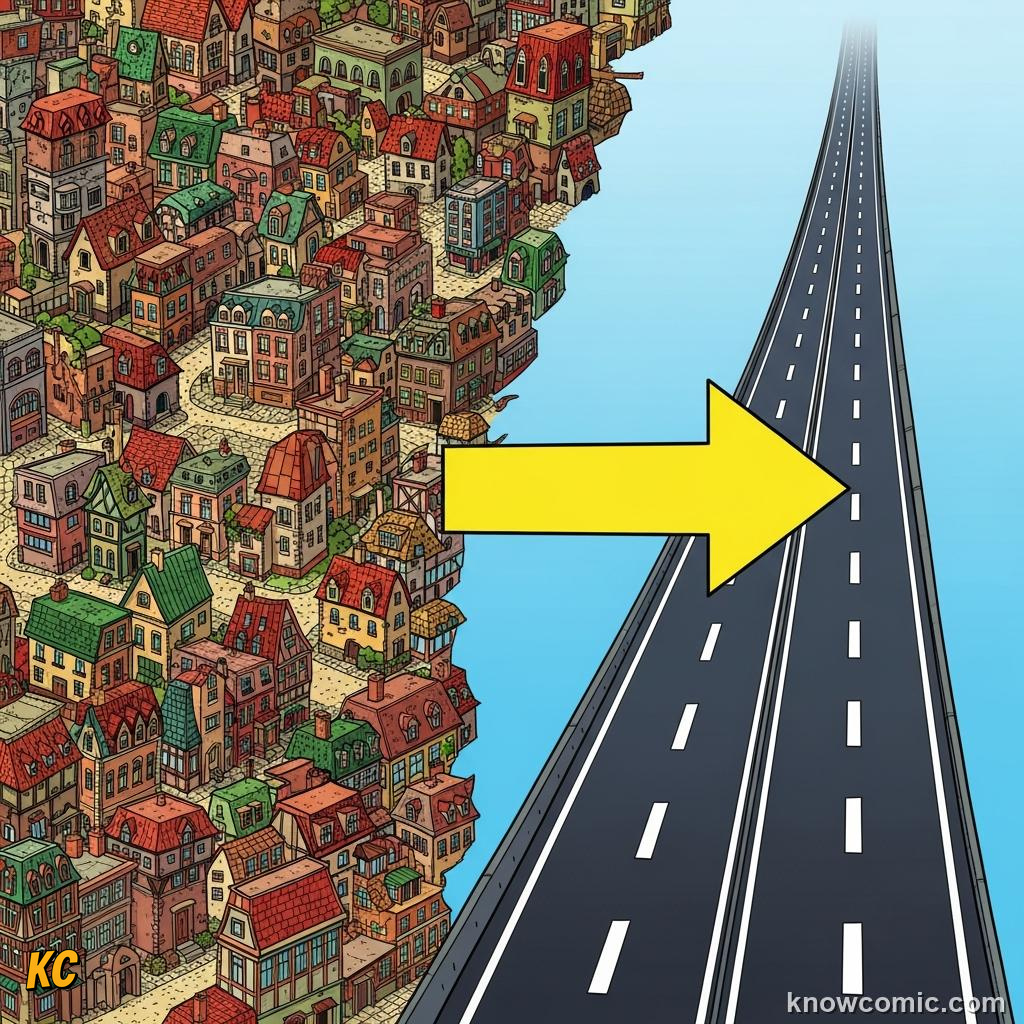
Old high street: everyone shares, nobody wins the drag race
CROWN
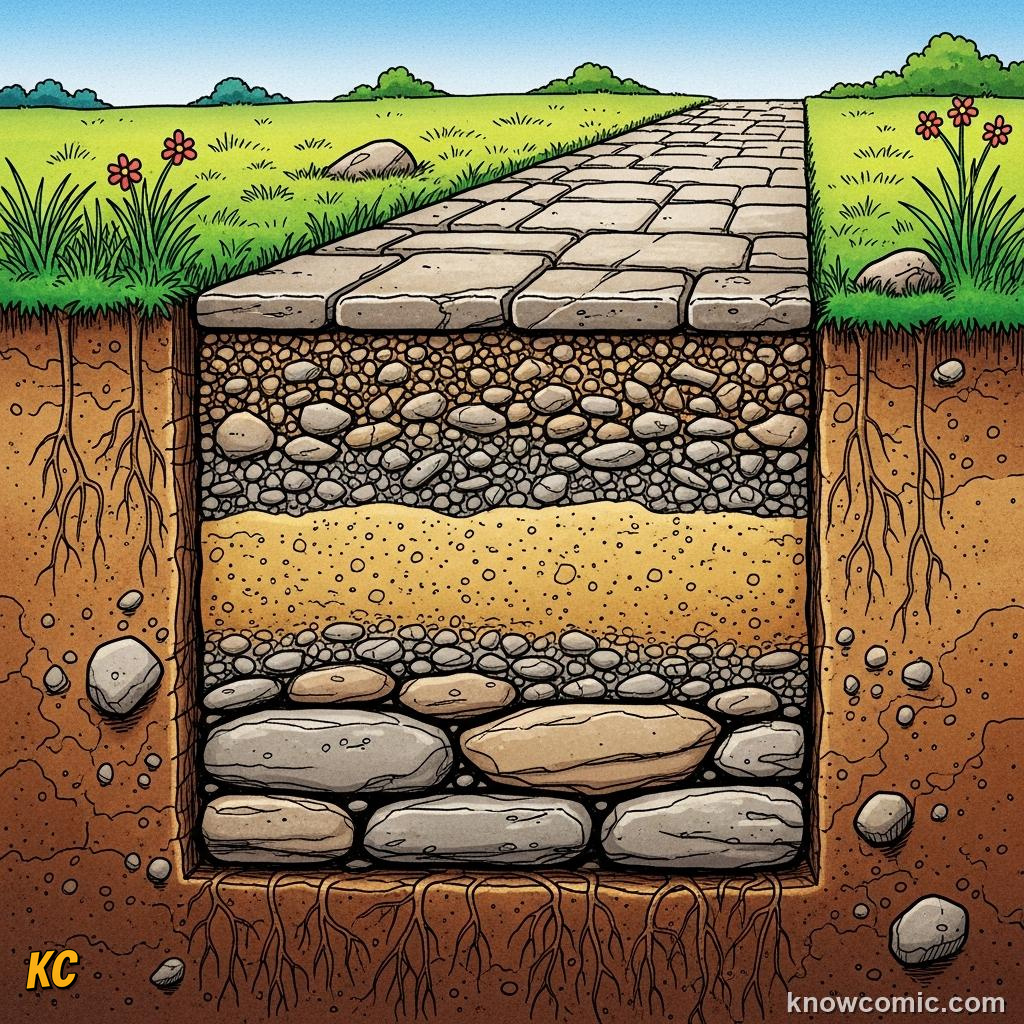
Roman road spirit: think straight, cut mud
PAGE 2 OF 5, GERMANY: THE AUTOBAHN & THE NEED FOR (LONG) SPEED
ENGINEERING FIRST, NOT JUST PAINT
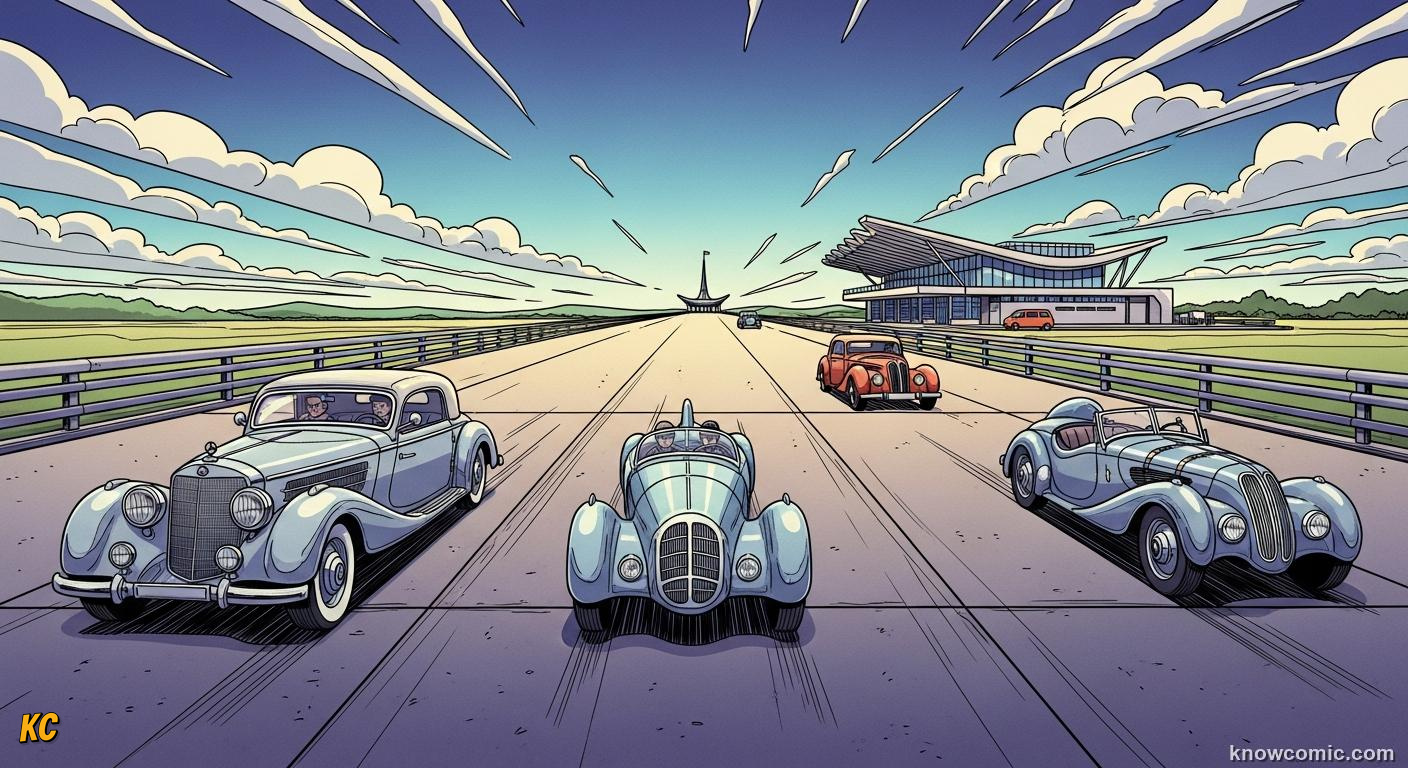
A NATIONAL RACE TRACK WITH RULEBOOK
Weimar and Nazi-era Germany promoted the first long stretches of limited-access autobahn in the 1930s — a showcase of engineers and unemployment-busting public works (and later a military mobility story in the darker chapters of history). The Autobahn is famous for wide lanes, grade-separated junctions, and the feeling of endless cruise; today many sections still have no general fixed number on the sign (with smart speed limits in traffic). Other countries copied the geometry even if they kept lower caps. Lesson: a fast road is geometry + law + maintenance, not a magic pedal to warp speed.
VROOM
FLY
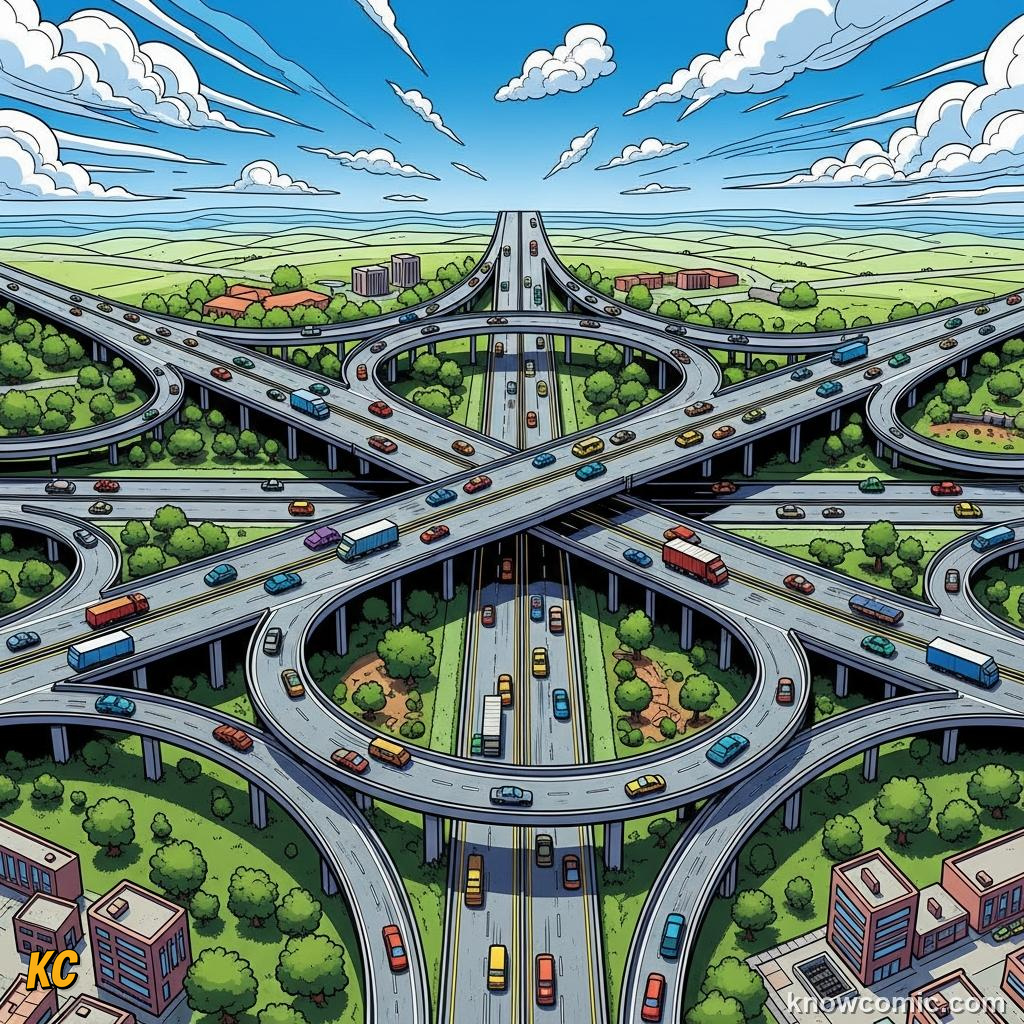
Clover-leaf: weave without stopping prayer
REST
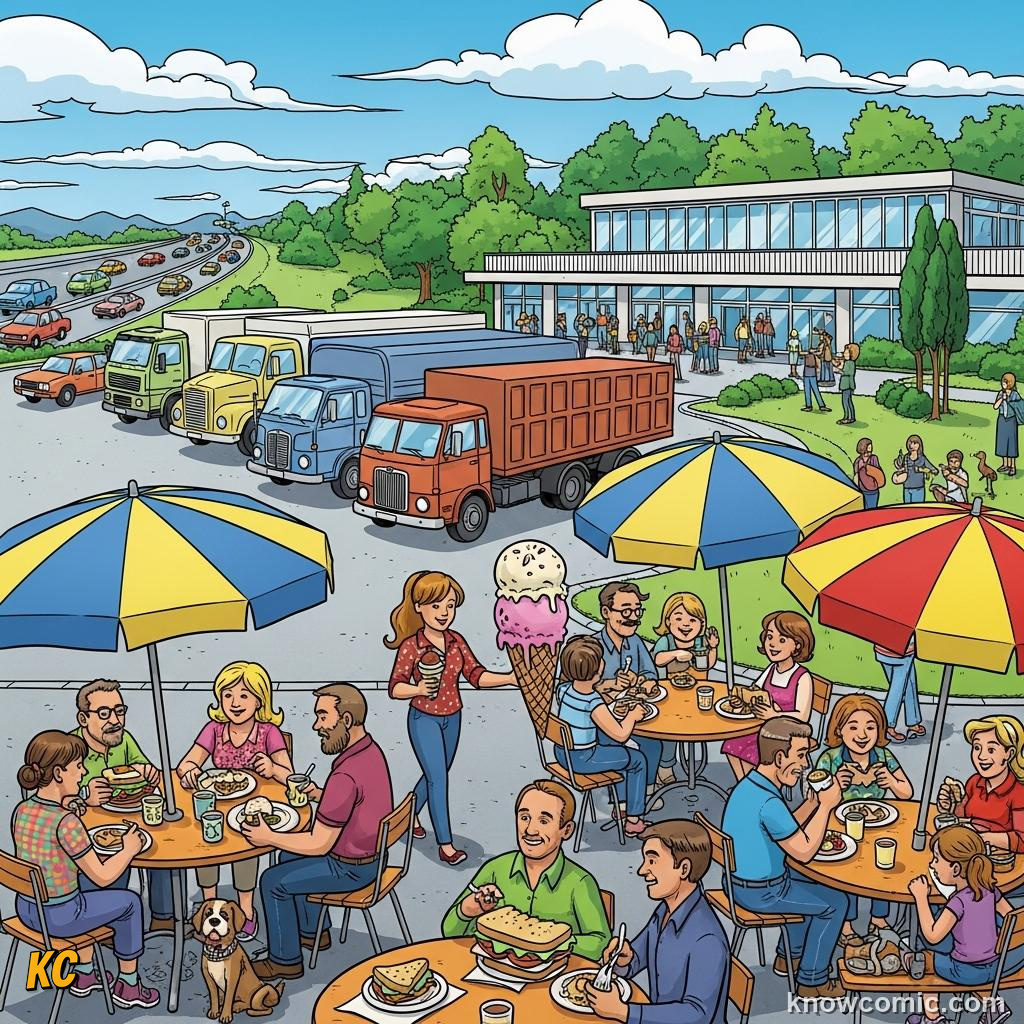
Service area: pretzel science
ICE
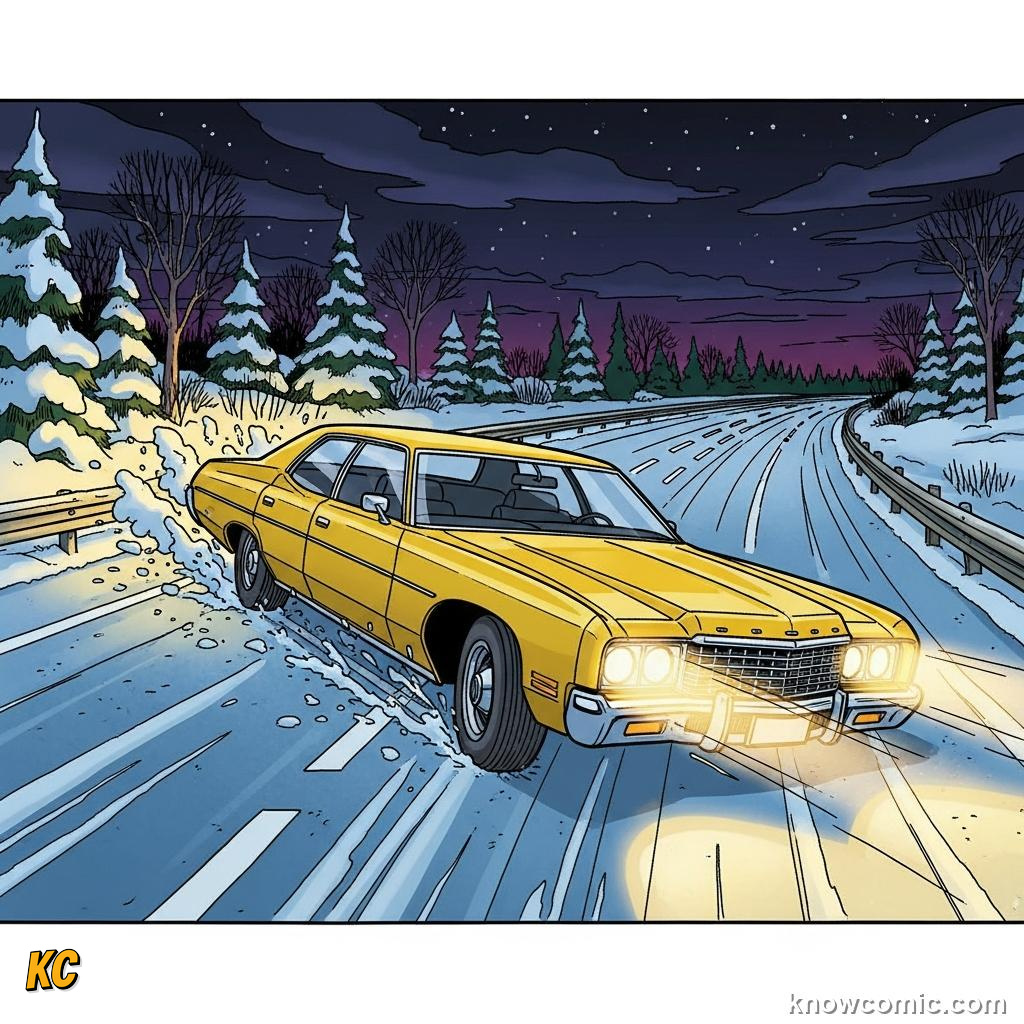
Winter: grit, lights, white knuckles
PAGE 3 OF 5, THE U.S. INTERSTATE: 1956 AND A MAP OF DREAMS
E

Shield: even = east-west, odd = north-south (US)
TRUCK
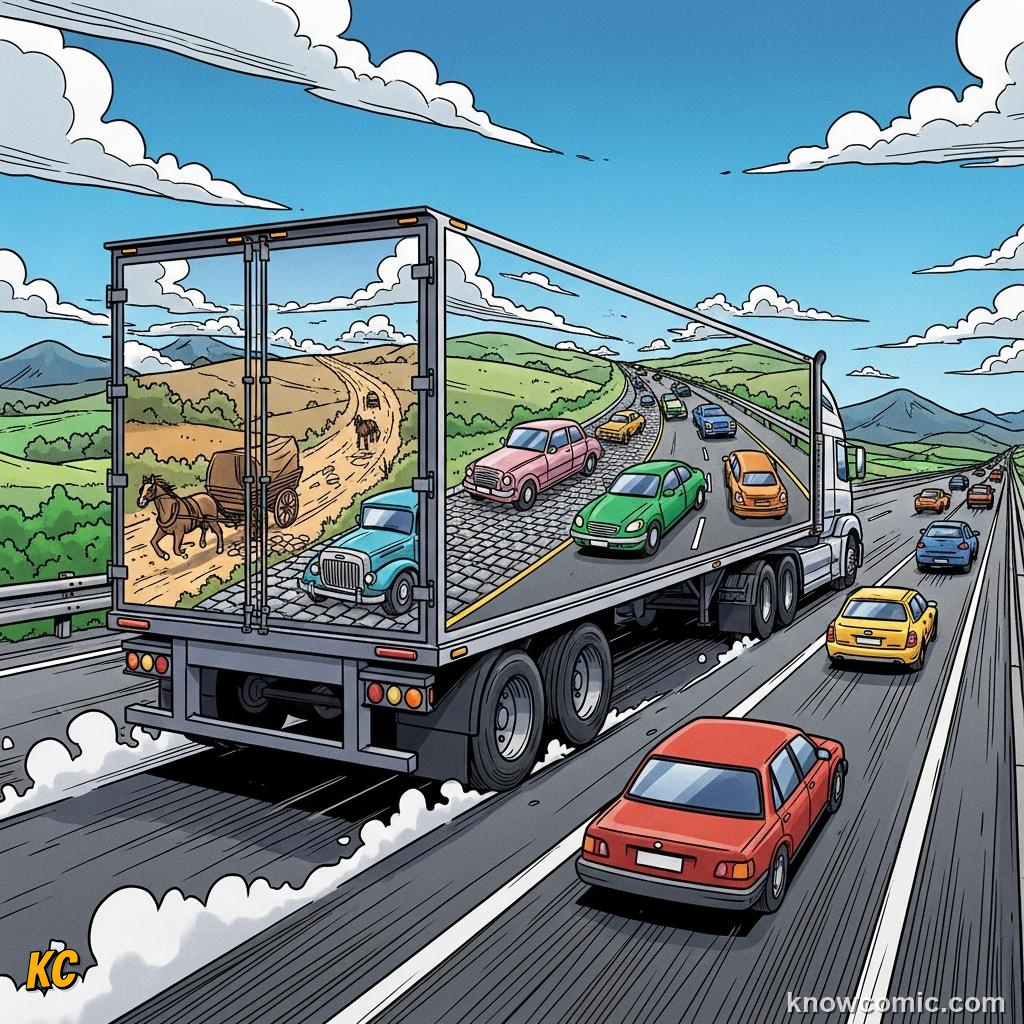
Freight: overnight to the next time zone
EISENHOWER
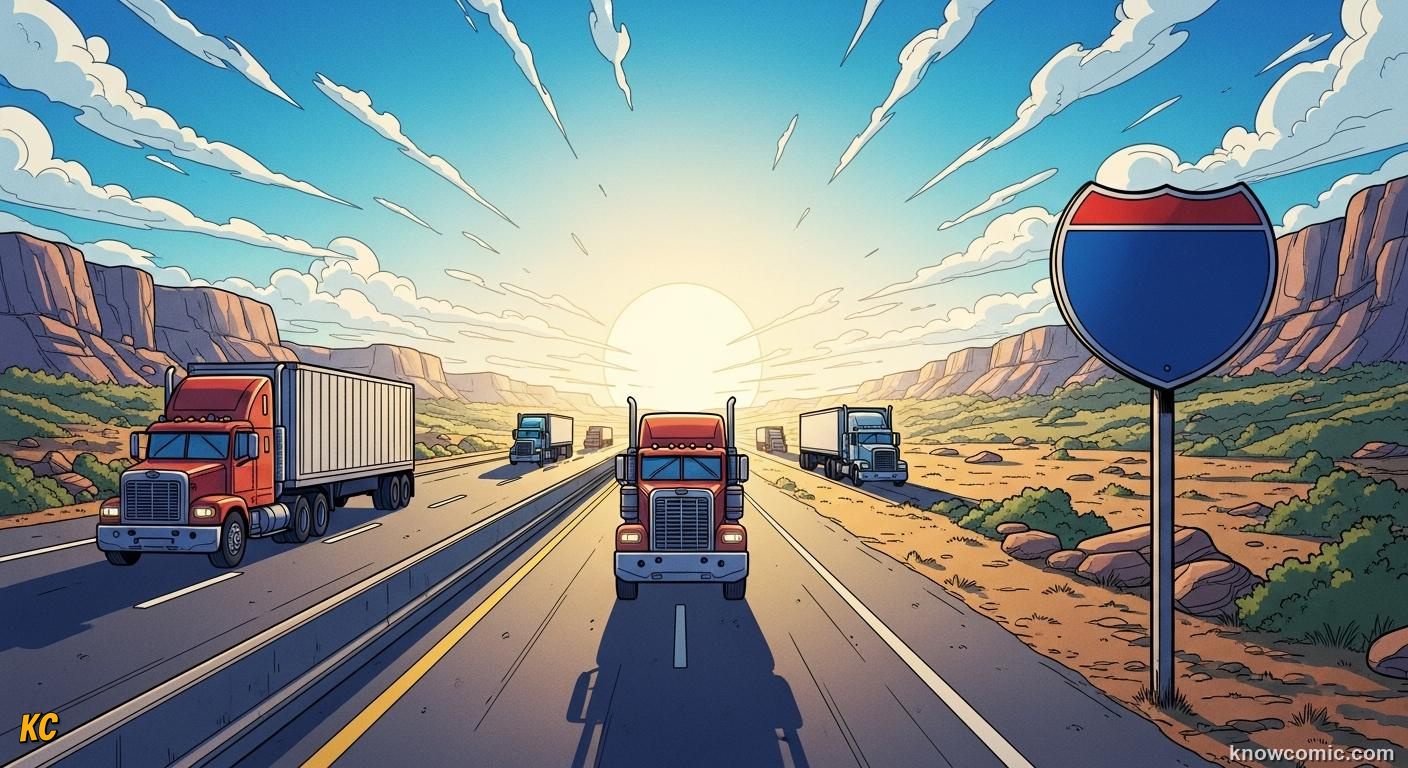
DEFENSE, JOBS, AND "SEE THE U.S.A."
In 1956 the United States passed a Federal-Aid Highway Act that launched the Interstate system — a numbered grid of freeways championed in part by President Eisenhower, who had seen how autobahns moved armies in World War II and wanted strong, linked roads for troops and supply trucks at home. The same concrete unlocked a boom in long-distance car trips, suburb building, and truck logistics (your next-day box is partly a highway product). Detractors note neighbourhoods cut in half by flyovers — a political fight in every city map.
HONK!
PAGE 4 OF 5, CEMENT, NOISE, AND THE RIDDLE OF "MORE LANES"
EARTH, OIL, AND A CRUSH OF TAILLIGHTS
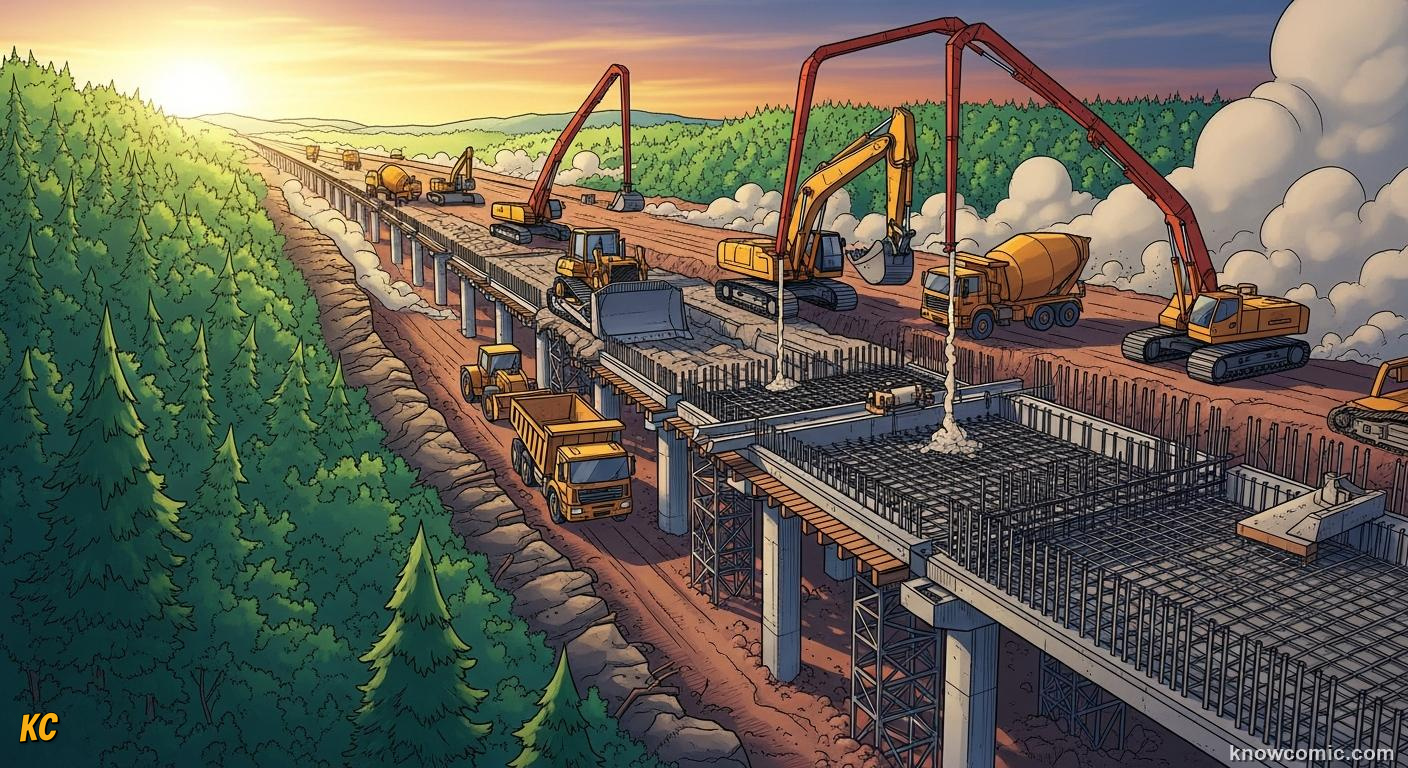
A MOTORWAY EATS A FOREST, THEN ASKS FOR DESSERT
Every new corridor is a line on a map of winners and losers: farms, wetlands, and row houses may vanish under asphalt, sound walls, and flyovers. Trucks and cars are still oil-heavy in most of the world — so a faster flow can mean more total fuel burned (classic induced demand: add a lane, watch it fill with new trips in a year). Yet ambulances, fire engines, and food hauliers all lean on the same network. City planners today fight over wider highways vs. trains vs. bus lanes — the Transport story never has one polite ending.
ROAR!
DUST
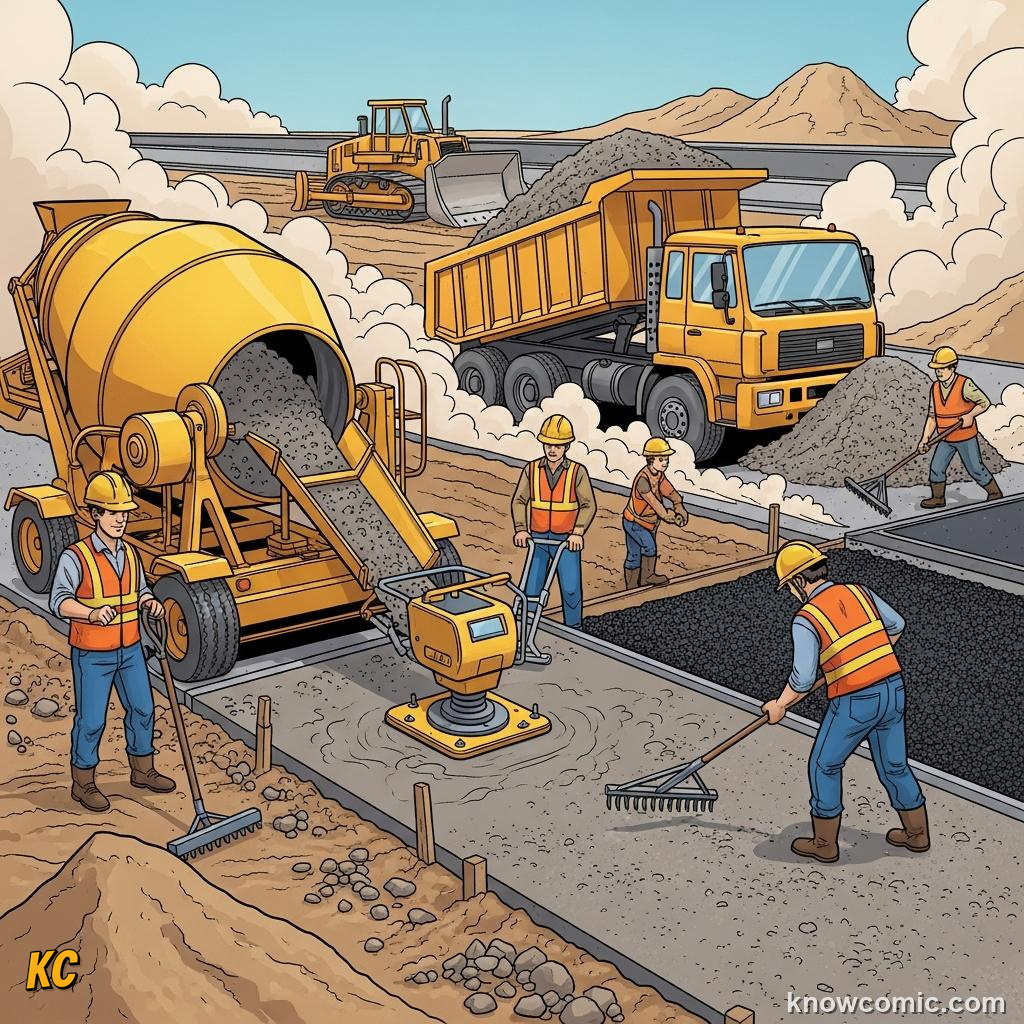
Construction: giant Erector set, decade-long
HUSH
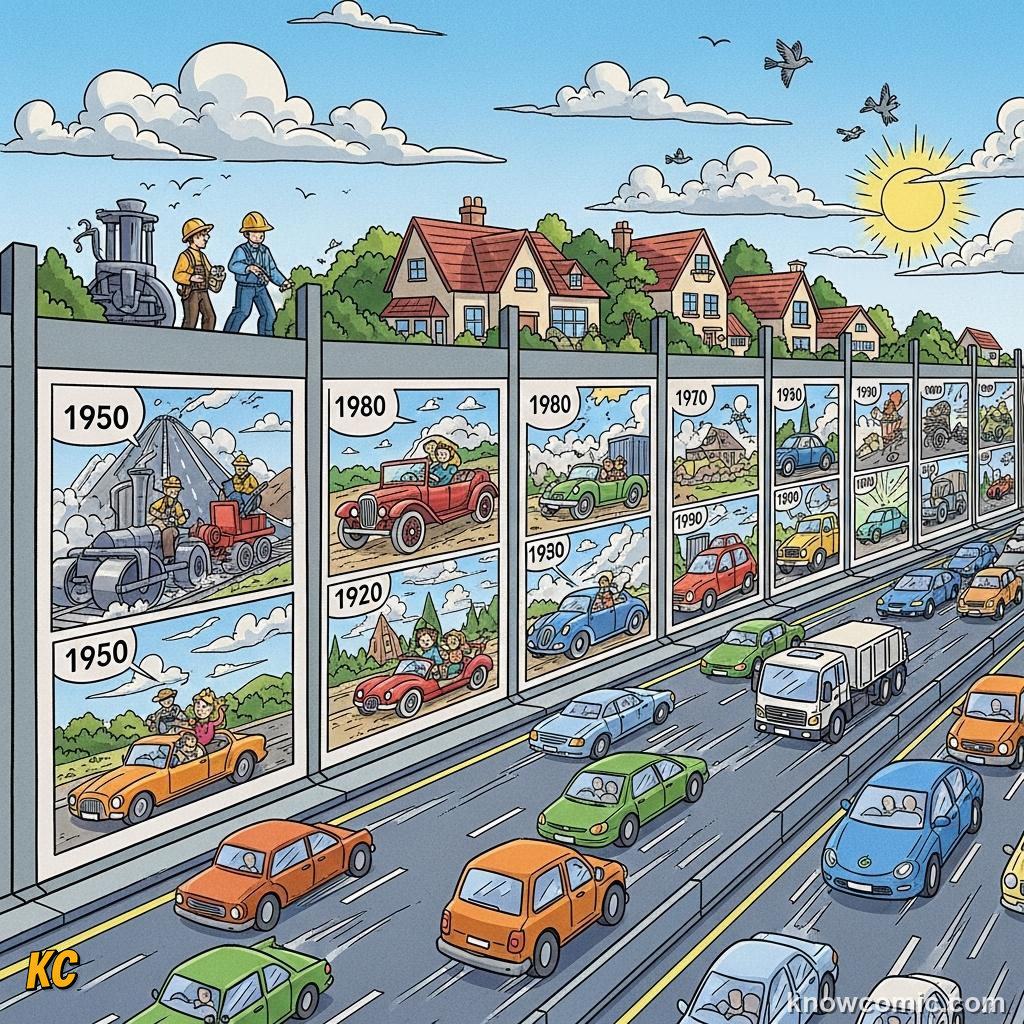
Barriers: protect bedrooms from bass notes
CLOG
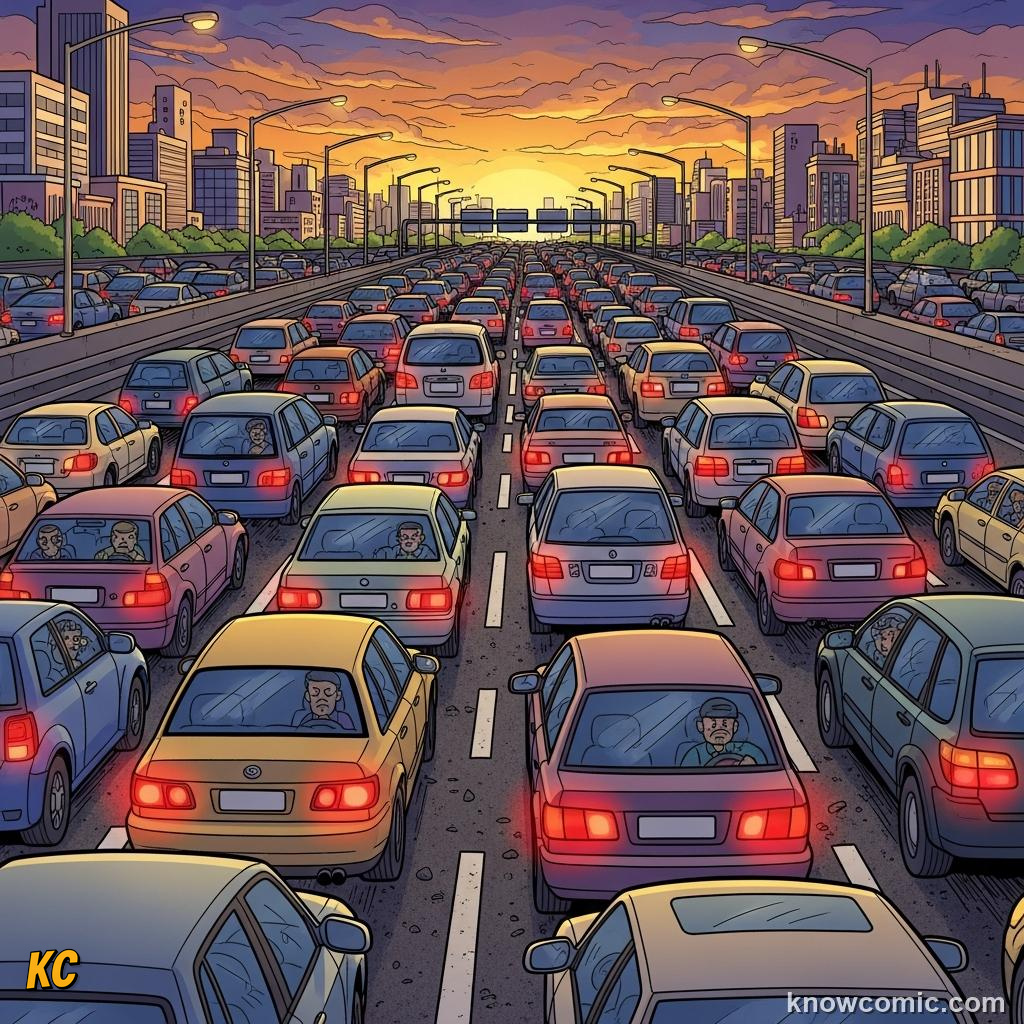
Rush hour: physics beats optimism
PAGE 5 OF 5, TARMAC EMPIRE, AND THEN: UNDER THE CITY
STILL BUILDING, STILL ARGUING
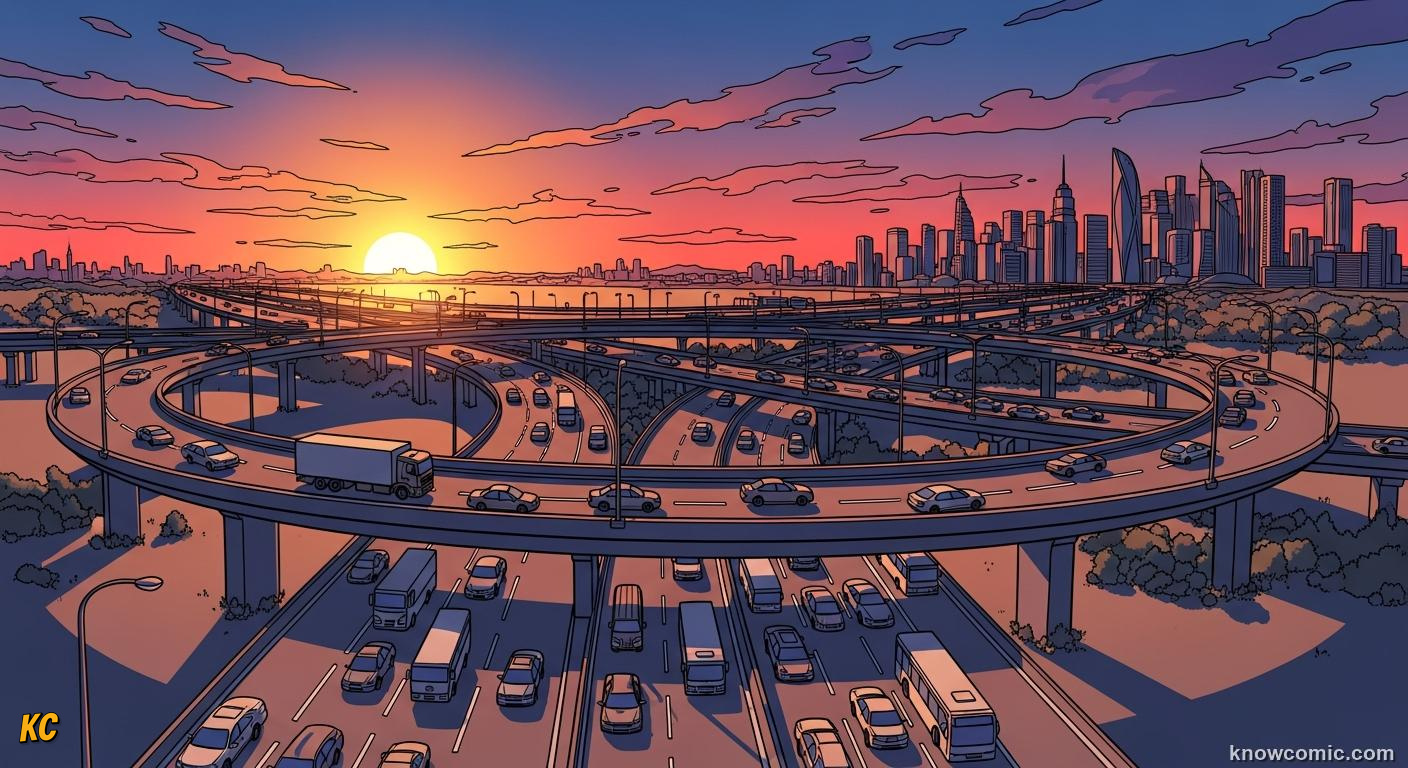
EVERY COUNTRY POURS ITS OWN RIBBON
From India's expressways to China's multi-lane boom to ring roads in Europe, the same story repeats: connect industry, shrink drive times, argue about smog and farmland. Smart tools (variable signs, electronic tolls, HOV lanes for car-pool buses) try to squeeze more calm out of the same width. Topic 07 — the London Underground dives under the traffic layer with rails in tunnels that made the first famous "metro" story for English schoolbooks.
🧠 ZOOM AHEAD
Continue to Transport Topic 07 — The London Underground (live on the hub) or browse the grid.
MERGE
TOLL
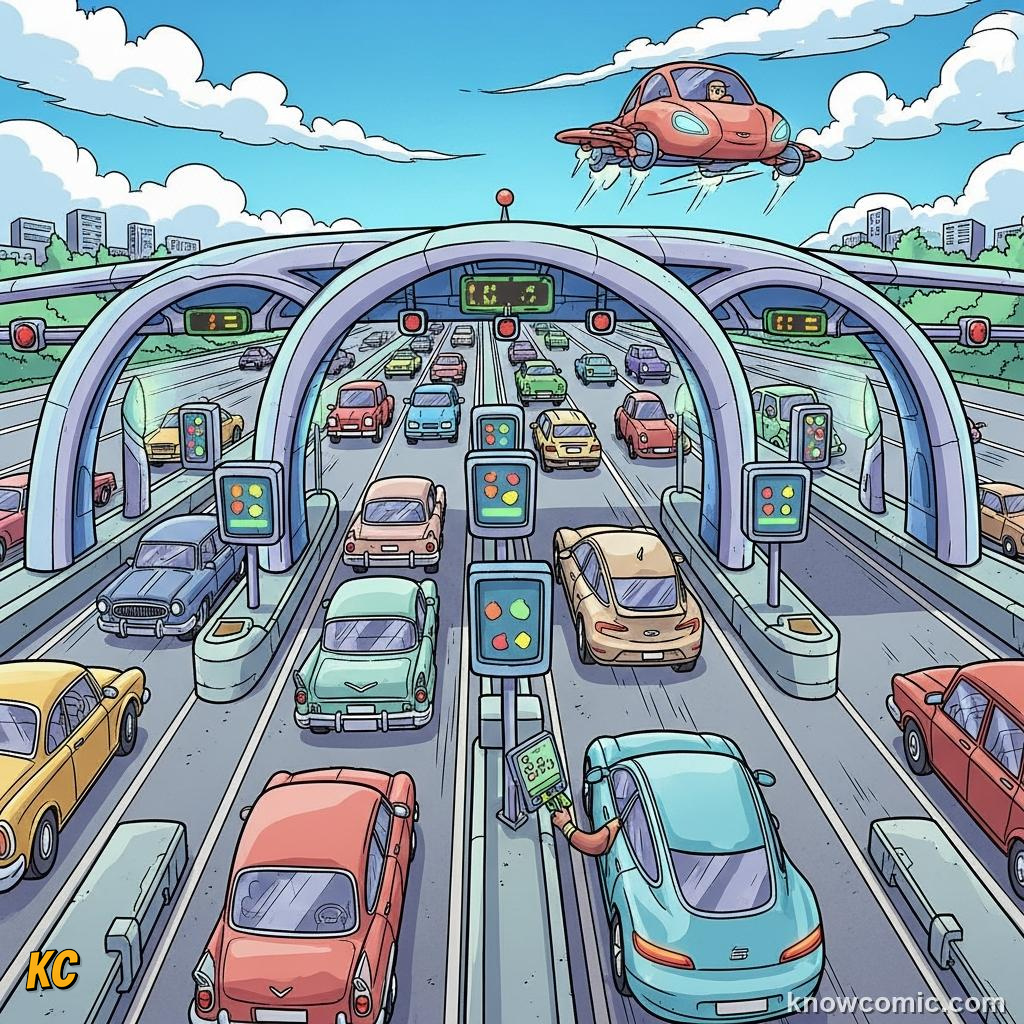
Paying: who uses, who pays, who protests
HUB
📌 KEY FACTS
Limited access · Autobahn 1930s · U.S. Interstate 1956+ · Suburbs + trucks · Costs and congestion.
➡️ Then: Topic 07 — The Tube
🧠 QUIZ TIME!
MOTORWAYS AND HIGHWAYS: ROADS THAT BUILT NATIONS · 5 QUESTIONS
QUESTION 01
A classic motorway / freeway is built so fast through-traffic is separated from —
QUESTION 02
The huge U.S. Interstate building push is tied in school history to the —
QUESTION 03
The Autobahn system most famously linked in popular culture to —
QUESTION 04
Induced demand (as planners use the phrase) is the idea that —
QUESTION 05
A major effect of massive national highway systems was to help —
0/5
LOADING...