🚗 THE CAR: HOW THE AUTOMOBILE CHANGED THE WORLD
PAGE 1 OF 5, HORSES, HUBS, AND THE DREAM OF A PRIVATE ENGINE
NOT YET "TRAFFIC"
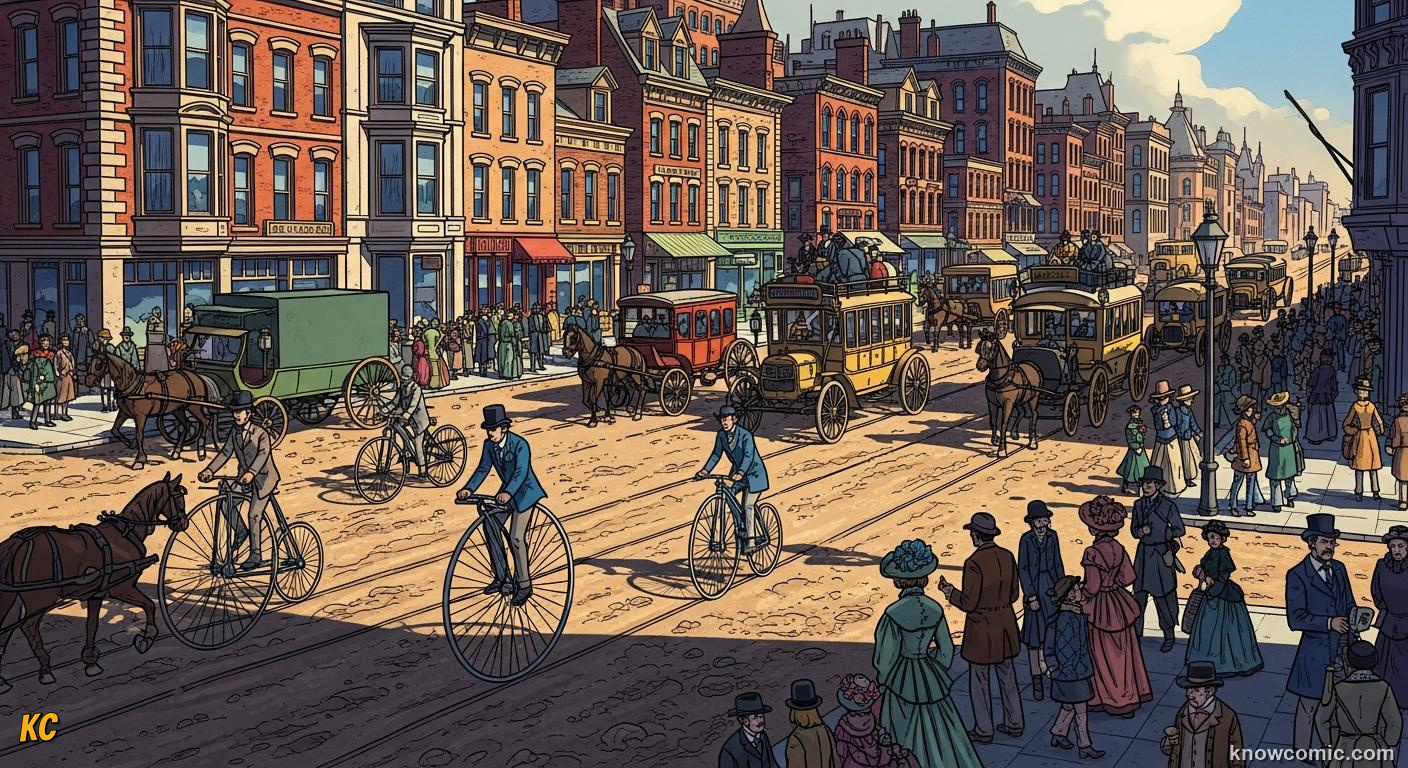
COST, STINK, AND SCHEDULE
Long before every street had a parked metal box on rubber, cities moved on horses, hooves, and scheduled carriages. Railways (Topic 2) won the long, heavy, timetabled battle; the last mile to a farm, shop, or cousin still wanted flex. Tinkerers bolted small engines to wheeled frames — dangerous, smoky, expensive — then Karl Benz in Germany (1885) is the name most textbooks pair with the first practical motor car: the Patent Motorwagen, a three-wheeler with a gasoline engine that could carry people without feeding hay. The automobile age did not arrive in one showroom; it arrived in patents, crashes, and stubborn optimism.
📌 KEY DATE
Many timelines pin the first true motor car to Benz, 1885 — the story is a bit messier in real life, but the lesson sticks: liquid fuel in cylinders beats oats on most highways.
NEIGH…
BENZ
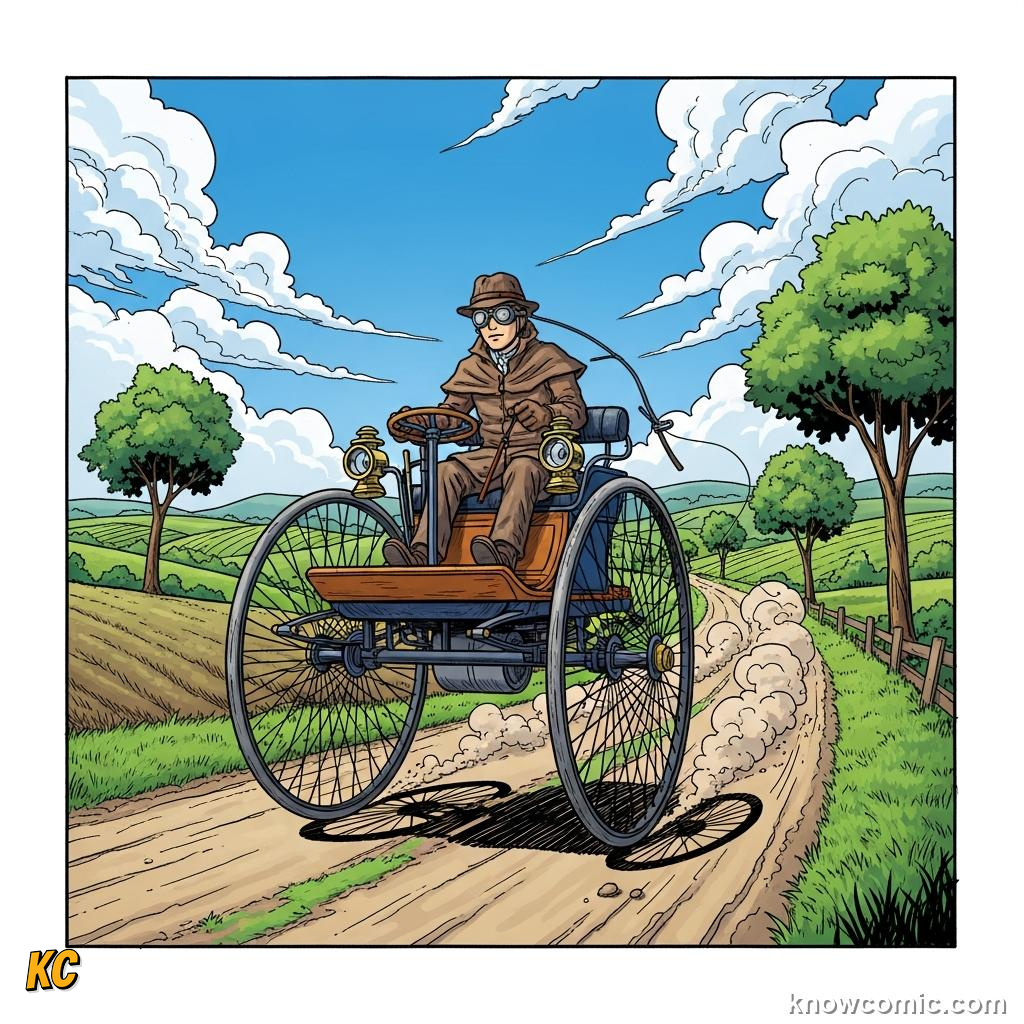
Three wheels, one small revolution
CITY
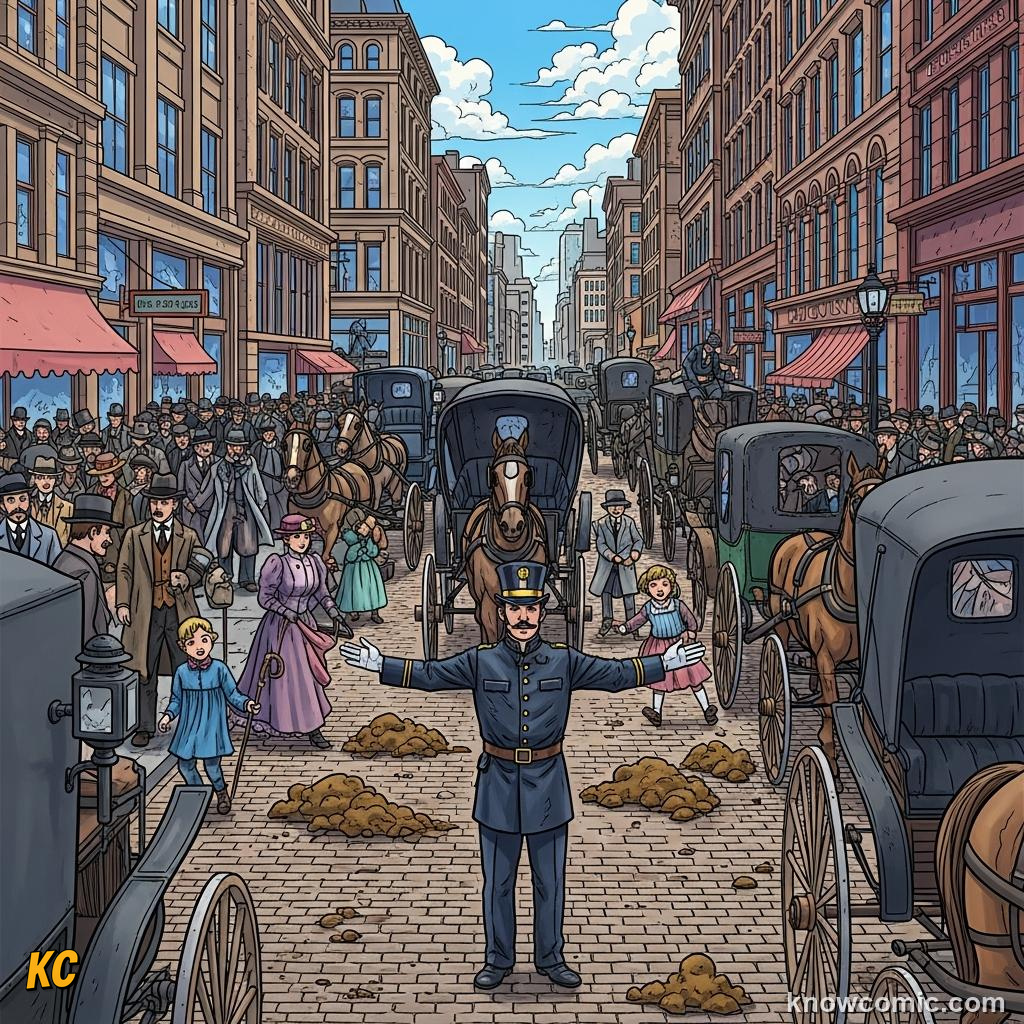
Horses: manure + traffic jam — the old way
PAGE 2 OF 5, SUCK, SQUEEZE, BANG, BLOW (THE PETROL ENGINE IN CARTOON)
UNDER THE BONNET
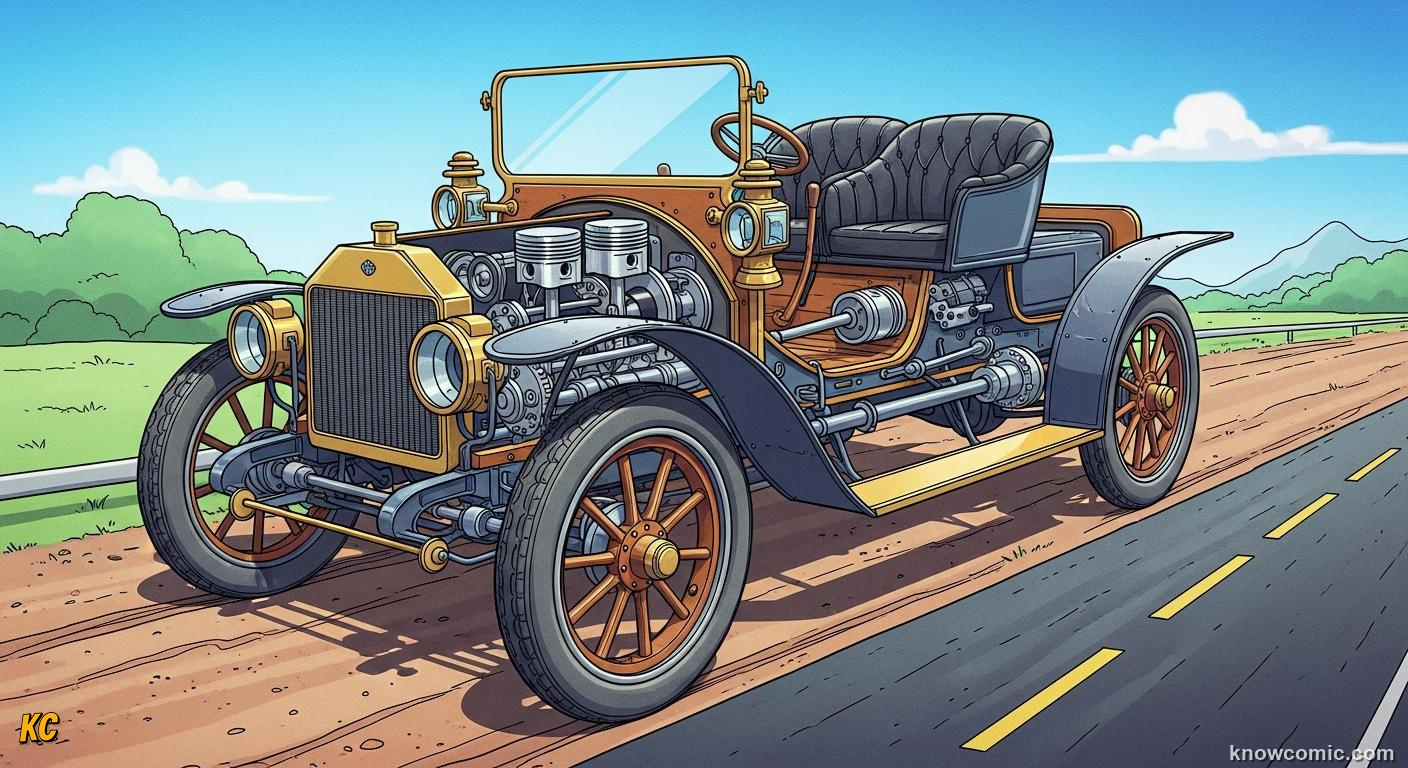
A CAR IS A BACKPACK OF CONTROLLED EXPLOSIONS
A typical petrol (gasoline) car breathes in air and fuel, compresses the mix, ignites it with a spark — pop! — and uses each tiny bang to shove pistons in cylinders up and down. A crankshaft smooths that chaos into spin for the wheels (through a gearbox, because hills exist). Add brakes, steering, cooling, and a tank of liquid energy in the boot — and you have a road vehicle that does not need a private railway ticket, only a licence, fuel money, and respect for physics. Diesel, hybrid, and electric cars swap parts of that recipe, but the car's superpower is the same: door-to-door, on your schedule.
VROOM!
FUEL
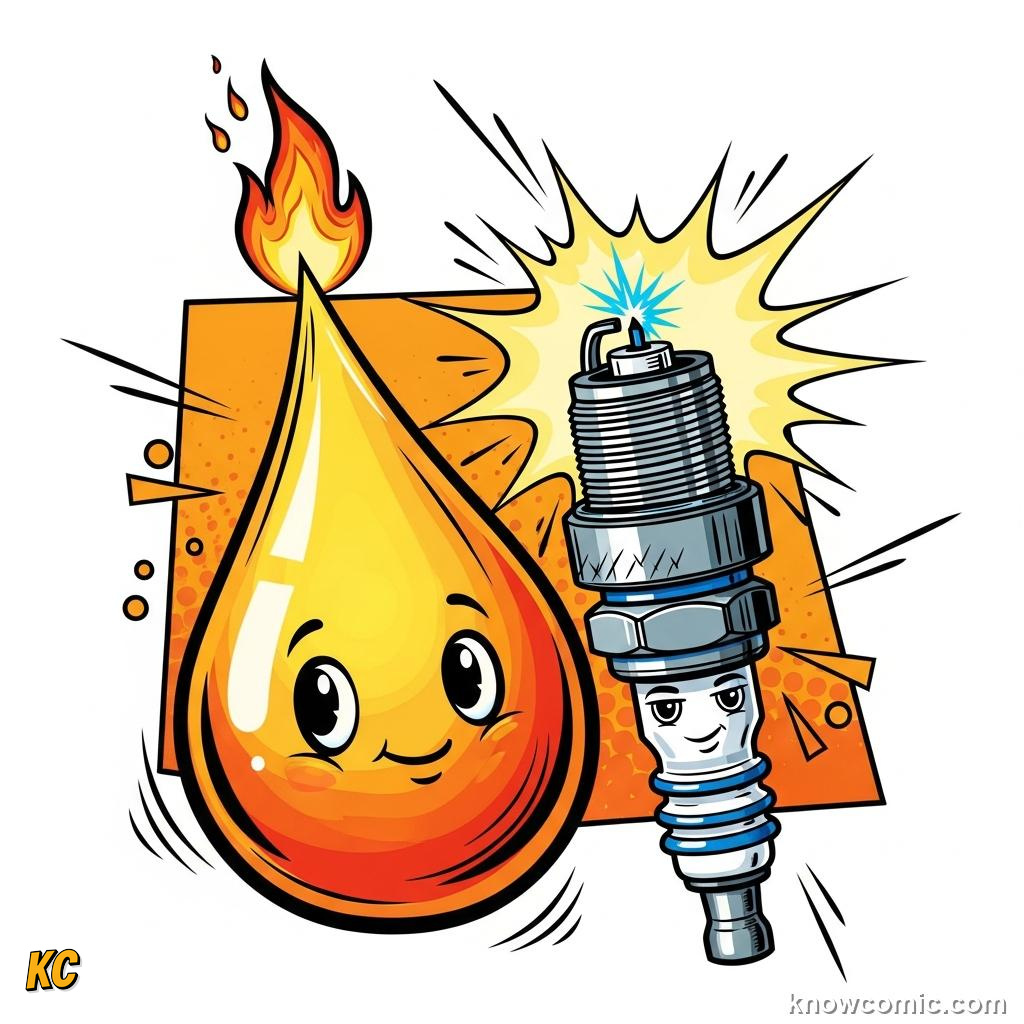
Petrol: portable camp-fire in a can
BANG
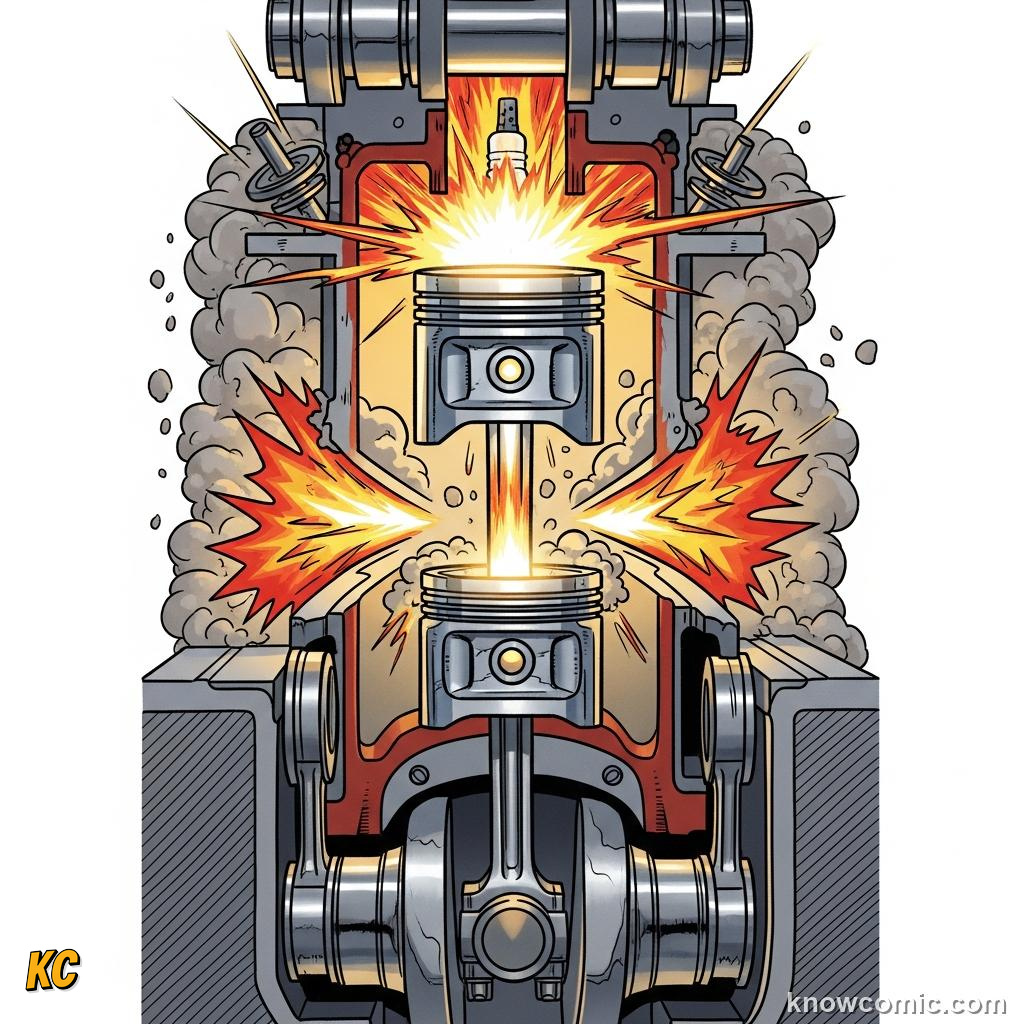
Pistons: tiny boxing match, huge teamwork
DRIVE
Steering: where freedom points
PAGE 3 OF 5, FORD, THE MODEL T, AND THE MOVING LINE
LINE
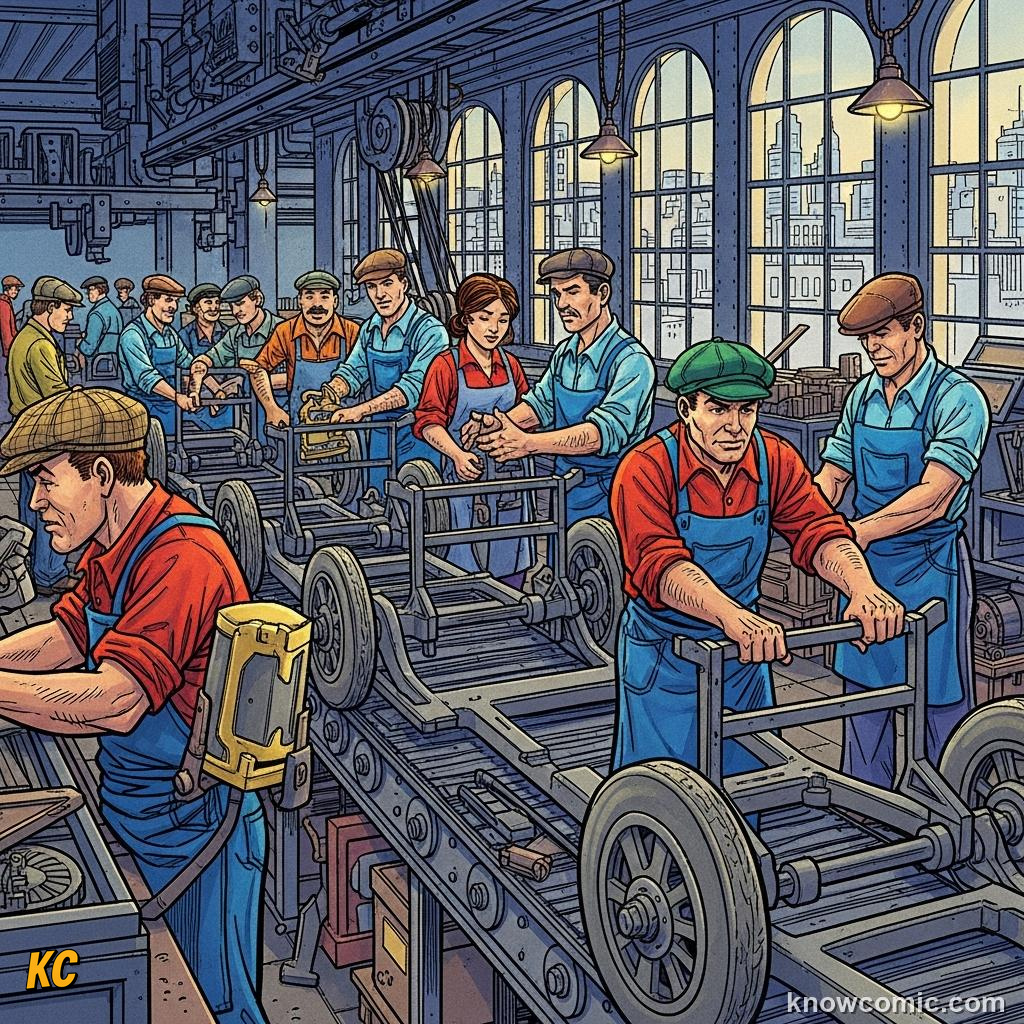
Chassis roll past workers — same job, faster
BLACK
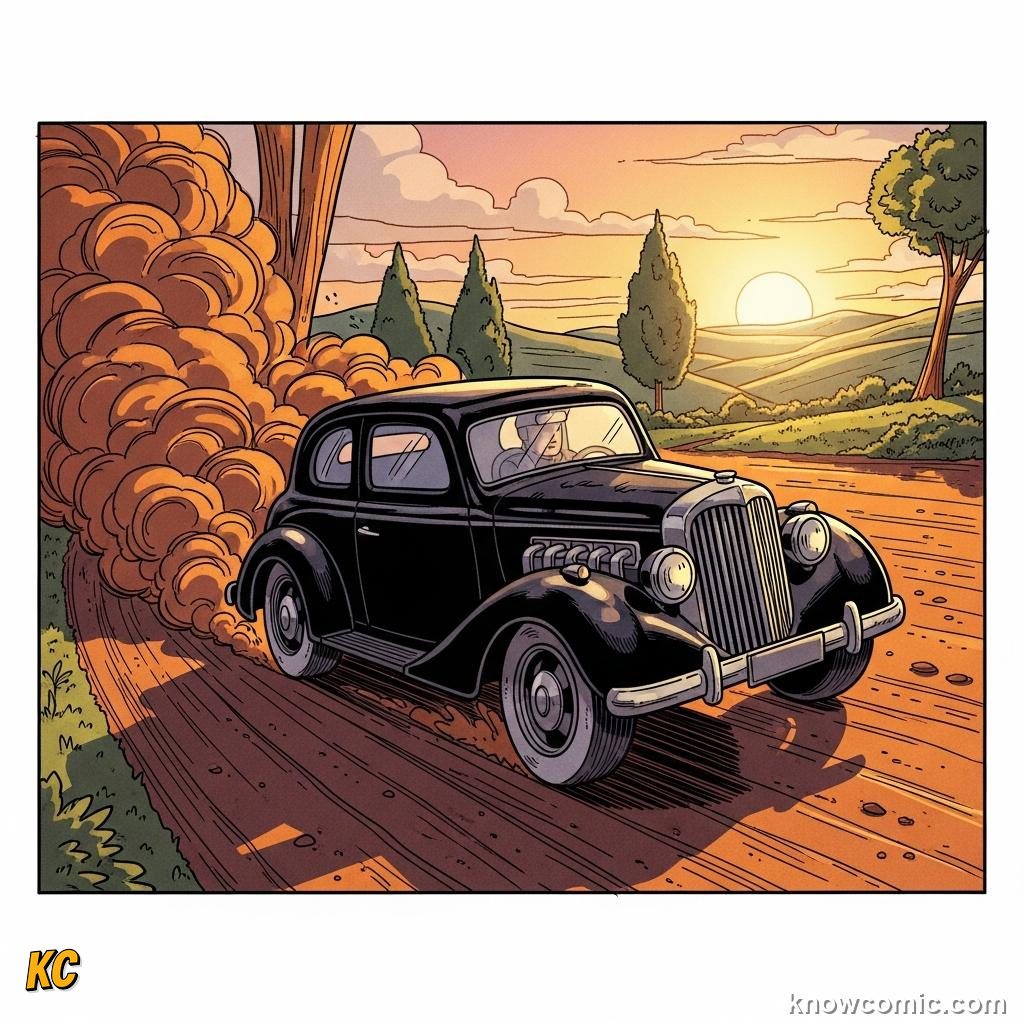
"Any colour…" legend still quoted
PRICE
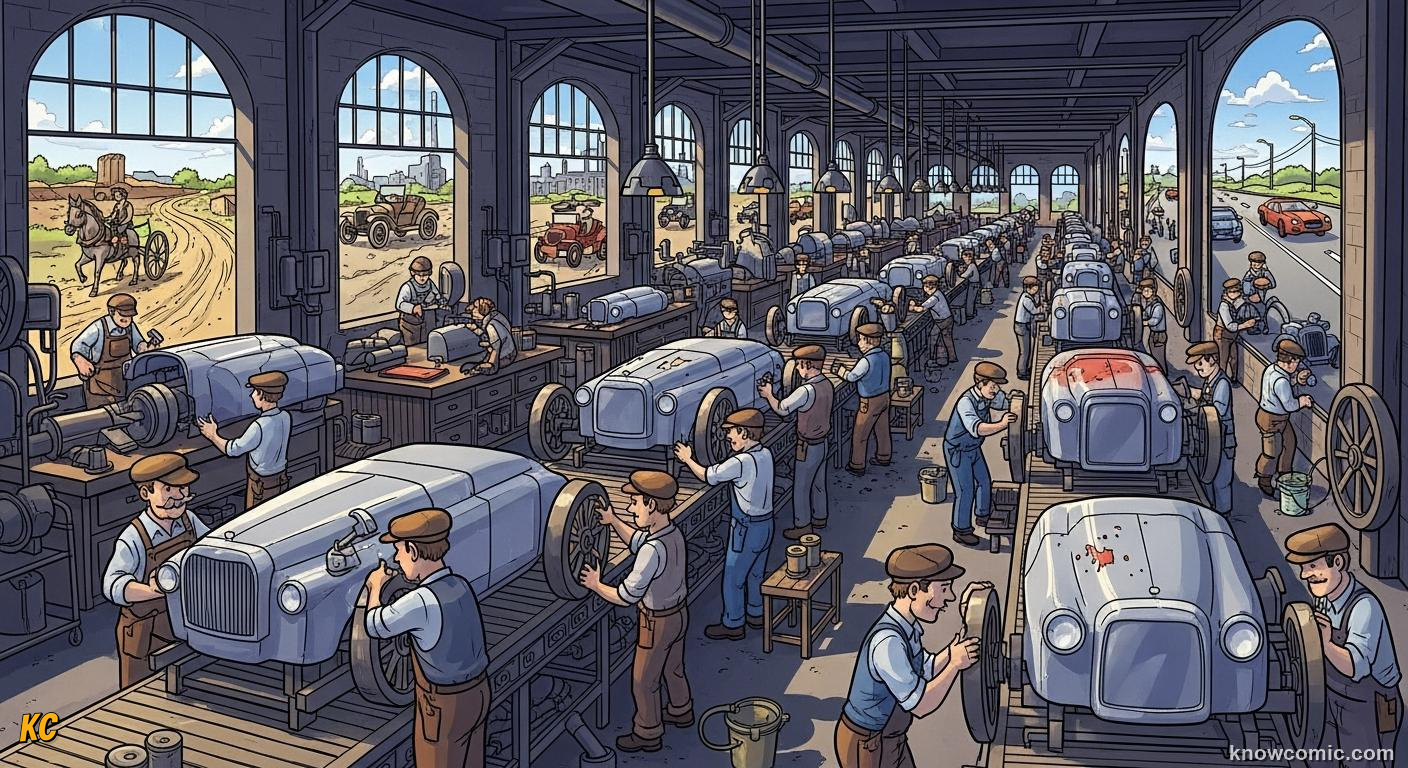
HENRY FORD & THE "EVERYMAN" CAR
Henry Ford in the USA did not invent the car — he industrialised it. From 1908, the Model T became a simple, tough, black-dominated icon as assembly lines, standard parts, and tight workflow crashed the price and blew up build time. A poster lesson: if workers stay still and the car moves, a working family can dream weekend road, farm run, and job commute without a private railway siding. Millions of Model Ts meant more petrol stations, more mechanics, and more laws — the 20th century began to smell of oil and possibility.
DEAL!
PAGE 4 OF 5, ROADS, OIL, SUBURBS, AND "TRAFFIC" AS CULTURE
REDRAW THE MAP
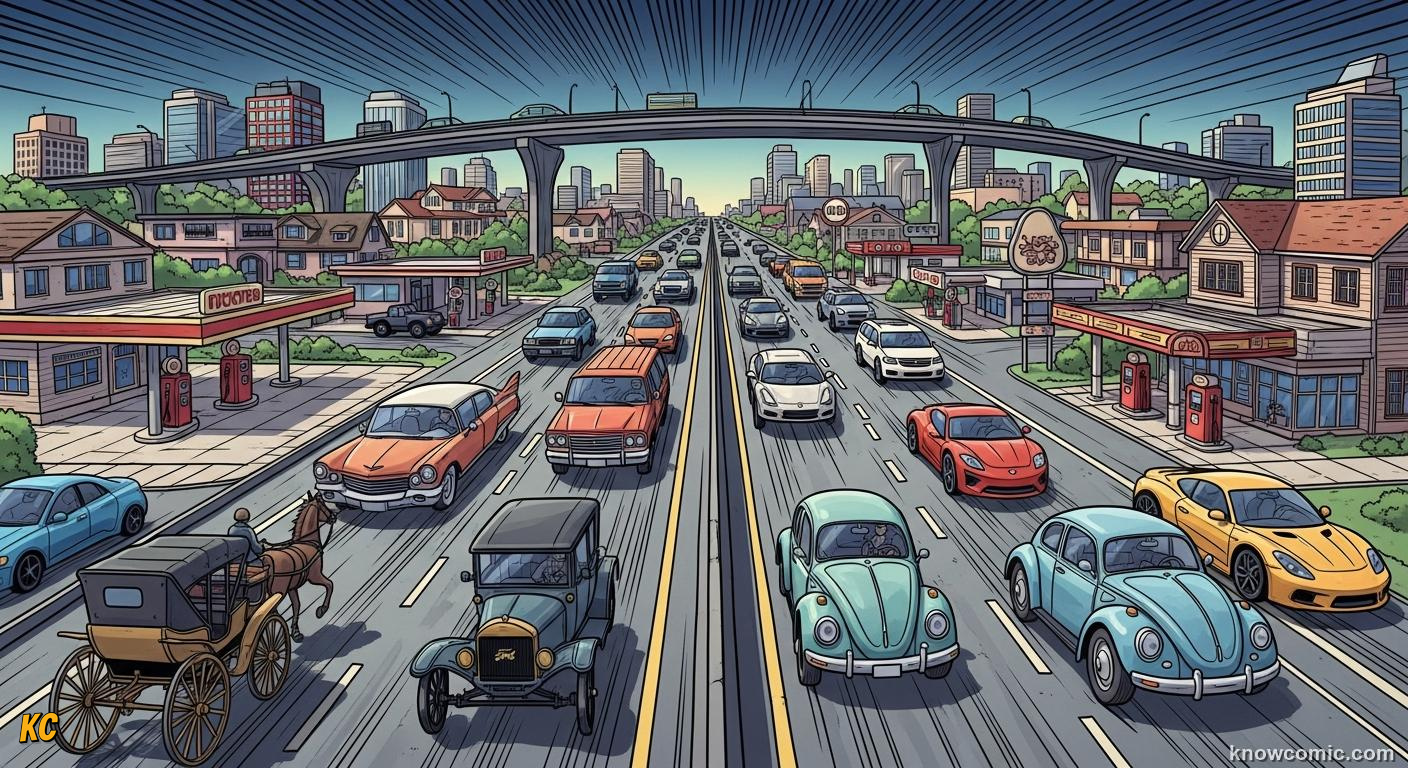
BILLIONS OF TRUNK-LIDS ON EARTH
The car did not only shrink a commute; it rebuilt land use. Highways, ring roads, flyovers, and multilane bridges cut through forests, farms, and old neighbourhoods — sometimes with protest, always with a parking lot. Petrol (gasoline) and diesel became arteries of a global industry; many wars and treaties have a pipeline subplot. Suburbs, shopping malls, and drive-thru are car-shaped architecture. A downside your science class will repeat: tailpipe CO₂ is a serious chunk of total emissions — the 21st century is busy electrifying, regulating, and rethinking the same freedom.
HONK!
SIGN
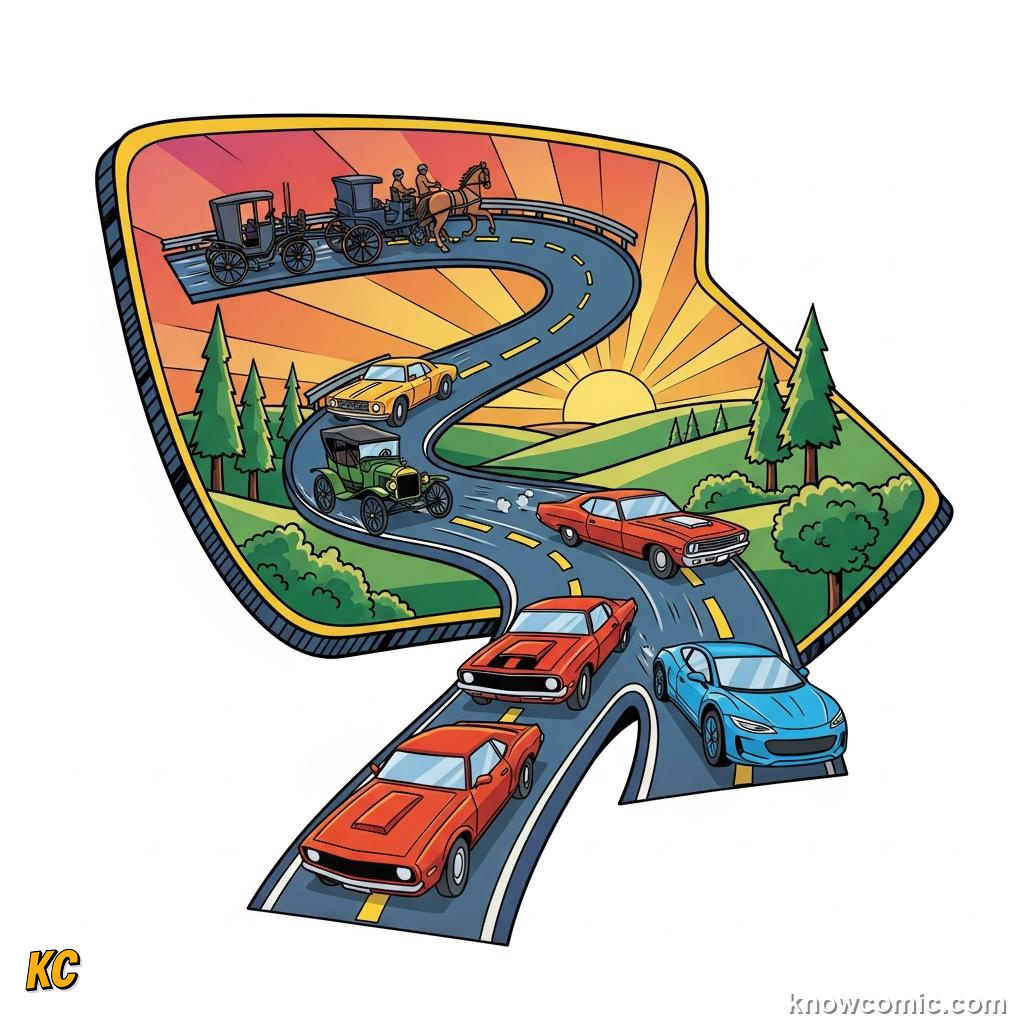
Road rules: paint, lights, and limits
OIL
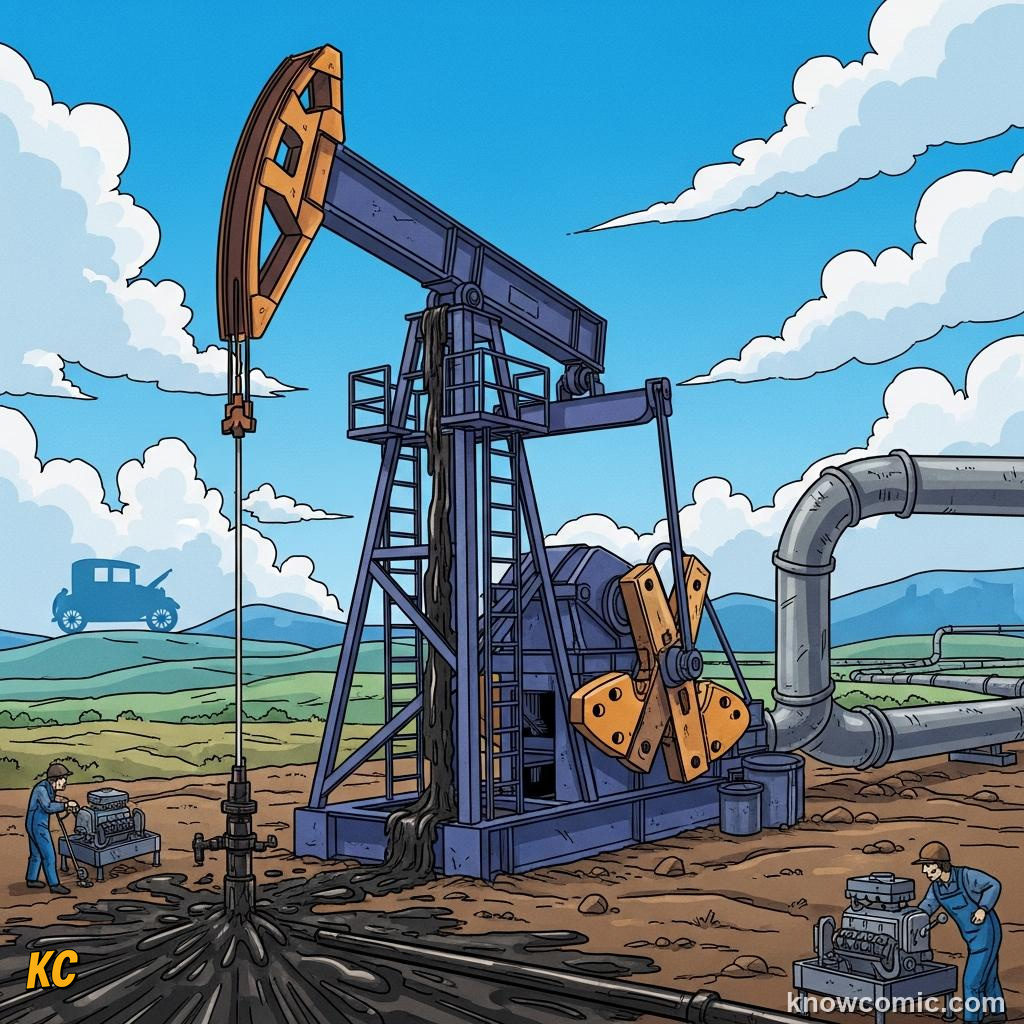
Refineries: turn crude into zoom-juice
LAWN
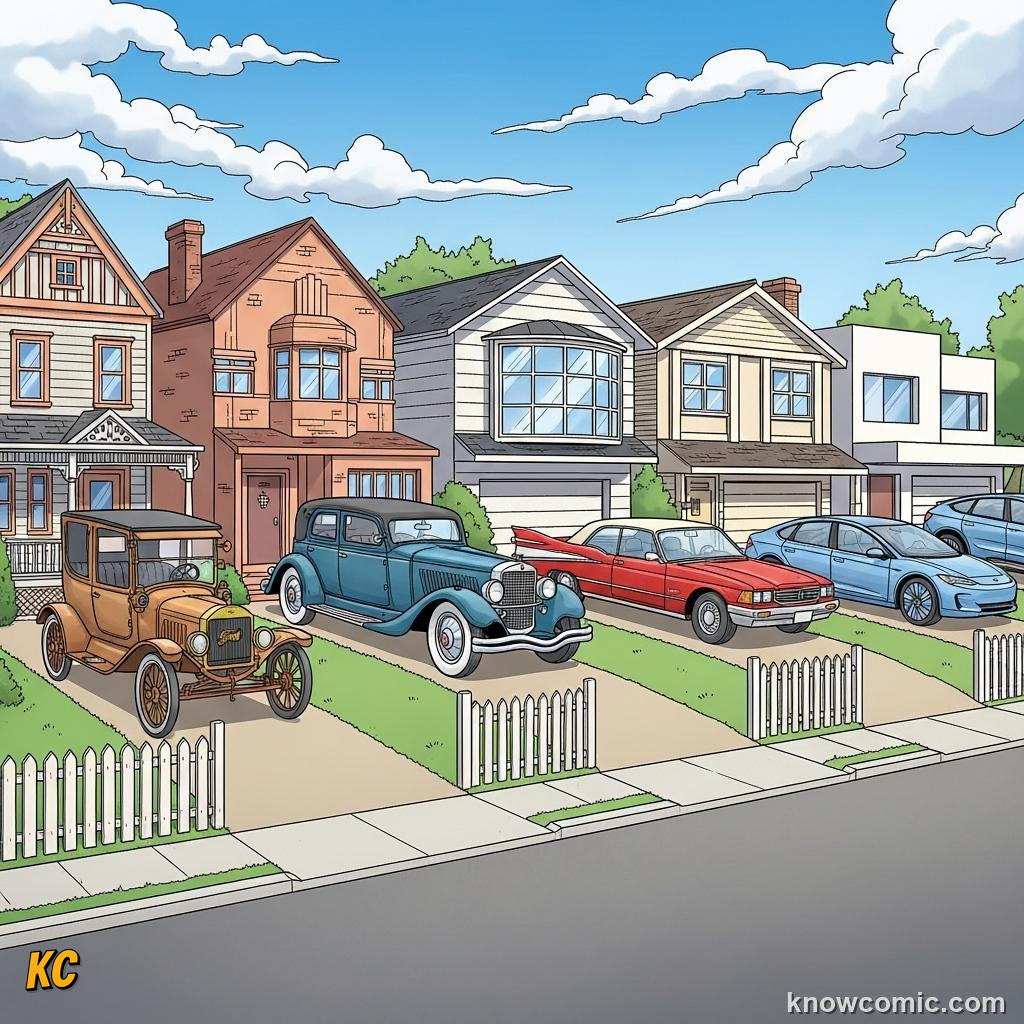
Suburb: garage, driveway, world
PAGE 5 OF 5, ELECTRIC COMEBACK, SAFETY, AND THE NEXT CHAPTER
STILL ROLLING, STILL RETHINKING
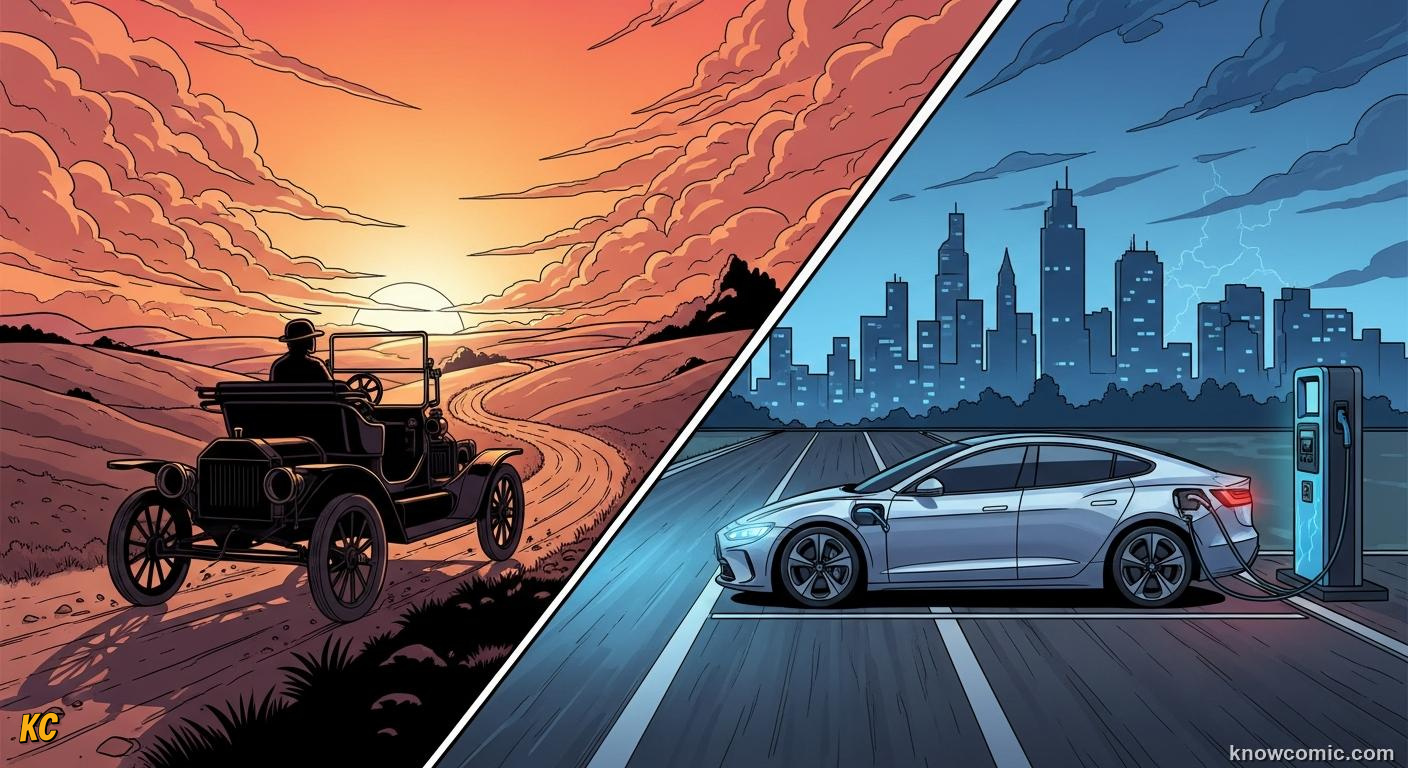
THE CAR WINS; THE CAR MUST PAY RENT TO THE PLANET
Today over a billion light vehicles exist — seatbelts, crumple zones, air bags, and anti-lock brakes are quiet heroes in every crash test. Electric cars return as a serious mass product (they competed with steamers and horses over a century ago too) because batteries, motors, and politics finally align. Autonomous drive tech nudges the steering role from hands to code — slowly, carefully. The car is not "finished"; it is a lively argument about freedom, smog, and design. On the Transport hub, Topic 4 looks back to the horse — the boss of speed for millennia — before rubber tyres ate its urban job.
🧠 ZOOM AHEAD
Stay on the Transport hub for Topic 04 — Horses in History and more land, sea, and air stories.
BEEP…
PLUG
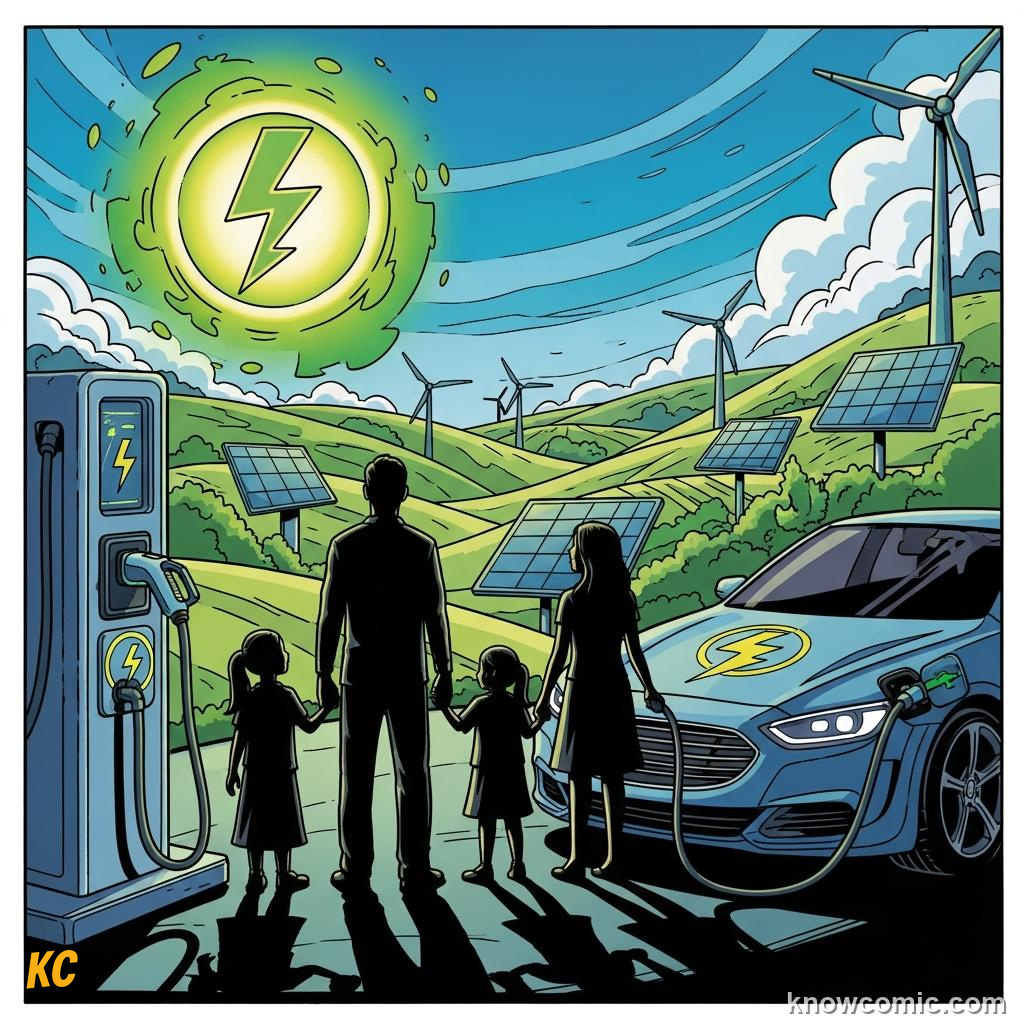
EV: quiet at the light
HUB
📌 KEY FACTS
Benz 1885 · ICE basics · Ford + Model T + line · Roads, oil, suburbs · EV comeback.
➡️ Then: horses, history, and hub
🧠 QUIZ TIME!
THE CAR: HOW THE AUTOMOBILE CHANGED THE WORLD · 5 QUESTIONS
QUESTION 01
In many school timelines, Karl Benz is credited with the first practical motor car (Patent Motorwagen) in —
QUESTION 02
Henry Ford is especially famous for using a moving assembly line to mass-produce the —
QUESTION 03
In a simple cartoon of a petrol car engine, energy from burning fuel mainly becomes —
QUESTION 04
One major environmental reason countries promote electric vehicles is to reduce —
QUESTION 05
Compared with railways on fixed tracks, a car's special superpower for daily life is usually —
0/5
LOADING...