🐎 HORSES IN HISTORY: THE FIRST FAST TRANSPORT
PAGE 1 OF 5, FROM WILD HERD TO HUMAN PARTNER
THE STEPPES & THE SPARK
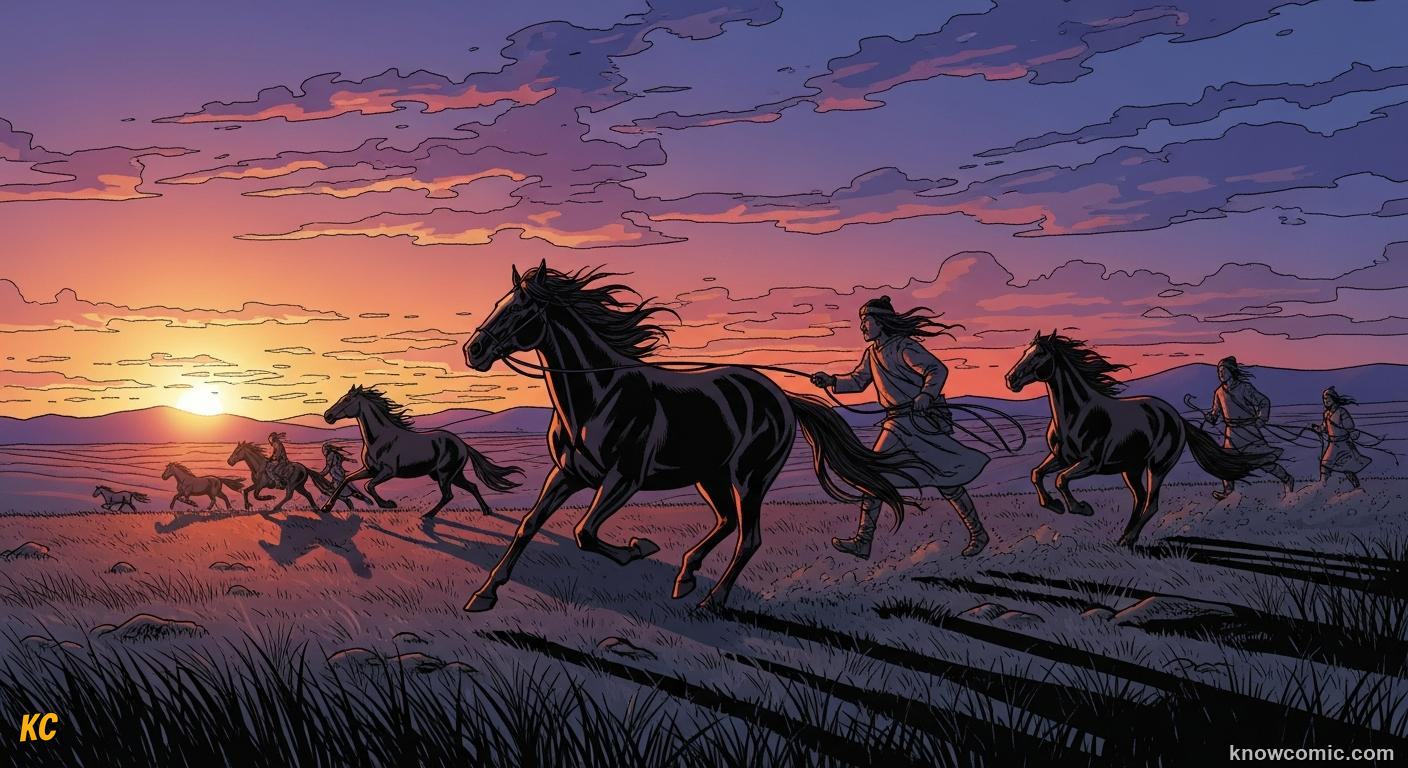
NO HORSE, NO "FAST" LAND MAIL
For most of history, if you wanted to cross land faster than walking, you either rode something that could gallop or you waited for a boat. Wild horses once ran in thundering herds; humans, over thousands of years, turned a few lines into partners: pull, carry, charge, warn. Archaeologists argue dates, but a simple school story is: by the Bronze Age, horses are already remaking war, trade, and gossip speed from the Eurasian grasslands outward. Topic 1's wheel plus a trained horse is a loaded sentence on history tests.
📌 BIG PICTURE
Domestication is a slow treaty, not a selfie with a colt. Textbooks often park the main horse story in the 3rd – 2nd millennium BCE — rough window, hot debate, same result: empires on hooves.
TROT…
GRASS
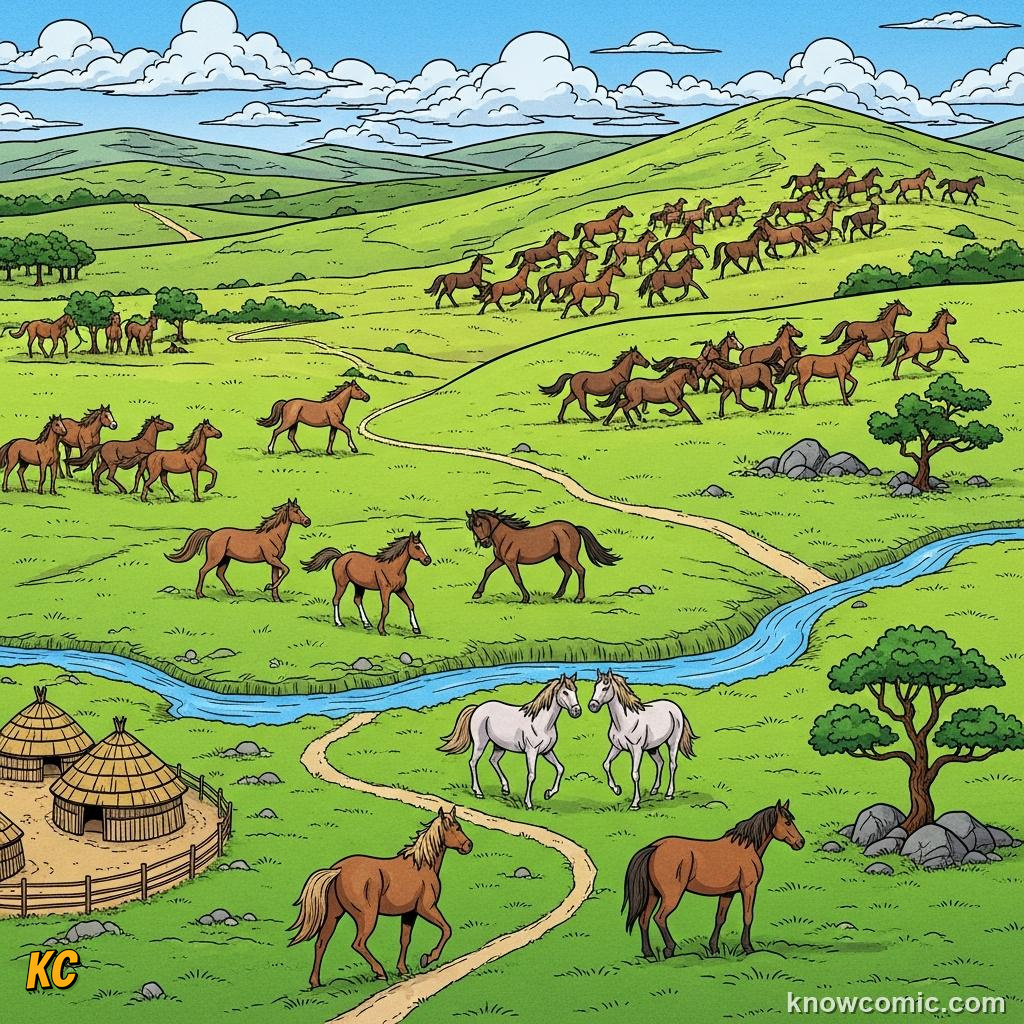
Open steppe: fuel of empire
BOND
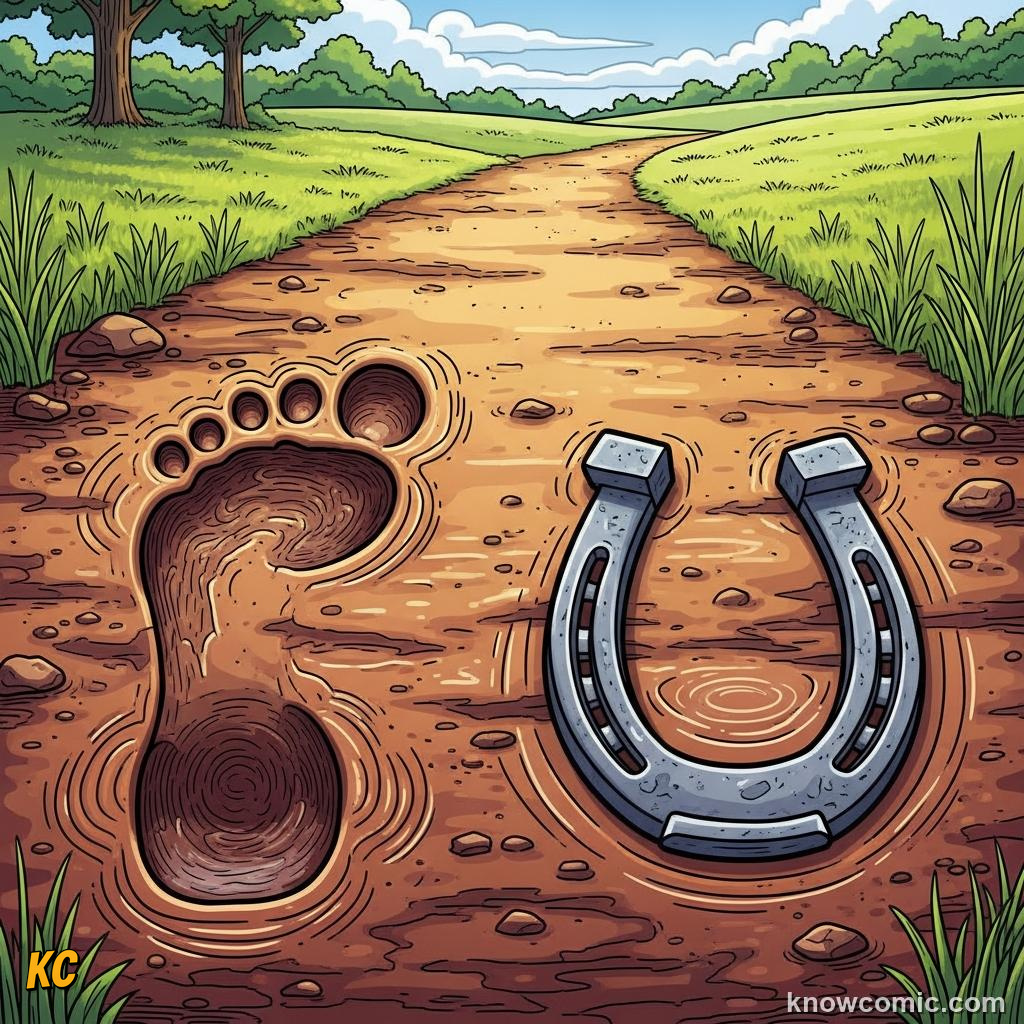
Trust: bridle, breath, and courage
PAGE 2 OF 5, GALLOP, RELAY, AND THE SPEED OF NEWS
FASTER THAN SHANK'S MARE
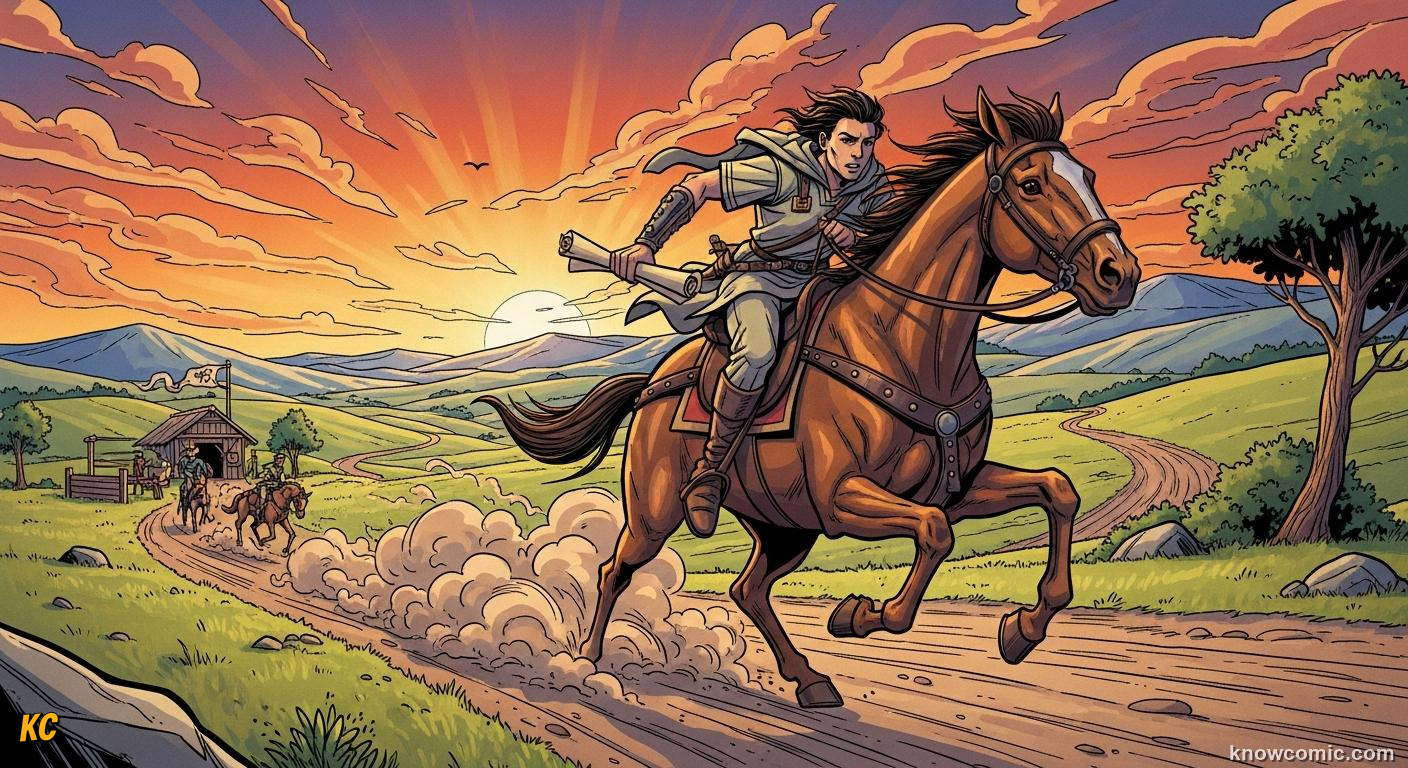
A RIDER + A FRESH MOUNT = INFORMATION VELOCITY
A fit horse can gallop in bursts far faster than a human marathon — and carry weight while doing it. Empires and traders built post roads, relay stables, and "change horses, not message" rules so news, pay packets, and war warnings could chain-hop across provinces in days that once took weeks on foot. Think Pony Express energy in the US, royal post-chaises in Europe, and steppe couriers in Asia: different names, same physics — muscle, oats, and sleep schedules still limit the clock. Steam (Topic 2) will later laugh at muscle limits on fixed rails — but before iron horses, only flesh horses owned the open route.
HA!
HOOF
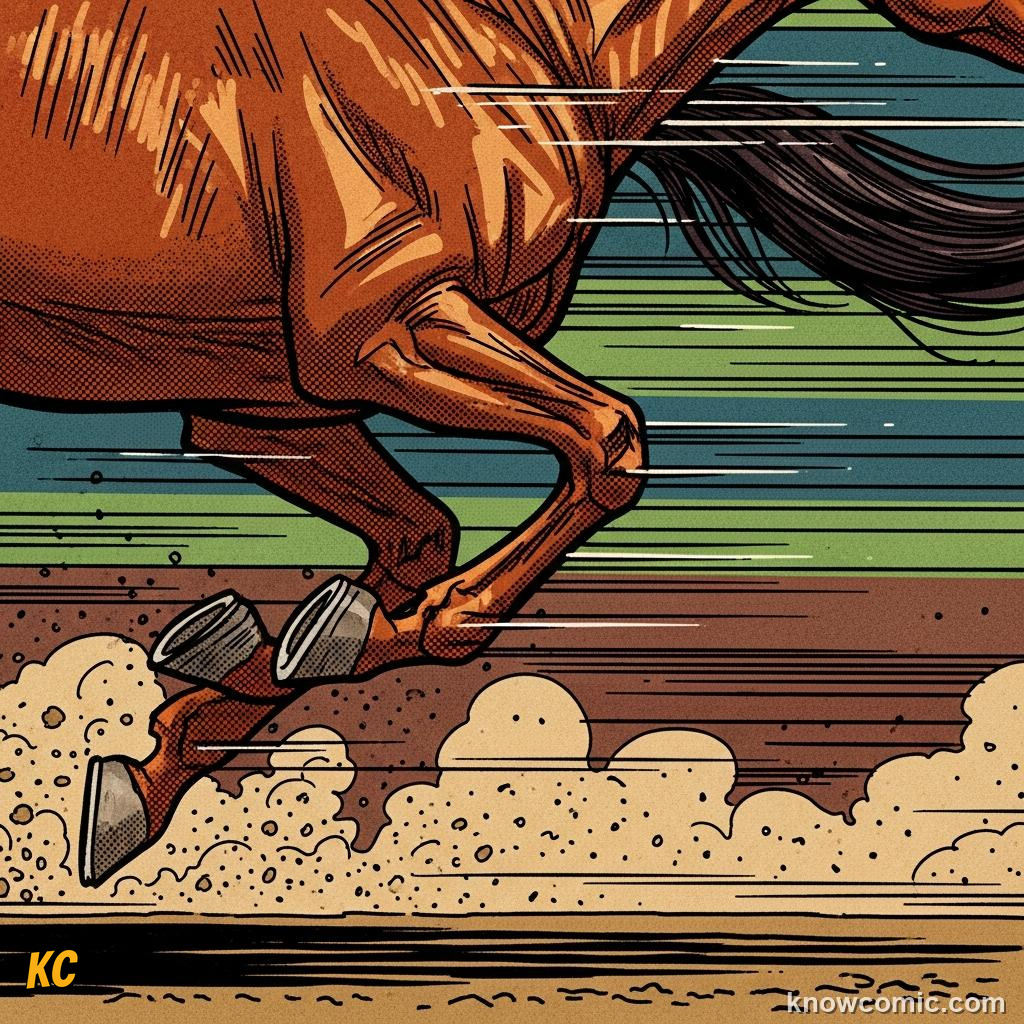
Gallop: expensive, unforgettable
SWAP
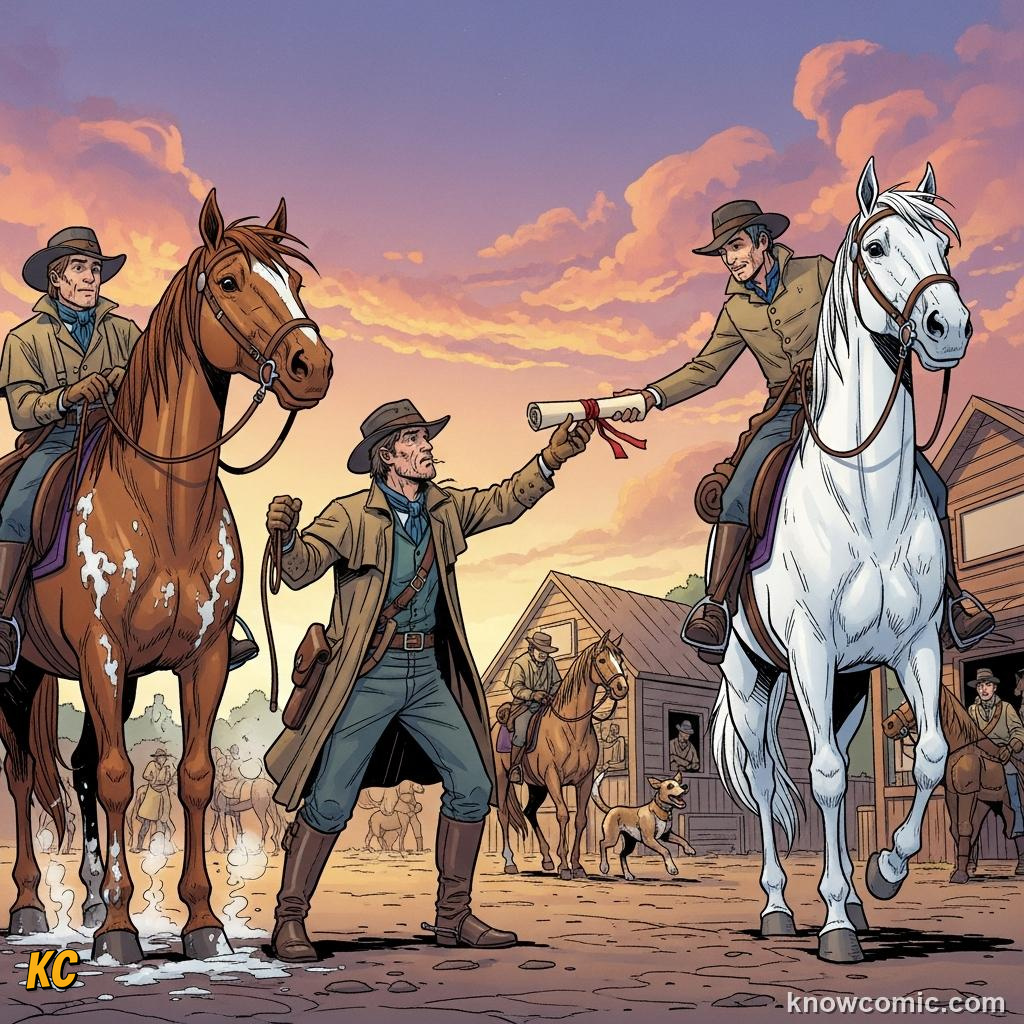
Relay: rest the engine, not the order
COIN
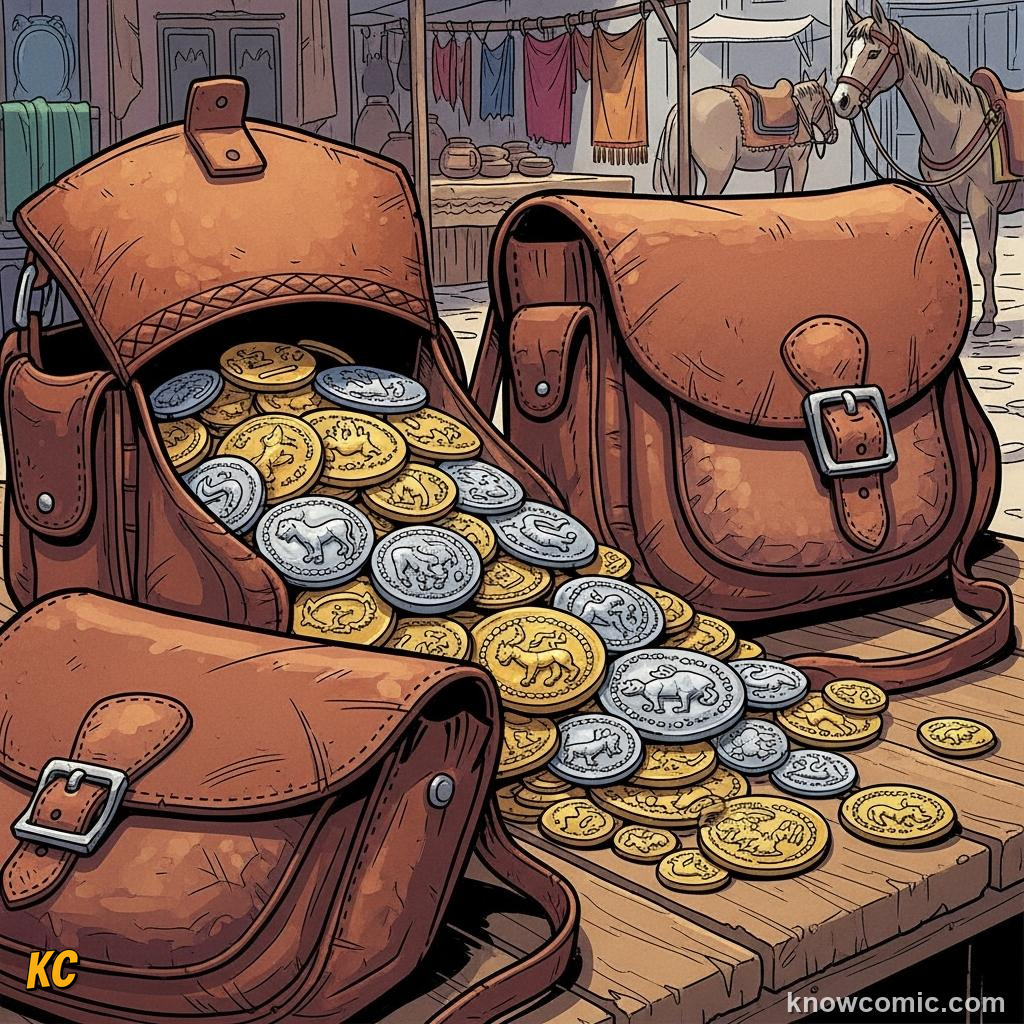
Speed: someone always pays in hay
PAGE 3 OF 5, CAVALRY, CHARIOTS, STIRRUPS, SHOCK & AWE
RIM
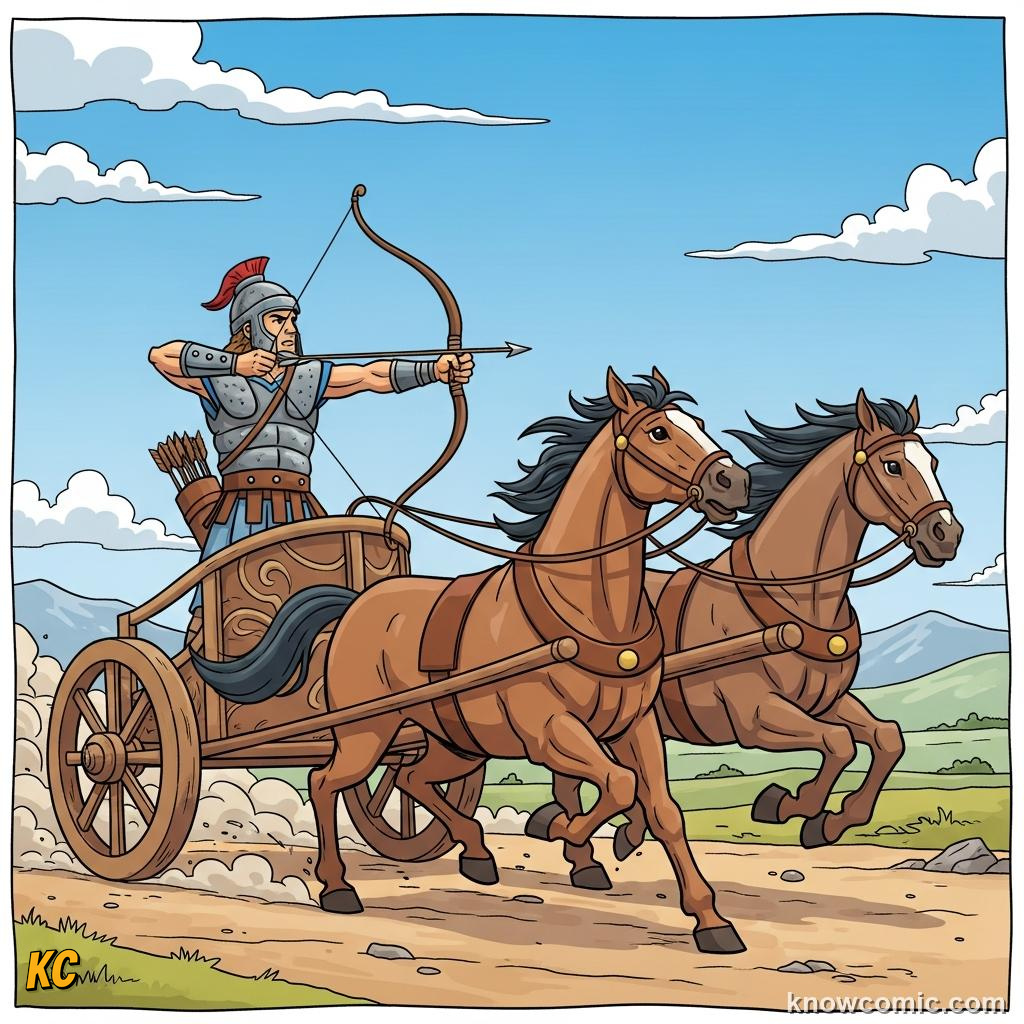
Chariot: wheels (Topic 1) + two ponies of panic
STIRRUP
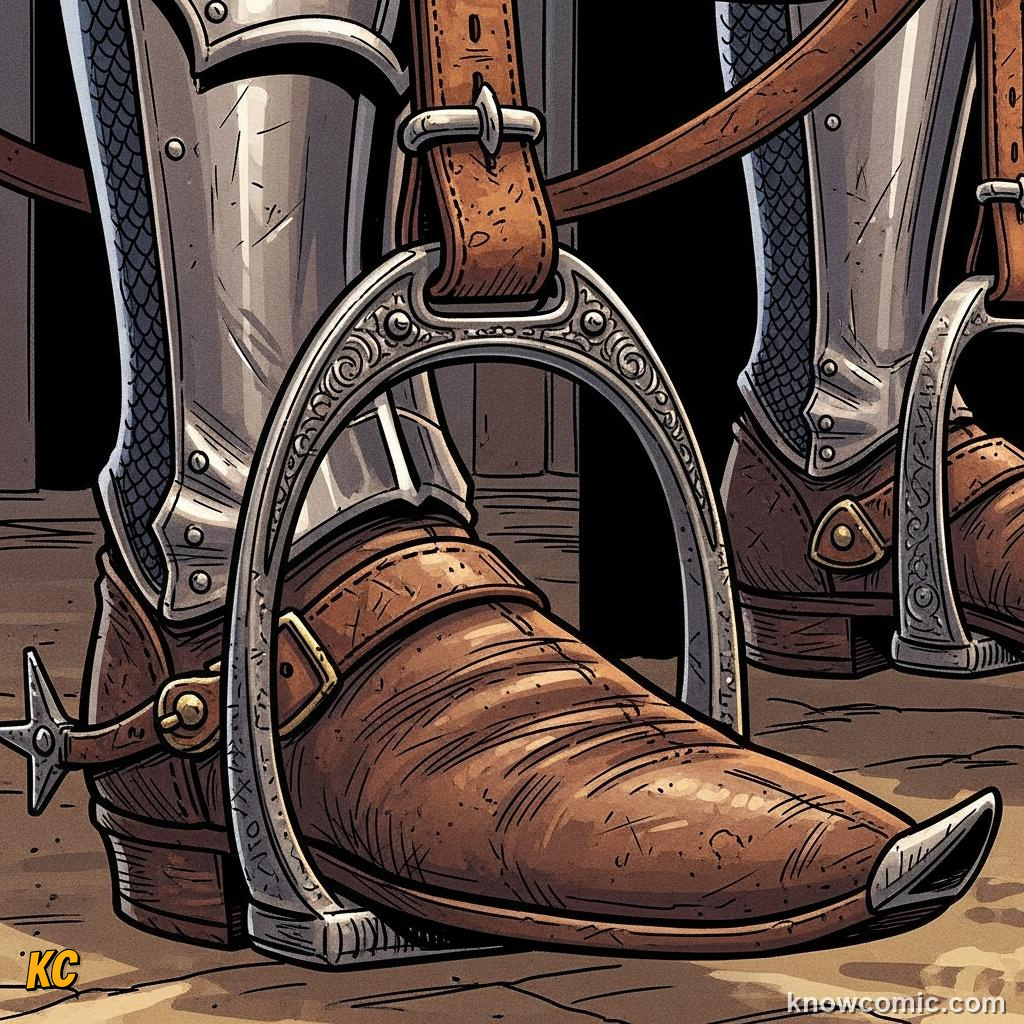
Stirrups: legs lock, lances aim
FLANK
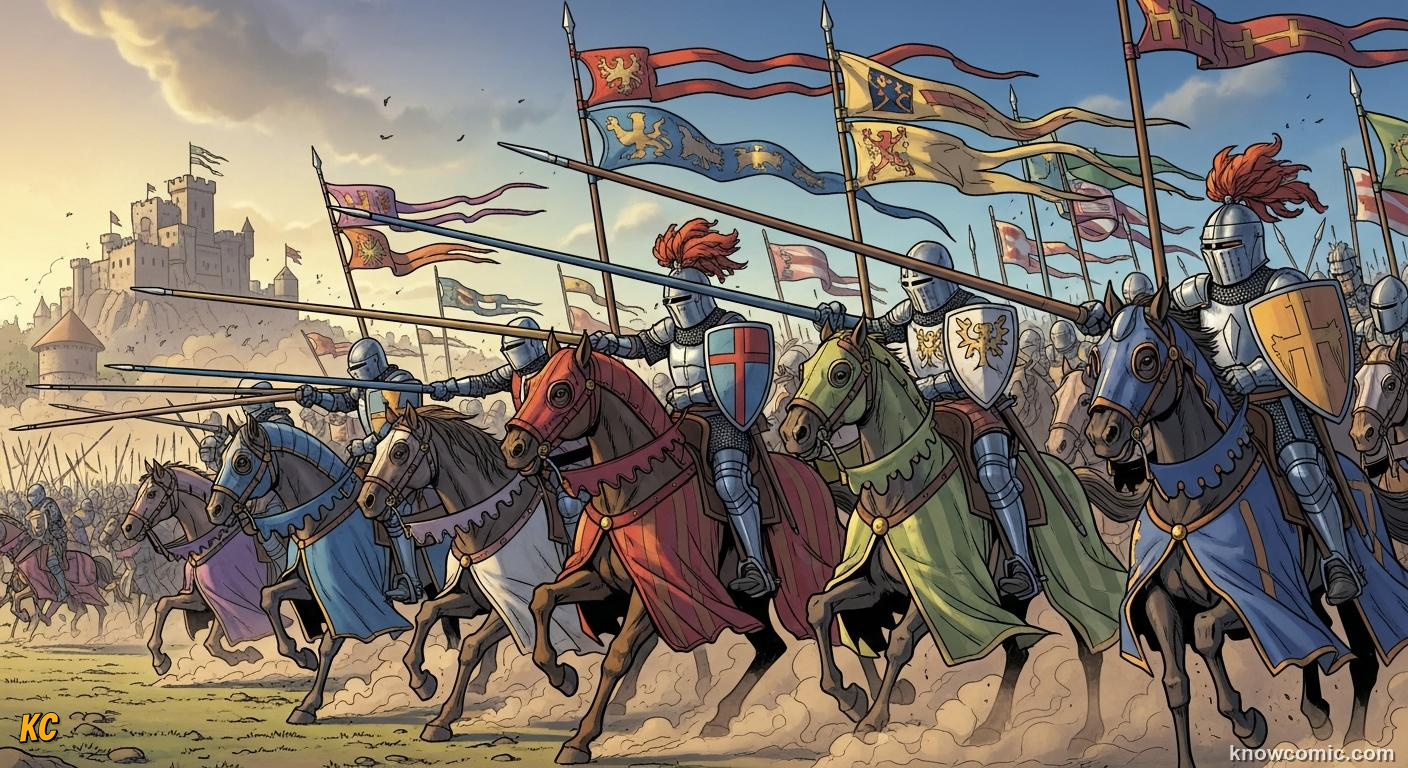
HORSEMANSHIP = TERRAIN + TRAINING + TERROR
Armies with fast shock troops — charioteers, cataphracts, lancers, mounted archers — could outflank, harass, and chase foot soldiers who were still tying sandals. A chariot is a wheeled platform (hello again, Topic 1) hauled by two or more horses in panic discipline. Later, single-rider cavalry with stirrups, saddles, and strong bits let a knight, sipahi, or hussar lean into a turn and come back for another pass. Logistics mattered: fodder trains before fuel trucks — a hungry army ate its speed.
CHARGE!
PAGE 4 OF 5, PLOUGH, WAGON, STAGE, AND THE DUST OF COMMERCE
NOT ONLY WAR
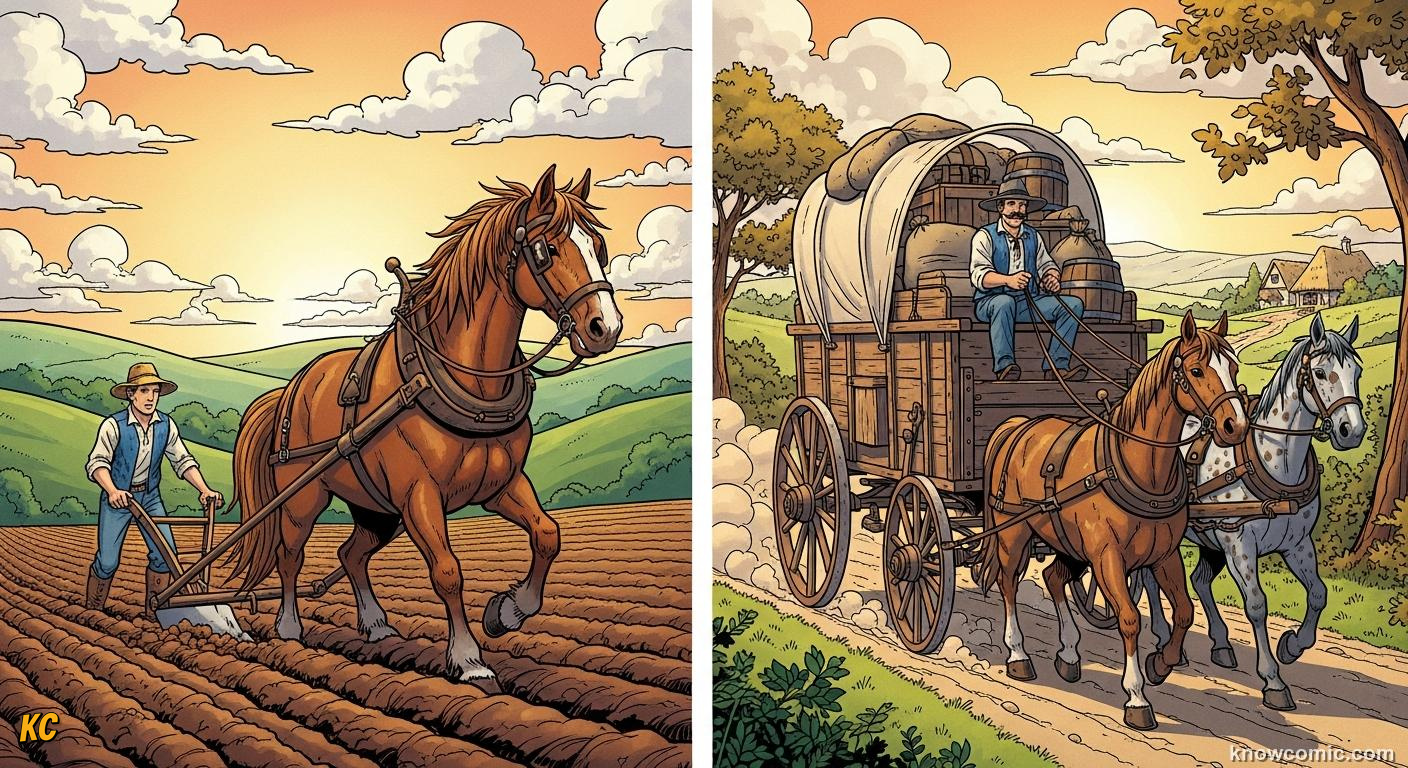
THE WORKHORSE OUTWORKED THE WARHORSE MOST DAYS
Horses ploughed fields, turned millstones, dragged timber, and carried market baskets. Coaches, wagons, and barge towpaths (where horses walked in harness beside canals) glued together towns before Topic 2's rails and Topic 3's petrol. A carriage trade was both commute and class signal. Blacksmiths, farriers, and veterinarians were the roadside API of the age. Every city of the 1800s in Europe or North America thundered with hooves — and choked on manure until sanitation and engines changed the street menu.
HEAVE!
STAGE
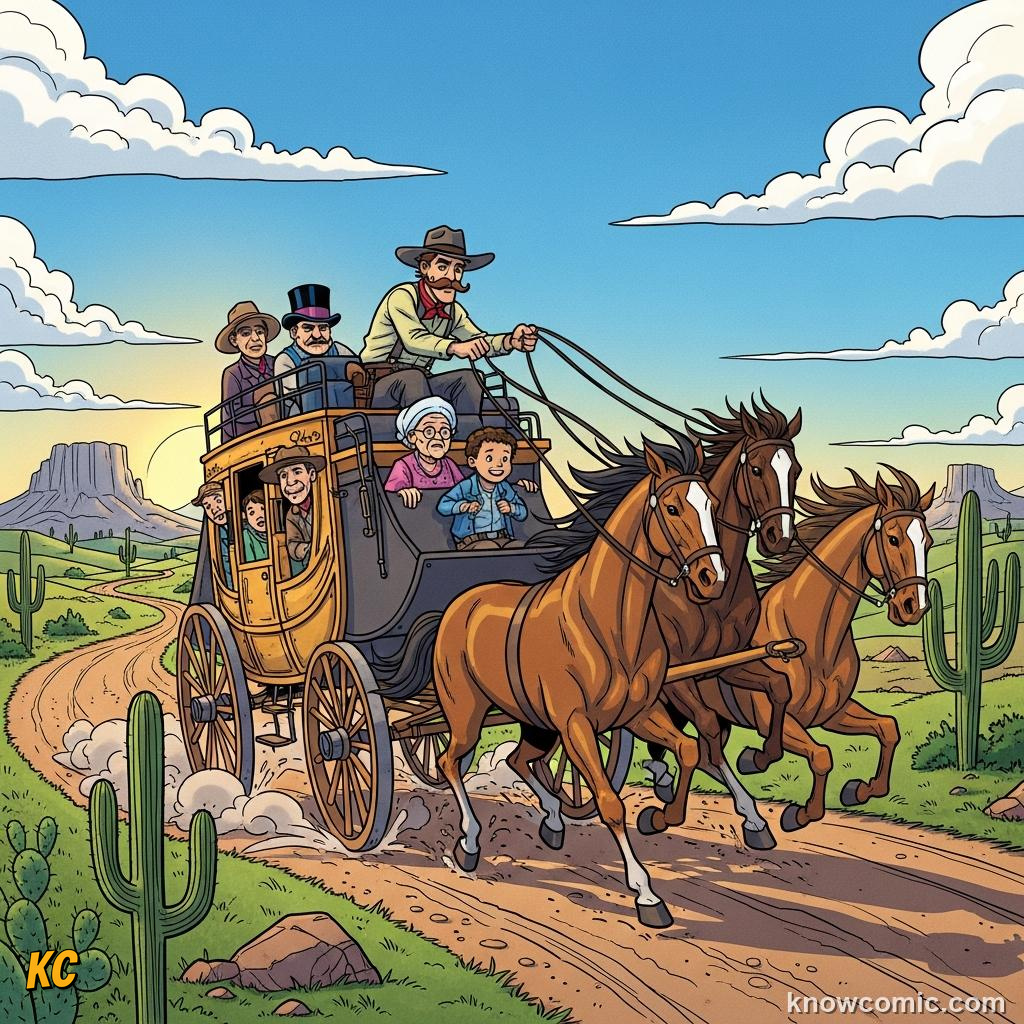
Coaches: bone-shaker public transport
STREET
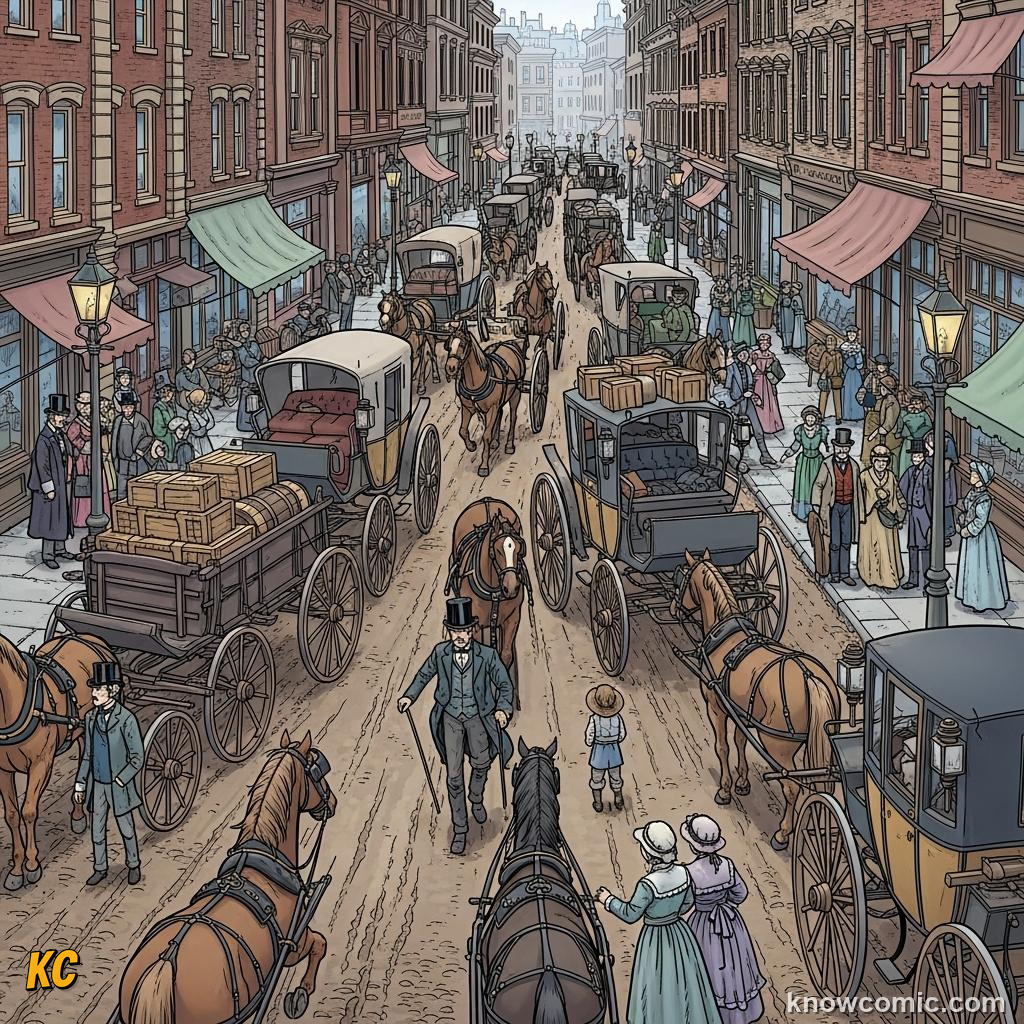
Urban jam: hooves before horns
SHOE
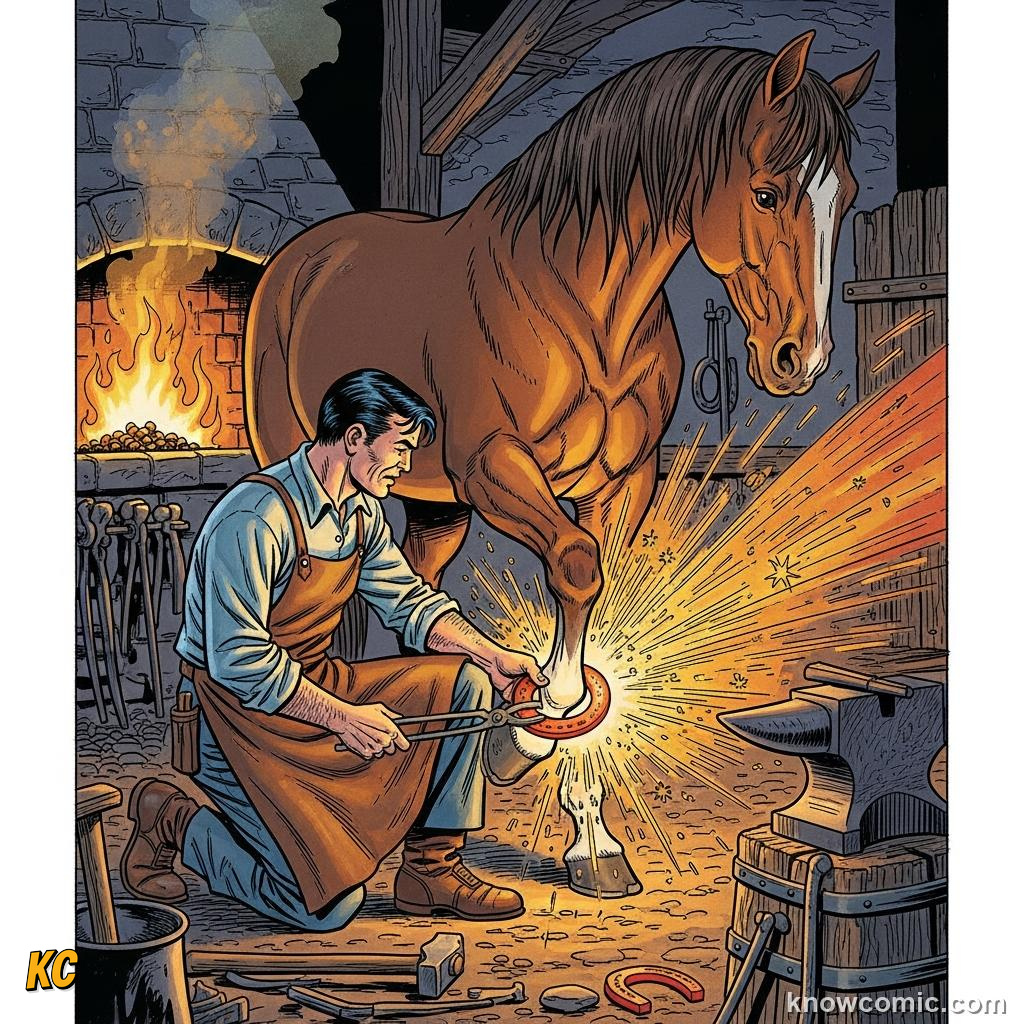
Horseshoe: iron GPS for a hoof
PAGE 5 OF 5, RAILS, THEN CARS, BUT NEVER A DELETE ON BEAUTY
IRON HORSE FIRST, PETROL HORSE SECOND
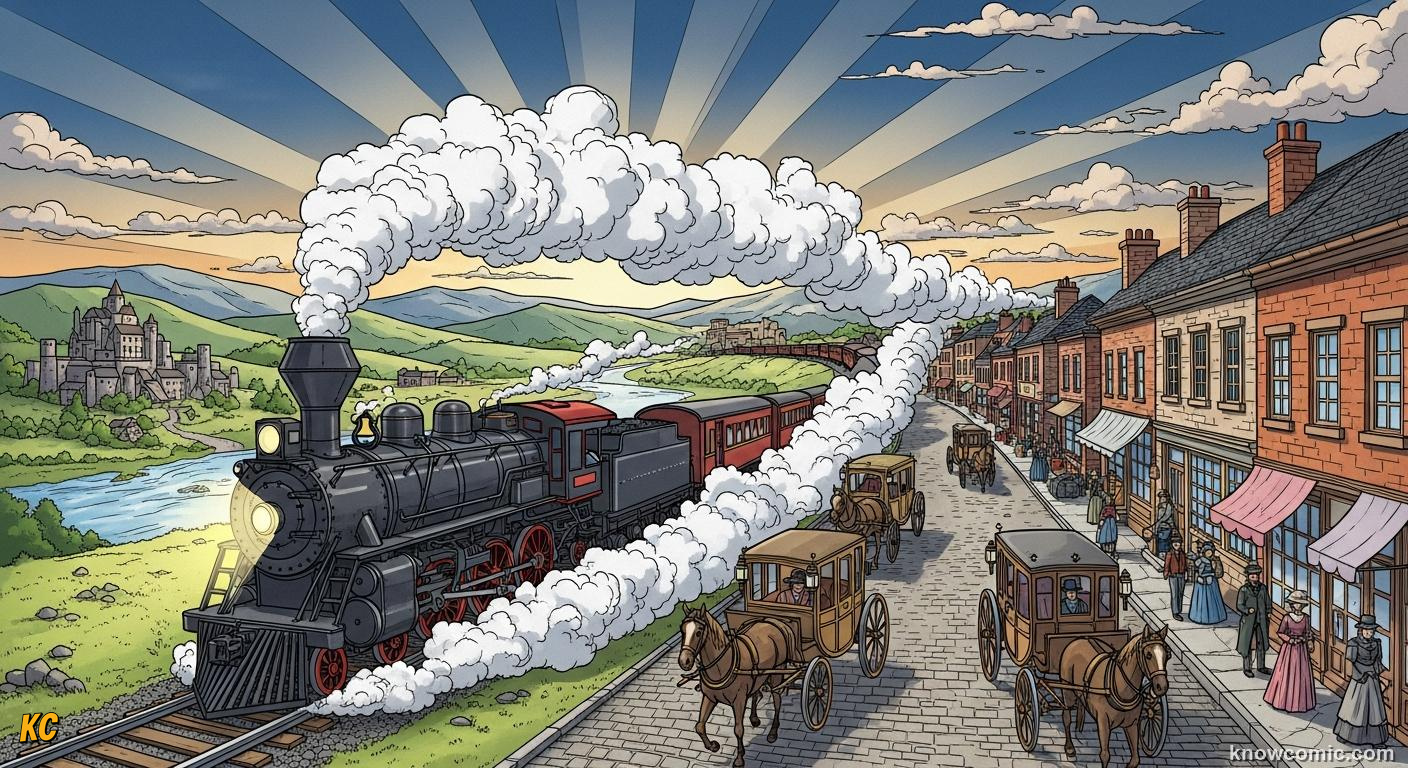
THE HORSE LOST URBAN "MONOPOLY," NOT MEANING
Many readers feel cars "ended" the horse. History's more awkward punchline: steam railways (Topic 2) ate long-distance drays and some coach jobs first — iron in one generation, if your textbook is dramatic. Motor cars (Topic 3) finished the street takeover in the 1900s. Today horses are still olympians, therapy partners, police mounts, and cultural VIPs — just not the default commute engine. Topic 05 (bicycle) is the next numbered story: cheap muscle you own, no hay bill — a different democratic speed tale on two wheels.
🧠 ZOOM AHEAD
Continue to Transport Topic 05 — The Bicycle (live on the hub) or explore any topic card.
WHINNY…
JUMP
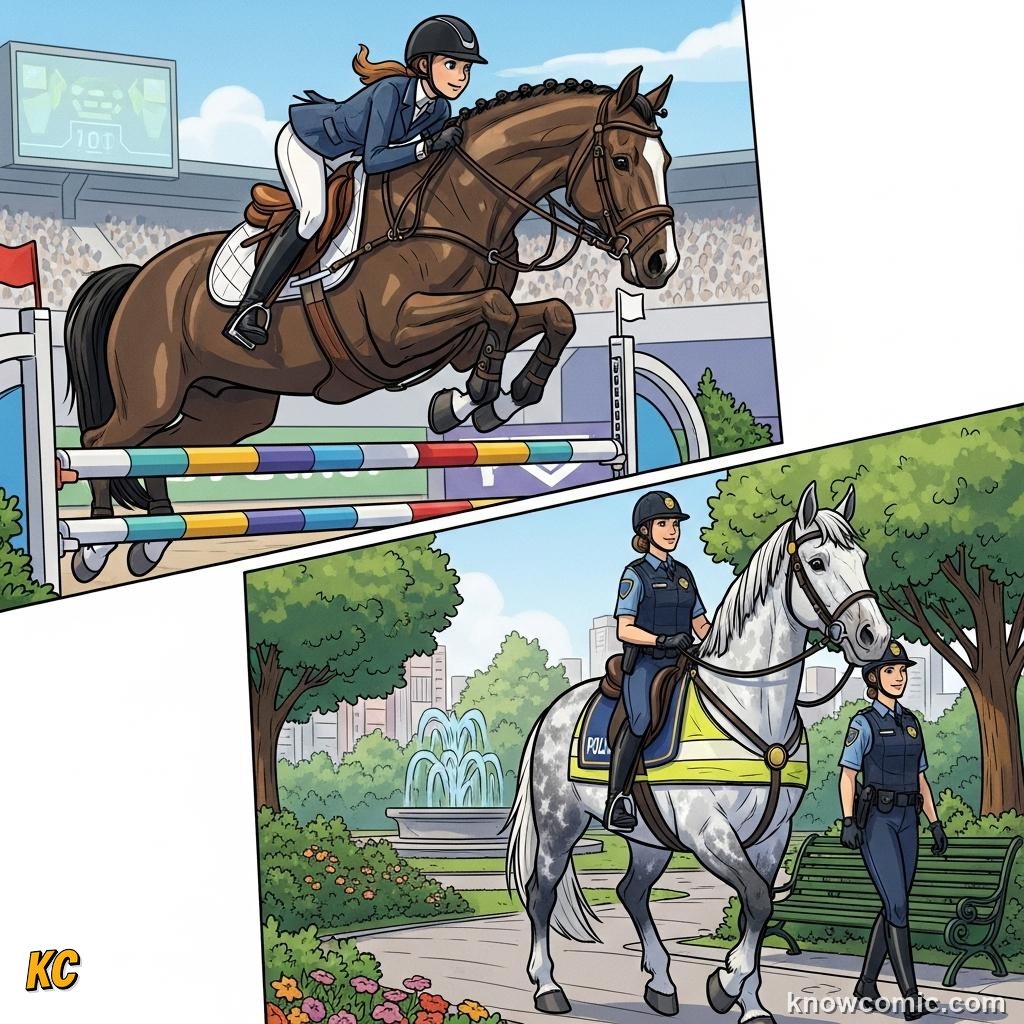
Sport: thunder in a small arena
HUB
📌 KEY FACTS
Domestication · Gallop + relay · Cavalry & chariot · Work & city · Rail shift.
➡️ Then: Topic 05, The Bicycle
🧠 QUIZ TIME!
HORSES IN HISTORY: THE FIRST FAST TRANSPORT · 5 QUESTIONS
QUESTION 01
In the usual big-picture story, people first domesticated horses as partners in regions of open grassland and herding life — think steppe and neighbours — rather than in —
QUESTION 02
Before engines, a gallop or relay system usually beat an ordinary human messenger because the horse could cover ground much faster than —
QUESTION 03
Stirrups (foot loops hanging from the saddle) helped riders especially by improving —
QUESTION 04
In the Transport story on this site, long-haul heavy freight and many coach jobs were often eaten first from the "horse economy" by —
QUESTION 05
Today, horses are still big in sport, police work, culture, and therapy — but they are not usually the —
0/5
LOADING...