🚂 THE STEAM ENGINE: BIRTH OF THE RAILWAY AGE
PAGE 1 OF 5, MUSCLE, MUD, AND THE LIMITS OF HORSE-POWER
BEFORE THE LOCOMOTIVE
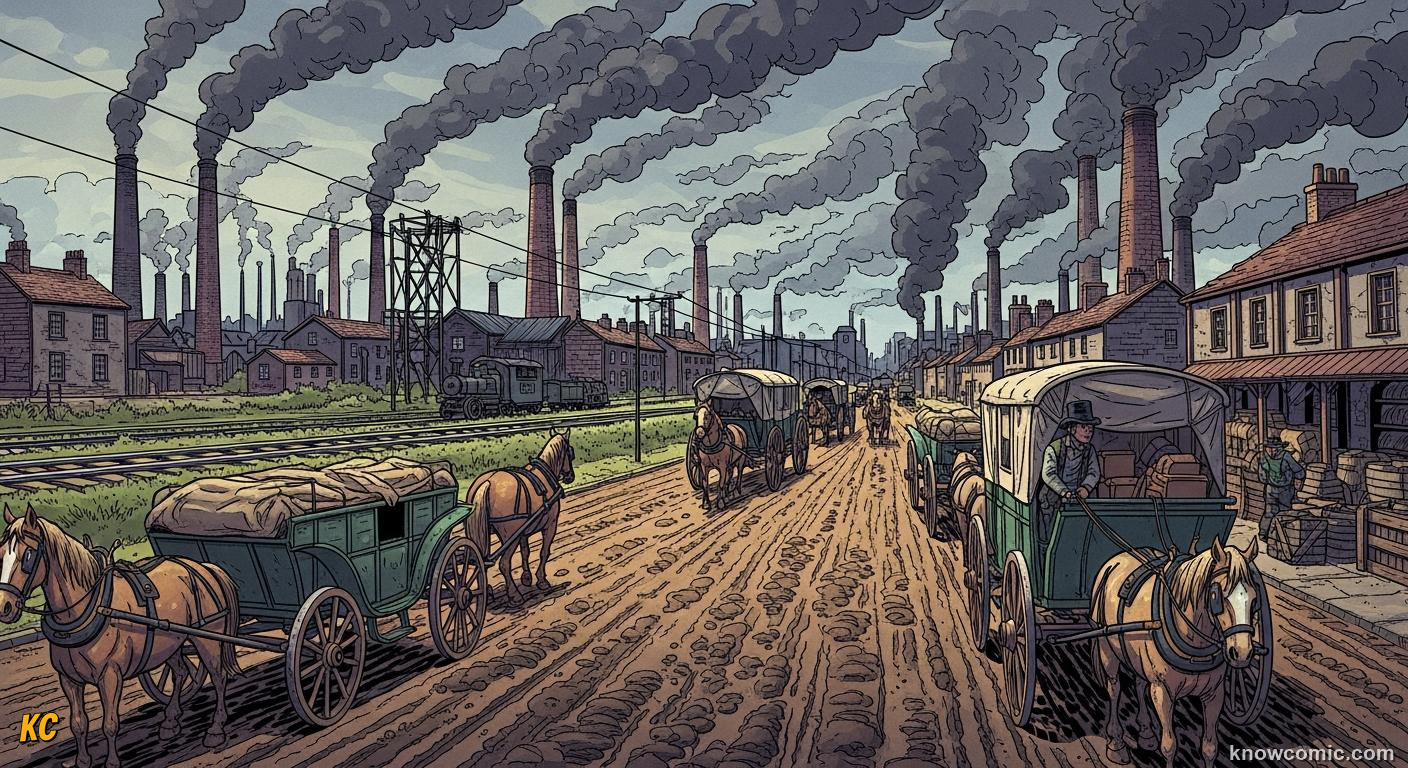
HORSES, CARRIAGES, COLD COAL
In the 1700s and early 1800s, land travel for people and heavy goods still meant horses, oxen, and wooden wheels in mud. A stagecoach clattered bravely — but feed, rest, and weather set the pace. Factories and mines burned more and more of ancient sunlight trapped in coal. Steam was already a workshop hero, pumping water and driving machinery, but a big question loomed: could that same chuffing, hissing power reliably pull a train on iron tracks with paying passengers, not just factory belts? Topic 1 gave you the wheel; this topic adds boiler, piston, and timetable.
📌 BIG PICTURE
The railway age was not "one Tuesday" — it is a cluster of better boilers, flatter track, and brave test runs in early-1800s Britain that turned smoke into a system.
CLOP…
COAL
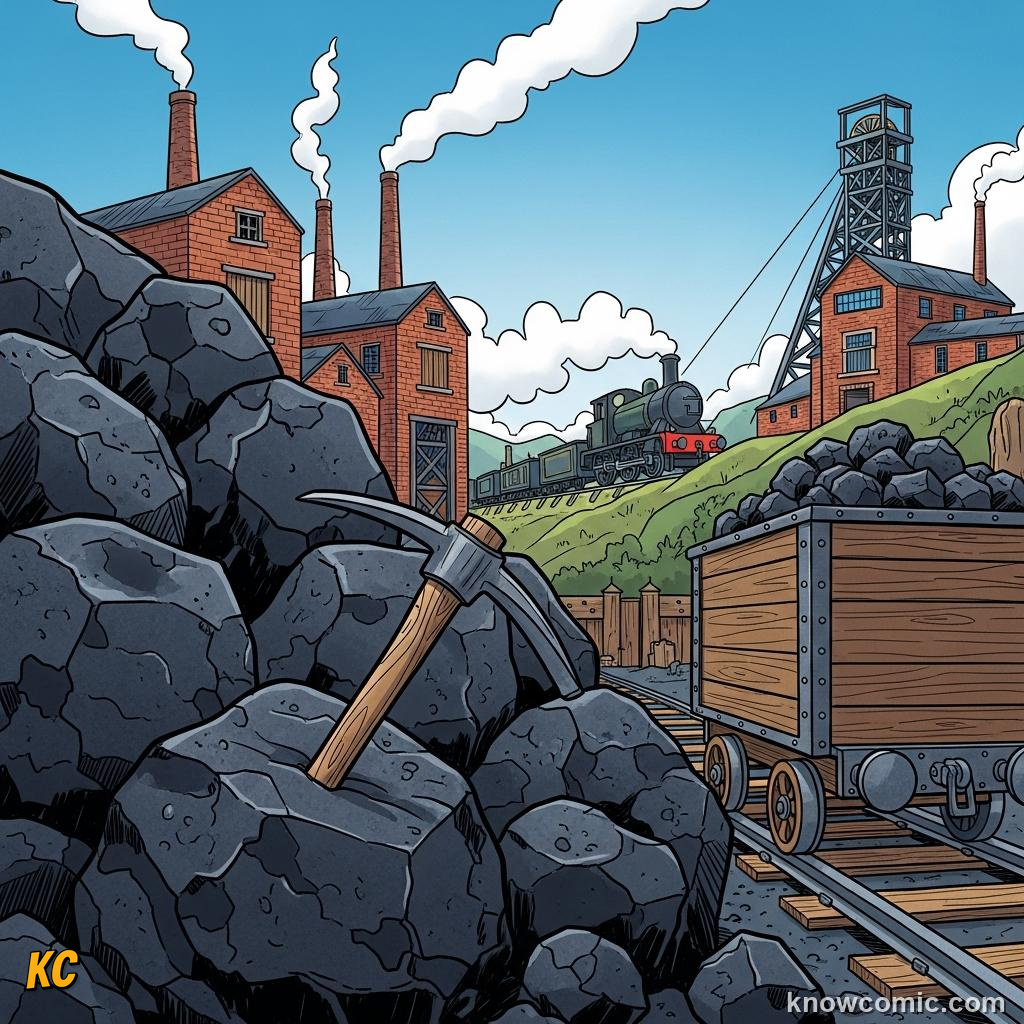
Stored chemical energy, dug from the ground
LIFT
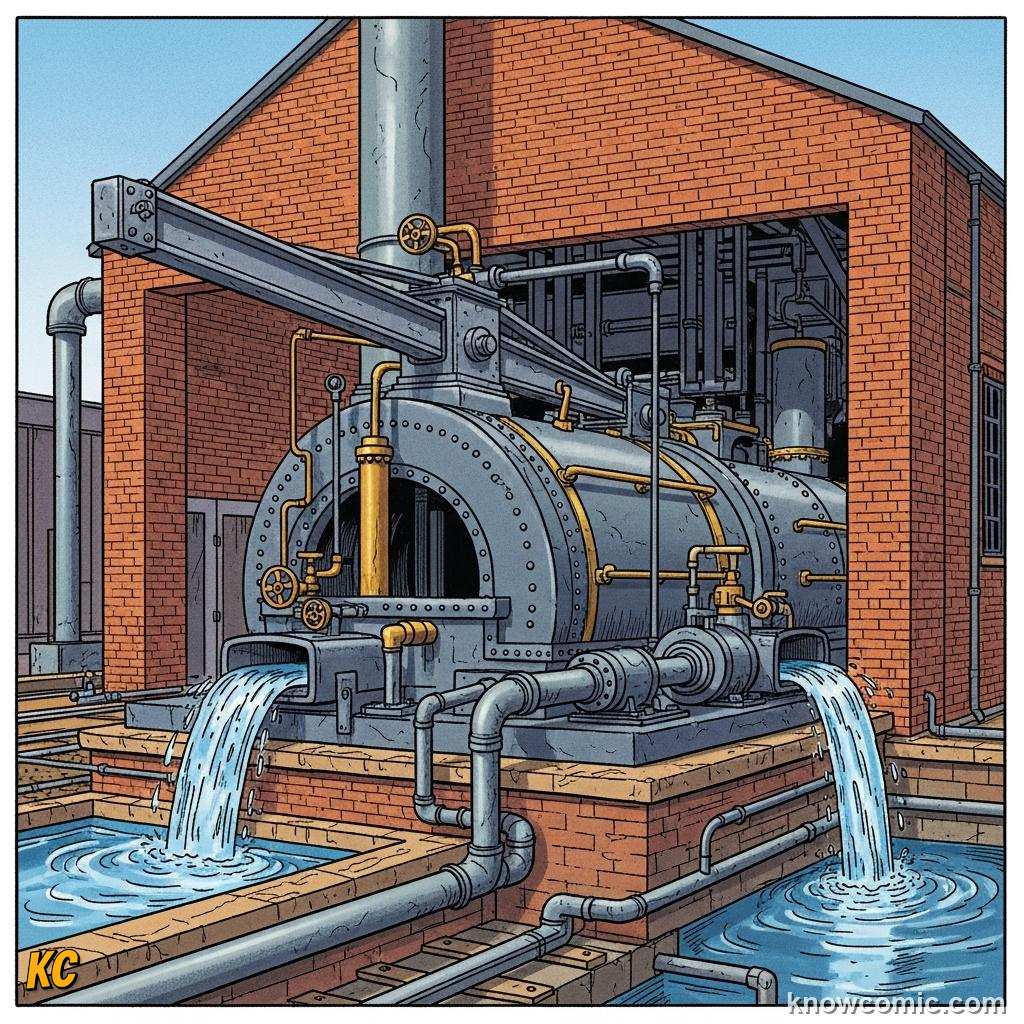
Early engines ate water and spat steam on purpose
PAGE 2 OF 5, BOILER, PISTON, DRIVING WHEELS
STEAM = HOT PUSH
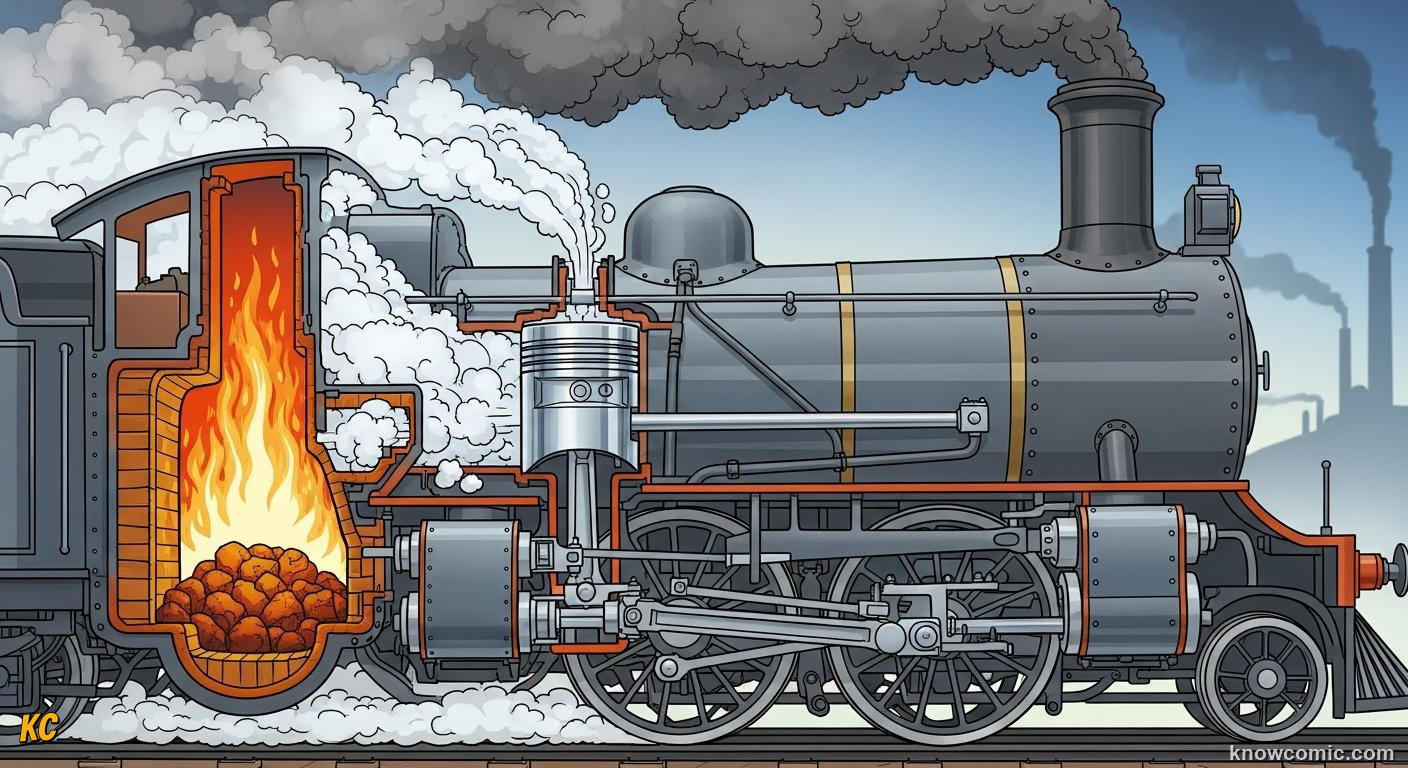
A LOCOMOTIVE IS A CHAIN OF PURPOSE
A firebox heats a boiler full of water until it boils to high-pressure steam. The steam rushes into a cylinder and shoves a tight-fitting piston — back and forth, back and forth. Rods and cranks (think glorified bike pedals made of steel) connect that toothed wobble to the driving wheels on the track. A good engine also needs valves, grease, and a skilled driver who is part mechanic, part musician of whistles and brakes. Topic 1's wheels were passive; a steam loco is a rolling factory on rails.
CHUFF!
BOIL
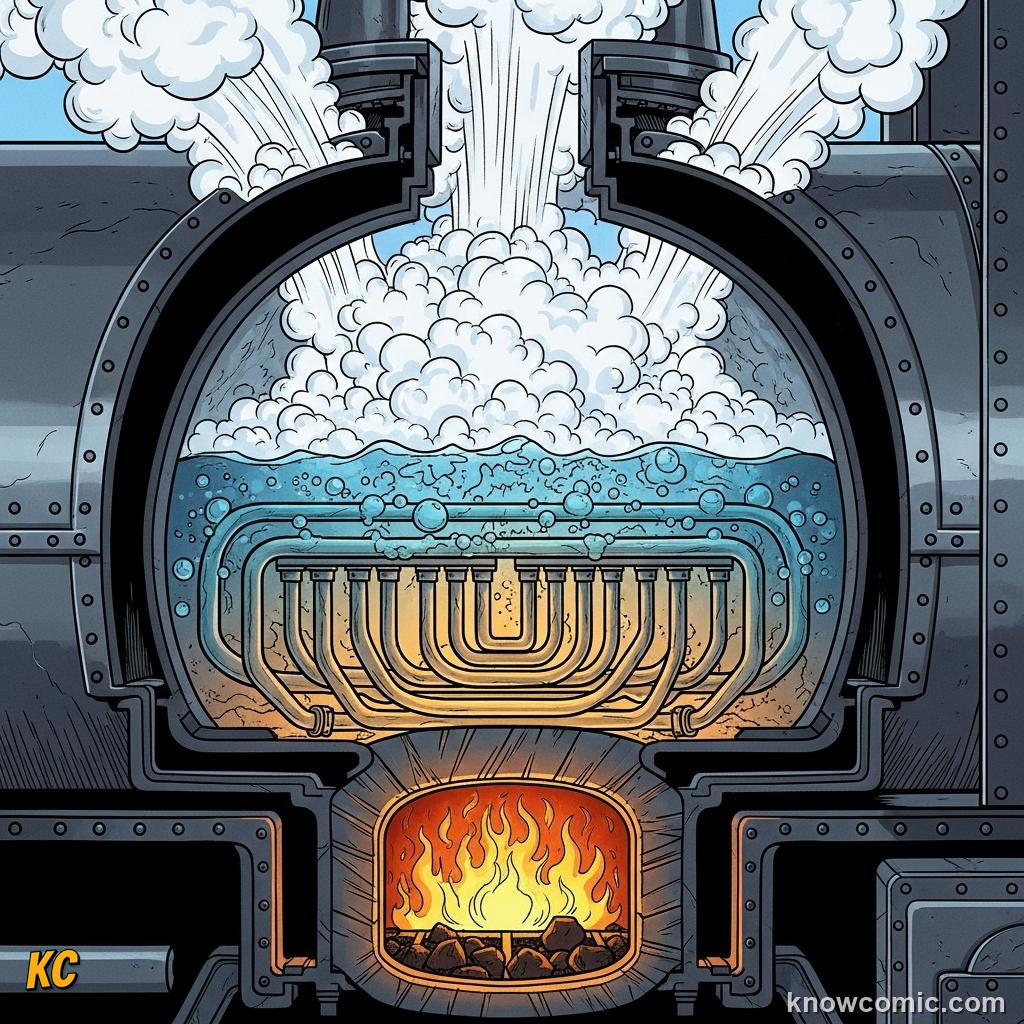
Water → steam → invisible mule on demand
PUSH
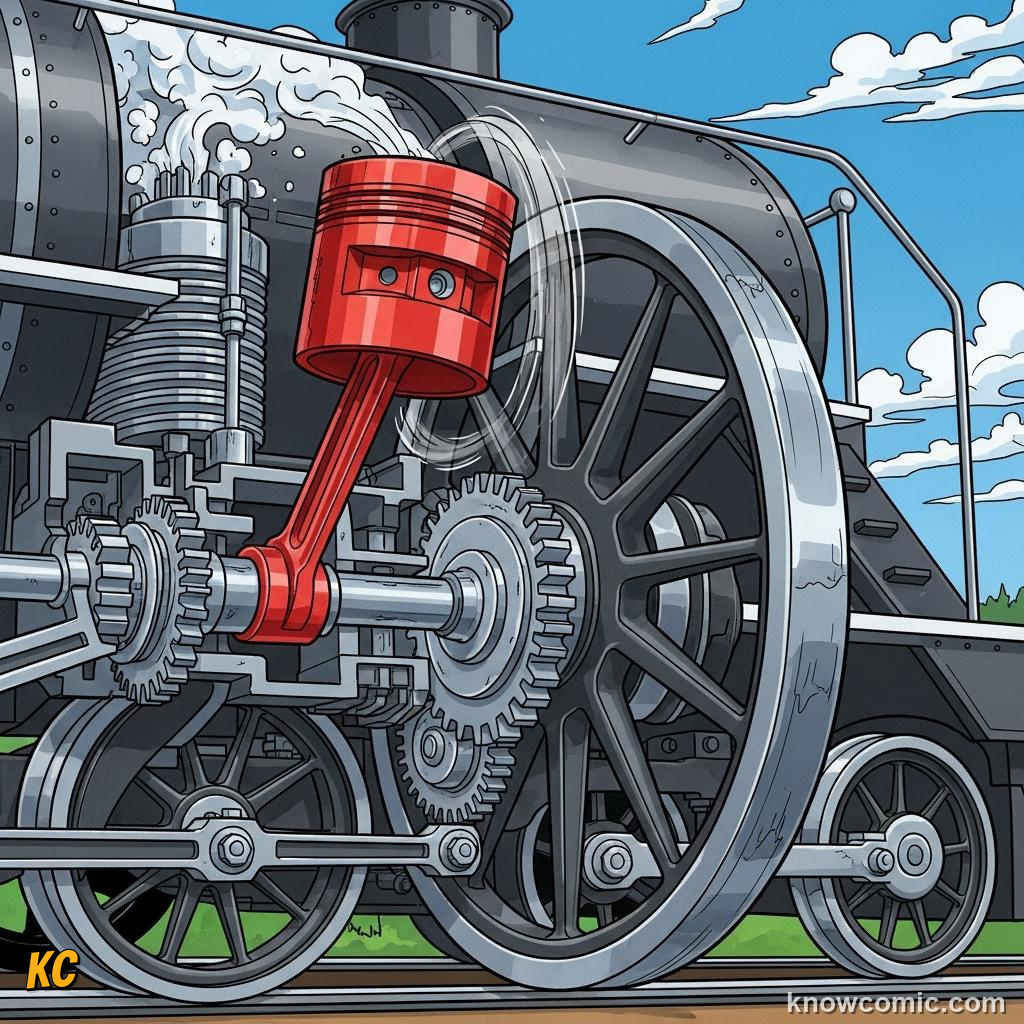
Piston → rods → torque to the metal rim
FIRE
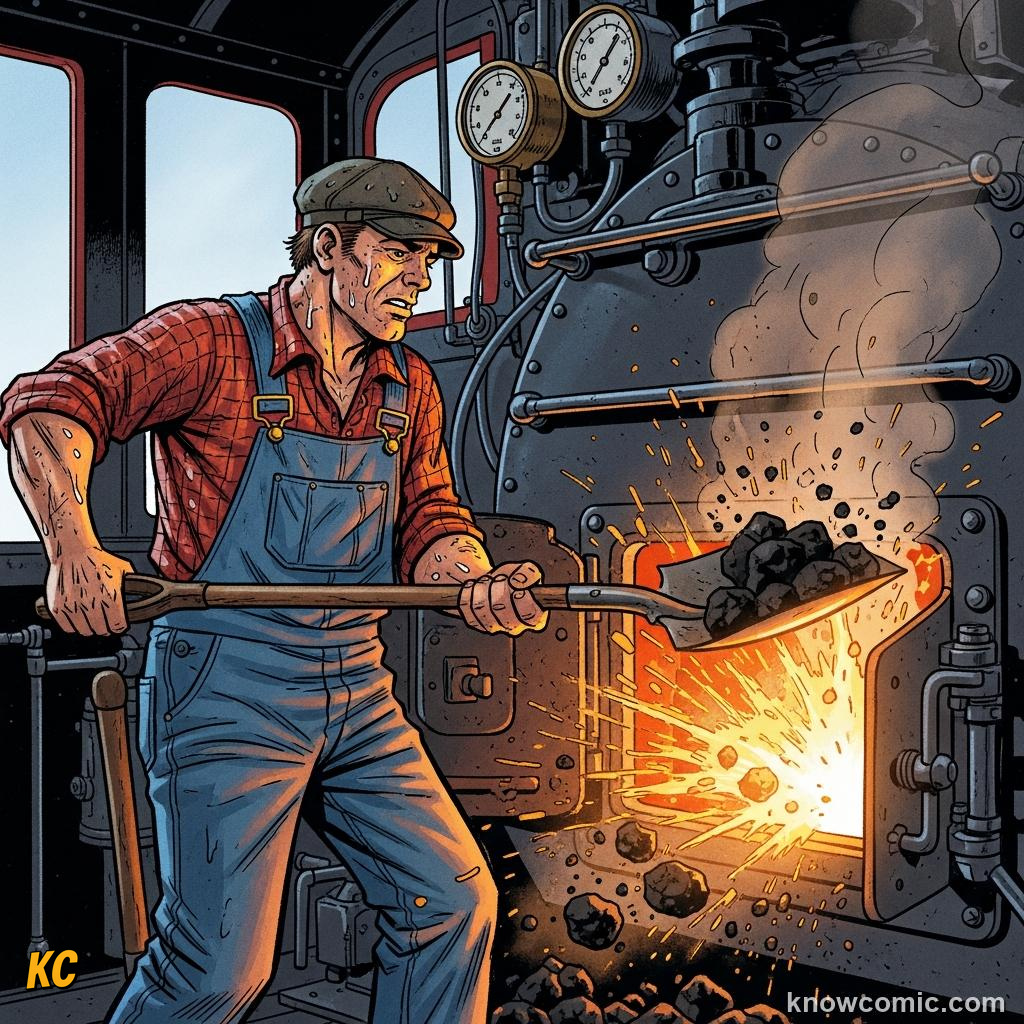
Stoker feeds the temper of the trip
PAGE 3 OF 5, RAINHILL, 1829: THE ROCKET SHINES
CROWD
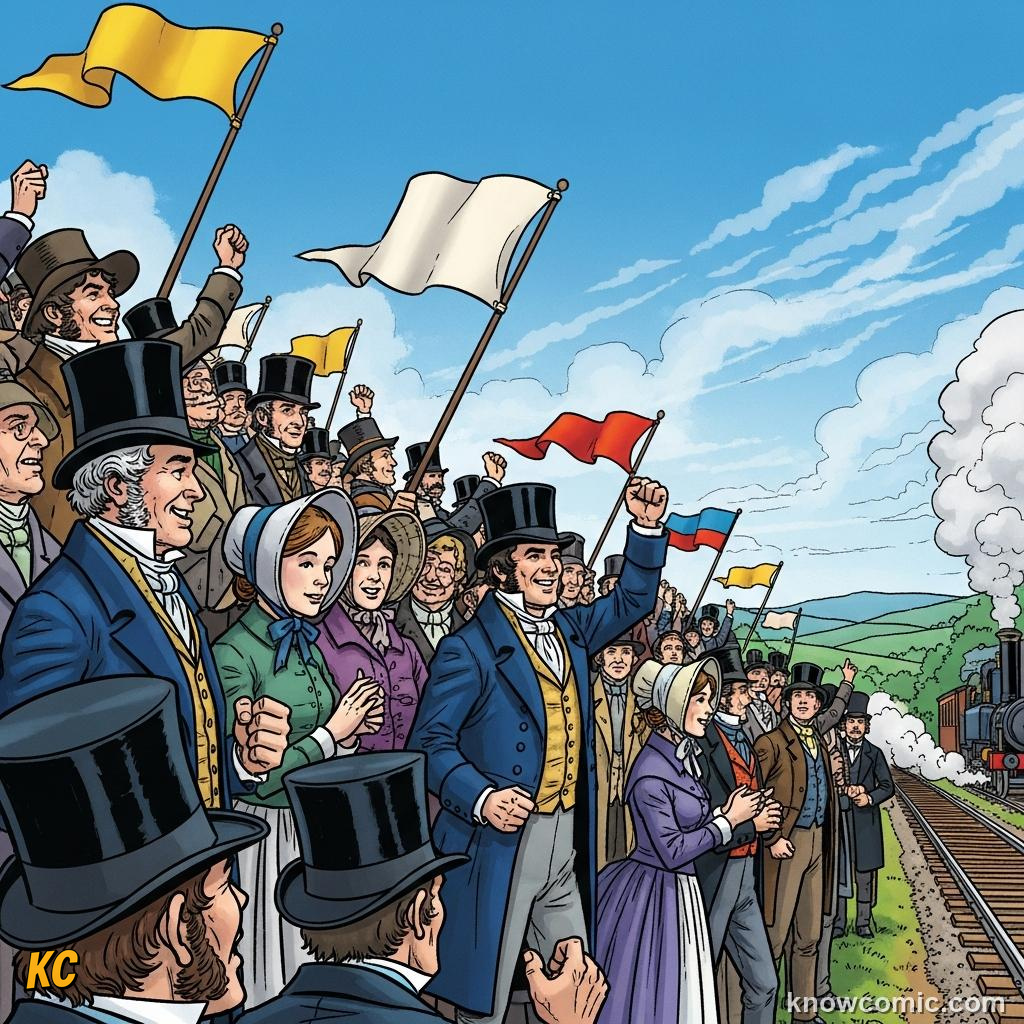
Rainhill Trials — who is worth the contract?
BRASS
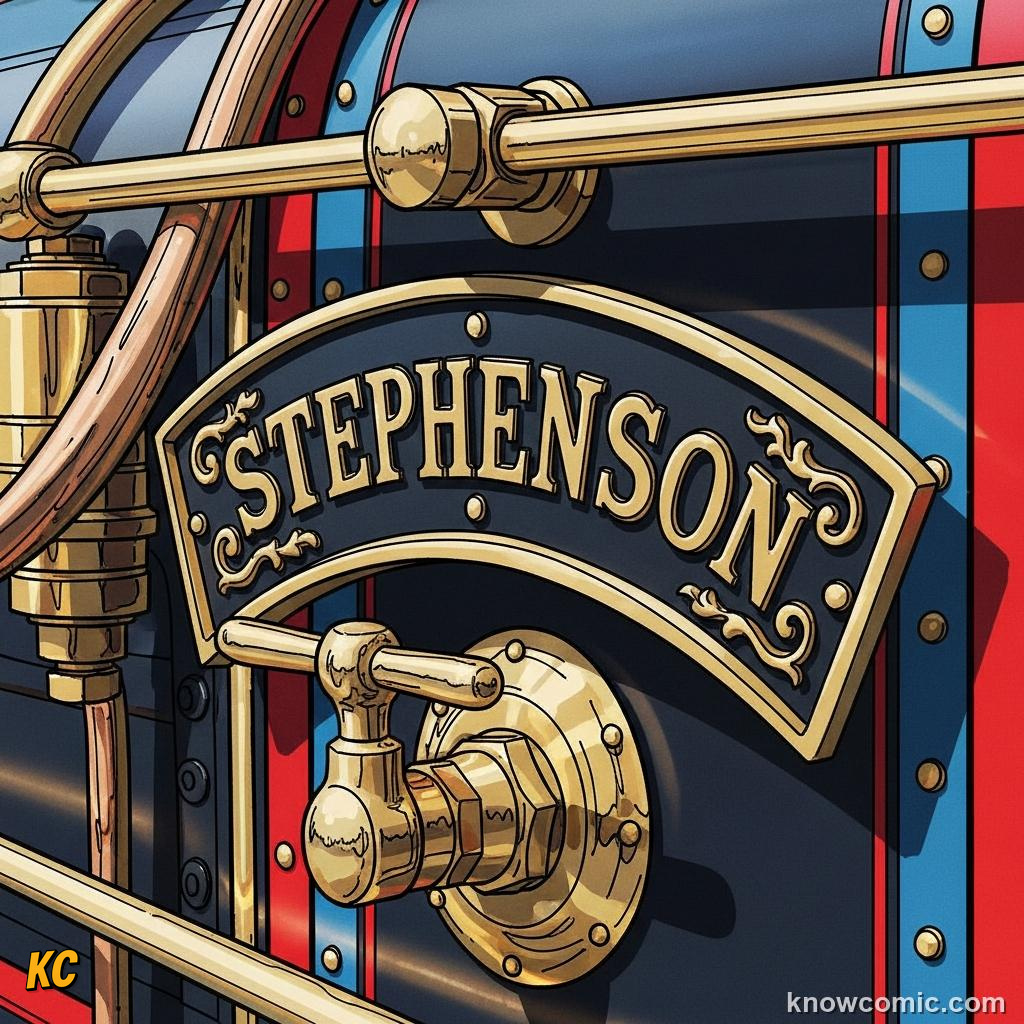
Engineers & George & Robert Stephenson — name to learn
ROCKET
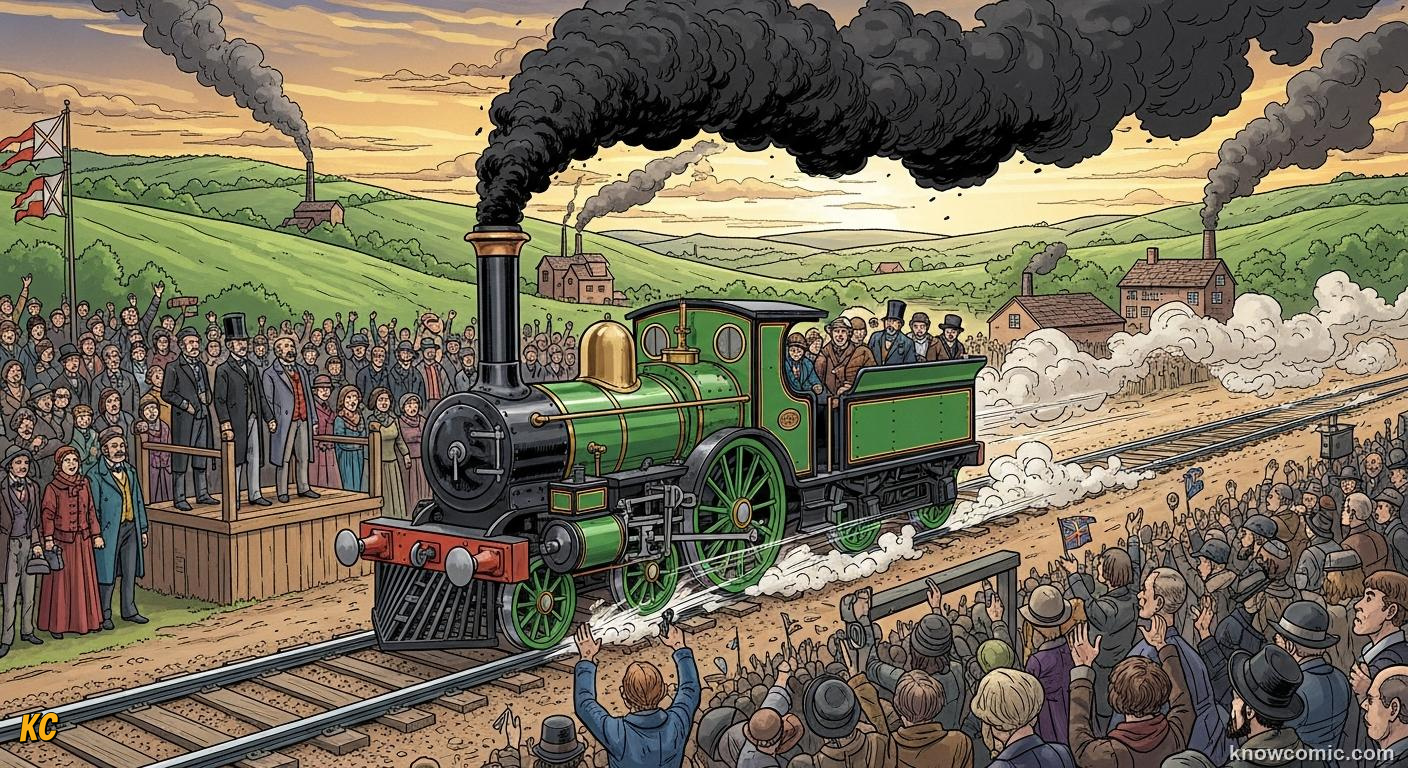
A SHOW FOR THE AGE
In 1829 near Rainhill (England), locomotives from different inventors raced, towed, and teased the rules in front of a paying crowd. Stephenson's Rocket — with a multi-tube boiler to grab more heat, plus cleaner exhaust habits — ran fast enough and steady enough to make investors nod. A typical classroom headline is roughly 45–48 km/h top speed in the trial (sources vary) — the point is not a decimal; the point is "faster, heavier, and more reliable than a tired horse team on a long day" on purpose-built track.
WHEEE!
PAGE 4 OF 5, RAILS REWRITE CITIES, CLOCKS, AND CARGO
NATION AT SPEED
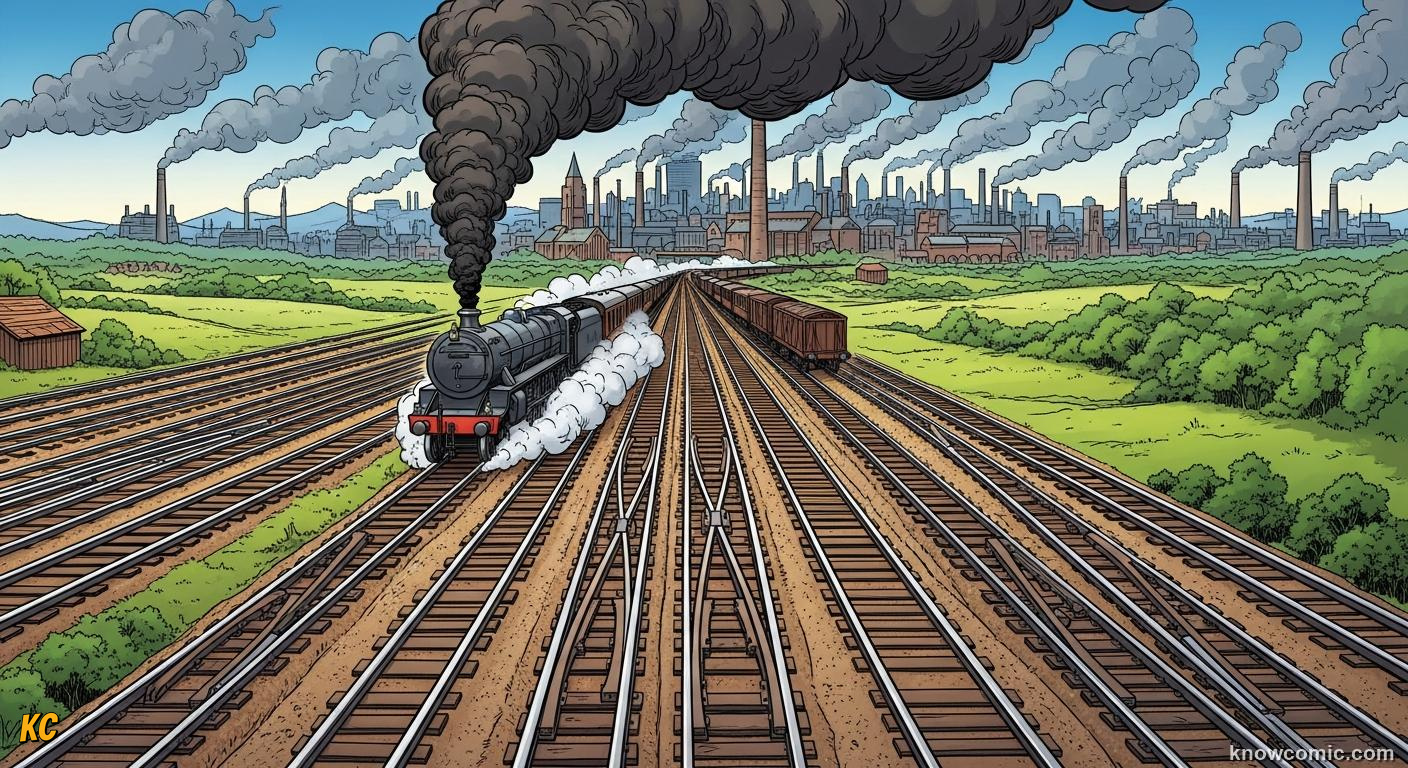
DISTANCE, MEASURED IN STEAM, NOT SORE MUSCLES
By the mid-1800s, iron rails, bridges, and stations stitched regions together. Coal, cotton, mail, and workers could move in rhythm that stagecoaches could not match. Some routes turned into commuter belts as villages learned to wake by timetable. Standard time "zones" and public clocks spread partly because the rail network needed a shared second hand for safety. A poster sentence like "London to Manchester: days by coach, hours by train" is the emotional truth — even if the exact hours in your book differ by source.
LINE!
TICK
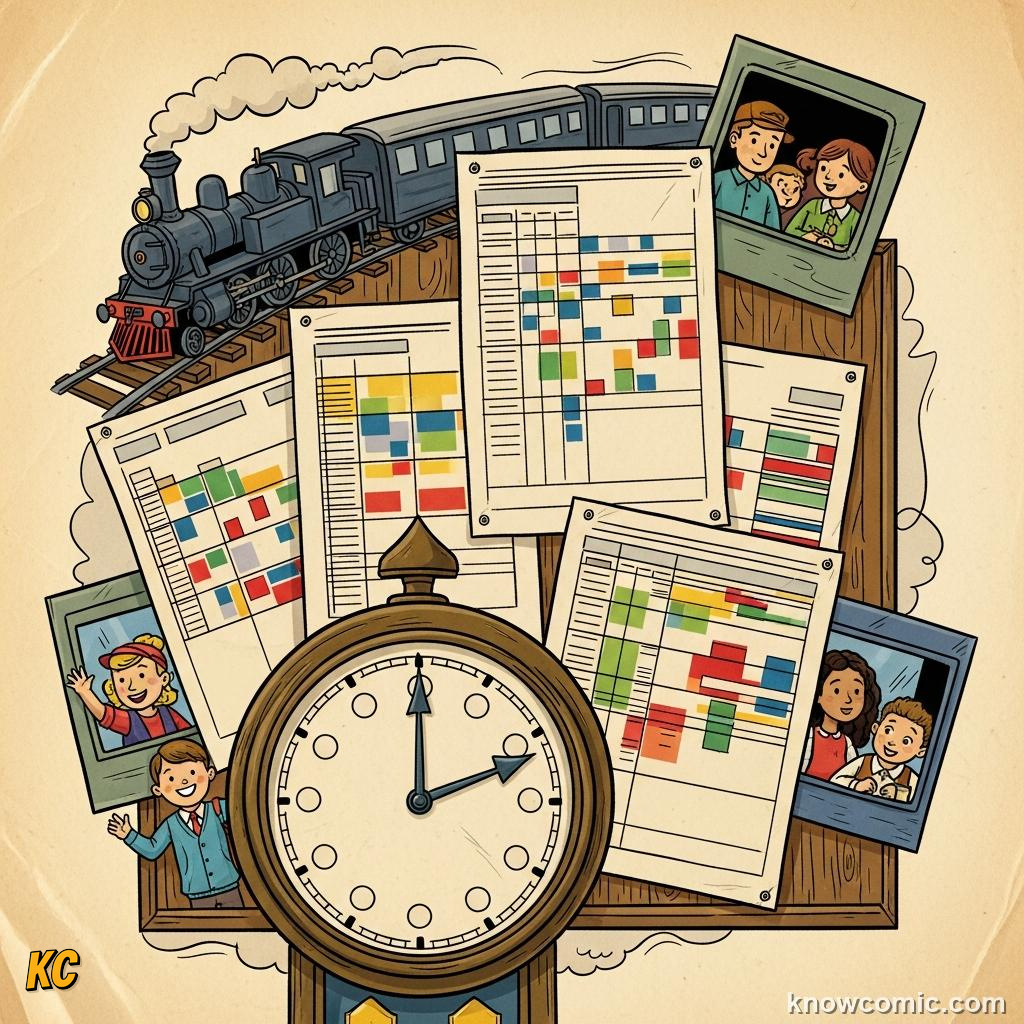
Timetables: show up on time or wave
FREIGHT
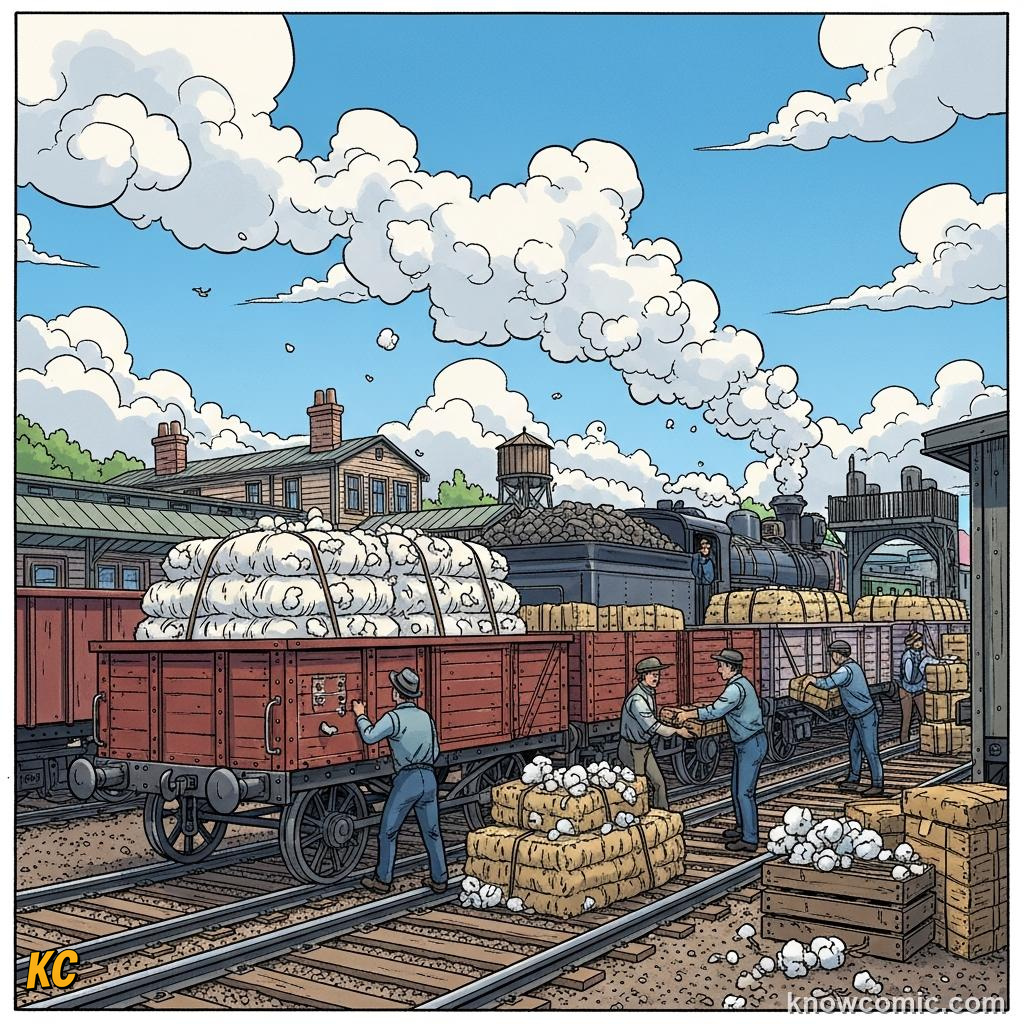
Wagons: industrial lunch box on rails
TOWN
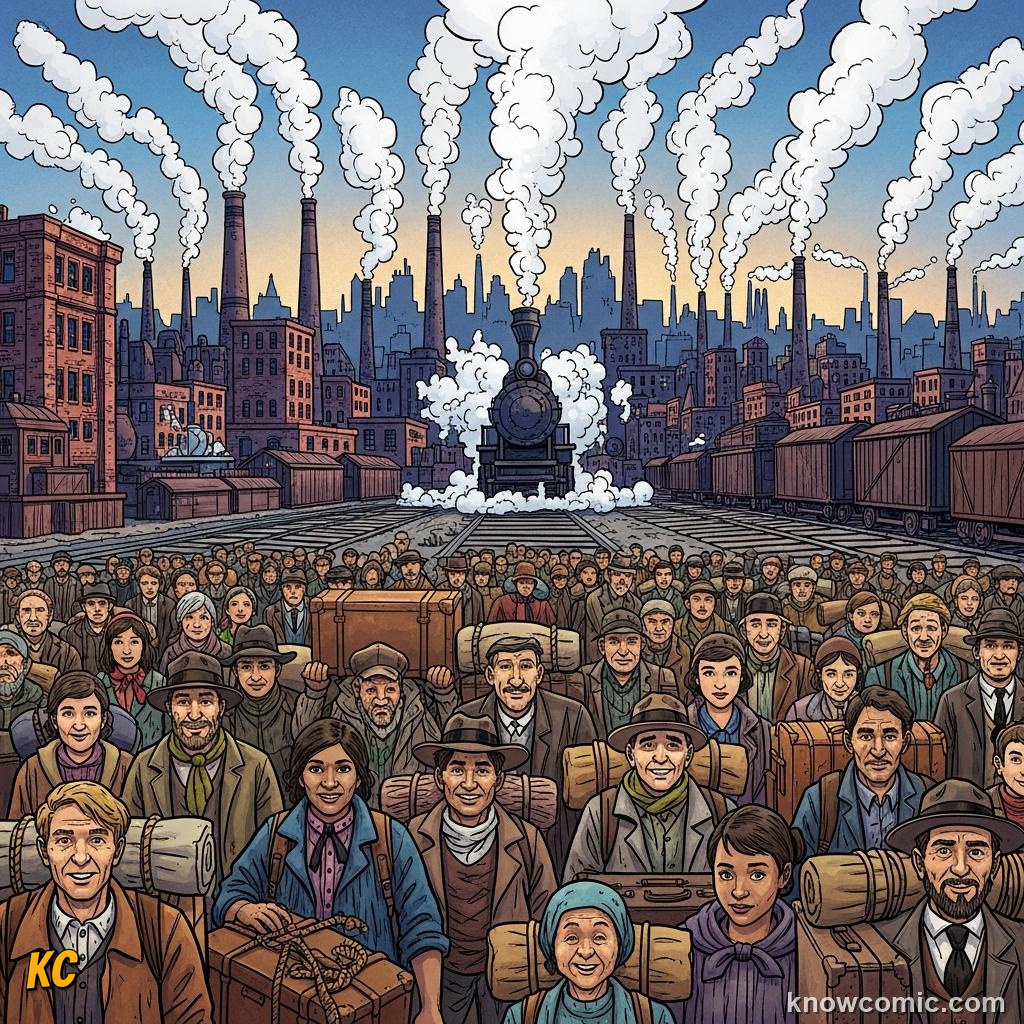
Cities: factory smoke + new suburbs
PAGE 5 OF 5, STEAM'S ECHO: HERITAGE TRAINS & TODAY'S RAIL
PAST POWER, PRESENT TRAFFIC
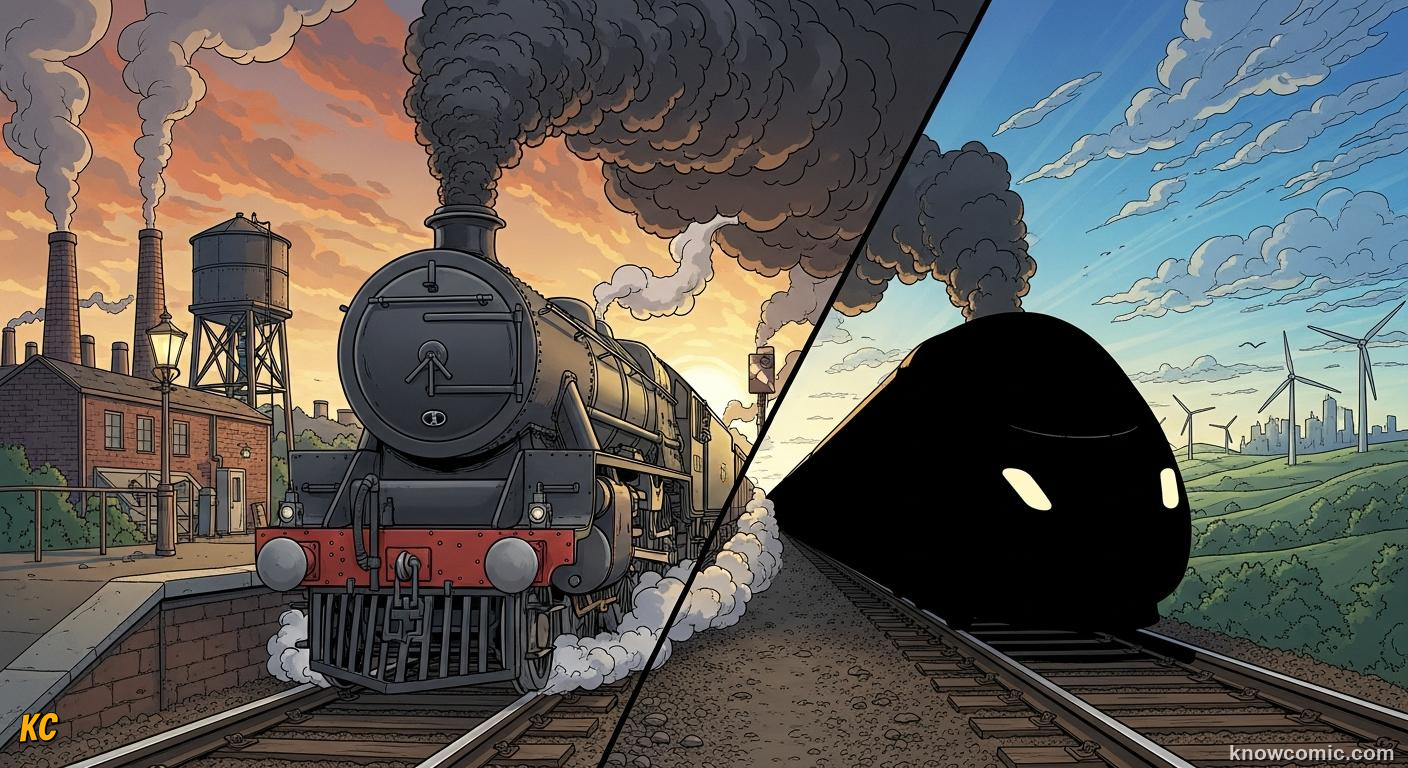
THE SOUNDTRACK CHANGED; THE RAILS STAYED
Many countries still run heritage steam for joy and history — whistles, volunteers, and soft coal smoke for cameras. Modern rail is often electric or diesel for cleaner air, tighter schedules, and lighter fuel logistics, but the geometry is the same: steel wheel on steel rail, low rolling friction, huge loads. High-speed lines are the grandchildren of Rocket's bet — not steam outside, but the same map logic: move many people, fast, in a straight-ish corridor. On the hub, Topic 3 — The Car is where rubber meets road: private motor power for every family driveway.
🧠 ZOOM AHEAD
Open Transport Topic 03 — The Automobile for Benz, Ford, and the assembly line.
HISS…
ZOOM
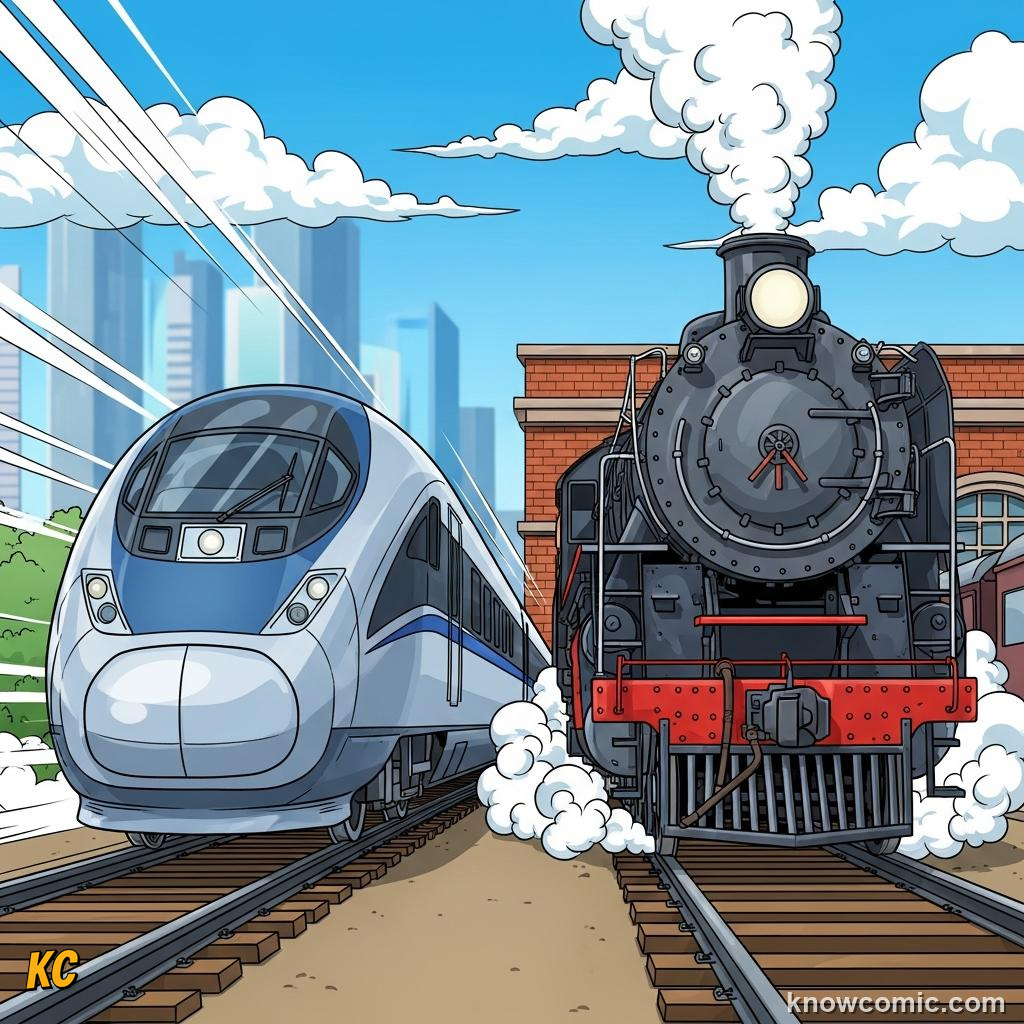
HSR: rocket logic with overhead wire
HUB
📌 KEY FACTS
Boiler · Piston · Stephenson · Rainhill 1829 · Rails = distance shrink-ray.
➡️ Then: the car on the open road
🧠 QUIZ TIME!
THE STEAM ENGINE: BIRTH OF THE RAILWAY AGE · 5 QUESTIONS
QUESTION 01
The famous Rainhill Trials locomotive contest, where Stephenson's Rocket made its name, took place in —
QUESTION 02
In a simple steam locomotive story, burning coal mainly helps the engine by —
QUESTION 03
George Stephenson is most often introduced in transport history as a pioneer of —
QUESTION 04
Steam engines turn steam pressure into back-and-forth motion mainly using a —
QUESTION 05
A big social effect of spreading railways in the 1800s was to —
0/5
LOADING...