THE MAJOR SYSTEMS
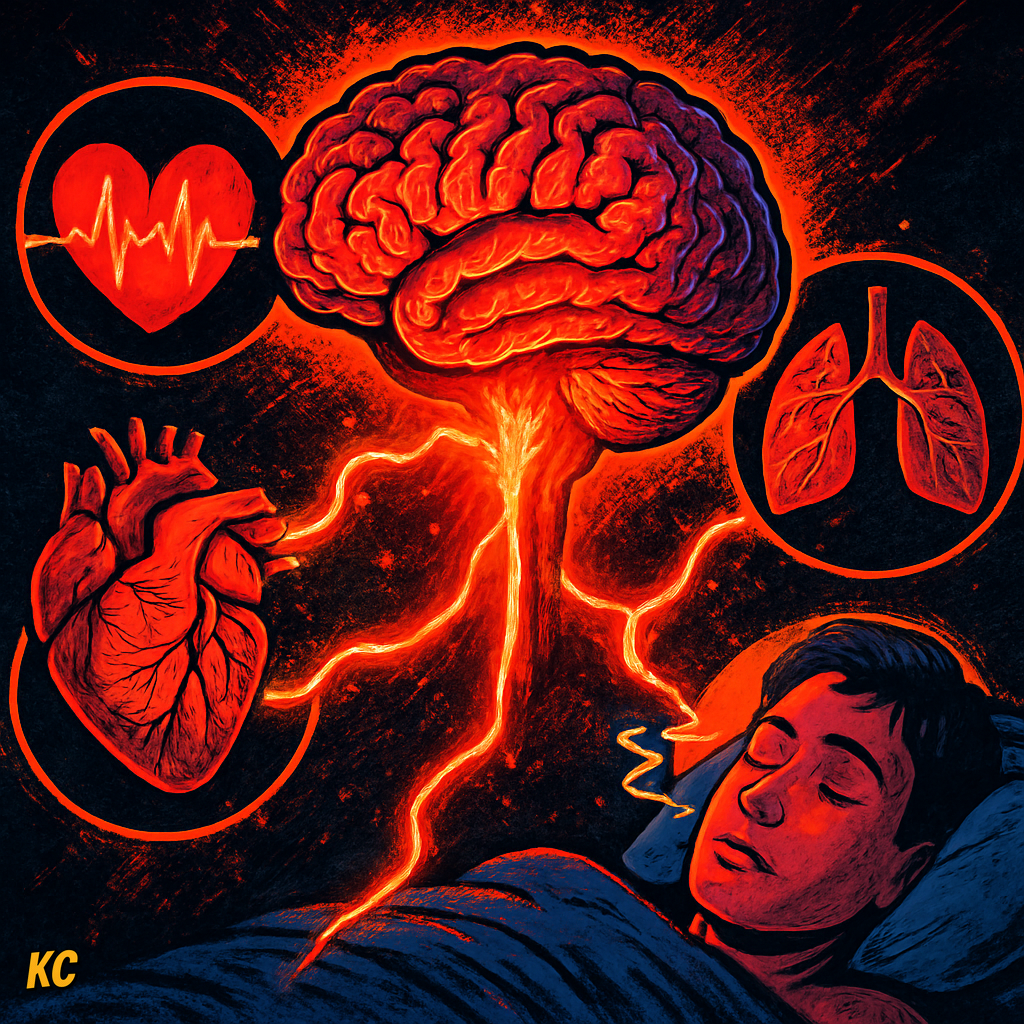
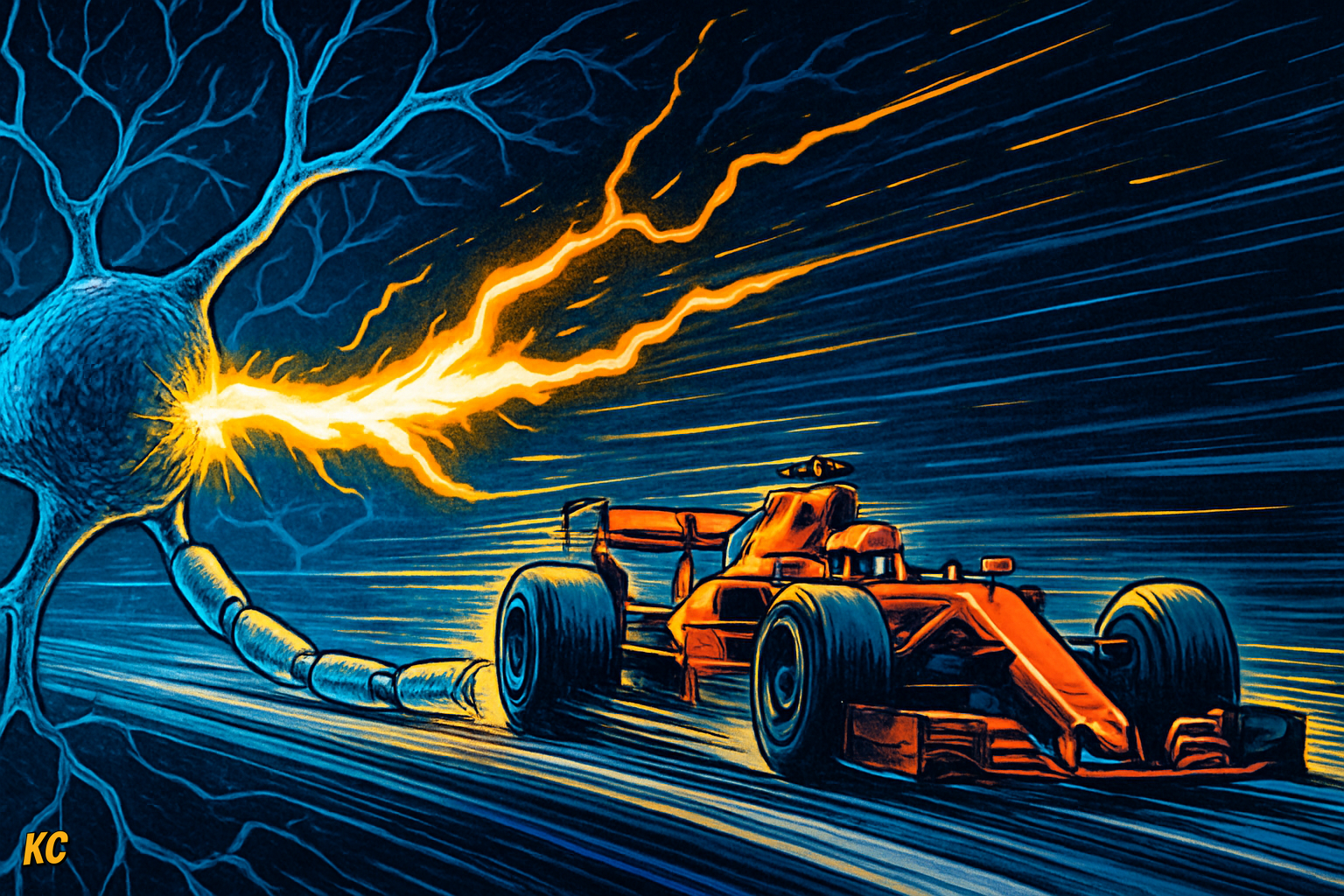
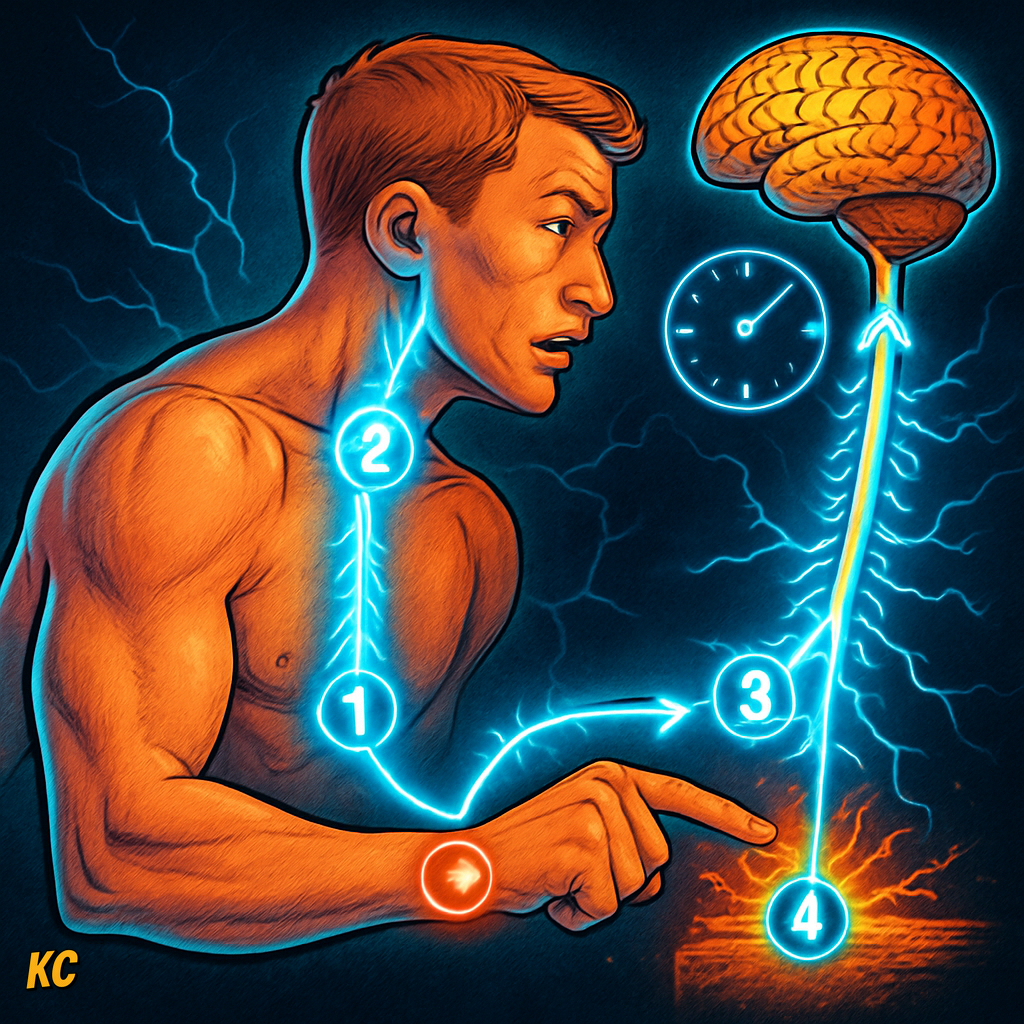
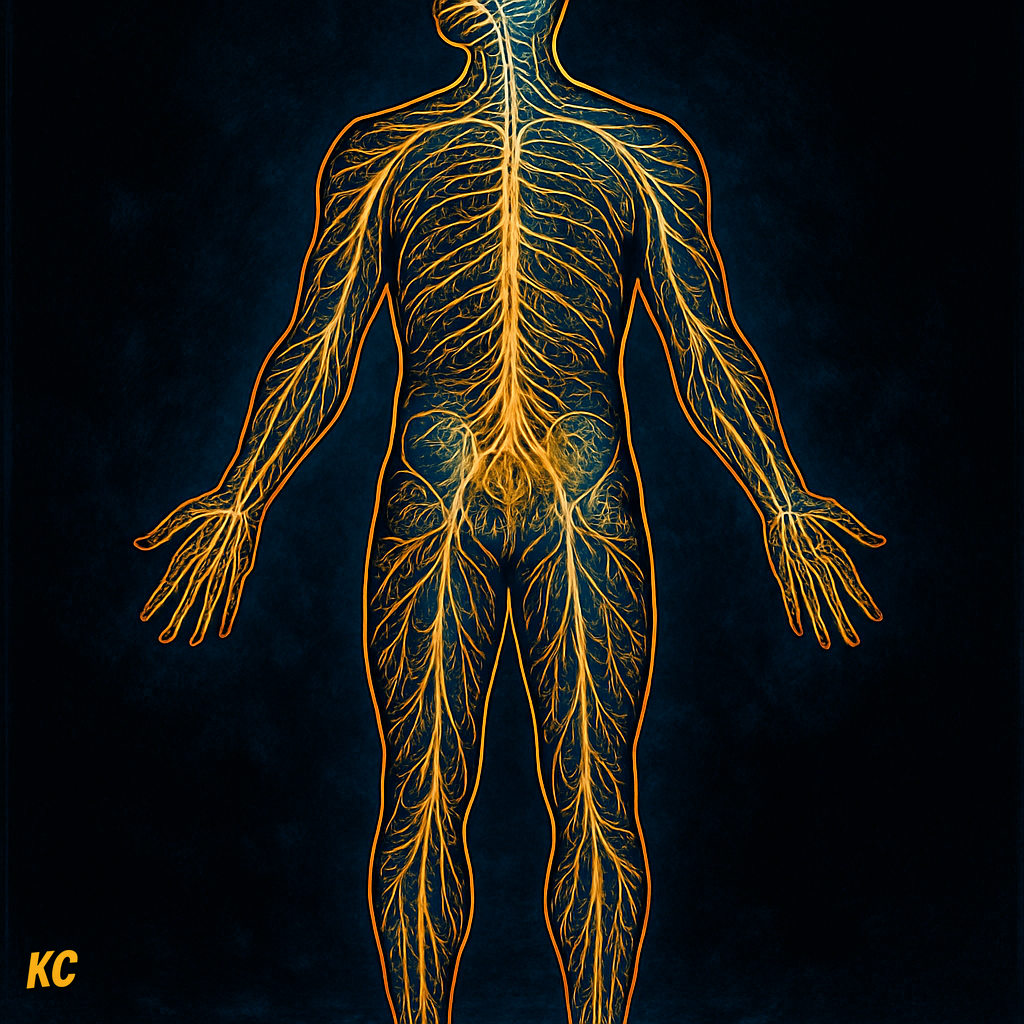
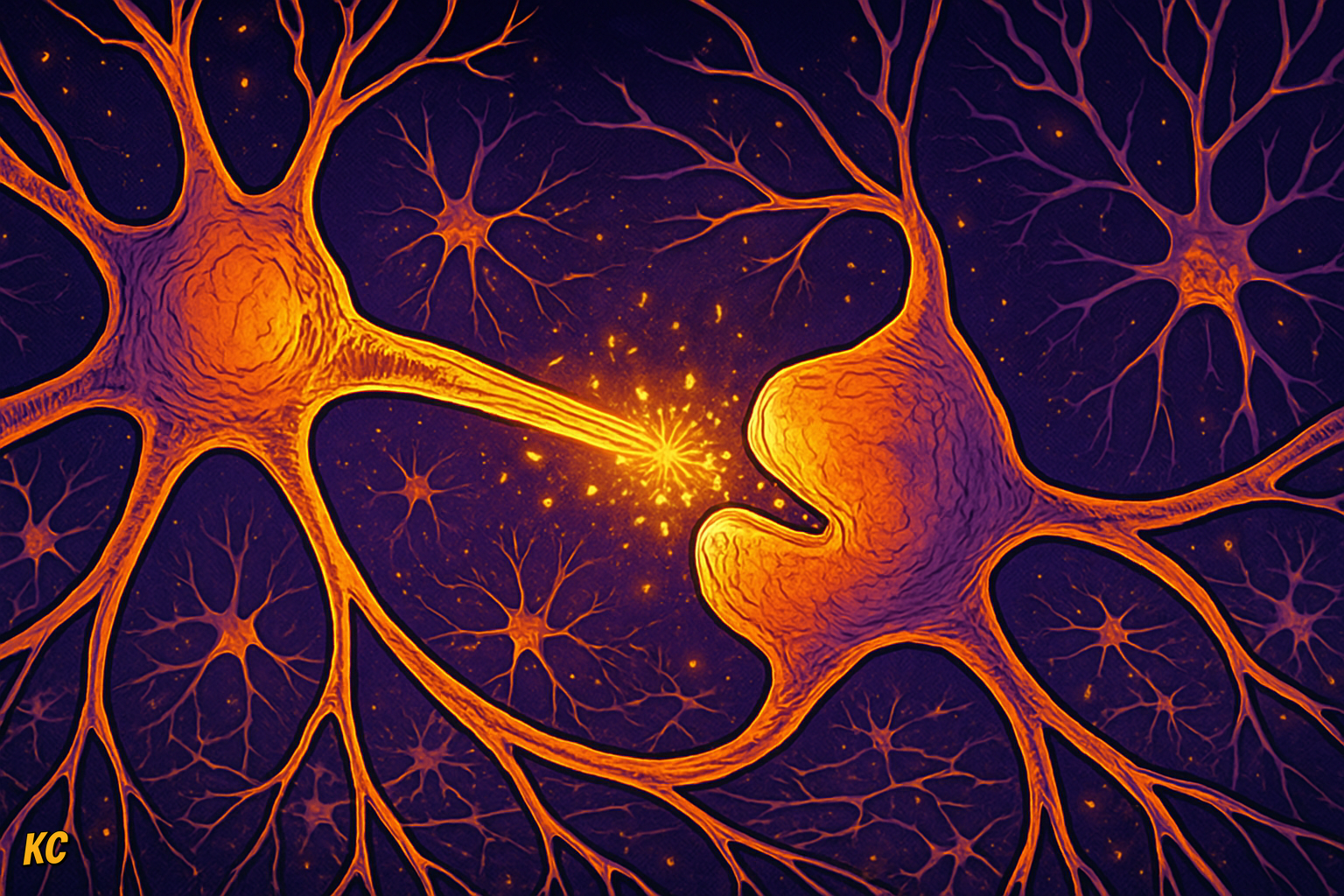
Your brain sends lightning-fast signals through 86 billion neurons. Discover how you think, feel, and react, all at once!
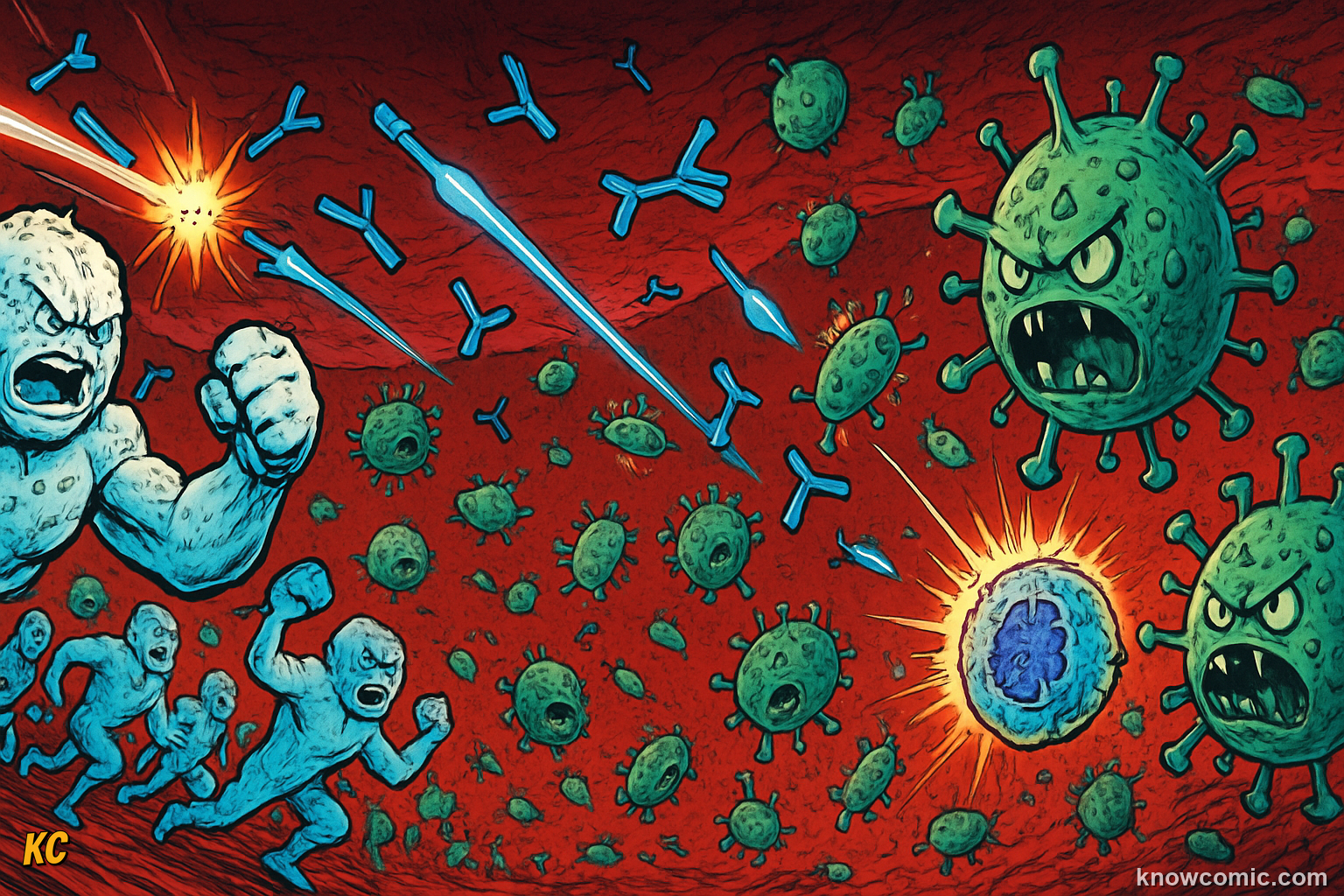
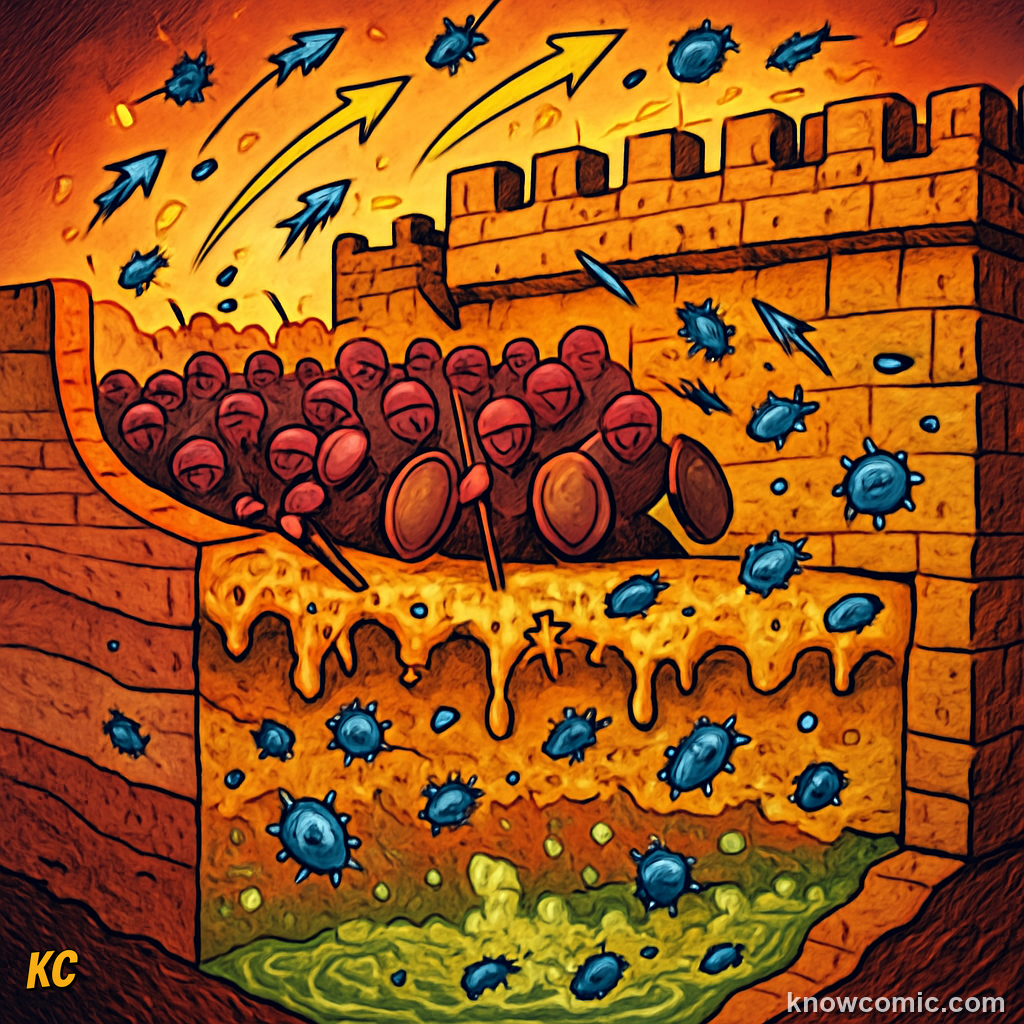
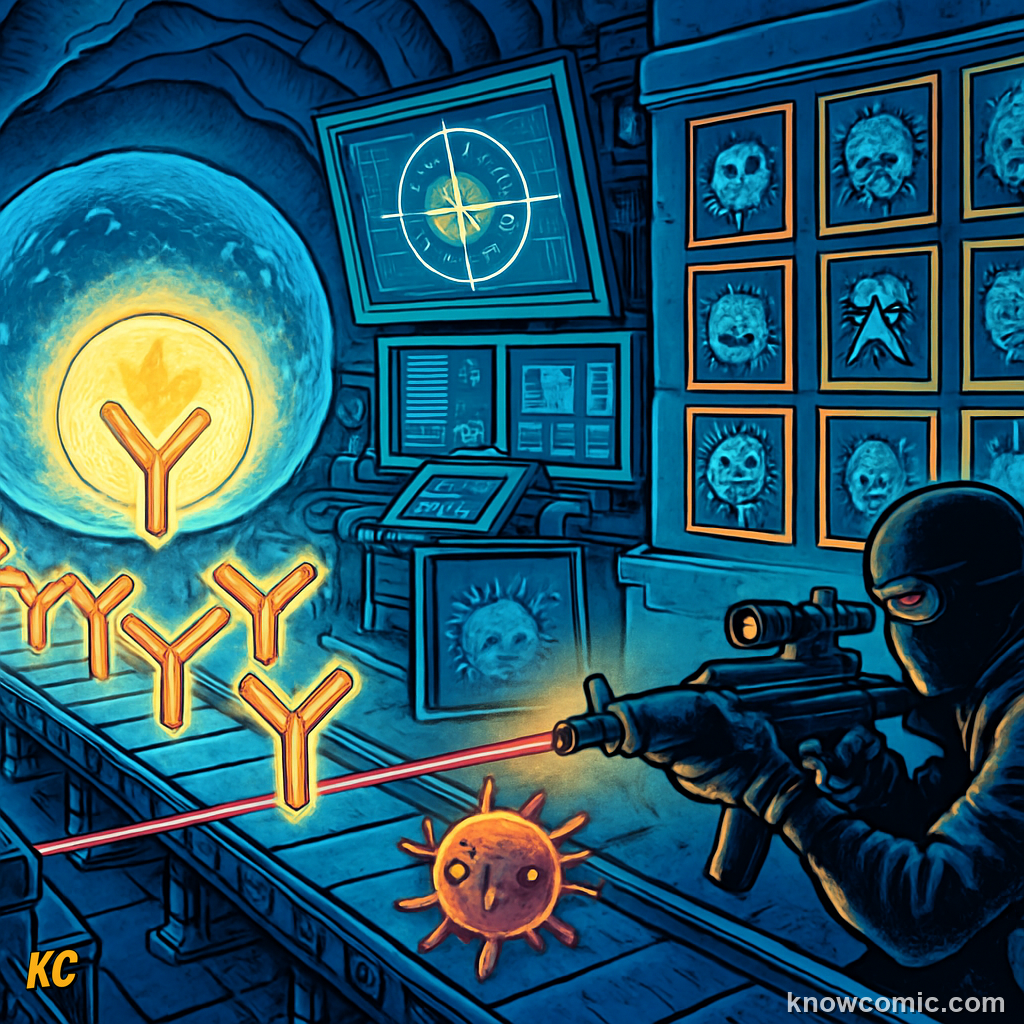
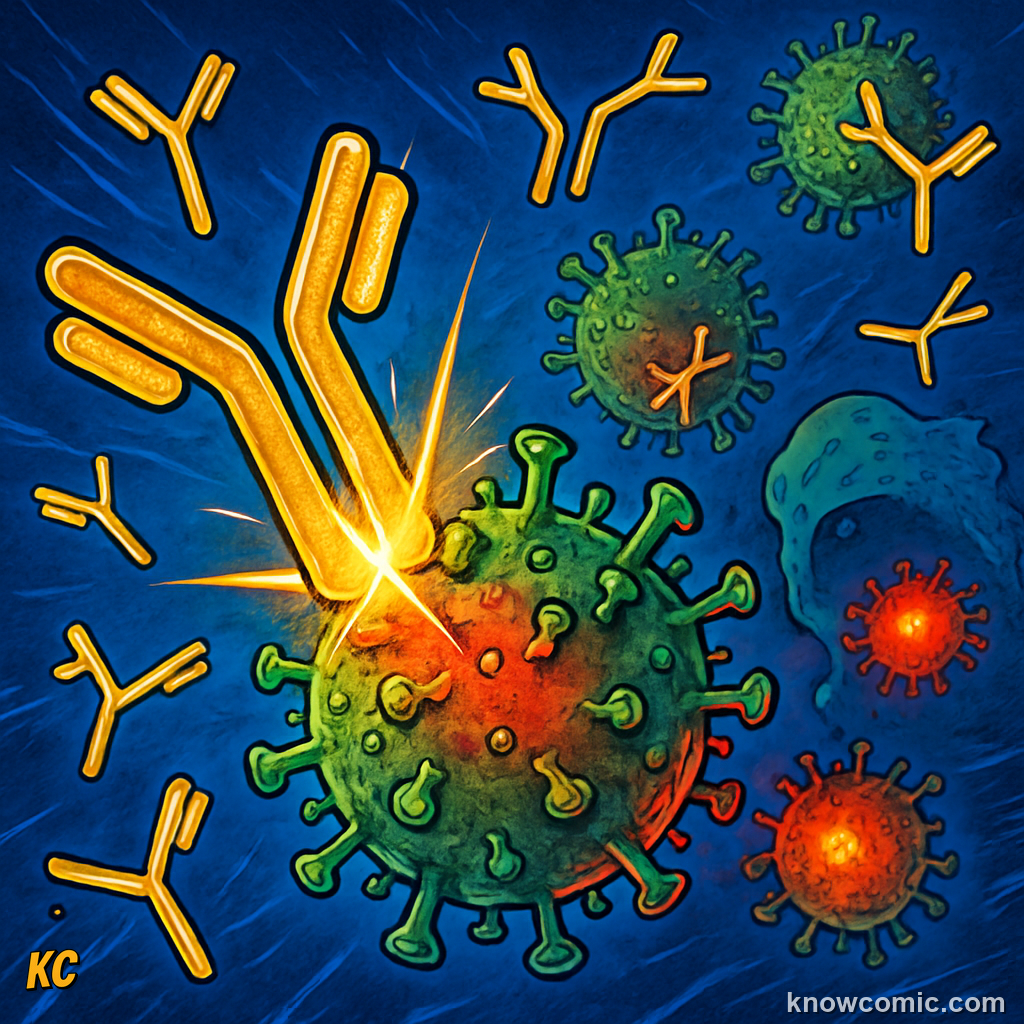
Your body's private army fights millions of invaders daily. White blood cells, antibodies, and an amazing defence system!
A 9-metre long journey that turns your lunch into energy. From the moment food enters your mouth to the moment your body is done with it — every step explained.
Your heart beats 100,000 times a day, pushing blood through vessels long enough to wrap around Earth twice. The body's delivery network — non-stop since before you were born.
206 bones and over 600 muscles working in perfect partnership. How your skeleton is stronger than steel — and why you were born with 270 bones but end up with only 206.
You breathe 20,000 times a day without thinking about it. Your lungs have 600 million tiny air sacs — spread flat they'd cover a tennis court. How oxygen gets into your blood.
Tiny chemical messengers travel through your blood controlling growth, mood, hunger, sleep, and stress. How hormones run almost everything your body does — silently.
BRAIN & MIND
The most complex object in the known universe — 86 billion neurons, each connected to thousands of others. A tour of every region of the brain and what it controls.
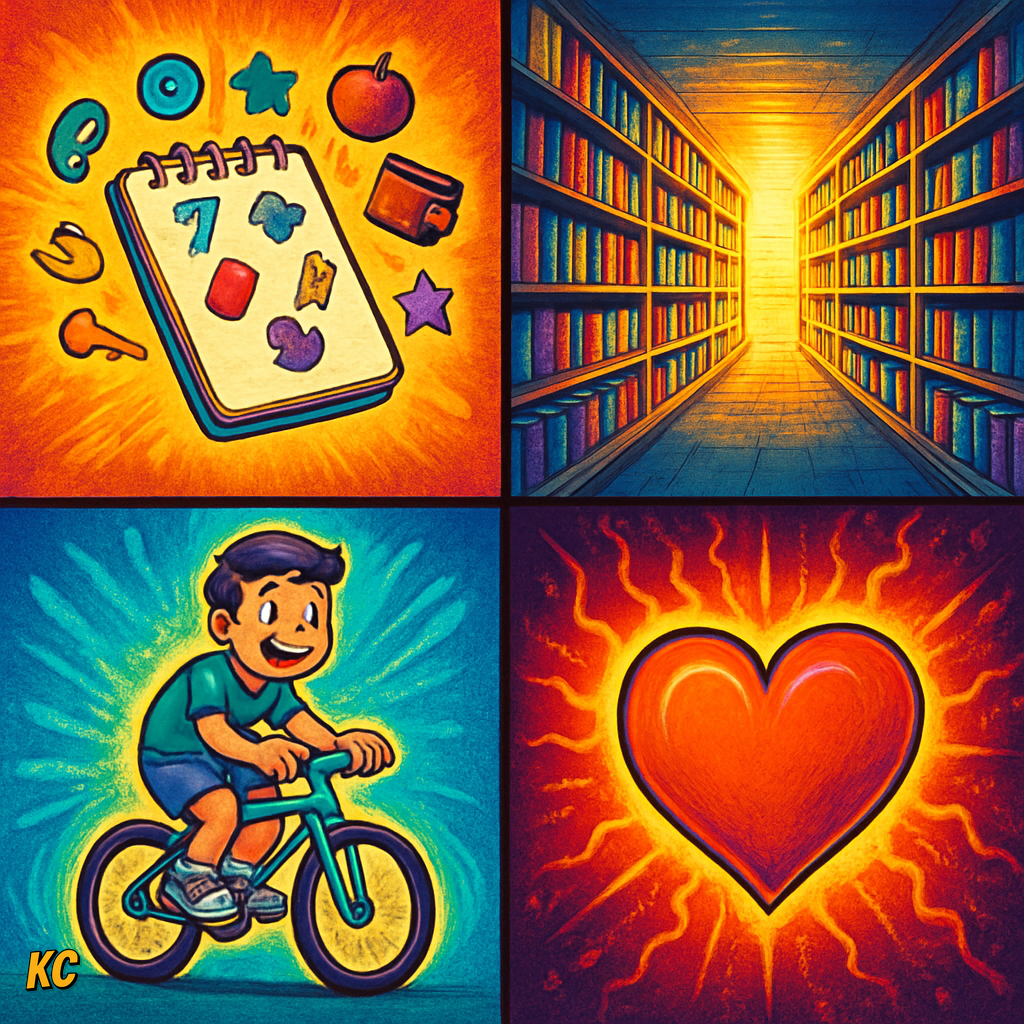
Why you remember your first day of school but forget what you had for breakfast. How memories are stored, why sleep locks them in, and how to remember things better.
Every night your brain creates an entirely fictional world — complete with people, places, and storylines. What dreams are actually for, and why we forget most of them.
In 0.07 seconds your amygdala triggers a full-body emergency. Heart racing, pupils dilating, muscles flooding with blood. The ancient system that kept your ancestors alive.
Happiness, sadness, anger, and love are all chemical reactions in your brain. The science of emotions — and why laughing, crying, and hugging are good for your health.
THE SENSES
Your eyes have 130 million light-sensitive cells. Three types of cone cells let you distinguish 10 million colours. Why some people see the world differently — colour blindness explained.
Sound waves hit your eardrum, three tiny bones amplify them, and 25,000 hair cells convert vibrations into electrical signals. How your brain turns air movement into music.
You have 10,000 taste buds detecting 5 basic tastes. But 80% of what you think is taste is actually smell. Why food tastes bland when you have a blocked nose.
Your nose can detect over a trillion different smells. Smell is the only sense that connects directly to the memory centre of your brain — why a scent can instantly take you back years.
Deep inside your ear are three fluid-filled loops that detect every tilt, turn, and acceleration of your head. The system that lets you walk, spin, and somersault — and why you get dizzy.
Your brain doesn't just see — it predicts. Optical illusions reveal the shortcuts and assumptions your brain makes to process the world faster than reality.
BLOOD, BONES & MUSCLES
Blood is not just red liquid — it's a complex mixture of billions of cells doing very different jobs. Why blood is red, what blood types mean, and how it clots when you get a cut.
In your lifetime your heart will beat 3 billion times without a single break. How four chambers work together in perfect rhythm to keep blood flowing to every cell in your body.
Bone is stronger than concrete by weight — yet light enough to walk. Inside every bone is a living factory producing 2 million red blood cells every second.
You have over 600 muscles — some you control, some work without you noticing. It takes 43 muscles to frown but only 17 to smile. How muscles contract and why they get sore.
Your skin is your largest organ — 2 square metres of waterproof, self-repairing armour. It replaces itself completely every 27 days. What's really happening in each of its three layers.
STAYING HEALTHY
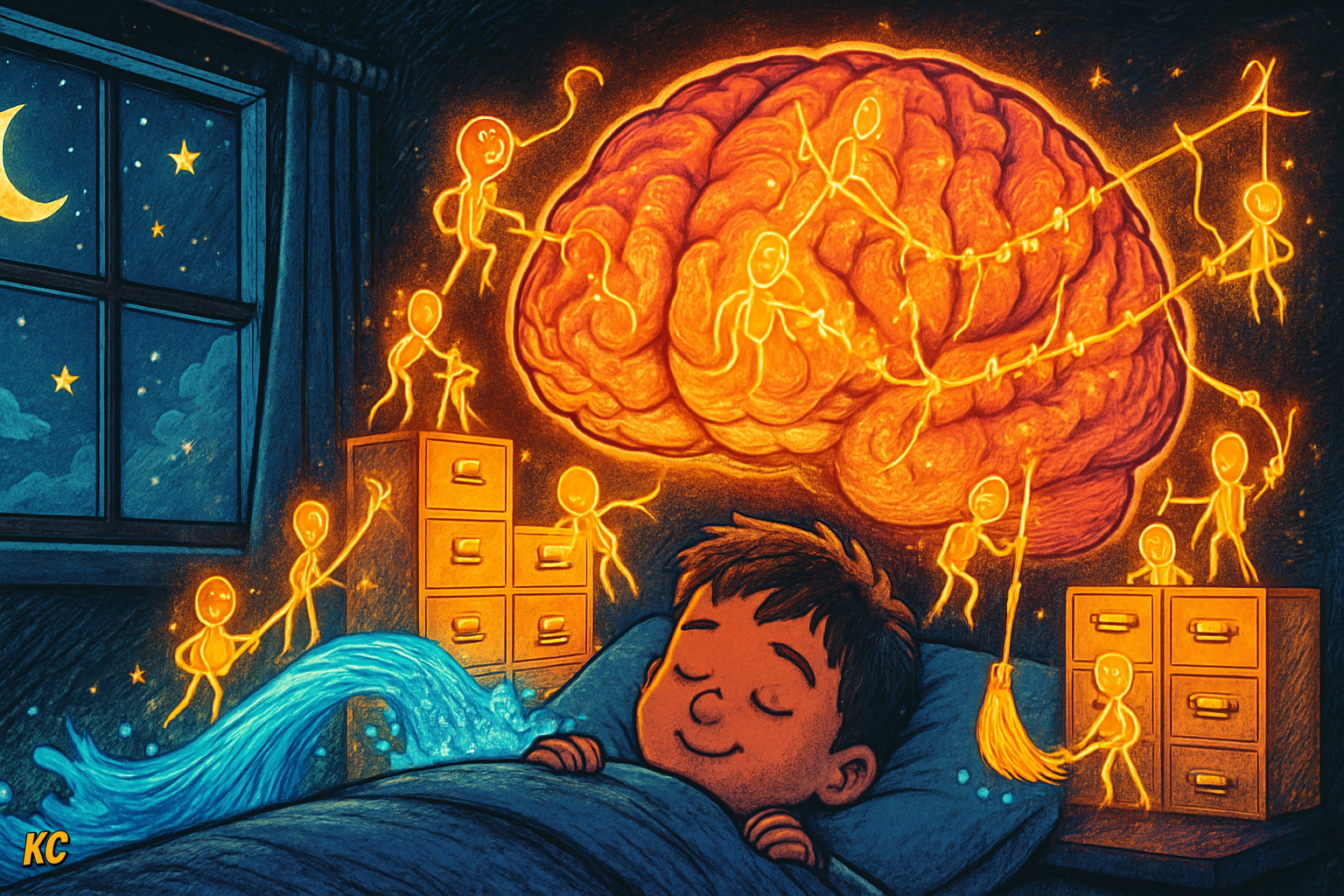
While you sleep, your brain flushes out toxic waste, locks in memories, and releases growth hormone. One bad night costs your immune system 70% of its natural killer cells.
The moment you start running, 20 things change in your body simultaneously. Heart rate triples, blood shifts away from digestion, and your brain floods with feel-good chemicals.
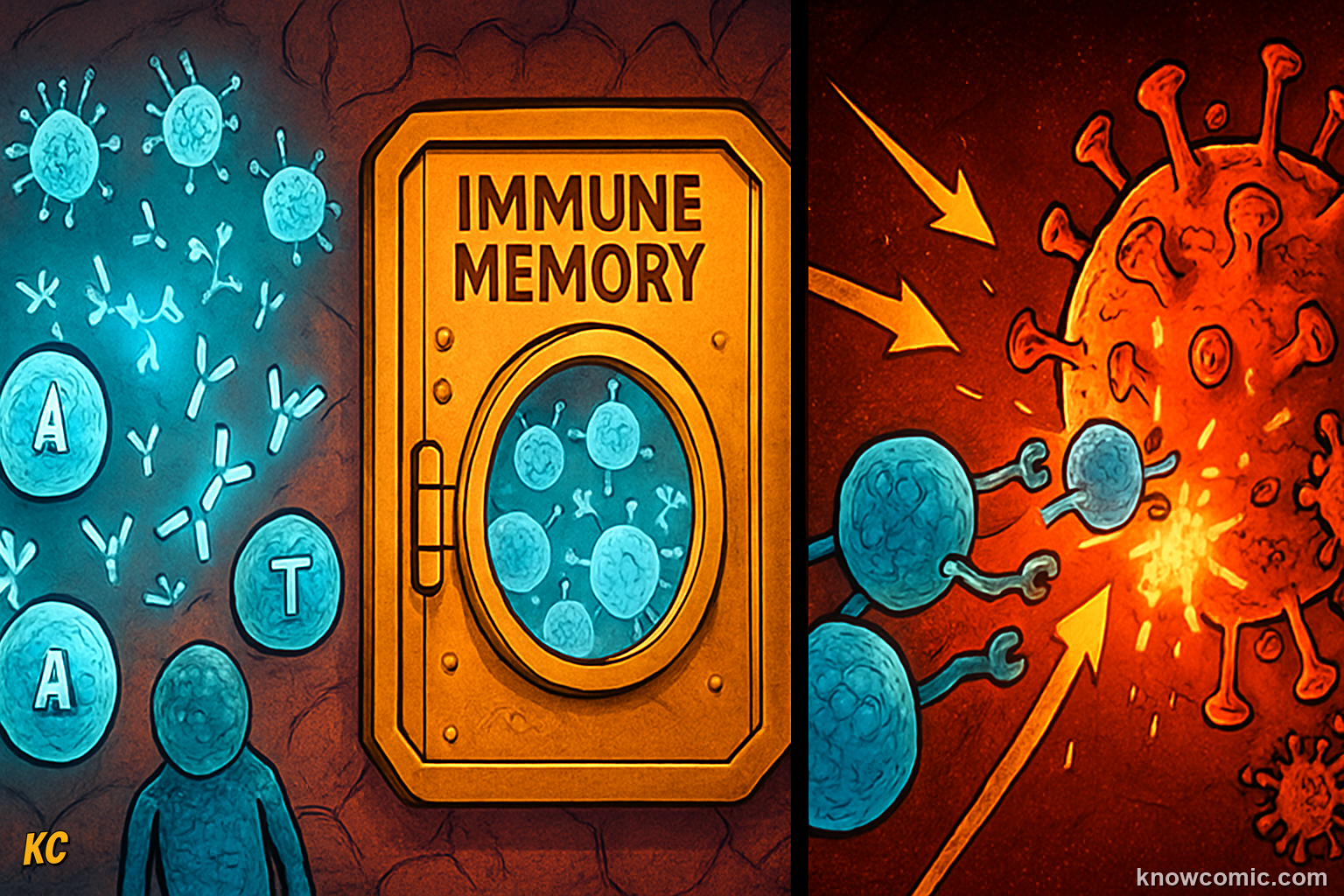
Vaccines train your immune system to recognise an enemy without fighting the real disease. How one small injection gives your body a complete instruction manual for defeating a virus.
Sugar enters your blood, insulin unlocks your cells, and energy floods in — then crashes. Why the brain can't run without glucose, and what too much of it does over time.
Mental health is as real as physical health. What stress and anxiety do to your body, why they exist, and the science-backed ways to look after your brain every day.
Your body is 60% water and uses it in every single process. Lose just 2% and your performance drops. Why water is the most important thing you consume every day.
GROWING UP
From a single cell to a fully formed human in 9 months. Week by week — when the heart starts beating, when fingers appear, when the brain begins to think.
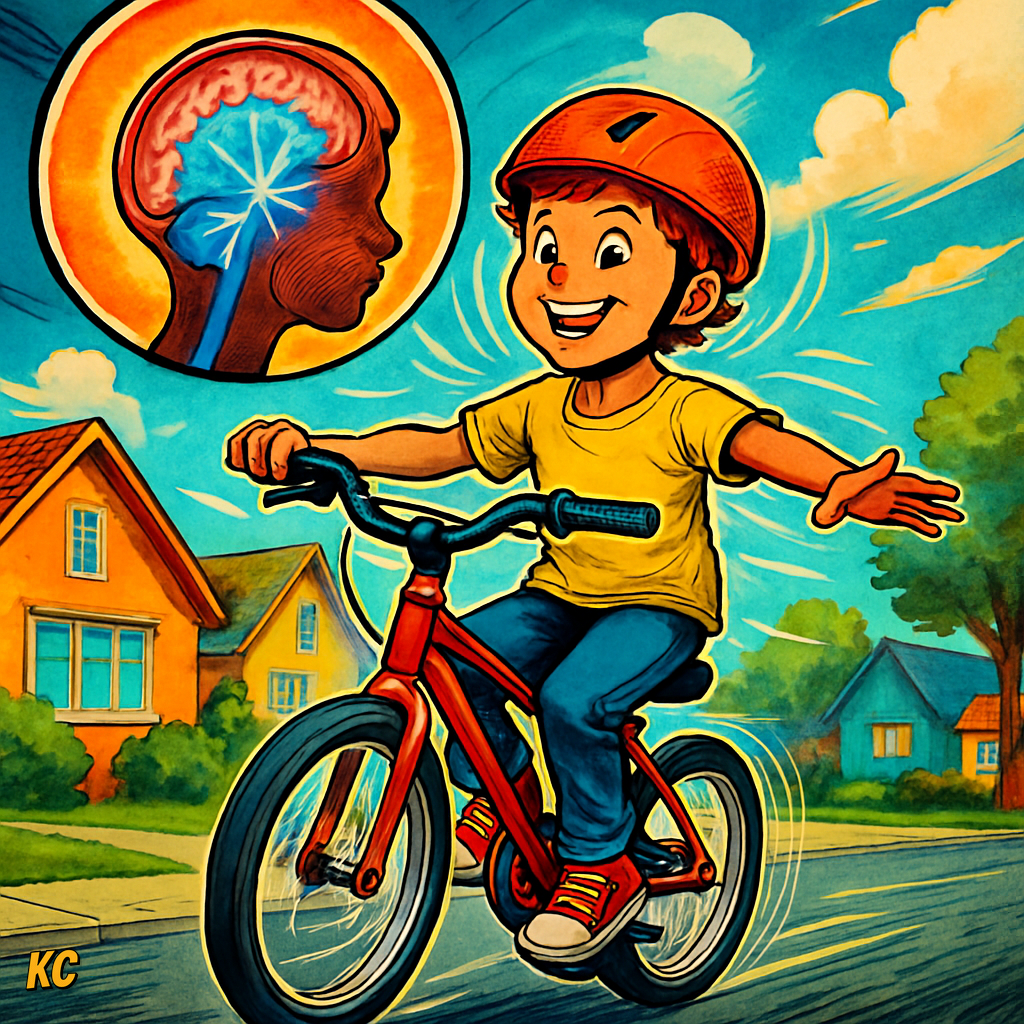
Between 0 and 5 years, your brain makes 1 million new neural connections every second. Why children learn languages so easily and what "critical periods" mean for development.
You get two full sets of teeth in your life. Baby teeth arrive while your jaw is still too small for adult teeth — they're placeholders, guides, and essential for learning to speak.
A surge of hormones triggers a complete body transformation. What's happening, why it happens, and why the timing is completely different for everyone — all explained clearly.
Teenage brains release melatonin 2 hours later than adult brains — they're biologically wired to stay up late and sleep in. Why early school starts go against the science.
GROSS BUT FASCINATING
Gross? Yes. Useless? Absolutely not. Mucus traps dust, bacteria, and viruses before they reach your lungs. Earwax stops insects and debris reaching your eardrum. Both are clever engineering.
A burp releases trapped stomach gas at up to 70 km/h. A hiccup is an involuntary diaphragm spasm with no known purpose. Your feet have 250,000 sweat glands — bacteria love them.
Goosebumps are a leftover from when your ancestors had thick fur — it made them look bigger. A sneeze travels at 160 km/h and clears 100,000 particles from your airways in 0.15 seconds.
AMAZING BODY FACTS
37 trillion individual cells, each doing its own specific job. Your body replaces 3.8 million of them every second. In 7 years, almost every cell you have will be new.
You share 60% of your DNA with a banana, 85% with a mouse, and 99% with a chimpanzee. What this reveals about the common origin of all life on Earth.
The liver performs over 500 different functions simultaneously — detoxifying blood, producing bile, regulating blood sugar, and storing vitamins. The most hardworking organ you never think about.
MORE ORGANS & SYSTEMS
Two fist-sized organs filter all of your blood every 30 minutes — over 180 litres daily. How kidneys remove waste, balance salts, and keep your blood chemistry perfect.
A small organ hidden behind your stomach that controls blood sugar with two opposing hormones. When the pancreas fails, diabetes follows — the science of insulin explained.
Your spleen filters old red blood cells, stores a backup supply of blood, and hosts immune cells. You can live without it — but you become more vulnerable to certain infections.
Your stomach acid is strong enough to dissolve metal. It kills bacteria, breaks down proteins, and churns food into a paste called chyme — all before passing it on.
Six metres long and lined with millions of tiny fingers, the small intestine has a surface area the size of a tennis court. Where almost all nutrients enter your bloodstream.
The large intestine reabsorbs water, houses trillions of bacteria, and prepares waste for removal. The last 1.5 metres of the digestive journey — and home to 70% of your immune system.
For centuries the appendix was called useless. New research suggests it may harbour good bacteria after illness. The story of how science changes its mind about a tiny tube.
A parallel plumbing system alongside your blood vessels, draining fluid from tissues, filtering pathogens through lymph nodes, and transporting immune cells across your body.
A butterfly-shaped gland in your neck controls how fast every cell in your body uses energy. Too fast — you can't sleep. Too slow — you feel exhausted. The master of metabolism.
Two tiny glands sitting on top of your kidneys produce adrenaline and cortisol — the hormones that flood your system in an emergency and keep you alert under stress.
Your eye has 130 million light-sensitive cells, automatically adjusts its aperture, and sends 10 million bits of data per second to your brain. How the most sophisticated camera ever built works.
Your 32 adult teeth are each shaped for a specific job — cutting, tearing, or grinding. Enamel is the hardest substance your body makes. Why losing a tooth matters more than you think.
Your tongue is the only muscle attached at one end. It controls speech, taste, and swallowing simultaneously. The strongest muscle relative to its size in your entire body.
Hair and nails are made of dead keratin cells pushed out from living follicles. Why hair grows at different speeds, what causes grey hair, and the surprising science of nail growth.
Your bladder can stretch to hold half a litre of urine and sends increasingly urgent signals as it fills. How the nervous system controls the moment you decide to go.
Every joint in your body is cushioned by cartilage and lubricated by synovial fluid. Different joint types allow different ranges of motion — from the ball-and-socket of your hip to the hinge of your knee.
Every human starts from a single cell formed when two half-cells combine. How chromosomes from two parents shuffle to create a unique individual — explained clearly and scientifically.
Your gut contains 38 trillion bacteria — more cells than your own body. They digest food you can't, train your immune system, and even influence your mood. The ecosystem living inside you.
MORE SENSES & PERCEPTION
Each eye sees a slightly different image. Your brain merges the two differences to calculate distance. Why animals with eyes on the sides of their heads see the world completely differently.
Your skin contains millions of specialised nerve endings detecting pressure, vibration, texture, and temperature. Your fingertips can feel a bump just 13 nanometres high — thinner than a virus.
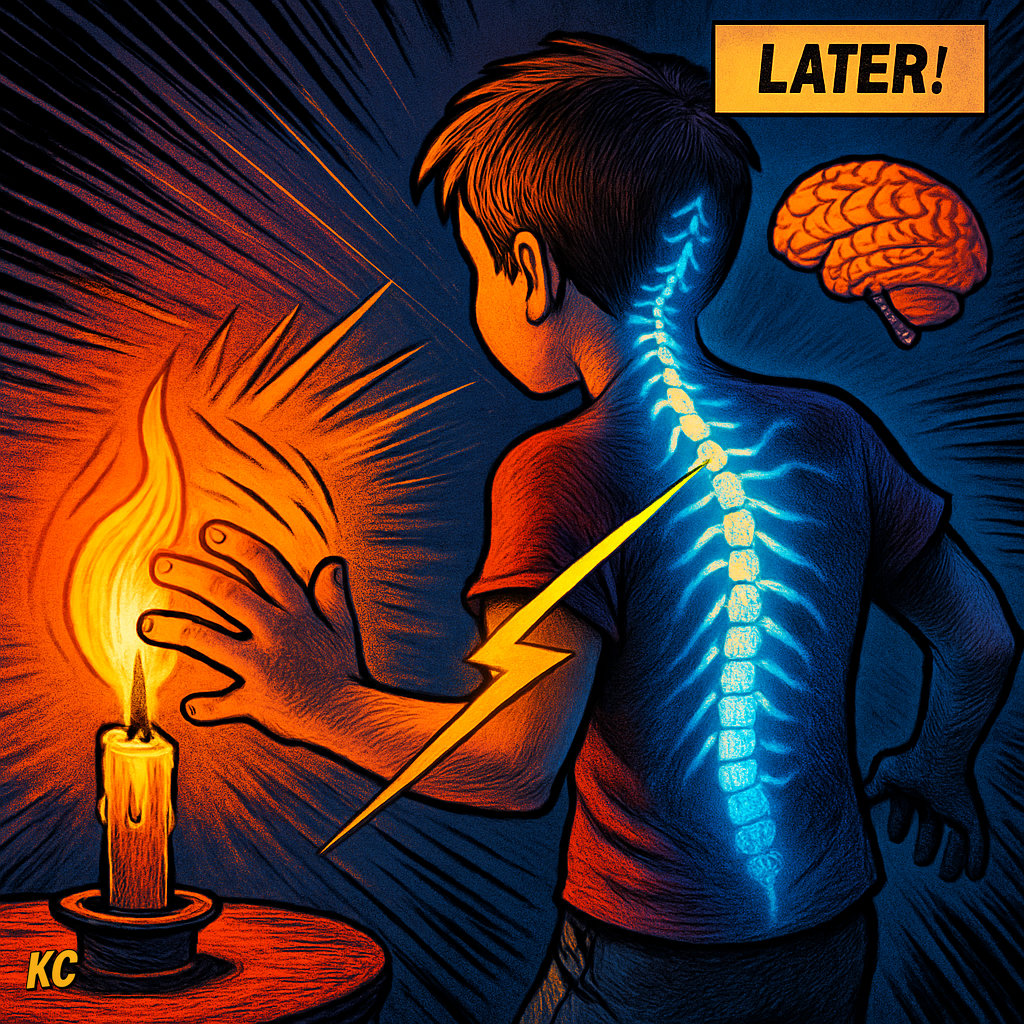
Pain is not your enemy — it's your body's alarm system. People born without the ability to feel pain rarely live past their 20s. Why every type of pain exists and what it's trying to tell you.
About 4% of people experience two senses at once — numbers have colours, music has tastes, words have textures. What synesthesia reveals about how the brain processes everything.
Your skin has separate receptors for warmth and cold, firing at different temperatures. Why mentholated creams feel cool without changing temperature — and why chilli peppers literally feel like fire.
Close your eyes and touch your nose. How did you know where it was? Proprioception is your hidden sense — an internal GPS tracking every limb's position without you thinking about it.
When you walk into a dark room, your rod cells take 20 minutes to fully adapt. Why looking slightly to the side helps you see dimmer objects — and how submarines use red lighting to preserve night vision.
Humans hear between 20 and 20,000 Hz — but dogs, bats, and elephants use frequencies we're completely deaf to. The entire world of sound happening around you that you'll never hear.
Smell is the only sense that bypasses the brain's logic centre and connects directly to emotion and memory. Why a whiff of sunscreen instantly takes you back to a childhood holiday.
People who lose a limb can still feel it. Your brain has a detailed map of your body — and when a limb disappears, the map doesn't update. The strange neuroscience of phantom sensations.
You cannot tickle yourself. Your cerebellum predicts your own touch and cancels the reaction. Ticklishness is an ancient reflex to detect light touches — possibly from insects or predators.
1 in 12 men and 1 in 200 women have some form of colour blindness. It's not seeing in grey — most see a shifted range of colours. How missing cone types changes the way people experience the world.
Watch someone say "ga" but play the sound "ba" — your brain hears "da". The McGurk Effect proves your brain invents what you perceive by combining all your senses at once.
Your brain has neurons that fire when you see someone else act — as if you're doing it yourself. Mirror neurons are the basis of empathy, learning by watching, and why yawning is impossible to resist.
Newborns are nearly blind — they can only focus 20–30 cm away, see only contrast, and can't distinguish colours for weeks. Vision develops gradually as the brain learns to interpret signals from the eyes.
Your body produces its own painkillers — endorphins up to 100 times stronger than morphine. How rubbing a bump actually reduces pain signals, and how anaesthesia silences nerves entirely.
What you call "taste" is mostly smell detected through the back of your throat. Block your nose and chocolate tastes like sugary cardboard. How your two chemical senses fuse to create flavour.
When one sense is absent, the brain reassigns that cortex to other senses. Deaf people have sharper peripheral vision. Sign language activates the exact same brain regions as spoken language.
For most of history, scientists recognised only four tastes. In 1908 a Japanese chemist discovered a fifth — umami, the savoury, meaty depth found in mushrooms, cheese, and tomatoes.
MORE HEALTHY HABITS
13 essential vitamins and your body can make almost none of them. Each does a completely different job — from vision to clotting to energy production. What happens when you run out.
Bacteria are living cells — viruses are not even alive. This difference changes everything: antibiotics kill bacteria but are completely useless against viruses. How your body fights each differently.
A cut triggers a 4-stage emergency response in seconds — bleeding stops, a clot forms, inflammation arrives, then new skin grows. The extraordinary repair system running silently in your body.
Sweating is how your body air-conditions itself. As water evaporates from your skin, it carries heat away. Why stress makes you sweat differently from exercise — two separate gland types at work.
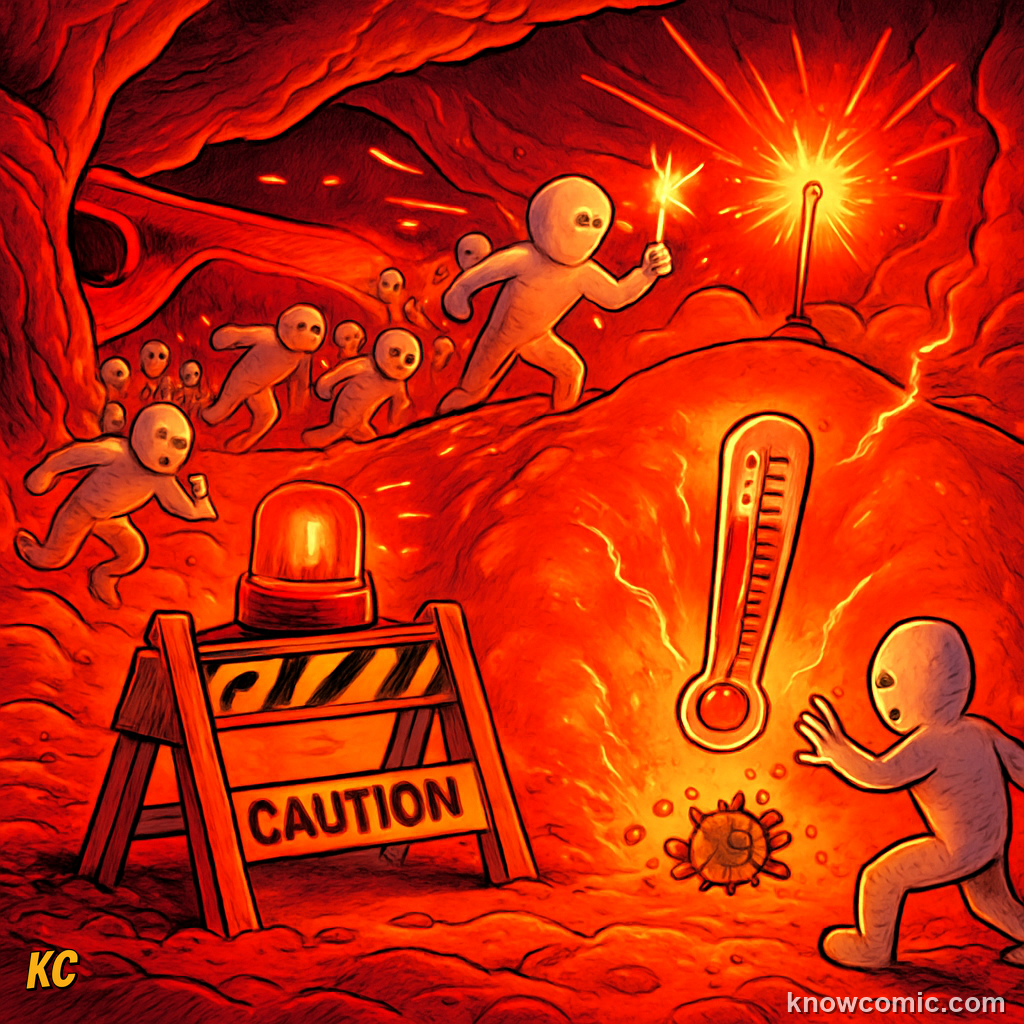
A fever is not an accident — your immune system deliberately raises your temperature to make your body inhospitable to invaders. When to treat it and when to let it do its job.
Penicillin, discovered accidentally in 1928, changed medicine forever. How antibiotics work by targeting bacterial cell walls — and why overusing them is creating superbugs that could kill millions.
A sugar pill can reduce real pain if you believe it's medicine. The placebo effect triggers actual biochemical changes — releasing endorphins, reducing inflammation. Proof the mind controls the body.
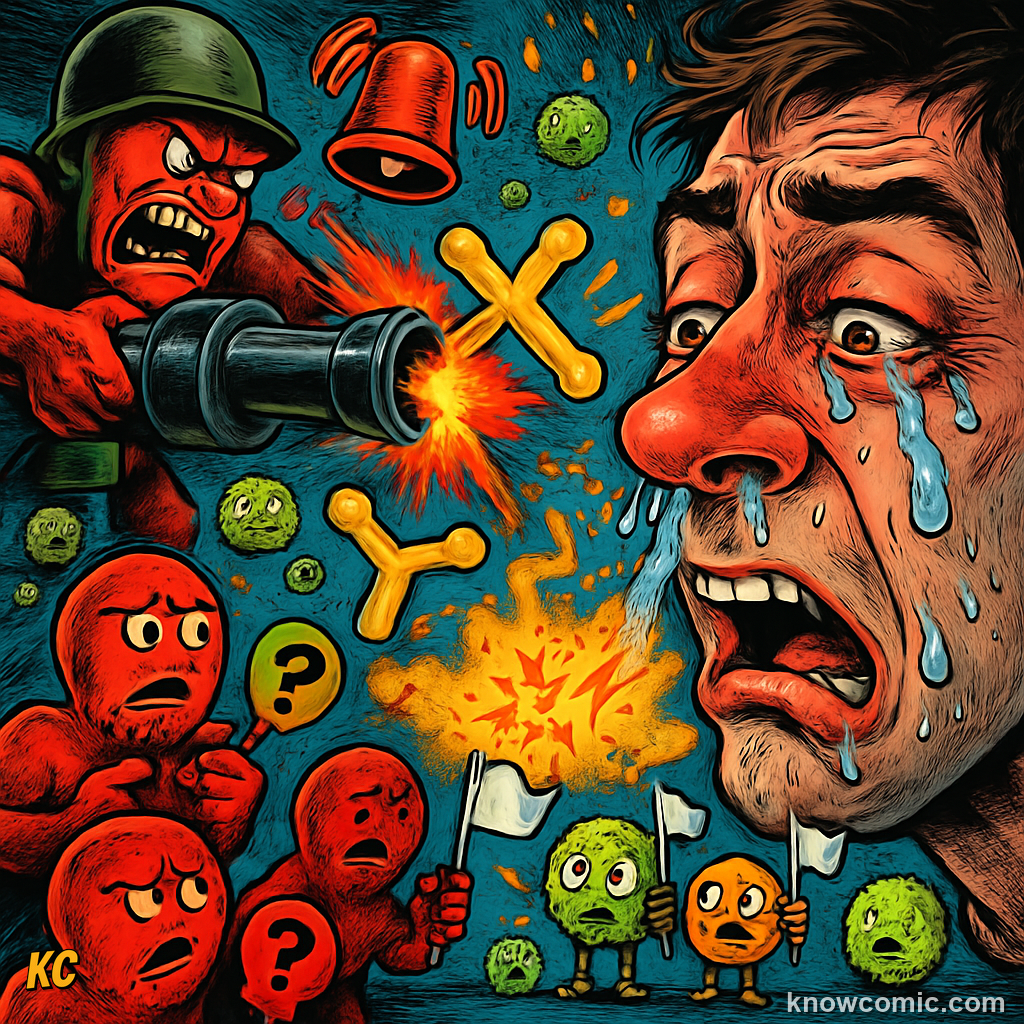
Your immune system mistakes peanut protein for a dangerous pathogen and launches a full-scale war. Why allergies are increasing worldwide, what happens during anaphylaxis, and how EpiPens work.
Exercise doesn't just build muscles — it literally grows new brain cells. 20 minutes of cardio increases BDNF, a "miracle-gro" chemical that boosts memory, focus, and mood for hours afterwards.
Your body can't digest fibre — but your gut bacteria can, and they produce compounds that protect your colon, lower cholesterol, and stabilise blood sugar. Why most people eat half the fibre they need.
Short-term stress saves your life. Long-term stress destroys it — shrinking the hippocampus, damaging the heart, suppressing immunity. Why modern stress is mismatched to an ancient body.
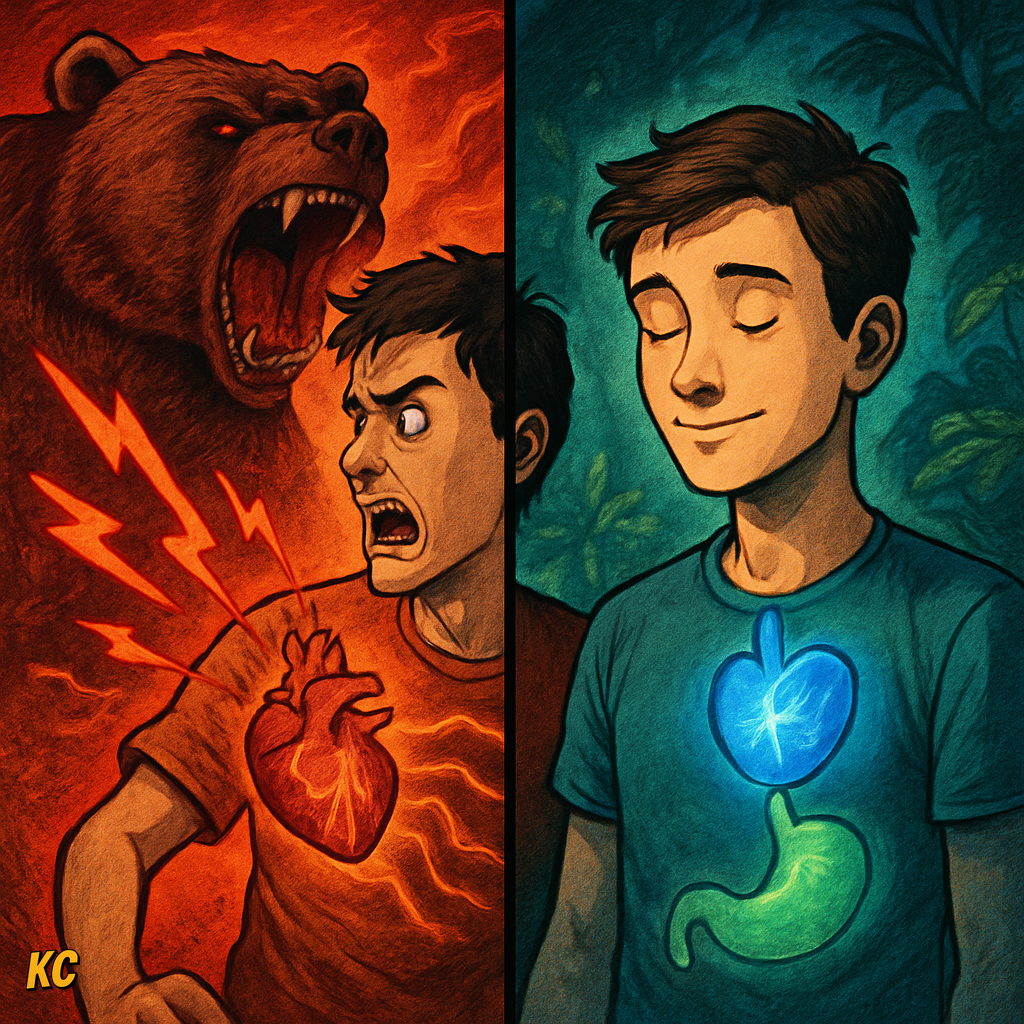
Slow, deep breathing activates the vagus nerve and switches your nervous system from "fight or flight" to "rest and digest". The neuroscience of why ancient breathing practices actually work.
Childhood myopia is rising sharply worldwide — linked to spending time indoors. Blue light from screens disrupts sleep. What the science actually says about screens and eye health in children.
Five places in the world have the highest concentration of 100-year-olds. They share common habits — not genes. What the science of "Blue Zones" reveals about diet, community, and purpose.
A sneeze launches 100,000 droplets at 160 km/h to clear your airways. A cough is a targeted blast to remove threats from the throat and lungs. How your body evicts unwanted guests at high speed.
After 12 hours without food, your body switches from burning sugar to burning fat. After 24 hours, cells start cleaning out their own damaged parts — a process called autophagy. What happens hour by hour.
Your body contains traces of 60 elements — iron in your blood, calcium in your bones, iodine in your thyroid. Essential minerals you must get from food, what each does, and what happens without them.
Every cell in your body runs on a 24-hour cycle synchronised to sunlight. Your body temperature, hormones, digestion, and immunity all follow this schedule — and disrupting it has serious health consequences.
Genuine laughter releases endorphins, lowers cortisol, and activates the immune system. Studies show laughing raises your pain threshold by 10%. The surprisingly solid science of why laughing heals you.
MORE GROWING UP
Bones don't grow from the middle — they grow from plates of cartilage near each end. These growth plates close around age 18, locking in your final height. How growth spurts work at the cellular level.
Height is 80% genetic and 20% environment. There's a formula using your parents' heights to predict yours. Why humans have grown 10 cm taller over the last century — and what caused it.
Children don't learn by memorising — they learn by building pattern-recognition networks through play and repetition. Why sleep is critical for a child's learning, and what pruning unused connections does for the brain.
Every illness a child survives is a training session. Your immune system remembers every pathogen it defeats and builds a faster response for next time. Why the first years of life are the most important.
Two siblings share the same parents but can look completely different. Each time a sperm or egg is made, chromosomes shuffle randomly — creating more possible combinations than atoms in the universe.
Right-handedness is found in every human culture throughout history — a quirk shared by no other animal. What drives this consistent 9:1 ratio, and what being left-handed actually means for your brain.
A newborn has no words but a complete communication system. Different cries signal different needs. Research has identified four distinct cry patterns that parents learn to decode within weeks.
The last part of your brain to develop is the prefrontal cortex — responsible for risk assessment and long-term planning. It doesn't fully mature until around age 25. Why this matters for everything from driving to decisions.
Every time a cell divides, it gets a little shorter. Telomeres — protective caps on DNA — shrink with each copy. When they run out, cells stop dividing. The molecular clock that determines how fast you age.
Identical twins share 100% of their DNA but become different people. Epigenetics shows how your environment can switch genes on and off. Why the nature vs nurture debate has a surprising answer: both, always.
Teenage brains have a fully active reward system but an underdeveloped brake system. Dopamine spikes are more intense in adolescence — which is why novelty-seeking and risk-taking peak in the teenage years.
Twins raised apart reveal which traits are written in DNA and which are shaped by experience. Decades of twin research have revealed surprising genetic contributions to personality, intelligence, and even politics.
Children experience emotions fully before they can regulate them. The capacity to manage feelings develops as the prefrontal cortex matures — which is why toddlers tantrum and teenagers are dramatic.
Babies are born able to distinguish every sound in every language on Earth. By 12 months, that ability narrows to just the sounds of their native language. How the brain wires itself for speech in the first years of life.
Between birth and age 5, your brain forms 1 million new neural connections every second. This extraordinary window of growth explains why early experiences shape personality, learning ability, and emotional health for life.
MORE GROSS BUT FASCINATING
Vomiting is a highly coordinated emergency ejection involving 9 separate muscle groups acting in perfect sequence. Why it makes you feel better, and why the brain has a dedicated "vomit centre".
Pus is the aftermath of battle — dead white blood cells, destroyed bacteria, and tissue debris. It's proof your immune system won a fight. Why draining it helps and what the colour tells you about the infection.
Puberty hormones signal oil glands to overproduce sebum. Pores block, bacteria multiply inside the follicle, and your immune system attacks from outside — creating the classic spot. The complete science of acne.
You shed 30,000–40,000 dead skin cells every hour. Over a year that's about 4 kg of shed skin — most of the dust in your home. How skin renews itself completely every 27 days without you noticing.
Sweat itself has no smell — the odour comes from bacteria on your skin breaking it down into acids. Why armpits smell different from feet, and what your body odour reveals about your immune system genetics.
The average person passes gas 14 times a day — mostly odourless nitrogen, hydrogen, and CO2. Only 1% contains the sulphur compounds responsible for the smell. The entirely normal biology of flatulence.
Itching is a distinct sensation — not a form of pain — processed by its own set of nerve fibres. Why scratching gives relief (it briefly activates pain circuits that override the itch), and why itching can be contagious.
The urge to breathe isn't triggered by running out of oxygen — it's triggered by rising CO2 levels. Why trained divers can hold their breath for 20+ minutes, and what actually happens at the limit.
Scars form when a wound is too deep for the body's quick-repair mechanisms. Fibroblasts rush in with collagen — but they lay it down in parallel lines rather than the random weave of normal skin. Why scars are permanent.
Your liver produces 1 litre of green bile daily. Stored in your gallbladder, it's released into your small intestine to emulsify fat — breaking large droplets into tiny ones that enzymes can digest.
Fingernails grow 3mm per month — four times faster than toenails. Your dominant hand grows faster. During pregnancy nails grow faster. The keratin cells that form them start living then die to become the nail you see.
Earwax is sticky, acidic, and antimicrobial — designed to trap insects, dirt, and pathogens before they reach your eardrum. Your ear canal is one of the few self-cleaning parts of your body. Why cotton buds make things worse.
MORE AMAZING BODY FACTS
100,000 beats per day, 3 billion in a lifetime — without a single break. How the heart's electrical system keeps rhythm, what changes that rhythm, and why a heart outside the body can still beat for hours.
Most people forget skin counts as an organ — and it's the largest one you have, at about 2 square metres. It regulates temperature, blocks infection, synthesises Vitamin D, and tells you when something is wrong.
Babies are born with 270 bones — mostly cartilage. As you grow, many fuse together. By your mid-20s, you end up with 206. The tiniest bone is in your ear. The largest is in your thigh.
Three quarters of your brain is water. Losing just 2% of body water reduces cognitive performance by up to 20%. Why even mild dehydration makes it harder to concentrate, remember, and think clearly.
You produce about 1–1.5 litres of saliva every day. It contains enzymes that start digesting carbohydrates in your mouth, antibacterial proteins, and compounds that help wounds in the mouth heal faster than anywhere else.
You blink up to 20 times per minute — about 10 million blinks per year — distributing a fresh tear film across your eye each time. Your brain suppresses your vision during blinks so you never notice the darkness.
Your stomach produces enough acid to dissolve metal — but its lining is protected by a thick layer of mucus. To stay safe, the stomach completely replaces its lining every 3 days. Why ulcers form when this system fails.
Your resting body generates about 80 watts of heat — the same as an incandescent light bulb. During exercise this can reach 1,500 watts. All of it is a byproduct of the chemical reactions keeping you alive.
Laid end to end, all your blood vessels — arteries, veins, and capillaries — would stretch for about 100,000 km. Most of this is the microscopic capillaries thinner than a hair that reach every cell.
New research shows that the bacteria living in and on you outnumber your own cells roughly 1.3 to 1. These trillions of microorganisms are not invaders — they are essential partners in digestion, immunity, and health.
Each of your lungs contains 300 million tiny air sacs called alveoli. Spread flat, their total surface area would cover a tennis court. This massive surface is how enough oxygen enters your blood with every breath.
Each of your cells contains about 2 metres of tightly wound DNA. Multiply that by 37 trillion cells and you get a strand that could reach Pluto and back multiple times. All packed into a nucleus smaller than a dust particle.
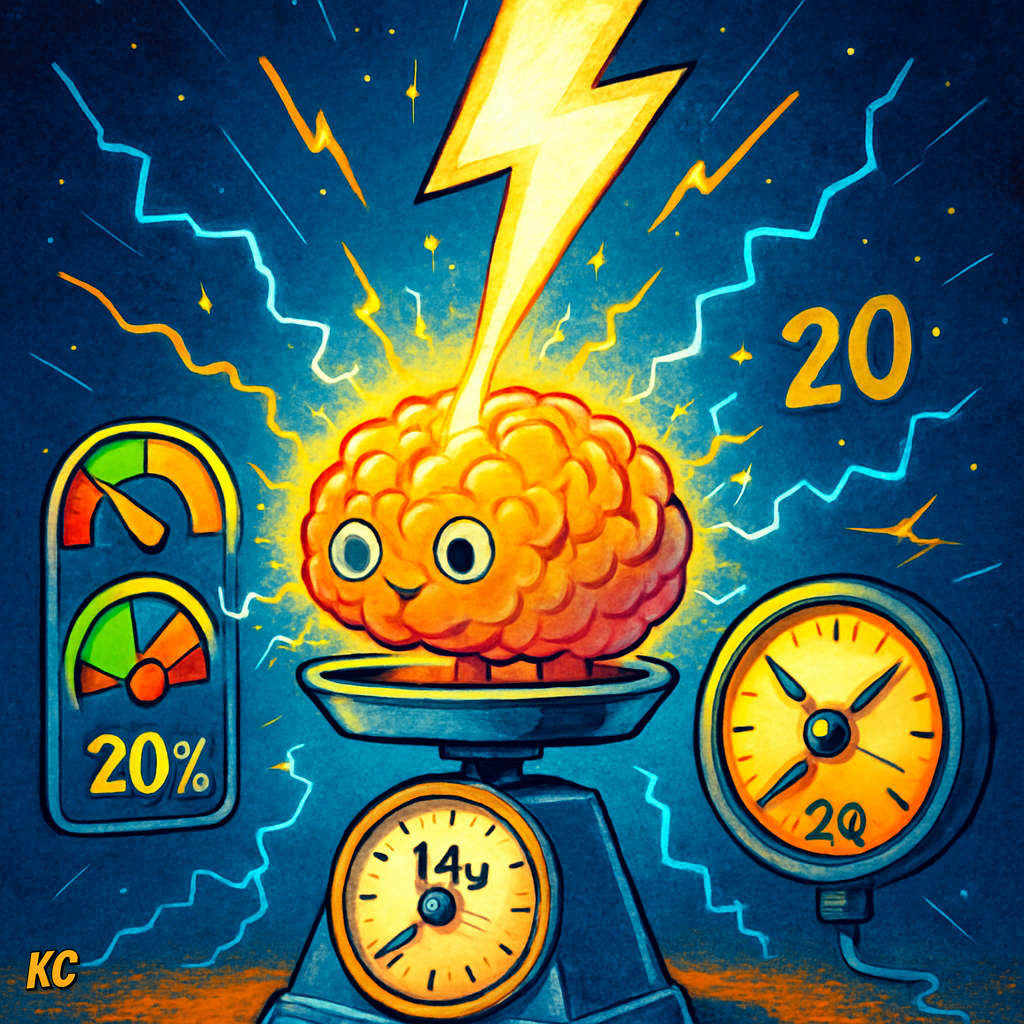
Your brain is 2% of your body weight but consumes 20% of your energy. It runs on glucose exclusively and has no energy reserves — which is why missing meals makes thinking harder almost immediately.
The stapes — one of three bones in your middle ear — is just 3mm long, the smallest bone in the human body. It's been the same size since your ancestors were early mammals. Its only job: amplify sound vibrations.
Your body replaces 3.8 million cells every second — most of them red blood cells. Each cell type has its own lifespan: red blood cells last 120 days, gut cells 5 days, neurons potentially your entire life.
For decades scientists thought humans could detect only 10,000 odours. A 2014 study recalculated the real number at over 1 trillion distinct scents. How 400 types of olfactory receptor combine to create this range.
The outermost layer of your skin is a wall of dead cells that constantly flakes off — 30,000 to 40,000 per hour. New cells are born deep in the skin and slowly pushed upward to replace them, taking about 27 days for the journey.
MORE MIND & BRAIN
Imagination uses the same brain circuits as perception — your brain can't fully distinguish between a vivid memory and a real experience. Evidence that great apes and crows may have limited imagination too.
Learning is the physical strengthening of connections between neurons. The more you use a neural pathway, the faster and more efficient it becomes. Why testing yourself beats re-reading, and how sleep locks in what you learned.
Boredom isn't laziness — it's a signal your brain sends when it's not being challenged. Research shows boredom boosts creativity, drives motivation, and is linked to the same brain regions as mind-wandering and daydreaming.
Performing acts of kindness releases oxytocin, serotonin, and dopamine — in both the giver and the receiver. Studies show people who regularly help others live longer, have lower blood pressure, and report higher happiness.
Dopamine doesn't make you feel pleasure — it makes you want to seek it. The anticipation of a reward releases more dopamine than the reward itself. Why finishing a game feels less satisfying than almost finishing it.
Most decisions are made before you're consciously aware of them. Brain scans can predict your choice up to 10 seconds before you think you've made it. The science of how decisions are really made — and how to make better ones.
You're conscious of only a tiny fraction of your brain's activity. 95% of cognitive processes happen below awareness — driving habit, shaping emotion, influencing decisions. What the unconscious is actually doing all day.
For decades scientists believed the adult brain was fixed. We now know it physically rewires itself with every new experience. Taxi drivers grow larger hippocampi. Stroke patients regrow function in new areas. The brain never stops changing.
Music is the only stimulus that activates every region of the brain simultaneously. Certain songs cause actual physical chills — a dopamine response triggered by musical anticipation and surprise. Why music moves us like nothing else.
During flow, the prefrontal cortex partially shuts down — self-criticism disappears, time distorts, and performance peaks. Athletes, musicians, and programmers describe the same state. The neuroscience of being completely in the zone.