🦴 SKELETAL & MUSCULAR SYSTEM
PAGE 1 OF 5 · LIVING SCAFFOLD
FRAME
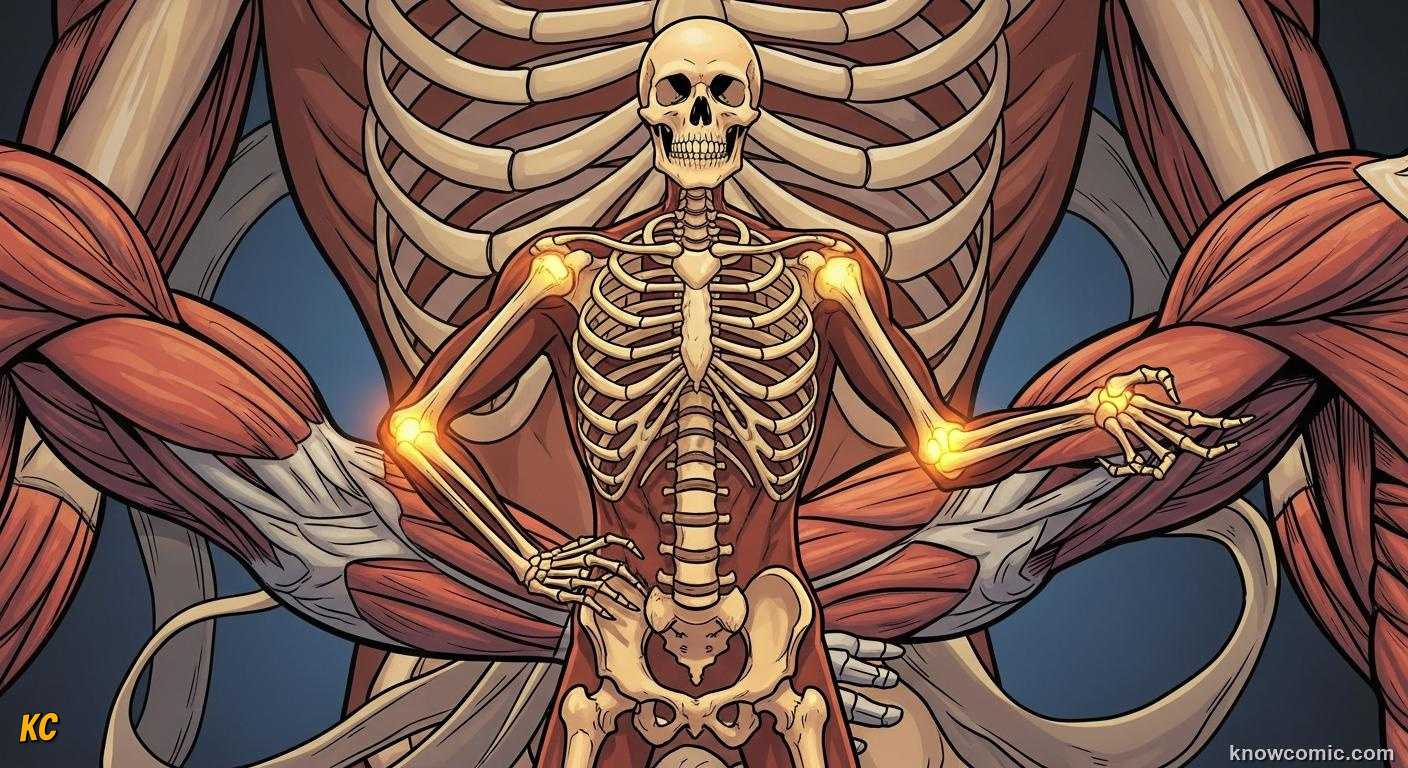
MORE THAN A HANGER
Your skeleton holds you up, protects soft organs, anchors muscles, and stores minerals. A typical adult has about 206 named bones — the exact count can vary slightly, but that is the textbook number. Ribs guard heart and lungs; the skull encases the brain; long bones in arms and legs act as levers. Without this frame, you would be a puddle.
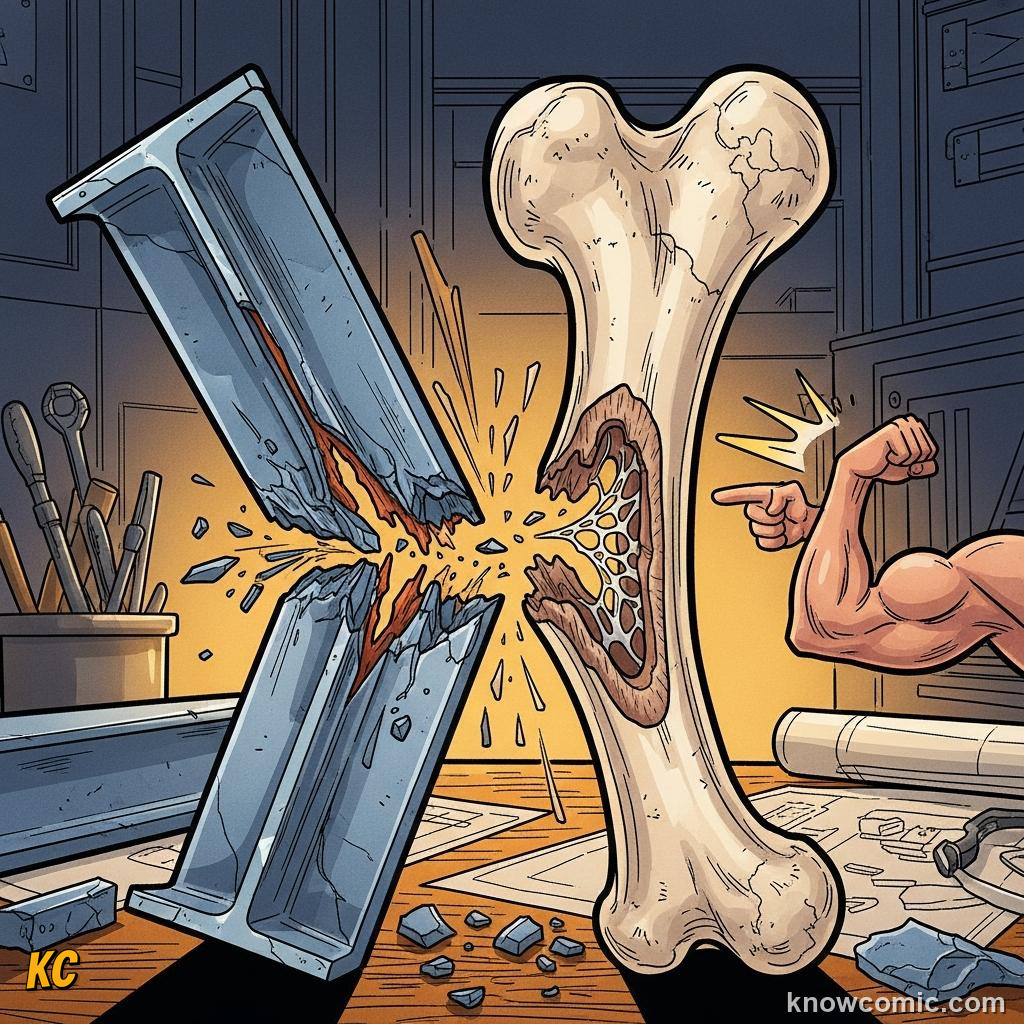
⚡ STRENGTH FACT
Ounce for ounce, healthy bone is stronger than many steels in tension — nature engineered hollow tubes to stay light and tough.
BONES!
270 → 206
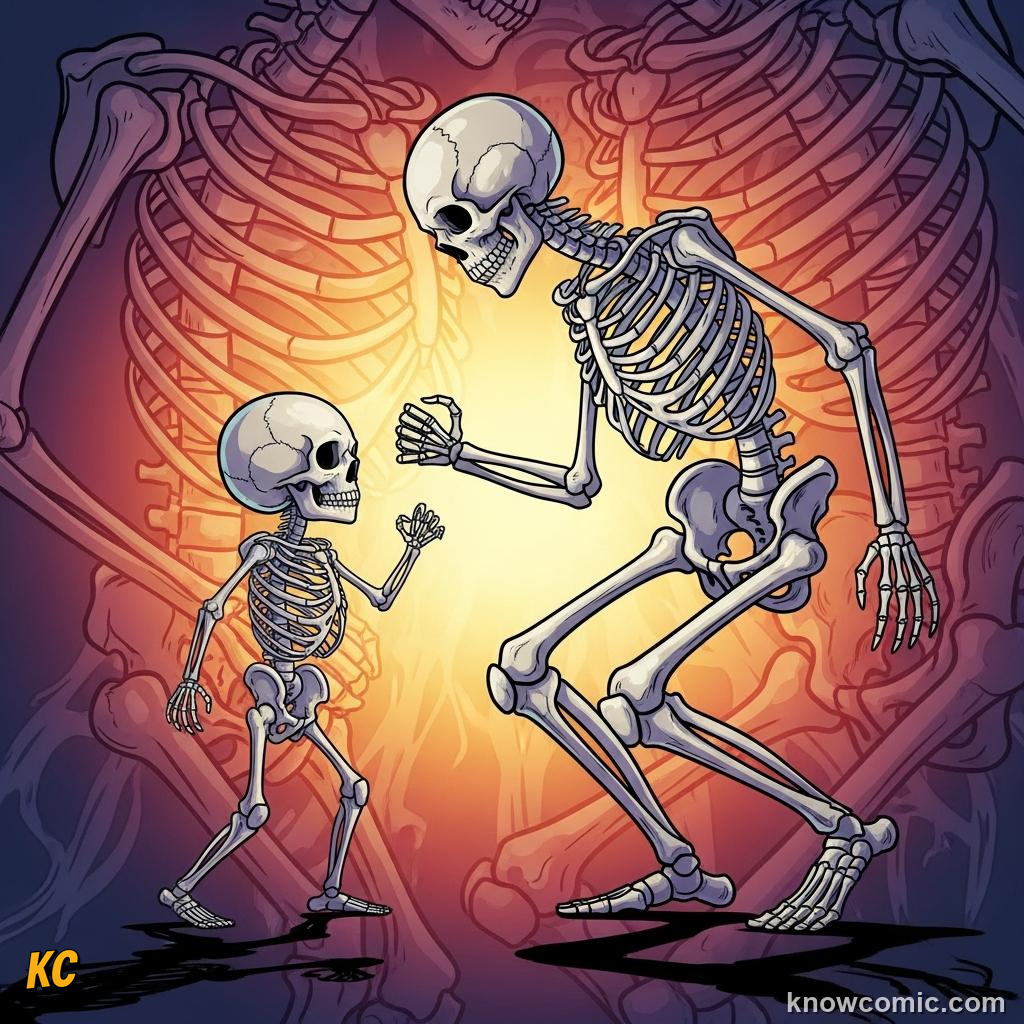
👶 Many separate centres fuse as you grow.
🧒 Growth plates add length until they close in late teens for most people.
🧒 Growth plates add length until they close in late teens for most people.
MINERAL BANK
🦴 Stores calcium and phosphate for the whole body.
🔄 bone tissue constantly remodels — break-down and build-up together.
🔄 bone tissue constantly remodels — break-down and build-up together.
PAGE 2 OF 5 · INSIDE A BONE
STRUCTURE
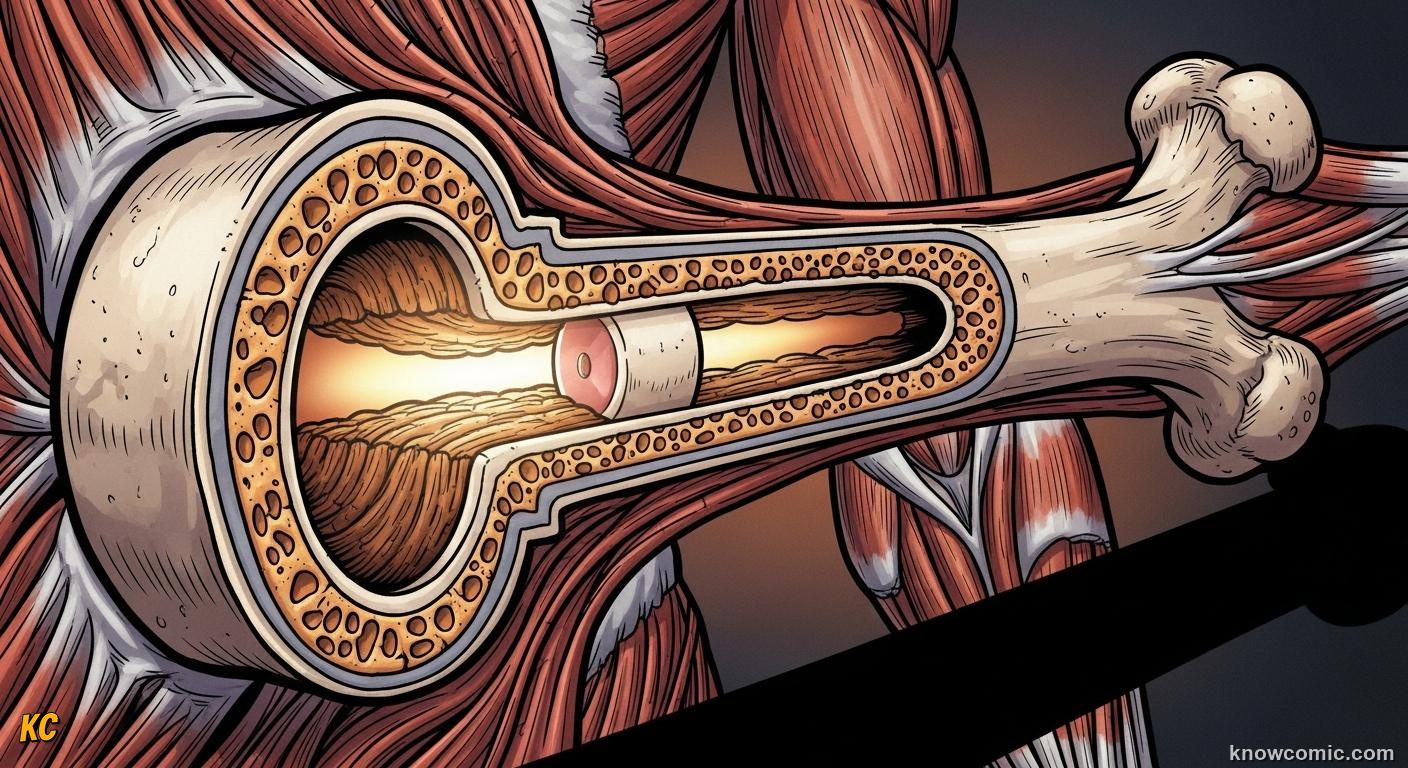
COMPACT + SPONGY
Long bones have a hard compact shell that handles impact and a lighter spongy core with struts to spread forces. Yellow marrow in the shaft stores fat; red marrow in some bones makes new blood cells. The mix keeps limbs stiff without weighing you down like a solid brick.
STRUT!
SHELL
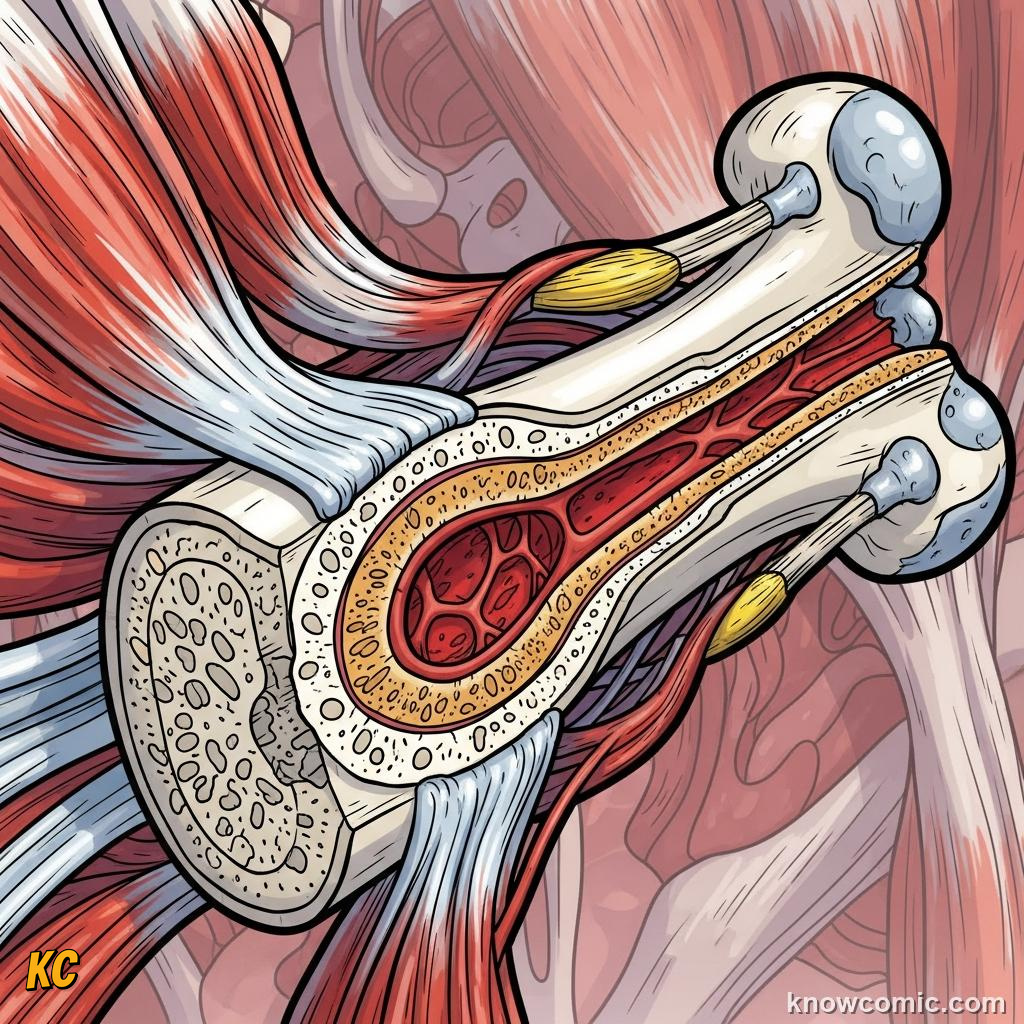
🪨 Compact bone: dense, ring layers.
LATTICE
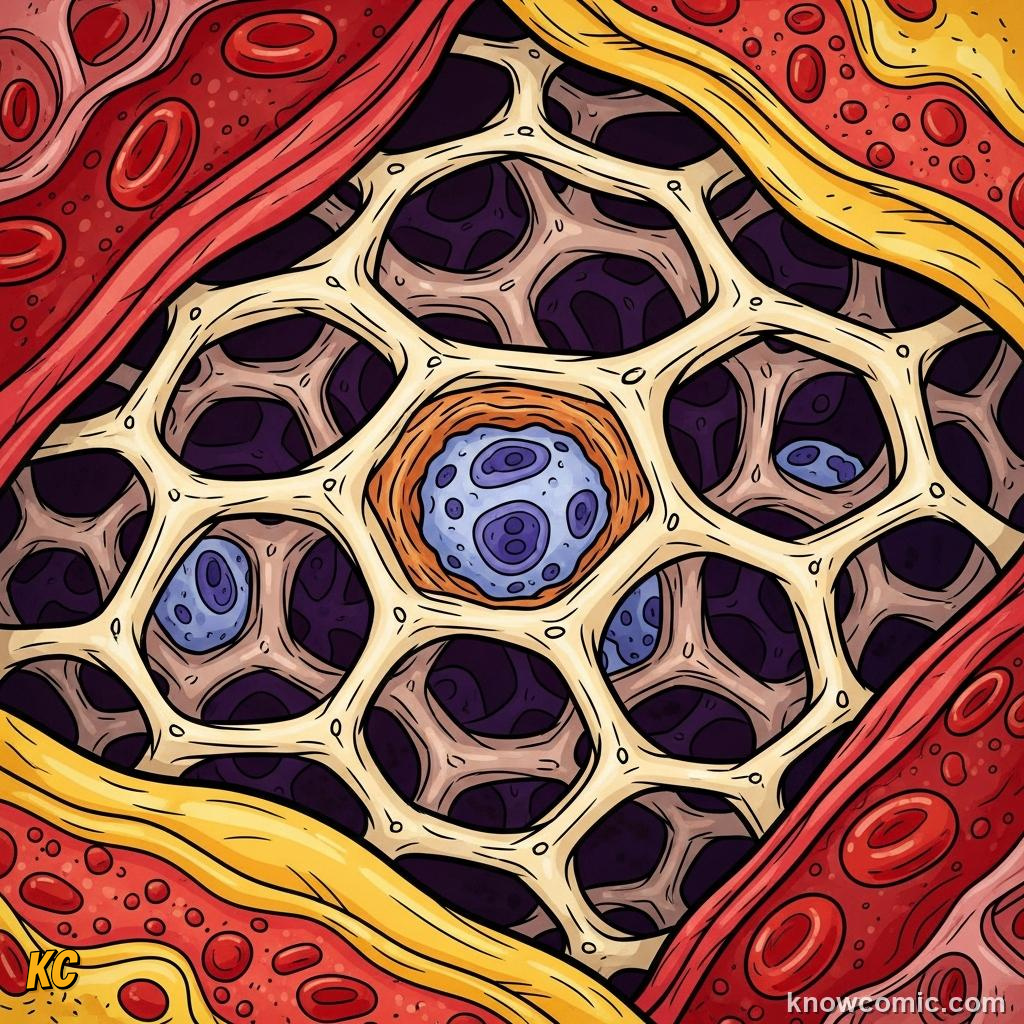
🍯 Trabeculae: spongy, shock spreaders.
MARROW
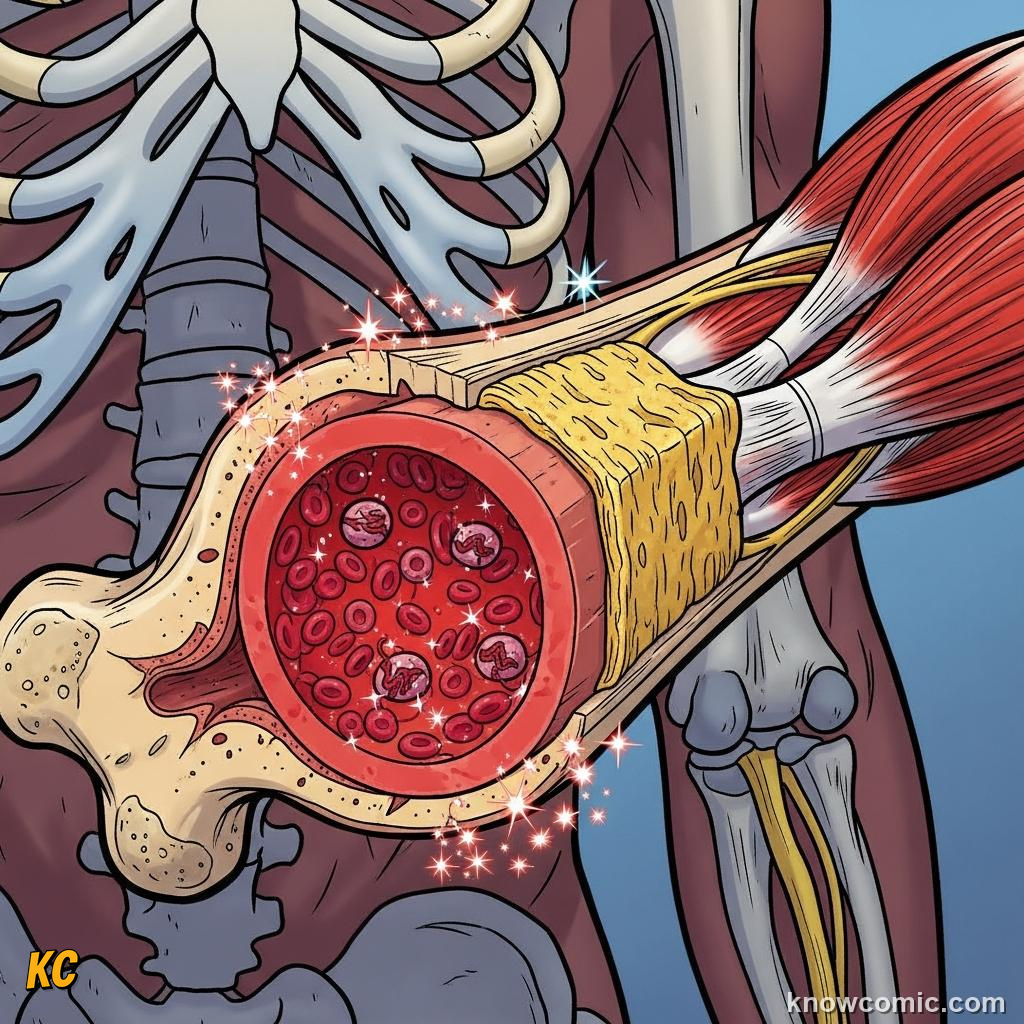
🩸 Red marrow: blood cell factory zones.
PAGE 3 OF 5 · MUSCLES PULL, NEVER PUSH
TENDON
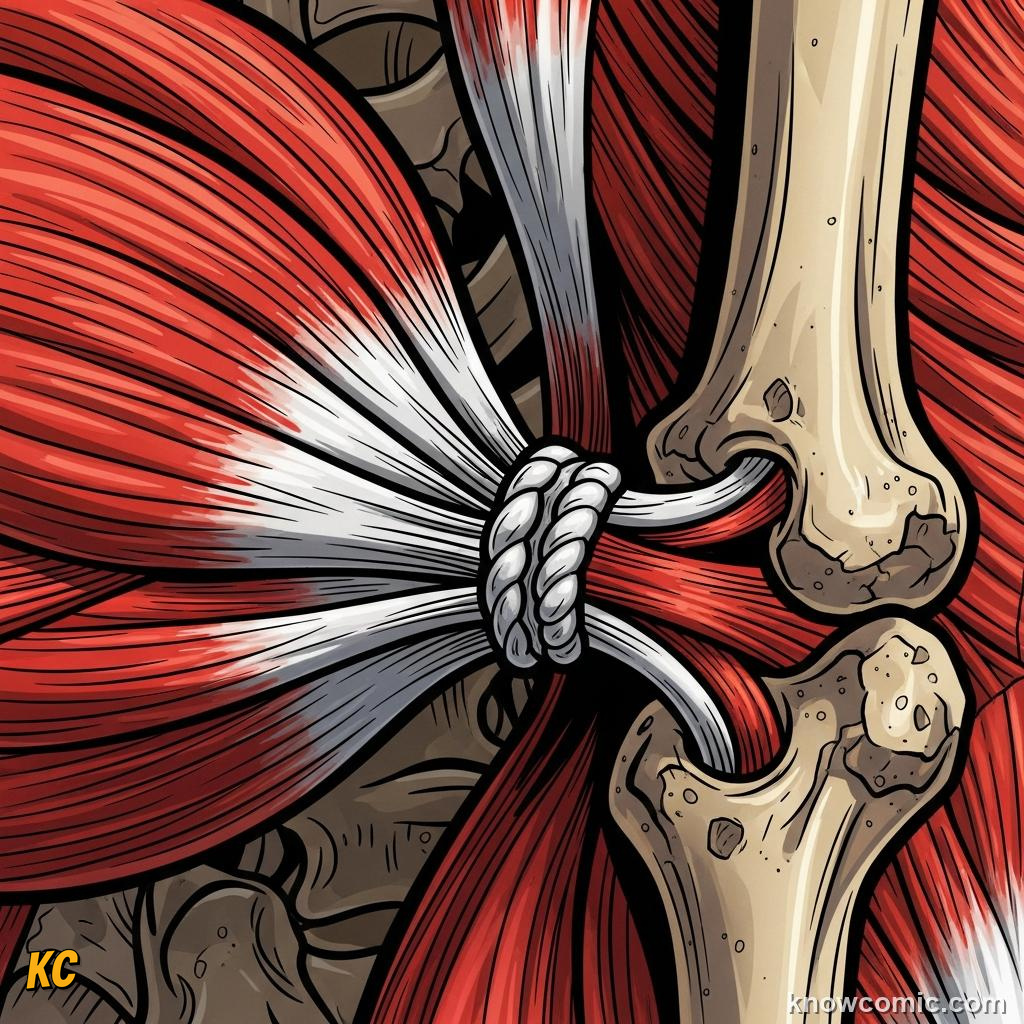
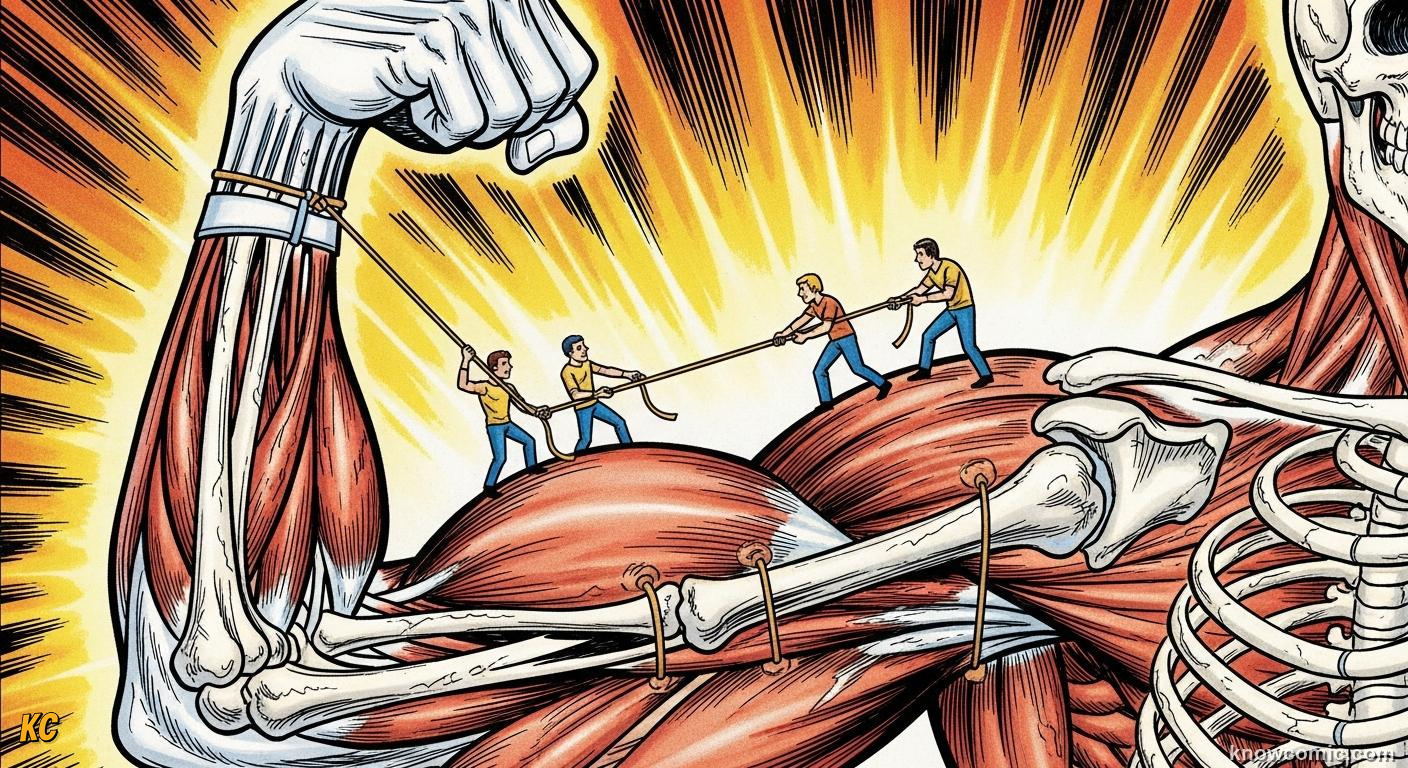
Tendons strap skeletal muscles onto bones. They are like tough cables — stretch a little, pass huge force.
TEAMS
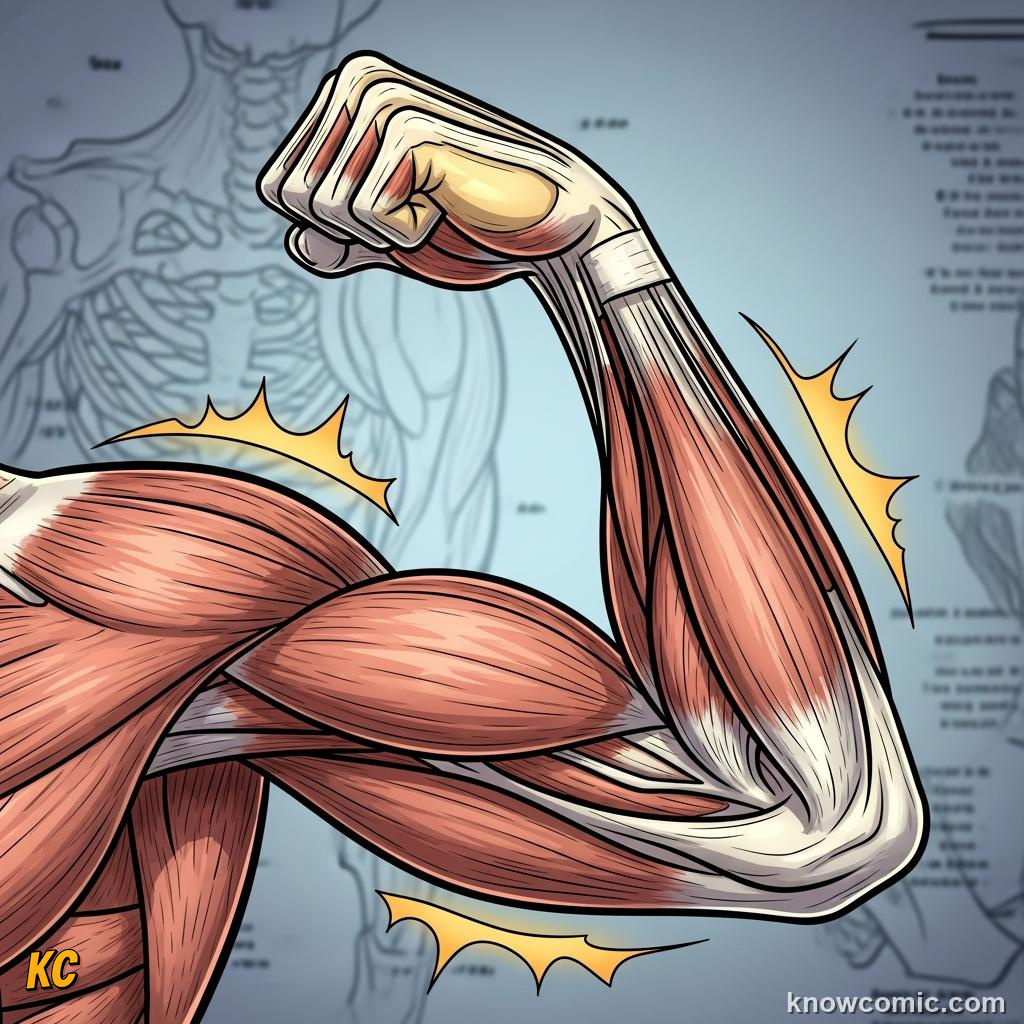
🔄 Agonist shortens, antagonist relaxes and lengthens.
🦾 Both sides of a joint work in relay.
🦾 Both sides of a joint work in relay.
LEVERS
SKELETAL MUSCLE
Skeletal muscle is striated and mostly voluntary — you choose to throw, grin, and stand. Cells fuse into long bundles that shorten when signalled. Your body has 600+ named muscles, many working in layers to fine-tune motion. Smooth muscle in organs and cardiac muscle in the heart are different teams with different rules.
PULL!
PAGE 4 OF 5 · JOINTS & CABLES
JOINTS
HINGS, BALLS, SLIDES
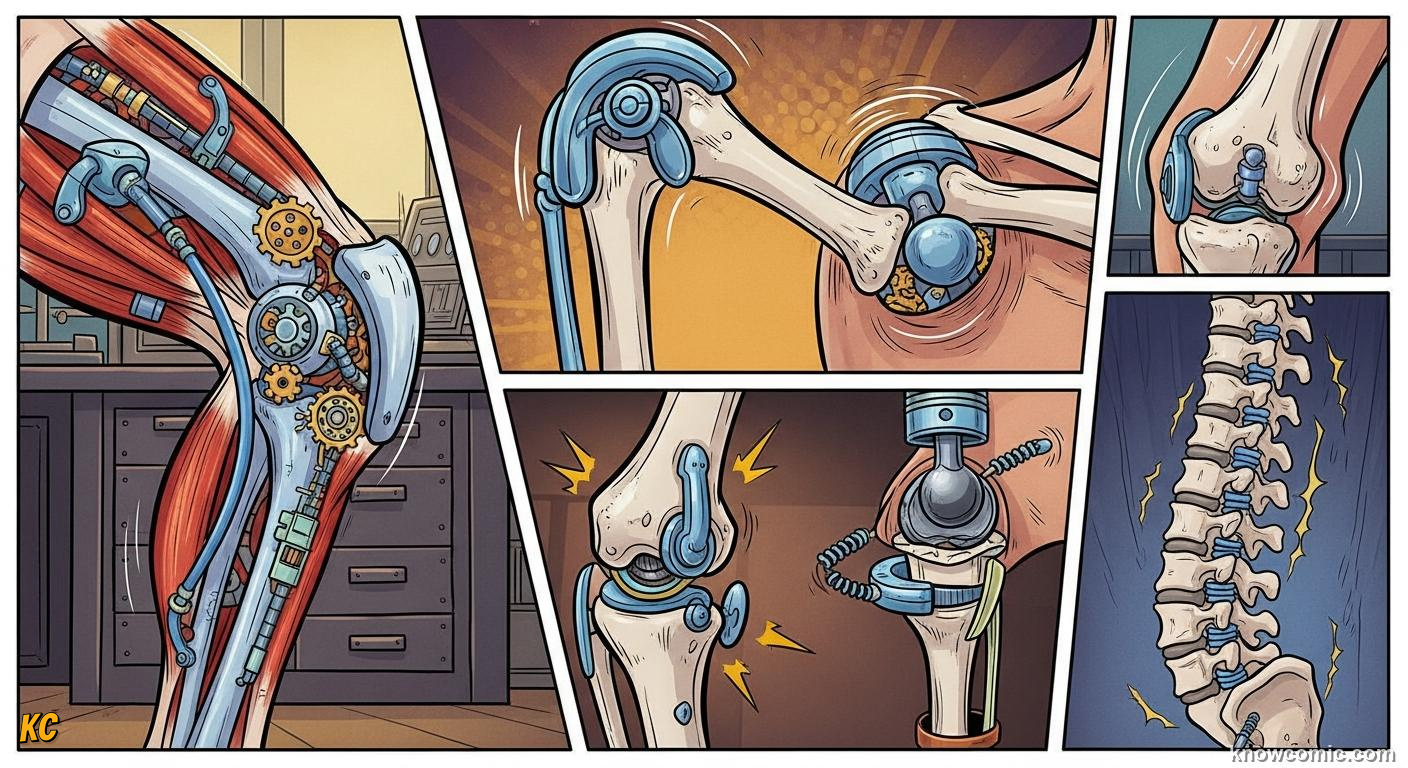
Where bones meet, shape decides motion. Hinge joints (elbows, knees) swing mostly one plane like a door. Ball-and-socket shoulders and hips can spin on many axes. Some joints slide only a little, perfect for fine tuning. Cartilage caps rubbing surfaces, and a joint capsule holds slippery fluid. Move wrong once and you feel why alignment matters.
BEND!
HINGE
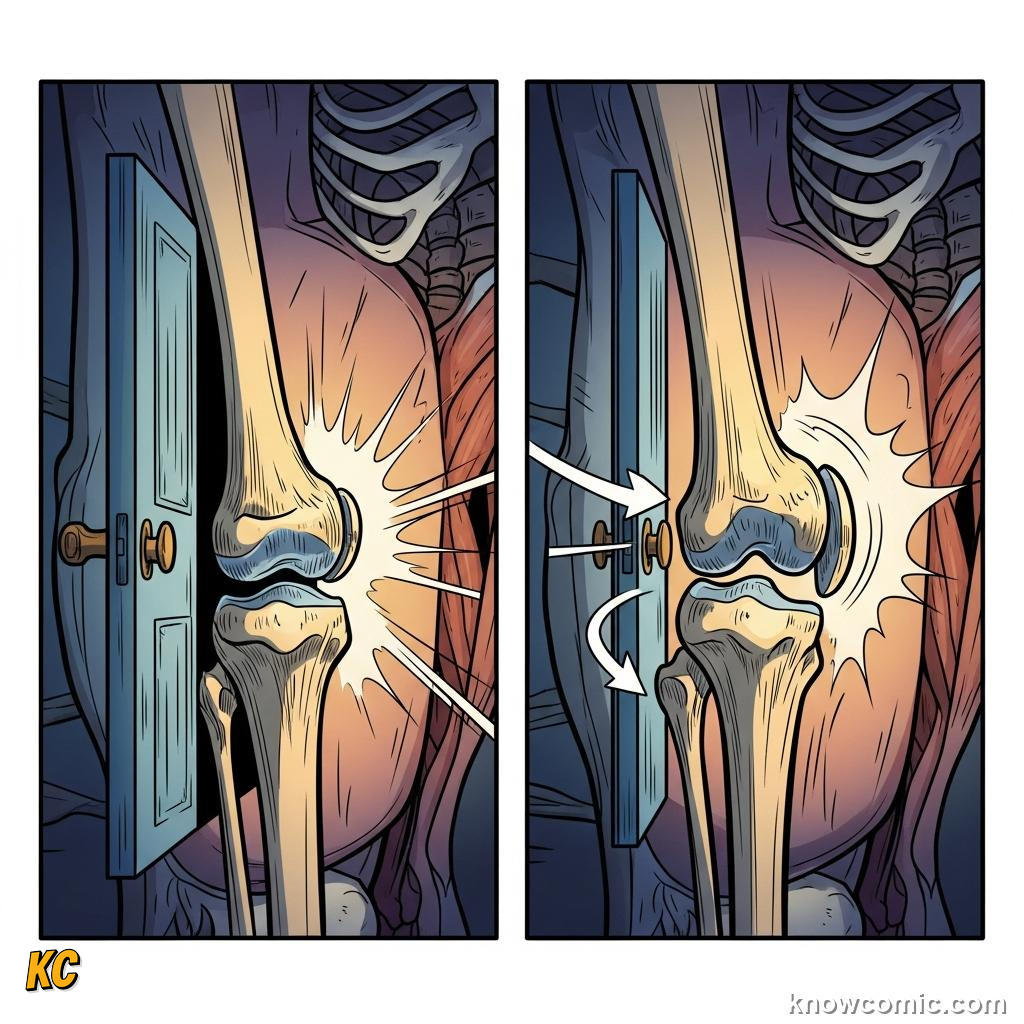
🚪 Knees & elbows: back-and-forth champs.
BALL & SOCKET
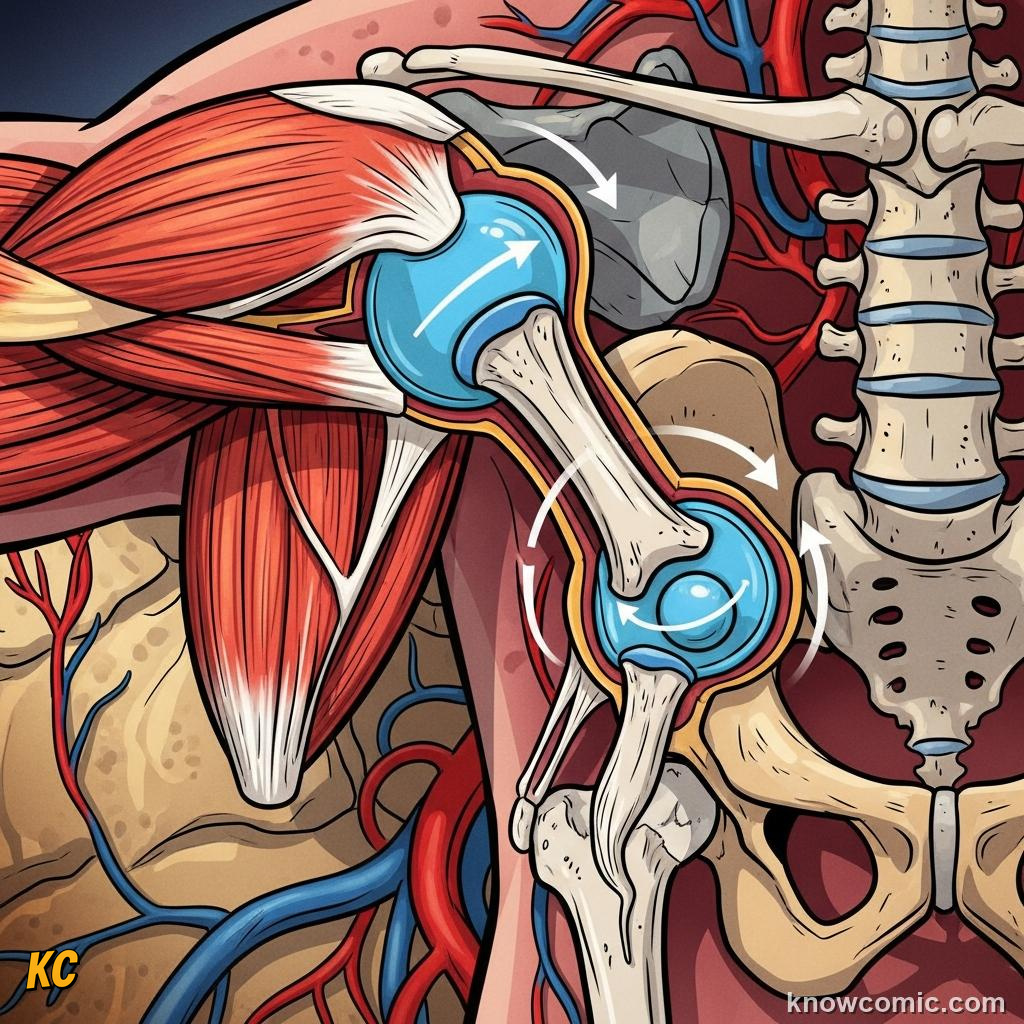
⚽ Shoulders/hips: your rotation MVPs.
LIGAMENTS
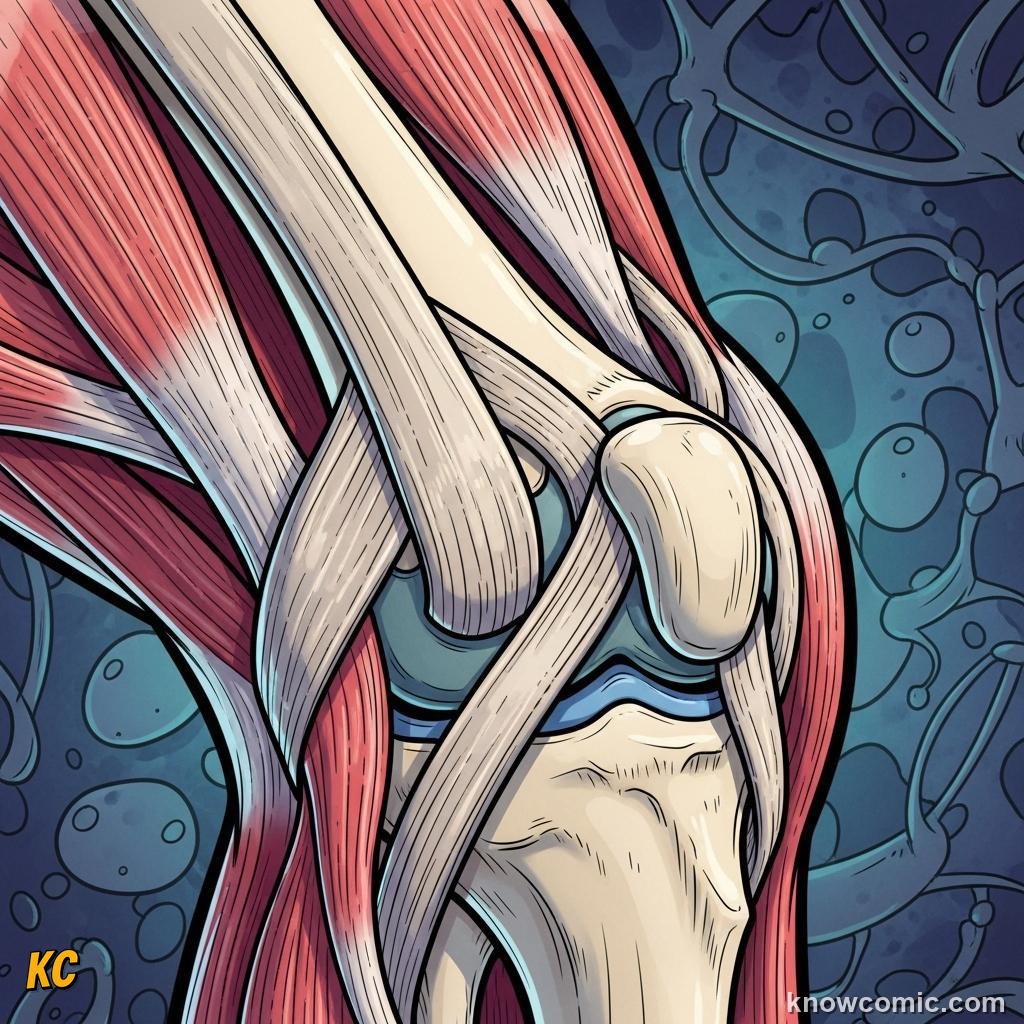
🪢 Ligaments bone-to-bone at joints — not the same as tendons.
PAGE 5 OF 5 · TRAIN THE MACHINE
HABITS
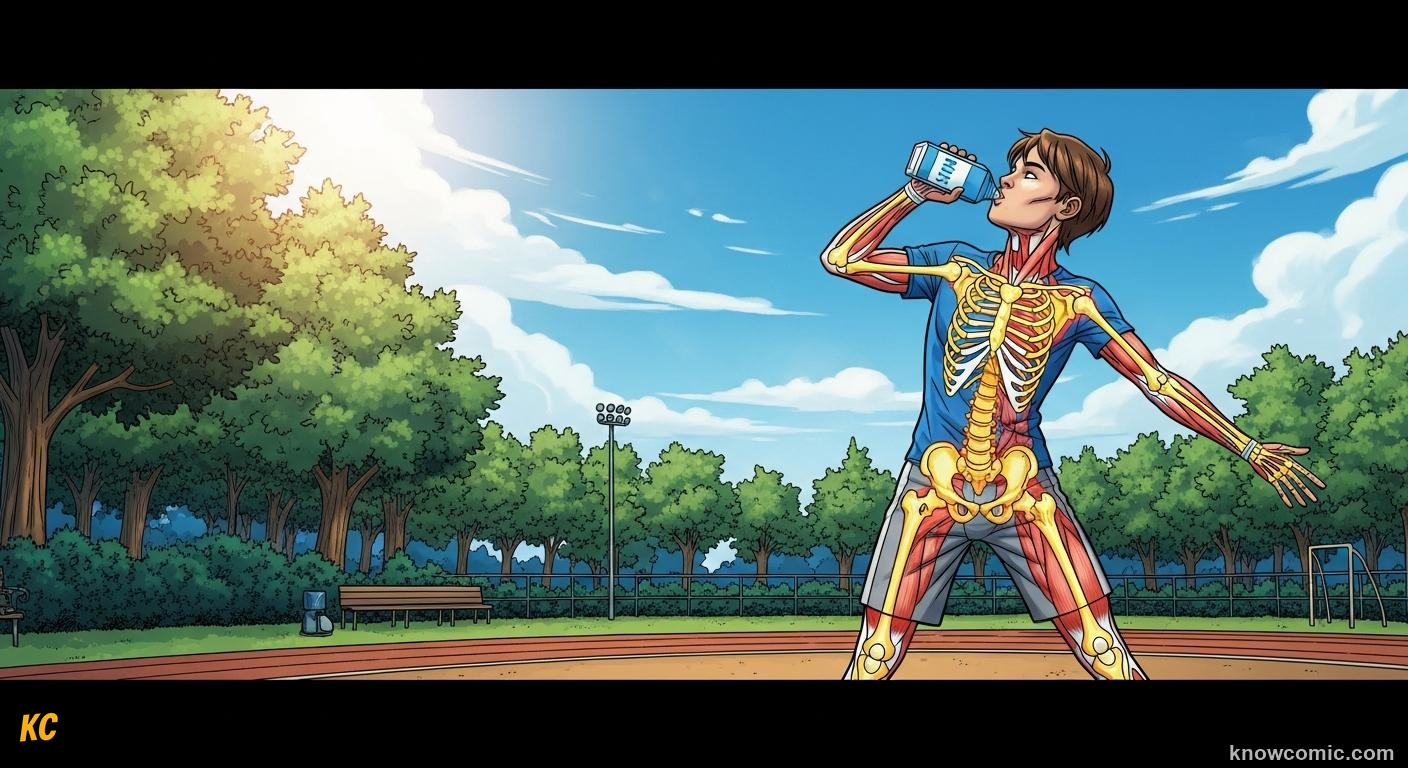
STRONG BONES, SMART LOADS
Weight-bearing exercise and impact sports tell bones to stay dense. Muscles need progressive challenge to grow, then rest to repair. Protein, calcium, and vitamin D support both tissues. Flexibility training keeps tendons and ligaments from stiff sneaking. Warm up before you surprise your joints; they remember bad landings.
TRAIN!
CHECKLIST
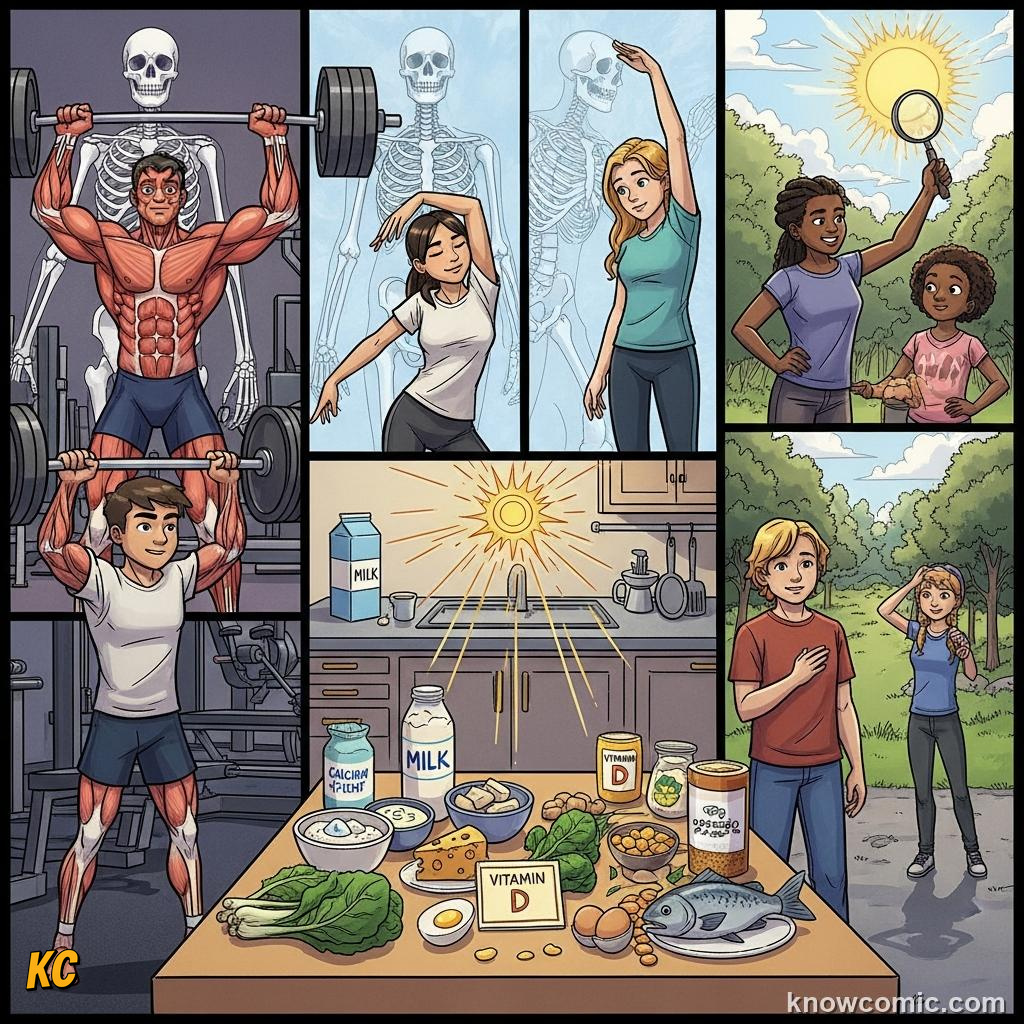
🥛 Calcium + D partners
🏋️ Play that loads legs & back
🧘 Stretch after warm muscles
😴 Sleep helps repair micro-tears
🏋️ Play that loads legs & back
🧘 Stretch after warm muscles
😴 Sleep helps repair micro-tears
RECAP
🦴 KEY FACTS
~206 adult bones, fusion from more at birth. Muscles pull via tendons; ligaments link bones. Joints = hinges, balls, slides. Train, fuel, and rest the system.
✅ Bones: frame + minerals + blood cells.
✅ Skeletal muscle: voluntary levers.
✅ Opposing pairs = smooth motion.
✅ Skeletal muscle: voluntary levers.
✅ Opposing pairs = smooth motion.
🧠 QUIZ TIME!
SKELETAL & MUSCULAR · 5 QUESTIONS
QUESTION 01
About how many bones are in a typical adult human skeleton?
QUESTION 02
What usually connects a skeletal muscle to a bone?
QUESTION 03
Skeletal muscle is best described for most school-level biology as:
QUESTION 04
A classic hinge joint, bending mostly forward and back like a door, includes which pair?
QUESTION 05
Why do babies start with more separate bones than adults?
0/5
LOADING...