💨 WIND: WHY AIR MOVES
PAGE 1 OF 5, WHAT IS "WIND" ANYWAY?
NOT MAGIC
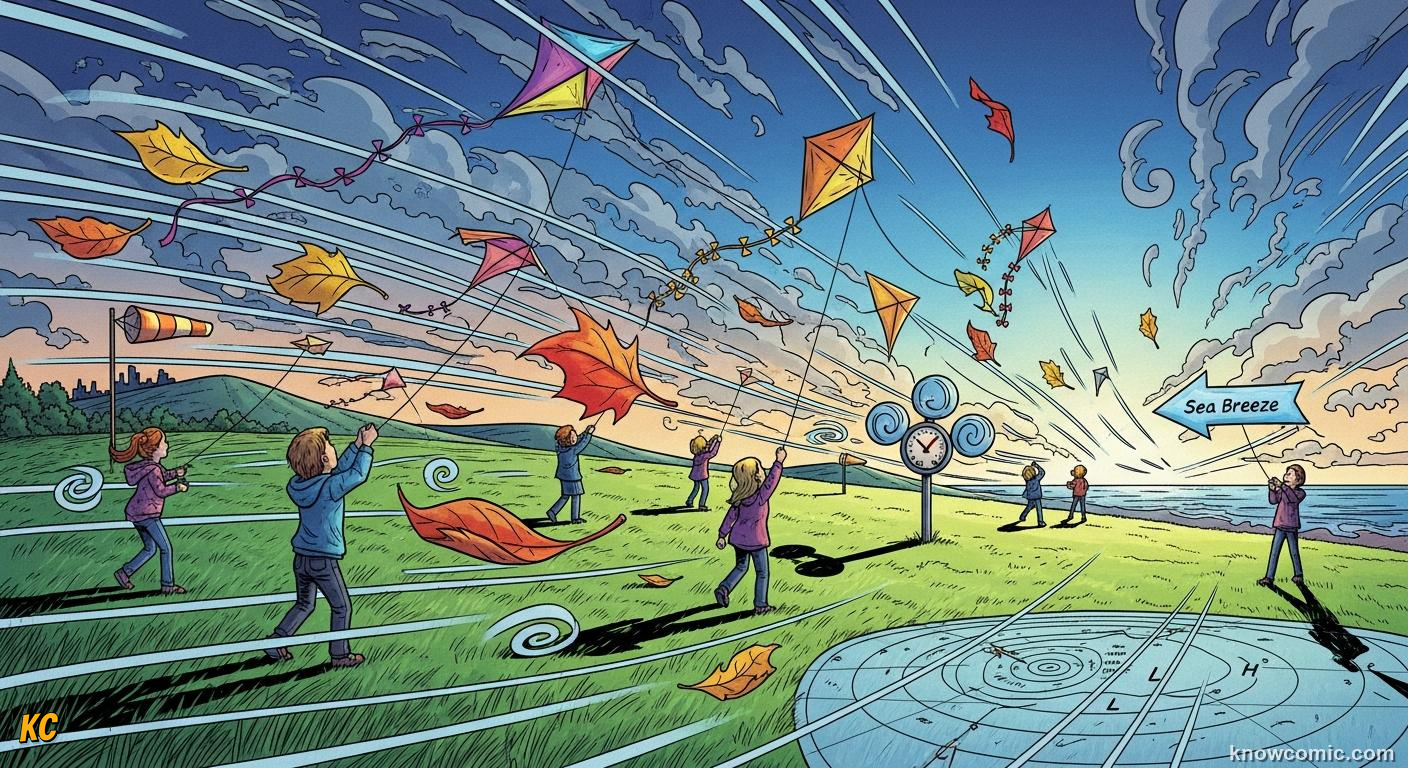
WIND = AIR IN MOTION
You cannot see the wind, but you see what it does — it rustles trees, whips up waves, cools you when you are sweaty, and can knock over bins when it is strong. In science words: wind is the horizontal movement of air (vertical "wind" is more often called an updraught in storms). Topic 5 taught that air presses down. Here we learn: when pressure is not the same in two places, the atmosphere tries to even things out — and that push — along with the planet spinning and drag at the ground — is why air flows as wind.
📐 TWO NUMBERS
We report wind direction (where the wind is coming from — a "northerly" blows from the north) and speed (knots, km/h, or mph).
WHOOSH!
FLAGS
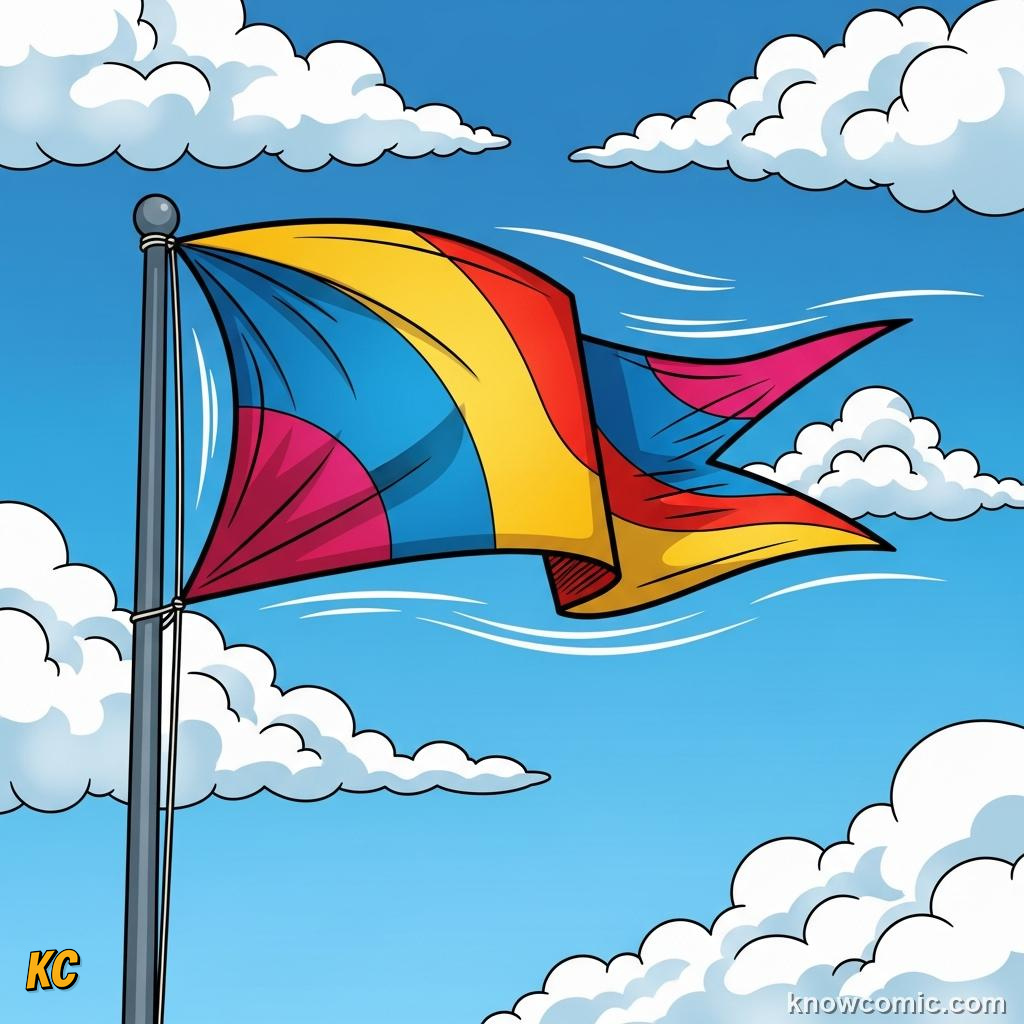
Flags stream downstream of the source direction
DUST
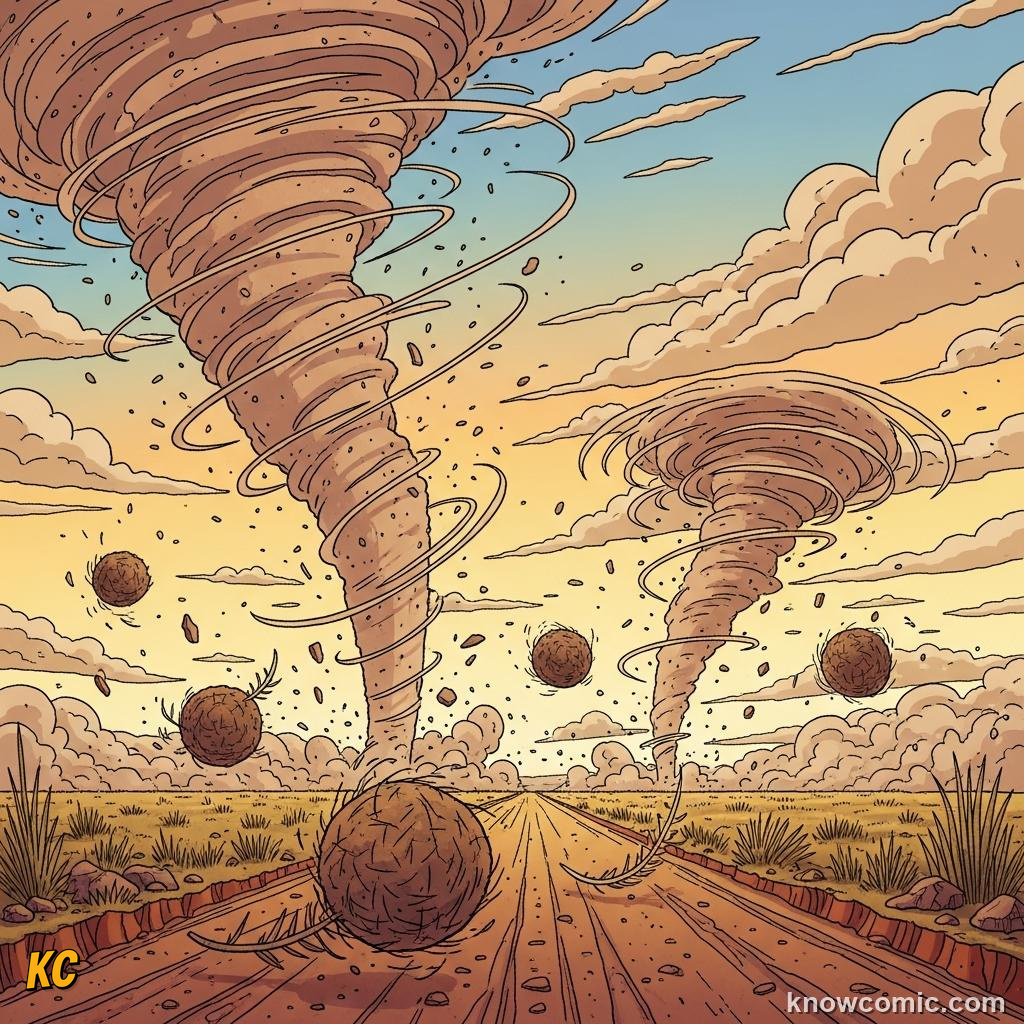
Dust, spray, and birds show you the flow of parcels
PAGE 2 OF 5, THE PRESSURE-GRADIENT SQUEEZE
H → L
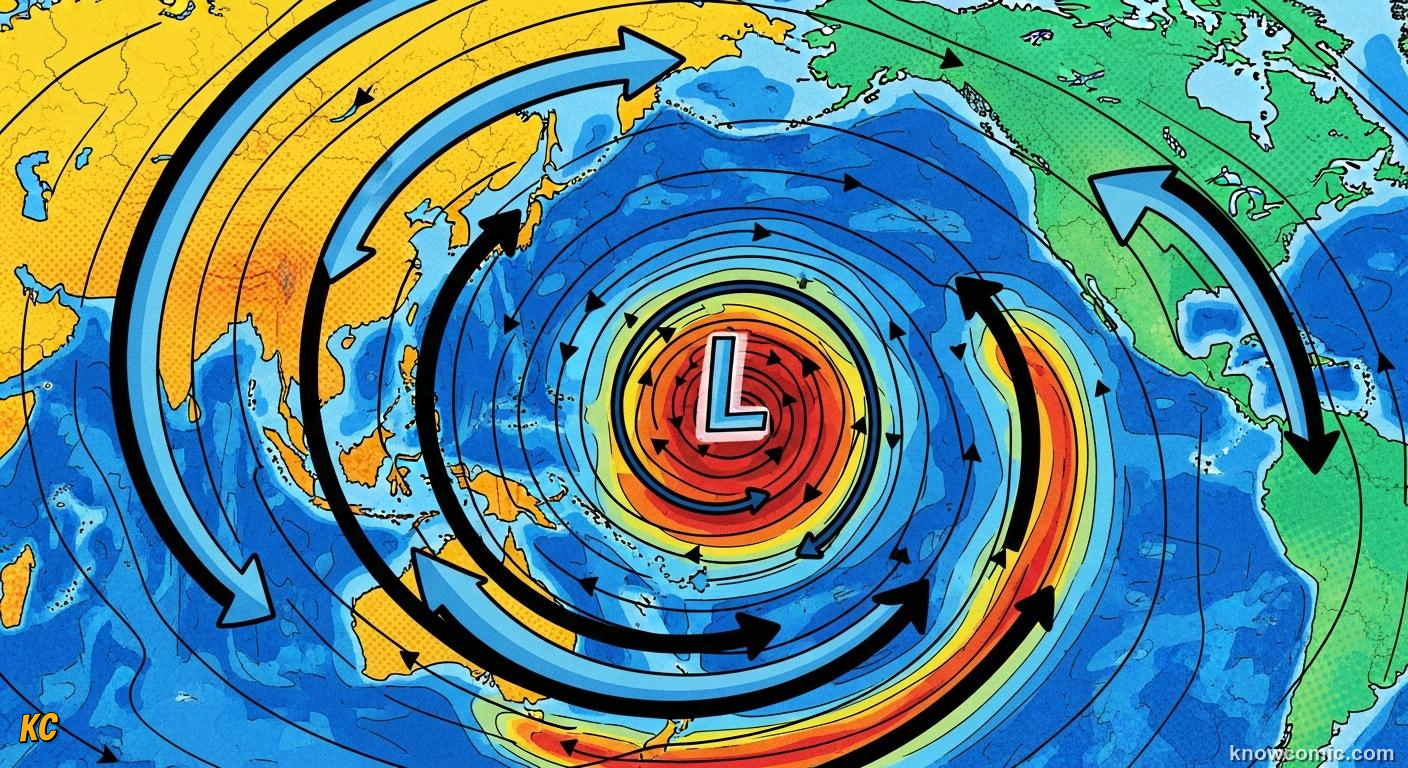
FROM HIGH TOWARD LOW (THE BIG TUG)
If one town sits under a strong high and another is near a deep low, a map shows isobars (lines of equal surface pressure) crowding in between. The change of pressure per distance is the horizontal pressure-gradient force — it yanks air from high pressure toward low pressure to try to balance the mismatch. Big gradient, bigger push — in many situations, stronger wind (all else being equal — next page adds the twist). A calm day can sit under a weak, broad high with isobars far apart — the sky's gentle yawn instead of a squeeze.
SLOPE!
TIGHT
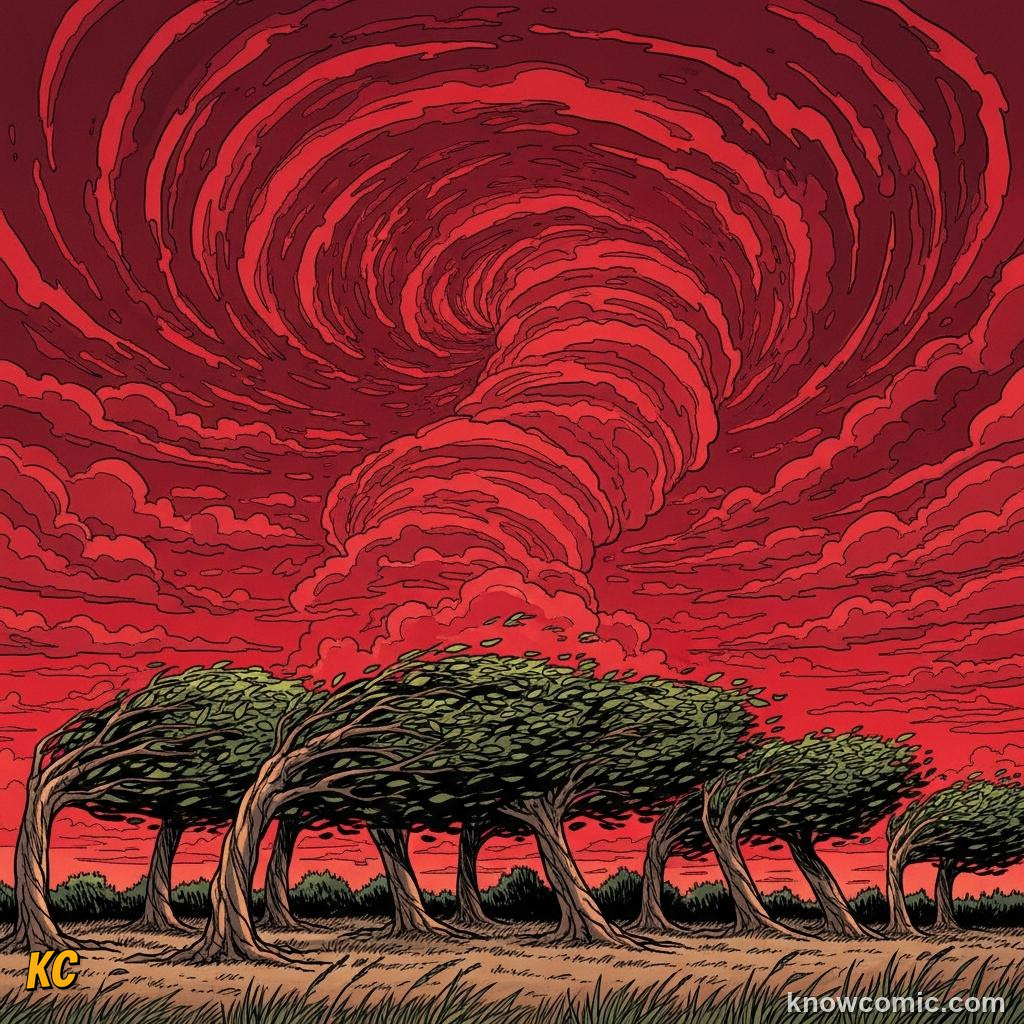
Close isobars → often faster flow; check warnings in storms
WIDE
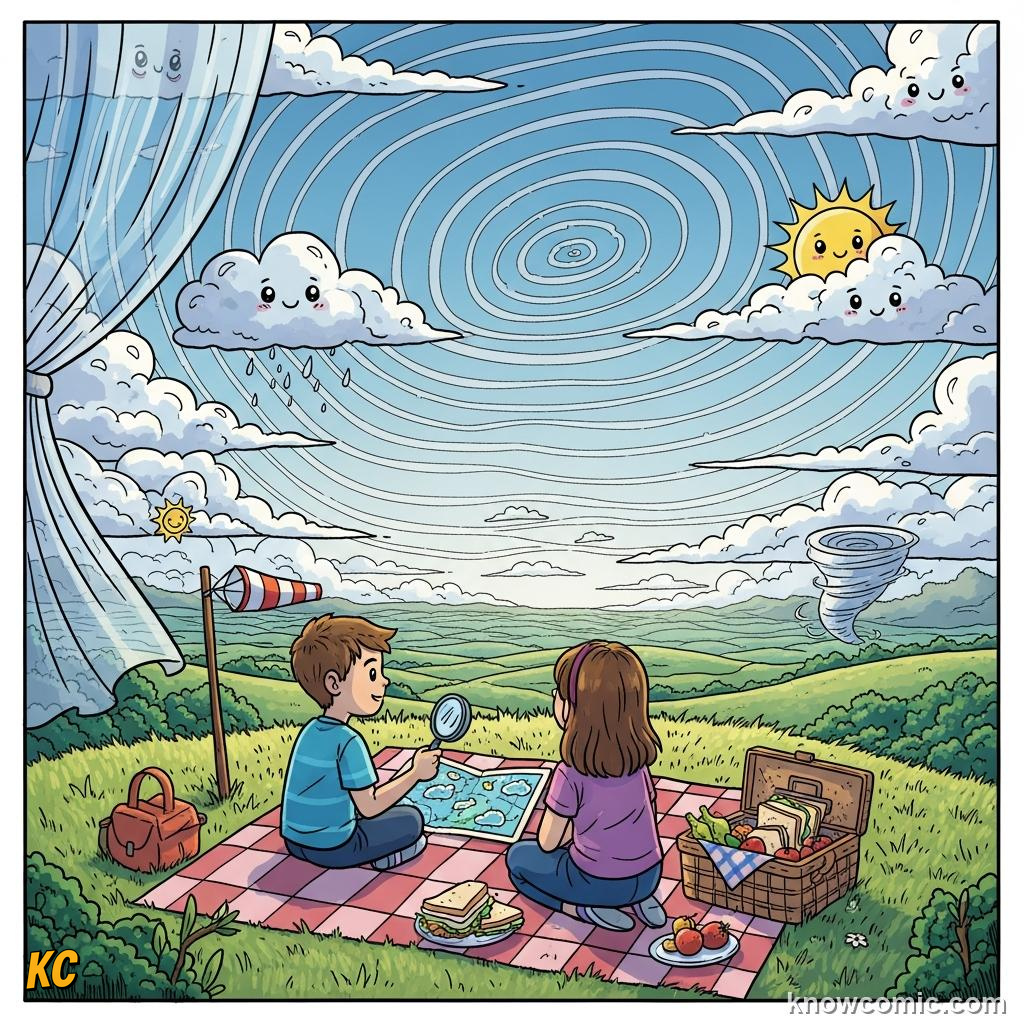
Gentle spacing → light breezes, picnic weather often
3D
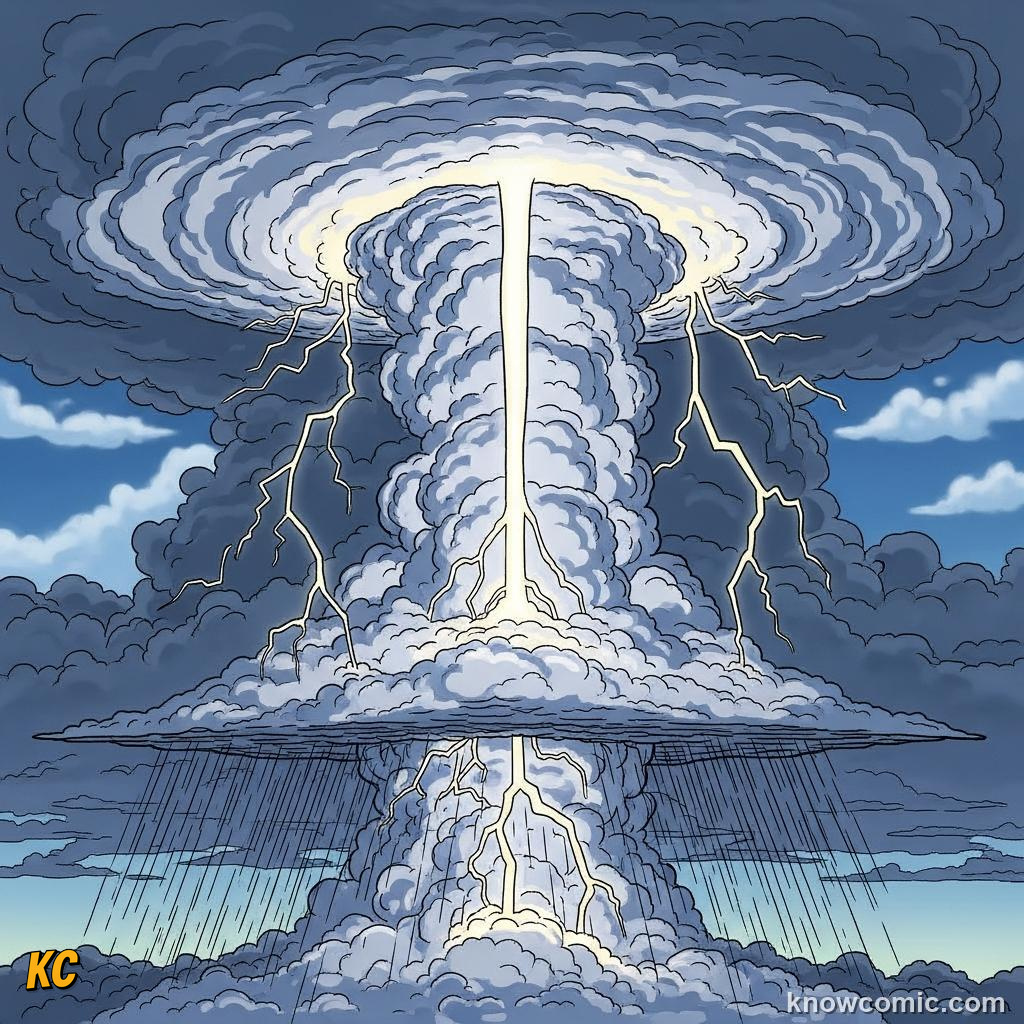
Map is horizontal; storms also shove air up — huge story
PAGE 3 OF 5, THE WORLD SPINS, WIND TURNS
FRICTION
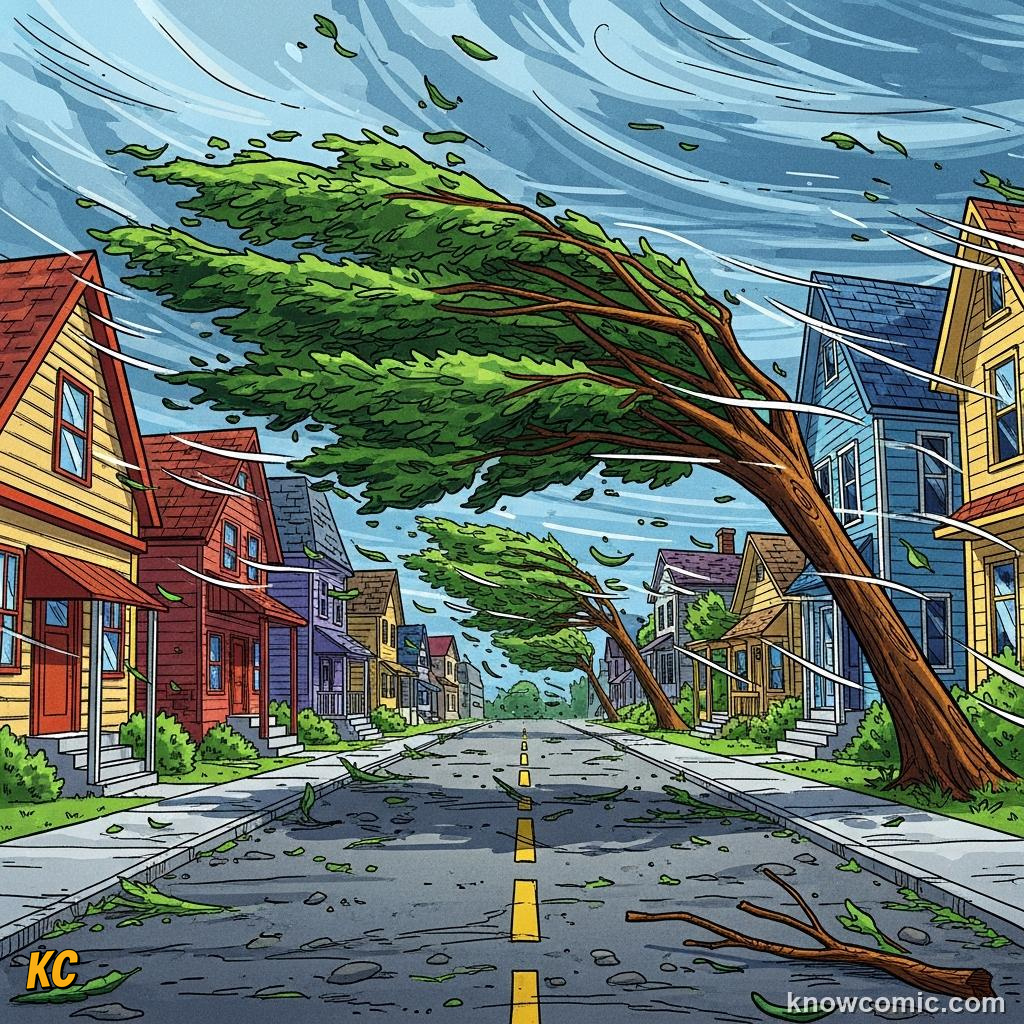
Hills, trees, buildings slow and twist near-surface wind
ALOFT
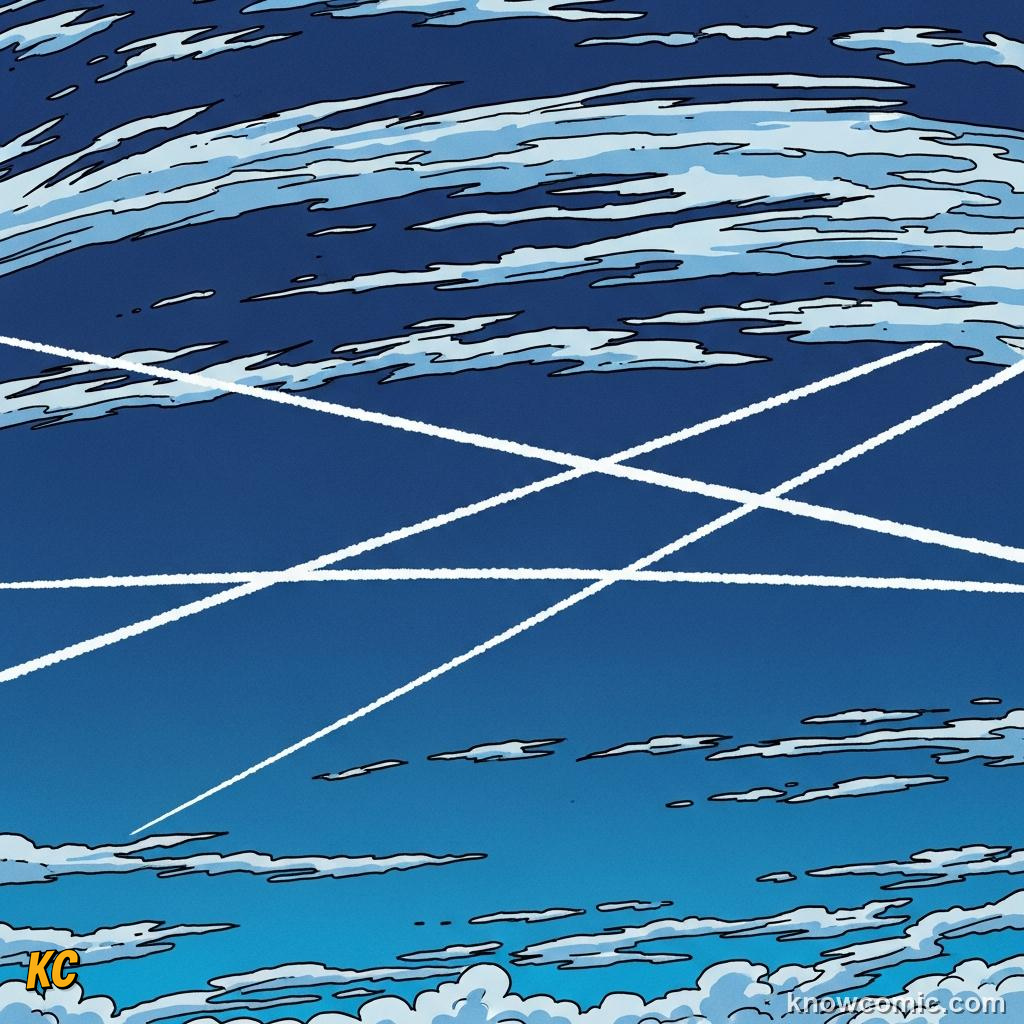
High up, with less drag, jet cores can scream hundreds of km/h
SPIN + DRAG
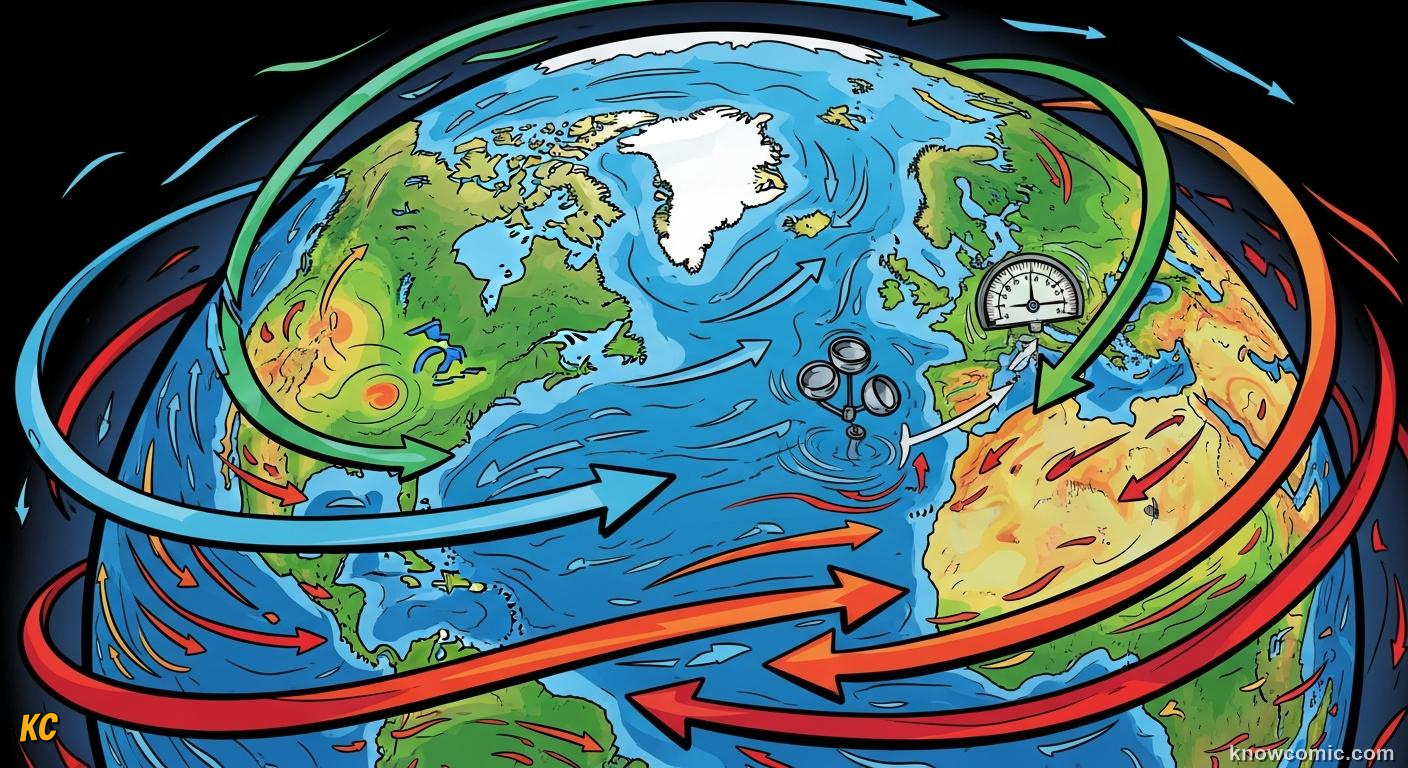
CORIOLIS — A SIDEWAYS NUDGE (BIG SCALES)
If Earth did not rotate, a simple story might be: air races straight from H to L. In reality, the planet turns under the moving air. On large scales, that Coriolis "deflection" nudges the flow — to the right in the Northern Hemisphere and to the left in the Southern Hemisphere (for free-moving parcels — your teacher will add details). Up in the free atmosphere, that twist helps wind run more along isobars in big weather systems, not like water down a plughole. At the ground, friction shoves the wind across the isobars a bit toward lower pressure — the reason a surface map never looks as simple as the cartoon.
BEND!
PAGE 4 OF 5, BREEZES, VALLEYS, AND GLOBAL FLOWS
PATCHWORK
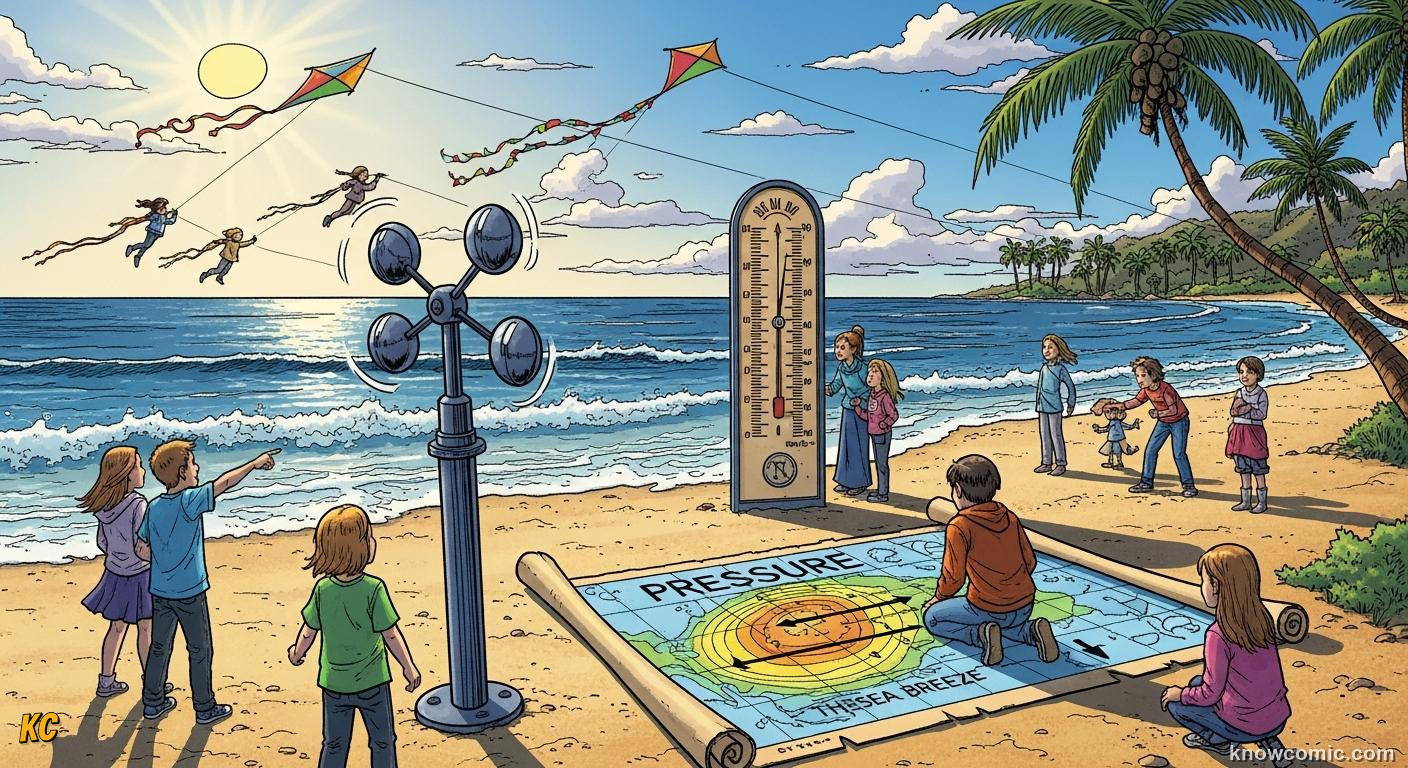
LOCAL CIRCULATIONS = MINI MACHINES
The Sun never heats the ground evenly. Sea breeze (day): land heats faster than water — air over land rises, and cooler, denser air from the sea onshore rushes in to replace it — your afternoon beach "onshore wind." Land breeze (night): land cools faster — sometimes the reverse small flow. Valley and mountain shapes channel and blend winds with the big weather. Step back from the map: the planet also sports planetary-scale patterns — huge cells and belts — the same pressure-and-spin logic, on a global stage. (More in later topics!)
SEASHORE!
HOT SAND
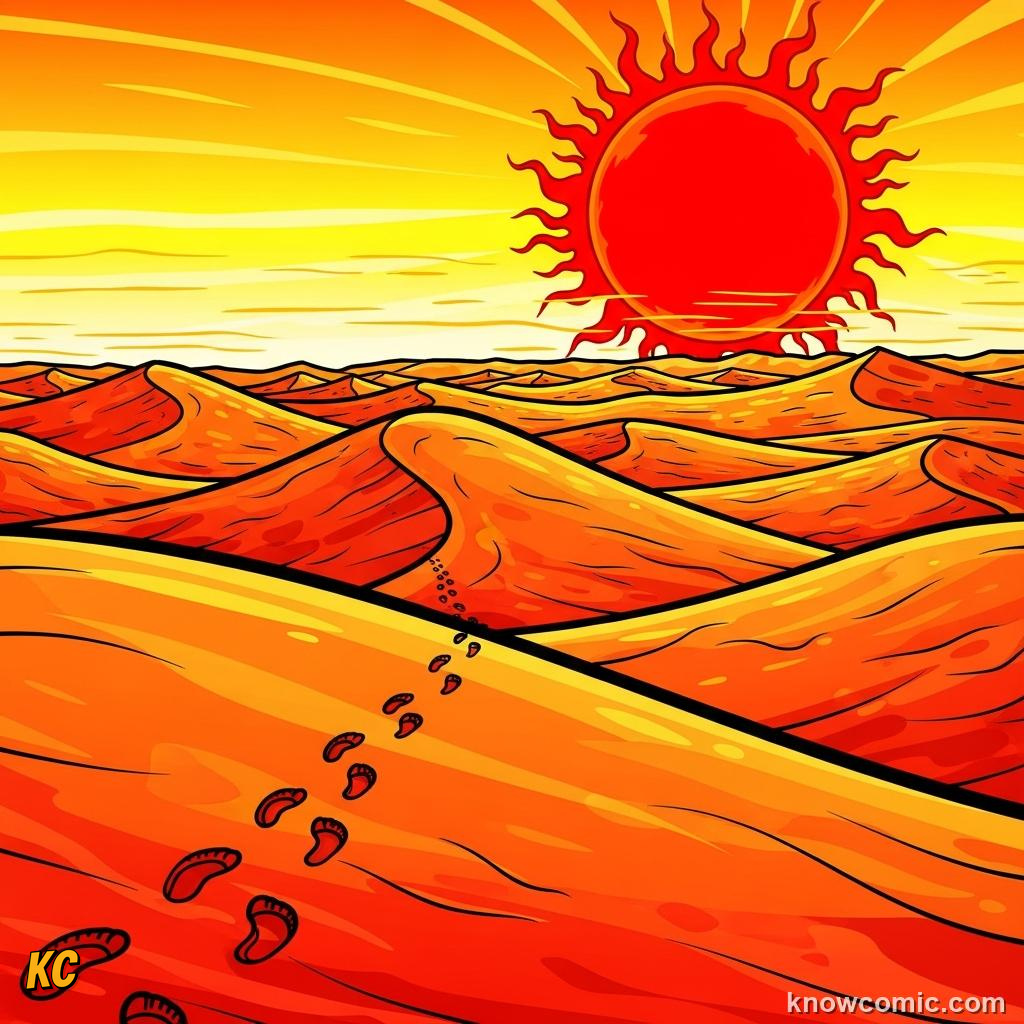
Day: land warms → onshore sea breeze in many places
COOL SEA
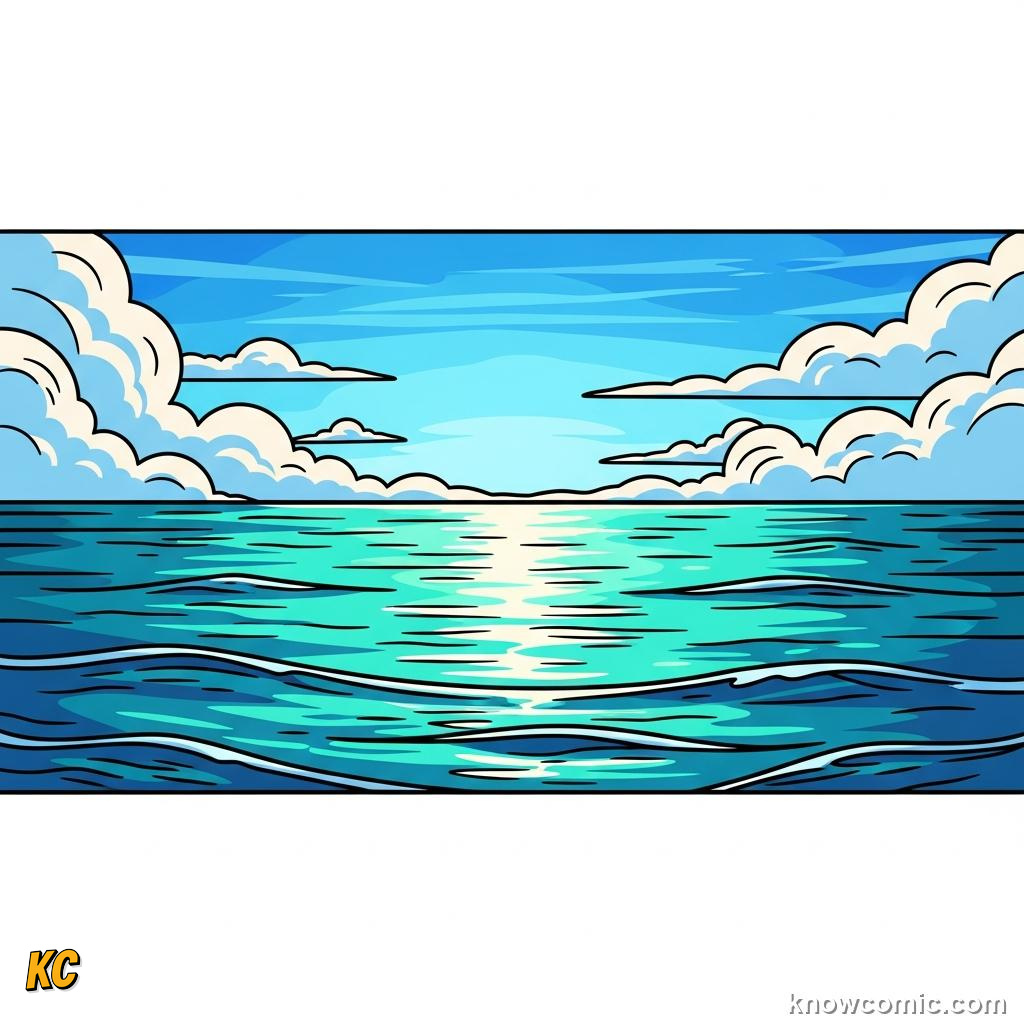
Water has a memory of temperature — slower to swing than soil
BELT
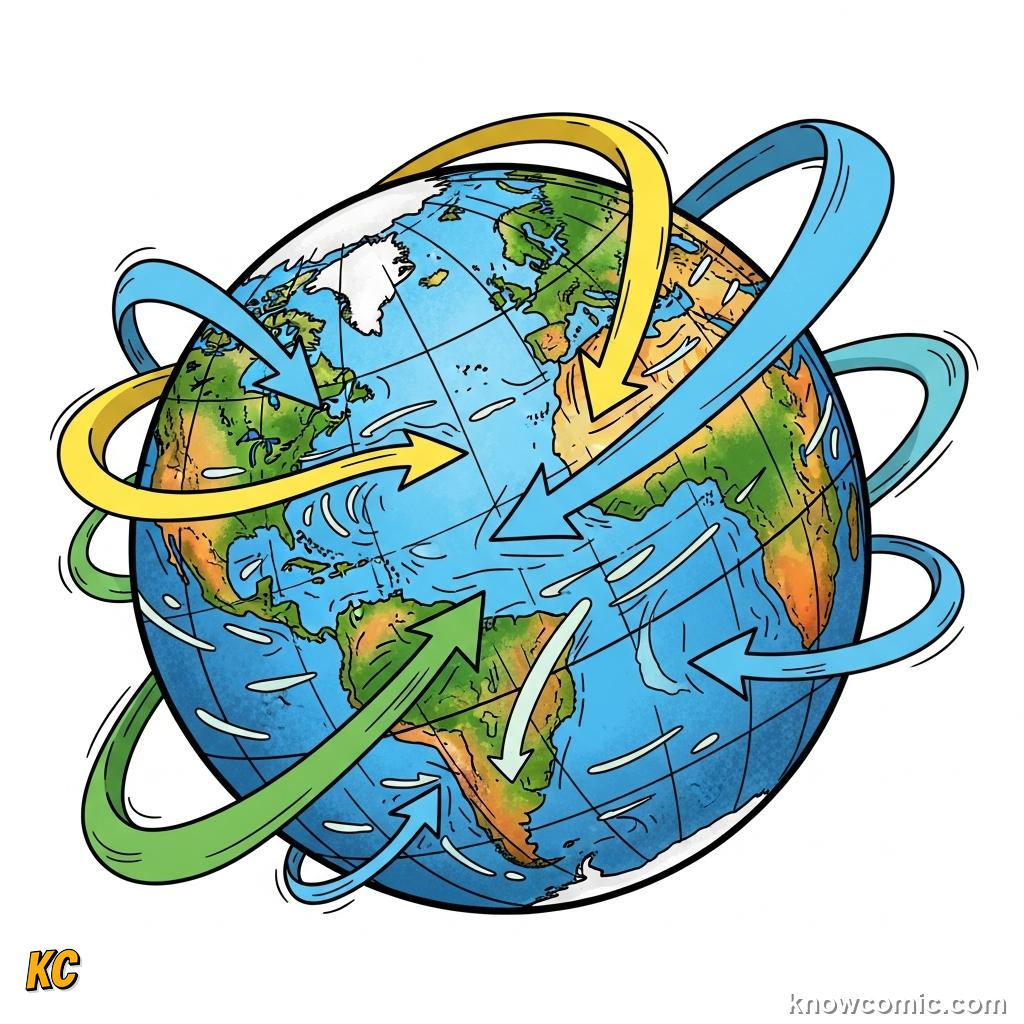
Trade winds, westerlies: same physics, world-sized engine
PAGE 5 OF 5, ANEMOMETER, VANE, GUST, AND RHYME
MEASURE & MIND
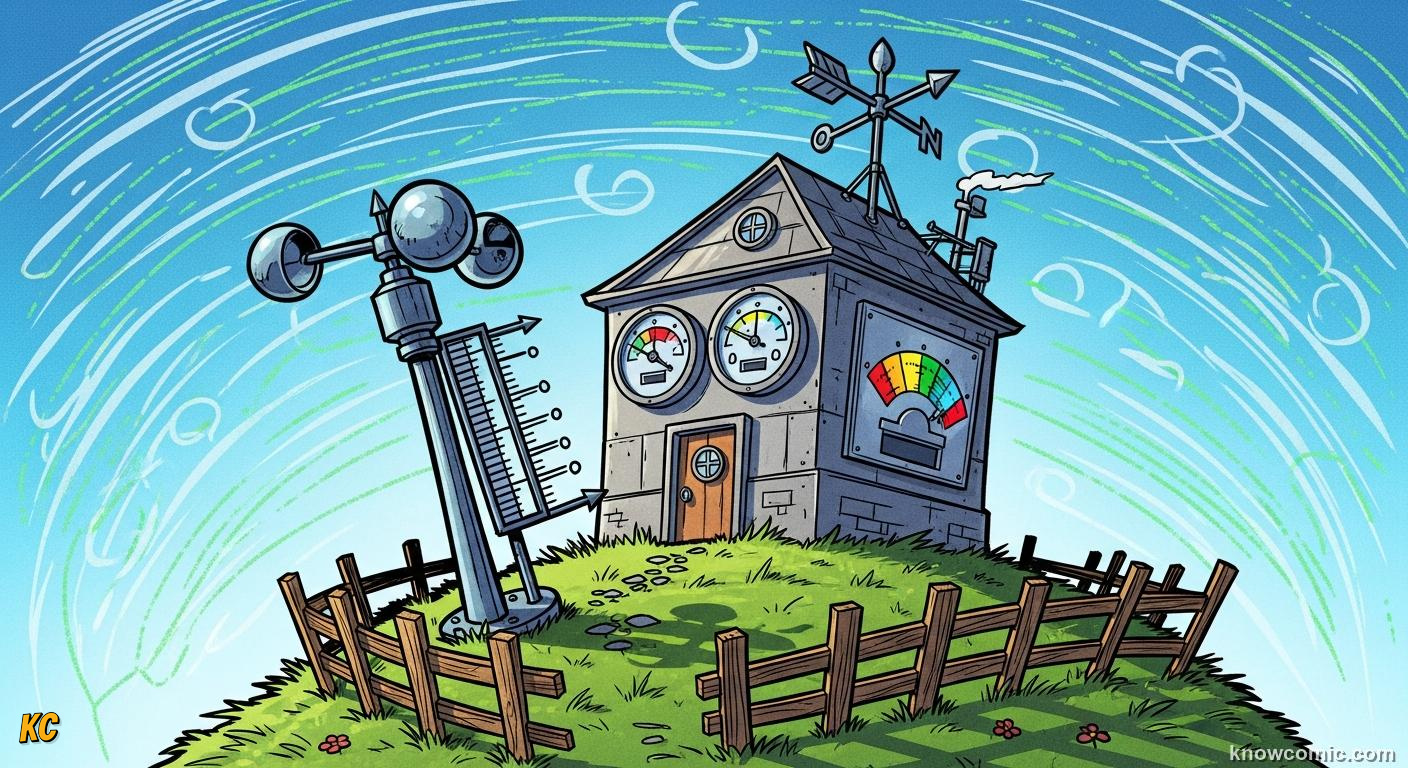
SPEED, DIRECTION, GUST, AND A RED FLAG
A cup anemometer (spinning cups) or sonic sensor measures how fast the air is moving. A wind vane points the "from" direction — the direction the wind originated. A forecast might say gusts (short spikes) and sustained wind. Beaufort scale links look and feel to strength — sailors and hikers know it. Topic 7 (temperature) asks why the Sun heats the ground unevenly in the first place — the big furnace that keeps this whole wind story running.
🧠 TRY IT
Pinwheel by the window: onshore afternoon? A classic small-scale check of pressure and heating.
SPIN!
CUPS
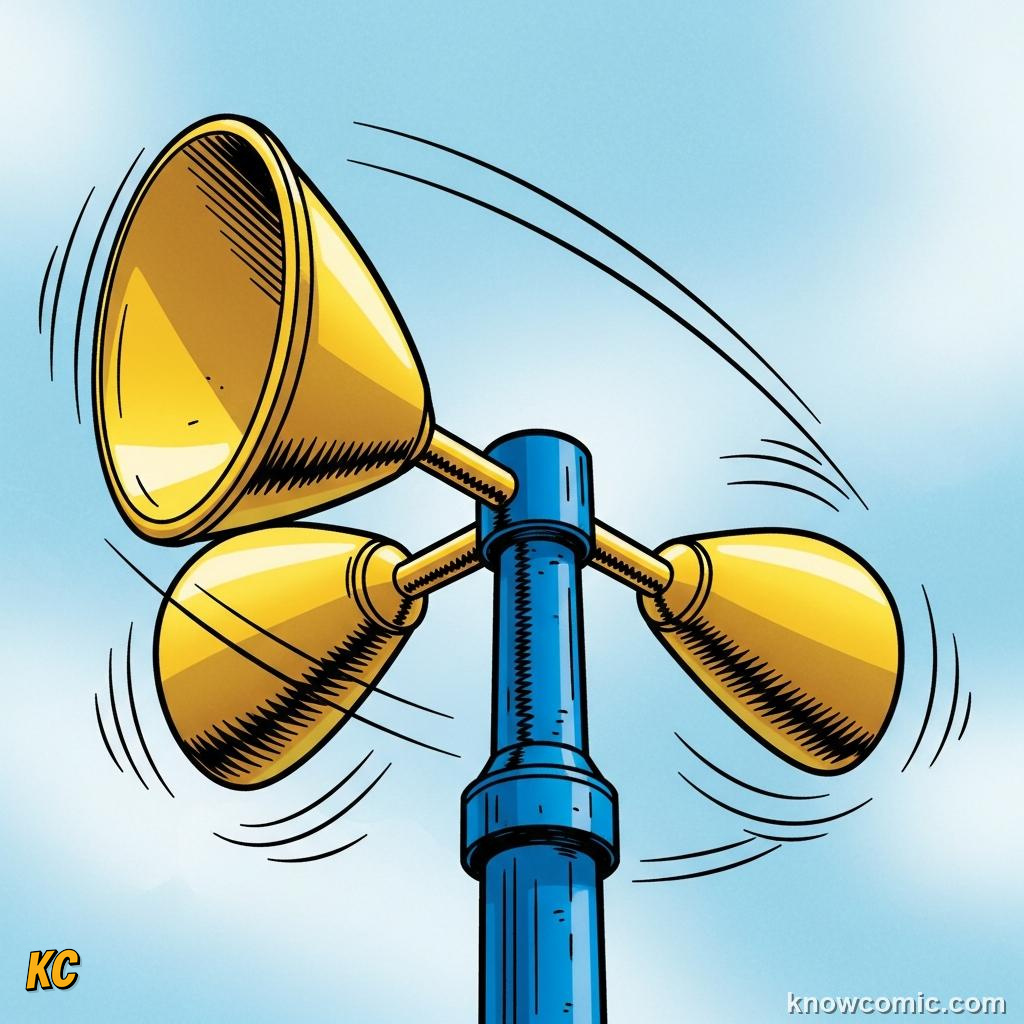
More spin → usually faster wind; mount high and clear of walls
VANE
📌 KEY FACTS
Wind = moving air · H toward L in broad strokes · Coriolis turns big flows · Vane = from direction
⬇️ Pressure · ➡️ Flow · 🌡️ Then heat & the Sun
🧠 QUIZ TIME!
WIND: WHY AIR MOVES · 5 QUESTIONS
QUESTION 01
In weather science, "wind" usually means —
QUESTION 02
A simple starting picture for the push on air at low levels: air tends to be driven —
QUESTION 03
Tightly packed isobars on a map usually go with a —
QUESTION 04
A classic weather wind vane tells you the wind's —
QUESTION 05
A sunny-afternoon sea breeze (very simple picture) is partly because —
0/5
LOADING...