📊 AIR PRESSURE
PAGE 1 OF 5, THE SKY HAS WEIGHT
NOT "EMPTY"
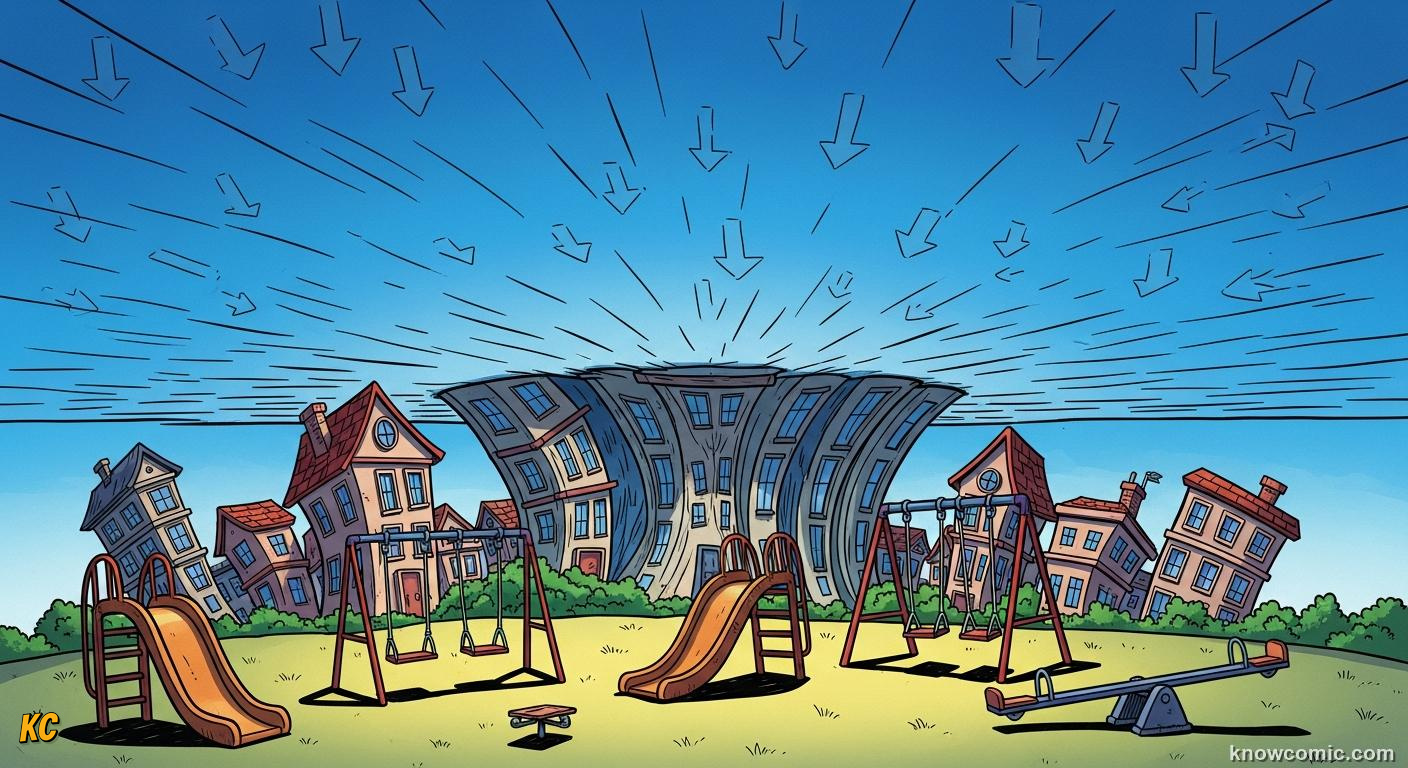
AIR PRESSURE = FORCE OF THE WHOLE COLUMN
Air is made of molecules with mass — and gravity pulls them toward Earth. At any spot on the ground, the air pressure is the weight of all the air in a column above a square of surface (plus tiny correction for motion — but think "weight of stack" first). Mean sea level is often near 1013 hPa (hectopascals) — about 1 kilogram of force on every square centimetre if you average — roughly ten tonnes of air on an area about the size of a small car parking spot — that is the hub's 10 tonnes per square metre story! You do not feel crushed because pressure balances inside your body and outside.
🧪 UNITS
Meteorologists use hectopascals (hPa) = millibars. Same number, just two names. Older TV might say "inches of mercury" for barometers — same idea, different ruler.
PUSH!
1013
Average sea-level pressure: familiar baseline for "normal" maps
BALANCE
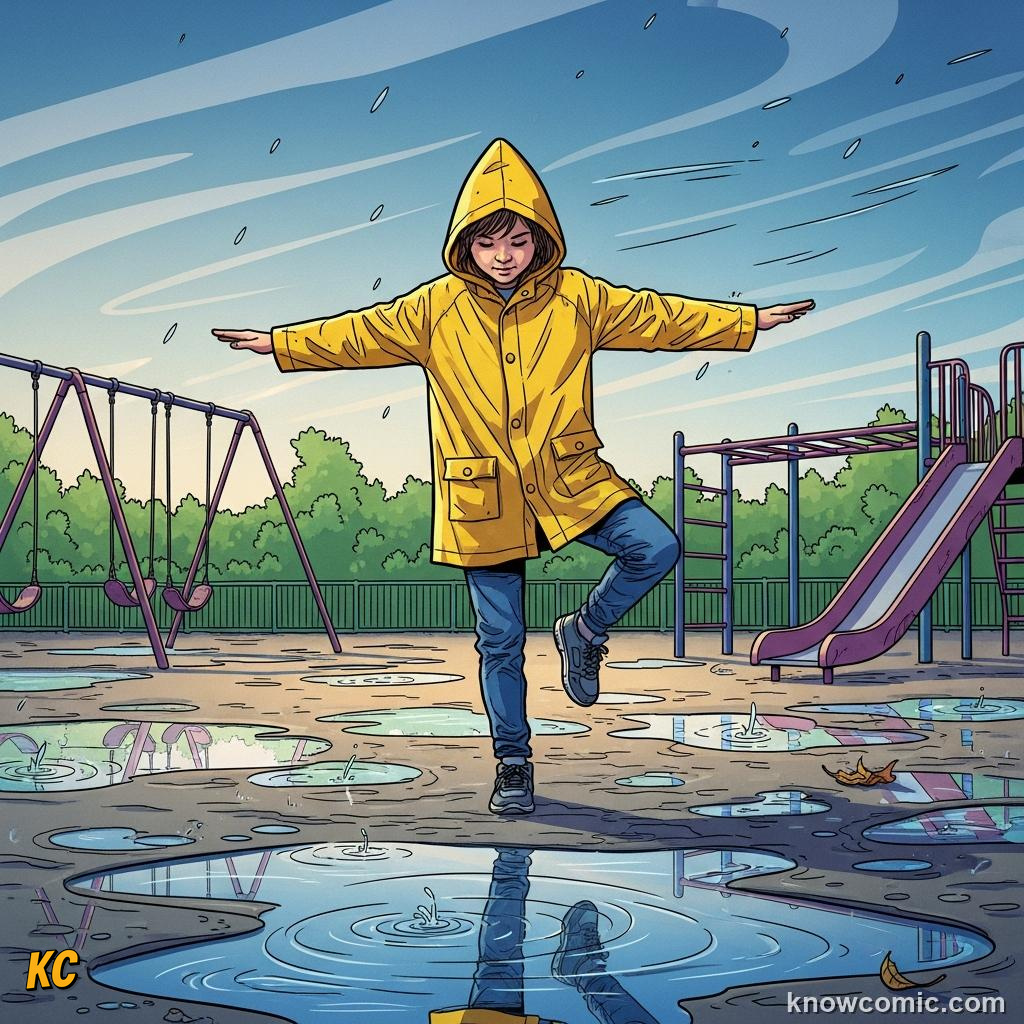
Eardrums, lungs, and buildings: inside pressure ≈ outside
PAGE 2 OF 5, HIGH = OFTEN FAIR, LOW = OFTEN WET
SURFACE STORY (BIG PICTURE)
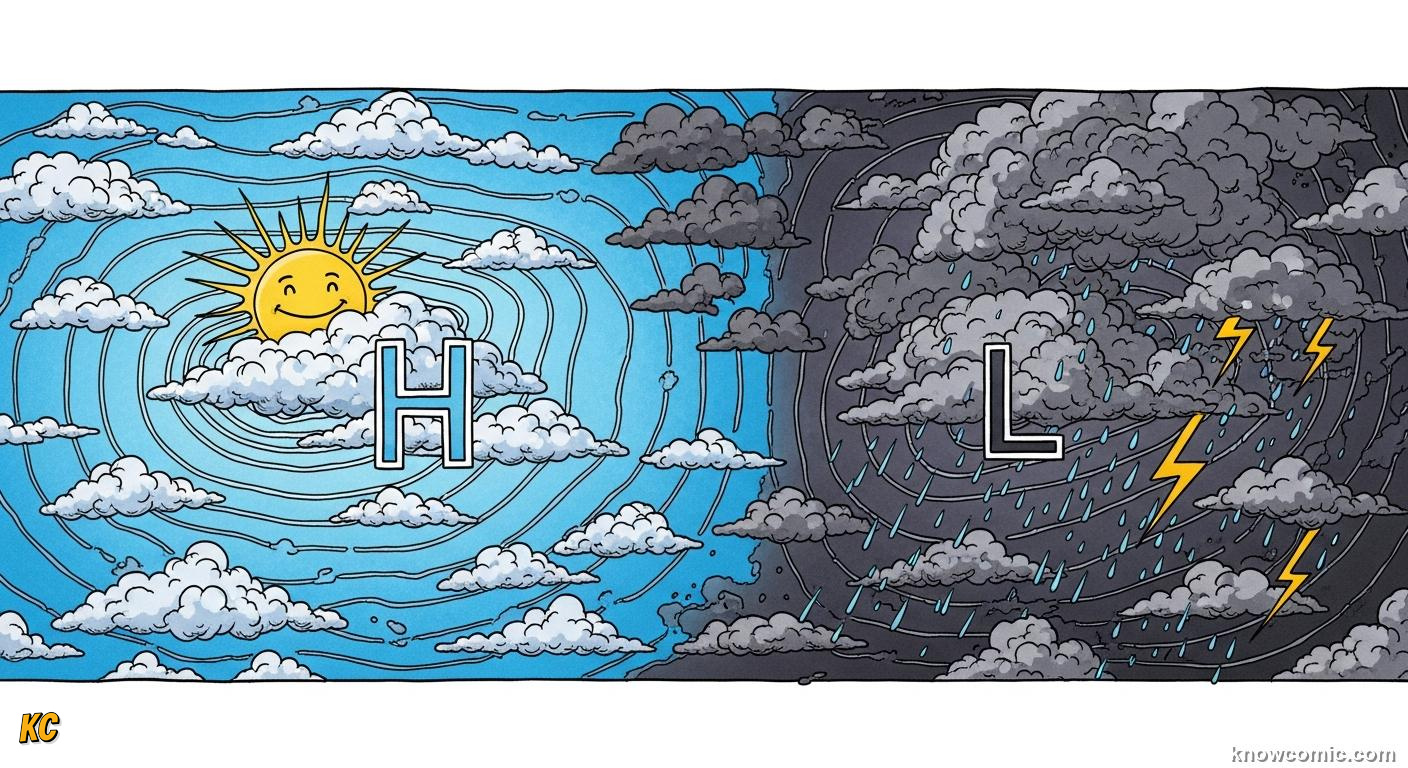
H AND L ON THE TV MAP
High pressure (H) at the surface: air tends to sink in the system's core. Sinking warms and dries (harder to make clouds) — clear or calm weather is common, not guaranteed. Low pressure (L): air is drawn in and must rise somewhere. Rising cools; condensation and clouds become likelier — rain or storms are more typical. These are big averages — local coasts, mountains, and fronts complicate the cartoon — but weather forecasts still orbit H and L because pressure tells you where the engine of circulation is.
SPIN!
H
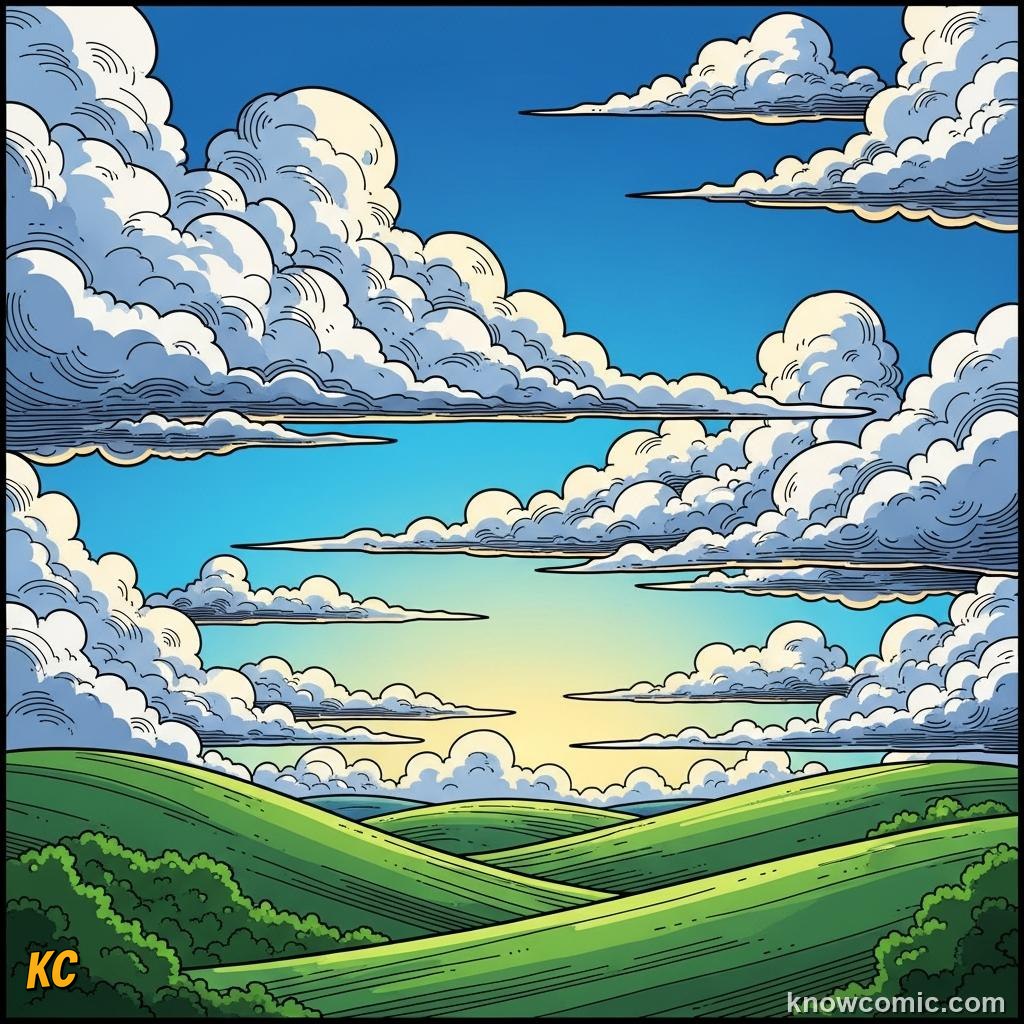
High: sunnier odds, stable layers, light winds in the centre — not always "hot"
L
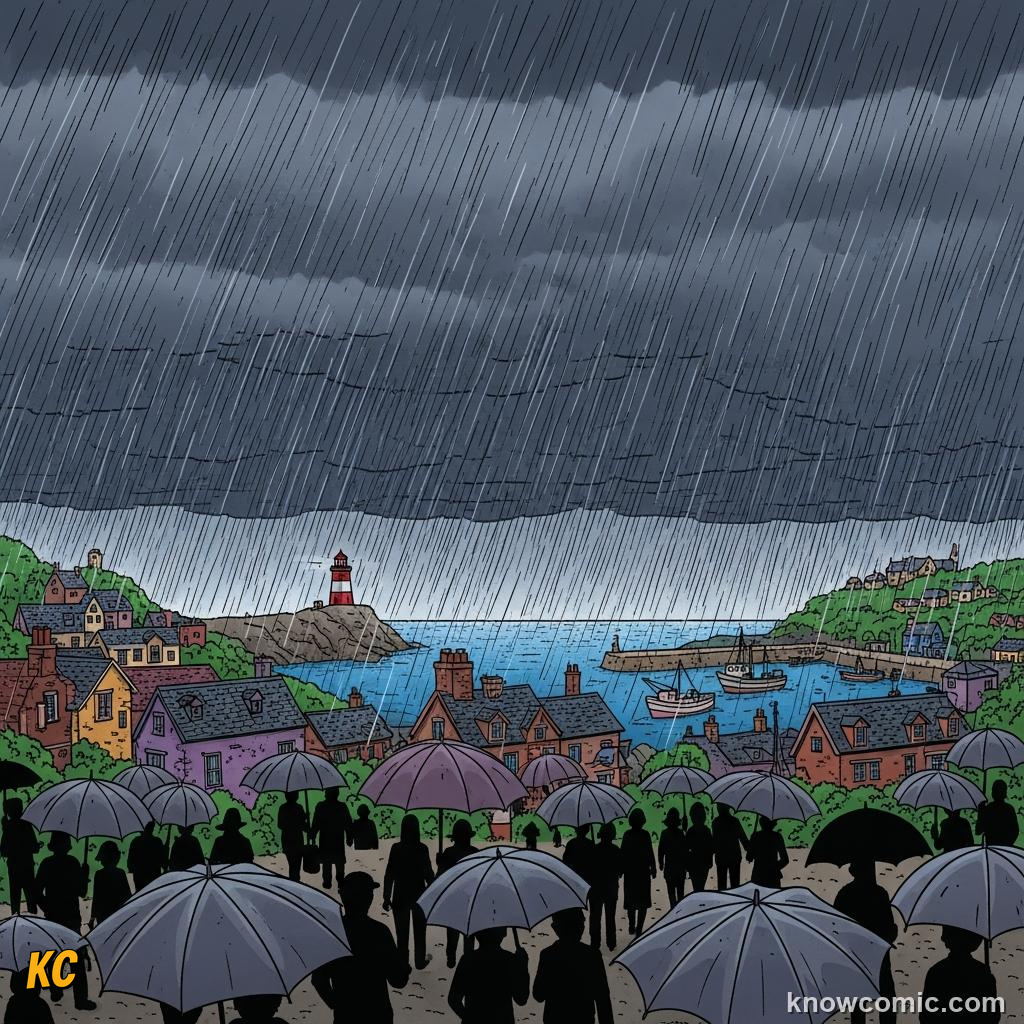
Low: convergence & lift — cloud decks, wind, and fronts cluster nearby
RIDE
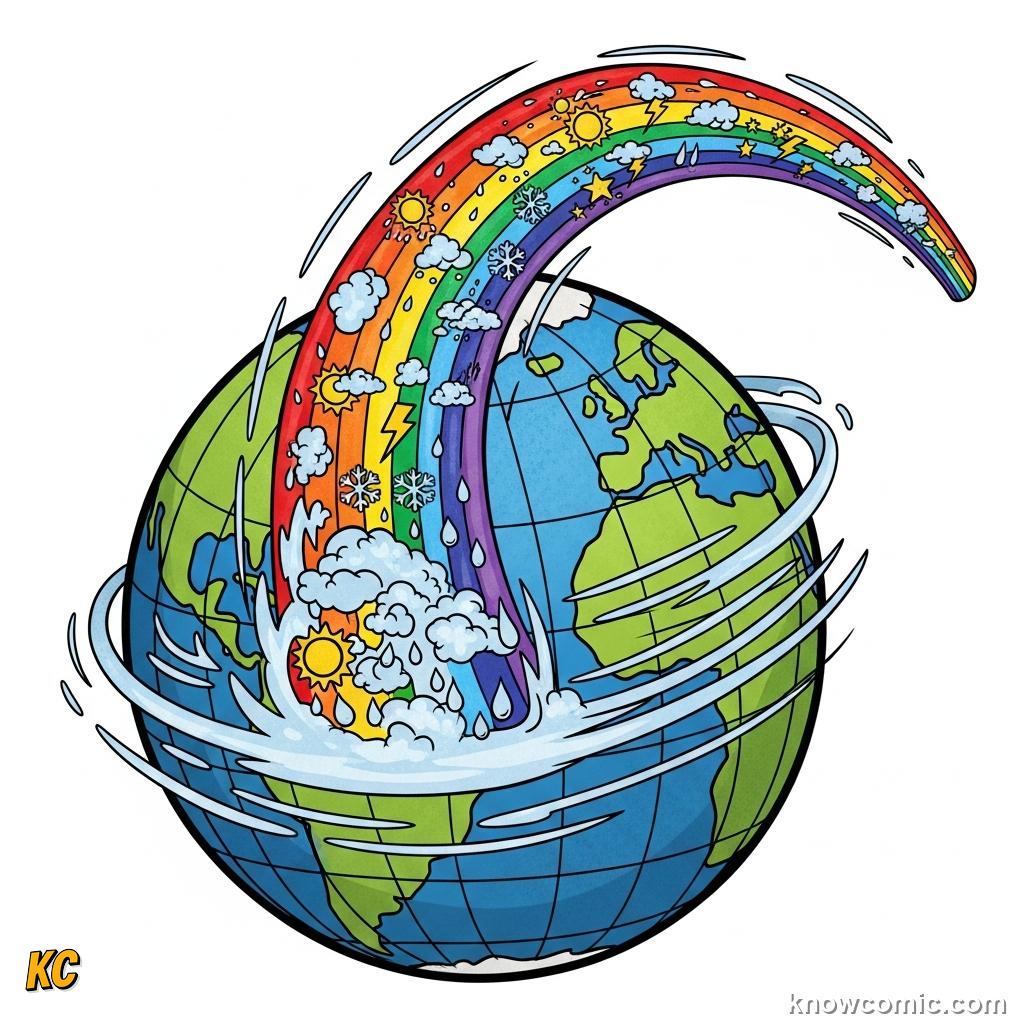
Systems move with the jet stream & steering flow — the map is a movie
PAGE 3 OF 5, THE BAROMETER: YOUR PRESSURE DIAL
FALLS
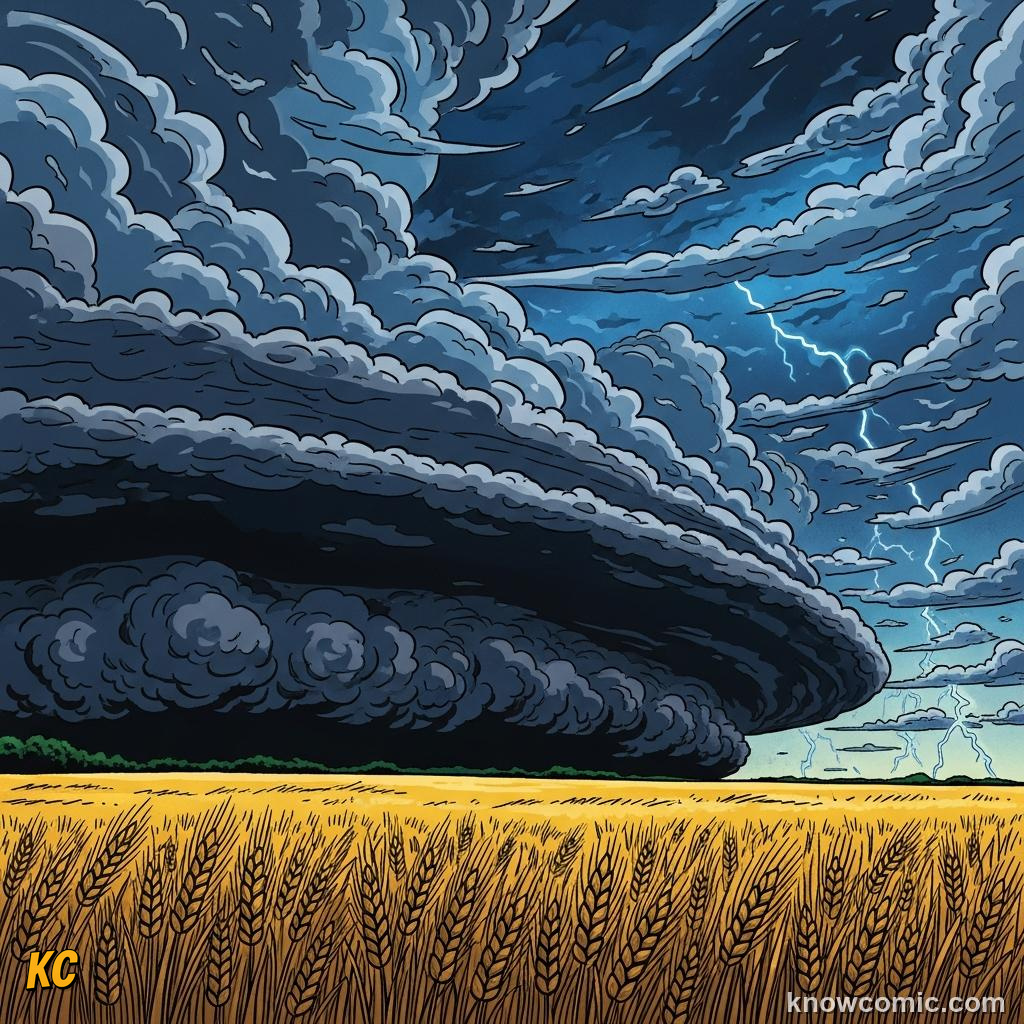
Falling pressure: often a heads-up that a wetter pattern may arrive
RISES
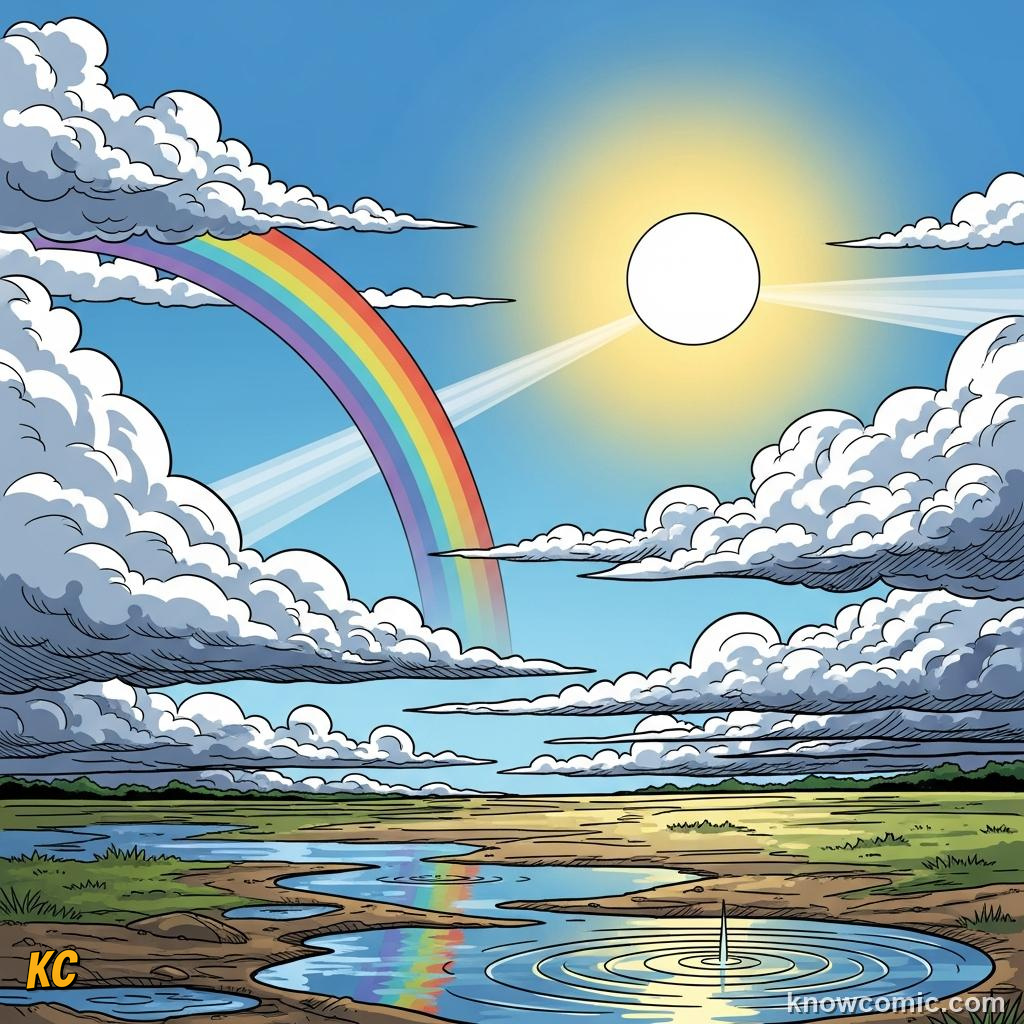
Rising: often improving conditions in mid-latitudes after a front passes — context matters
READ THE NEEDLE
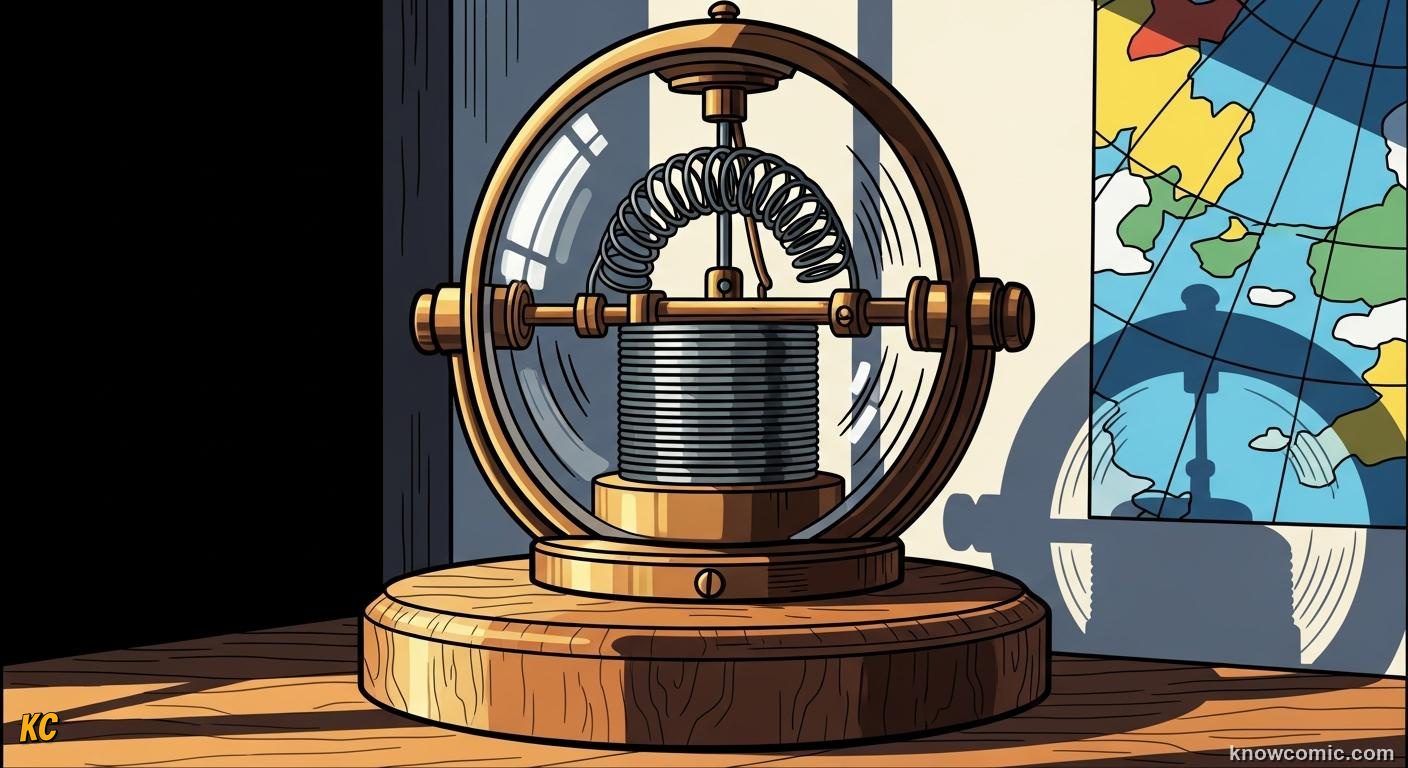
BAROMETER = ATMOSPHERIC WEIGHT GAUGE
A barometer measures static air pressure where you are. Mercury barometers: tall glass tube where the column height balances the air. Aneroid (metal can that flexes as pressure changes) powers many wall units and phones. Trend matters: a fast fall can signal an approaching storm; steady high can mean dominant fine weather nearby. Meteorologists do not use your desk toy alone — they blend radar, satellite, and models — but you can feel the same physics in the numbers.
TICK!
PAGE 4 OF 5, LINES, GRADIENTS, AND GUSTS
SAME PRESSURE, TOGETHER
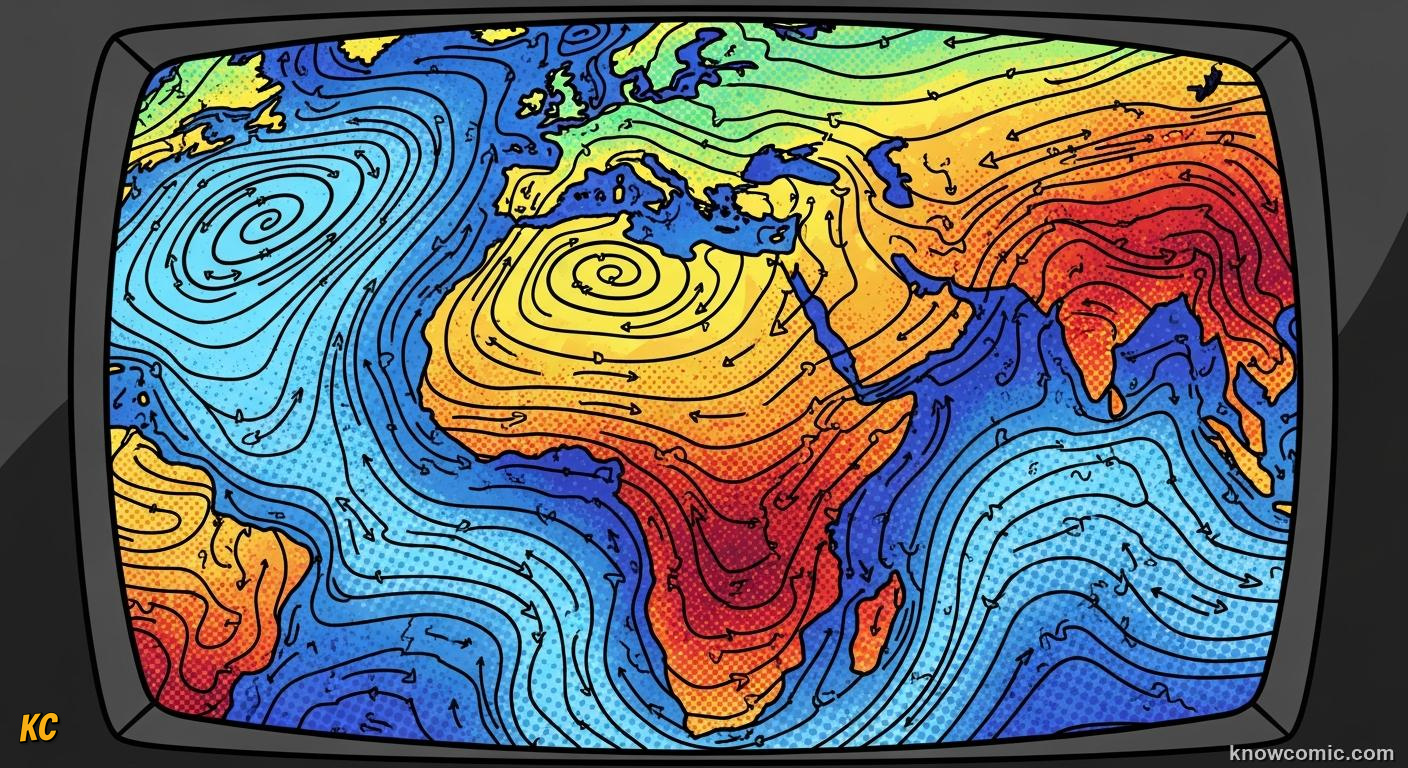
ISOBARS = PRESSURE CONTOURS
A weather map draws isobars — lines connecting equal surface pressure (after adjusting to sea level so mountains do not break the map). Where isobars pack tight, the pressure changes quickly across space — a strong pressure-gradient force. That is part of what makes wind (air accelerates from high toward low — then Earth's rotation and friction bend the path — the story of Topic 6: Wind). Wide spacing = gentle breeze in many cases. Always read the map in motion: today's 998 hPa low is tomorrow's different animal.
SQUEEZE!
TIGHT
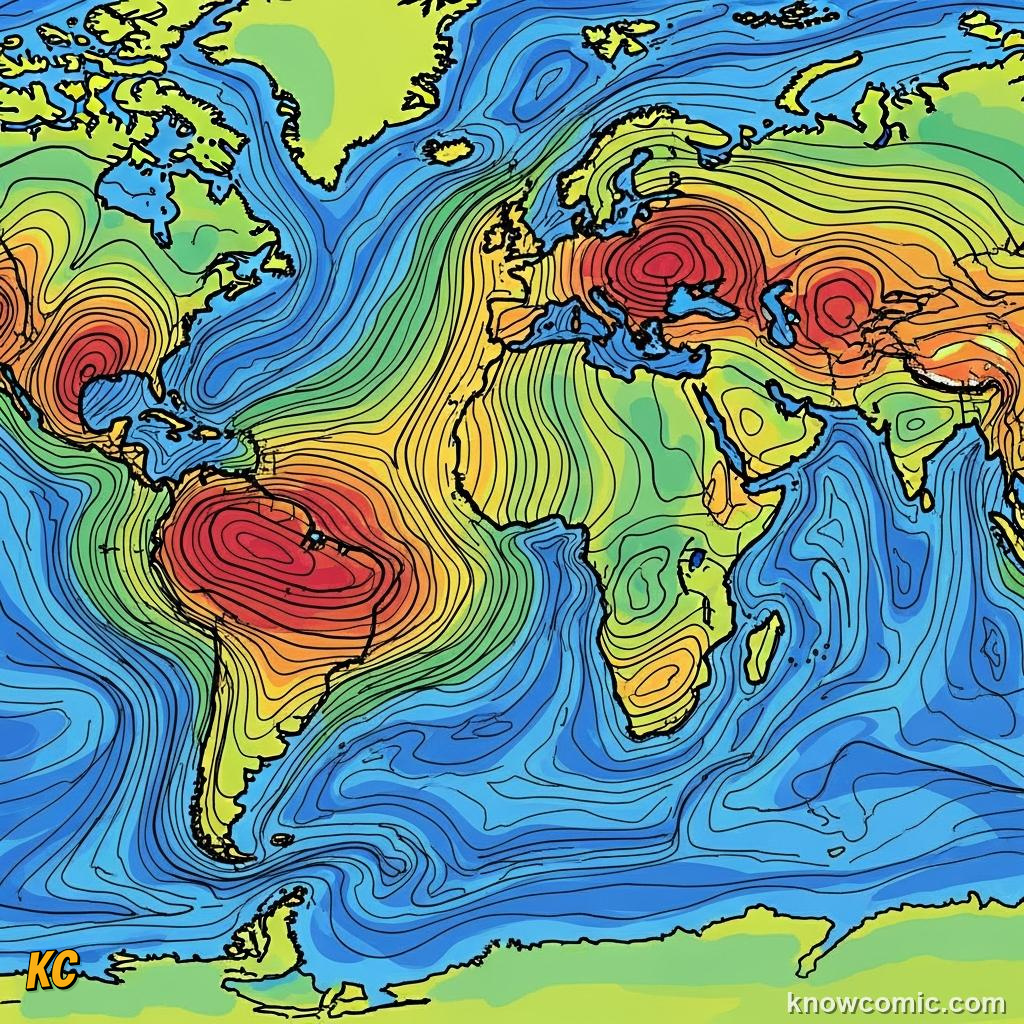
Close lines — strong gradient — check warnings
WIDE
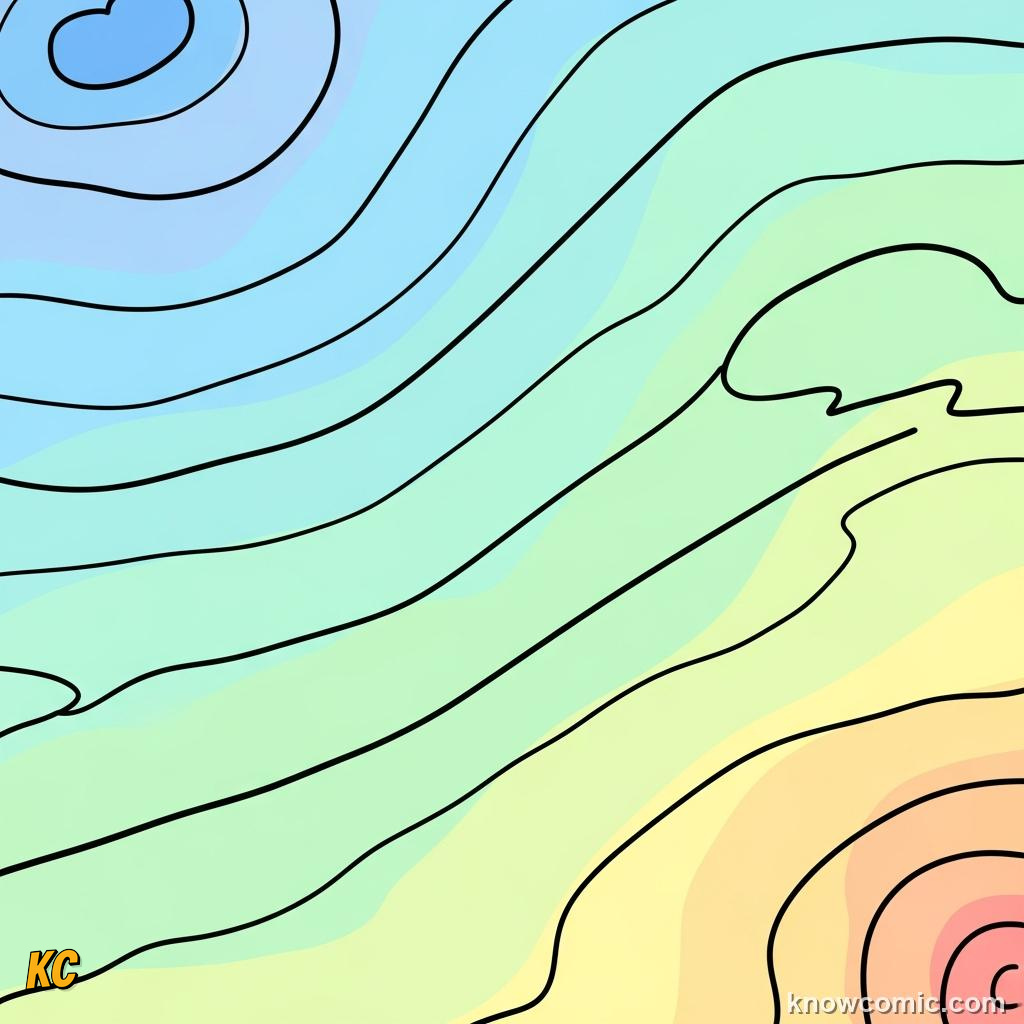
Spaced out — lighter pressure winds often
STATION
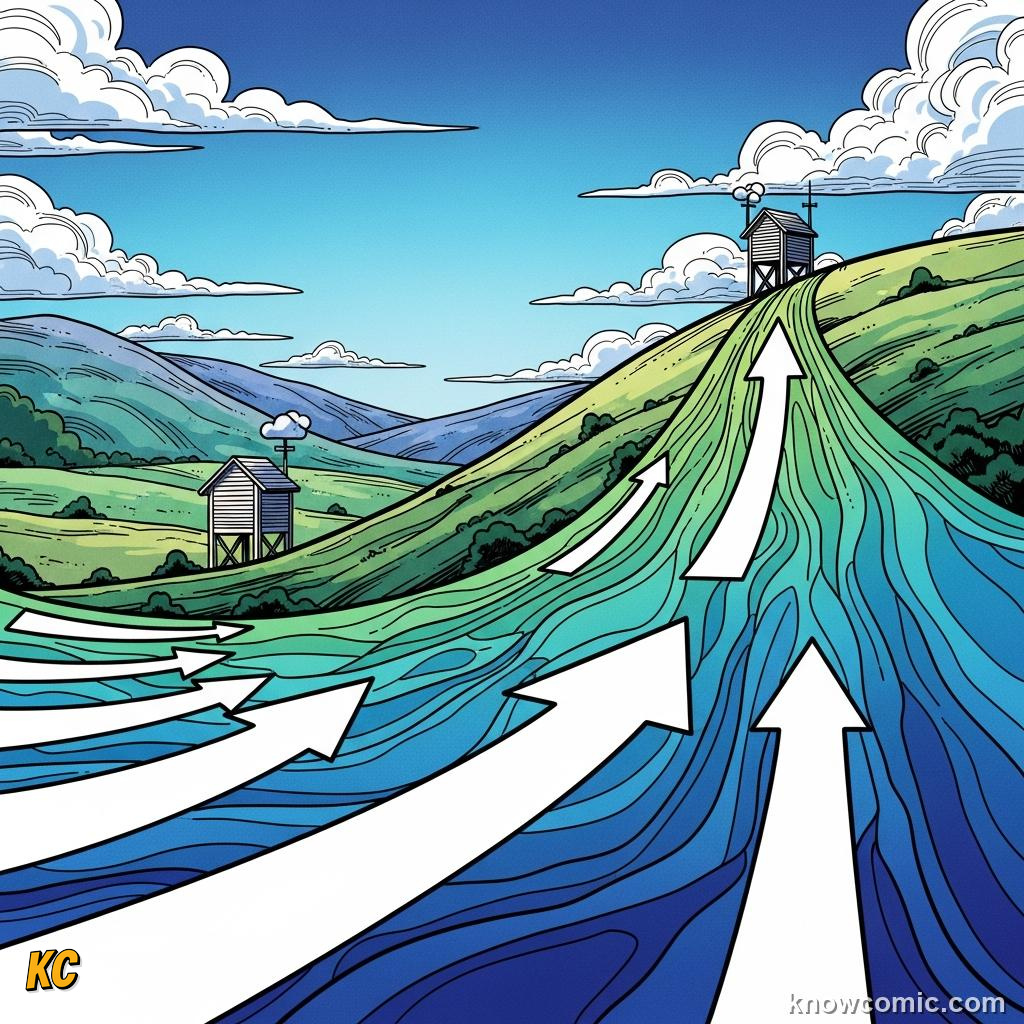
Maps reduce to sea level to compare cities fairly
PAGE 5 OF 5, CLIMB A MOUNTAIN, THINNER AIR
LESS AIR ABOVE = LOWER P
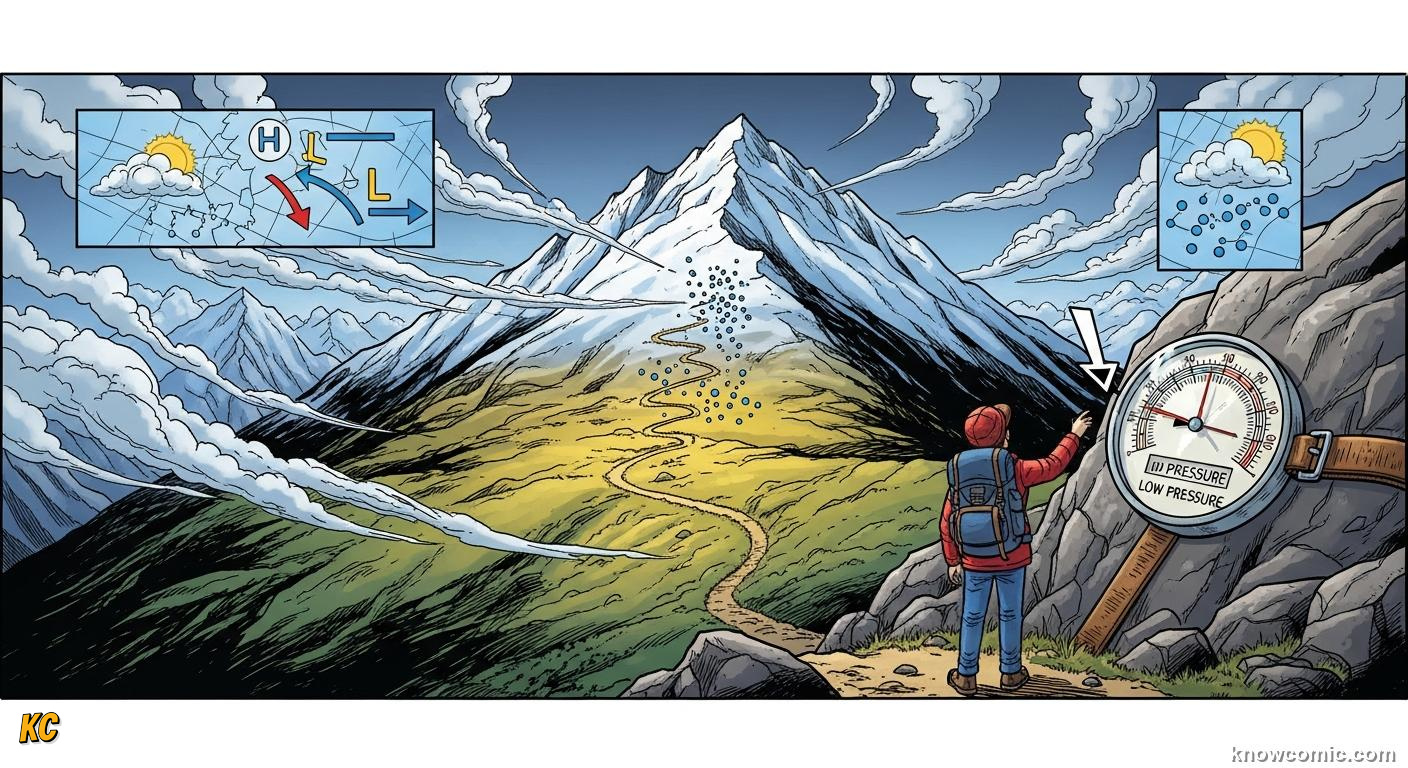
ALTITUDE, BAKING, AND BOILING WATER
Go up a mountain — the air column shortens, so absolute pressure falls. That is why unpressurised plane cabins at cruise altitude would be impossible for humans — aircraft pressurise to a lower "fake altitude". Water boils at lower temperature when pressure is low — pasta takes longer in Denver than at sea level. Topic 6 (wind) and later topics chain off pressure differences you now understand as the invisible hand that shoves the atmosphere around.
🧠 HOOK
Ask: Is pressure rising or falling today? One number + a trend = citizen science for all ages.
UP!
O₂
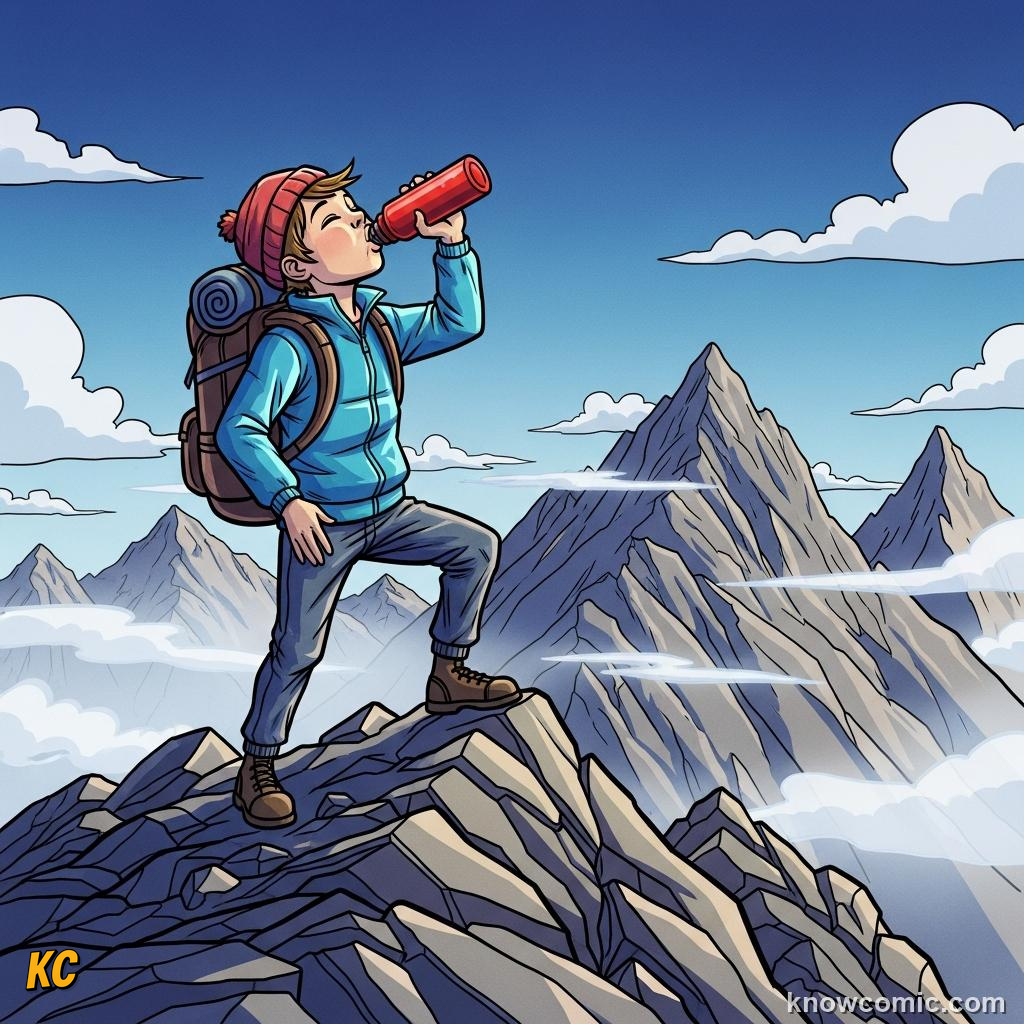
Thinner air → less O₂ per breath → acclimatise on high peaks
PRESSURE
📌 KEY FACTS
Pressure = weight of air column · H often fair, L often stormy · Maps use isobars & sea-level adjust.
⬇️ Column · 📊 hPa · 🌀 Then wind
🧠 QUIZ TIME!
AIR PRESSURE: THE INVISIBLE FORCE · 5 QUESTIONS
QUESTION 01
The air pressure you feel on the ground is mostly from —
QUESTION 02
In a simple world-textbook picture, a large surface high (H) is often associated with —
QUESTION 03
A barometer directly measures —
QUESTION 04
Closely packed isobars on a map usually suggest —
QUESTION 05
As you walk up a high mountain, air pressure at your feet generally —
0/5
LOADING...