🎯 PUSH & PULL: ALL ABOUT FORCES
PAGE 1 OF 5 · WHAT IS A FORCE?
BUMPS, TUGS, SQUEEZES
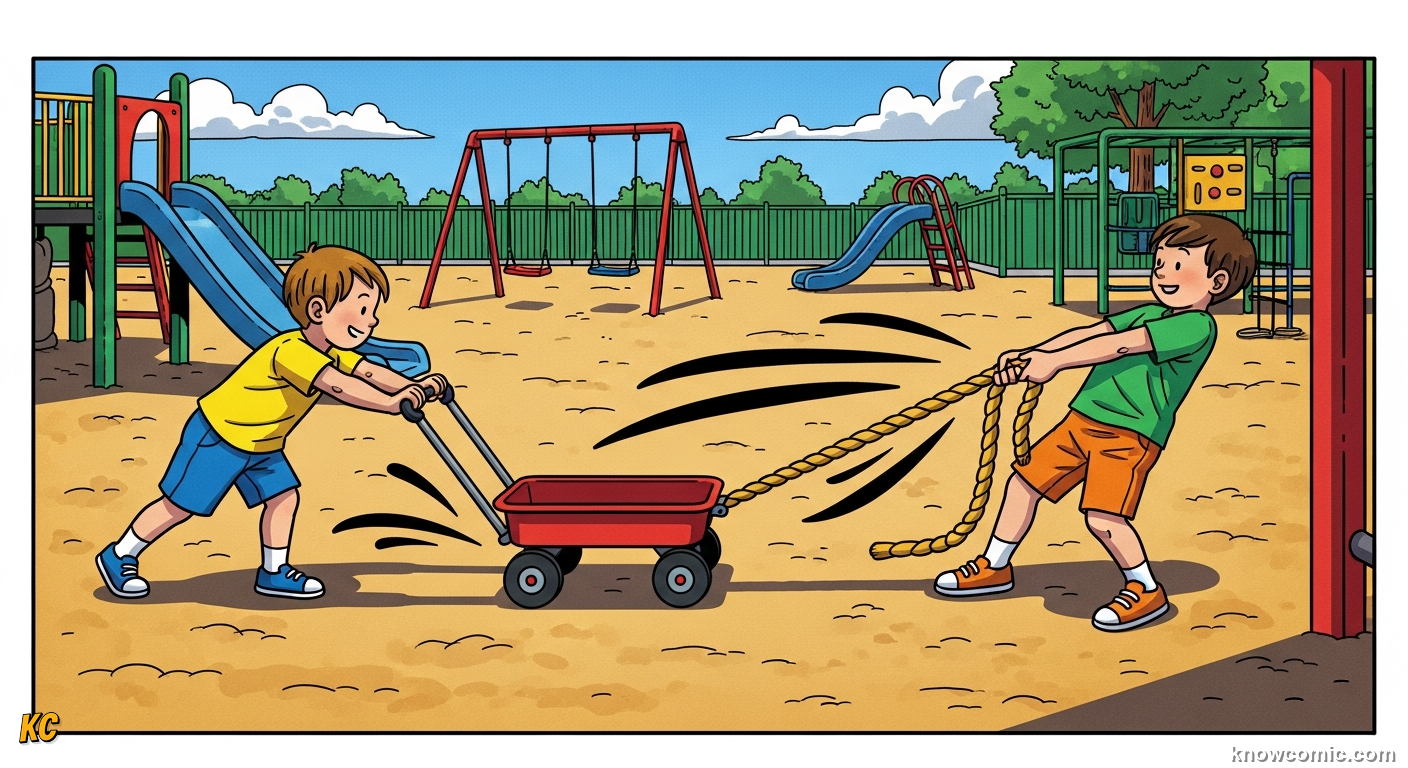
A FORCE IS A PUSH OR A PULL
In everyday words, a force is something that tries to move you (or a thing) or change how it is already moving. You cannot put a force in a jar, but you see the effects: a cart rolls, a rope goes tight, a book sits still on a table with hidden pushes balancing.
Kid read aloud: “A shove is a push. A tug on a string is a pull. Grown ups draw them as arrows so we can talk without arguing about feelings.”
Kid read aloud: “A shove is a push. A tug on a string is a pull. Grown ups draw them as arrows so we can talk without arguing about feelings.”
ONE TIGHT LINE (BIG KIDS)
When all the forces on an object (all directions added as vectors) are summed into a net force, an easy form for straight-line motion in school is Fnet = m a (with m in kilograms, a in m/s², F in newtons). That is a model for when mass stays about the same and relativity is not the star of the day.
SHOVE!
EFFECTS
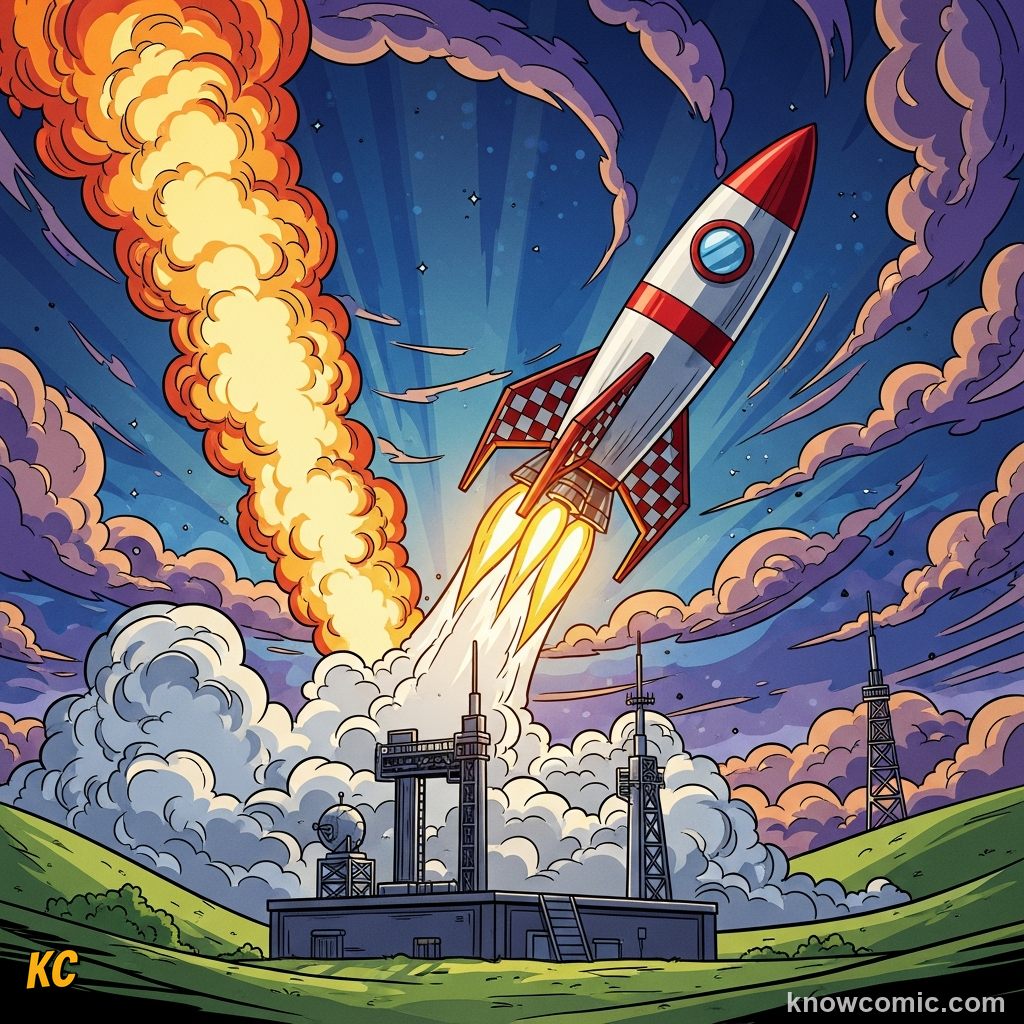
🚀 A big push from hot gas can speed up a rocket. Same idea as kicking a ball, only louder.
🛑 A brake push against a wheel is how we slow a bike on purpose.
🛑 A brake push against a wheel is how we slow a bike on purpose.
DIRECTION MATTERS
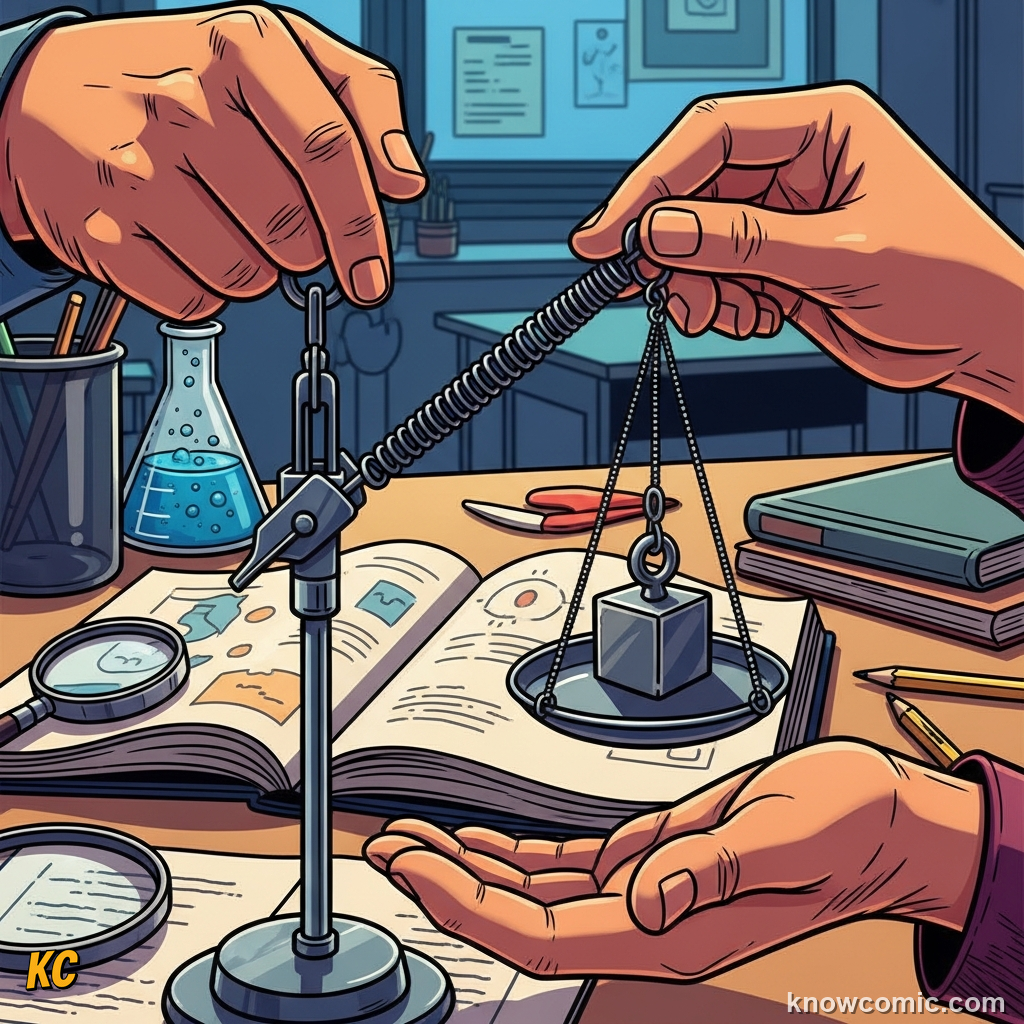
🧲 A spring scale and a tug-of-war rope both care about which way the shove is aimed and how big it is, not the colour of the rope.
PAGE 2 OF 5 · CONTACT FORCES (YOU TOUCH SOMETHING)
HANDS, FLOOR, FRICTION
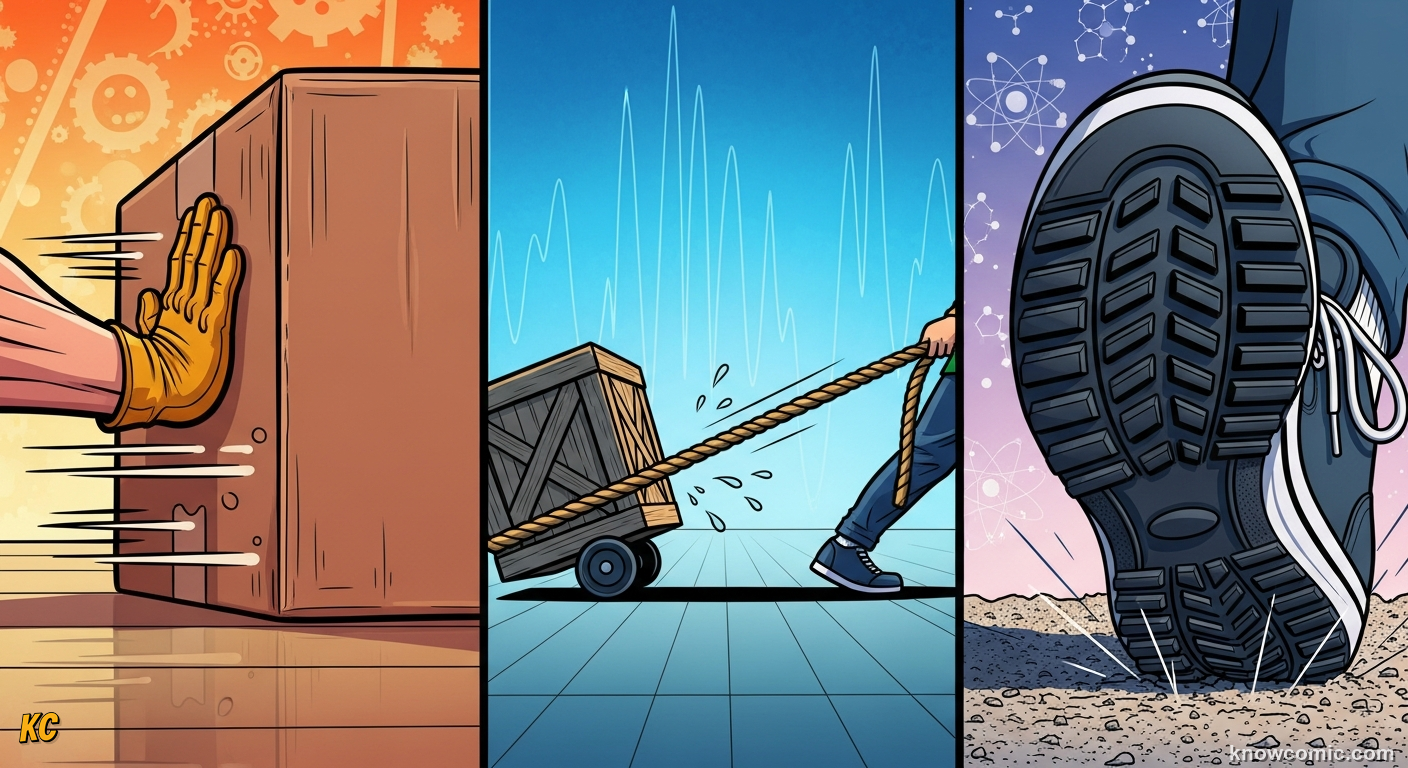
MUST TOUCH: APPLIED, FRICTION, NORMAL, TENSION…
Contact means something is touching something. Your hand on a box gives an applied push. The ground stops your shoes with a normal support (it is a push at a surface, not “normal boring”). A rope in tension pulls at both ends. Friction is a sideways assist that tries to stop or limit slip at rough surfaces. Air drag you met in the last topic is contact with a thin fluid.
REMEMBER
“Contact” is not the same as “I feel it in my heart,” it is literal touch in science class, between molecules at surfaces, even if the surface is smooth to your eyes.
TOUCH!
FRICTION
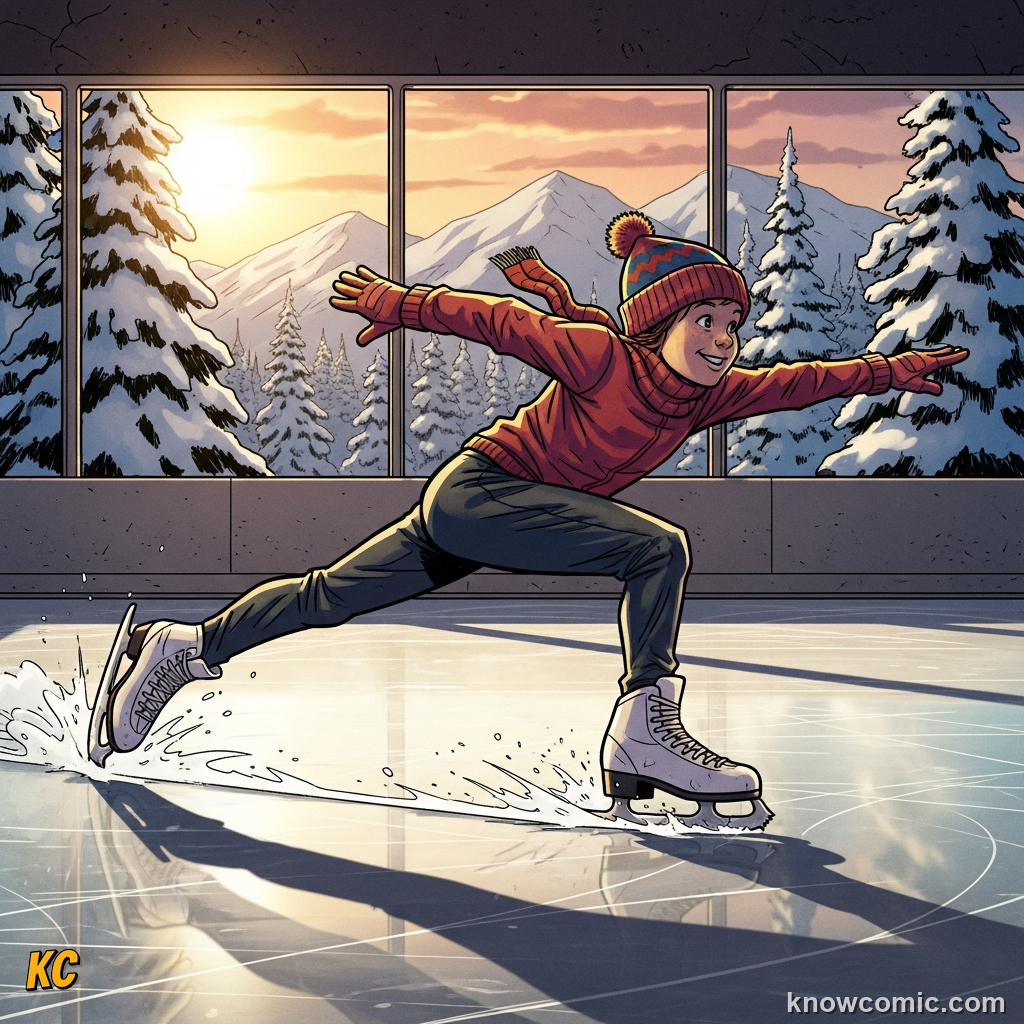
🧊 Less grip (ice) → easier slide. More texture (rubber on dry road) → more grip. Same push, different contact story.
BRAKES
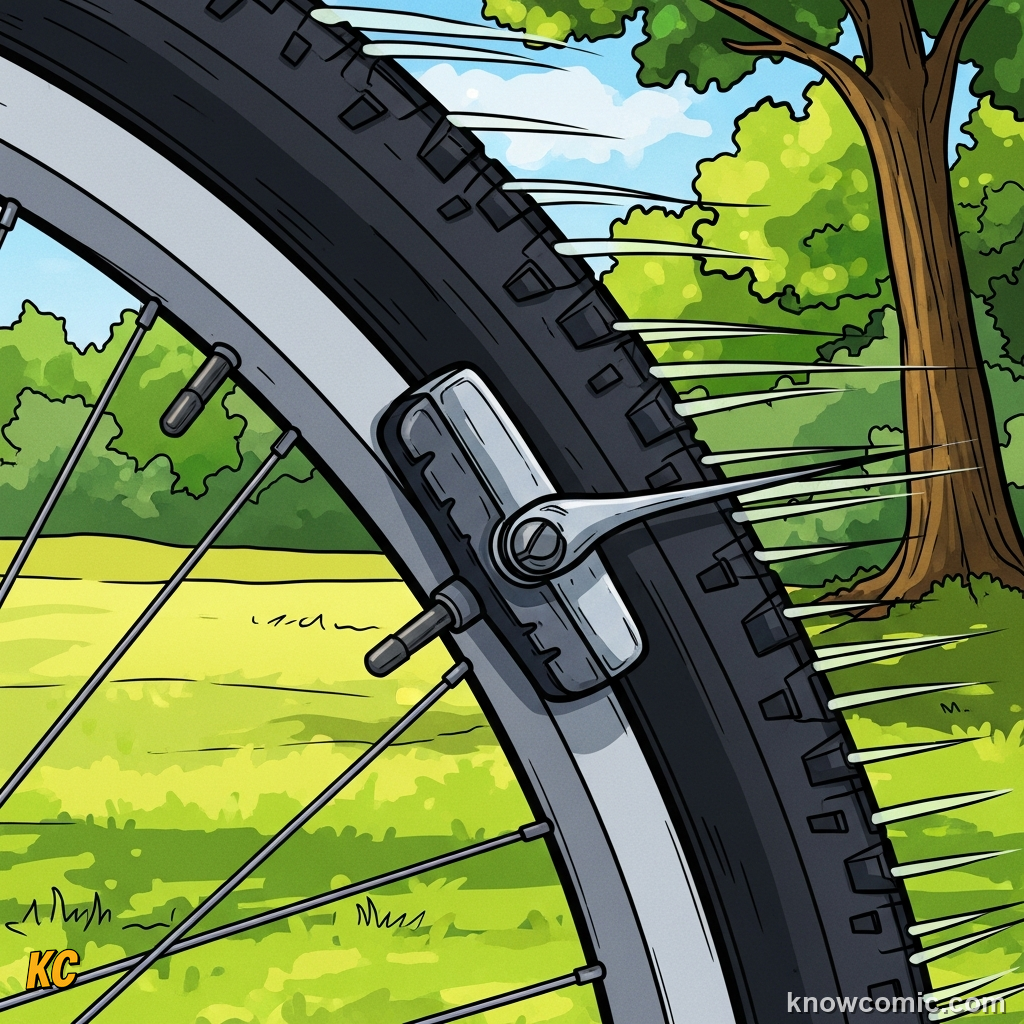
🚲 Pads and rims make friction on purpose so the wheel and road can play together and you stop safely.
TUG OF WAR
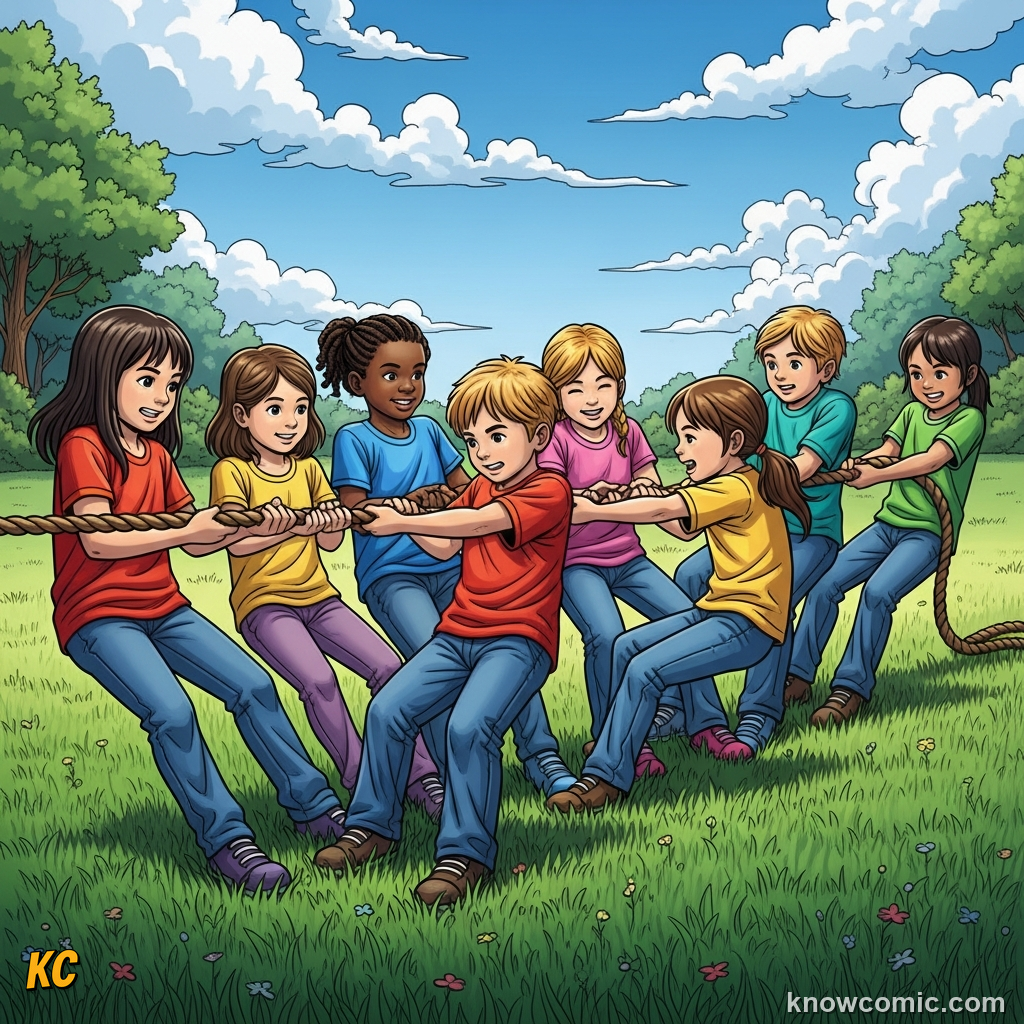
🤝 Ropes, hands, and teams add pulls and pulls back. We sum them more carefully in the arrows comic, but the feeling is: who wins the net shove?
PAGE 3 OF 5 · NON-CONTACT (STILL A FORCE)
GRAVITY
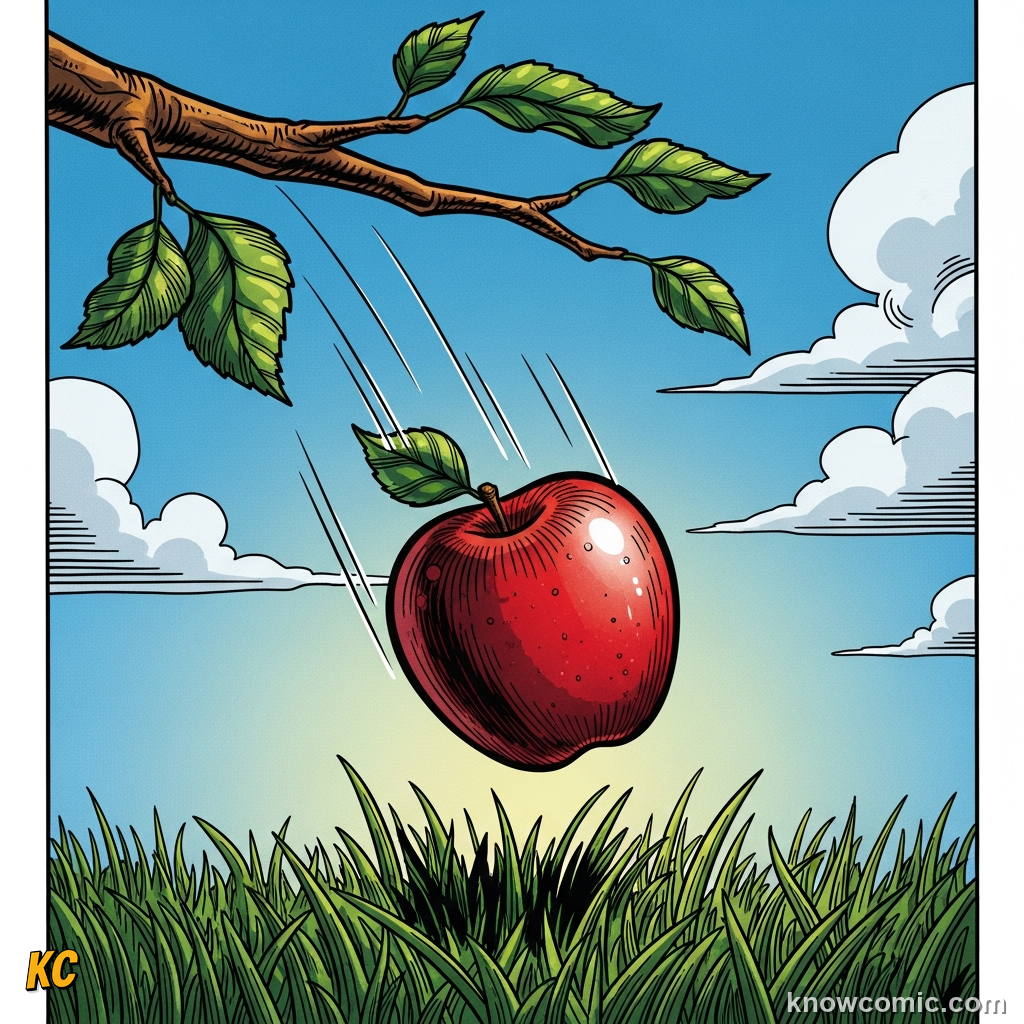
🍎 Earth pulls on stuff without you touching it first. That pull is a key part of the weight mg story. Big topic on its own, but it is a force for sure.
COMING LATER
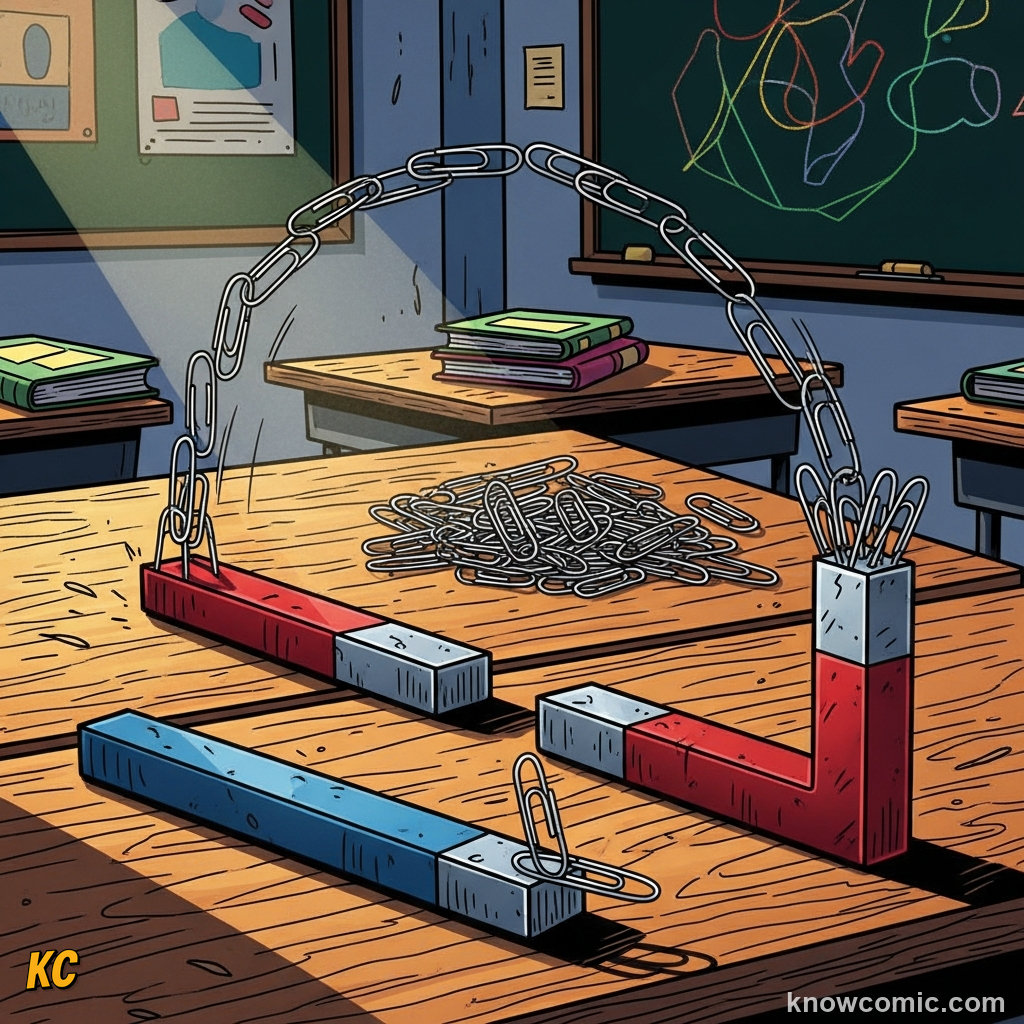
🧲 Magnet and static electricity are also non-contact pushes and pulls, with their own rules. A future comic will unpack the magnet map.
GRAVITY IS EVERYWHERE (HERE)
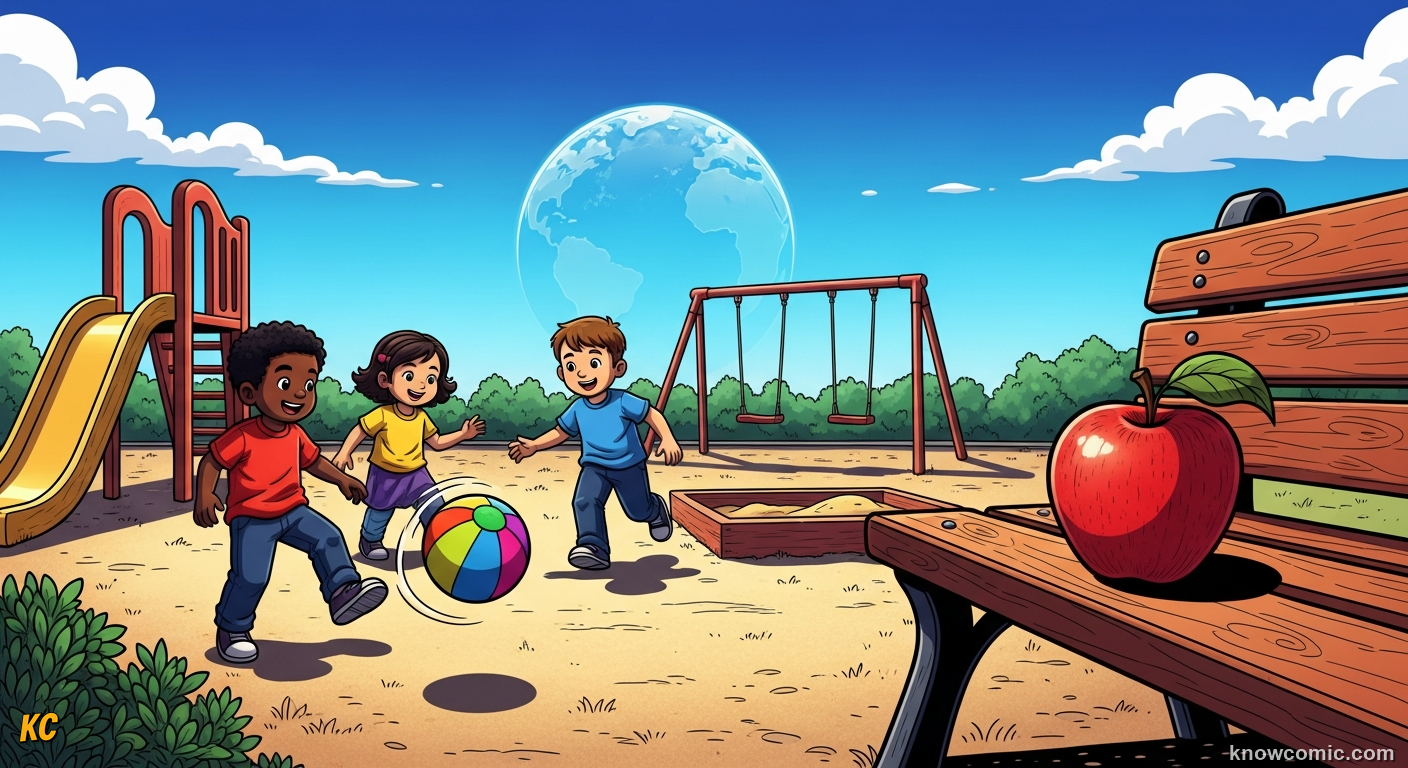
NO STRING NEEDED
You are not glued to the floor, but the floor still pushes you up so you do not fall through, while gravity pulls you down at the same time. Free-body diagrams in class draw those with neat little arrows so the story fits on one small sketch.
HOLD!
PAGE 4 OF 5 · ARROWS & “NET”
FORCE AS AN ARROW
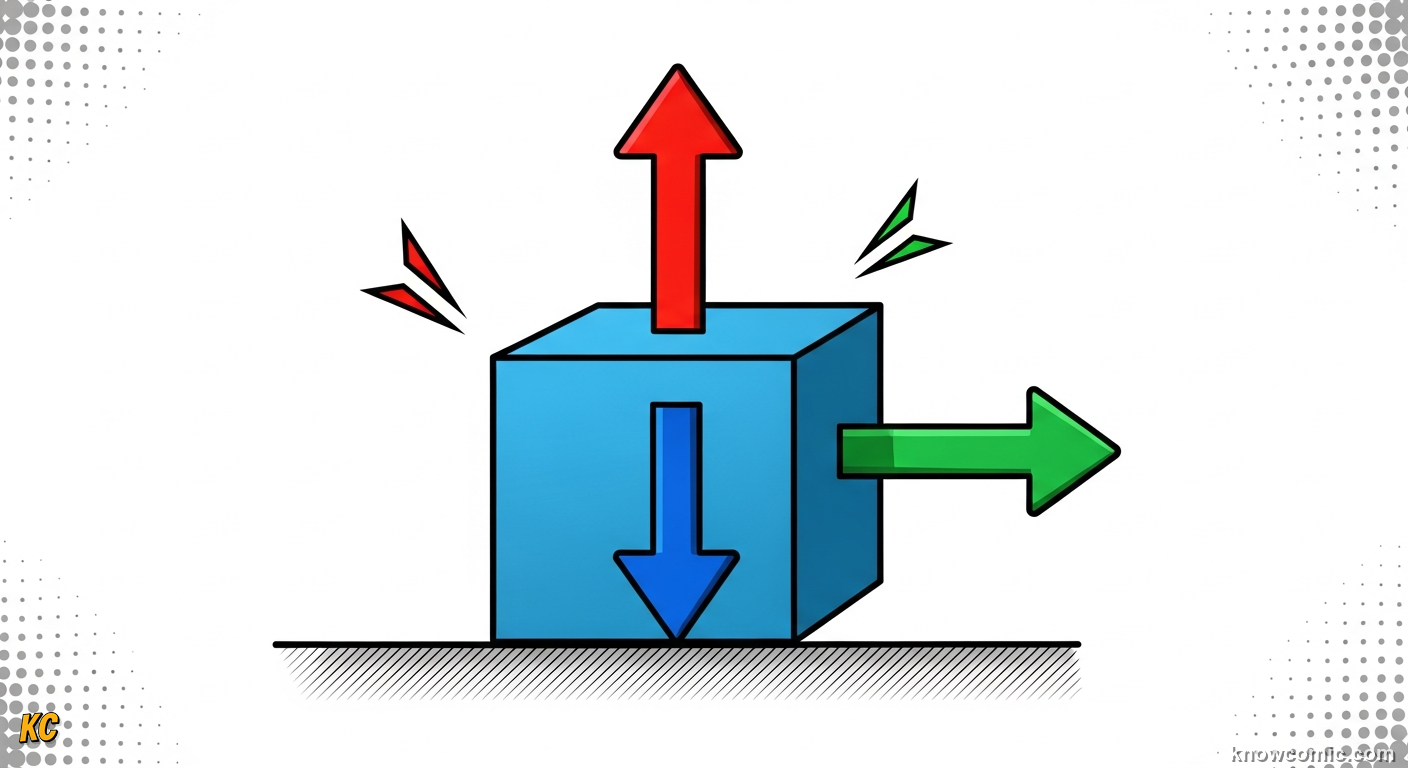
DIRECTION, LENGTH, LABEL
A useful picture: each force is an arrow on the object you study. The arrow’s length is “how big,” and the way it points is “which way the push or pull is trying to go” at that moment. If many arrows act, you can add them as vectors to a net (resultant) push or pull, then ask what Fnet = m a says for straight-line work.
Topic 10 in this series is the balance game (tug of war in picture form) — here, just know: forces are arrows you can add with rules, not random doodles. SI force unit: the newton (N). One newton is about the weight of a small apple in Earth gravity — a handy memory size, not a new religion.
Topic 10 in this series is the balance game (tug of war in picture form) — here, just know: forces are arrows you can add with rules, not random doodles. SI force unit: the newton (N). One newton is about the weight of a small apple in Earth gravity — a handy memory size, not a new religion.
DRAW!
KID TALK
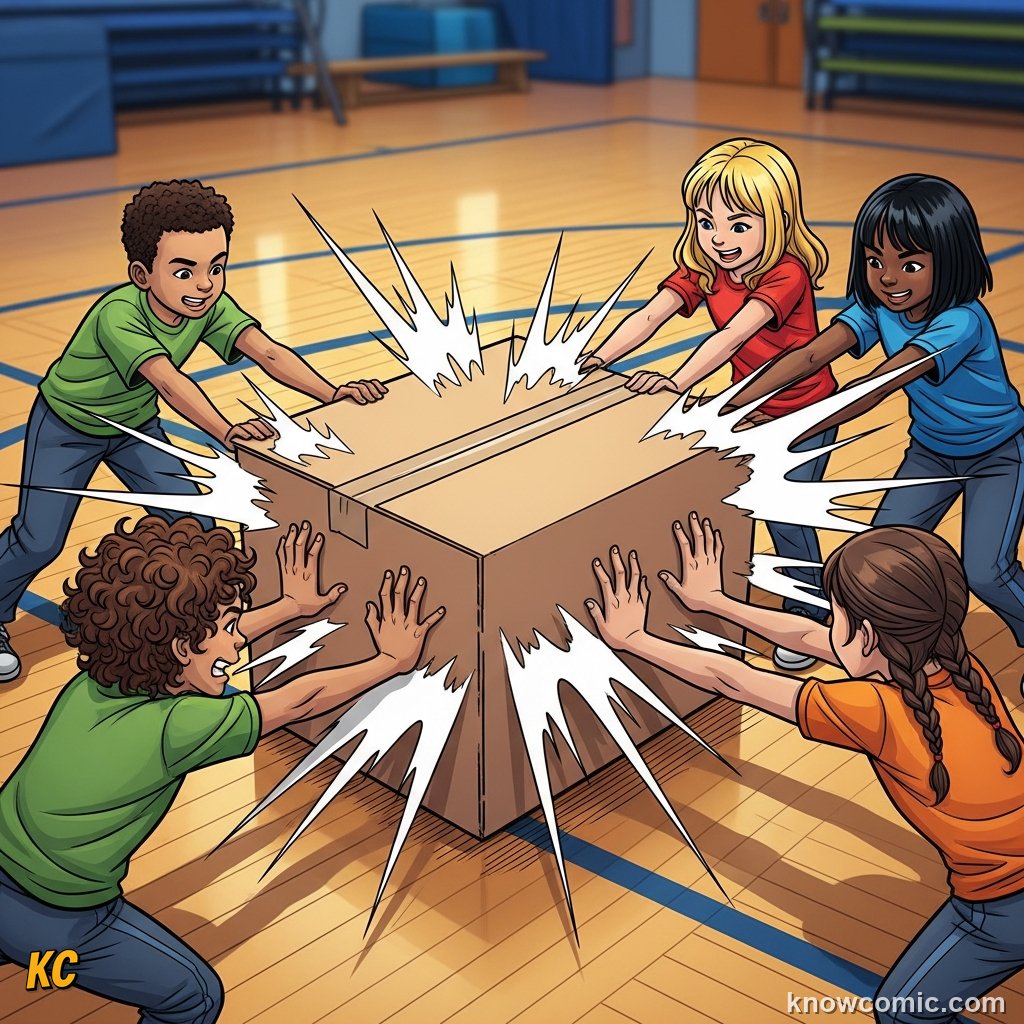
“If a bunch of shoves and tugs fight, the winner of the total is the one that decides the speed-up story for a little while, until new forces show up.”
SYMBOLS
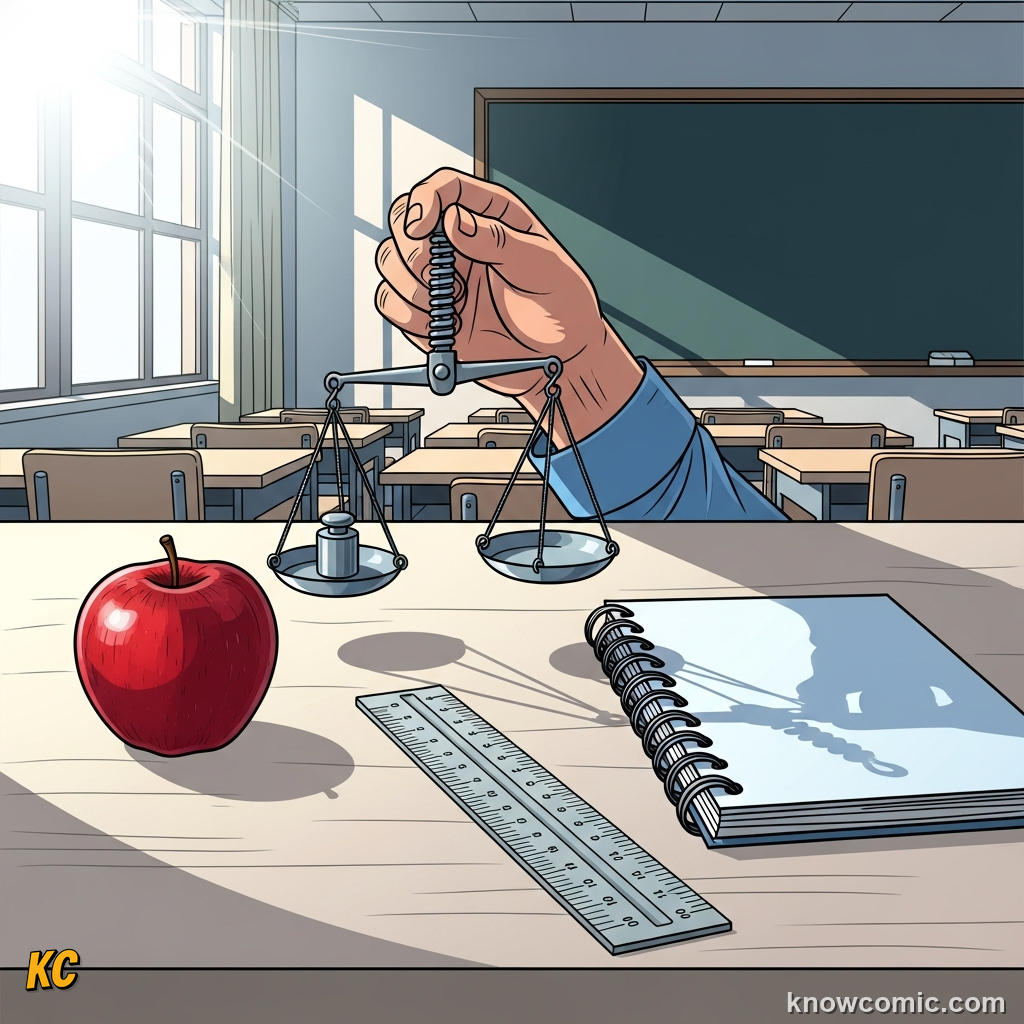
F for a force size, often with a little note like Fg or Ff for gravity or friction. Keep units clean: newtons, kilograms, metres per second squared, as your problem asks.
NOT YET
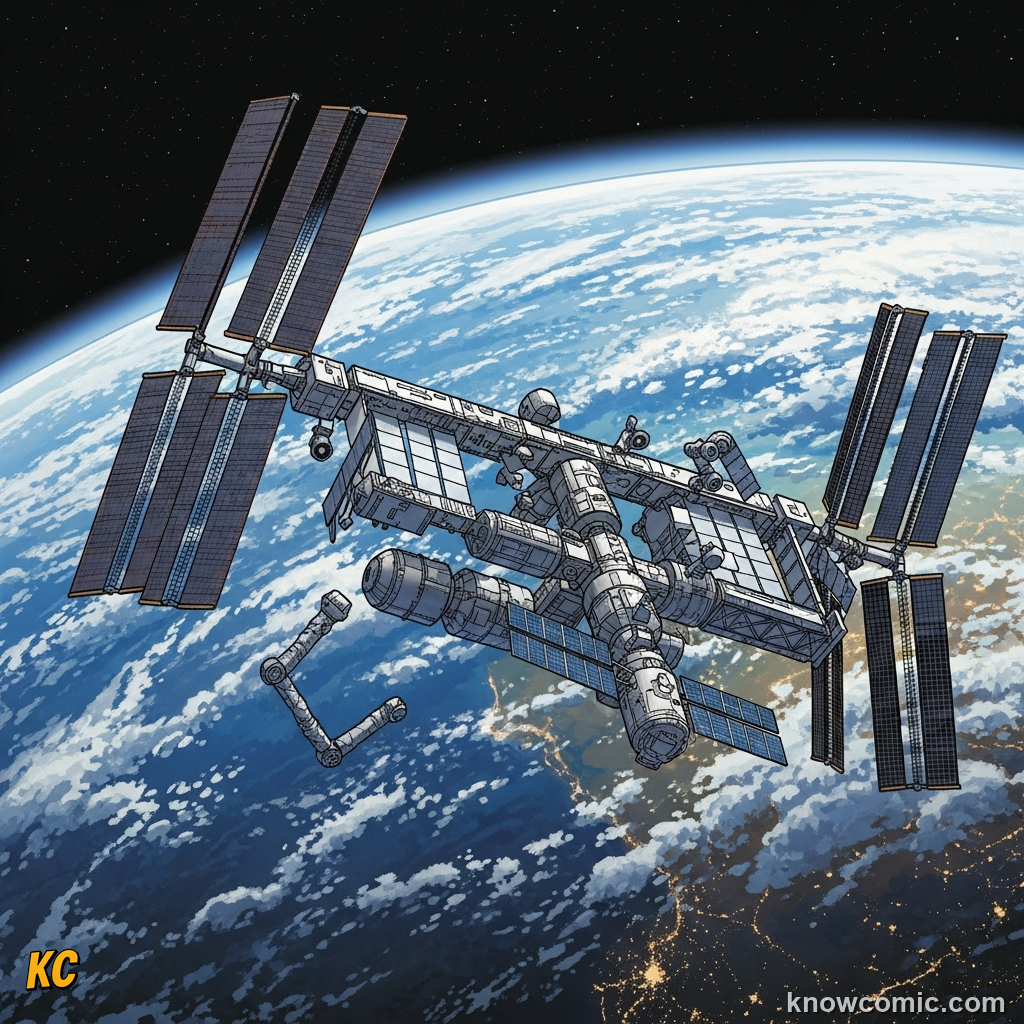
Balanced and unbalanced forces, friction tricks, and big space stations use the same picture language — a later page will camp on equilibrium. Today: name the pushes and pulls.
PAGE 5 OF 5 · TAKE IT WITH YOU
FOUR WAYS THE WORLD POKES
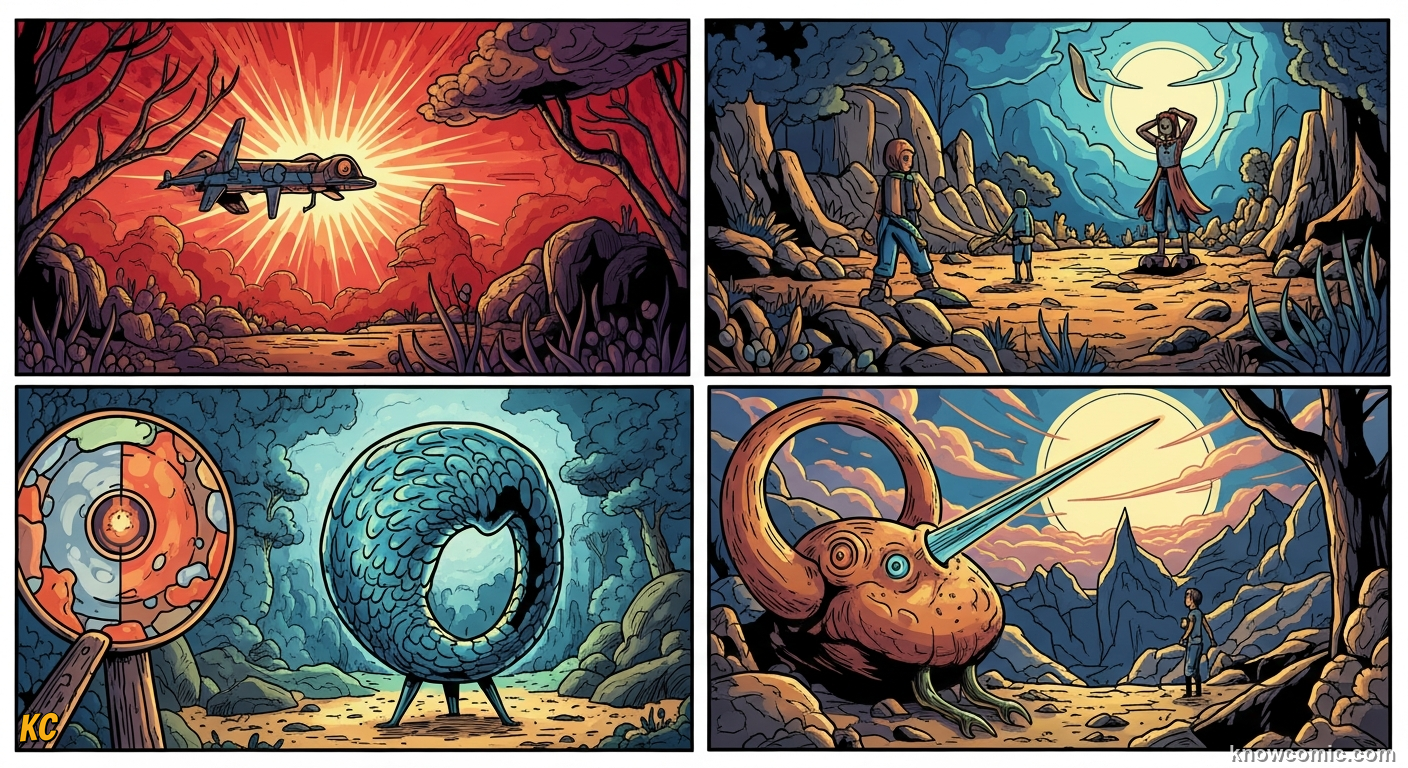
FORCES ARE A TEAM SPORT
The same you on a skateboard is a tangle of gravity, normal from the board, a little friction, maybe a push from a friend — all at once. Science gets easier when you name each arrow, one at a time, then add them like a careful coach with a whiteboard, not a shouting match. Next topics build the balance and magnet stories, still with the same push-and-pull bones.
NICE!
REMEMBER
🔑 KEY FACTS
Force = push or pull · Contact needs touch; gravity is a key non-contact pull (more forces later) · Draw arrows on the object · Net force and Fnet = m a in simple straight-line work · 1 N is a small apple weight in Earth g for memory.
READ ALOUD
“A force is a shove or a tease to move. Some need touch, some don’t — like the whole Earth pulling you. If you are stuck or speeding, look for arrows in your life, not a magic mood. Science is on your side, one push at a time.”
High five! ✋
High five! ✋
🧠 QUIZ TIME!
FORCES · 5 QUESTIONS
QUESTION 01
In the simplest school words, a force is what?
QUESTION 02
Which one is a contact force in everyday use?
QUESTION 03
Which is the usual non-contact pull you feel every day near Earth’s surface (before fancy electricity tricks)?
QUESTION 04
In SI, which unit is the one named for forces?
QUESTION 05
A straight-line form that matches “net force, mass, acceleration” in many first lessons is: Fnet = m a. If you double the net force and keep mass the same, acceleration usually —
0/5
LOADING...