🔥 FRICTION: THE SLOWING FORCE
PAGE 1 OF 5 · WHY THINGS GRAB AND DRAG
THE FORCE BEHIND EVERY GRIP
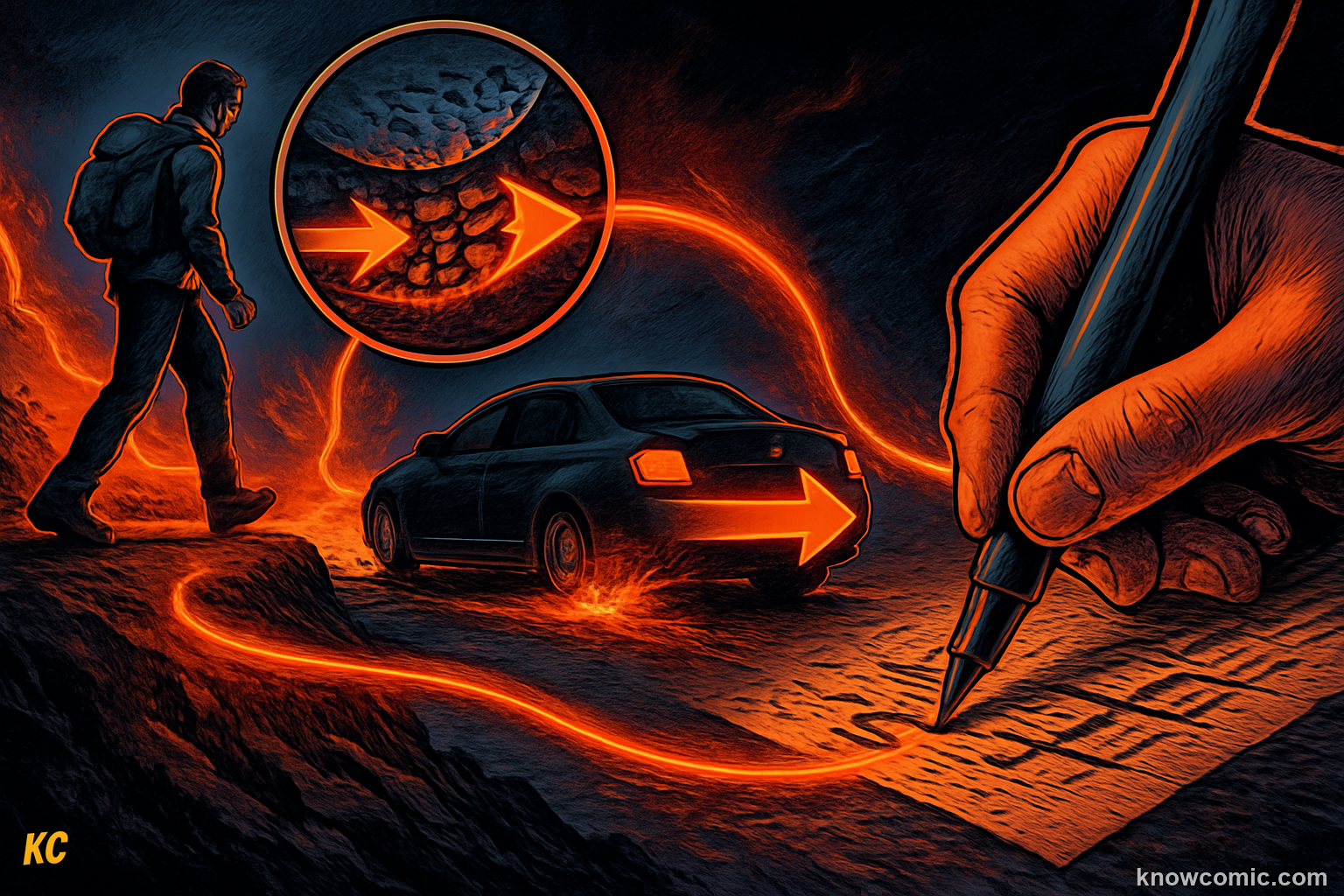
A TINY BRAKE ON EVERY SLIDE
When two things touch and try to skid past each other, they put up a fight. We call that fight friction. It is a sideways push that slows the slide. Shoes and sidewalk, pen and paper, brake pad and spinning disc, all use this idea so you can stand, draw, and stop.
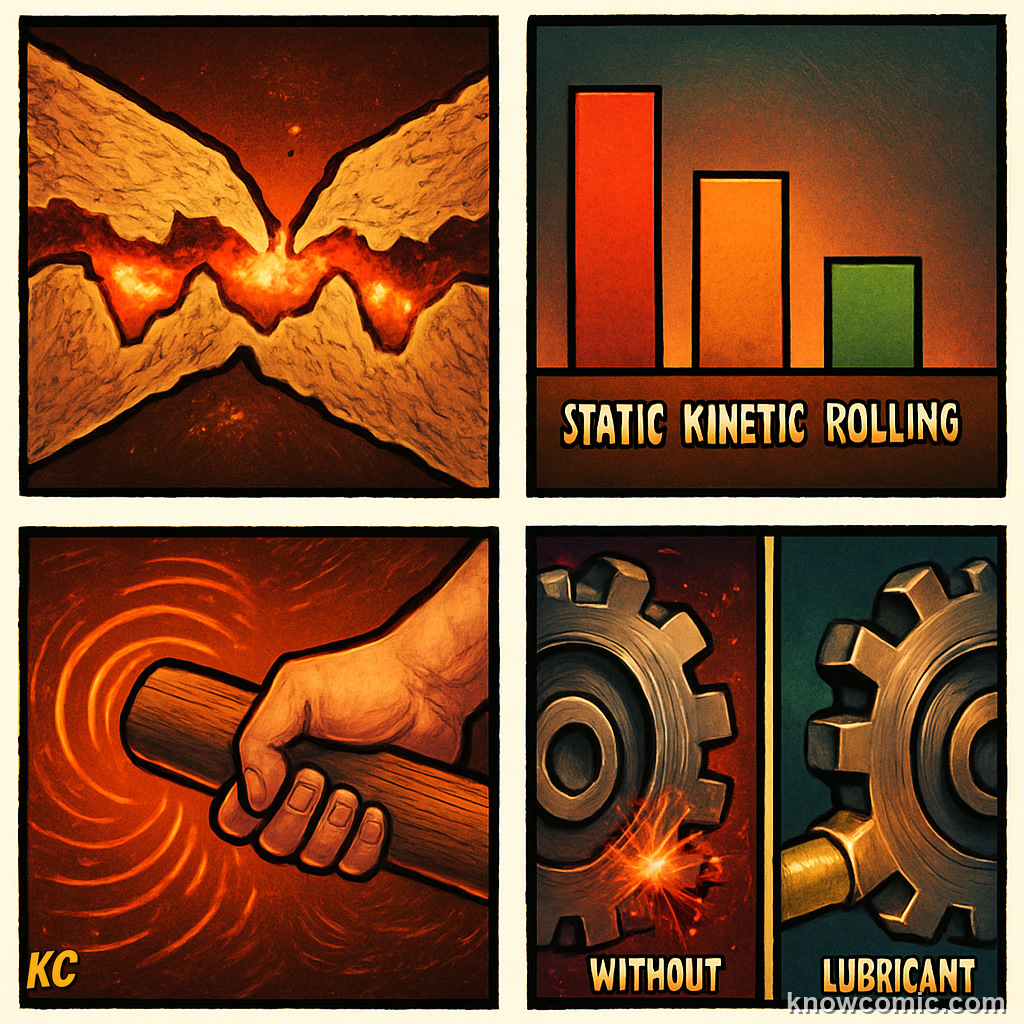
Even a “smooth” table is lumpy under a microscope. Little hills catch on other hills when you press down. More weight, more catch. Rougher skin on the road, more catch. With zero friction, you could not even take a step without slipping like a cartoon on ice.
Even a “smooth” table is lumpy under a microscope. Little hills catch on other hills when you press down. More weight, more catch. Rougher skin on the road, more catch. With zero friction, you could not even take a step without slipping like a cartoon on ice.
"A little rub is how you steer. No rub, no steer."
GRIP!
WHAT CREATES FRICTION?
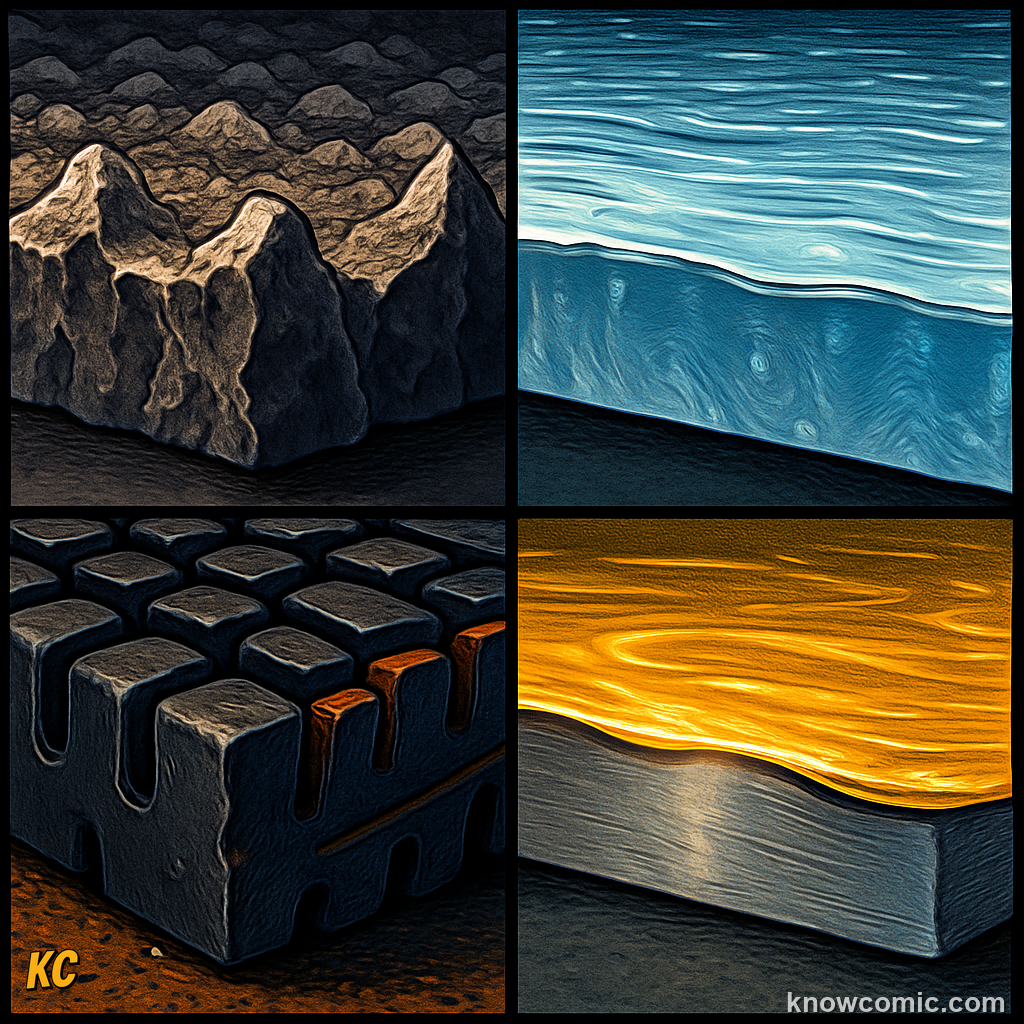
🔴 Microscopic bumps on every surface
⚒️ Heavier object = more friction
🌍 Rough surface = more friction
📅 Smooth/oiled surface = less friction
⚒️ Heavier object = more friction
🌍 Rough surface = more friction
📅 Smooth/oiled surface = less friction
FRICTION'S FORMULA
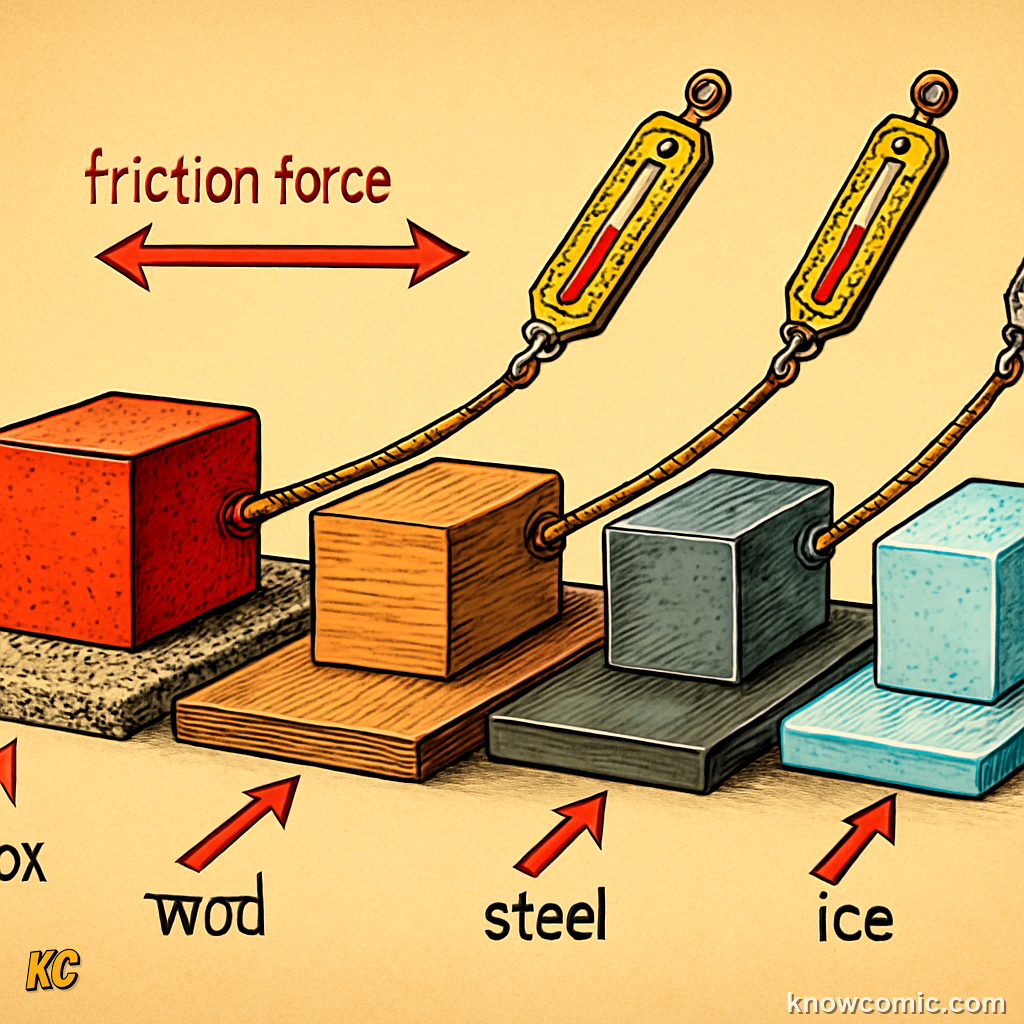
🧩 F = μ × N
🔺 μ = coefficient of friction
🔺 N = normal force (weight pressing down)
📈 Higher μ = rougher, grippier surface
🔺 μ = coefficient of friction
🔺 N = normal force (weight pressing down)
📈 Higher μ = rougher, grippier surface
PAGE 2 OF 5 · THREE KINDS OF RUB
NOT ALL FRICTION IS EQUAL
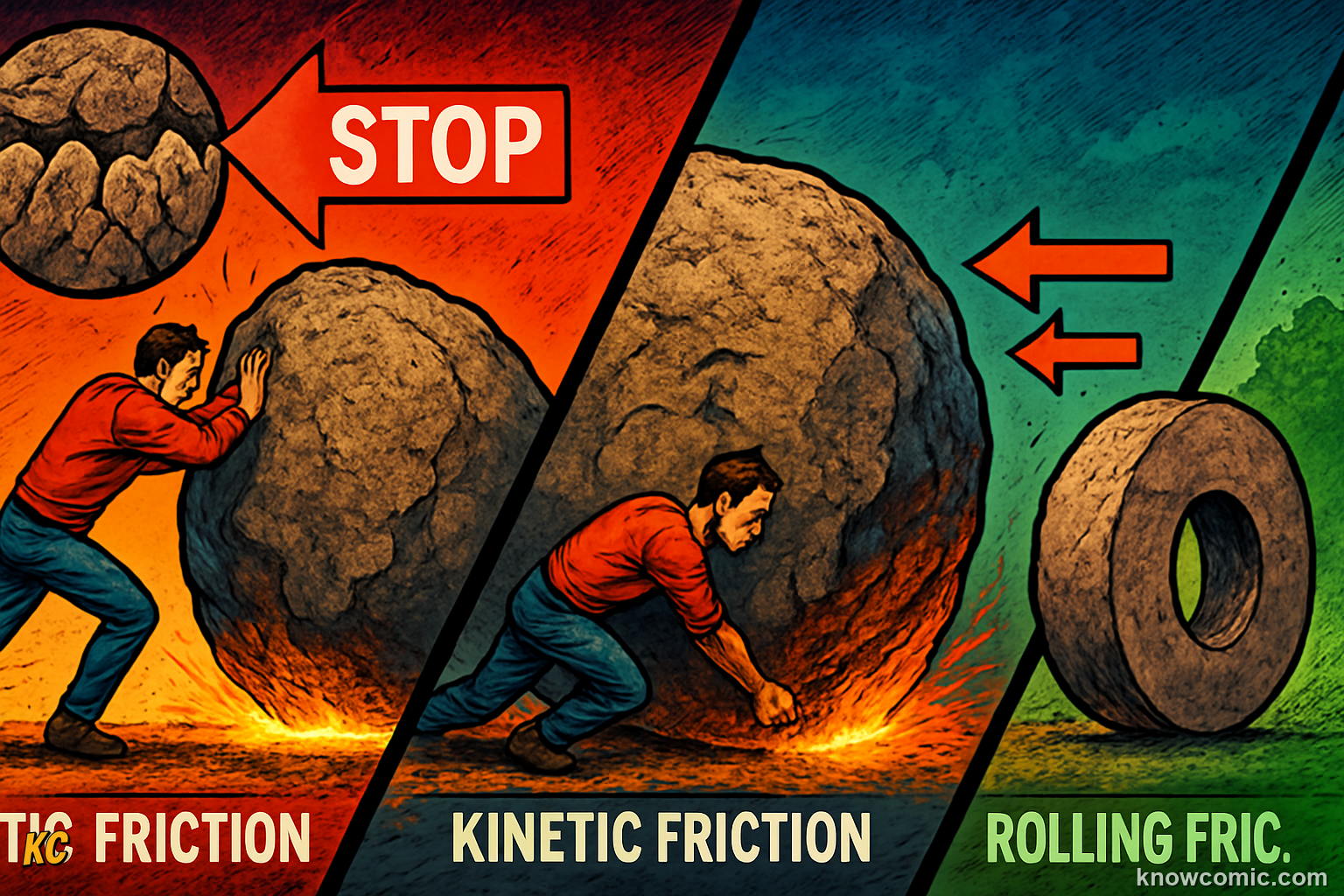
FIRST SHOVE IS THE TOUGHEST
Try shoving a heavy box. The first grunt is the biggest. After it glides, keeping it going feels easier. Stuck rub (we say static) beats sliding rub (kinetic) on the same floor. A ball on a wheel adds a third kind, rolling rub, usually the tiniest of the three. That is why wheels and skates were such a big deal: less drag, more roll.
PUSH!
STATIC FRICTION
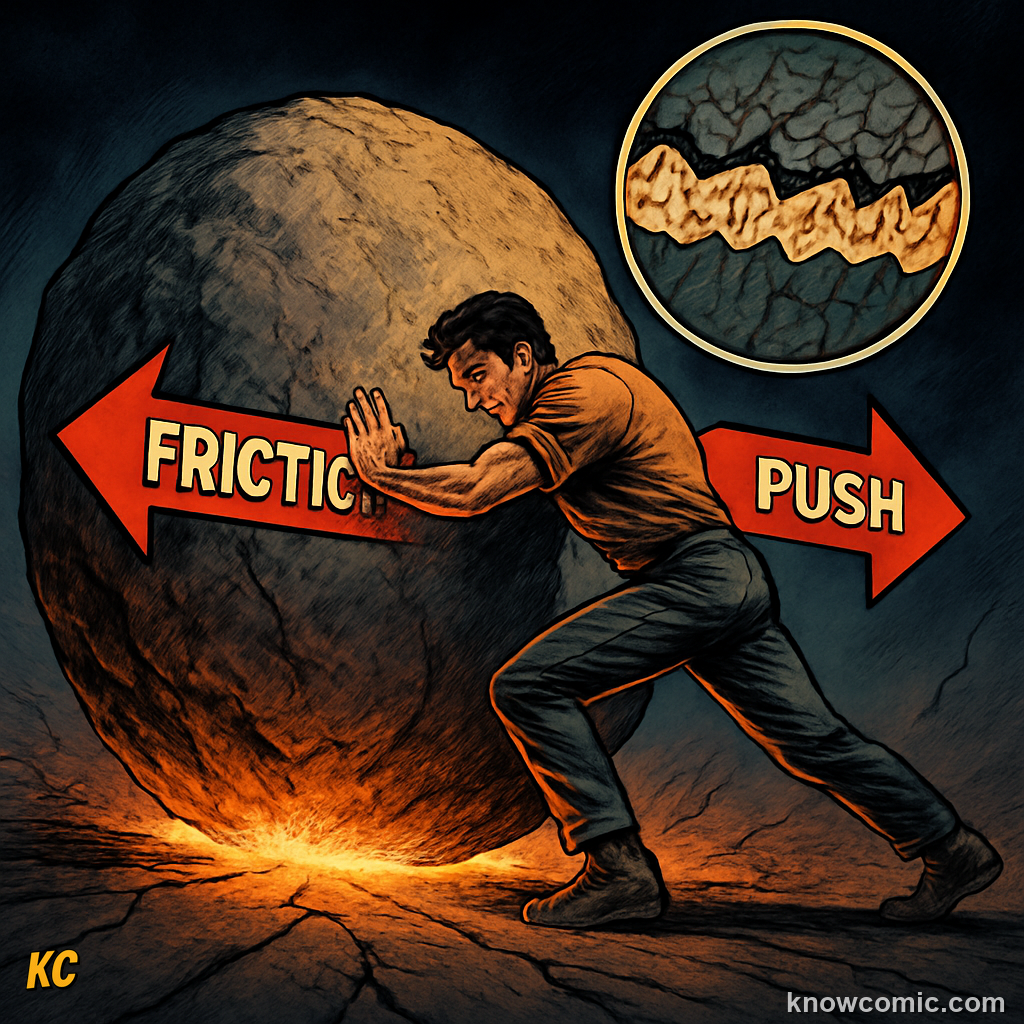
⛔ Acts when object is NOT moving
💪 Hardest type of friction to beat
✍️ Can match applied force up to a limit
💥 Once overcome, object starts to slide
💪 Hardest type of friction to beat
✍️ Can match applied force up to a limit
💥 Once overcome, object starts to slide
KINETIC FRICTION
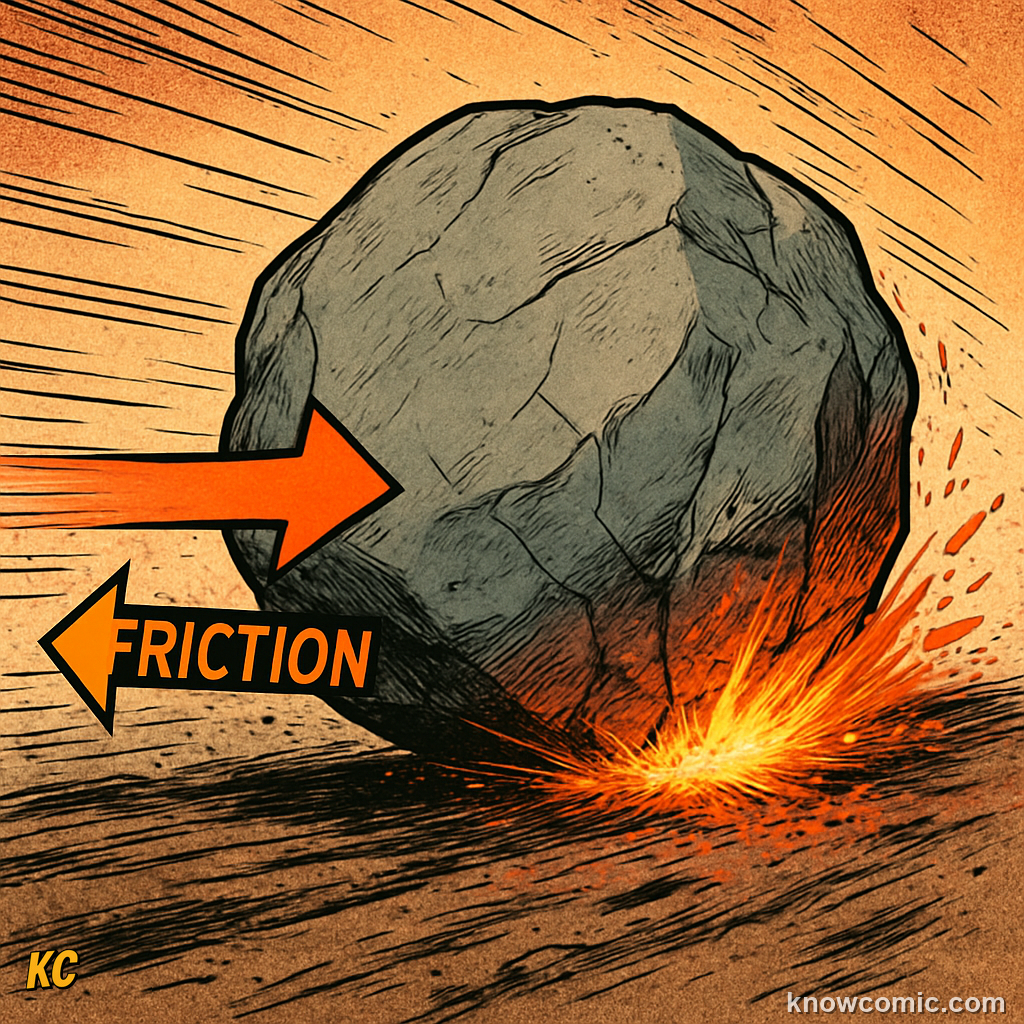
✅ Acts while surfaces are sliding
📈 Always less than static friction
🔴 Roughly constant during sliding
🎣 Braking, erasing, sanding all use this
📈 Always less than static friction
🔴 Roughly constant during sliding
🎣 Braking, erasing, sanding all use this
ROLLING FRICTION
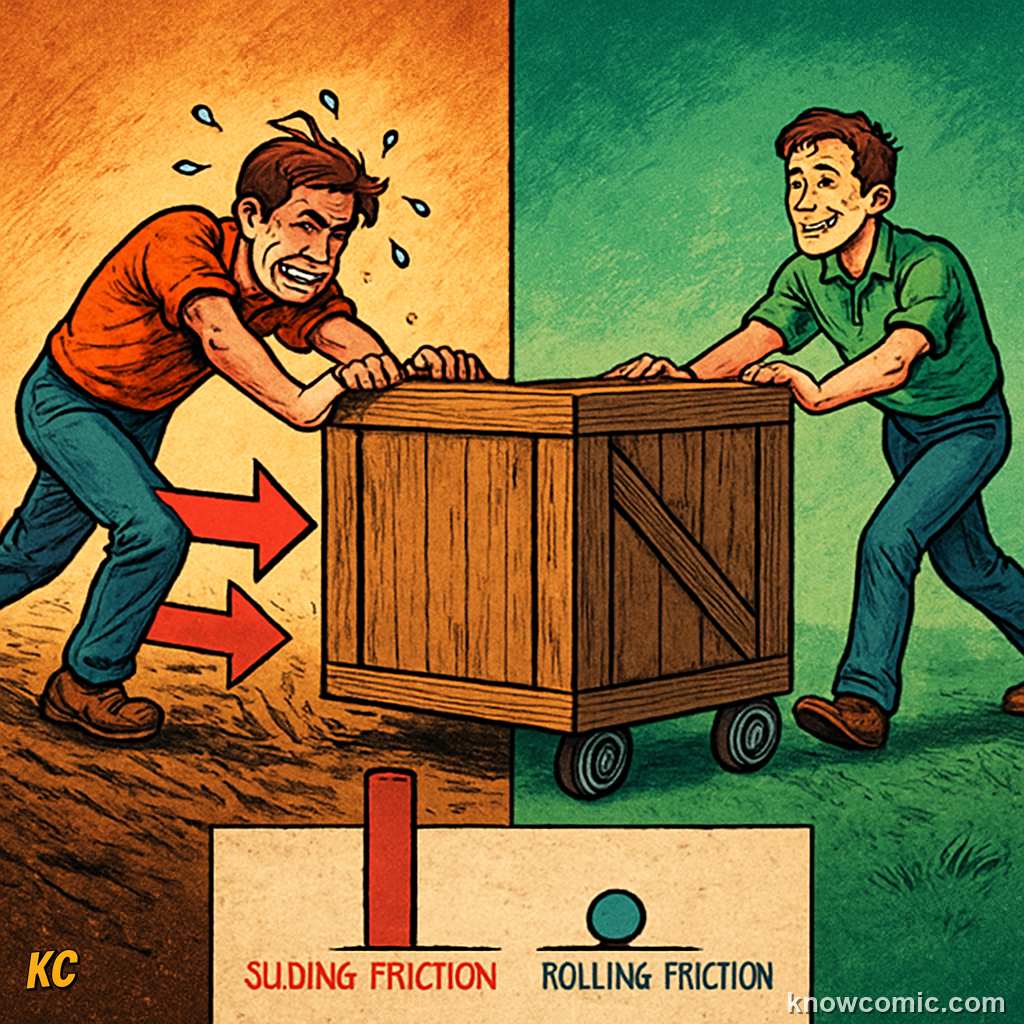
🔄 Ball/wheel rolls on surface
🔸 Much smaller than sliding friction
♿ Wheels, ball bearings use this
🚀 Why the wheel changed civilisation!
🔸 Much smaller than sliding friction
♿ Wheels, ball bearings use this
🚀 Why the wheel changed civilisation!
PAGE 3 OF 5 · RUB MAKES WARMTH
BRAKES: FRICTION STOPS CARS
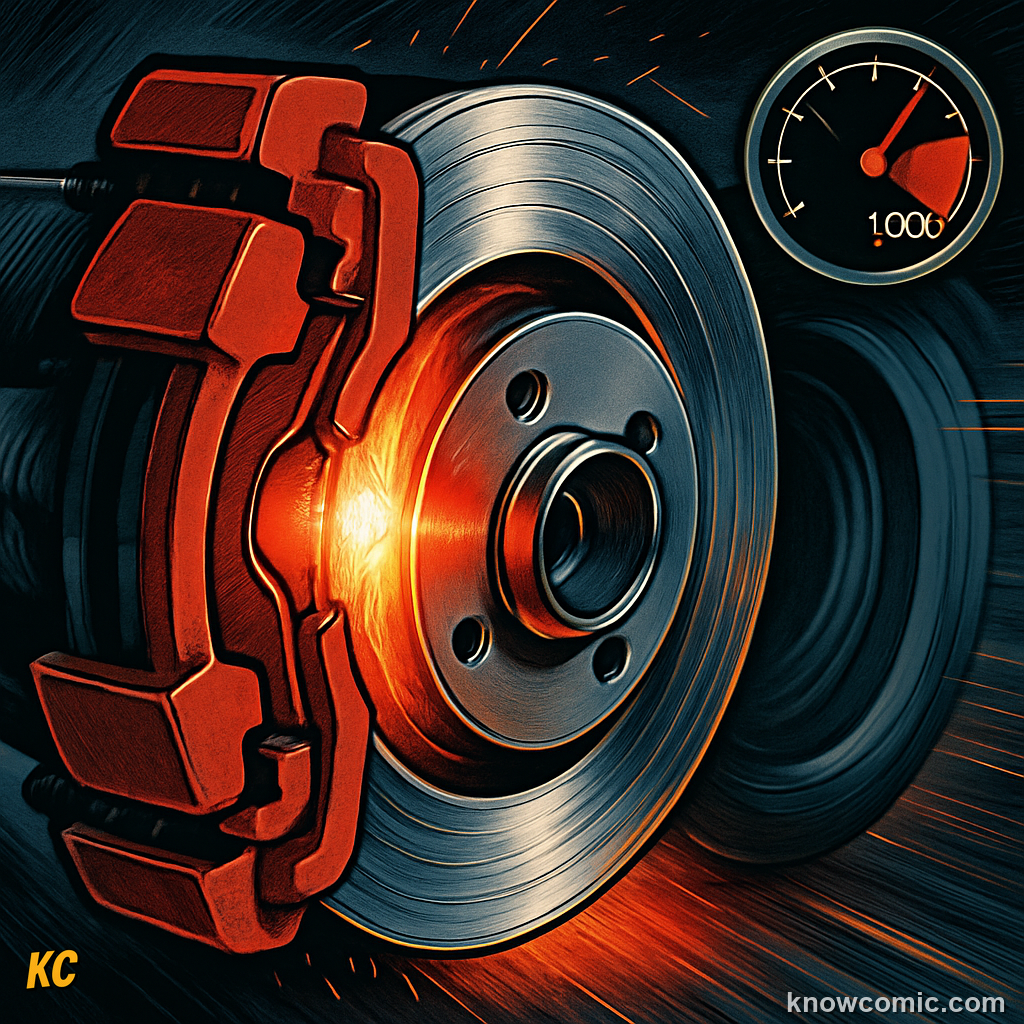
🚘 Brake pads grip spinning disc
🔥 Race brakes reach over 1,000°C
💪 Friction converts speed into heat
✅ ABS prevents wheel lock on ice
🔥 Race brakes reach over 1,000°C
💪 Friction converts speed into heat
✅ ABS prevents wheel lock on ice
FIRE FROM FRICTION
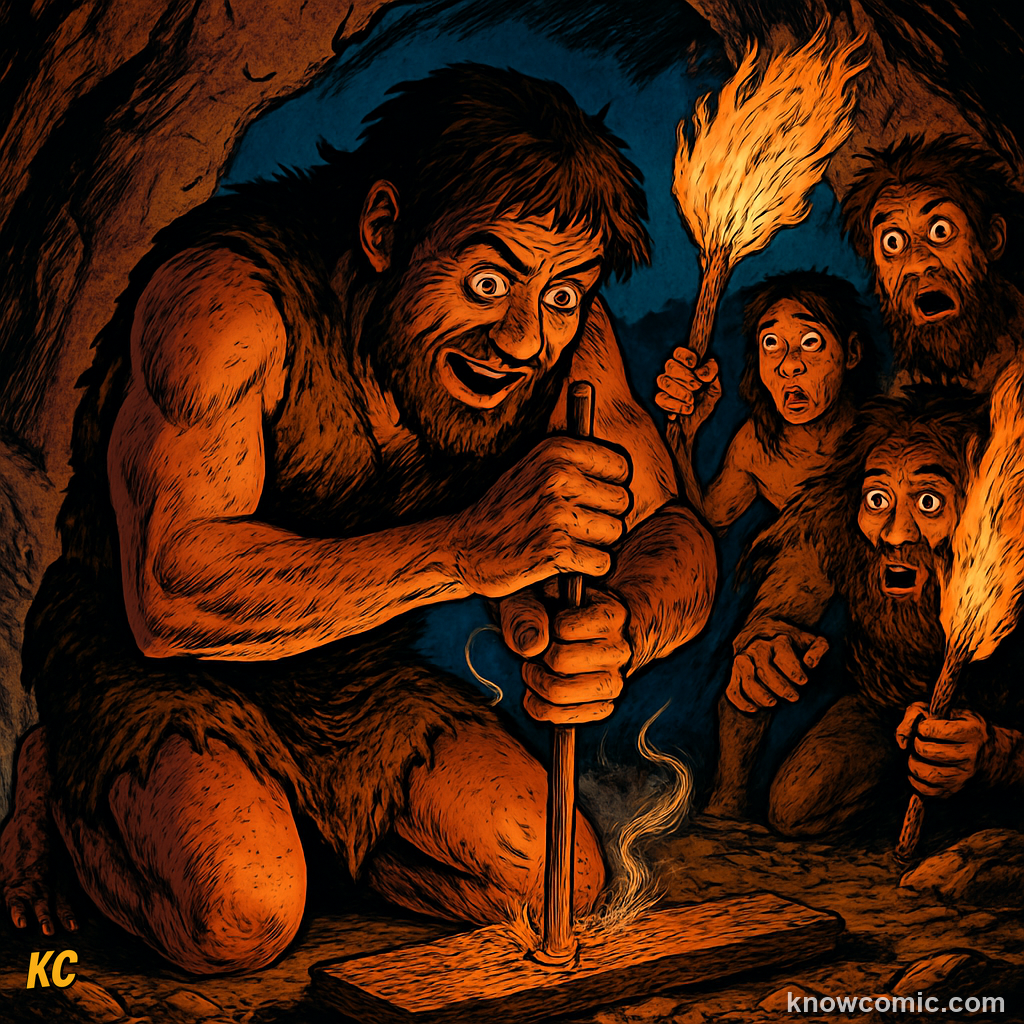
🧆 Sticks rubbed together create fire
🧱 Flint on steel makes sparks
🭥 Matches ignite from friction
🔥 Prehistoric humans used this trick
🧱 Flint on steel makes sparks
🭥 Matches ignite from friction
🔥 Prehistoric humans used this trick
THE HEAT WITHIN
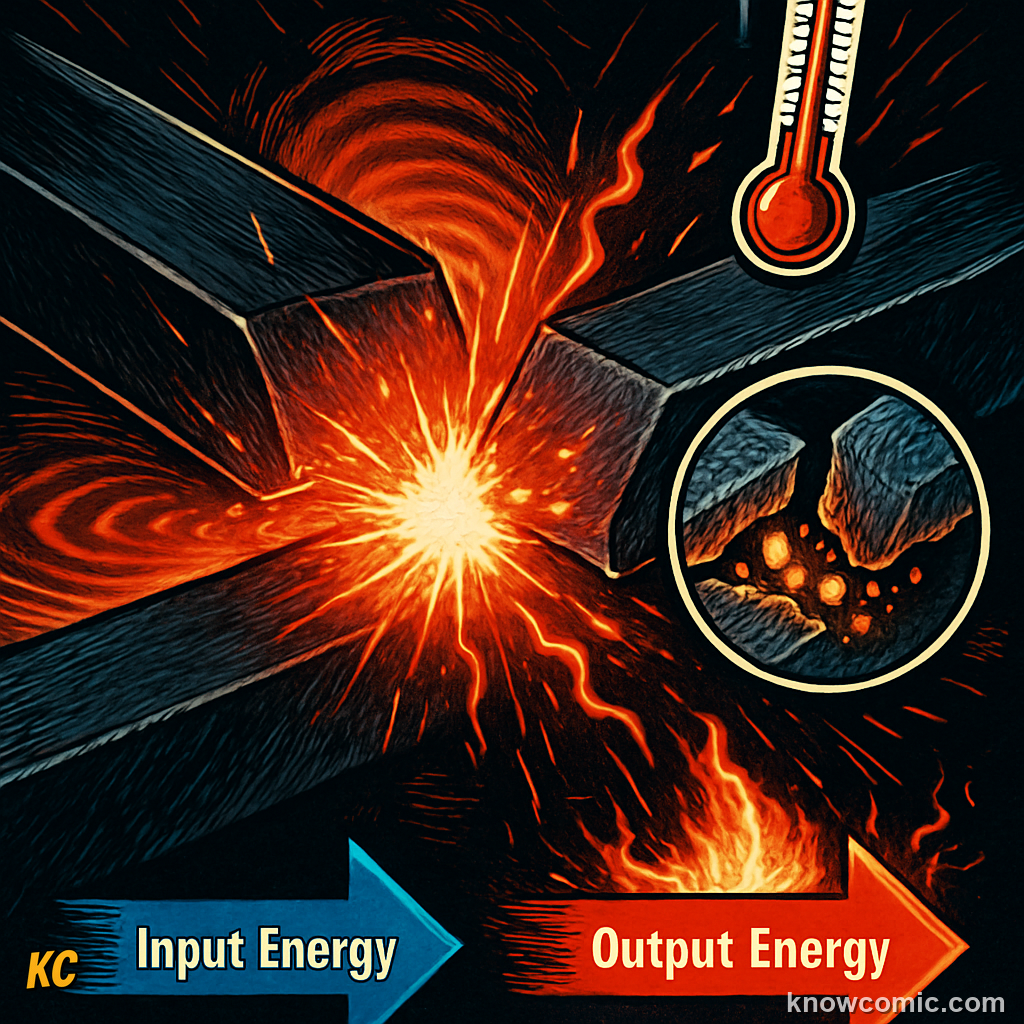
RUB FAST, FEEL HOT
Rub your hands together like you are cold. Warm, right? The rub steals a bit of motion and turns it into heat. Big fast things do the same on a bigger scale.
Brake pads squeeze a spinning disc and can glow. A ship coming home through air can toast its nose, so we give it a heat hat. Jeans wear thin where the chair always scratches them. Pull a rope too quick through your fingers, ouch, warm.
When rub slows something down, the missing motion often shows up as heat and sound and wear. It has to go somewhere.
Brake pads squeeze a spinning disc and can glow. A ship coming home through air can toast its nose, so we give it a heat hat. Jeans wear thin where the chair always scratches them. Pull a rope too quick through your fingers, ouch, warm.
When rub slows something down, the missing motion often shows up as heat and sound and wear. It has to go somewhere.
"Slow the slide, pay in warmth and a little dust."
BURN!
PAGE 4 OF 5 — FIGHTING FRICTION: LUBRICANTS, BEARINGS & SLIPPERY SURFACES
THE SCIENCE OF SLIPPERY
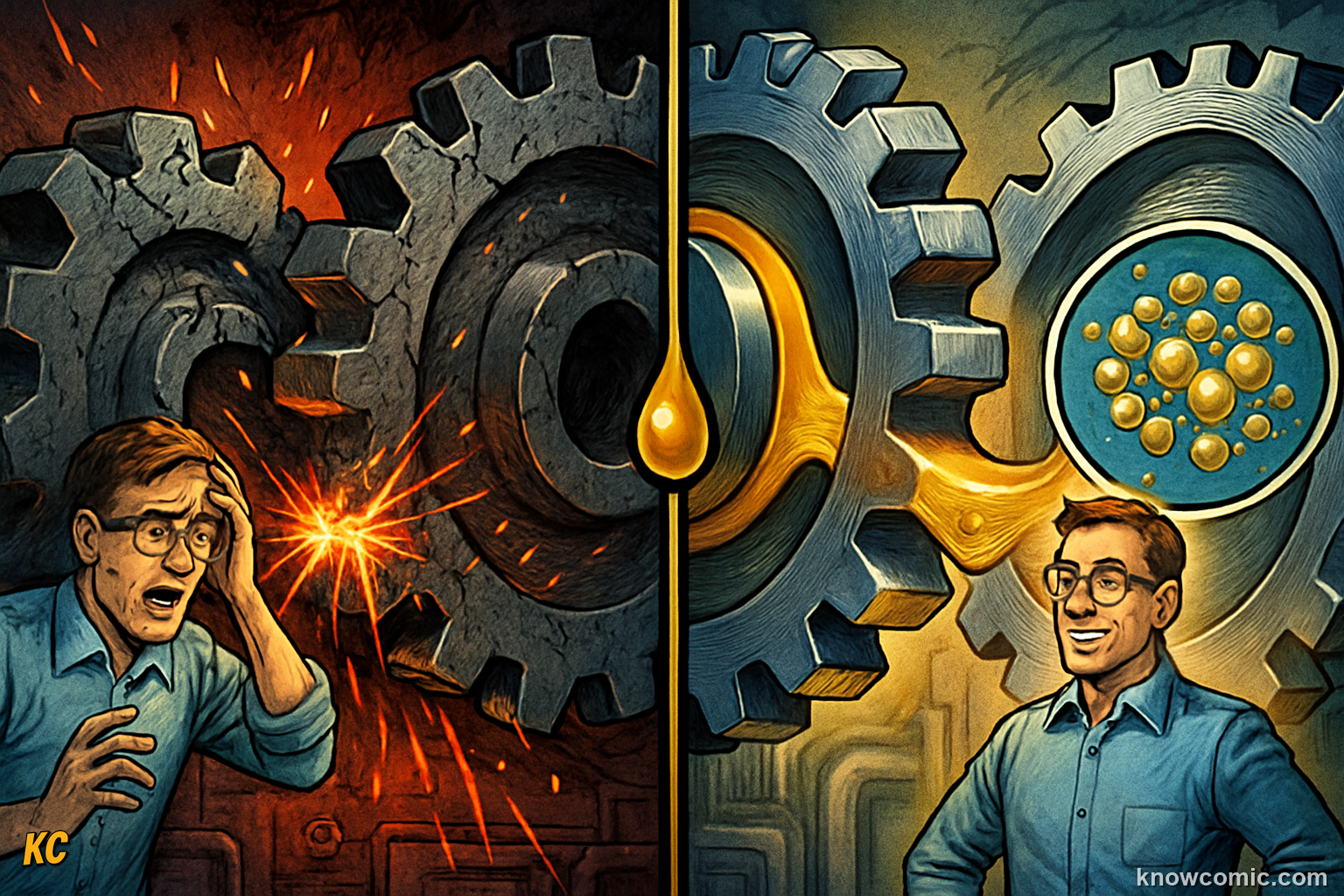
OIL KEEPS METAL FROM WELDING ITSELF
Grown ups pay a lot of money to calm friction in machines. Dry metal on dry metal can scratch, heat, and stick almost as soon as the motor spins. A thin oil film lets parts float on liquid instead of grinding like sandpaper. Long ago, people greased wooden sleds with animal fat to slide huge blocks. Today, fancy oils still do the same job: less rub, longer life, for cars, bikes, and toys with motors.
SLIDE!
OIL & GREASE
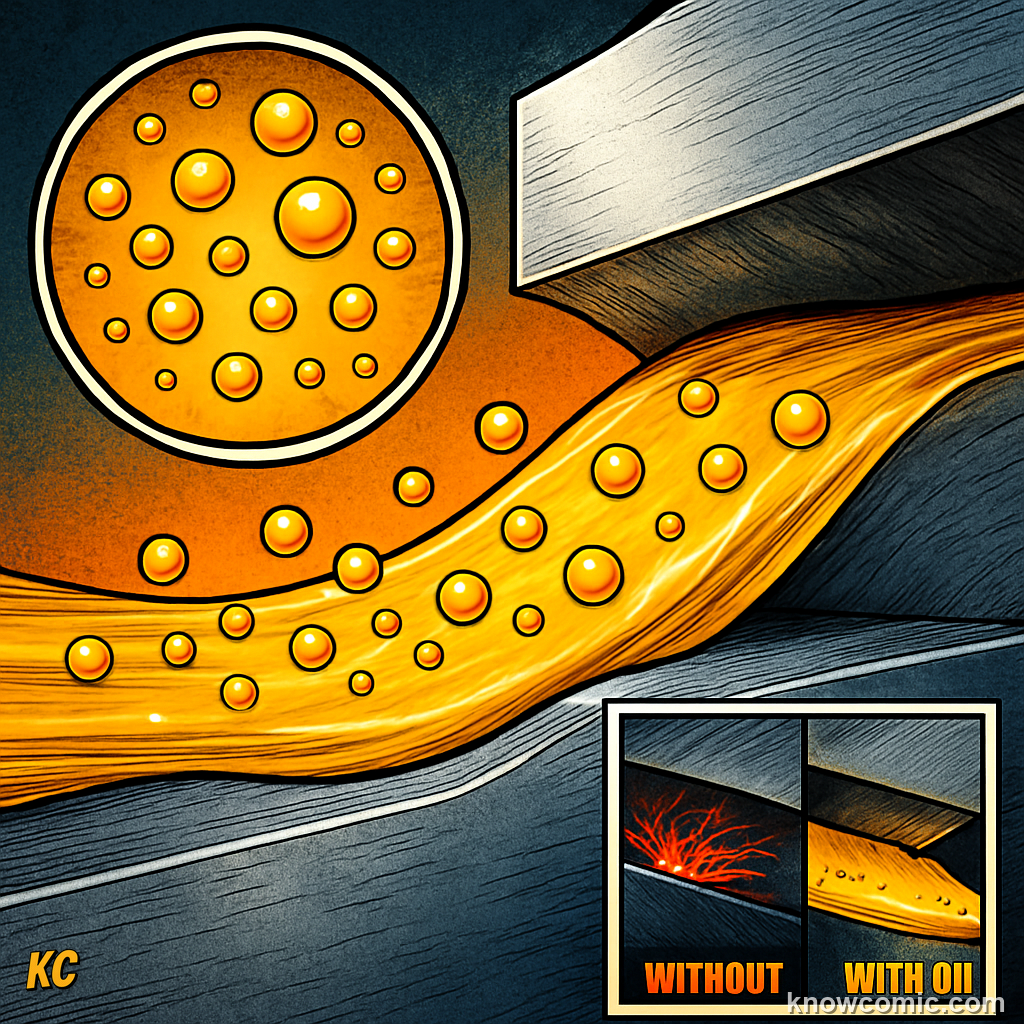
💧 Creates film between surfaces
⚙️ Used in engines, hinges, gears
🏭 Animal fat used in ancient Egypt
🧪 Modern synthetics: near zero friction
⚙️ Used in engines, hinges, gears
🏭 Animal fat used in ancient Egypt
🧪 Modern synthetics: near zero friction
BALL BEARINGS
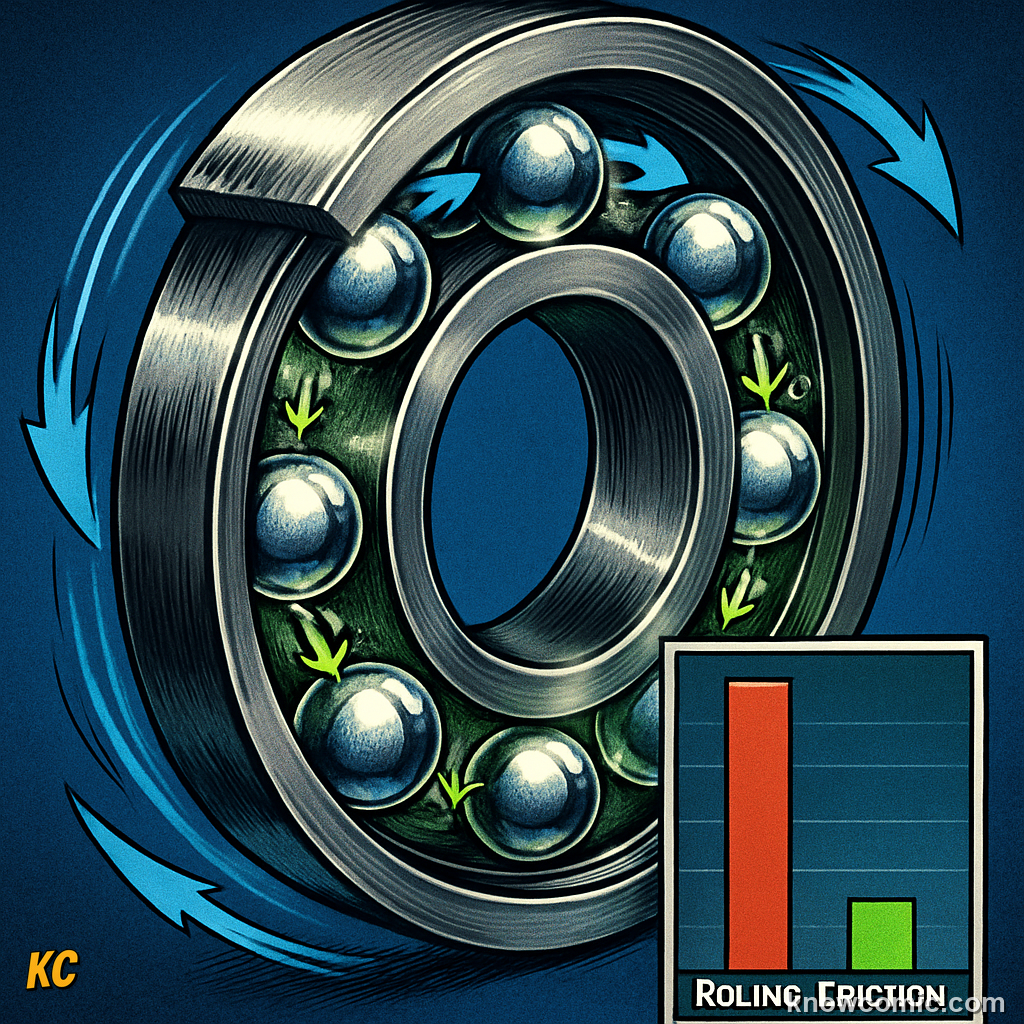
🔄 Steel balls replace sliding with rolling
📈 Rolling friction is far smaller
⚙️ Inside wheels, motors, hard drives
✅ Extend machine life dramatically
📈 Rolling friction is far smaller
⚙️ Inside wheels, motors, hard drives
✅ Extend machine life dramatically
TEFLON & LOW-FRICTION
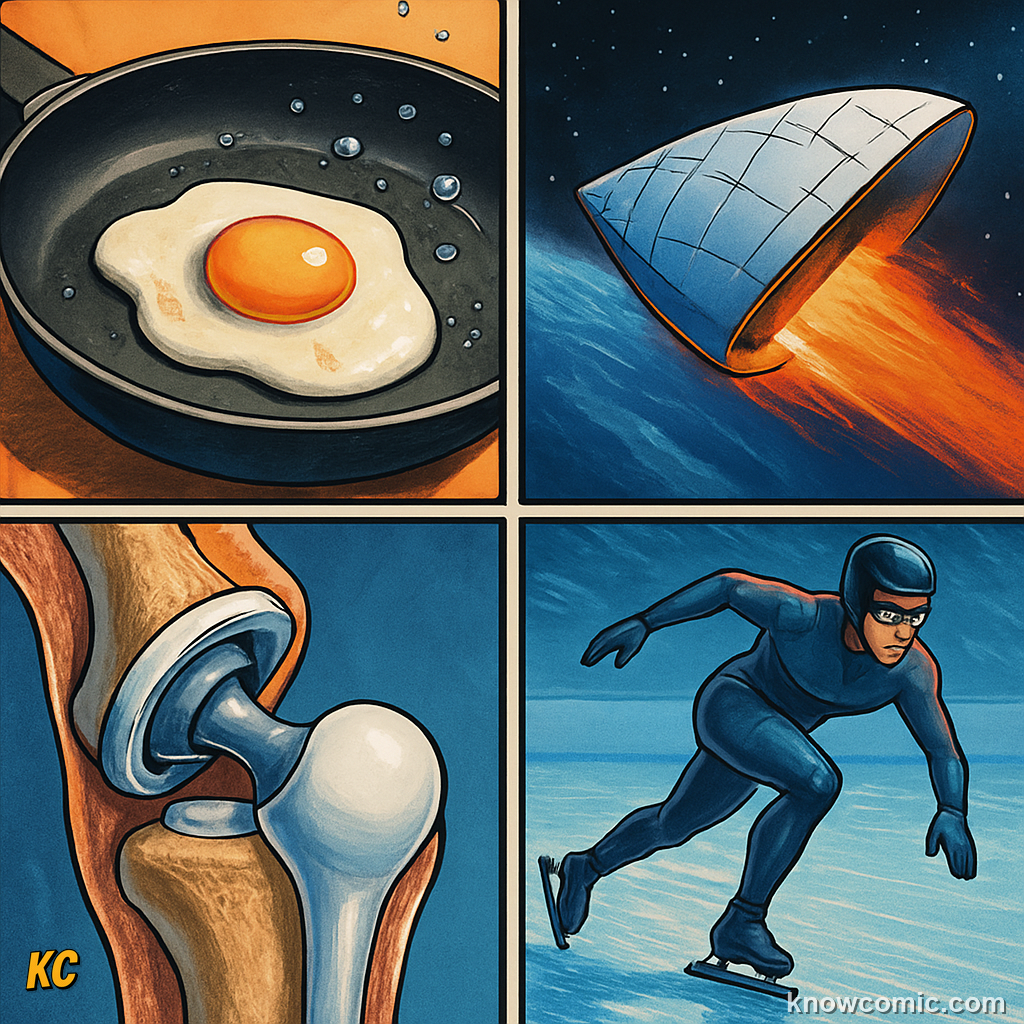
🆎 Teflon: lowest friction solid known
🆓 Non-stick pans, medical implants
🚀 Spacecraft tiles repel air friction
🔶 Streamlining reduces air resistance
🆓 Non-stick pans, medical implants
🚀 Spacecraft tiles repel air friction
🔶 Streamlining reduces air resistance
PAGE 5 OF 5 · RUB IN DAILY LIFE
FRICTION IN YOUR WORLD
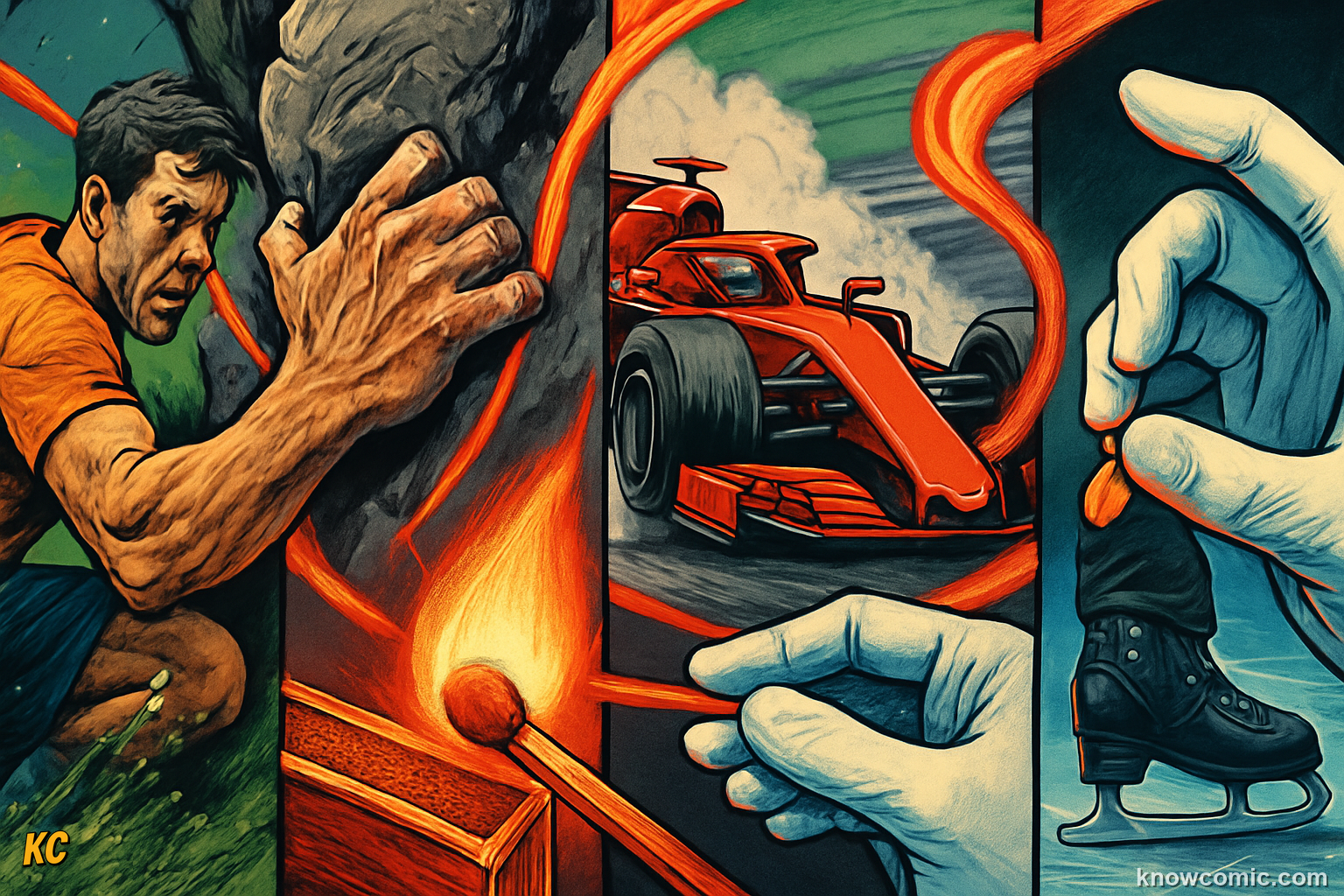
YOU USE IT ALL DAY, MOSTLY WITHOUT THINKING
Today you walked because rubber and road caught each other. You wrote because a tip dragged just enough. You ate with tools that do not shoot out of your hand. Games use it on purpose: nubby shoes on grass, chalk on skin for climbing, a sole that grips a court. Builders pick enough grip to be safe, not so much that wheels melt.
Slip city: ice, oil, or water can mean falls and skids. Scrape city: dry, hot rub can wear a toy out fast. Some grown ups study rub for a job to keep cars, shoes, and floors happy.
A little controlled drag is how we steer a day.
Slip city: ice, oil, or water can mean falls and skids. Scrape city: dry, hot rub can wear a toy out fast. Some grown ups study rub for a job to keep cars, shoes, and floors happy.
A little controlled drag is how we steer a day.
"Give a kid shoes with grip, and the world stays upright."
HOLD!
SPORTS & FRICTION
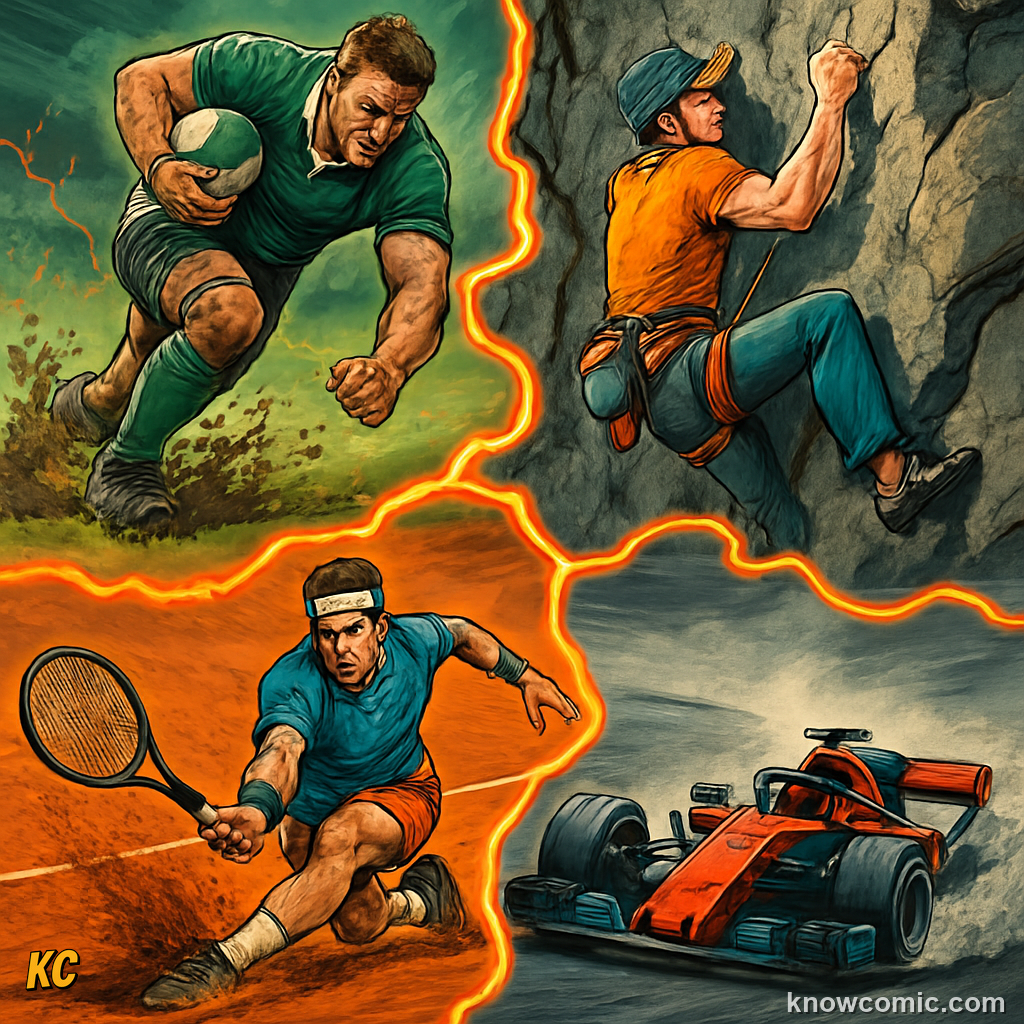
⚽ Football studs grip wet grass
🏐 Chalk gives climbers extra grip
🏓 Different courts = different spin
🚘 Racing slicks: maximum tyre grip
🏐 Chalk gives climbers extra grip
🏓 Different courts = different spin
🚘 Racing slicks: maximum tyre grip
KEY TAKEAWAYS
📌 REMEMBER THIS
✦ Friction is the sideways no thanks when stuff tries to slide
✦ Stuck rub is usually strongest, then sliding rub, rolling rub is often smallest
✦ Big rub can turn motion into heat and wear
✦ Oil and smooth tricks calm rub; sand and hard presses add rub
✦ Stuck rub is usually strongest, then sliding rub, rolling rub is often smallest
✦ Big rub can turn motion into heat and wear
✦ Oil and smooth tricks calm rub; sand and hard presses add rub
🧠 QUIZ TIME!
FRICTION: THE SLOWING FORCE · 5 QUESTIONS
QUESTION 01
Why do two surfaces push back when they try to slide?
QUESTION 02
What needs a harder first push, getting a box to move, or keeping it sliding slow and steady?
QUESTION 03
Why can brakes on a fast car get roasty when you stop hard?
QUESTION 04
Why is rolling a ball easier than dragging a same-weight block?
QUESTION 05
In simple words, how does oil help a motor’s moving parts?
0/5
LOADING...