🧂 SALTWATER: WHY IS THE SEA SALTY?
PAGE 1 OF 5, RIVERS DELIVER THE INGREDIENTS
WASH
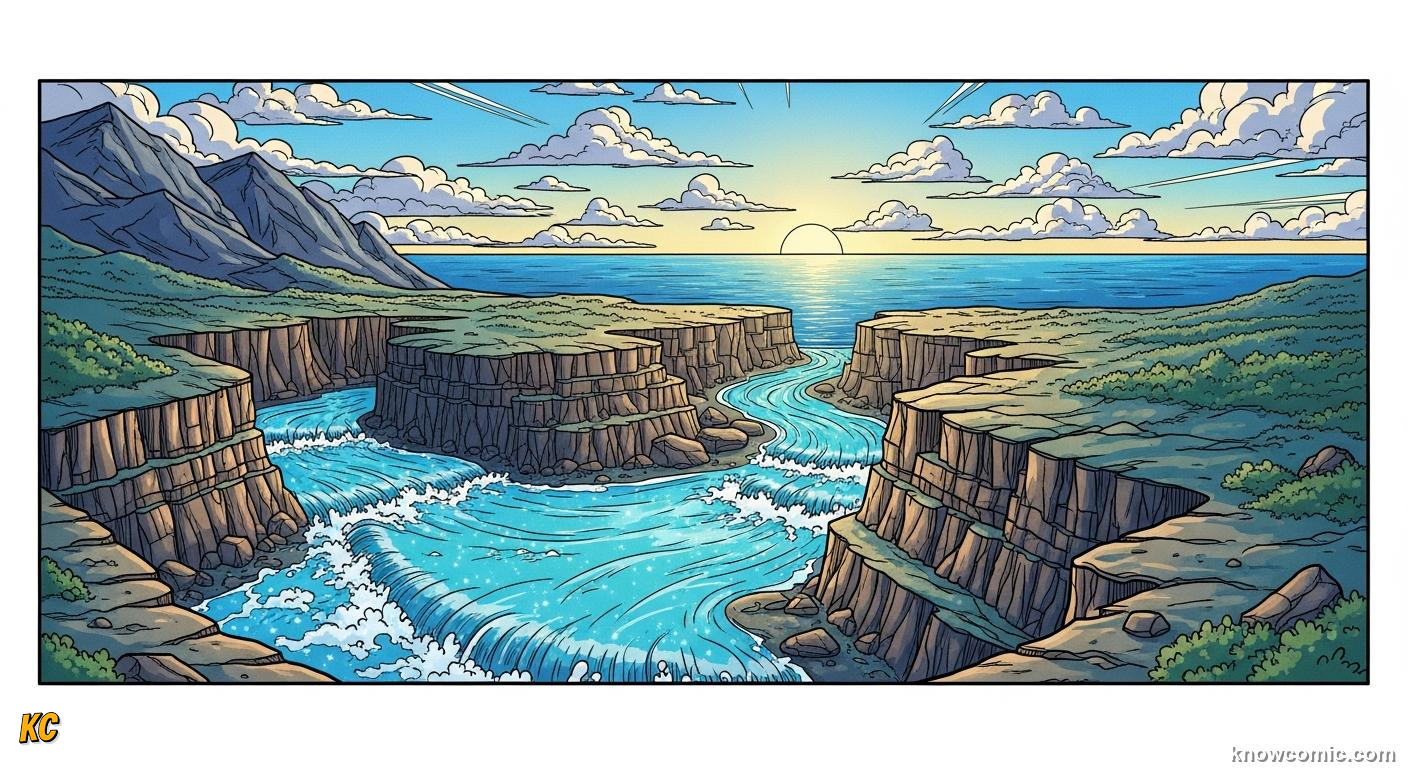
RAIN AND RIVERS SCRAPE THE CONTINENTS
Every drop of rain is slightly acidic, it nibbles volcanic rock and limestone, freeing sodium, chloride, calcium, sulphate and more into solution. Streams merge into rivers that roar to the coast carrying a dissolved mineral cargo. That cargo is dilute compared with the sea, but the ocean has been collecting it for billions of years while continents slowly recycle.
⚡ DID YOU KNOW?
Hydrothermal vents and underwater volcanoes also swap chemicals with seawater, geology and water chemistry stay partners.
IONS!
RAIN
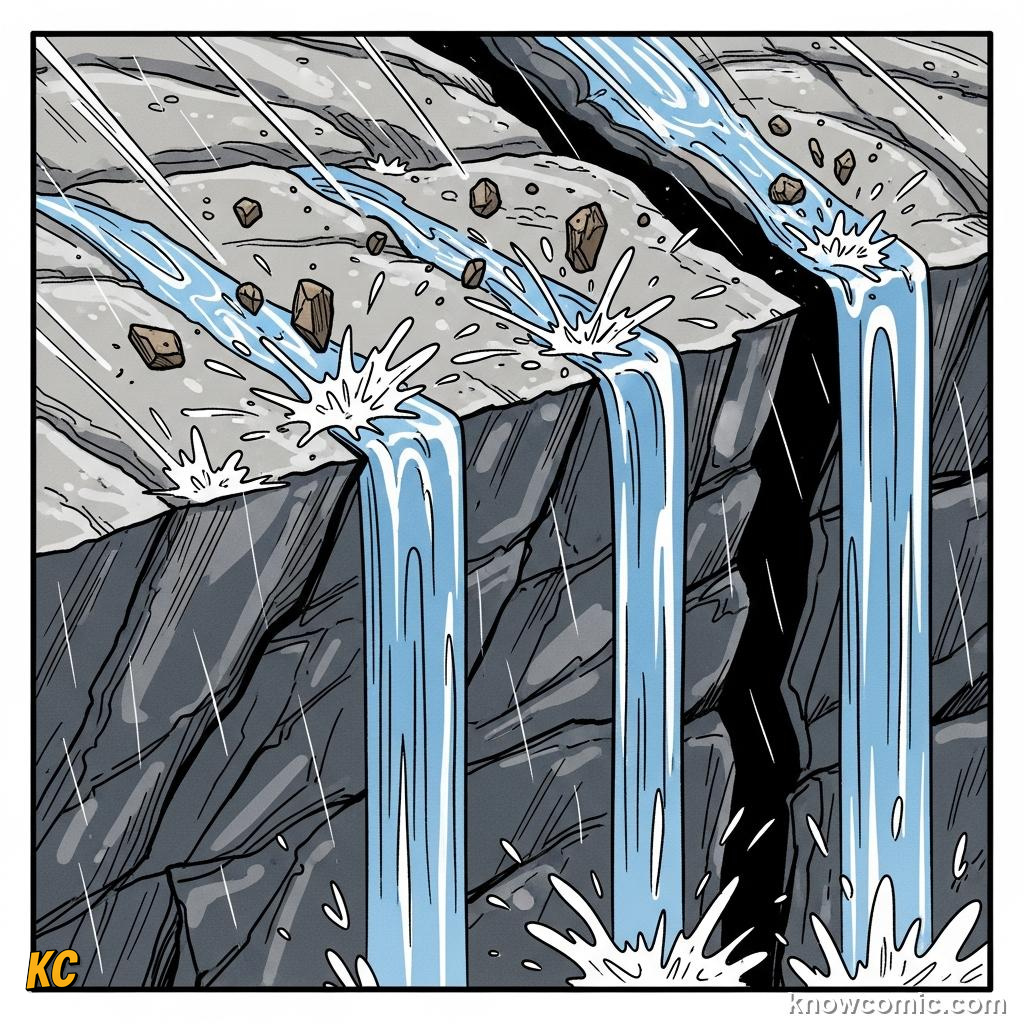
🌧️ Weak carbonic acid in droplets
🪨 Dissolves minerals grain by grain
🪨 Dissolves minerals grain by grain
DELTA
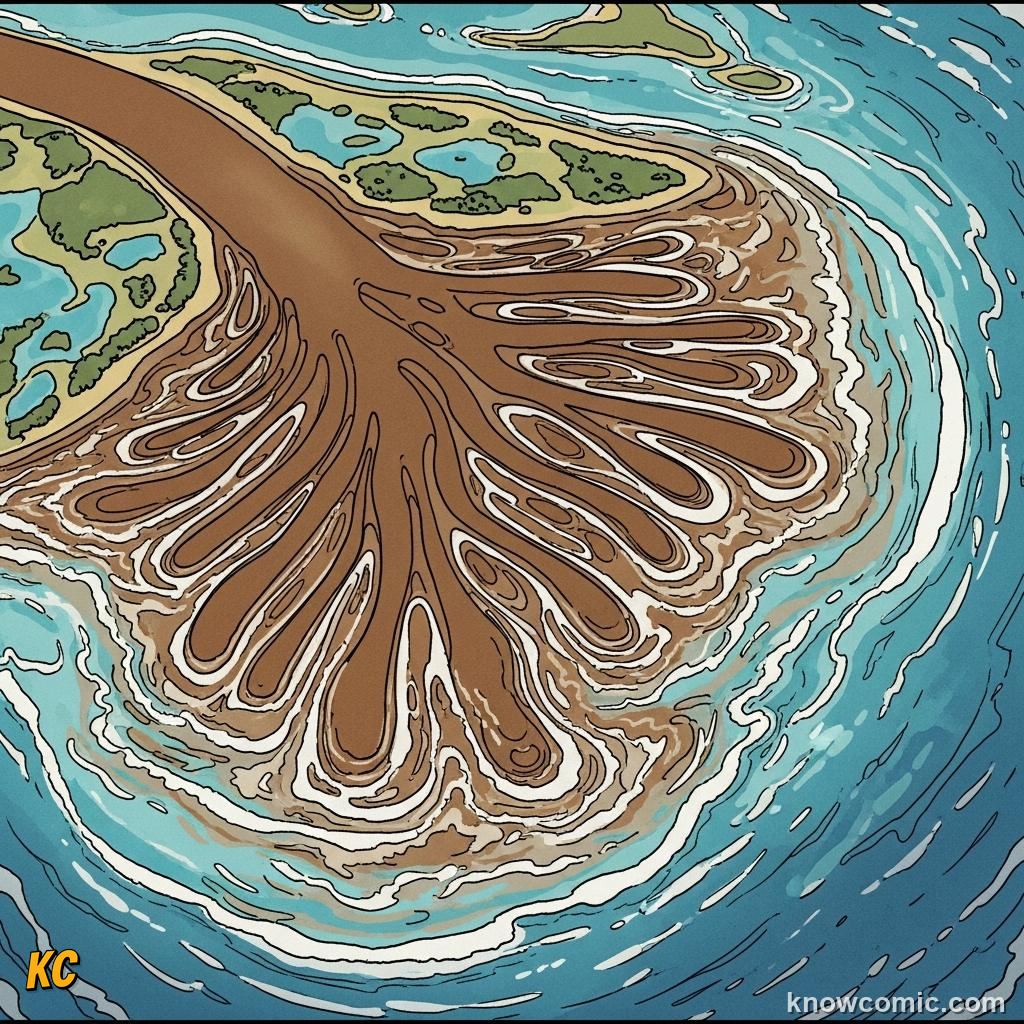
🌊 Brown plume meets blue ocean
📦 Mud + ions ride the current
📦 Mud + ions ride the current
PAGE 2 OF 5, EVAPORATION TRAPS THE SALT
CYCLE
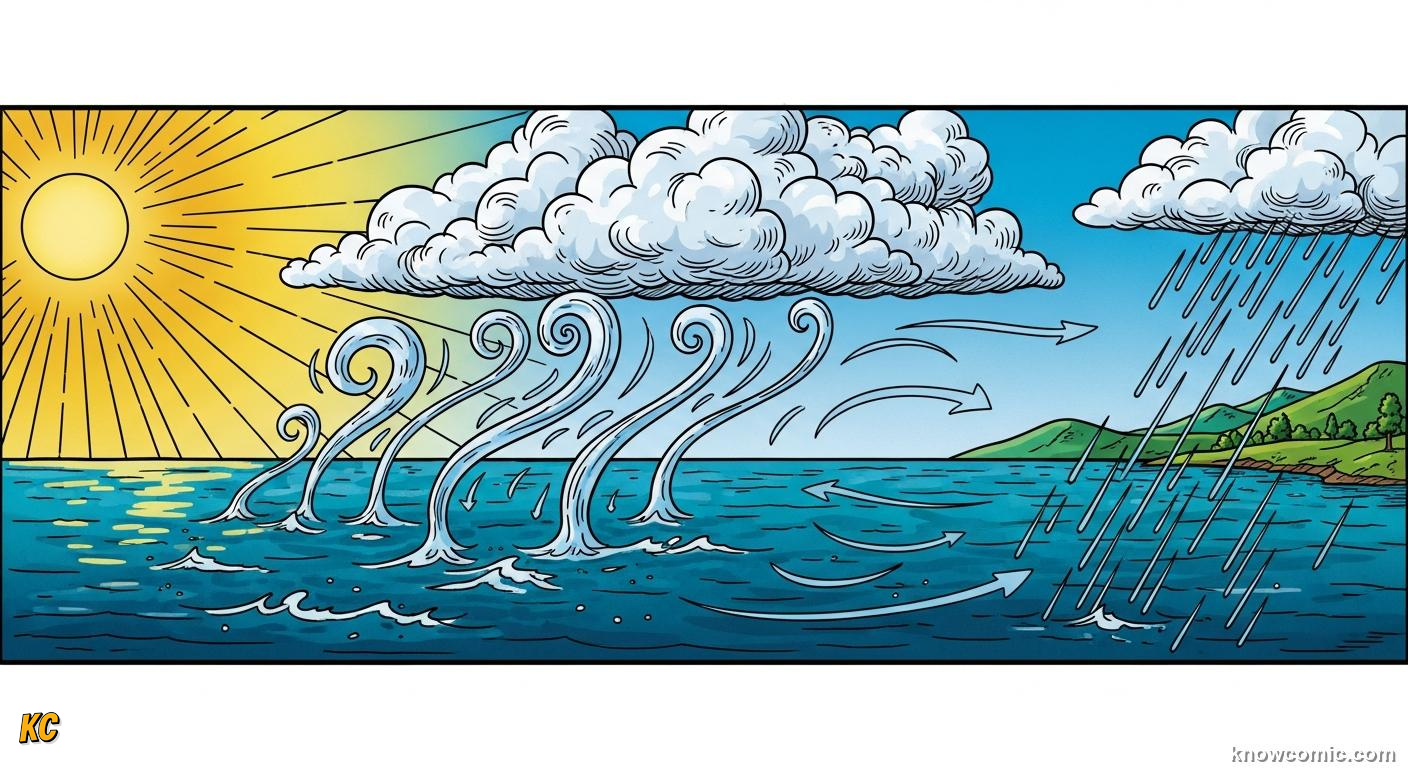
WATER LEAVES; MOST IONS STAY BEHIND
Sunlight lifts huge amounts of pure water vapour from the ocean surface, salt does not evaporate with it. Clouds drift inland, rain falls on land, rivers return the water minus what plants and soil keep. Each loop leaves a tiny extra pinch of ions in the basin compared with a world without cycling. Over geologic time that pinch becomes the briny soup we taste on our lips.
STAY!
VAPOUR
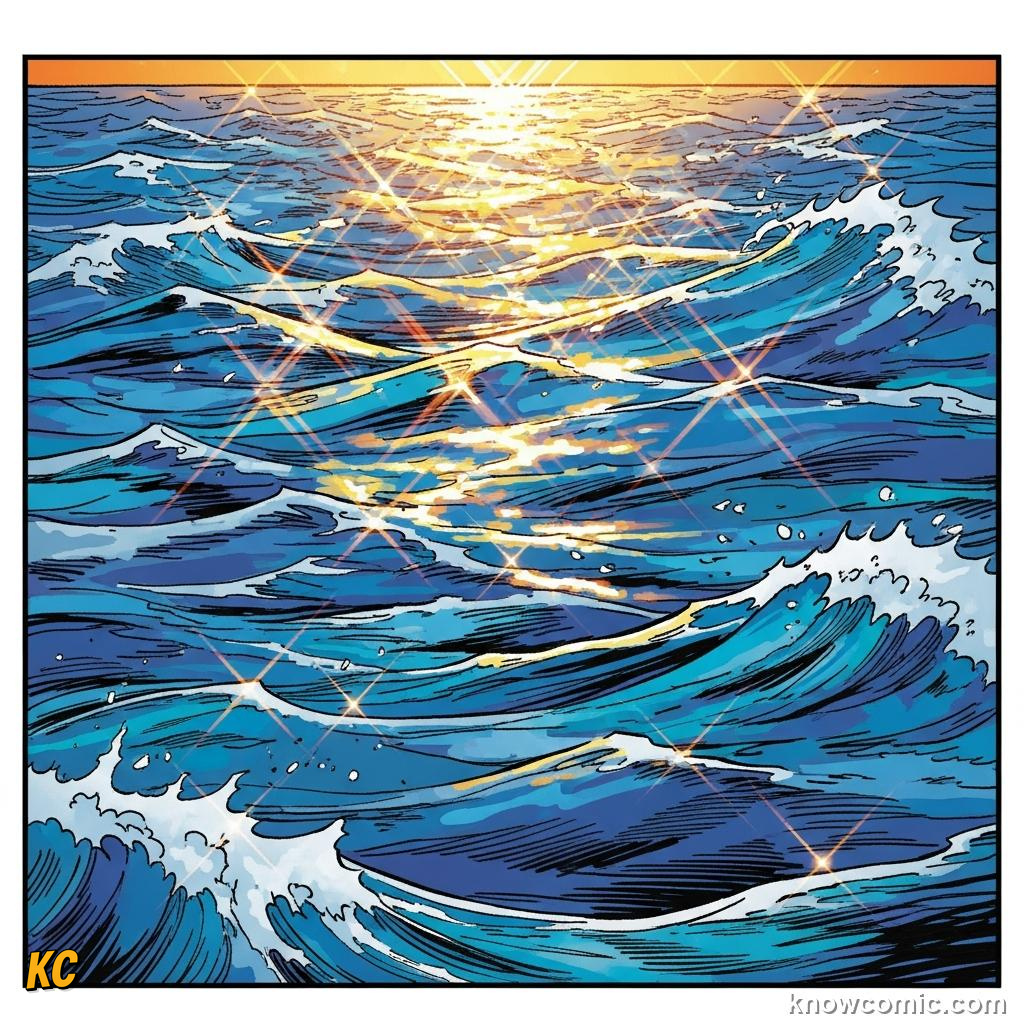
☀️ Heat drives evaporation
🧂 Salt rejected at the surface film
🧂 Salt rejected at the surface film
ICE
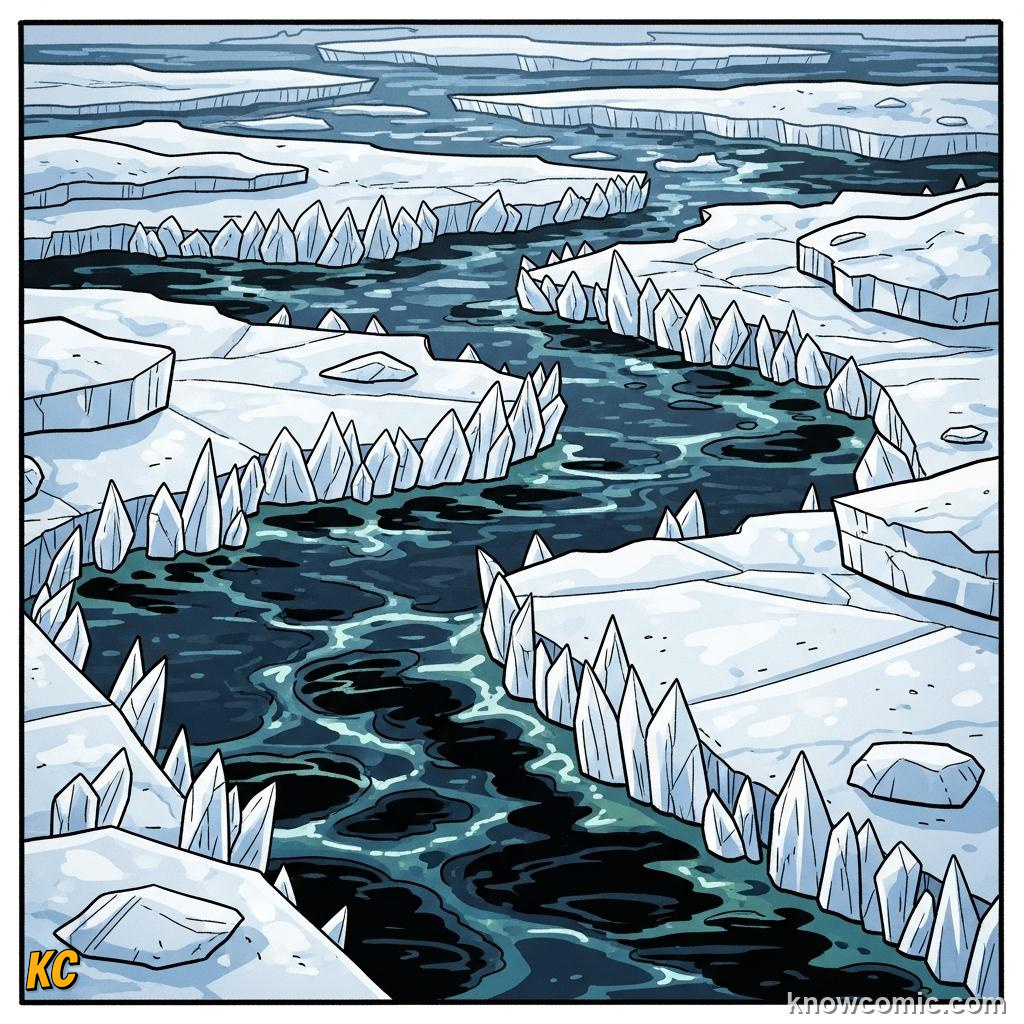
❄️ Sea ice freezes out fresh water
🧊 Brine channels squeeze super-salty pockets
🧊 Brine channels squeeze super-salty pockets
BALANCE
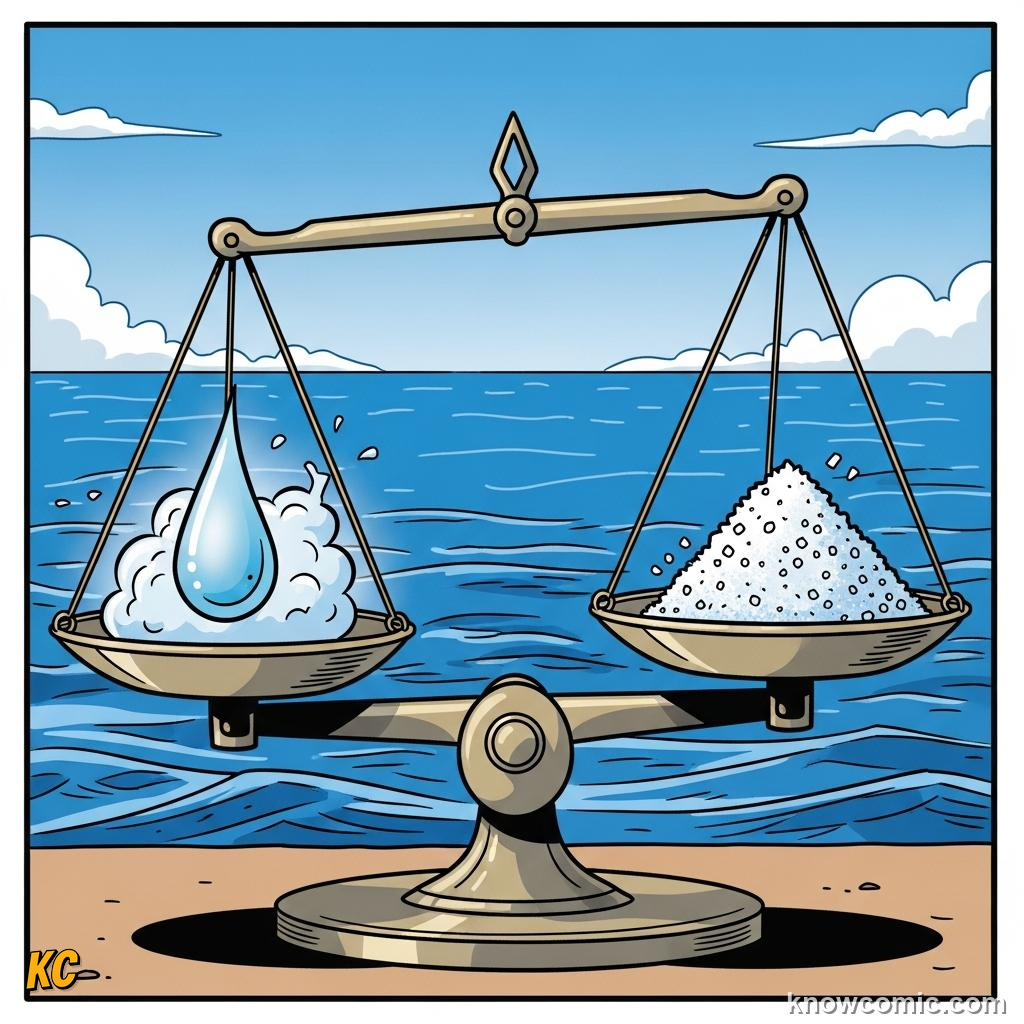
⚖️ Inputs ≈ outputs over long spans
📉 Sea salt is not still skyrocketing
📉 Sea salt is not still skyrocketing
PAGE 3 OF 5, THE RECIPE IN EVERY DROP
Na · Cl
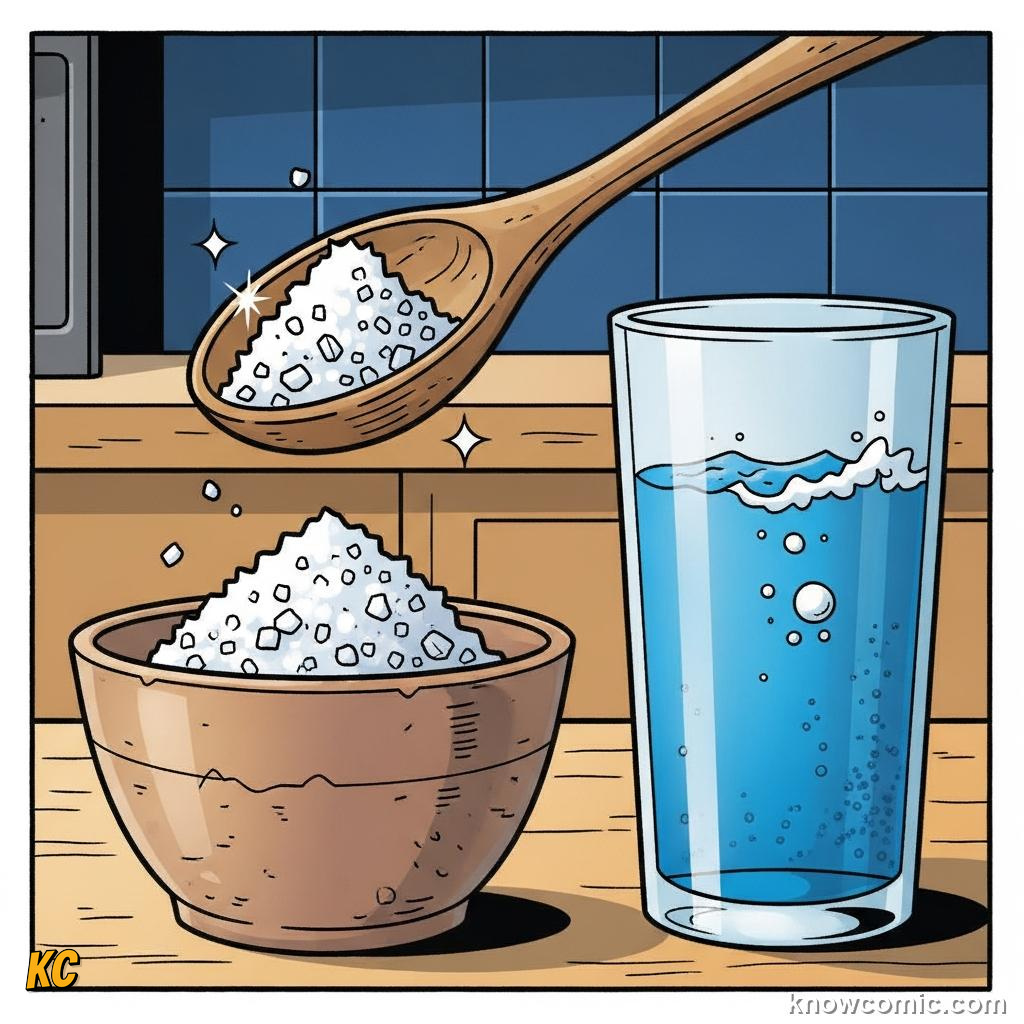
🧂 Table-salt pair dominates mass
⚗️ Chloride tracks ancient outgassing too
⚗️ Chloride tracks ancient outgassing too
PLUS
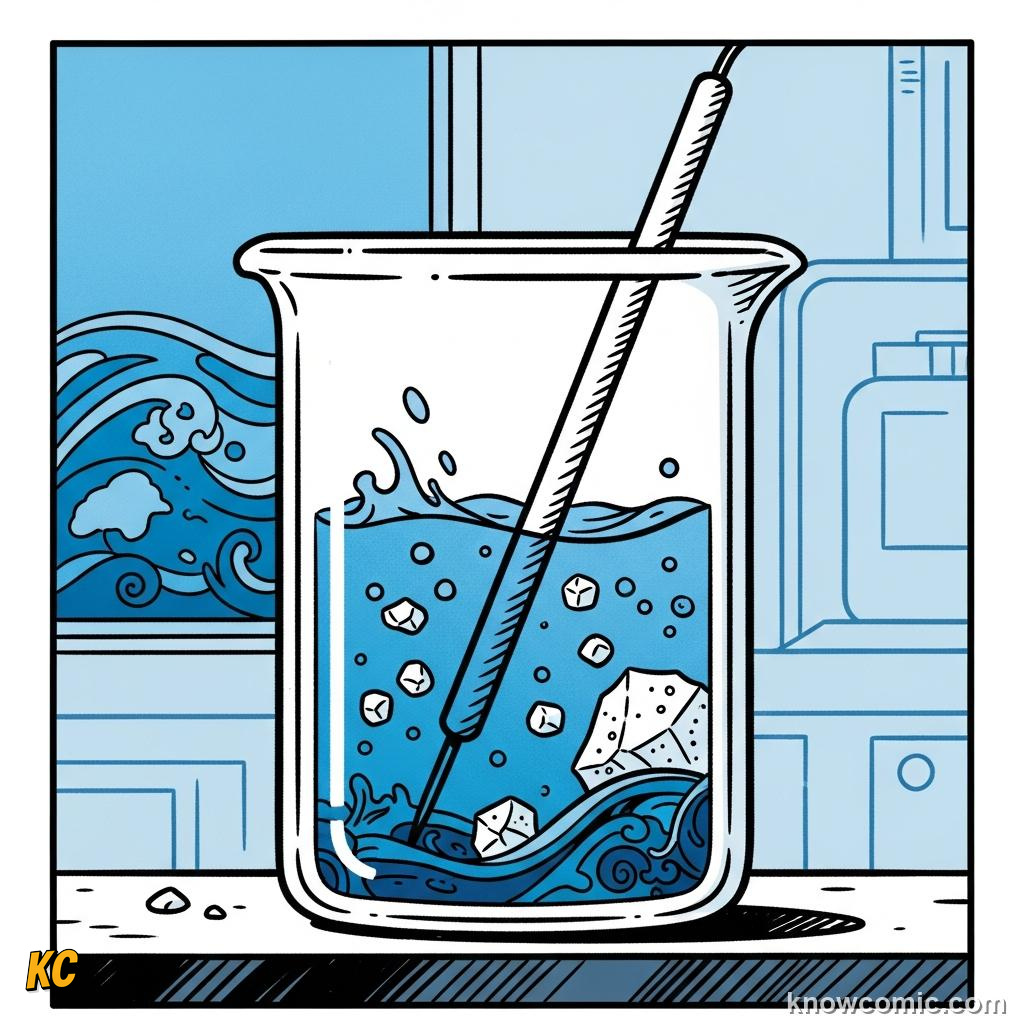
🧪 Sulphate, magnesium, calcium ions
📊 Trace nutrients plants need
📊 Trace nutrients plants need
SALINITY
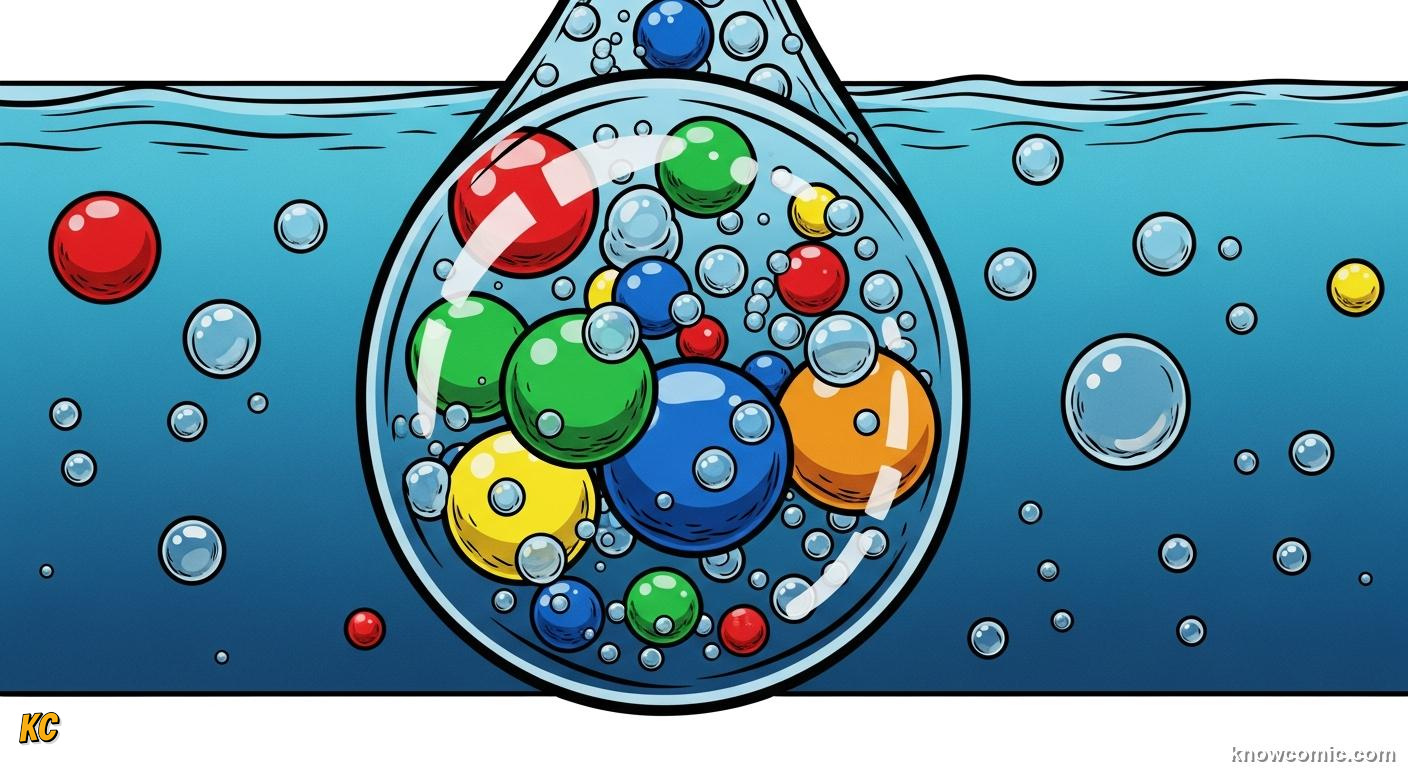
ABOUT 35 PARTS PER THOUSAND TYPICALLY
Open ocean salinity hovers near 3.5% by mass, enough to sting eyes, buoy swimmers, and let submarines float with careful ballast. Rain dilutes near coasts; hot dry winds and restricted basins like the Red Sea push numbers higher. Chemists measure conductivity; sailors once tasted and weighed samples, same ocean, many ways to ask how salty.
35!
PAGE 4 OF 5, FRESH MEETS SALT
MIX
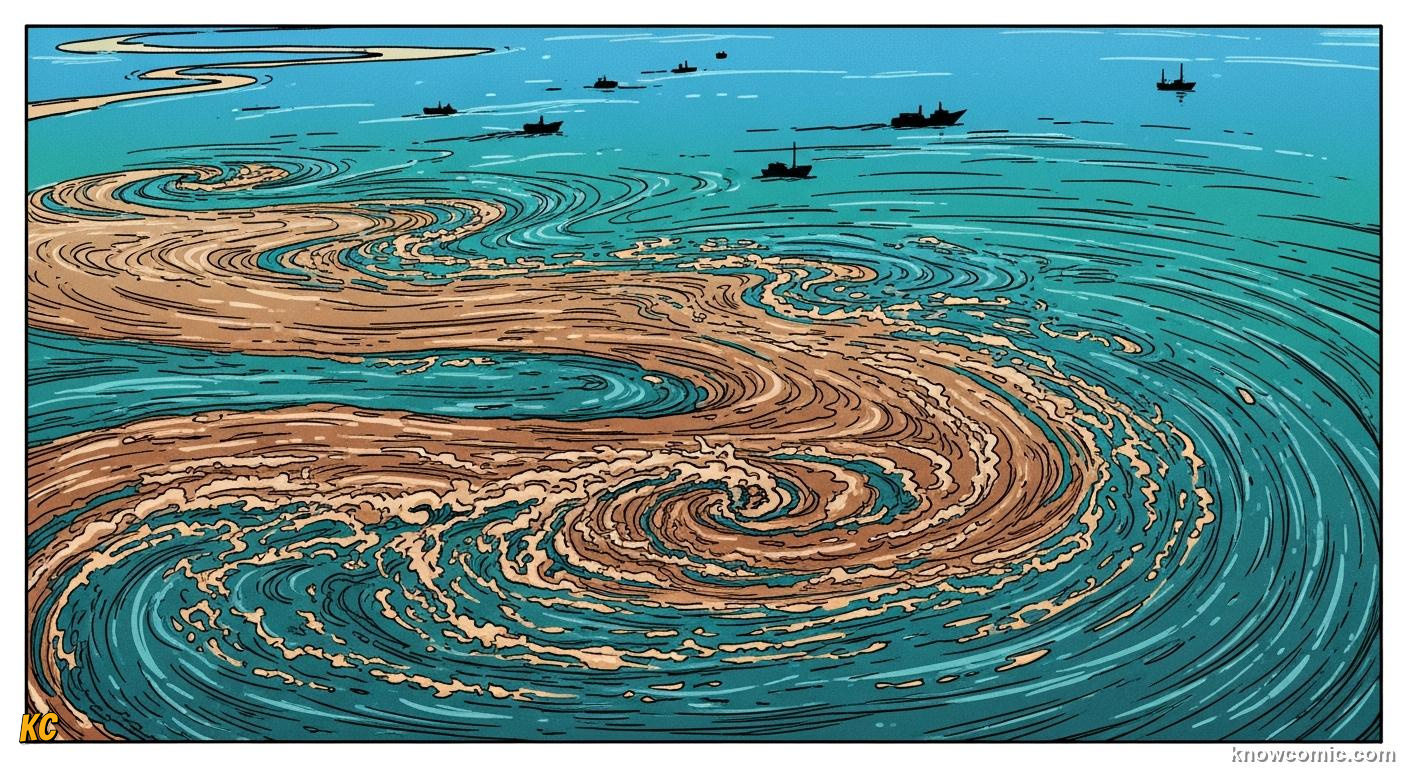
ESTUARIES AND HALOCLINES
Where rivers ram into the sea, layered cakes of density form, fresher water can ride atop denser salt wedge or tuck underneath depending on tides and wind. Fish and larvae surf those gradients; oysters filter both worlds. Understanding the blend matters for ports, desalination intakes, and predicting how far drought-reduced river flow lets salt creep upstream.
MIX!
LAYER
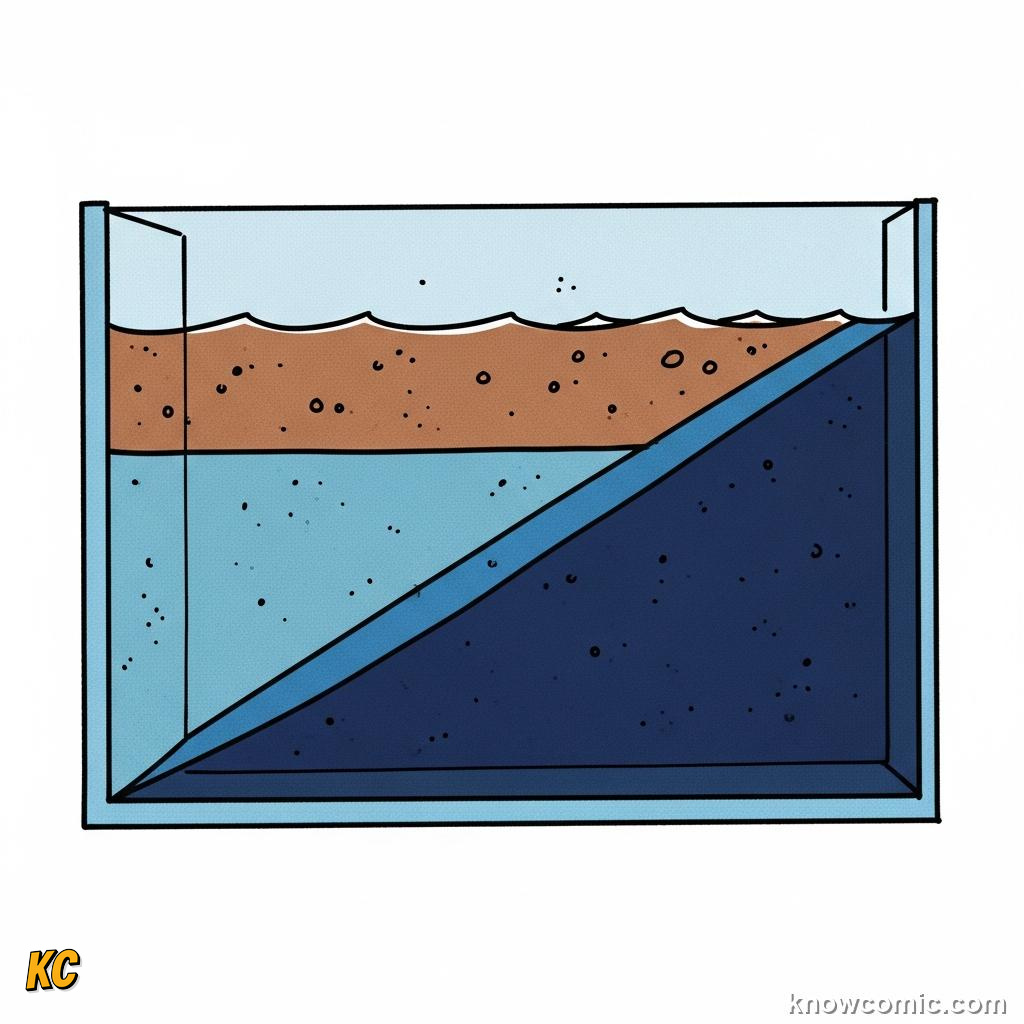
📊 Sharp salinity vs depth curves
🌀 Stirred by storms + tides
🌀 Stirred by storms + tides
LIFE
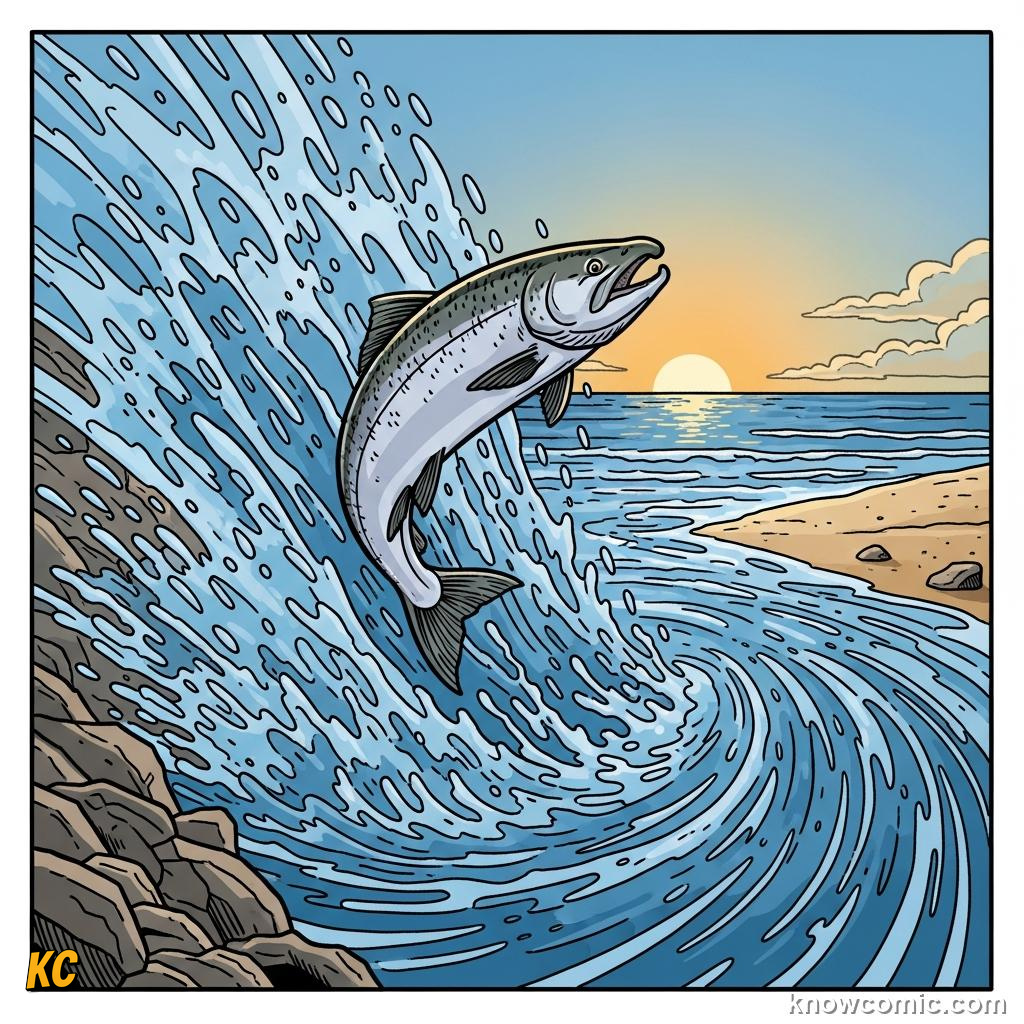
🐟 Salmon switch pumping organs
🦪 Estuary nurseries thrive in brackish
🦪 Estuary nurseries thrive in brackish
YOU
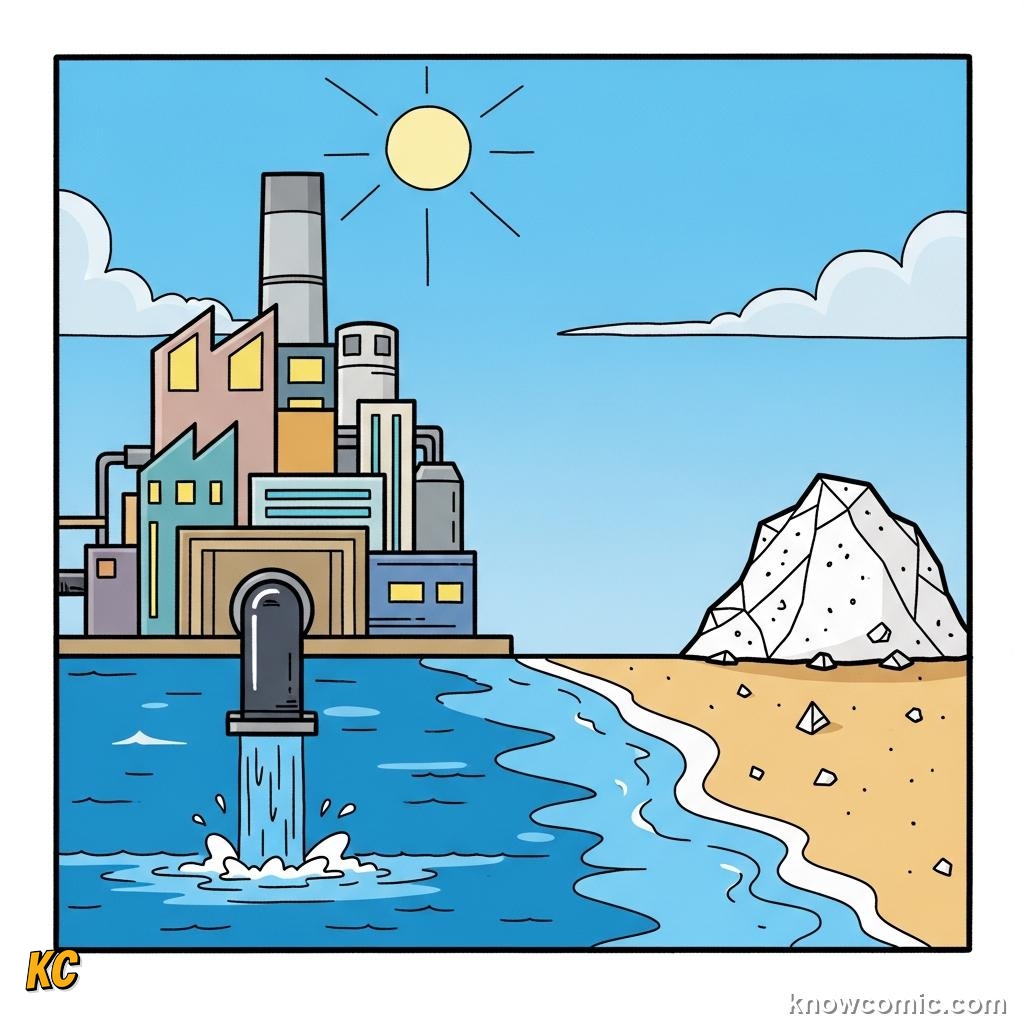
💧 Desal plants strip ions
🌍 Coastal farms watch salt intrusion
🌍 Coastal farms watch salt intrusion
PAGE 5 OF 5, ENOUGH SALT TO BURY THE LAND
PILE
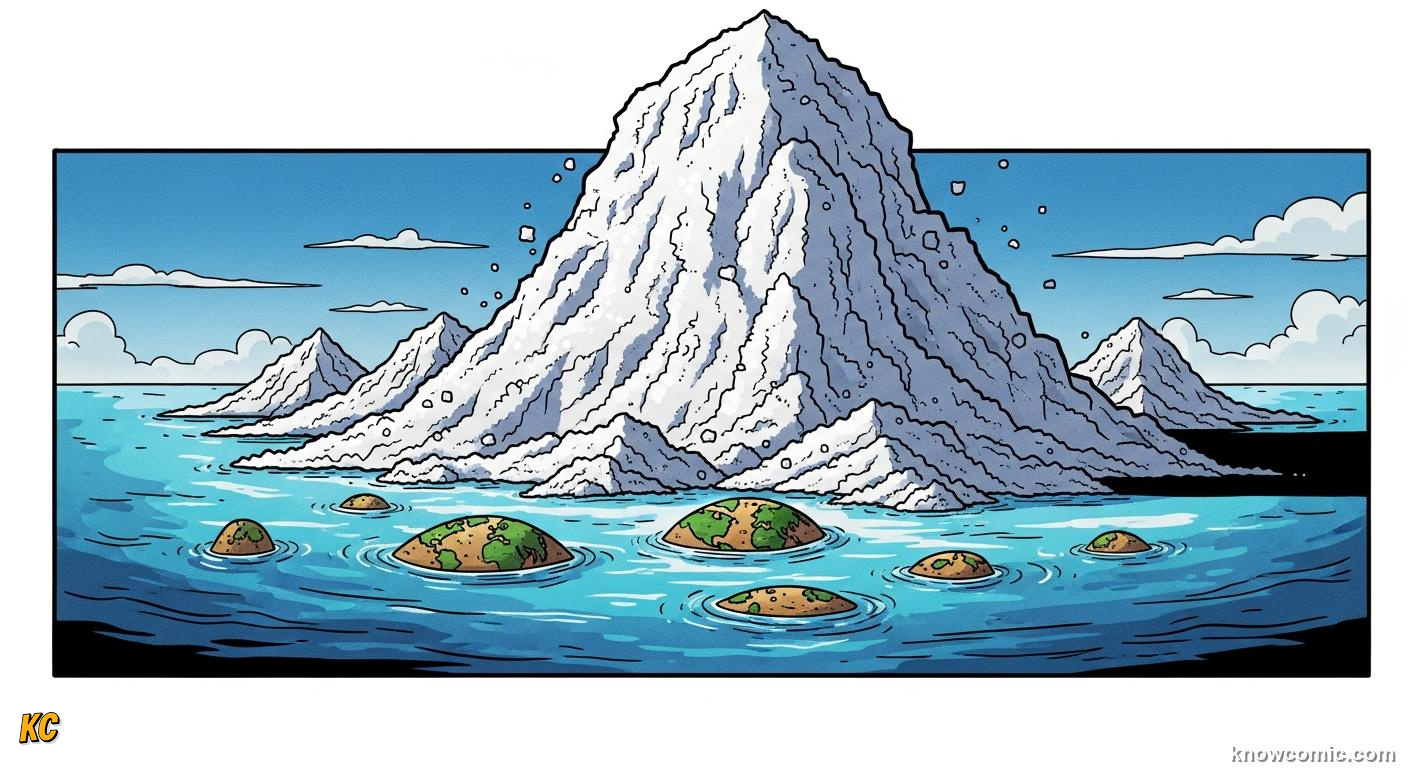
IF YOU SPREAD ALL OCEAN SALT EVENLY…
Scientists sometimes stack the thought experiment: crystallise everything dissolved in the ocean and spread it evenly over dry land, popular classroom comparisons picture a salt layer on the order of about 150 metres deep. We will not run out of table salt from the sea anytime soon; the puzzle is understanding chemistry, circulation, and how our carbon and nitrogen habits tweak coastal waters faster than geology does.
SALT!
TASTE
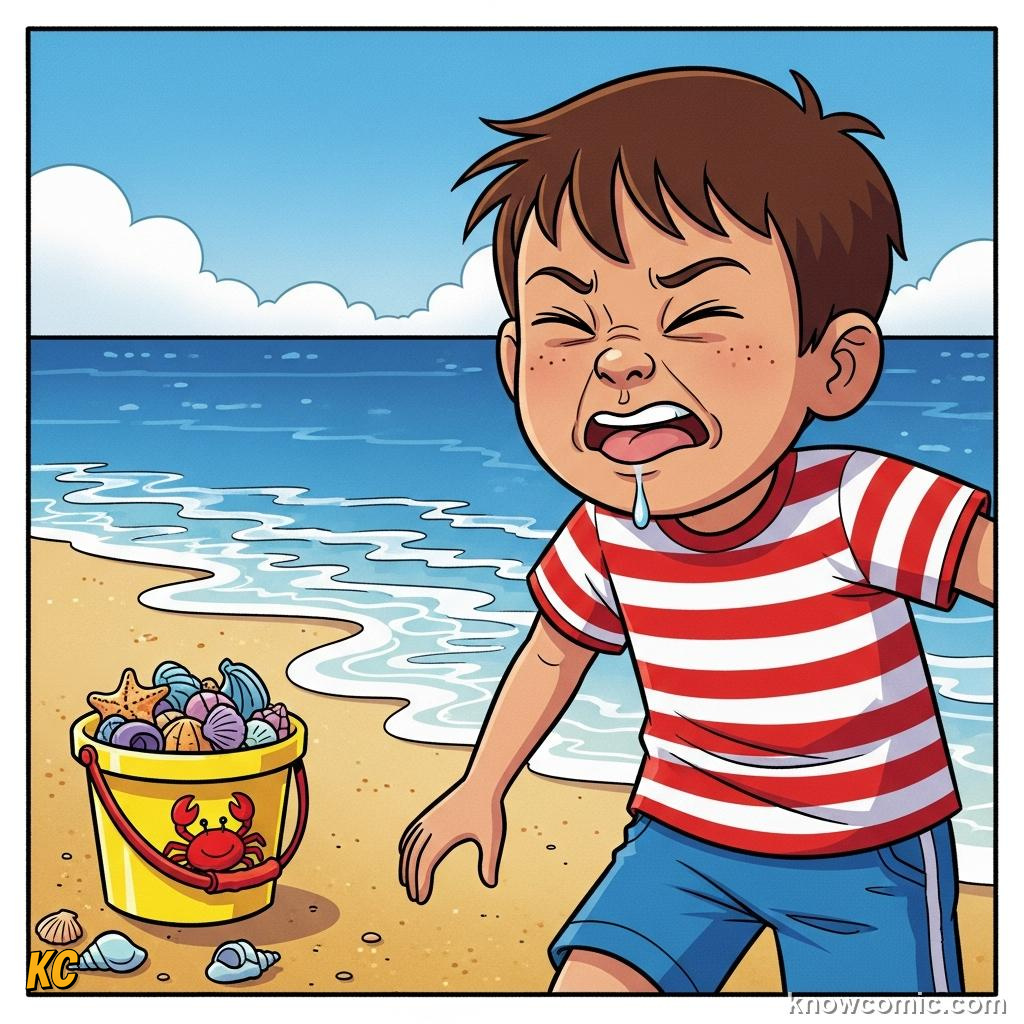
👅 Tongue senses sodium + chloride
🔬 Conductivity probes do it faster
🔬 Conductivity probes do it faster
REMEMBER
🧂 KEY FACTS
Rivers & rock weathering bring ions · Evaporation leaves salt in the basin · ~35 ppt typical open ocean · Sodium & chloride dominate mass · Estuaries = salty-fresh gradients · Total dissolved salt = enormous if crystallised.
✅ Salt is ancient bookkeeping
✅ Water cycles; ions mostly linger
✅ Protect estuaries, they buffer both worlds
✅ Water cycles; ions mostly linger
✅ Protect estuaries, they buffer both worlds
🧠 QUIZ TIME!
WHY IS THE SEA SALTY? · 5 QUESTIONS
QUESTION 01
Over geologic time, seawater stays salty mainly because dissolved ions are left behind when…
QUESTION 02
Which pair of dissolved ions contributes the largest share of seawater salinity by mass?
QUESTION 03
When seawater freezes into sea ice in polar regions, salt is mostly excluded from the ice crystals, so the remaining unfrozen pockets of water nearby become…
QUESTION 04
Typical open-ocean salinity is closest to which value (grams of salt per kilogram of seawater, ppt)?
QUESTION 05
Estuaries, where rivers meet the sea, are ecologically important mainly because they…
0/5
LOADING...