🌊 OCEAN ZONES: SUNLIGHT TO PITCH DARK
PAGE 1 OF 5, THE SUNLIT SURFACE LAYER
SUNLIT
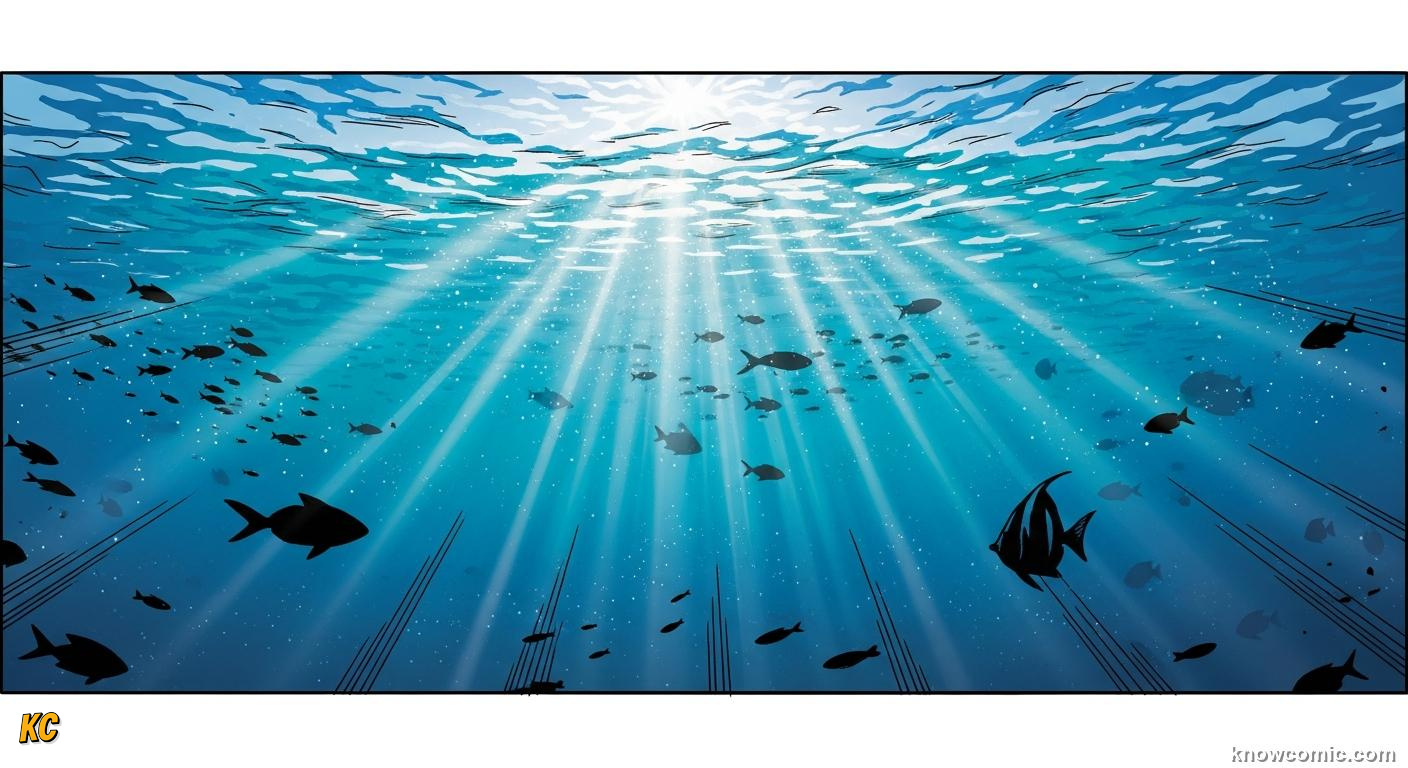
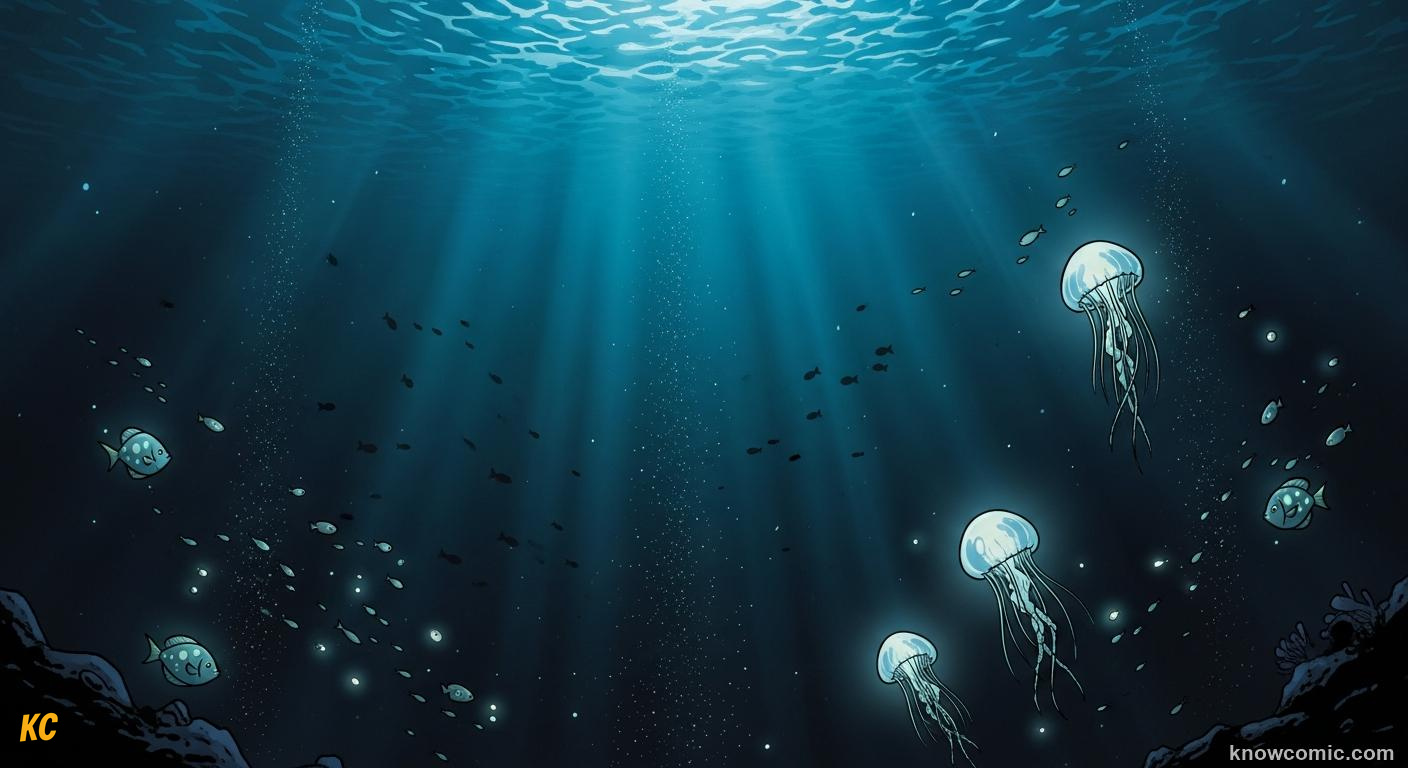
EPIPELAGIC, WHERE LIGHT FEEDS THE WEB
From the surface down to about 200 metres in clear water, enough sunlight reaches for phytoplankton and most seaweeds to photosynthesise. This thin skin holds most familiar ocean life, colourful fish, dolphins hunting in packs, kelp forests swaying. Fisheries, coral reefs and half the planet's oxygen story start here; lose the sunlit layer's health and the whole water column feels it later.
⚡ DID YOU KNOW?
If Earth were an apple, the sunlit productive ocean would be thinner than the wax on the skin, yet it powers enormous food webs.
SUN!
RAYS
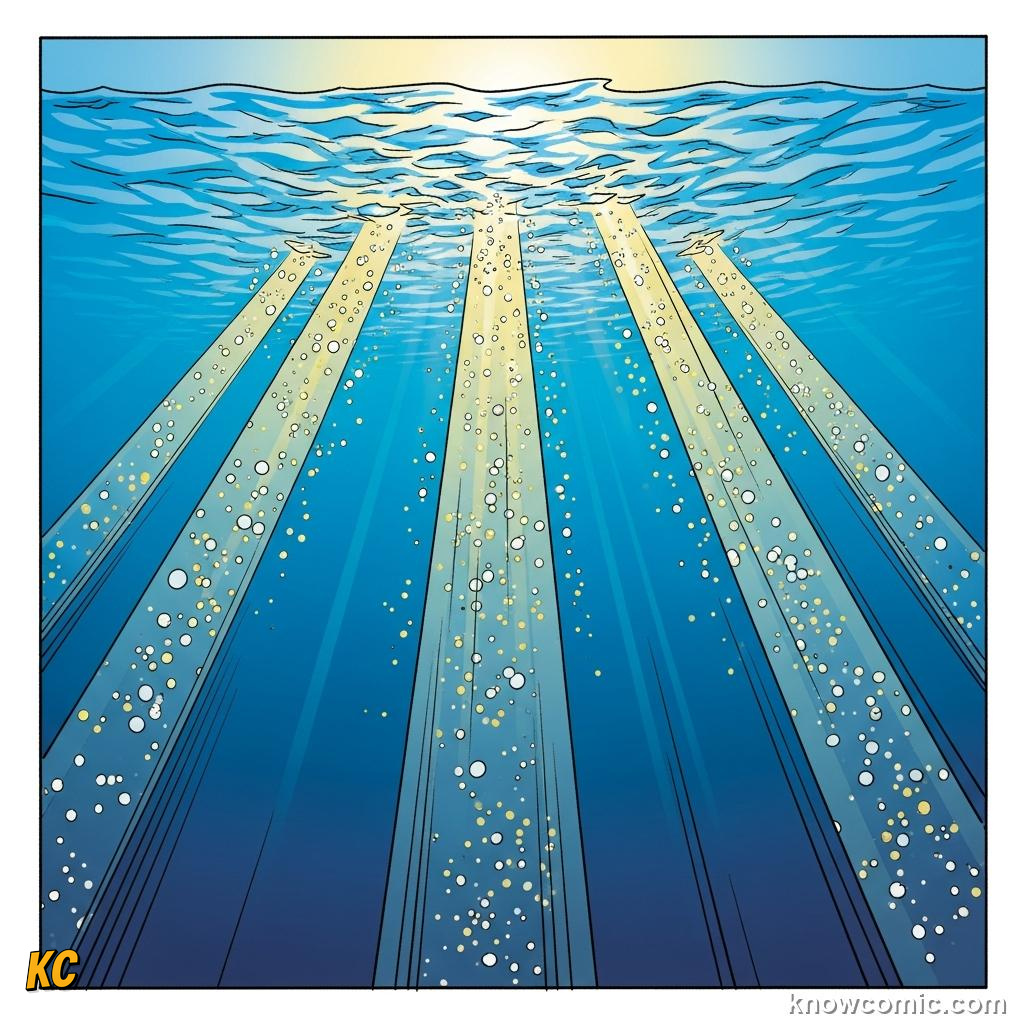
🔵 Blue-green penetrates farthest
🔴 Reds absorbed in first tens of metres
🔴 Reds absorbed in first tens of metres
EDGE
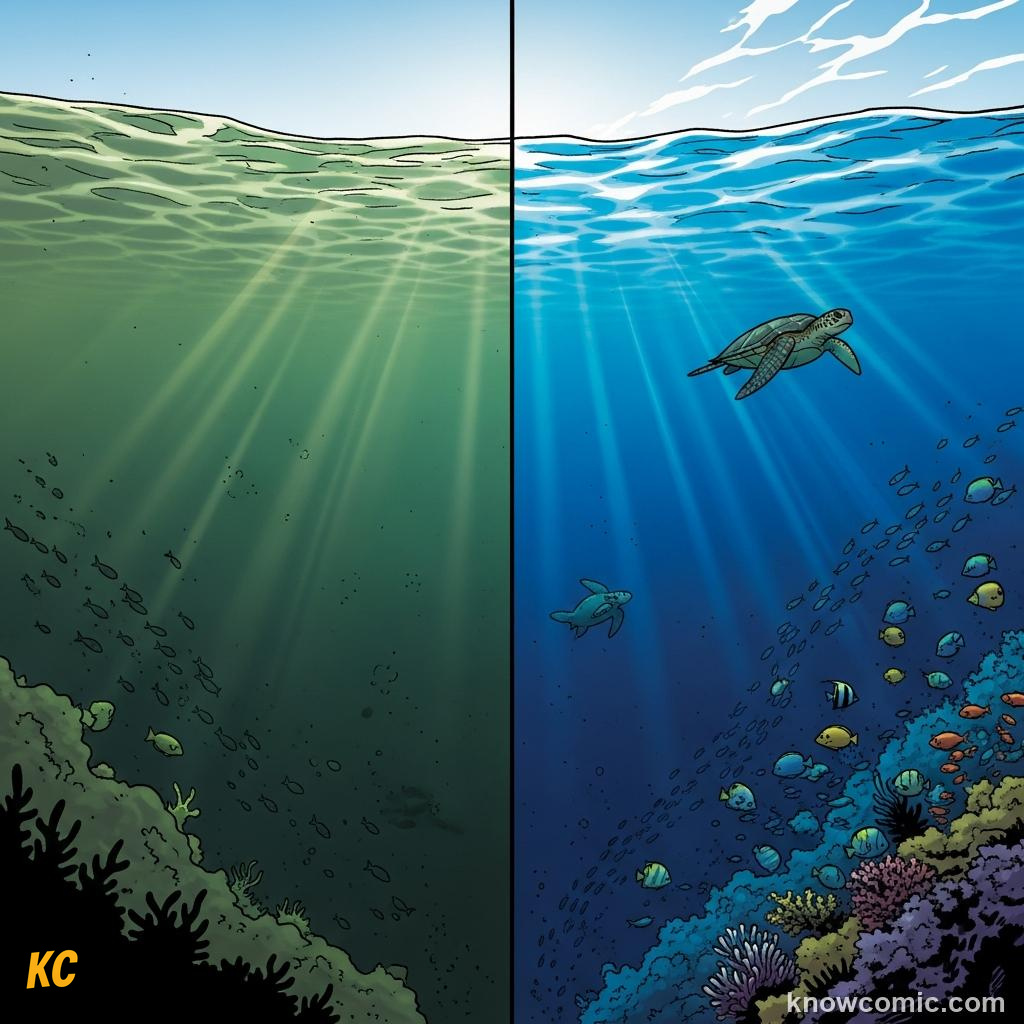
📉 Light fades fast with depth
🌊 Murky coastal water = shallower sun
🌊 Murky coastal water = shallower sun
PAGE 2 OF 5, THE TWILIGHT ZONE
MESO
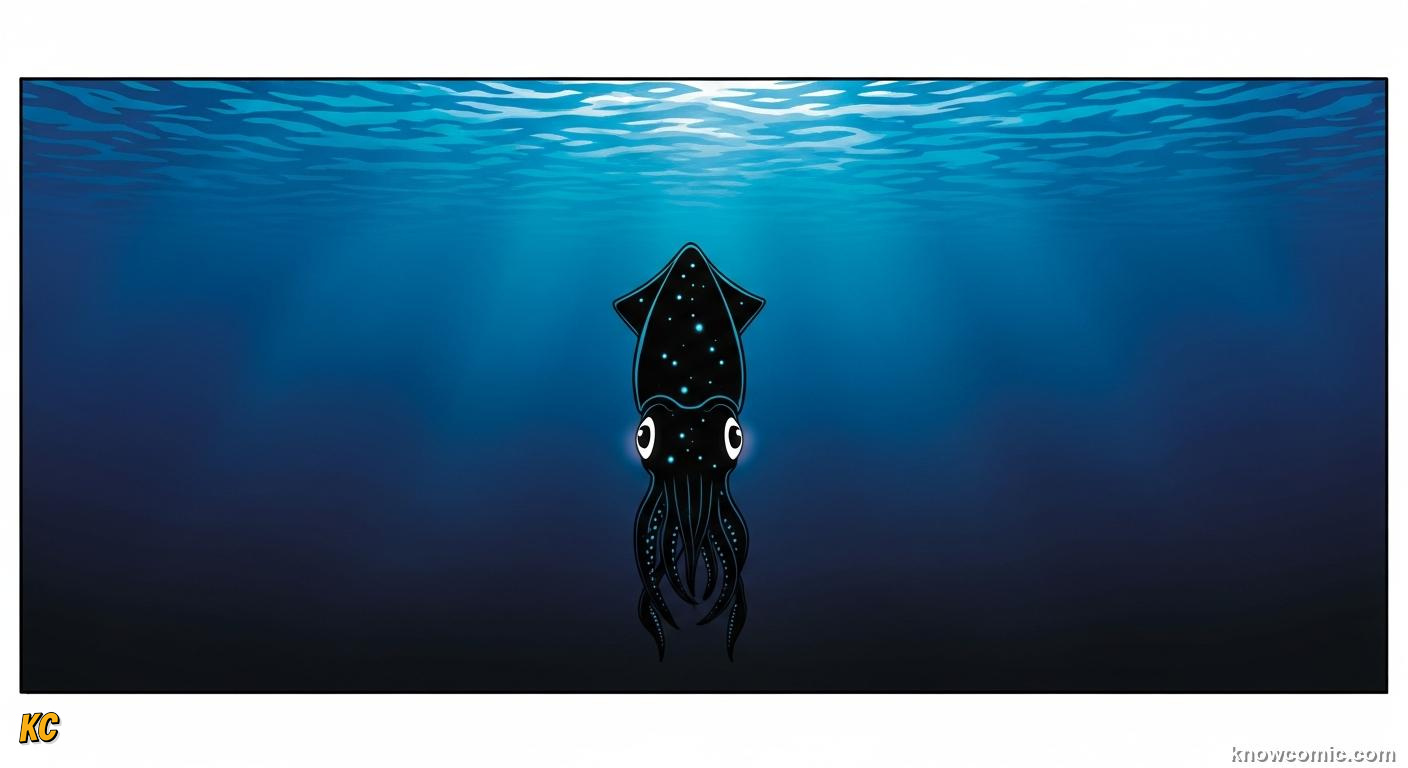
200–1000 M: BLUE GLOW AND SILENT HUNTERS
The mesopelagic or "twilight" zone still receives faint downwelling light, enough for huge sensitive eyes, not for plant-style growth. Lanternfish and many squid hide here by day, then rocket toward surface feasts after dark in the largest animal migration on Earth, measured in billions of tonnes each night.
DIM!
EYES
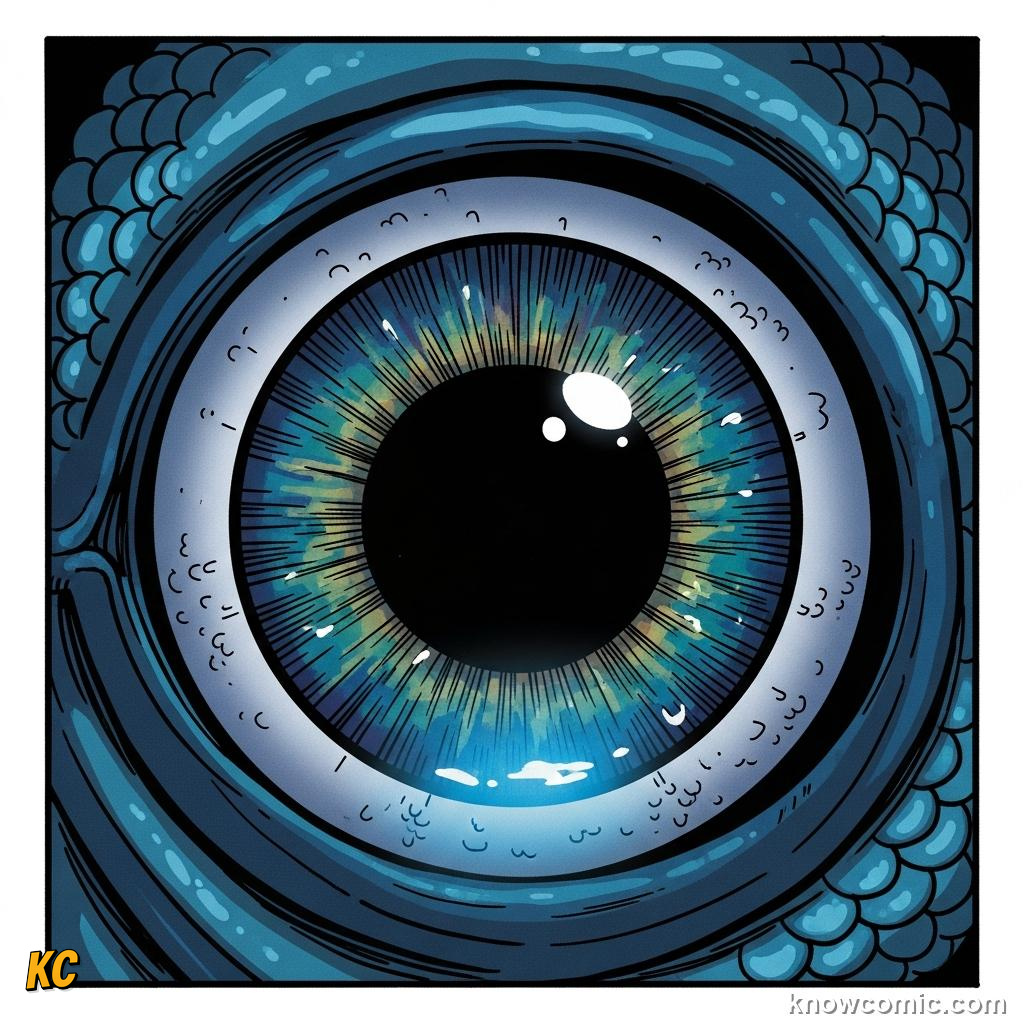
👁️ Tubular & upward-looking eyes
✨ Bioluminescence as camouflage
✨ Bioluminescence as camouflage
LIFT
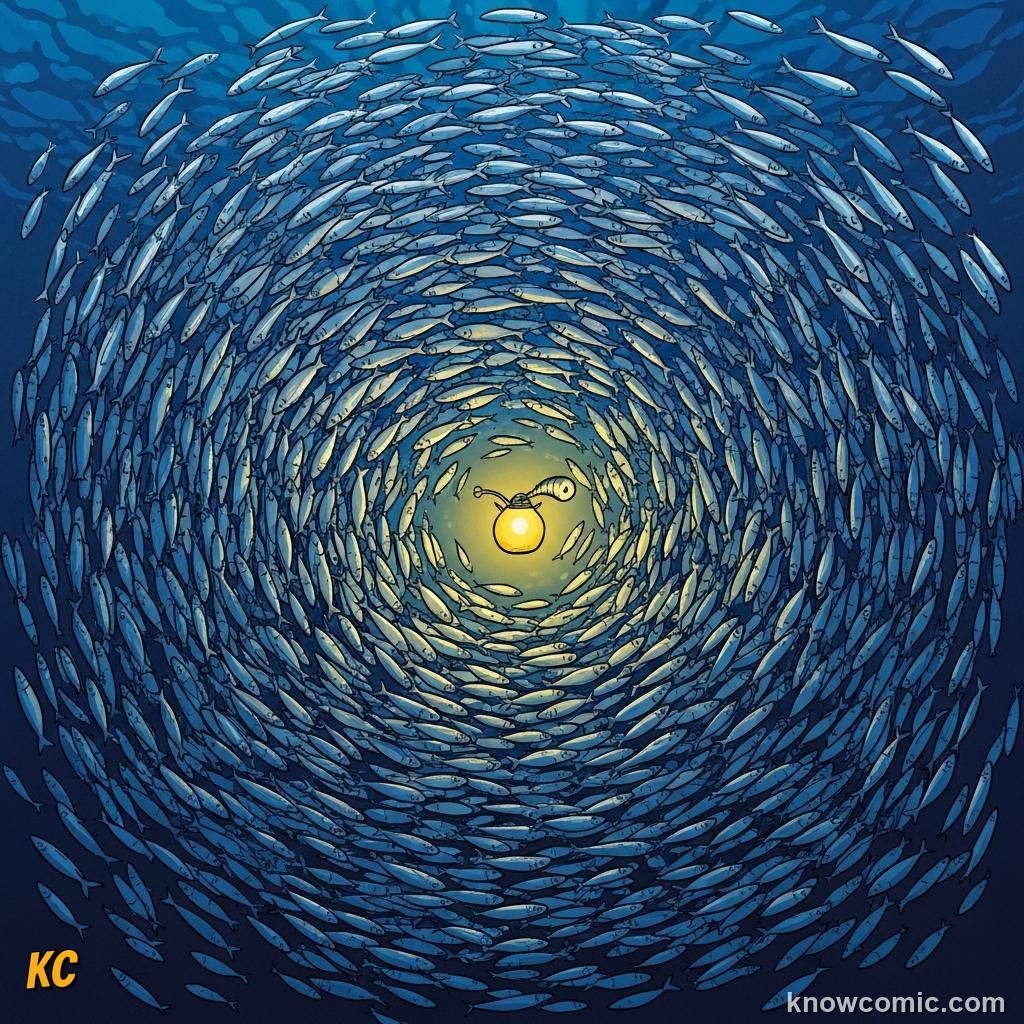
↕️ Diel vertical migration
🌙 Surface buffet · deep hideout
🌙 Surface buffet · deep hideout
COLD
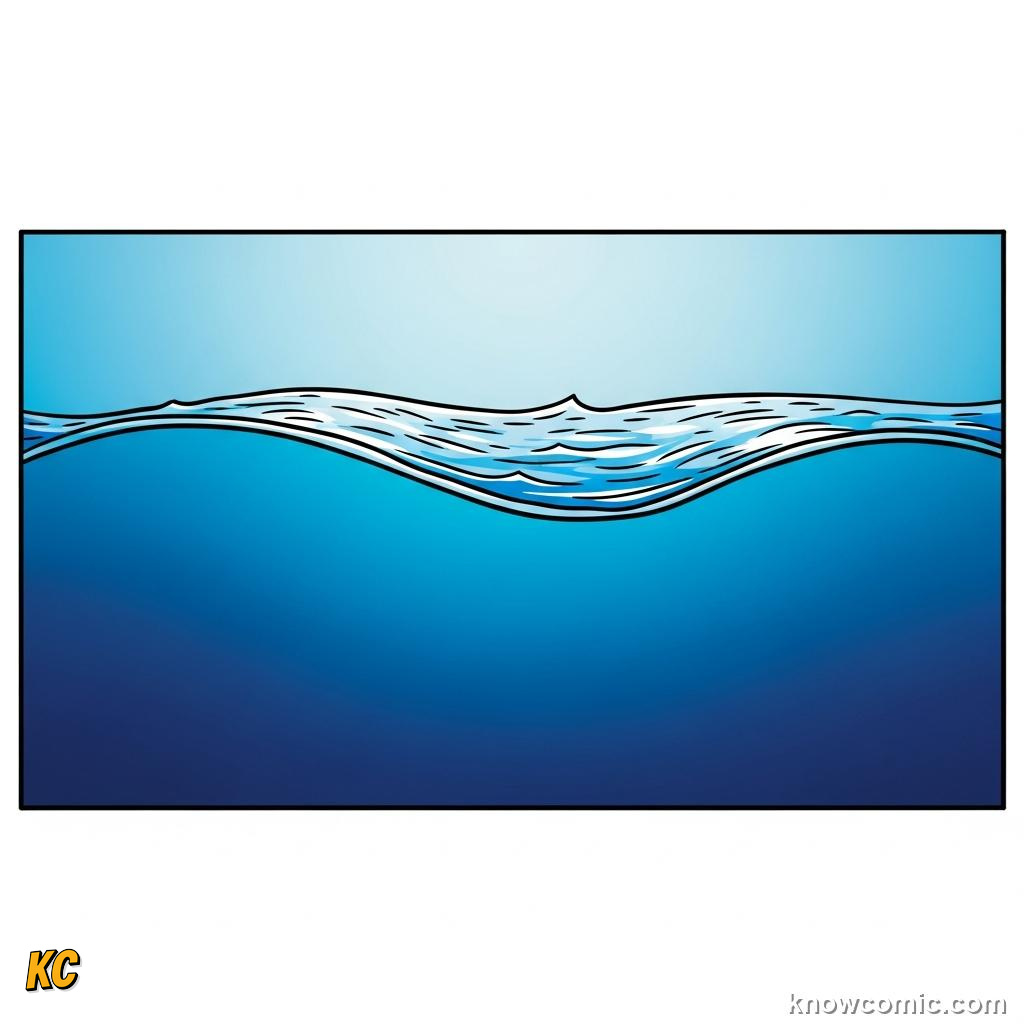
🌡️ Thermocline above feels sharp
🧊 Water already fridge-cold here
🧊 Water already fridge-cold here
PAGE 3 OF 5, MIDNIGHT AND BATHY, NO SUN AT ALL
SNOW
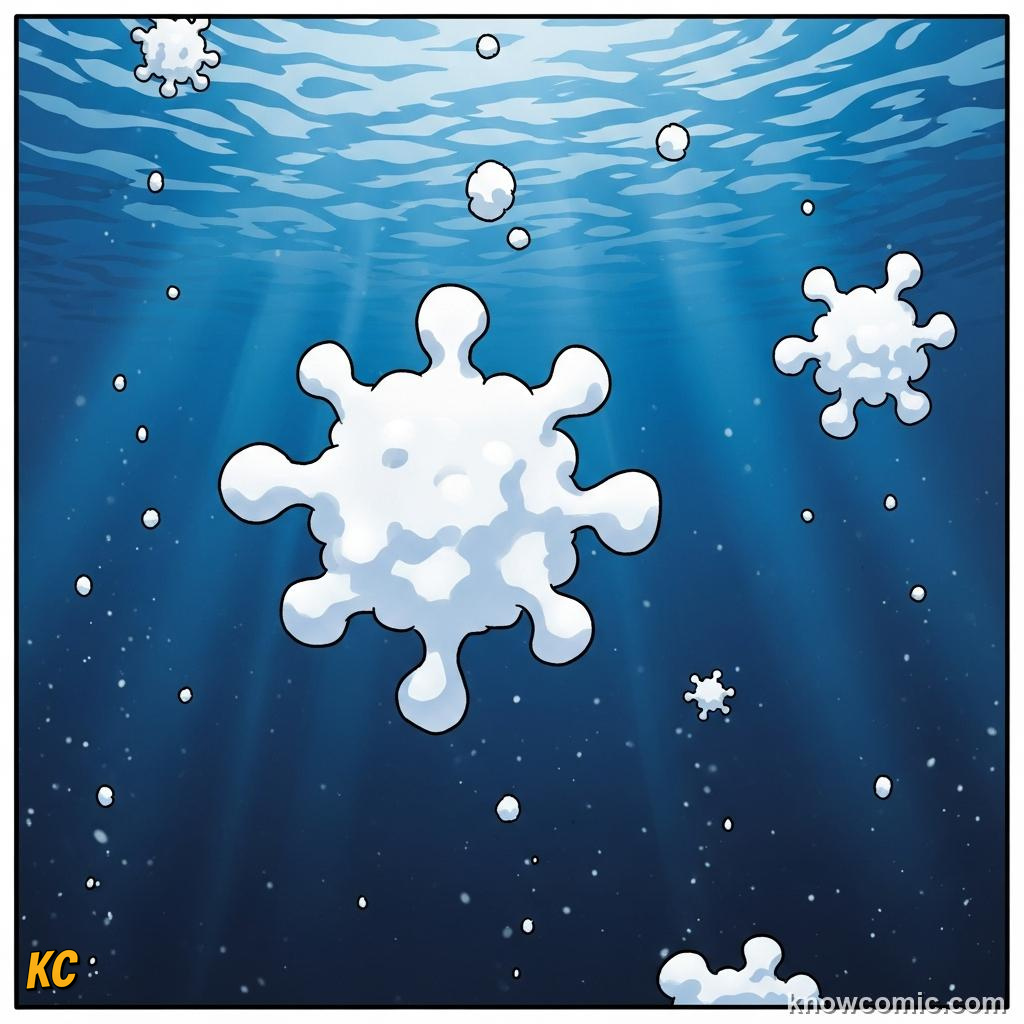
❄️ Marine snow, flakes of waste
🔗 Surface productivity rains down
🔗 Surface productivity rains down
FLASH
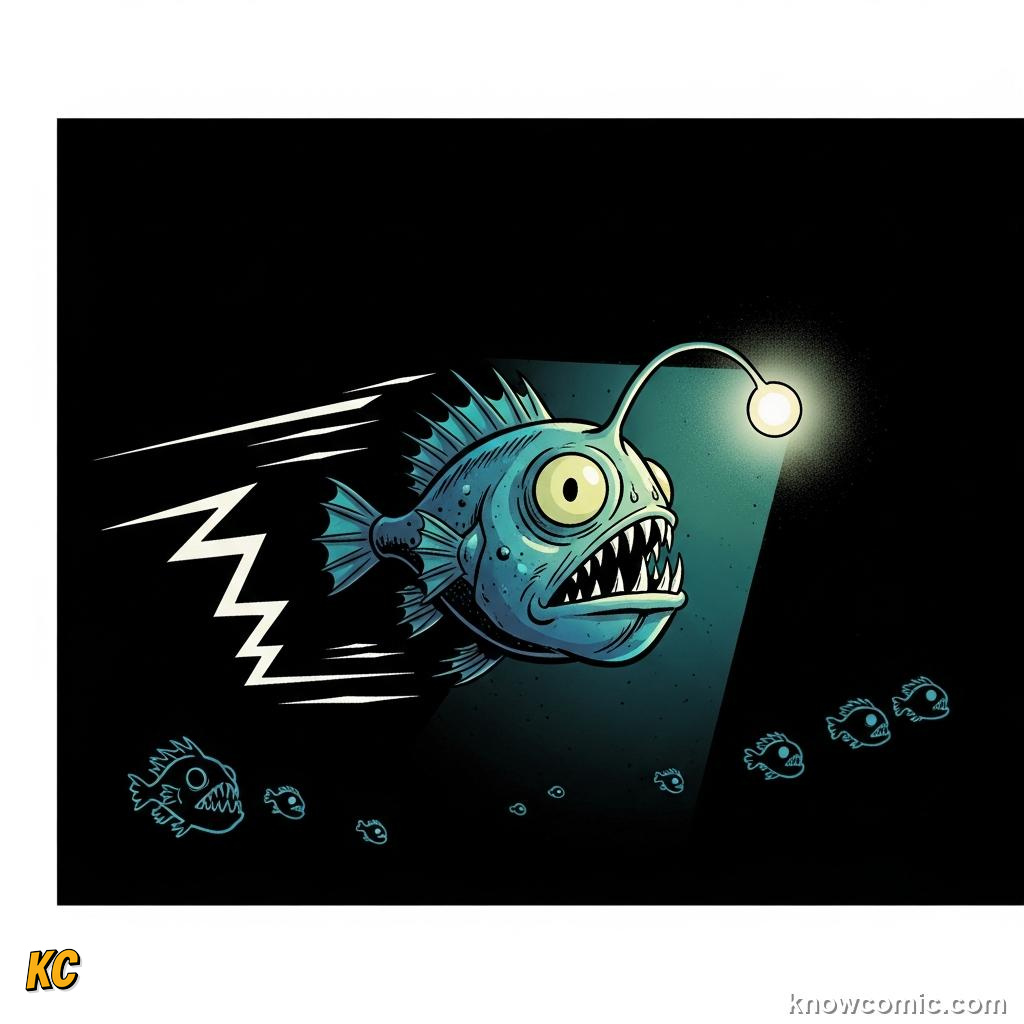
💡 Animals carry their own lamps
🦑 Blink codes confuse predators
🦑 Blink codes confuse predators
DARK
BATHYPELAGIC LIFE RUNS ON SCAPS AND SPARKS
Between roughly one and four kilometres, permanent night reigns. Pressure is enormous yet many fish stay jelly-soft and water-filled so squeeze forces balance. Food is rare, scavengers wait years for a whale fall; others farm bacteria on bones. Every adaptation is a bet on patience and chemistry in the slow cold dark.
DARK!
PAGE 4 OF 5, ABYSSAL PLAINS AND HADAL TRENCHES
FLOOR
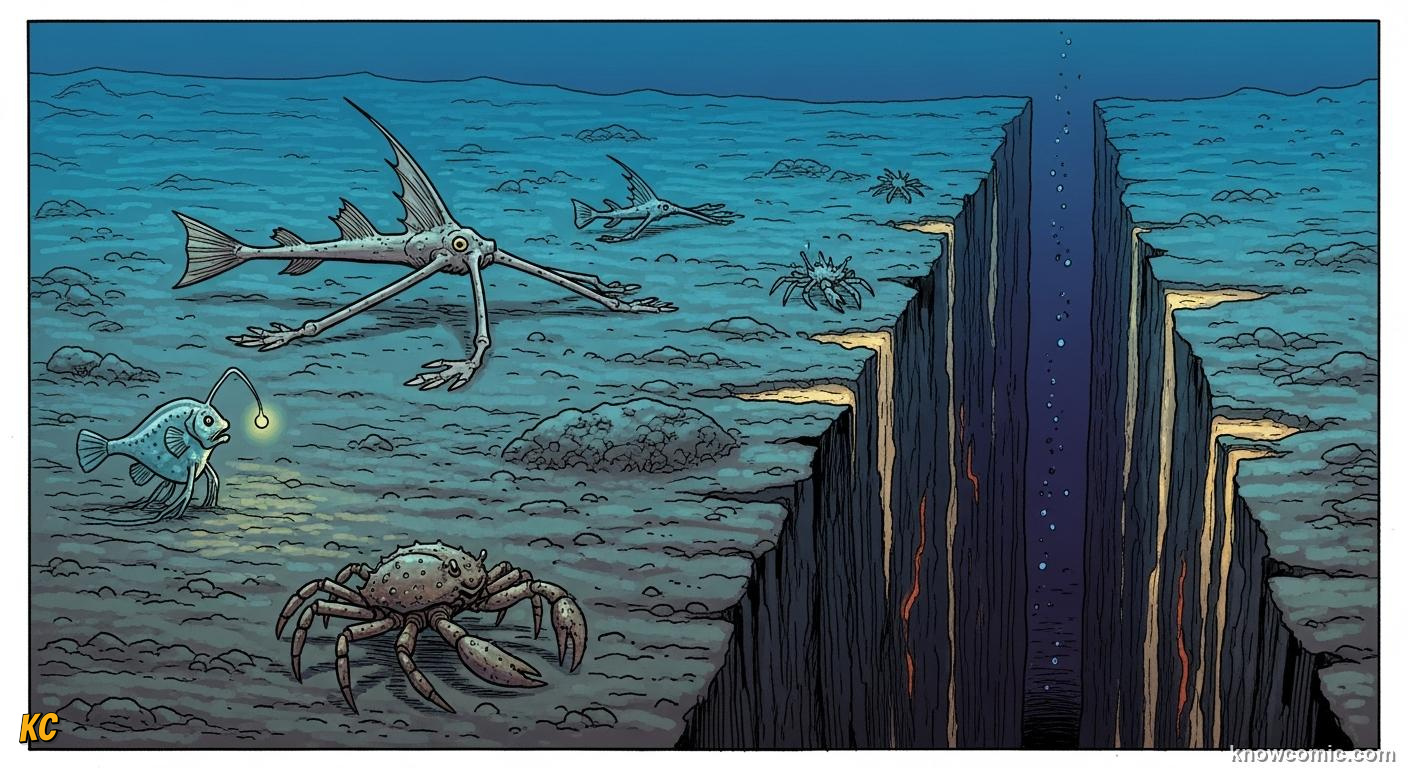
FLAT MUD, THEN THE PLANET'S DEEPEST SCRATCHES
The abyssal zone blankets much of the seafloor four to six kilometres down, fine sediment, sparse life, ancient cold. Below about six kilometres, hadal trenches slice narrower slots where plates dive; specialised amphipods and snailfish probe chemistry extremes. Names differ slightly between textbooks, but the story is the same: light gone, pressure immense, life still stubborn.
DEEP!
MUD
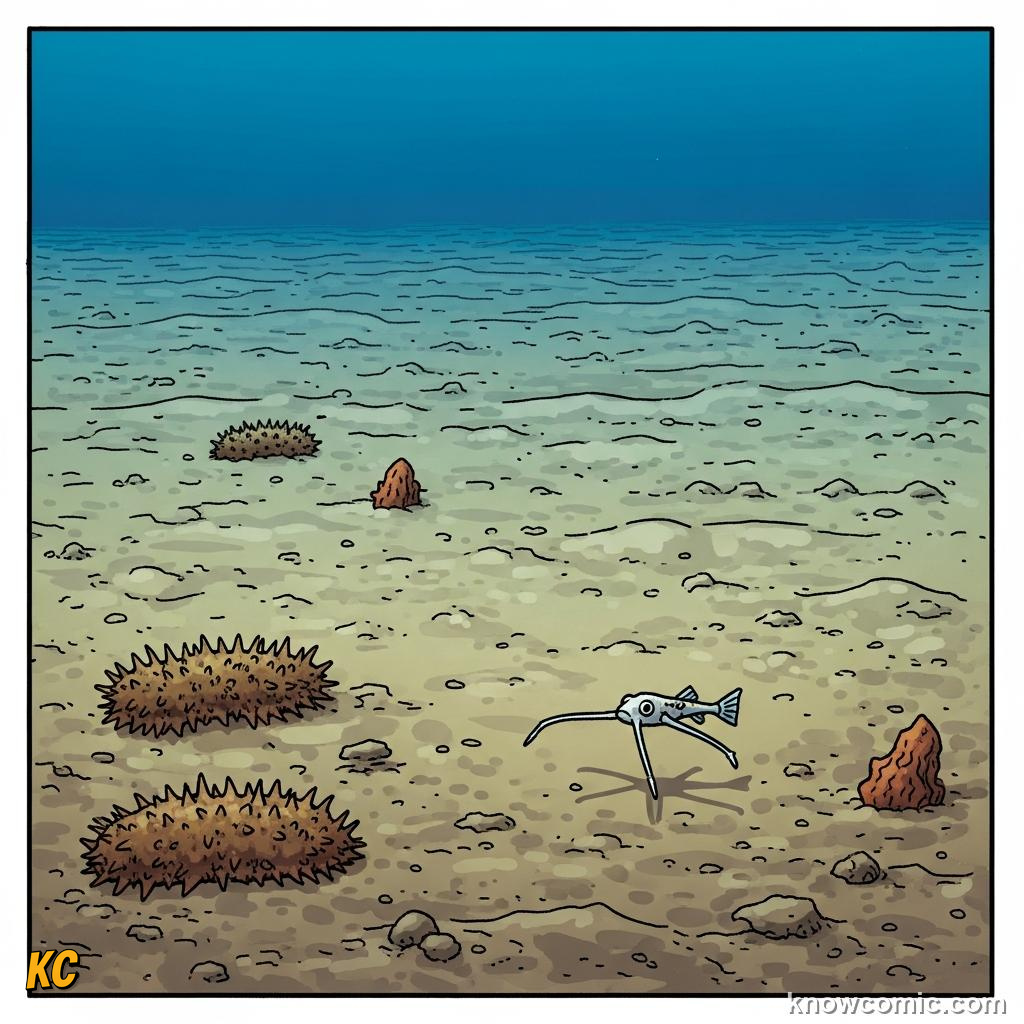
🪨 Sediment drape kilometres thick
🦴 Whale falls = rare banquets
🦴 Whale falls = rare banquets
SLOT
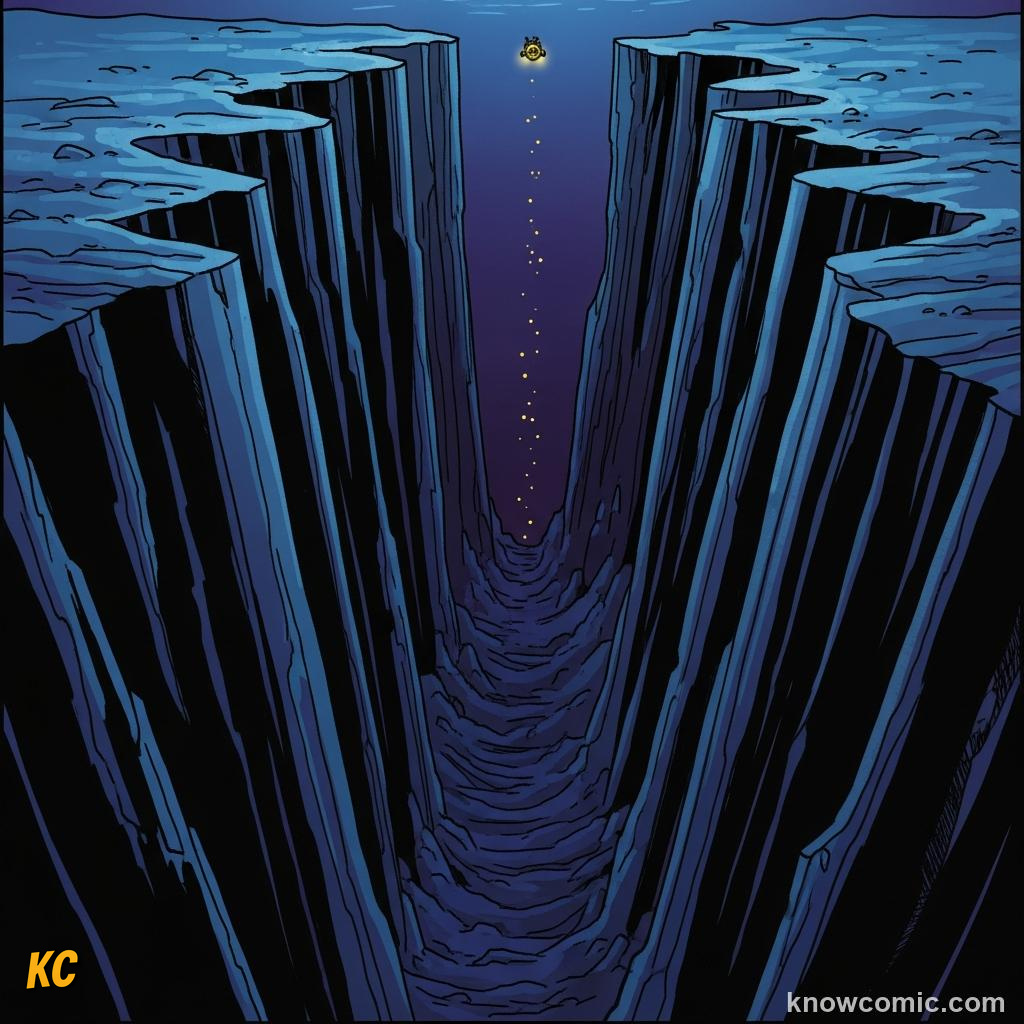
⬇️ Trenches narrower than abyss plains
🌍 Subduction drives chemistry
🌍 Subduction drives chemistry
ROBOT
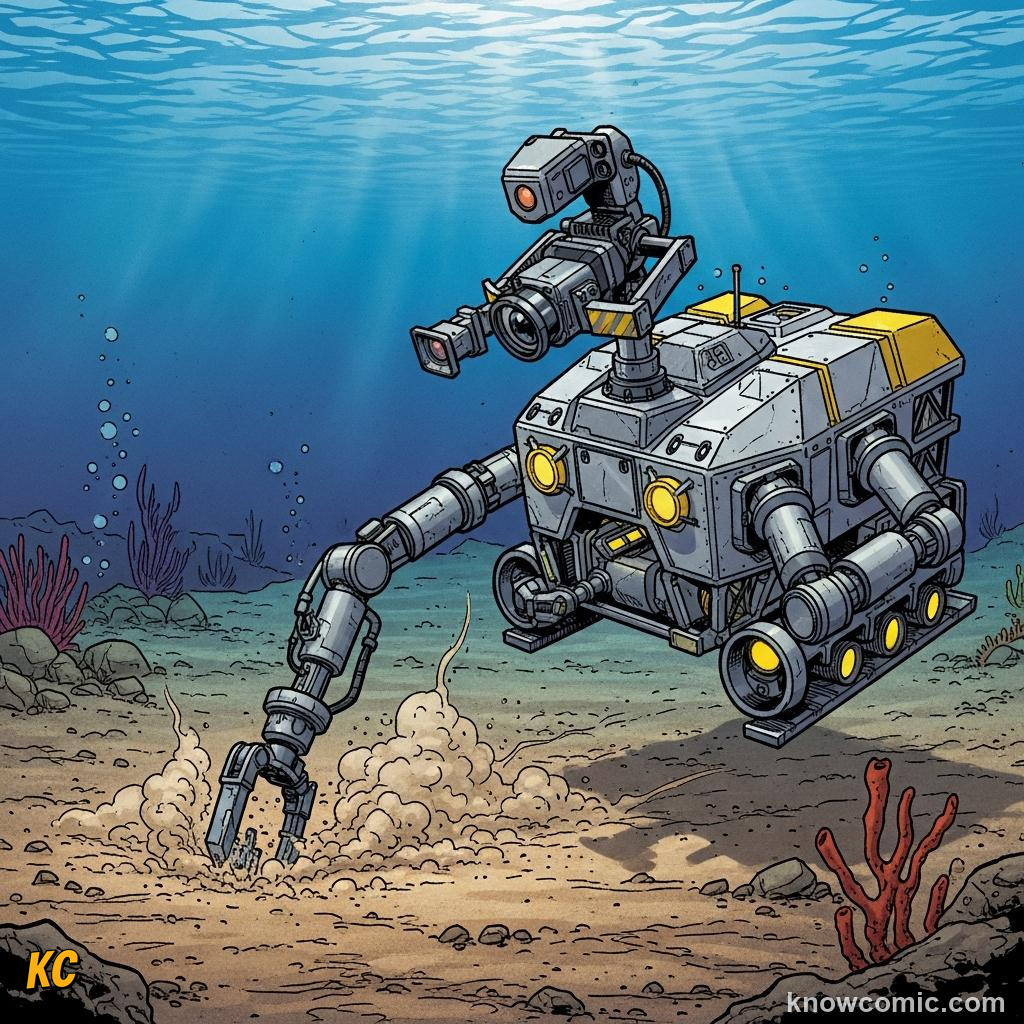
🛰️ ROVs map what divers cannot
📡 Sonar reveals hidden terrain
📡 Sonar reveals hidden terrain
PAGE 5 OF 5, WHY ZONES MATTER
ONE COLUMN
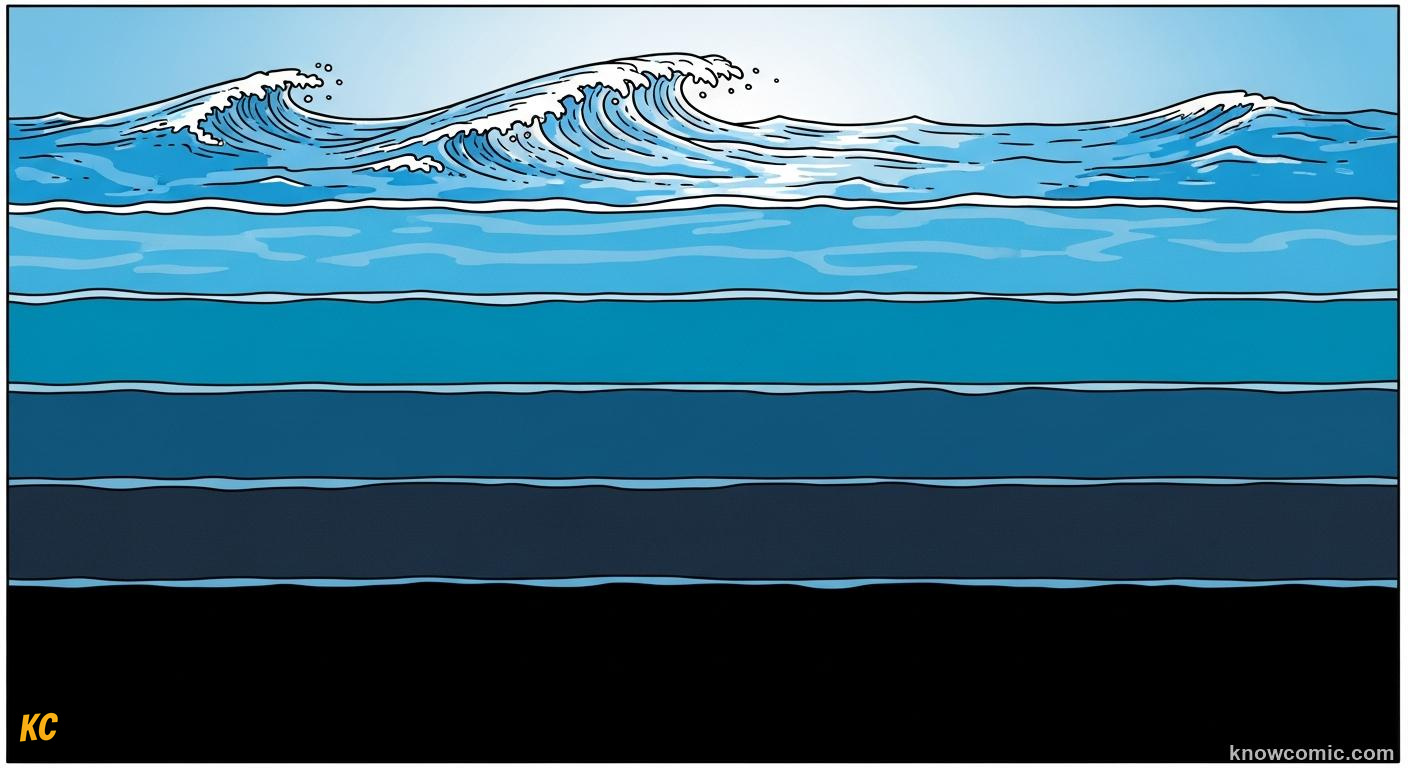
STACKED LAYERS, ONE CONNECTED OCEAN
Zones are human labels on a smooth gradient, temperature, light, pressure and food availability shift together. Climate change nudges oxygen minimum zones, acidifies sunlit water, and may alter migration timing linking twilight commuters to surface fisheries. Knowing the stack helps us set protected areas, fishing limits and curiosity-driven expeditions where almost no human has looked.
ZONES!
SUB
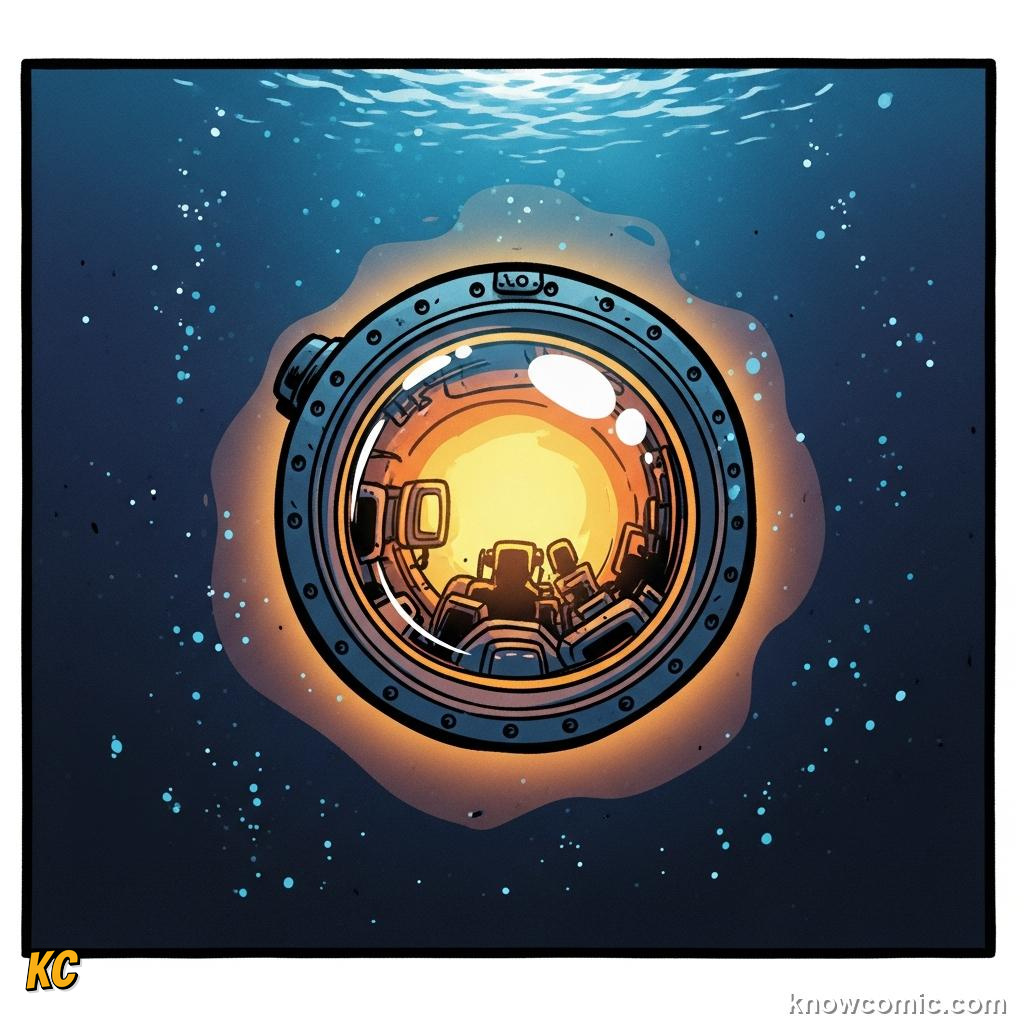
🛟 Bathyscaphe & modern subs
🎥 Windows into the black
🎥 Windows into the black
REMEMBER
🌊 KEY FACTS
Sunlit ~0–200 m · Twilight ~200–1000 m · Midnight ~1000–4000 m · Abyssal ~4000–6000 m · Hadal trenches 6000 m+ · Light, pressure & food shape each layer · Zones blur but names help us think.
✅ Names map depth bands
✅ Twilight hosts huge migration
✅ Deepest trenches = hadal
✅ Twilight hosts huge migration
✅ Deepest trenches = hadal
🧠 QUIZ TIME!
OCEAN ZONES · 5 QUESTIONS
QUESTION 01
In clear open ocean, abundant sunlight for photosynthesis by phytoplankton is mostly found in the upper roughly…
QUESTION 02
Which informal name matches the mesopelagic layer where faint blue light still filters down?
QUESTION 03
Pressure in seawater increases by about how much for every 10 metres of depth?
QUESTION 04
In the permanently dark midwater, many animals rely heavily on organic particles and carcasses sinking from above, often called…
QUESTION 05
Ocean trenches deeper than about 6,000 metres are usually grouped into which zone?
0/5
LOADING...