🍎 GRAVITY: KEEPING US DOWN
PAGE 1 OF 5, EVERYTHING FALLS TOWARD THE CENTRE
PULL
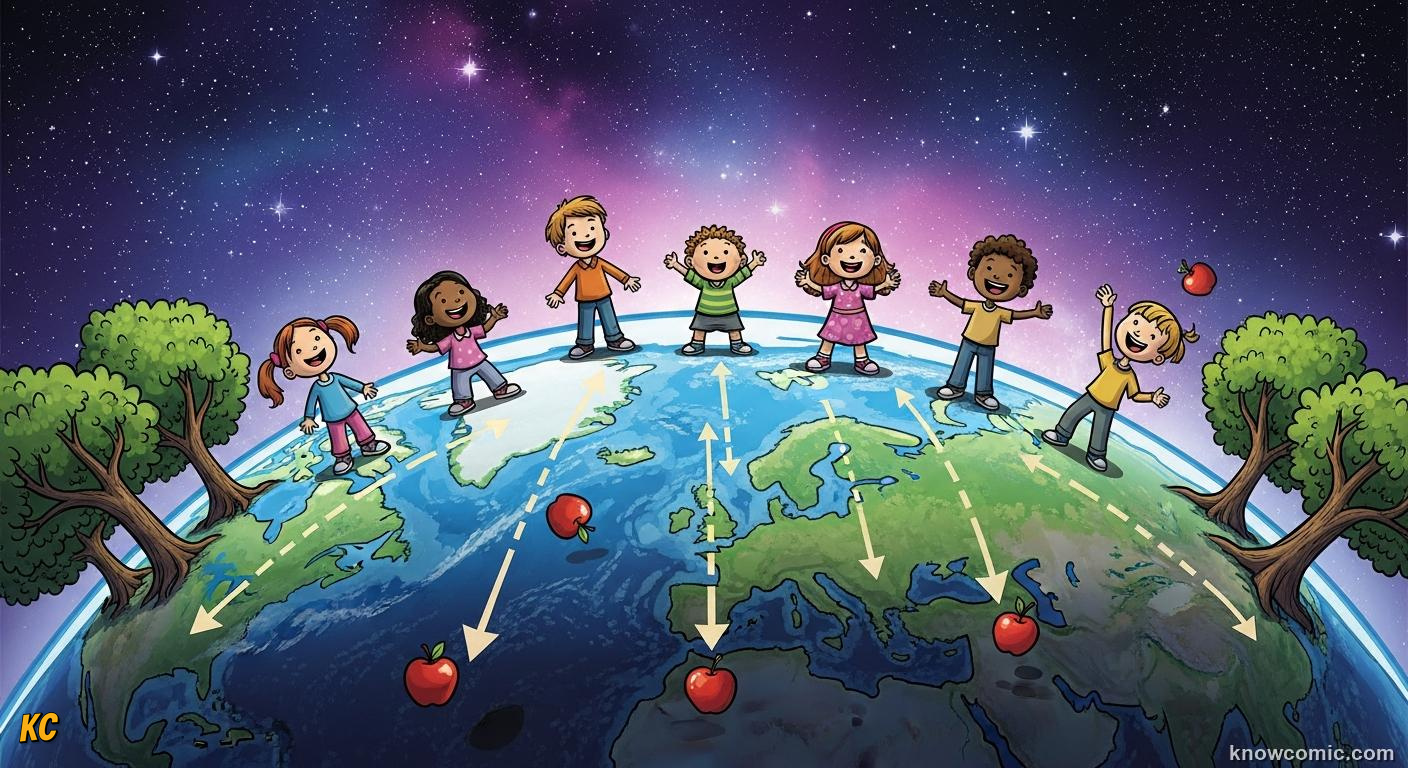
GRAVITY IS NOT JUST “DOWN”
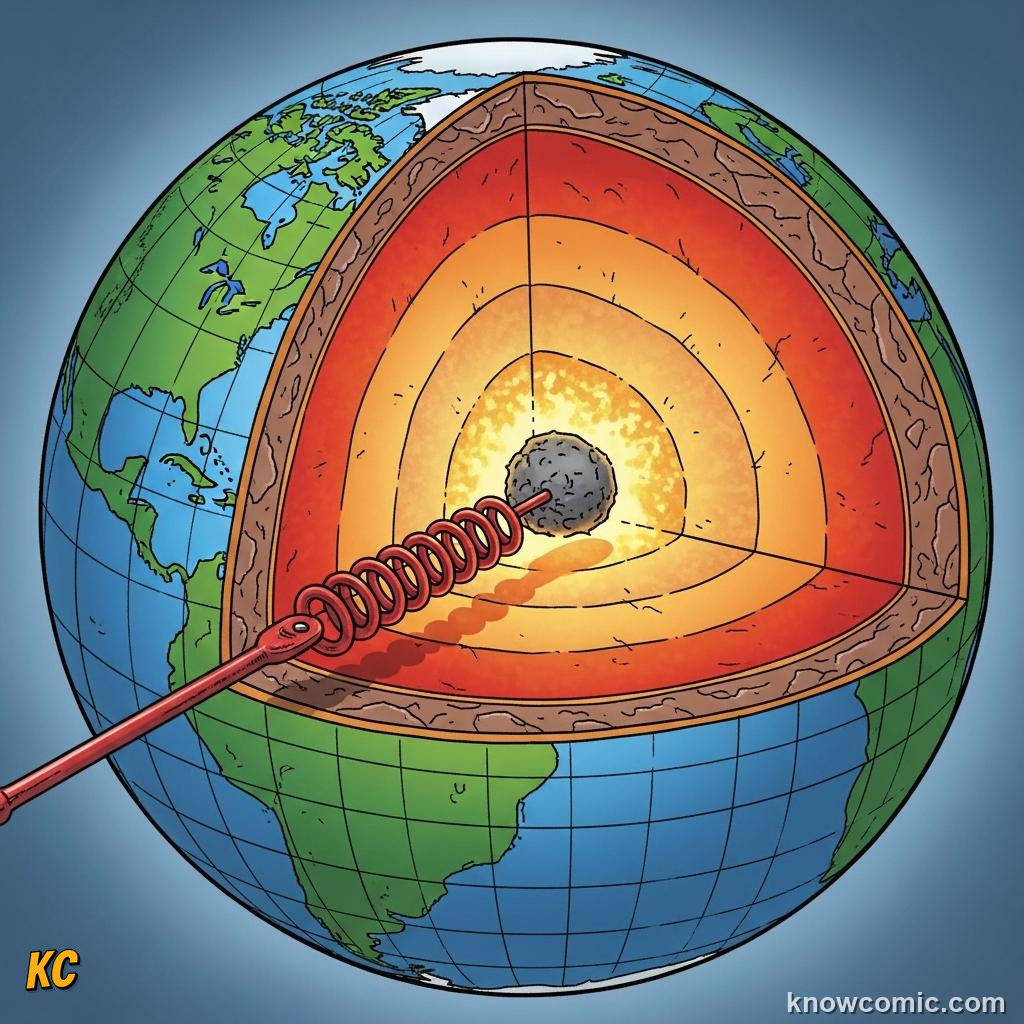
Gravity is the mutual attraction between masses, Earth pulls you, but you also pull Earth by a tiny unmeasurable amount. “Down” means toward Earth's centre: Australians do not fall off because their floor pushes up with an equal and opposite contact force. Newton pictured gravity reaching through empty space; Einstein described it as mass curving spacetime so that free-fall paths curve, both models predict apples and moons with stunning accuracy for most engineering.
⚡ DID YOU KNOW?
At the International Space Station altitude, gravity is still about 90% as strong as on the ground, astronauts float because they are constantly falling around Earth in orbit.
PULL!
NEWTON
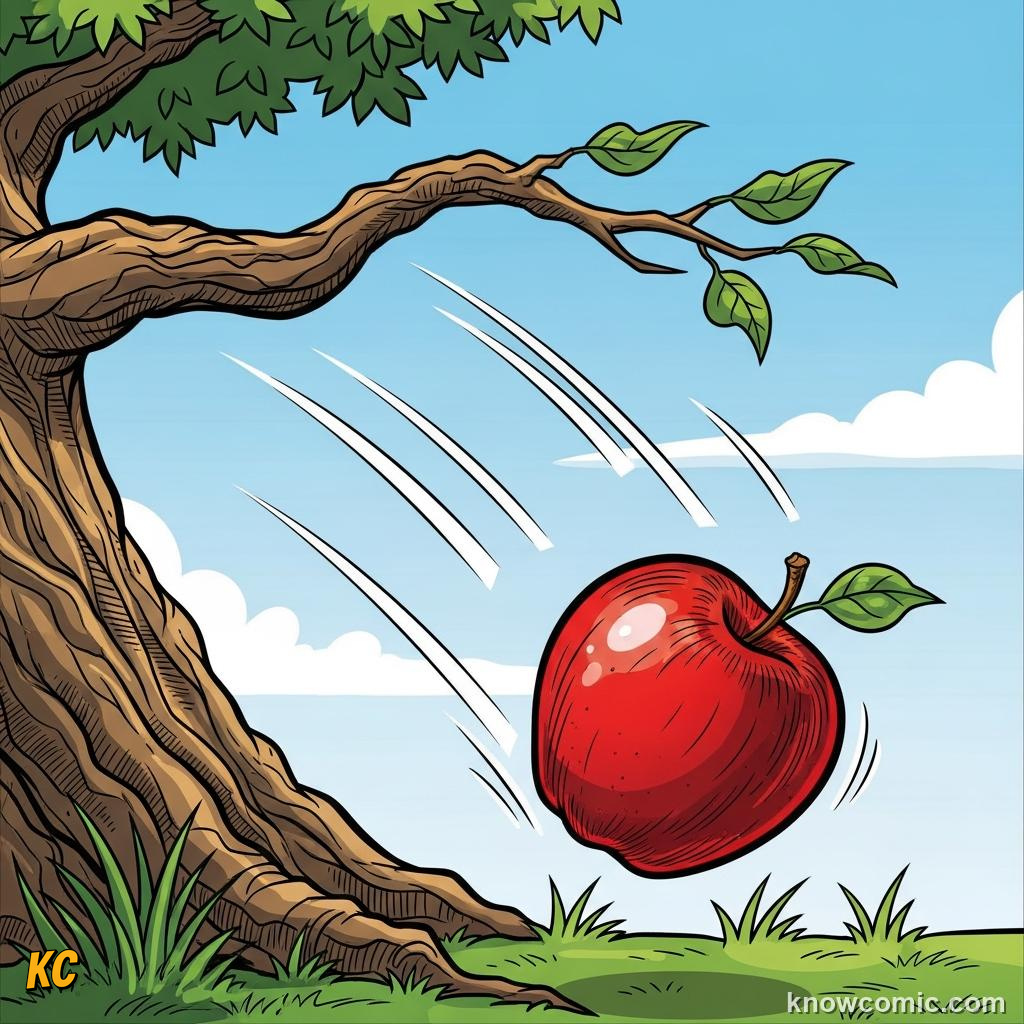
🍎 Legend of apple, real maths
🌙 Same law explains Moon orbit
🌙 Same law explains Moon orbit
EINSTEIN
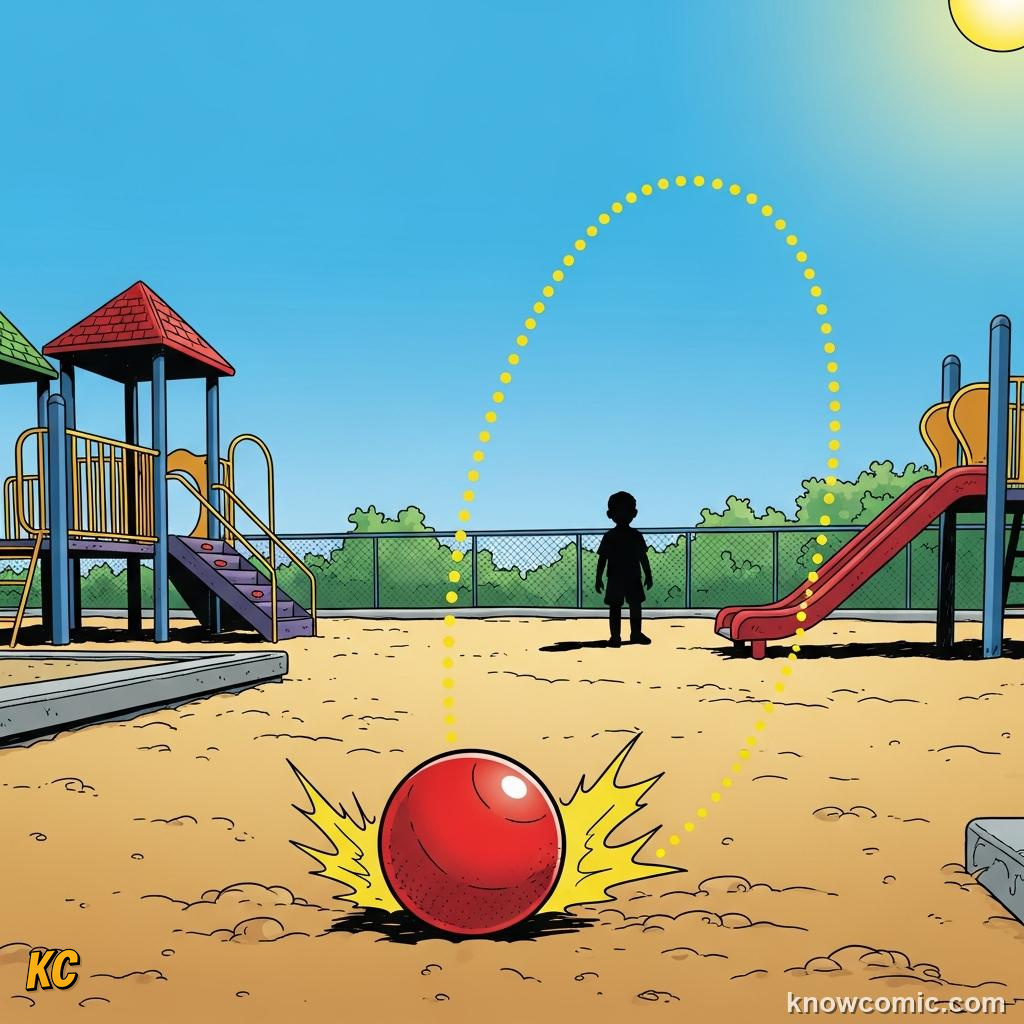
🕳️ Mass curves spacetime
📡 GPS uses relativistic fixes
📡 GPS uses relativistic fixes
PAGE 2 OF 5, MASS VS WEIGHT
KILOGRAMS VS NEWTONS
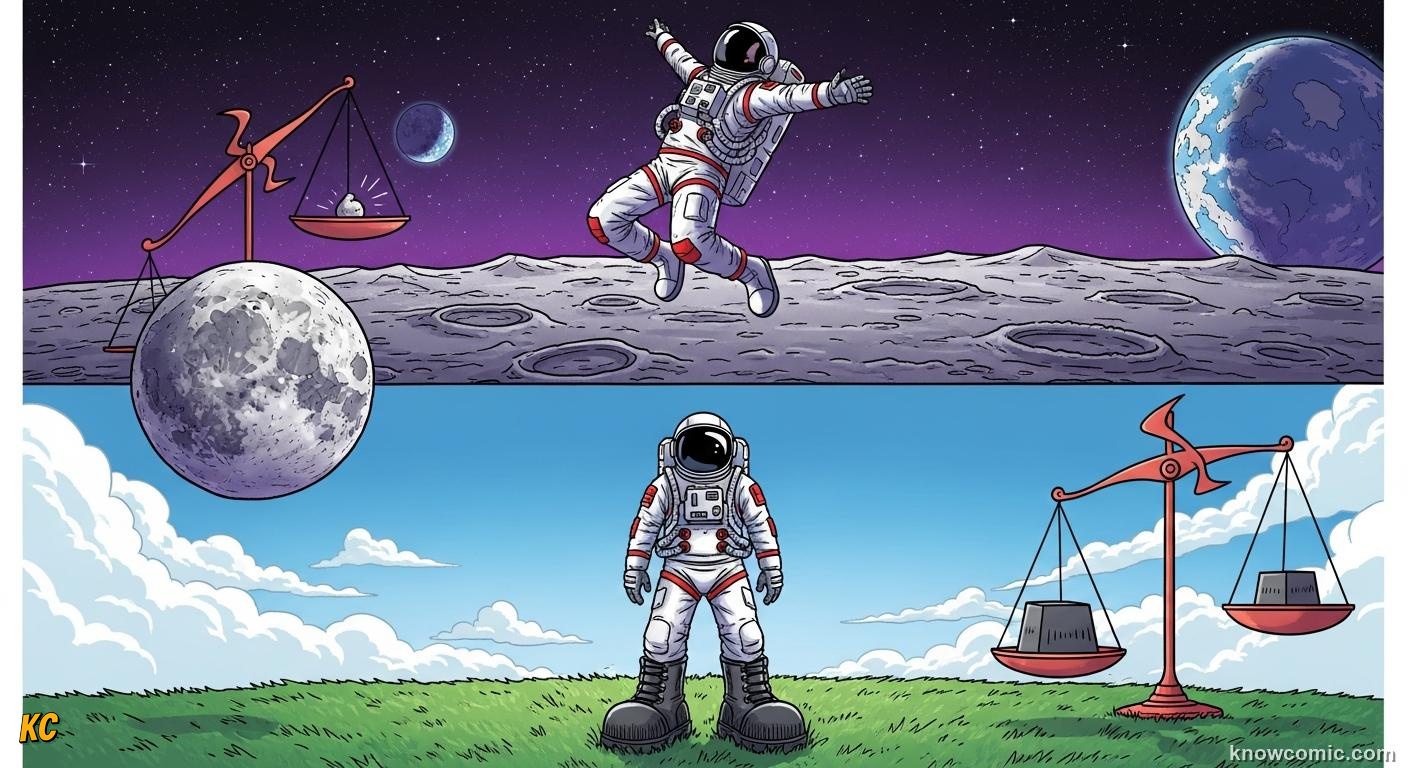
YOUR MASS TRAVELS, YOUR WEIGHT CHANGES
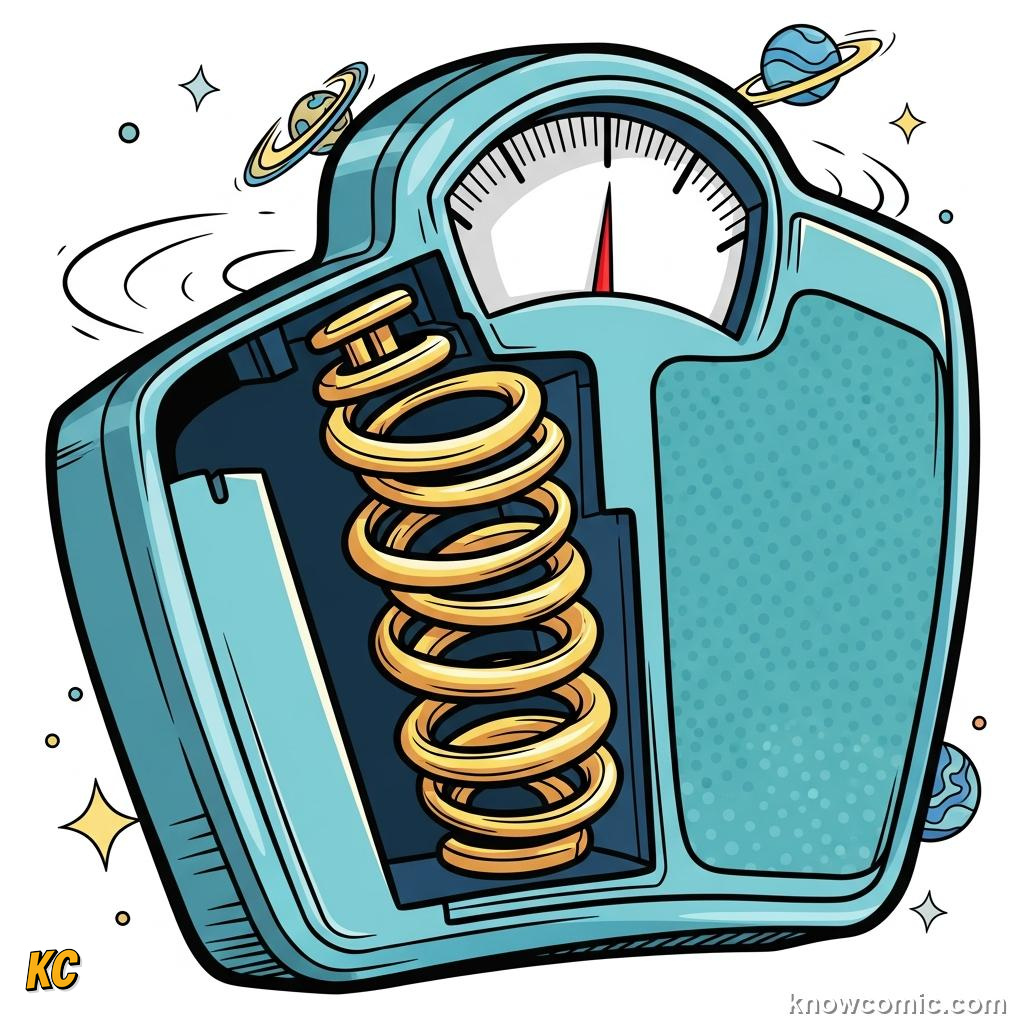
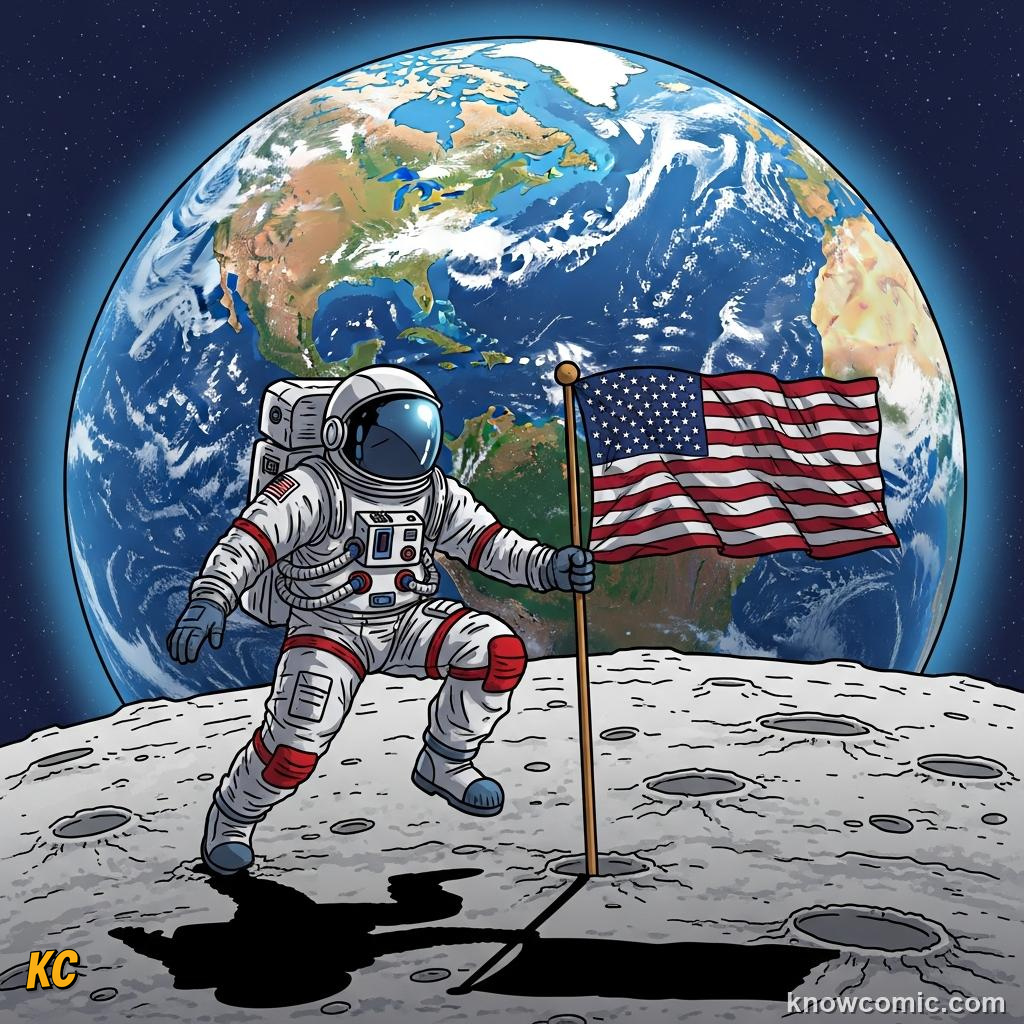
Mass is the amount of matter, same on Earth, Moon or interplanetary cruise. Weight is the gravitational force on that mass, about one-sixth on the Moon because the Moon is smaller and less dense. Bathroom scales actually measure support force; in an accelerating elevator the reading wiggles even if your mass stays constant. Scientists use mass in kilograms and force in newtons to keep ideas clear.
MASS!
MOON JUMP
🦘 Higher hops, less weight
🪨 Same mass in spacesuit
🪨 Same mass in spacesuit
POLES VS EQUATOR
🌍 Slight spin & shape tweaks g
⚖️ Weights vary by small %
⚖️ Weights vary by small %
g
📐 ~9.8 m/s² near surface
📉 Weaker higher up
📉 Weaker higher up
PAGE 3 OF 5, TIDES AND TWO BULGES
BULGES
🌙 Moon pulls water into bulge
🌍 Earth also pulled, double effect
🌍 Earth also pulled, double effect
SPRING
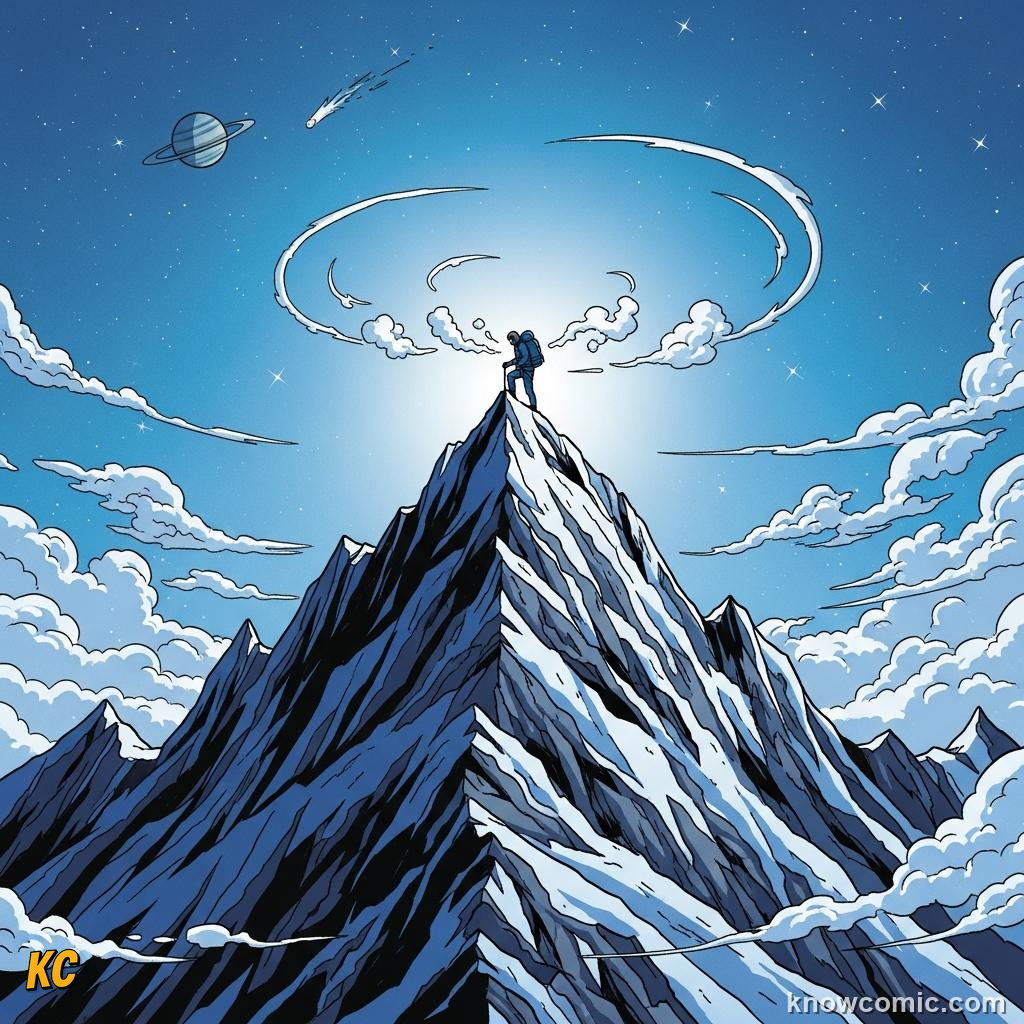
☀️ Sun aligns at new/full moon
🌊 Extra-large spring tides
🌊 Extra-large spring tides
TIDAL FORCE
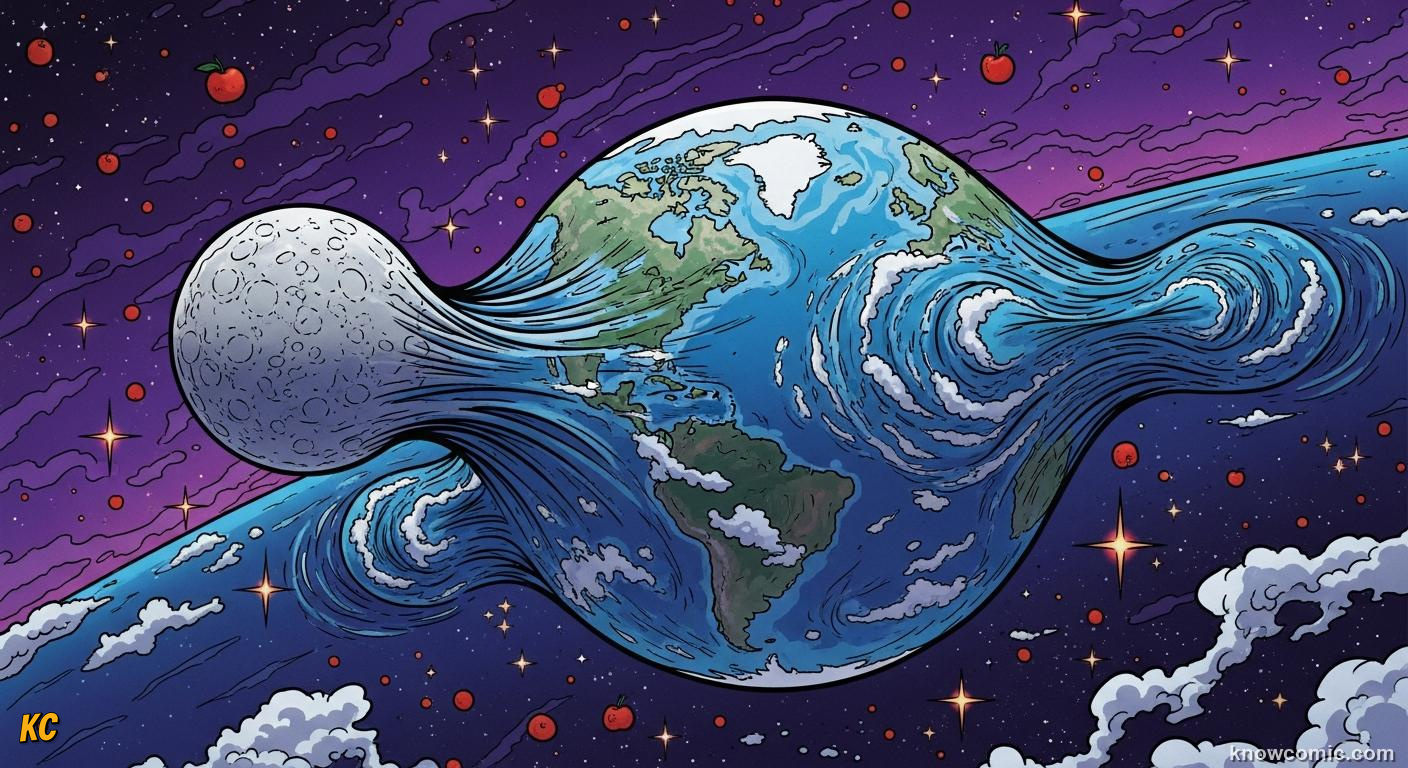
MOON DOMINANT, SUN ADDS
Tidal range depends on coastline shape, weather and alignment; some bays funnel huge tides. Tidal friction slowly converts spin energy into heat in oceans and solid Earth. Understanding tides matters for ports, marine life spawning clocks and future lunar bases where low gravity meets abrasive regolith dust that still clings electrostatically.
TIDE!
PAGE 4 OF 5, ORBIT: FALLING WITHOUT HITTING
ORBIT
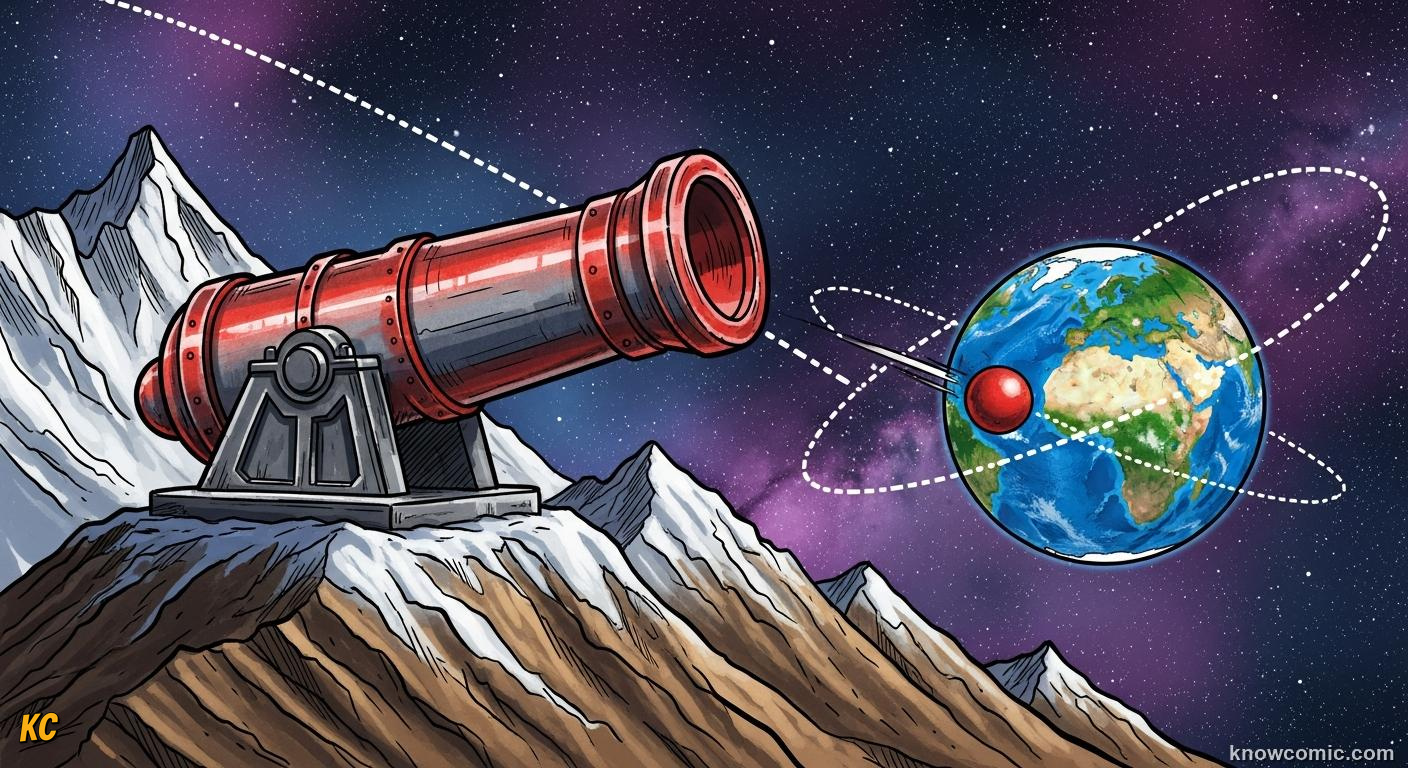
Cannonball THOUGHT EXPERIMENT
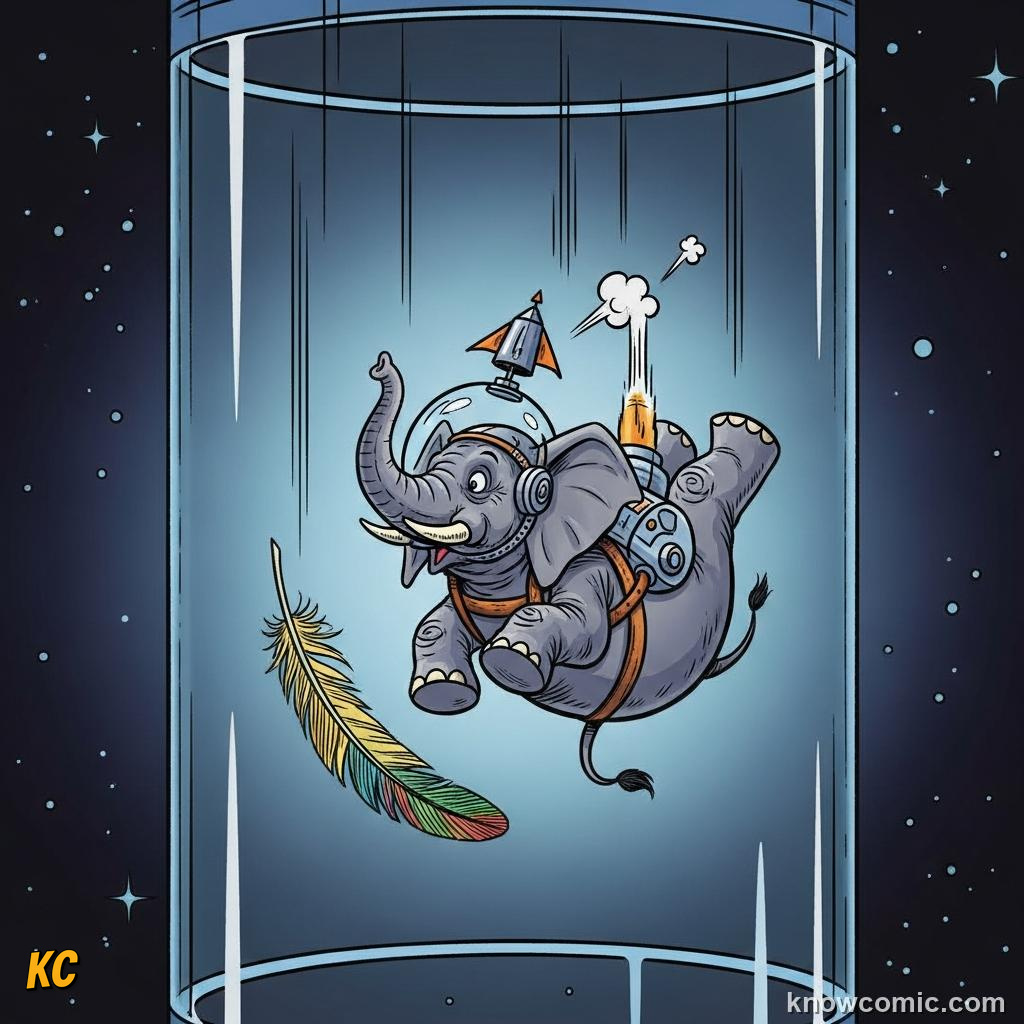
Fire a cannon horizontally fast enough from a tall mountain and the ground curves away beneath the shot as fast as it falls, that is an orbit. Astronauts feel weightless because their capsule and their bodies fall at the same rate, no support force from a floor. Re-entry burns off speed with air friction so gravity can finally pull them straight down to a runway.
FALL!
ISS
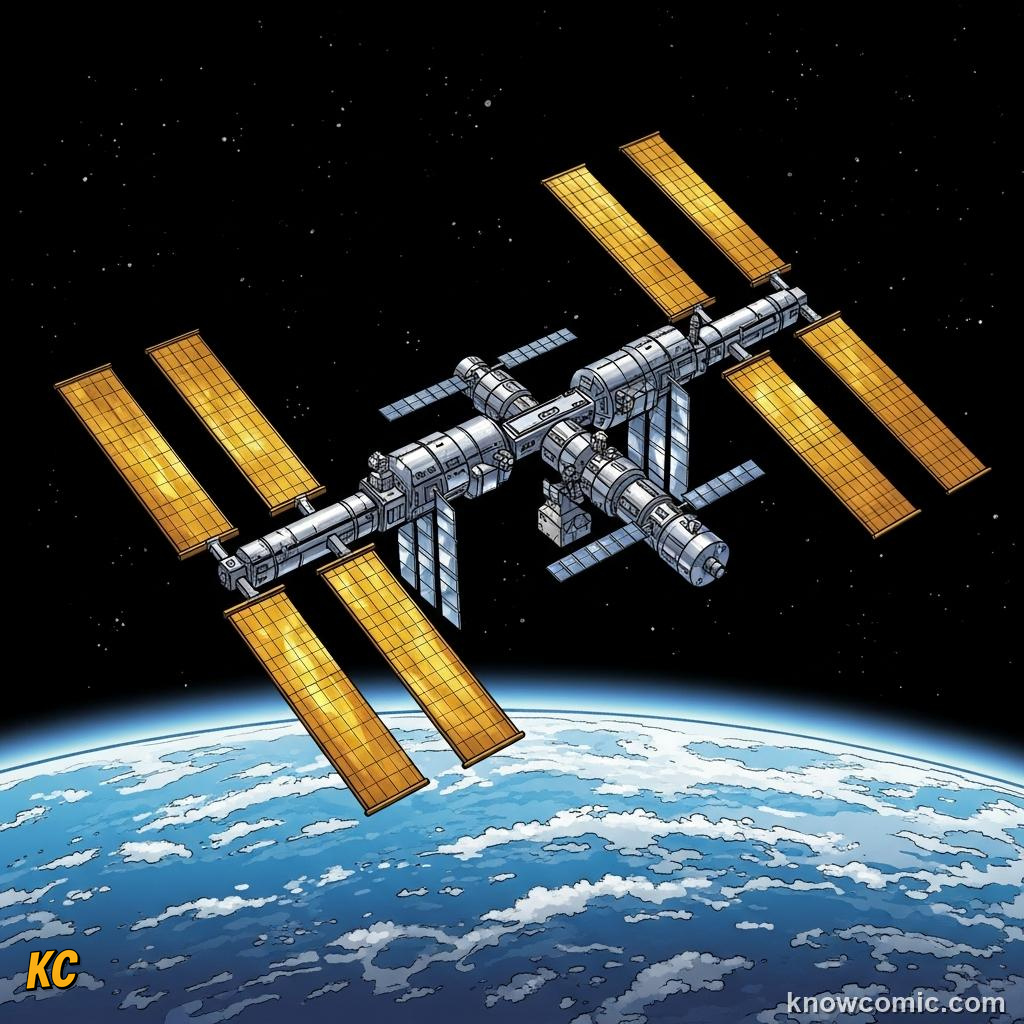
🛰️ ~90 min per lap
🔥 Microgravity experiments
🔥 Microgravity experiments
PARABOLA
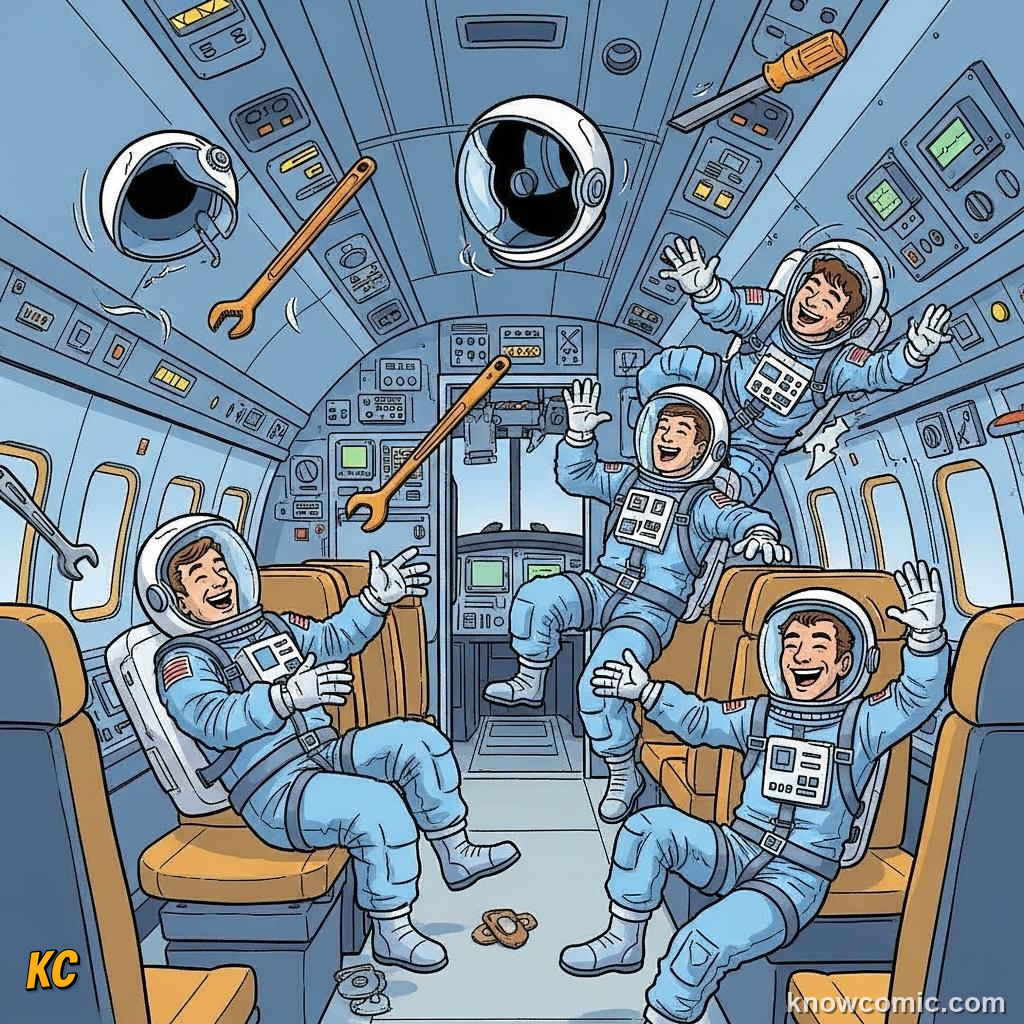
✈️ Aircraft arcs for seconds of zero-g
🧪 Train astronauts
🧪 Train astronauts
HEAT SHIELD
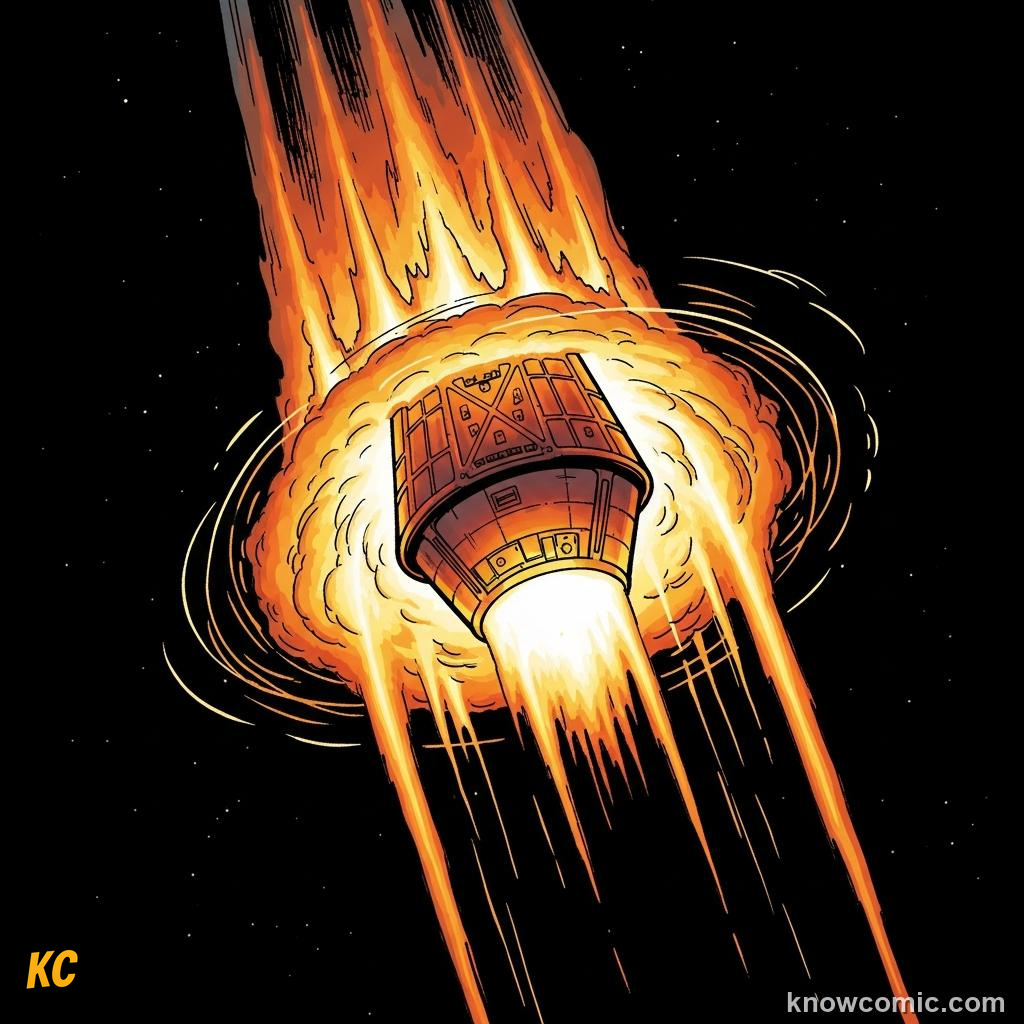
🔥 Plasma glow on re-entry
🛡️ Tiles absorb brutal heat
🛡️ Tiles absorb brutal heat
PAGE 5 OF 5, GRAVITY ACROSS THE SOLAR SYSTEM
SOLAR SYSTEM
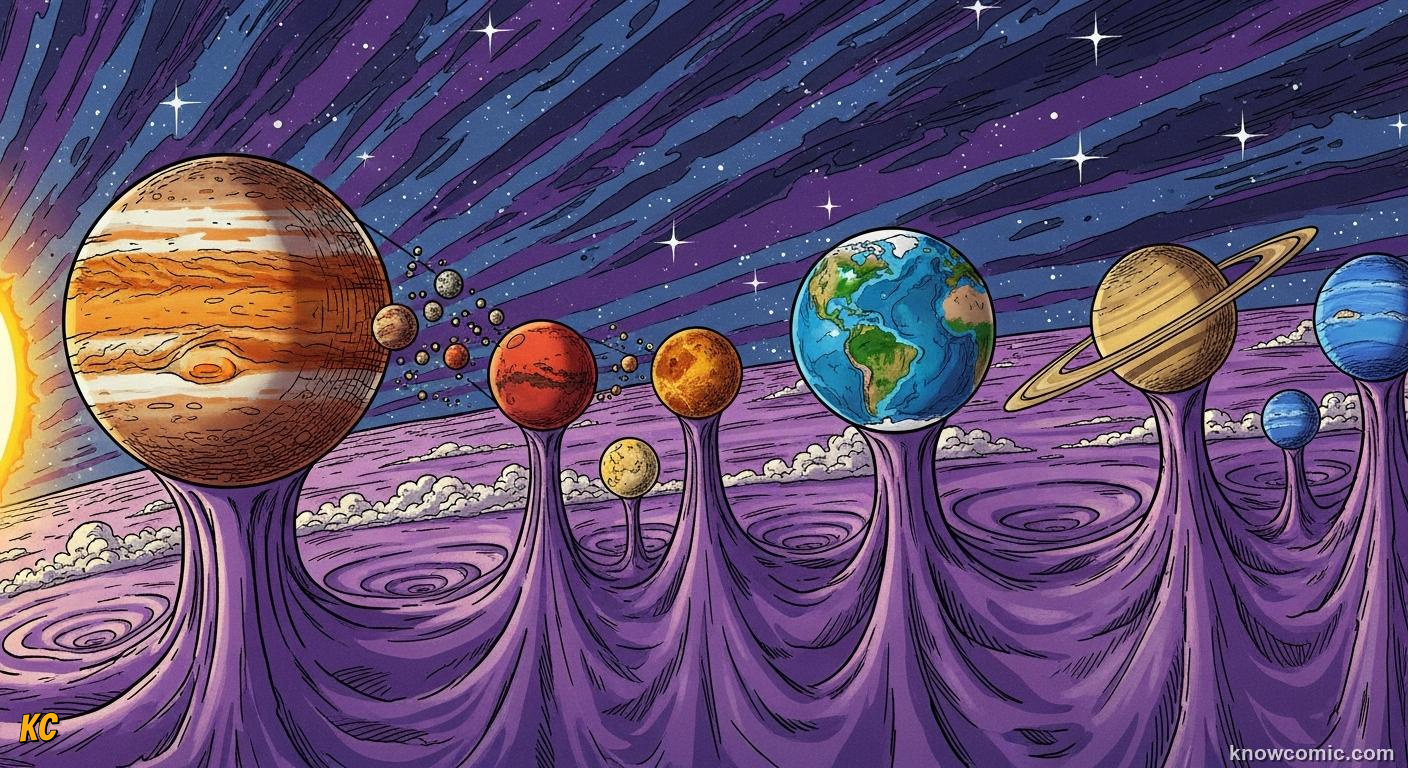
STRENGTH SCALES WITH MASS AND DISTANCE
Jupiter's pull on its moons is mighty; a human on Phobos could jump many metres. Black holes curve paths so sharply that light may orbit, still governed by the same equations in the weak-field limit as falling apples. On Earth, tiny local variations in rock density let gravimeters hunt ore bodies and magma chambers, gravity maps geology as well as astronomy.
BIG!
JUPITER
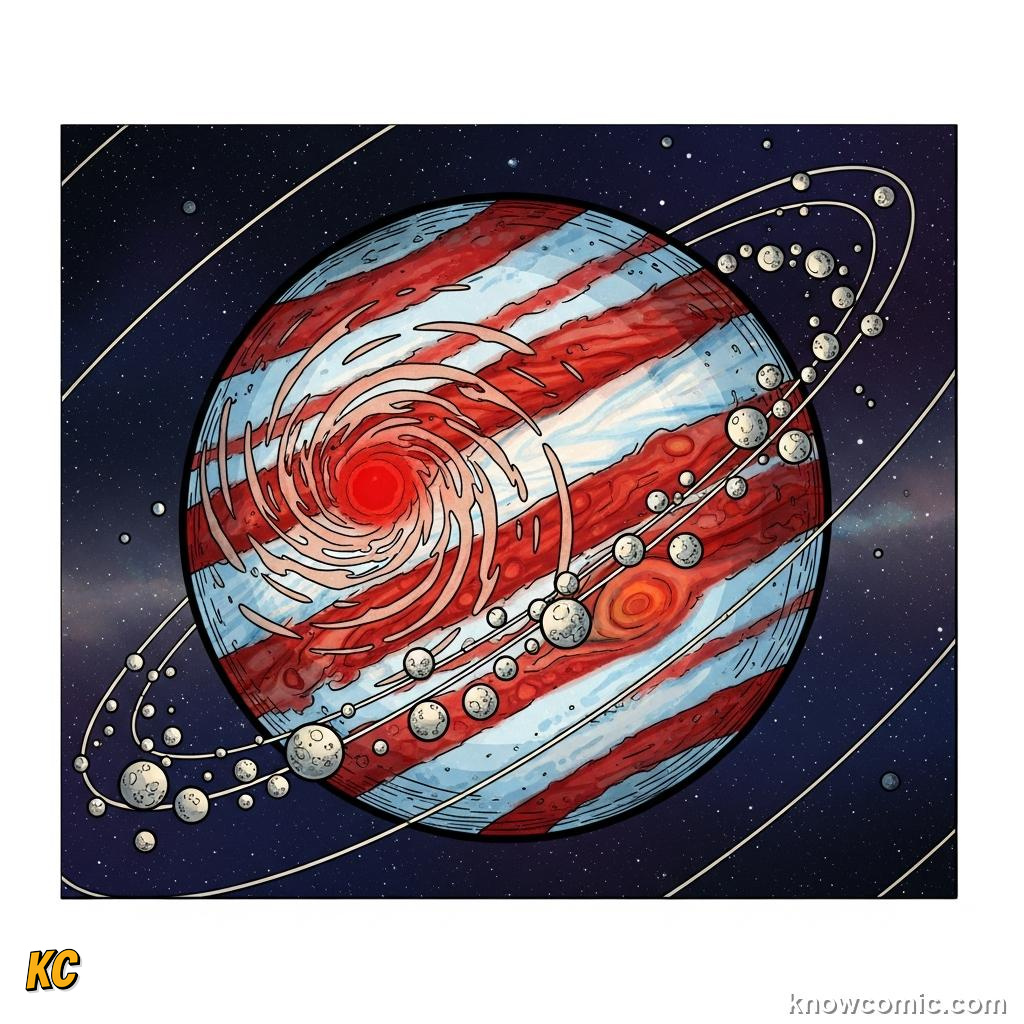
🪐 Huge mass, strong pull
🛰️ Many moons locked in tides
🛰️ Many moons locked in tides
REMEMBER
🍎 KEY FACTS
Gravity pulls masses together · Weight = force, mass = matter · g weaker on Moon · Tides from differential gravity · Orbit = continuous free fall.
✅ Toward Earth centre
✅ Same mass everywhere
✅ Orbit ≠ no gravity
✅ Same mass everywhere
✅ Orbit ≠ no gravity
🧠 QUIZ TIME!
GRAVITY · 5 QUESTIONS
QUESTION 01
Toward what point does Earth's gravity mainly pull you when standing on the ground?
QUESTION 02
On the Moon, astronauts weigh less because…
QUESTION 03
Weight is best described as…
QUESTION 04
Ocean tides on Earth are mainly caused by…
QUESTION 05
Astronauts in Earth orbit feel weightless mainly because…
0/5
LOADING...