☁️ THE GREAT ATMOSPHERE
PAGE 1 OF 5, A BLANKET OF AIR
BLUE SKY
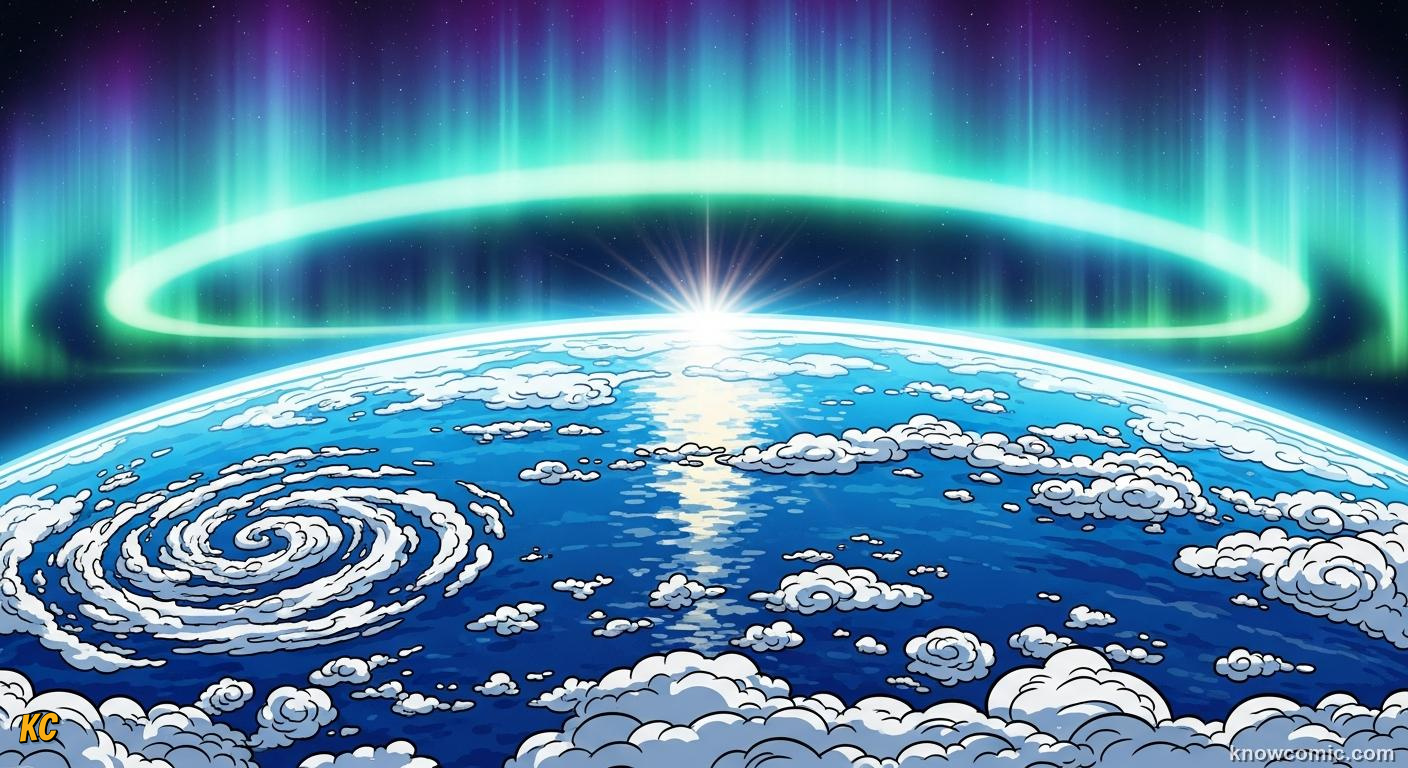
PRESSURE, BREATH AND WEATHER
The atmosphere is a thin film of gas, mostly nitrogen with oxygen for animals and carbon dioxide for plants, trapped by gravity. Air has weight: sea-level pressure is about 101 kilopascals, enough to support a column of mercury in a barometer. As you climb a mountain, fewer molecules press down, so pressure drops and boiling water cools at lower temperatures. Almost all weather happens in the lowest layer, the troposphere, where temperature usually falls with height until you reach the tropopause boundary near jet-cruise altitude.
⚡ DID YOU KNOW?
If Earth were an apple, the atmosphere would be thinner than the peel, yet it carries storms, sound and the chemistry that keeps us alive.
AIR!
GASES
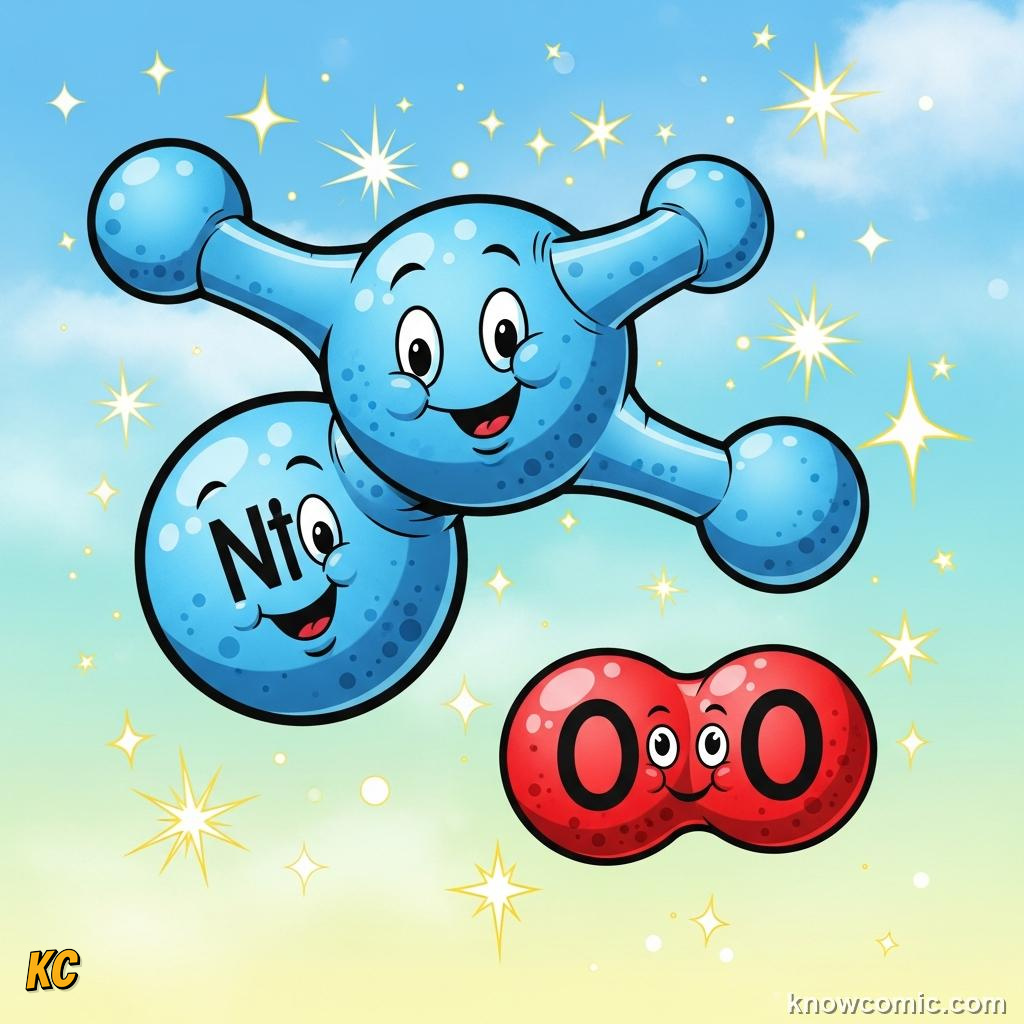
🌬️ ~78% nitrogen
🫁 ~21% oxygen
💧 Variable water vapour drives storms
🫁 ~21% oxygen
💧 Variable water vapour drives storms
AURORA
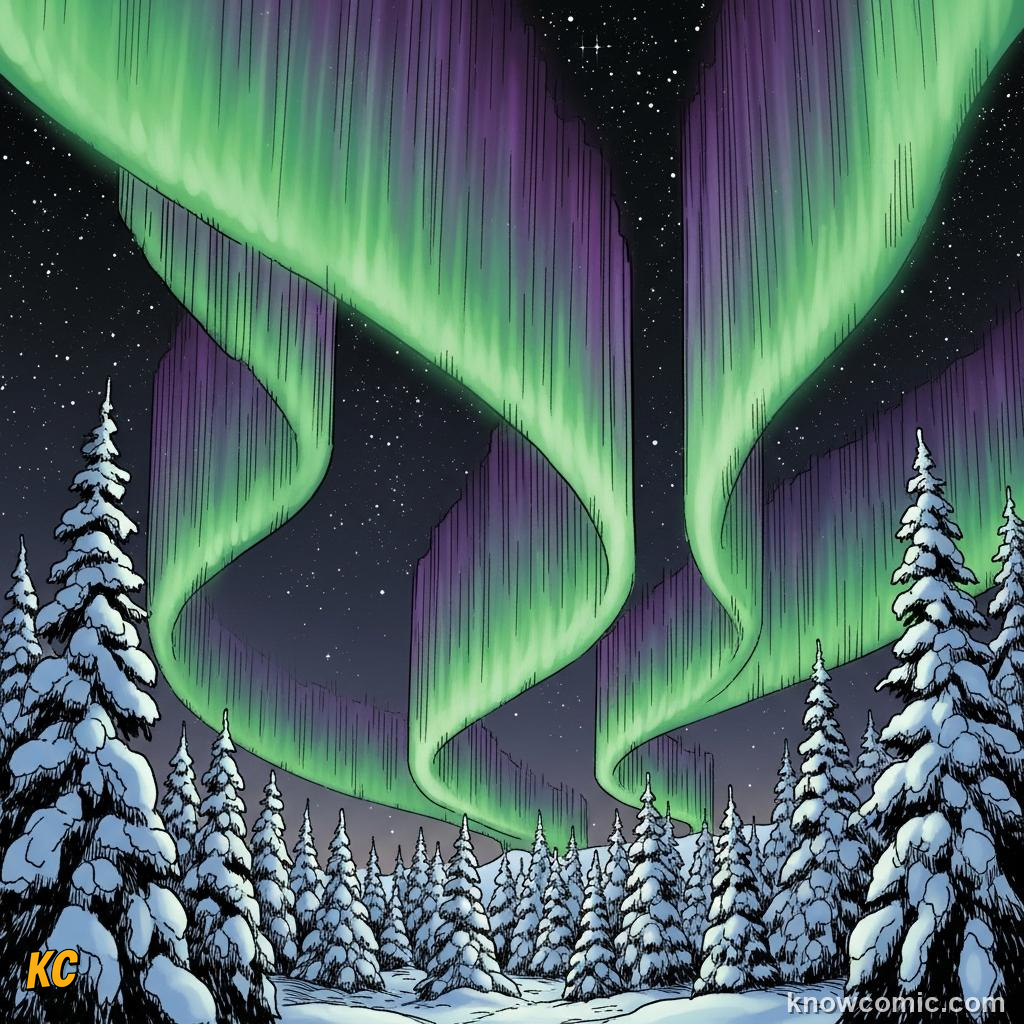
✨ Charged particles spiral in high layers
🧲 Follow magnetic field lines
🧲 Follow magnetic field lines
PAGE 2 OF 5, LAYER CAKE OF THE SKY
LAYERS
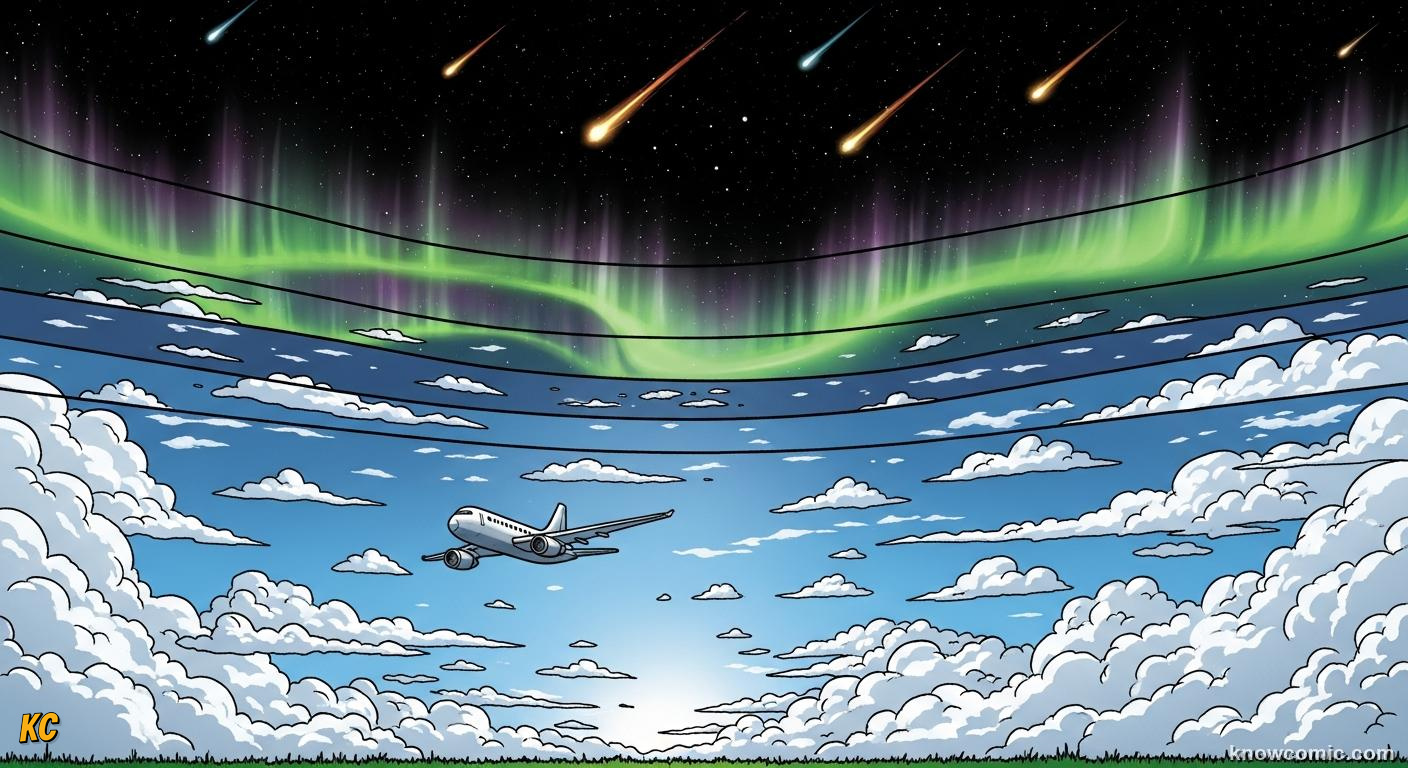
TROPOSPHERE TO EXOSPHERE
Troposphere (0–8–15 km): turbulence, clouds, rain. Stratosphere: temperature rises with height thanks to ozone absorbing ultraviolet; passenger jets cruise here in smooth air. Mesosphere: coldest zone where meteors glow. Thermosphere: sparse but hot gas, ISS orbits inside it, still needing shields because few molecules carry enormous kinetic energy per particle. Exosphere thins into space with no sharp edge, atoms gradually escape.
UP!
JETS
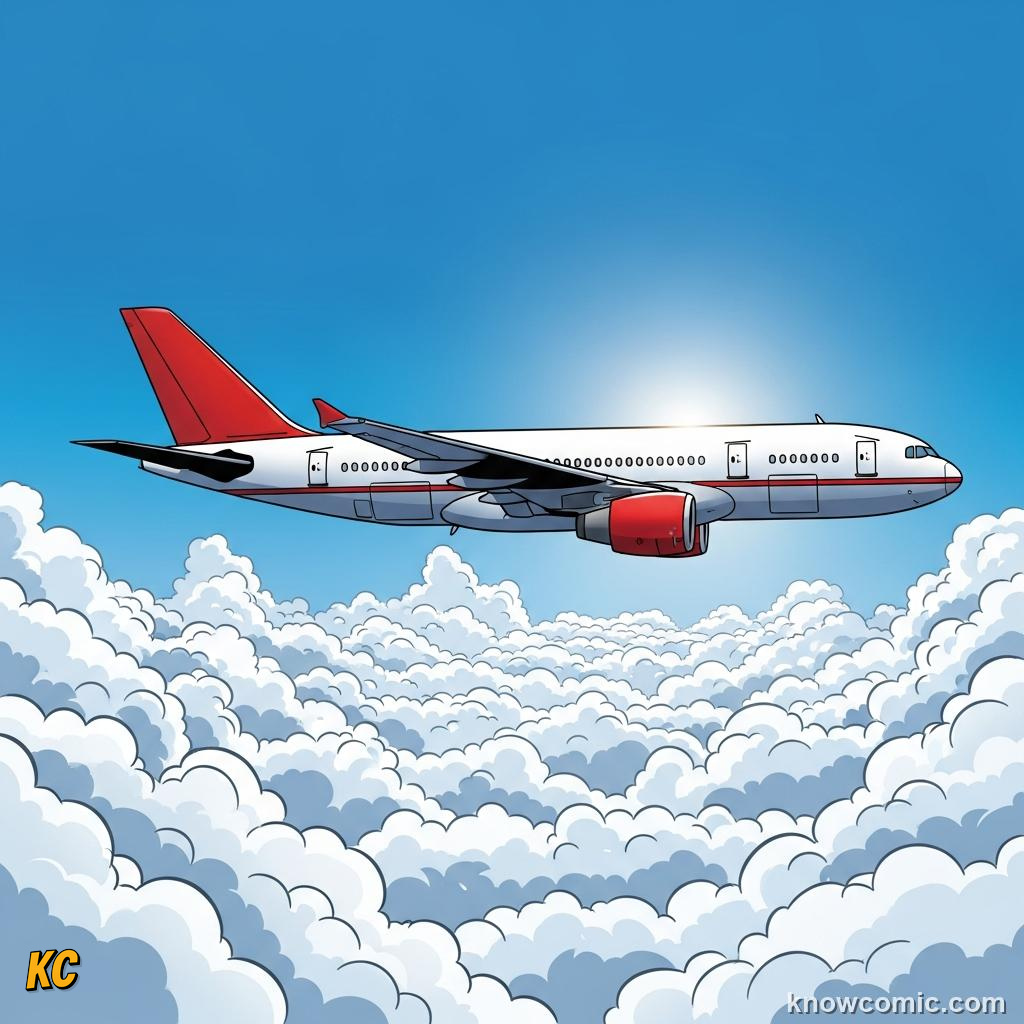
✈️ Fly near tropopause
☁️ Above most big storms
☁️ Above most big storms
OZONE
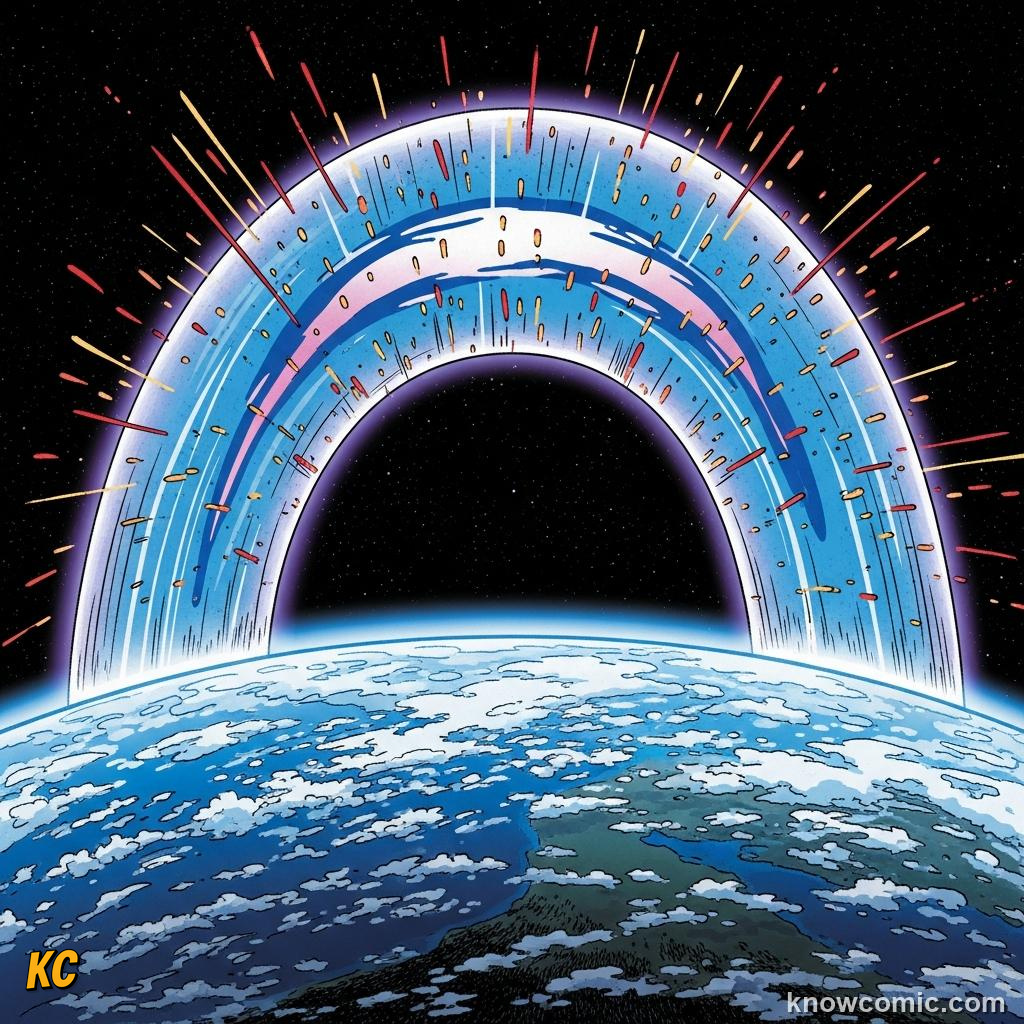
🛡️ O₃ absorbs harsh UV
🌞 Protects DNA on surface
🌞 Protects DNA on surface
METEORS
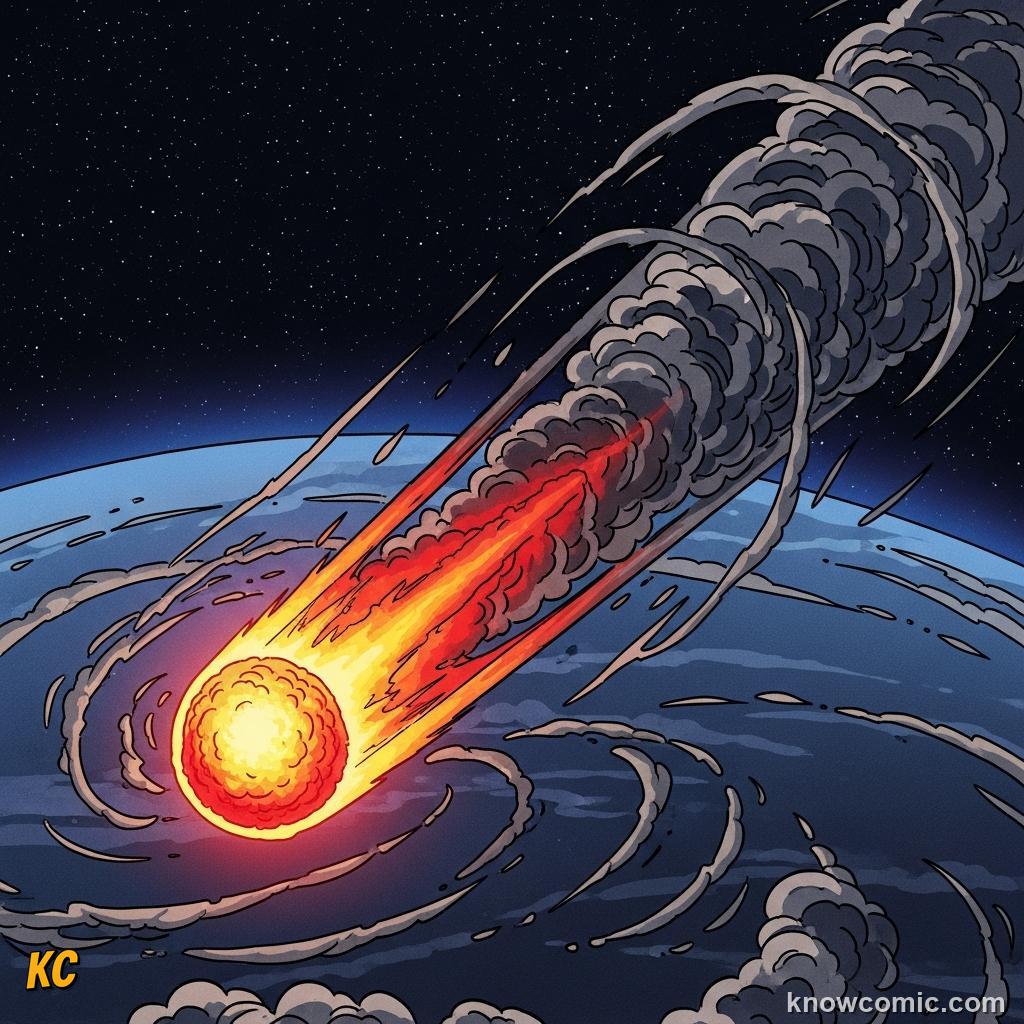
☄️ Burn mostly in mesosphere
✨ Shooting star streaks
✨ Shooting star streaks
PAGE 3 OF 5, GREENHOUSE BALANCE
SUN IN
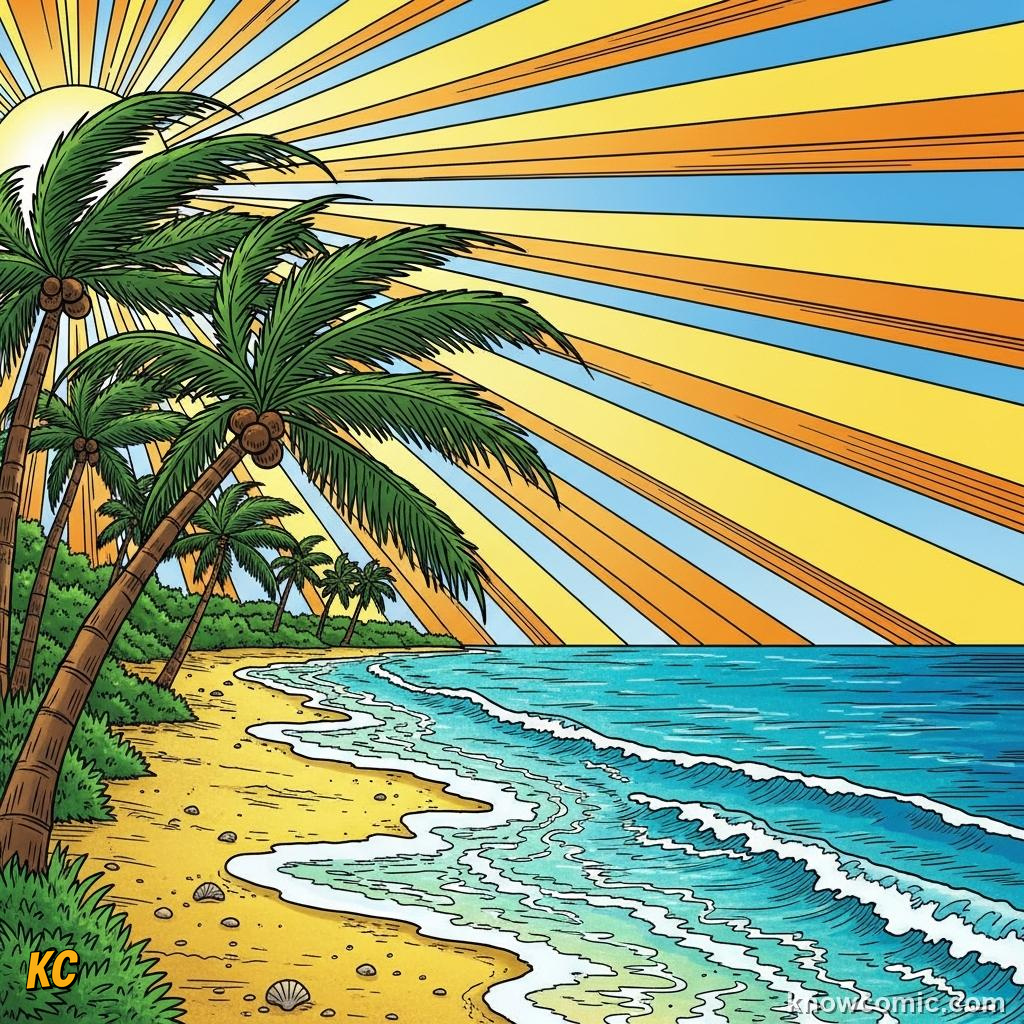
☀️ Shortwave light reaches ground
🌊 Some reflected by clouds & ice
🌊 Some reflected by clouds & ice
IR OUT
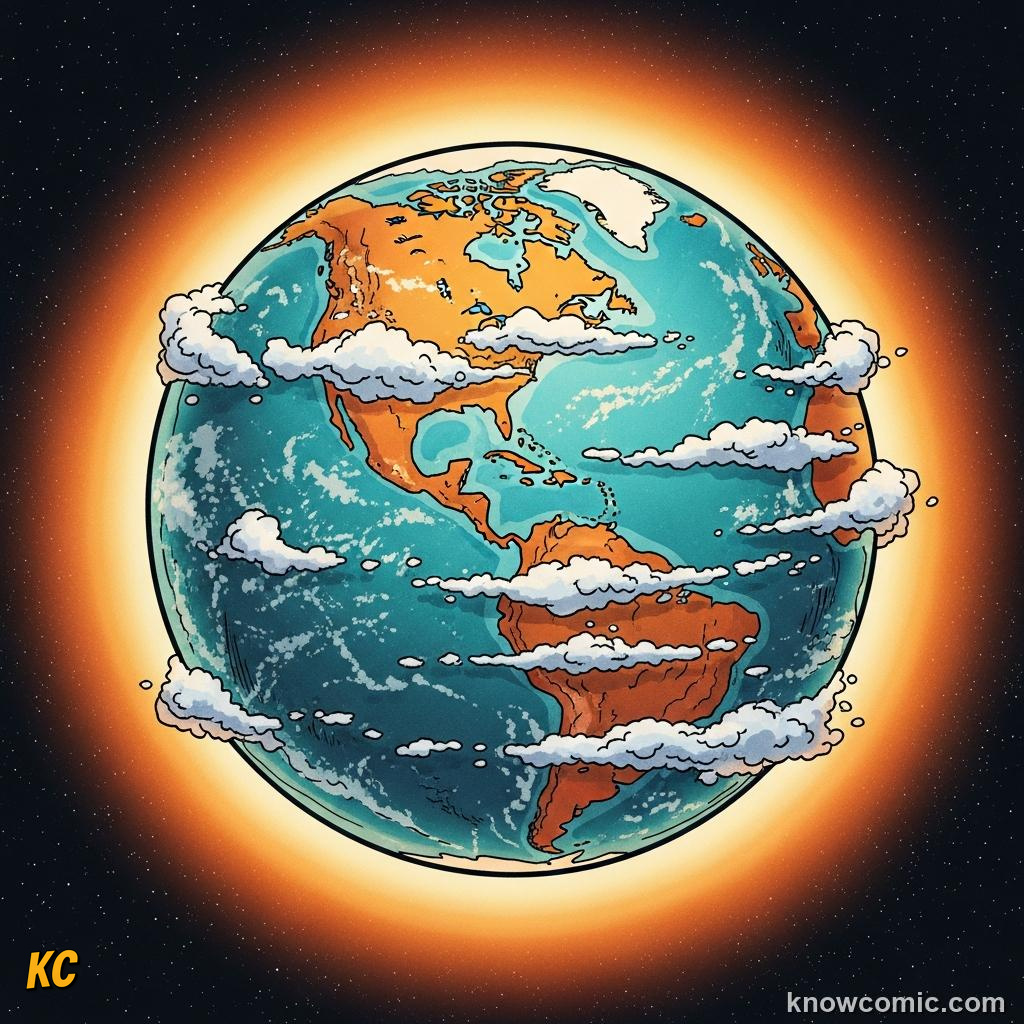
📡 Earth radiates infrared
💧 Water vapour & CO₂ trap some heat
💧 Water vapour & CO₂ trap some heat
NATURAL GREENHOUSE
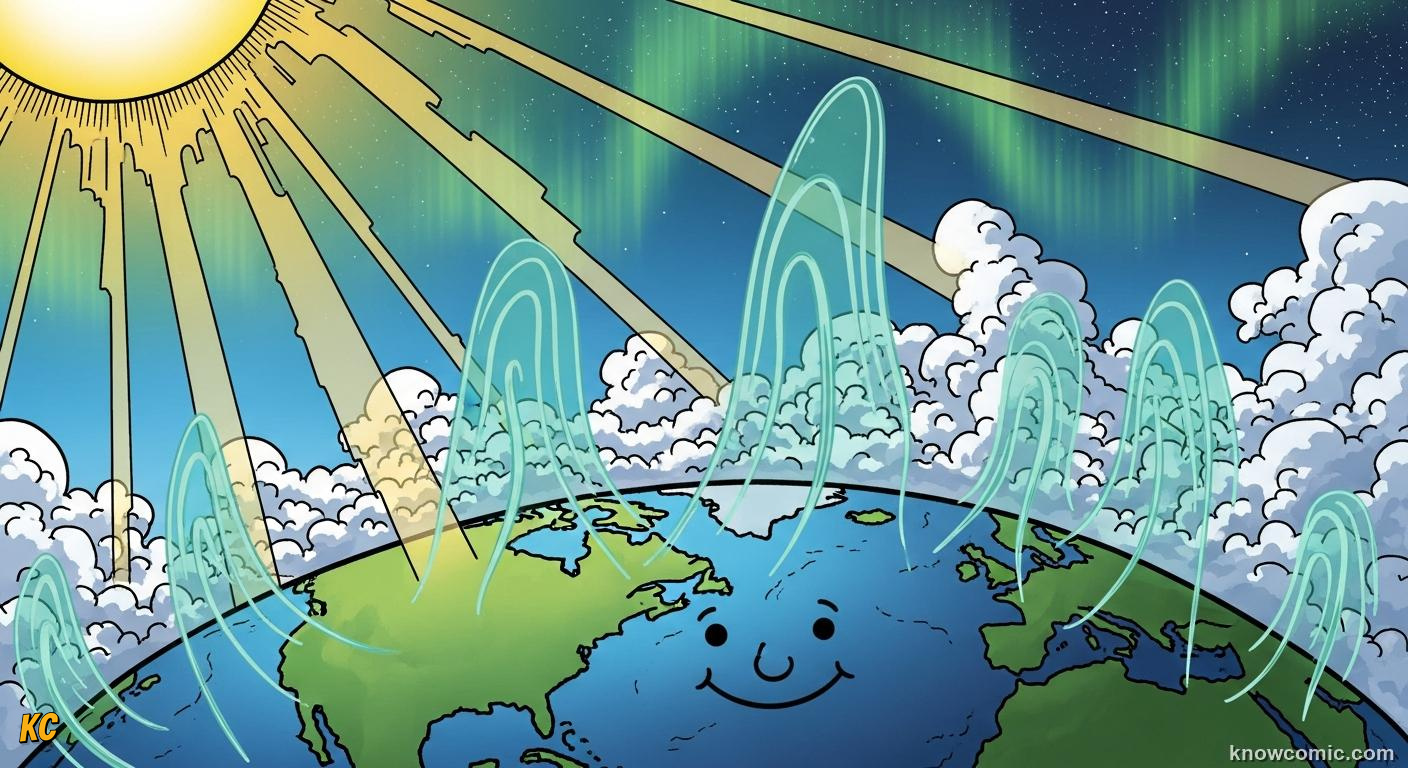
NOT A BAD WORD BY ITSELF
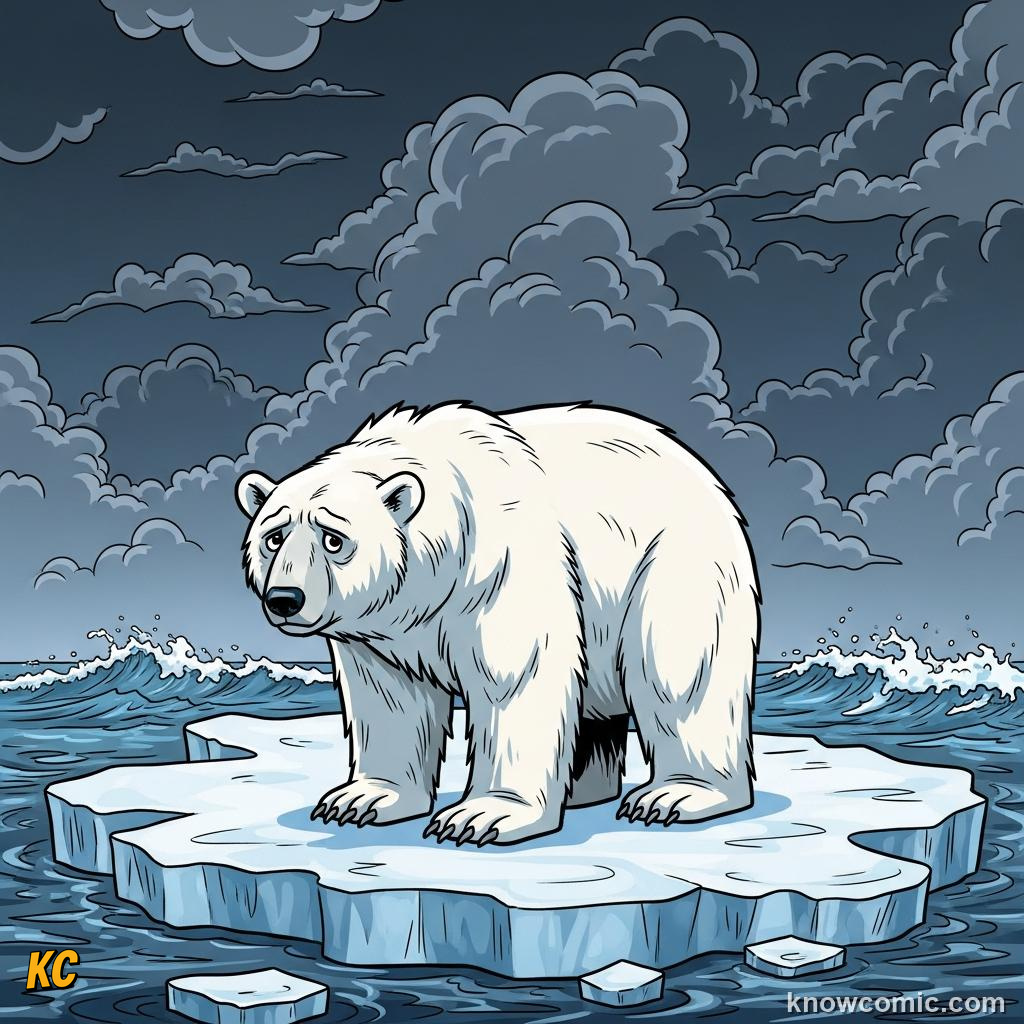
Without greenhouse gases Earth would average about −18 °C, a frozen rock. The issue for climate science is balance: burning fossil fuels adds long-lived CO₂ faster than oceans and forests can soak it, nudging the thermostat. Oceans absorb heat and acidify slightly; ice sheets respond slowly but powerfully to small sustained shifts.
WARM!
PAGE 4 OF 5, WIND, PRESSURE BELTS AND LIFE
CIRCULATION
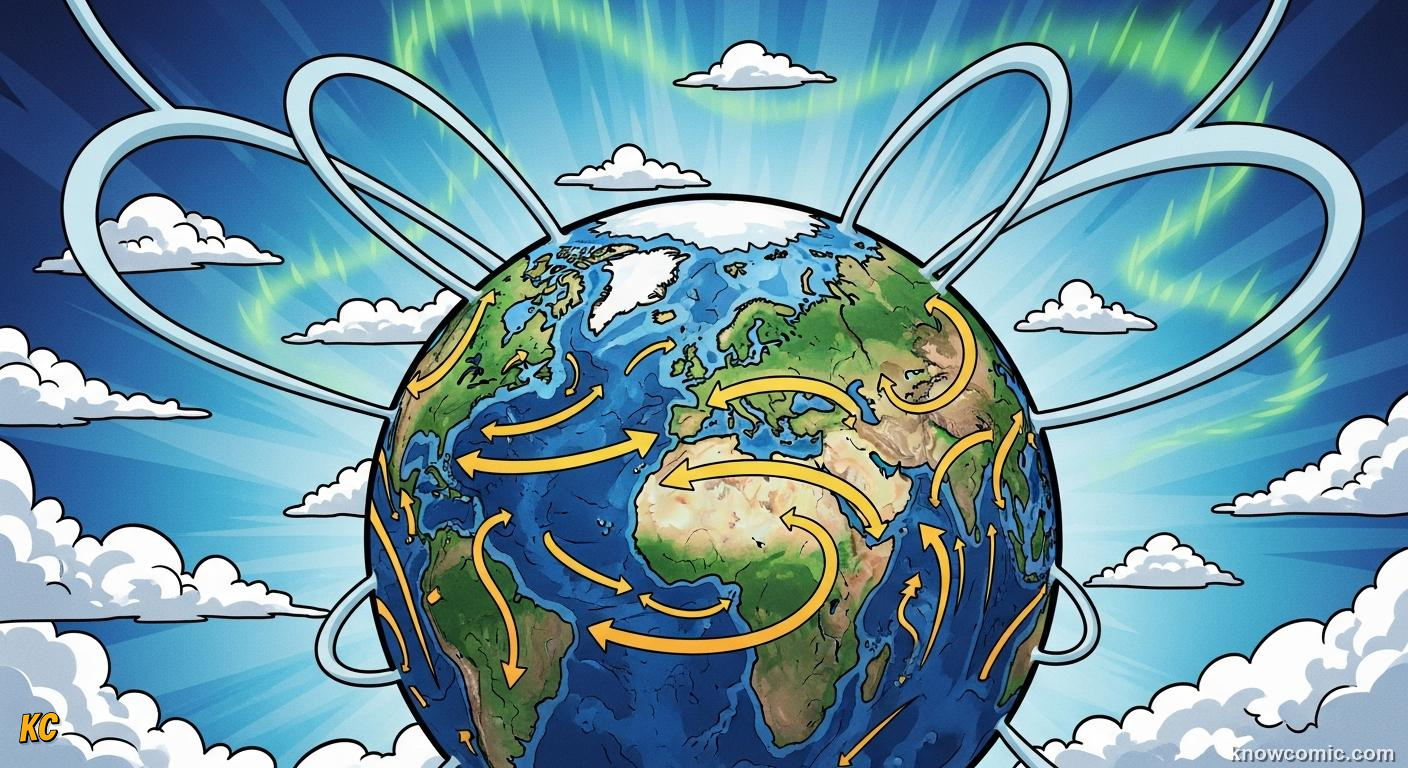
SOLAR HEATING DRIVES GLOBAL WINDS
The tropics receive more sunlight per area than polar regions, setting up Hadley cells, giant loops of rising moist air near the equator and sinking dry air near subtropical deserts. Mid-latitude eddies deliver storms to Europe and North America. Trade winds once pushed sailing ships; today they still steer hurricanes after they form. Dust from deserts fertilises Amazon rain when blown west, atmosphere links continents.
WIND!
RAIN

💧 Water cycle engine in troposphere
⛈️ Latent heat powers storms
⛈️ Latent heat powers storms
DESERT
🏜️ Sinking dry stratosphere-linked air aloft
🌵 Evaporation exceeds rain
🌵 Evaporation exceeds rain
LIFE
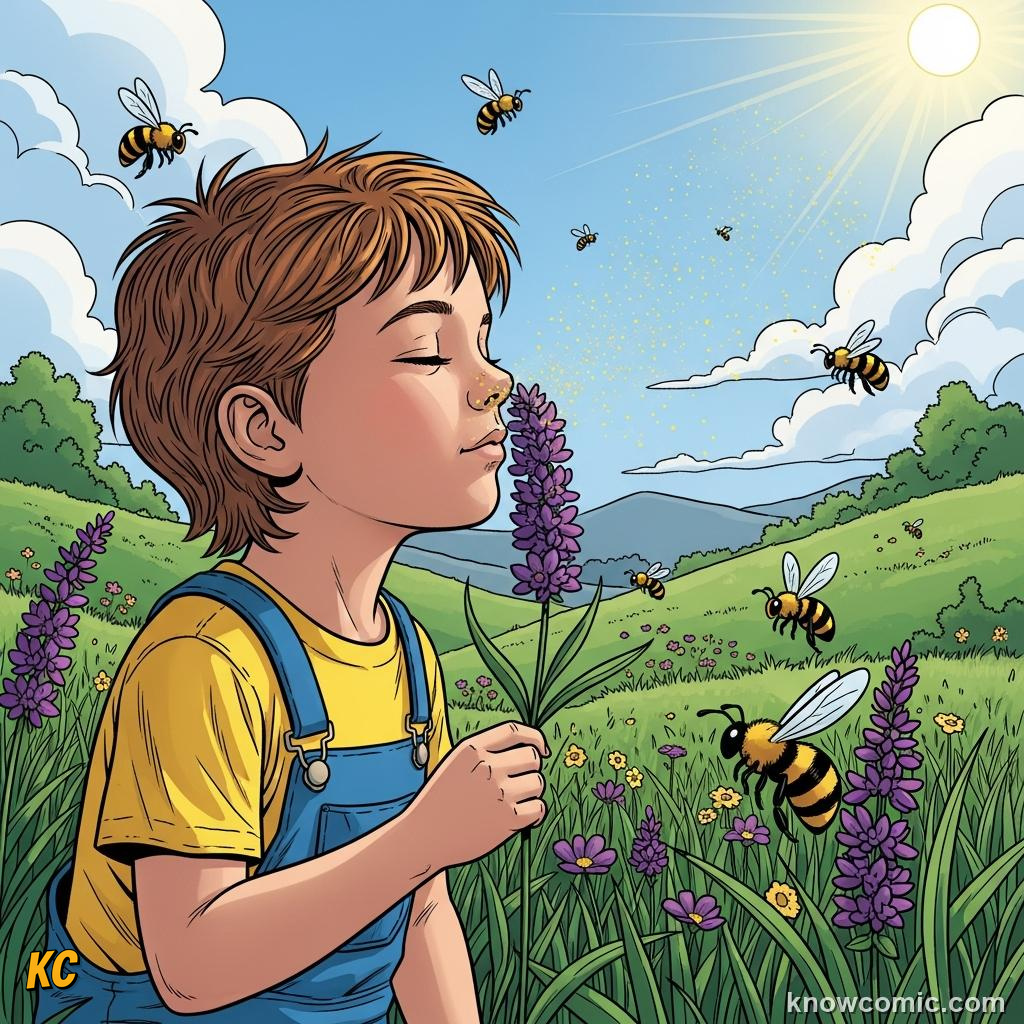
🦠 Trace gases matter, ozone hole healed with treaties
🌱 Plants shift CO₂ seasonally
🌱 Plants shift CO₂ seasonally
PAGE 5 OF 5, WATCHING AIR FROM ORBIT
SATELLITES
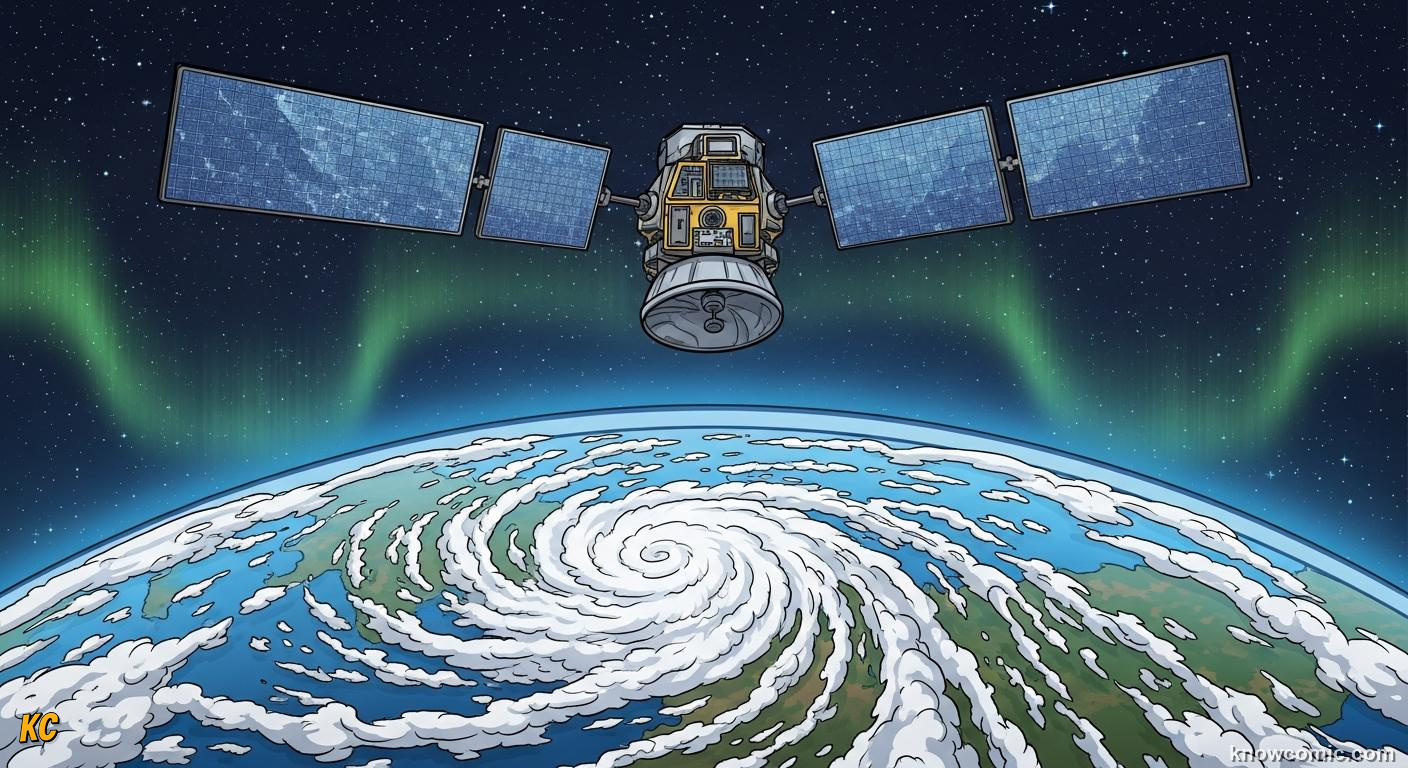
INSTRUMENTS ABOVE THE WEATHER
Polar-orbiting and geostationary satellites photograph cloud tops, measure temperature and moisture profiles, track ash after eruptions and map pollution plumes. Lidar bounces laser pulses off aerosols; microwave radiometers see through clouds to gauge rainfall over oceans. Data feeds weather models that save lives during hurricanes, all possible because the atmosphere is thin enough to see through yet thick enough to hold storms.
SEE!
SPACE STATION
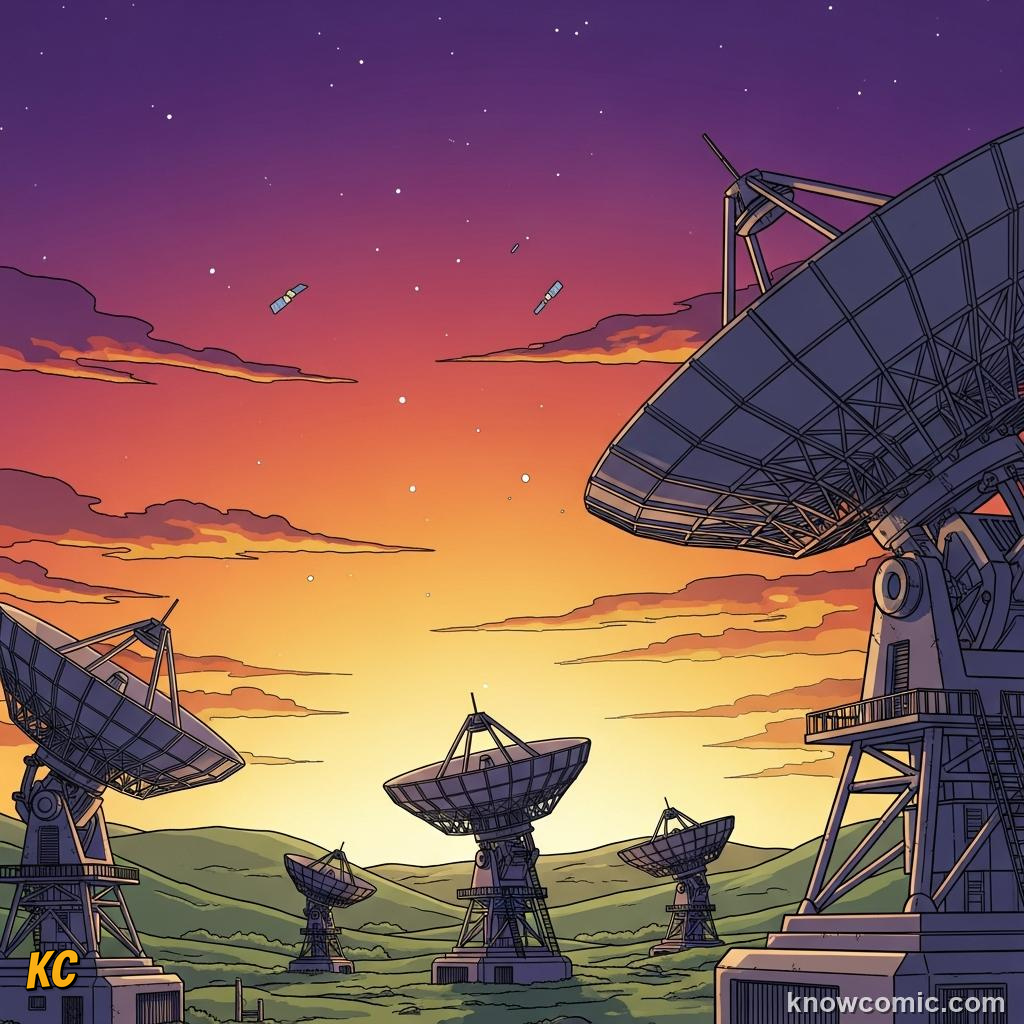
🛰️ Skims thermosphere edge
🪂 Still thin drag needs reboost
🪂 Still thin drag needs reboost
REMEMBER
☁️ KEY FACTS
Nitrogen–oxygen mix · Pressure drops with height · Weather in troposphere · Ozone in stratosphere shields UV · High layers hot but thin · Satellites map it all.
✅ Troposphere = life weather
✅ Stratosphere = ozone UV shield
✅ Thin film vs planet size
✅ Stratosphere = ozone UV shield
✅ Thin film vs planet size
🧠 QUIZ TIME!
THE GREAT ATMOSPHERE · 5 QUESTIONS
QUESTION 01
Which layer contains almost all weather clouds and storms?
QUESTION 02
The ozone layer that absorbs dangerous ultraviolet light sits mainly in the…
QUESTION 03
Dry air is mostly which gas?
QUESTION 04
Air pressure at the top of a high mountain is usually…
QUESTION 05
Colourful auroras mostly occur in which general region?
0/5
LOADING...