🌽 CORN (MAIZE): FROM WILD GRASS TO CROP GIANT
PAGE 1 OF 5, A GRASS WITH A SECRET
HELLO, TEOSINTE
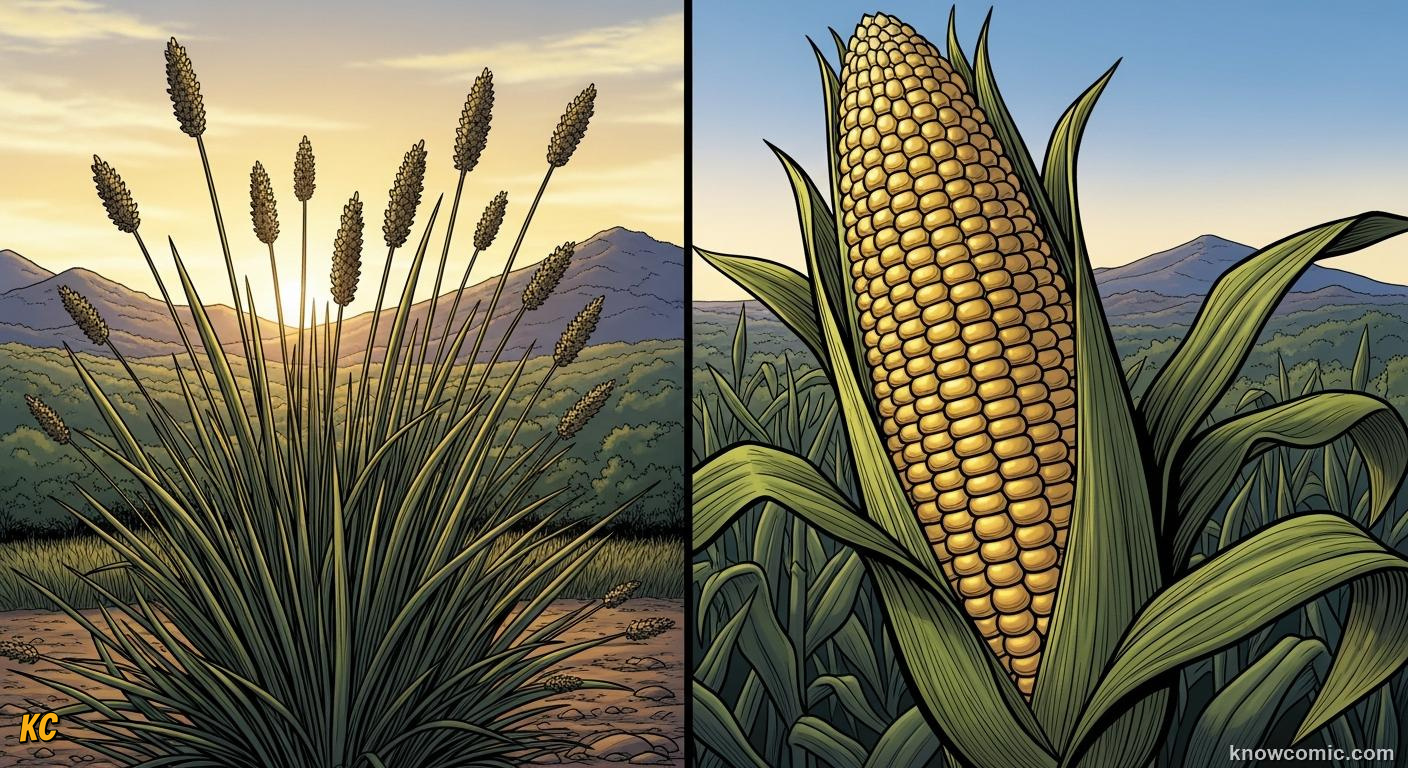
A COB? NOT YET
The corn on your plate is Zea mays—maize. Its wild cousin teosinte (say tay-oh-SIN-tay) looks more like a shy bundle of hard seeds on a spindly plant. In what is now Mexico and Central America, people long ago started choosing plants that had… more seeds, chunkier cobs, easier shells. They didn’t have DNA tools—just patience and sharp eyes—and after thousands of years, teosinte’s ghost turned into a cob as long as your forearm.
BREED!
WILD SIDE
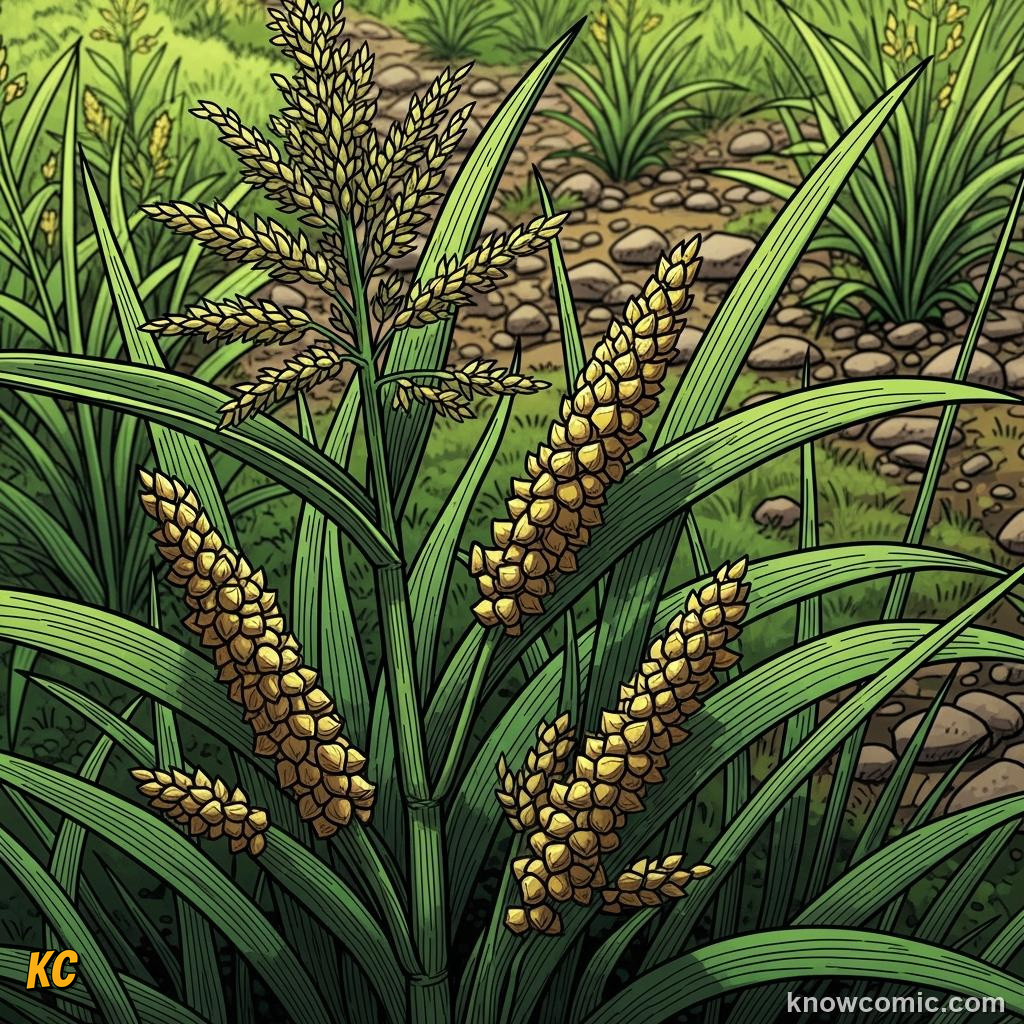
🌾 Teosinte reminds us plants can hide a giant meal inside a tiny start.
MESOAMERICA
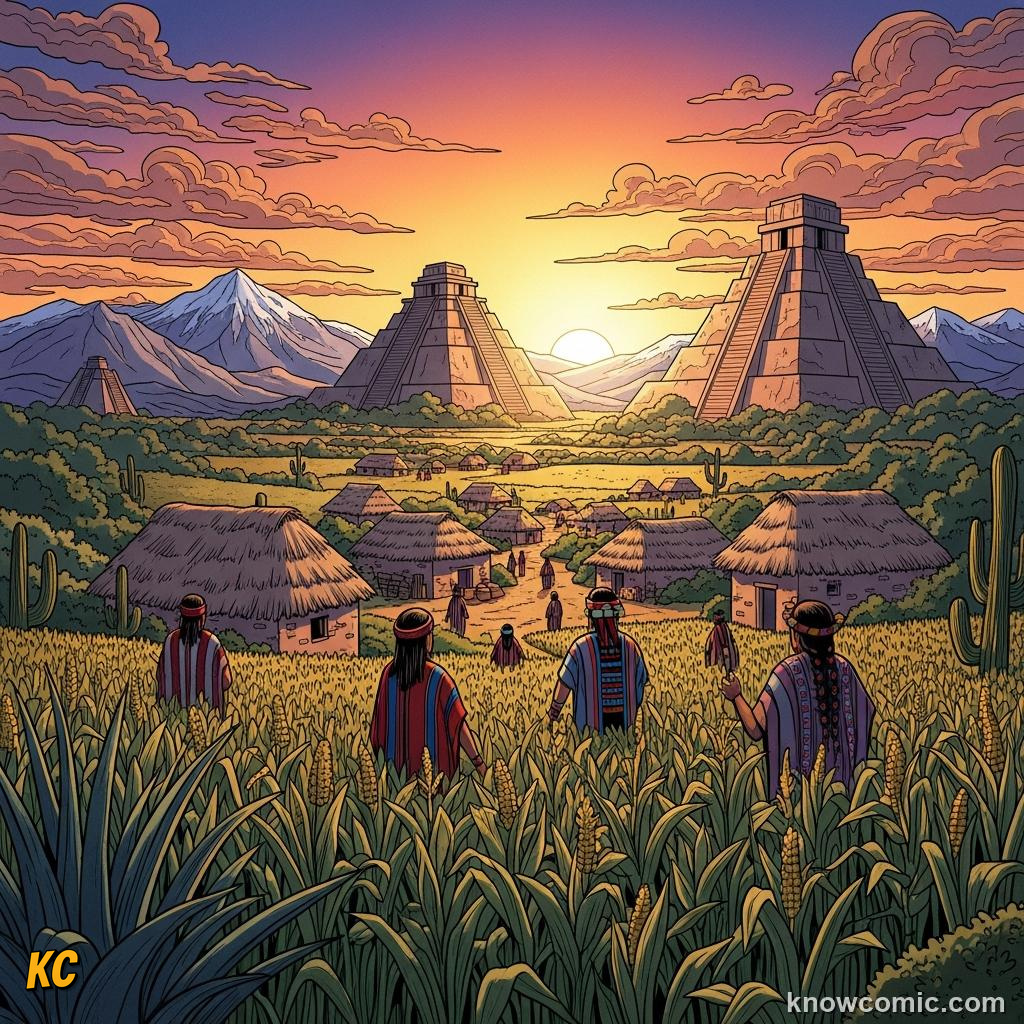
🌋 Hills and summer rains set the stage for the world’s first maize nurseries.
PAGE 2 OF 5, FIELD POWER
SUN + SUMMER
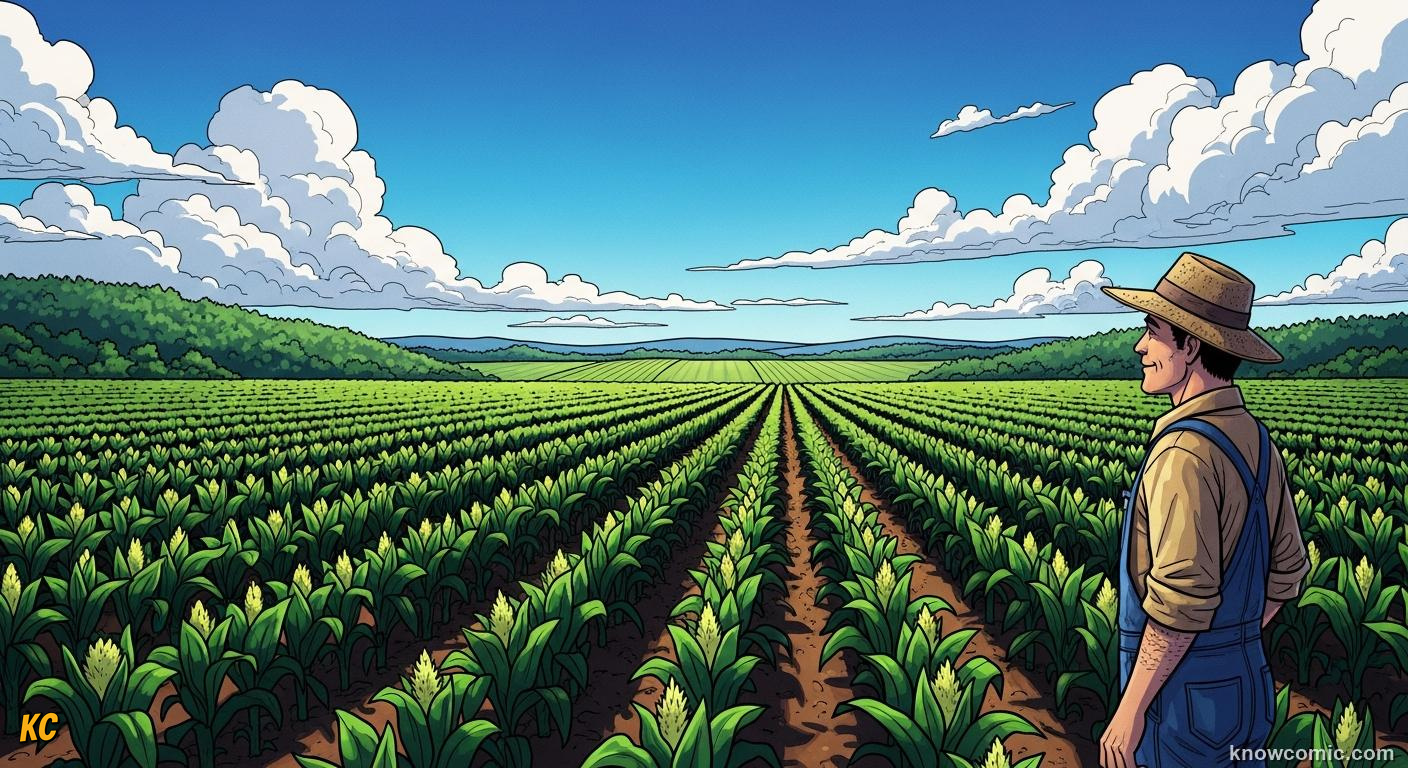
A C4 MACHINE
Maize is a C4 plant: on hot days, it can grab carbon dioxide and grow fast with less water waste than some other crops. Row after row, it reaches for the sky, packs starch into cobs, and sucks up nutrients and rain through roots that anchor deep in the soil. Plant in spring (where winters bite), then watch green armies march across fields until the leaves crisp into harvest gold.
GROW!
SPROUT
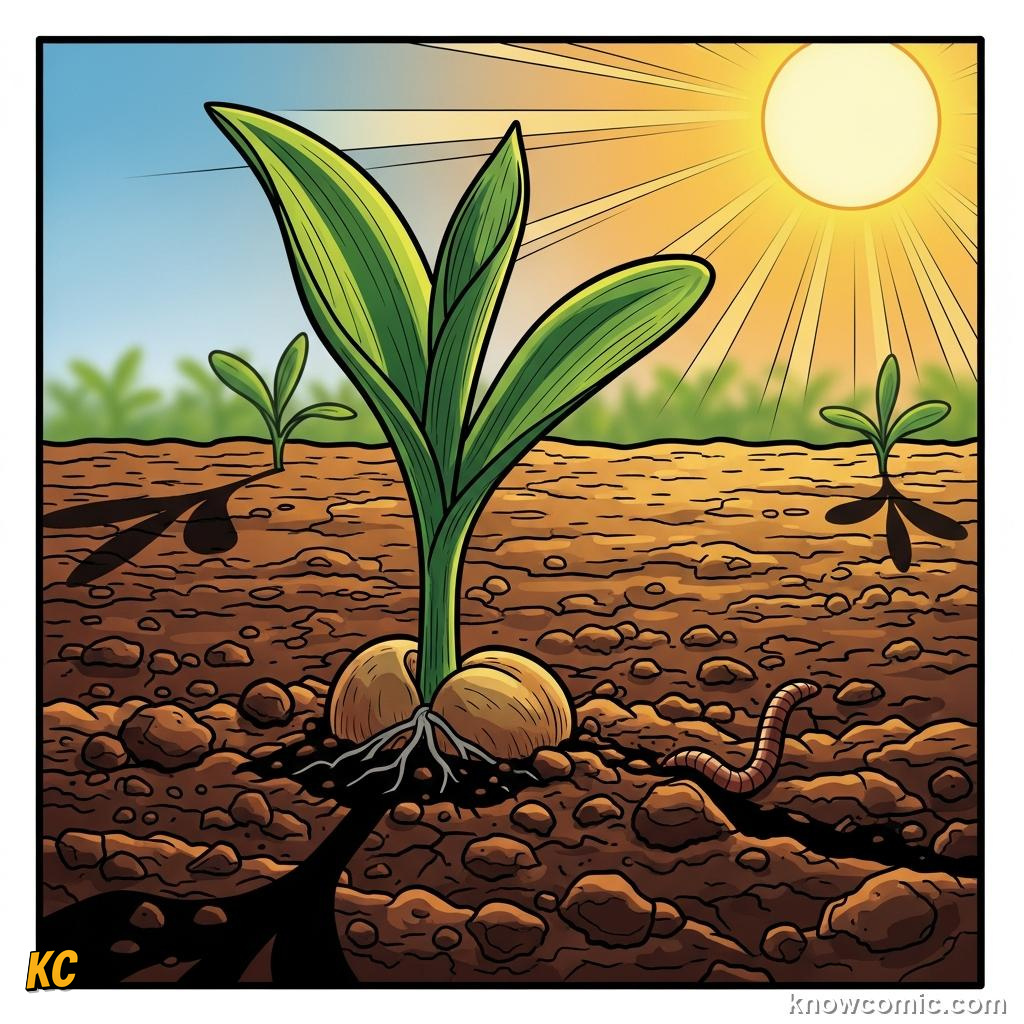
🌱 A kernel in wet soil is a packed lunch for the first week of life.
ROWS
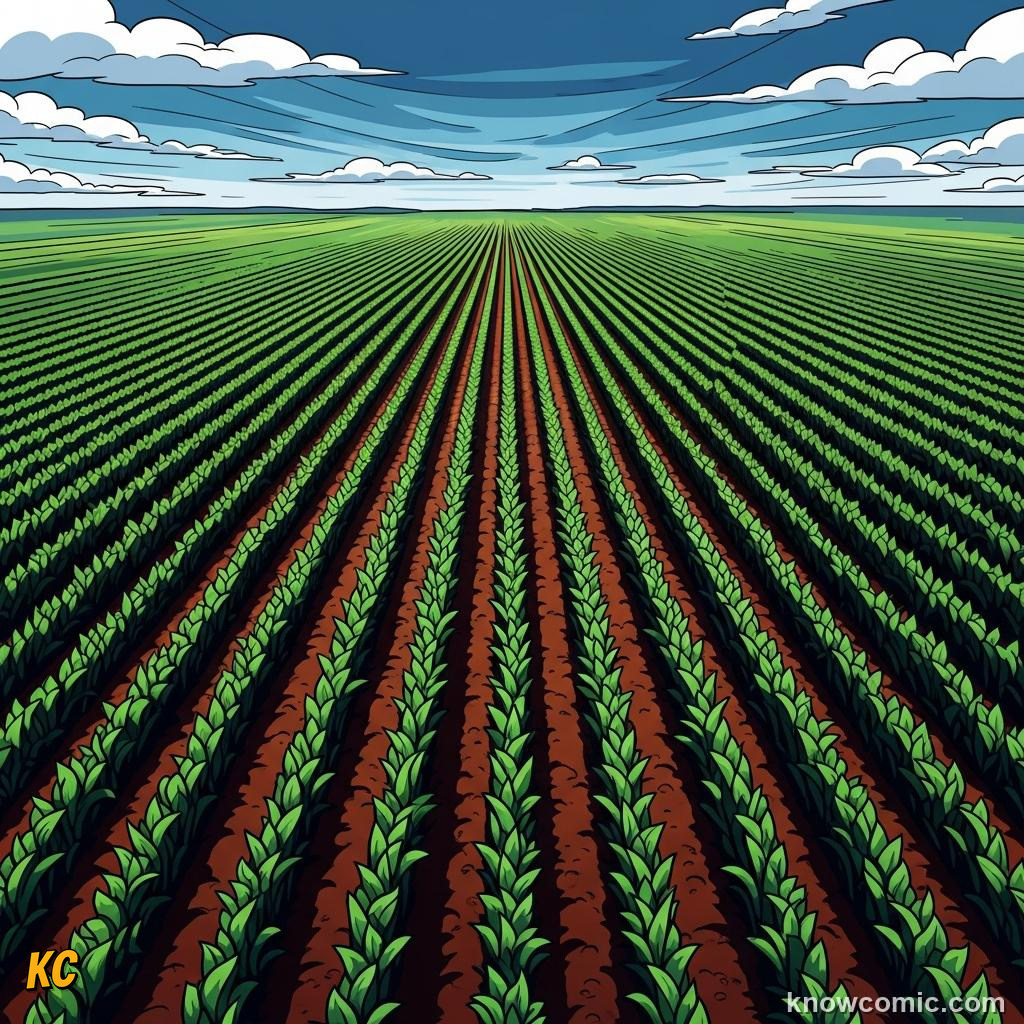
📏 Straight rows help tractors, sun, and spray reach every plant.
STALK TOWER
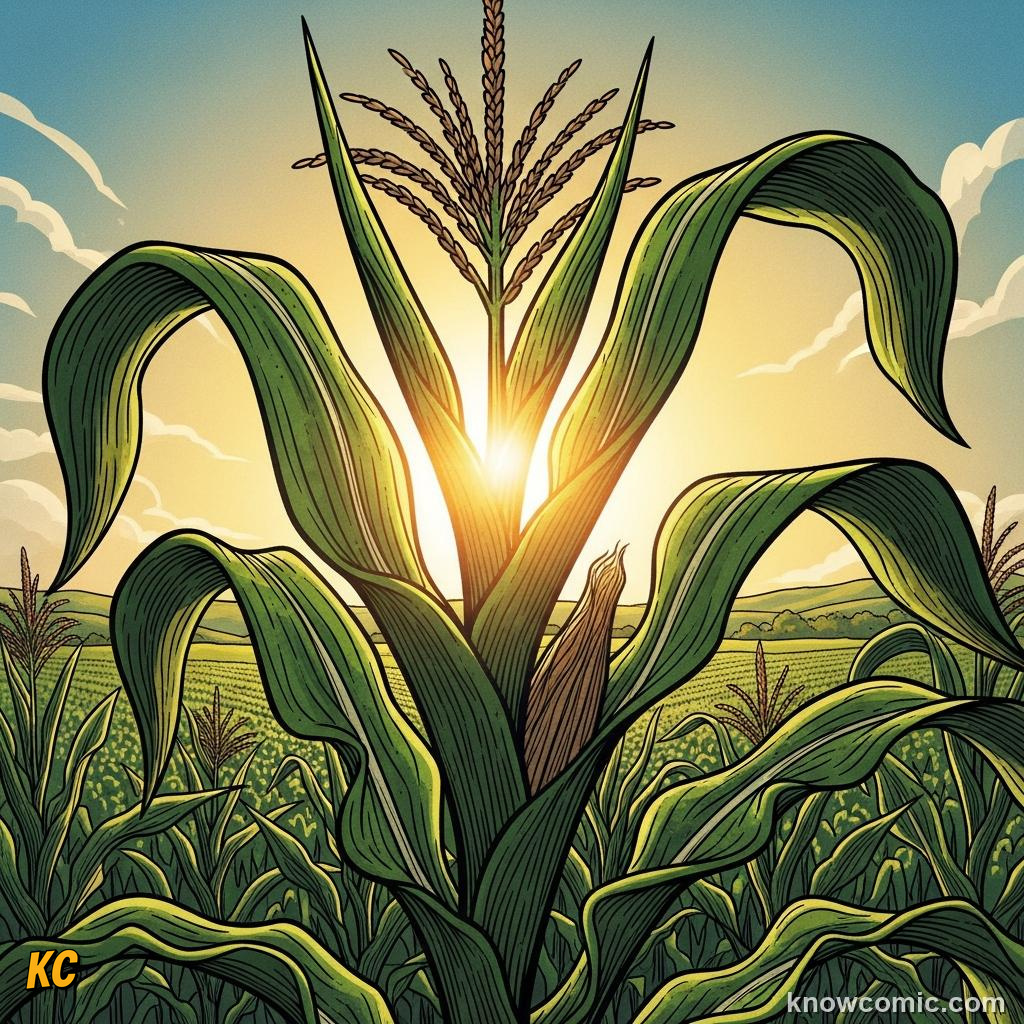
🌤️ A tall plant hoists tassels high and ears where pollen can find them.
PAGE 3 OF 5, TASSELS, SILK, SEEDS
POLLEN MEETS SILK
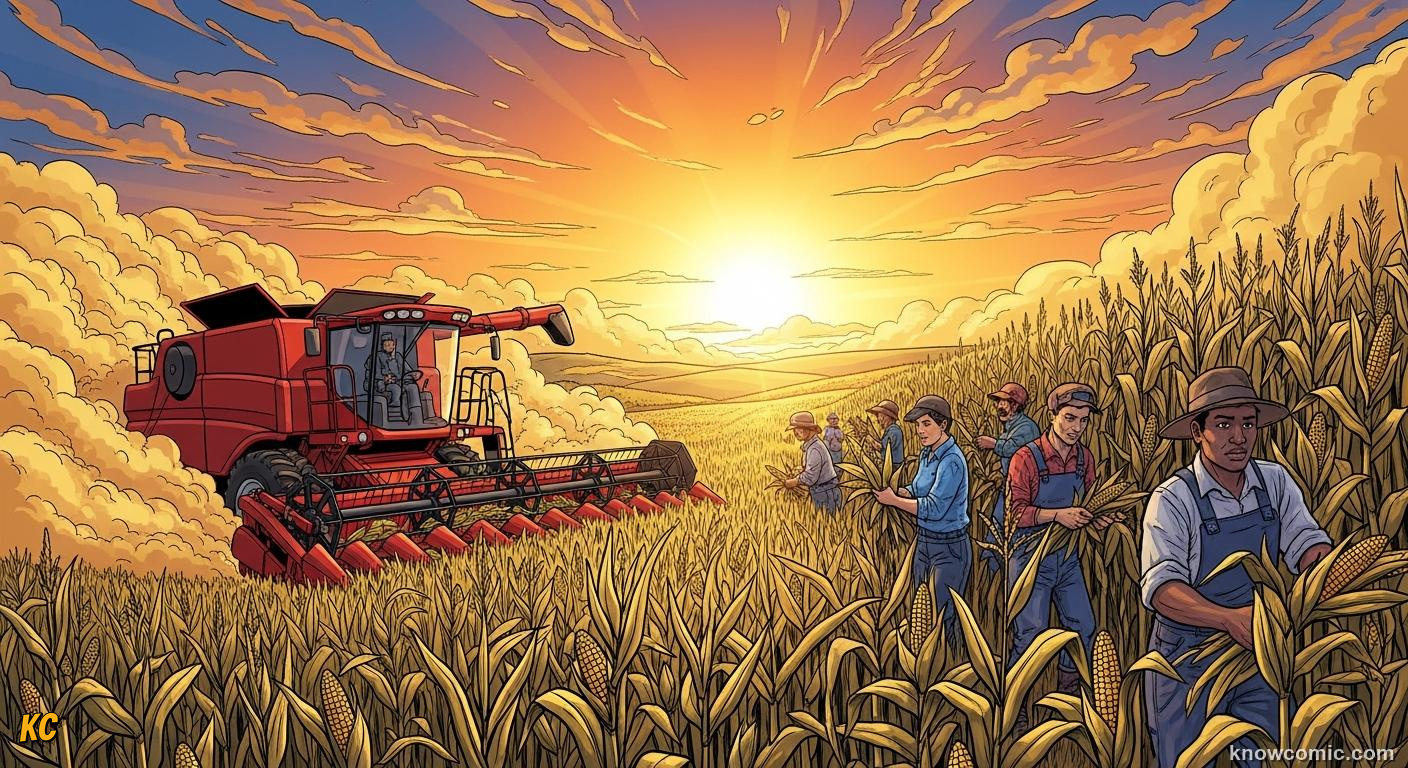
A COB BUILDS BOTTOM-UP
Each corn "seed" is a kernel (botanically, a one-seeded fruit, but cooks call the whole lot just “corn”.) Tassels at the top shed pollen; silks on each ear catch a few grains to fertilize, then stretch into yellow rows. Miss a few silks? You’ll see a gap on the cob—nature’s scoreboard! Harvest time: shuck, shell, and dry, or chug through big combines that thresh whole fields in a week.
POLLEN!
FLOWER POWER
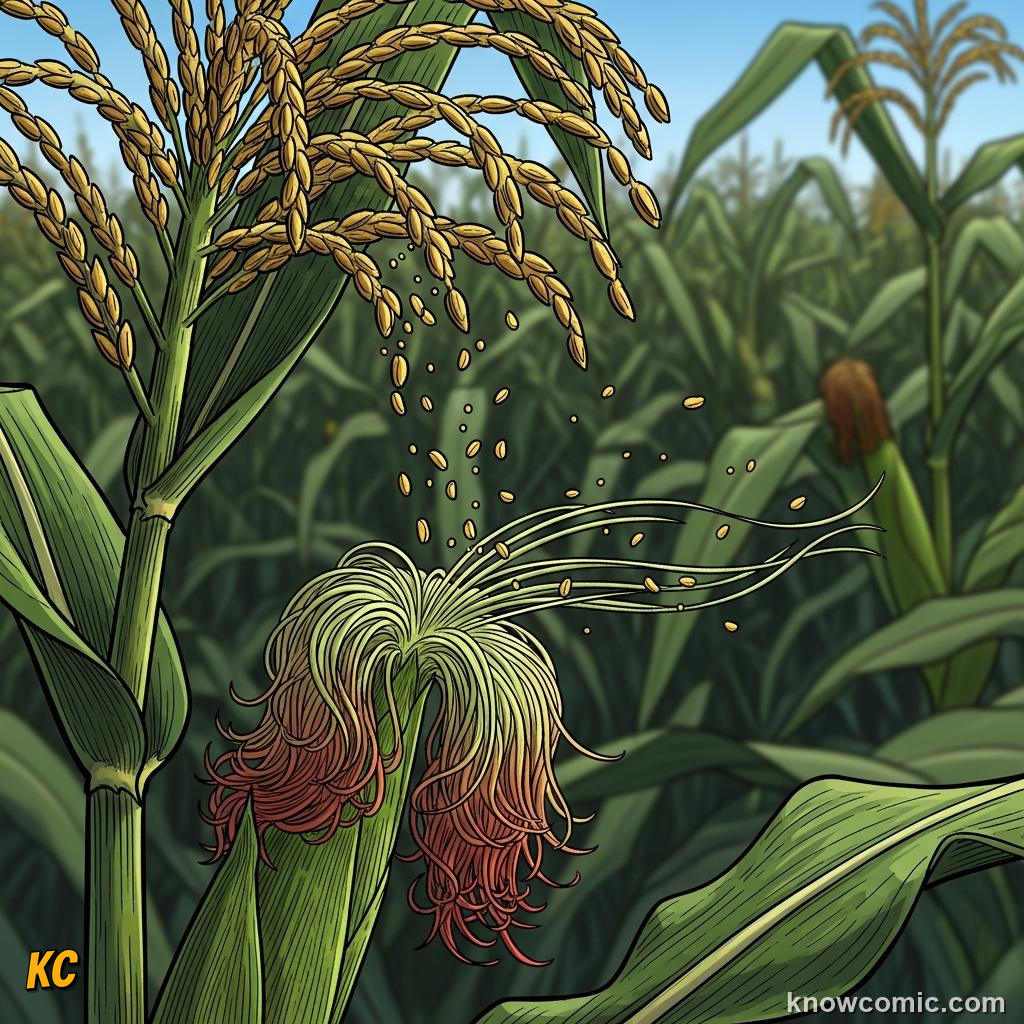
🌼 Wind, not bees, is maize’s mail carrier for most pollen.
STARCHY GEMS
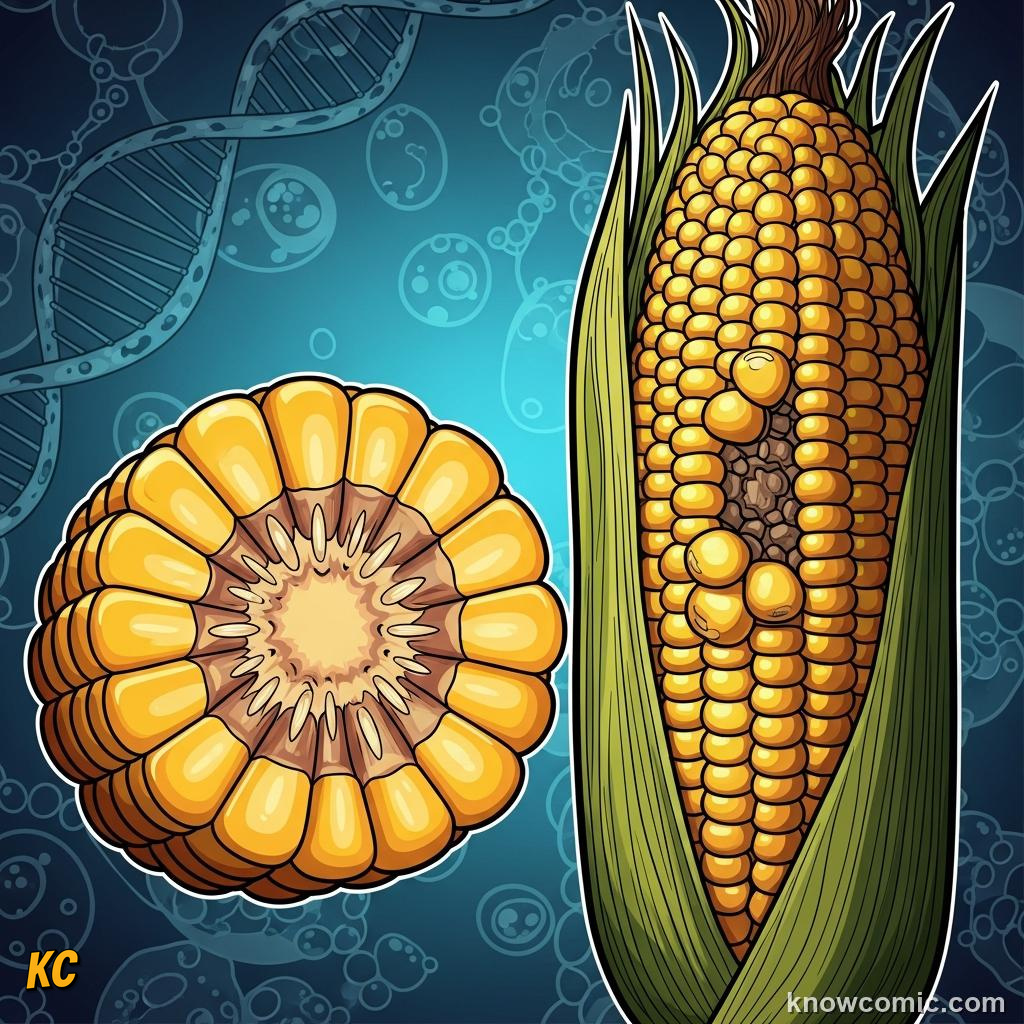
🌽 Yellow and white kernels are the same life story, different paint jobs.
PAGE 4 OF 5, CROP GIANT
MORE TONNAGE THAN ANY GRAIN
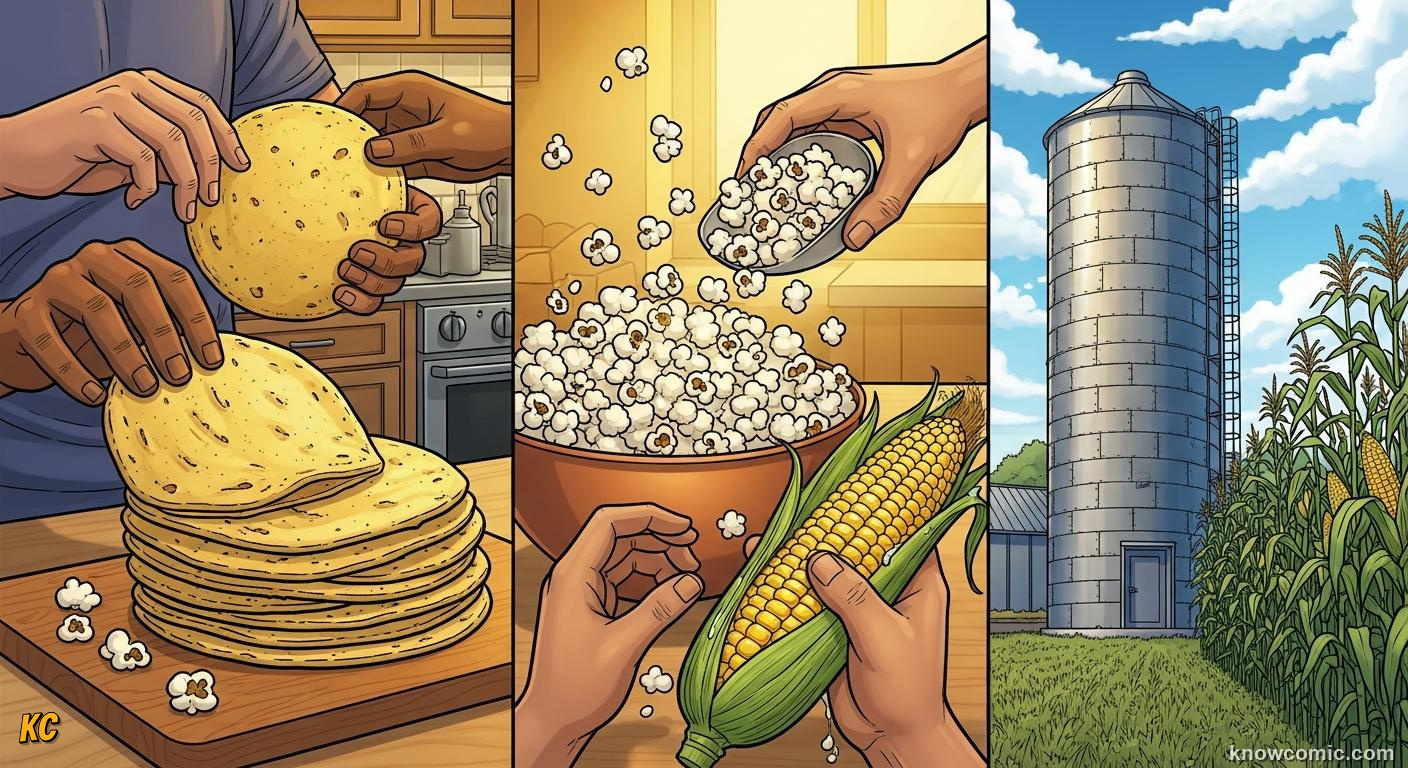
FROM TACO TO TANK (AND BACK)
By mass, people grow more maize per year than almost any other crop. A chunk feeds animals, becomes cooking oil, thickens candy, fizzes in soda, ferments into fuel, and still leaves room for buttered cobs, tortillas, and popcorn. That versatility is a superpower and a puzzle: the same field has to juggle food, feed, and industry in a fair way.
TONS!
TABLE
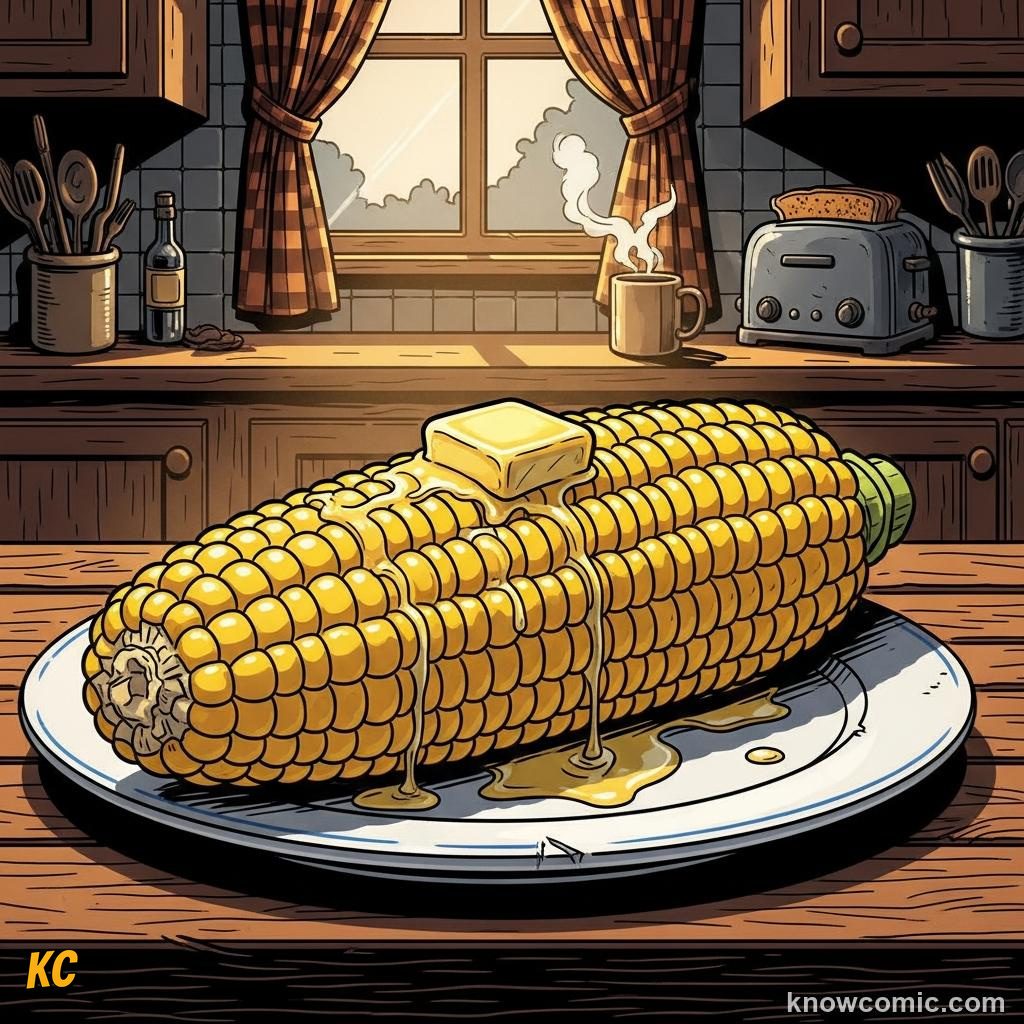
🧈 A sweet cob is still the taste of a summer night.
COUNTRY & CITY
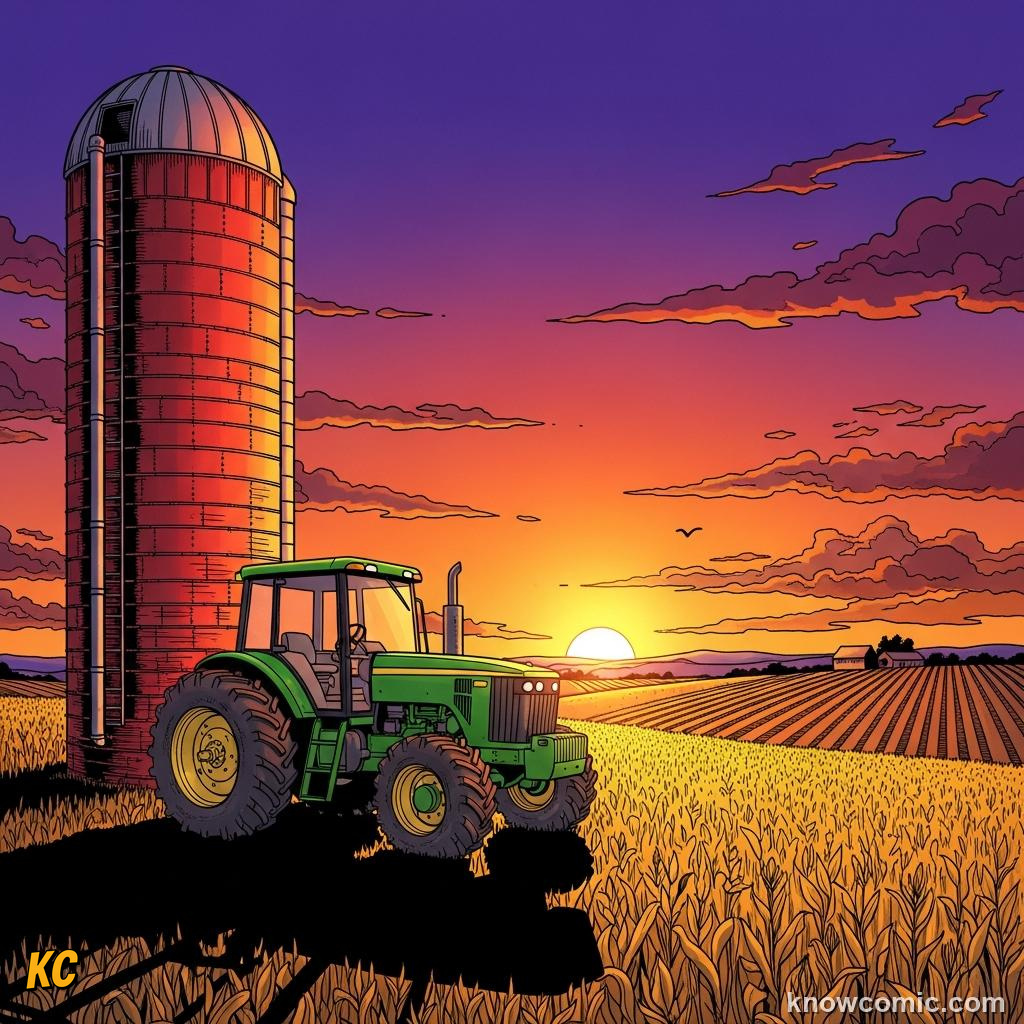
🛤️ Trains and silos move trainloads of “yellow gold.”
FRIENDS’ LUNCH
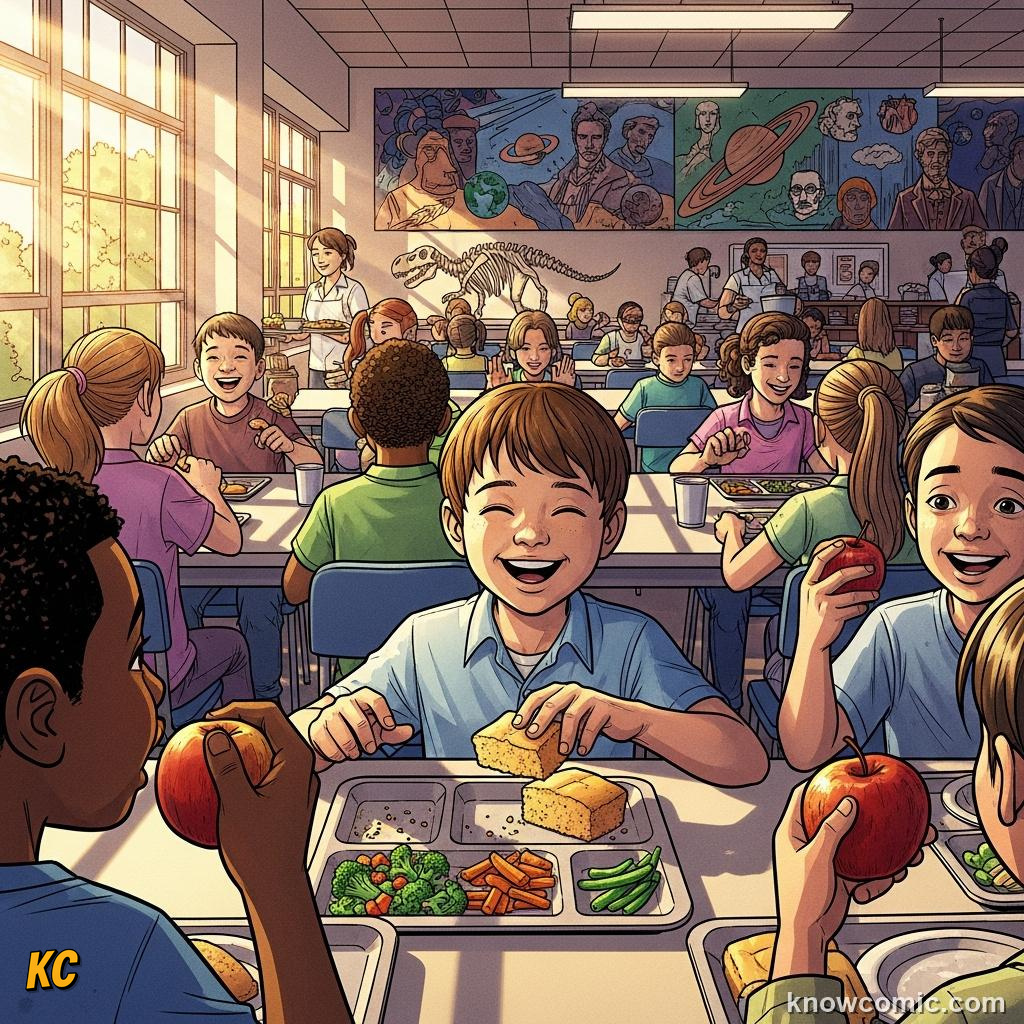
🍱 Corn shows up in muffins, chips, and school trays worldwide.
PAGE 5 OF 5, DIVERSITY & TOMORROW
ONE SPECIES, MANY CULTURES
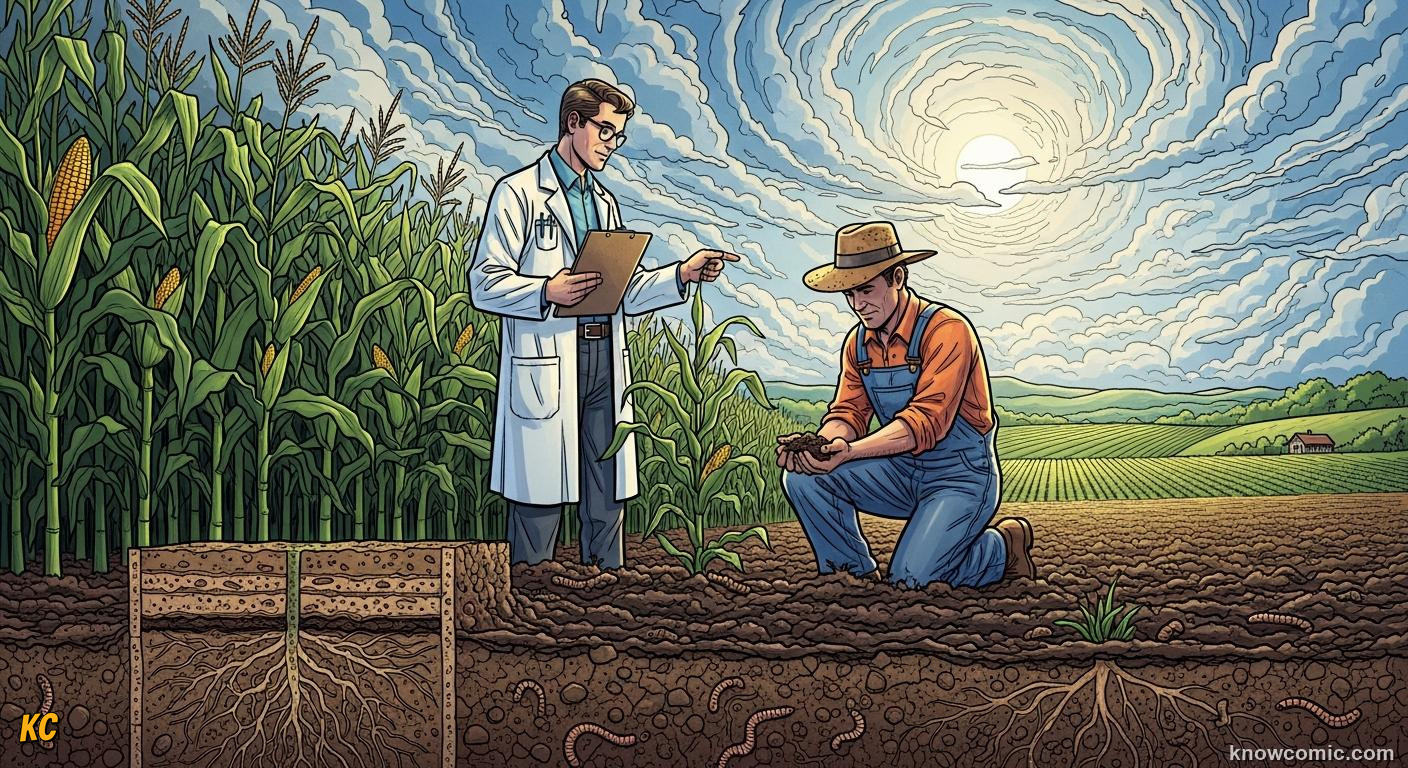
BREED, ROTATE, RESPECT LAND
Giant monoculture—one crop over huge patches—makes food cheap but can tire soil and invite the same bugs back every season. Landrace maize, cover crops, buffer strips, and new drought-smart lines are all levers. Researchers and farm families tinker the same way ancient breeders did, only with lab notebooks, drones, and respect for the wild cousins still living in the hills.
CARE!
MANY TYPES
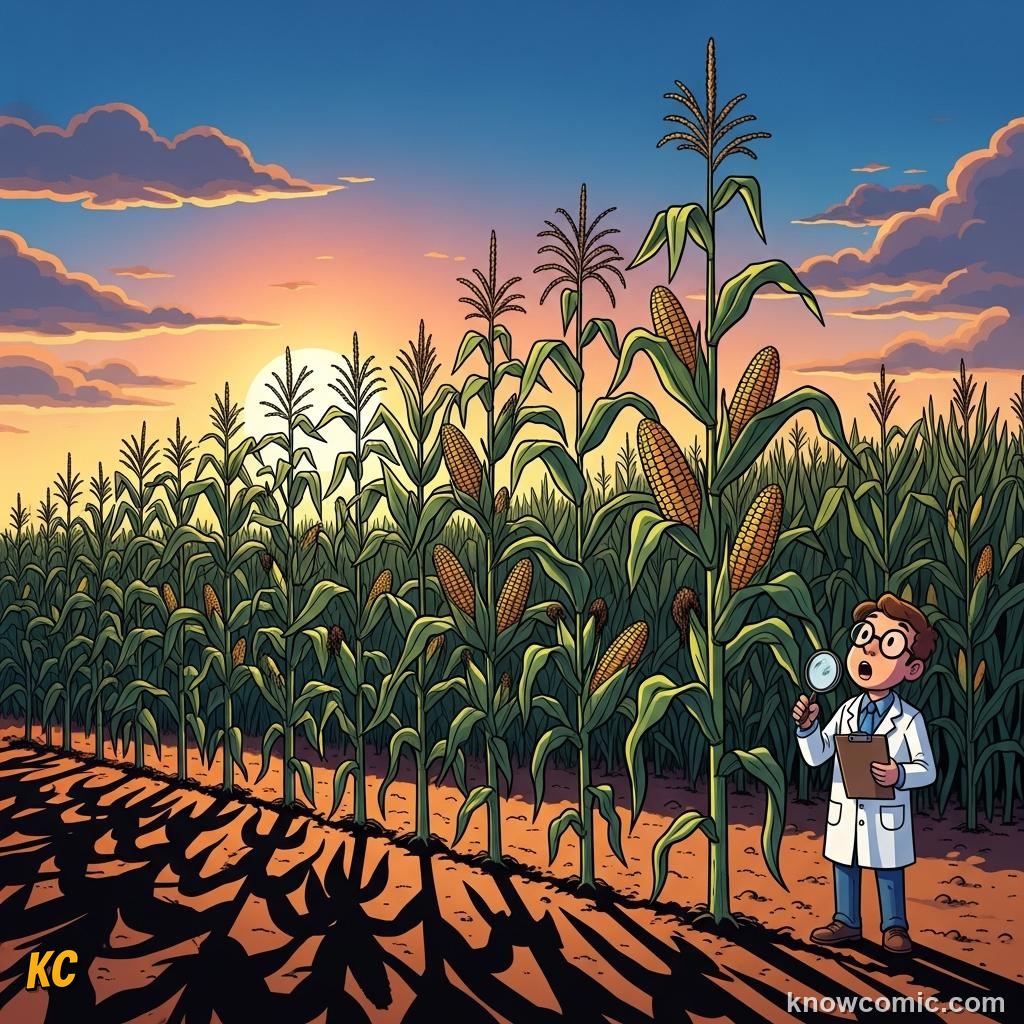
🧬 Flints, dents, pops—diversity is an insurance plan for dinner.
REMEMBER
⚡ KEY FACTS
Maize = Zea mays, tamed from teosinte. It’s a C4 speed-grower. Kernels are fruits packed with starch. The world leans on it for food, feed, and many industries—so healthy soil and diverse types matter as much as yield.
✅ Teosinte → “save the best cobs” → modern maize.
✅ Tassels + silks = cob blueprint.
✅ Yields = teamwork between genes, sun, and soil care.
✅ Tassels + silks = cob blueprint.
✅ Yields = teamwork between genes, sun, and soil care.
🧠 QUIZ TIME!
CORN & MAIZE · 5 QUESTIONS
QUESTION 01
What is the name of the wild grass that maize was bred from?
QUESTION 02
Where did early people first work this transformation into a big-cobbed crop?
QUESTION 03
A yellow kernel of corn is best described for cooks as…
QUESTION 04
Why do farmers like maize in hot, sunny fields?
QUESTION 05
Maize is a “giant” crop because today it also feeds a lot of…
0/5
LOADING...