🐄 HOW COWS GIVE US MILK
PAGE 1 OF 5, A MAMMAL STORY
BUILT FOR CALVES
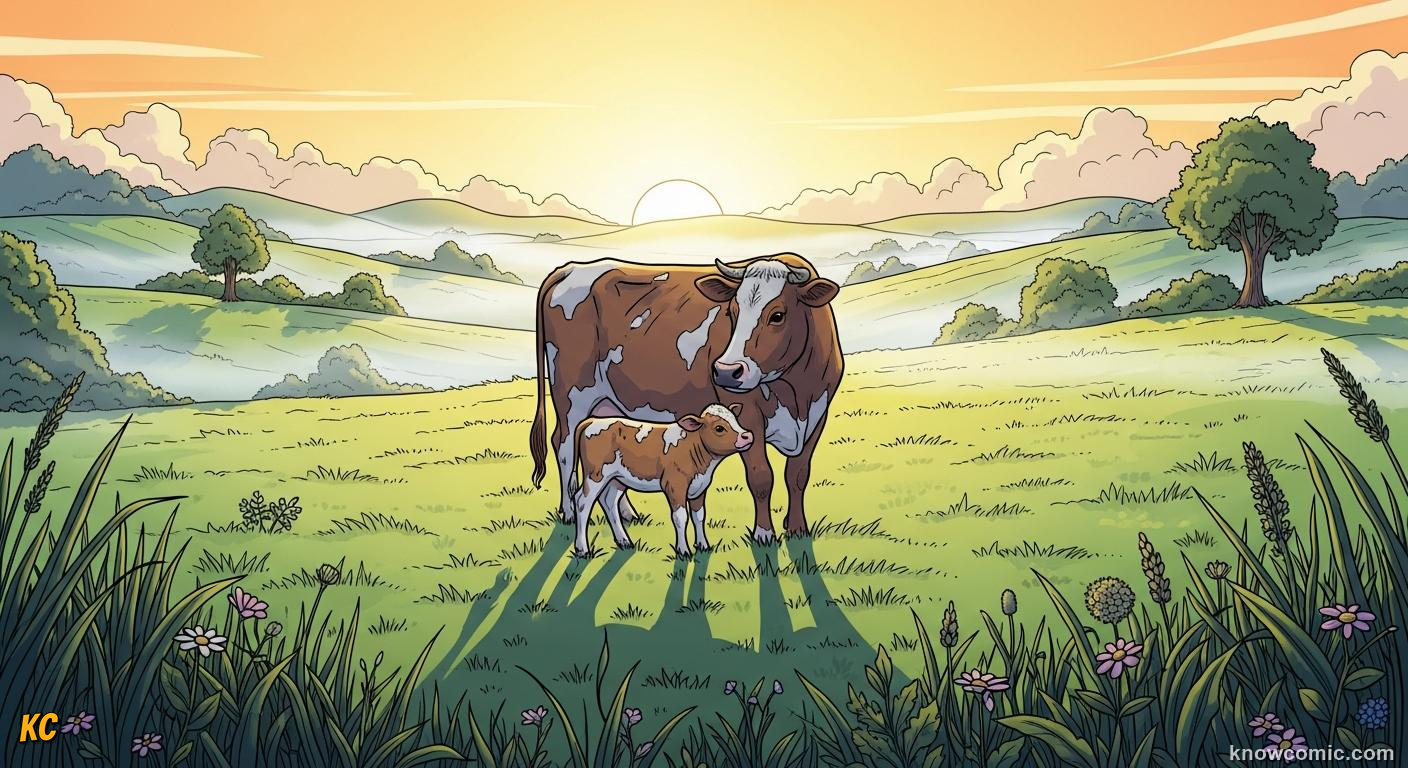
MILK = MAMMAL FAST FOOD
Milk is one of the ways female mammals—including your pet cat, a whale, and a domestic cow (usually a Holstein, Jersey, or other breed)—nurse their babies. It’s water, fat, sugar, and protein in one slurpable pack. When people talk about a “dairy cow,” they mean a cow raised partly to share that milk after a calf is born, not just to mow the lawn. Kind management matters: calm cows, clean barns, and people who know animal care.
CALF!
ANCIENT BARNYARDS
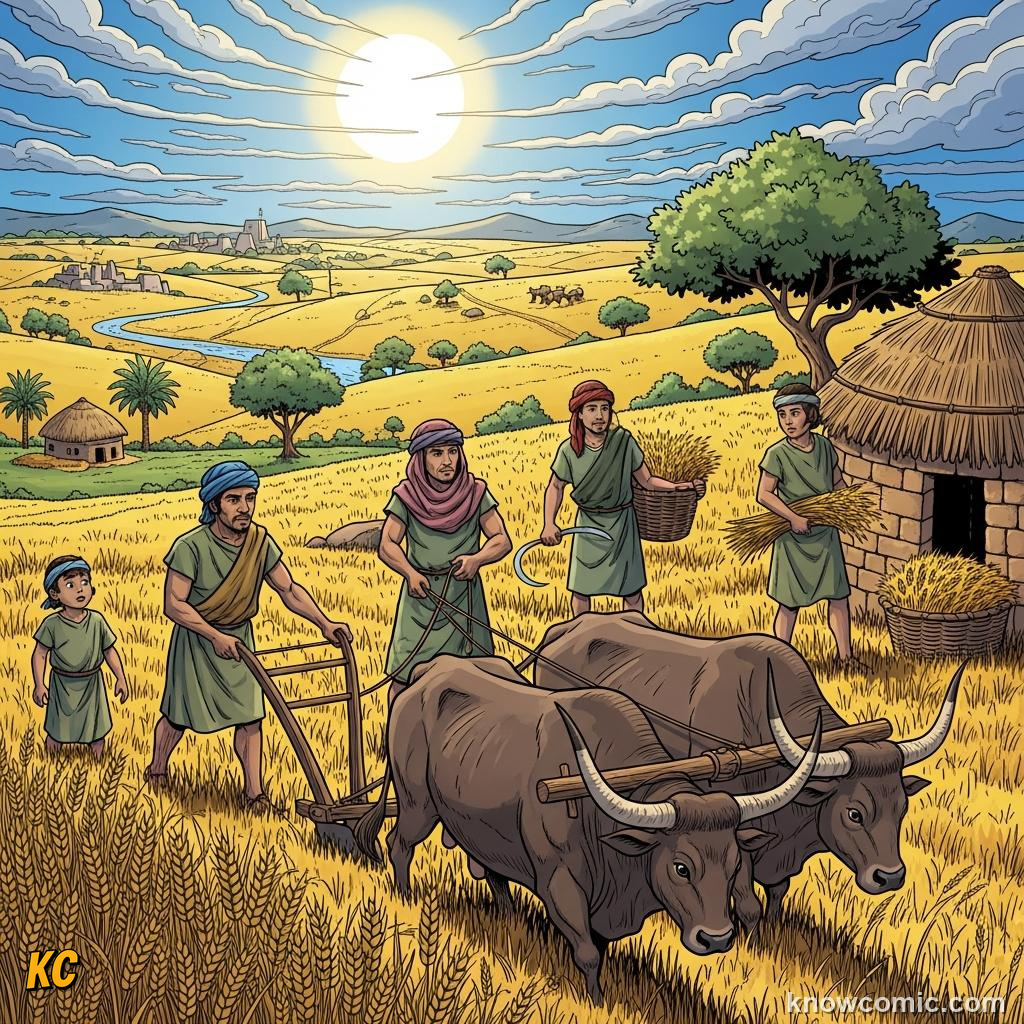
🌾 Taming aurochs into cattle was one of humanity’s longest projects.
FIRST SIP
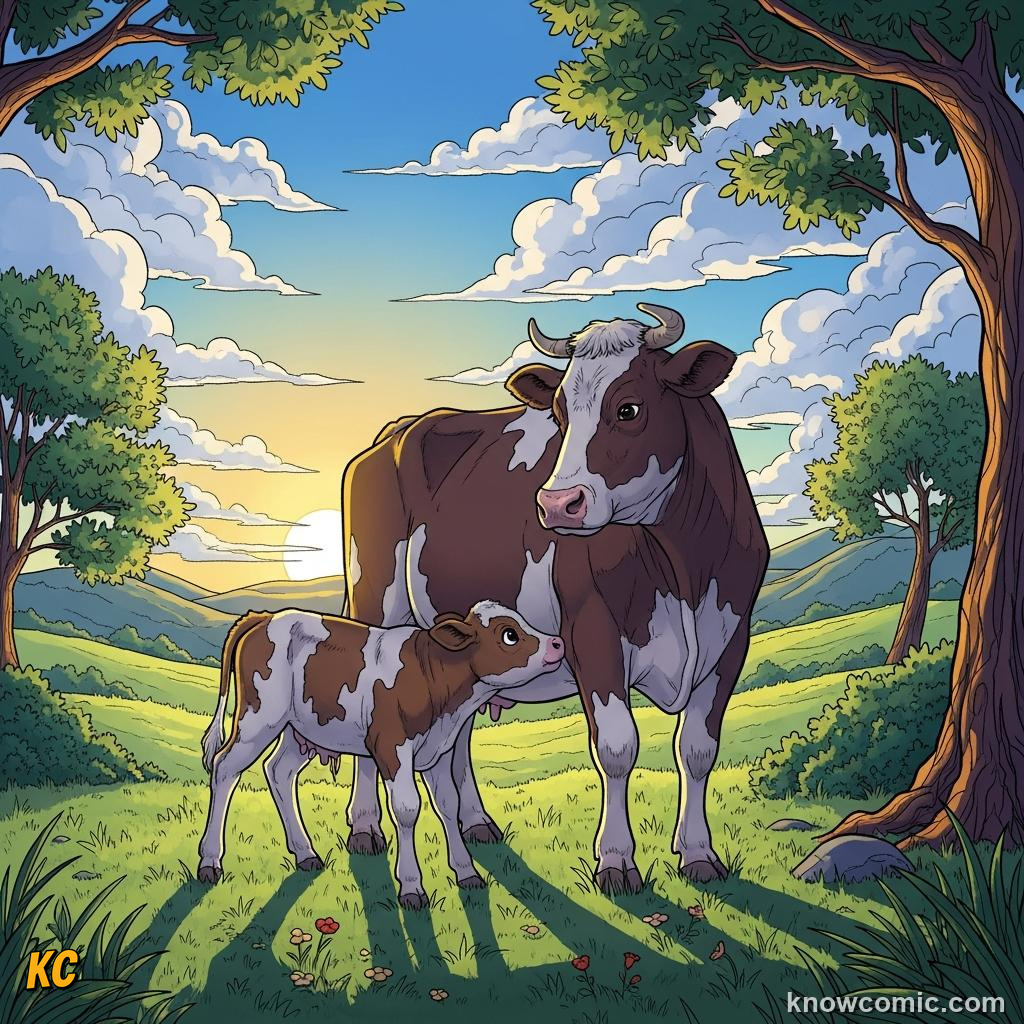
🍼 Every calf nudges a lesson: milk is the original “meal deal.”
PAGE 2 OF 5, THE UDDER FACTORY
BLOOD + GRASS = WHITE GOLD
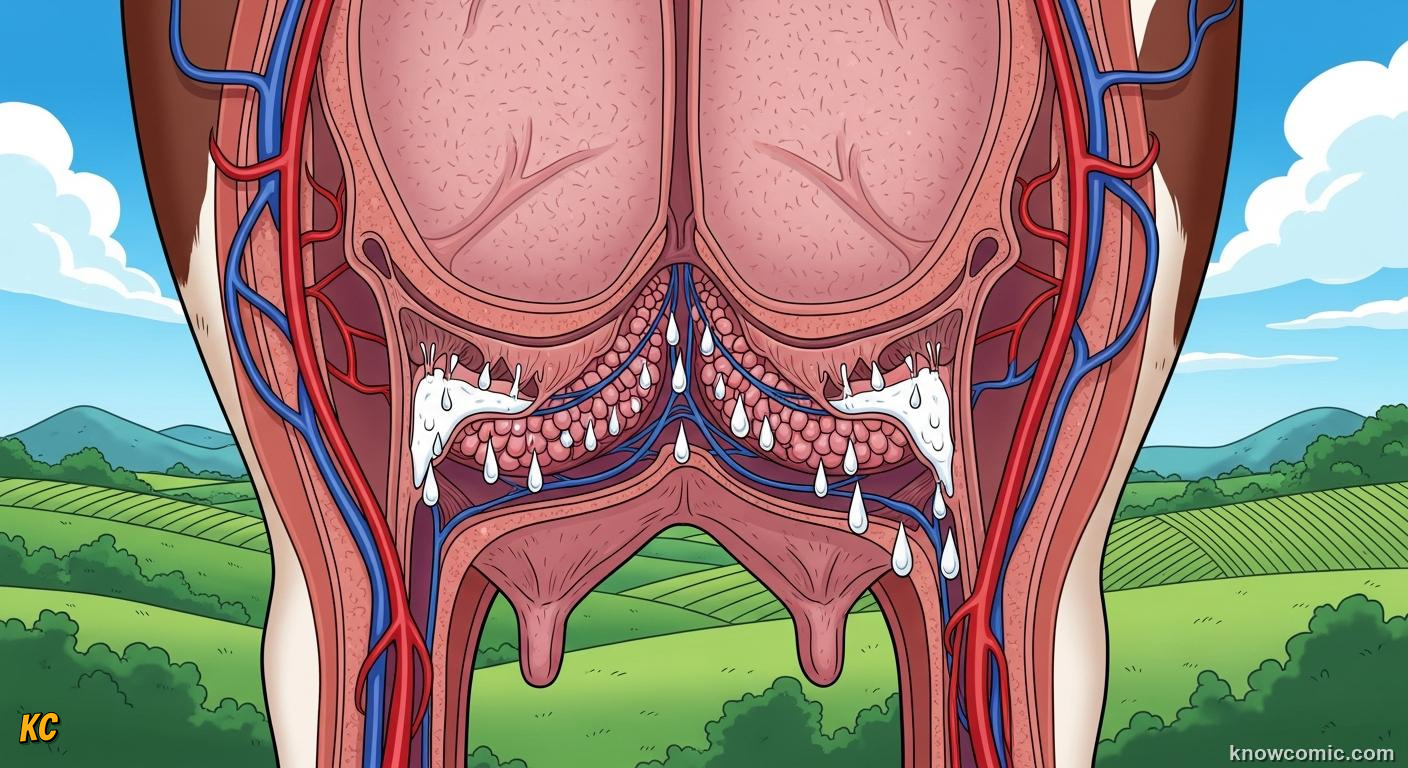
HUNDREDS OF TINY SPOUTS
A cow’s udder is a bundle of mammary tissue alveoli—microscopic “grapes” with hollow stems that merge into teats. Nutrients from digested food move through the bloodstream; inside those alveoli, cells assemble them into fresh milk, drop by drop. More rough feed + clean water = more building blocks. After calving, the first milk is colostrum, an antibody-rich “starter pack” for the newborn, before the familiar white flow settles in.
DRIP!
FIBRE
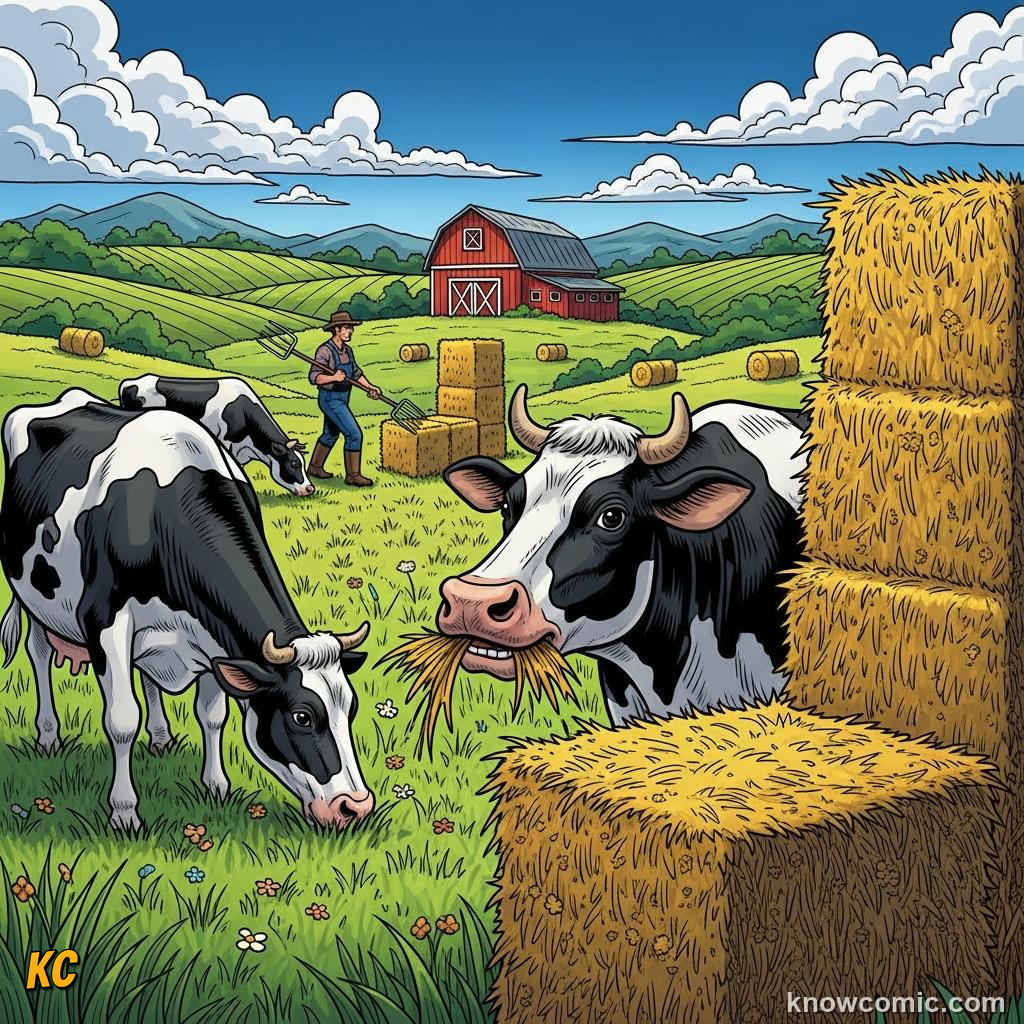
🥗 Hay, grass, and silage become milk chemistry through rumen power.
WATER PUMP
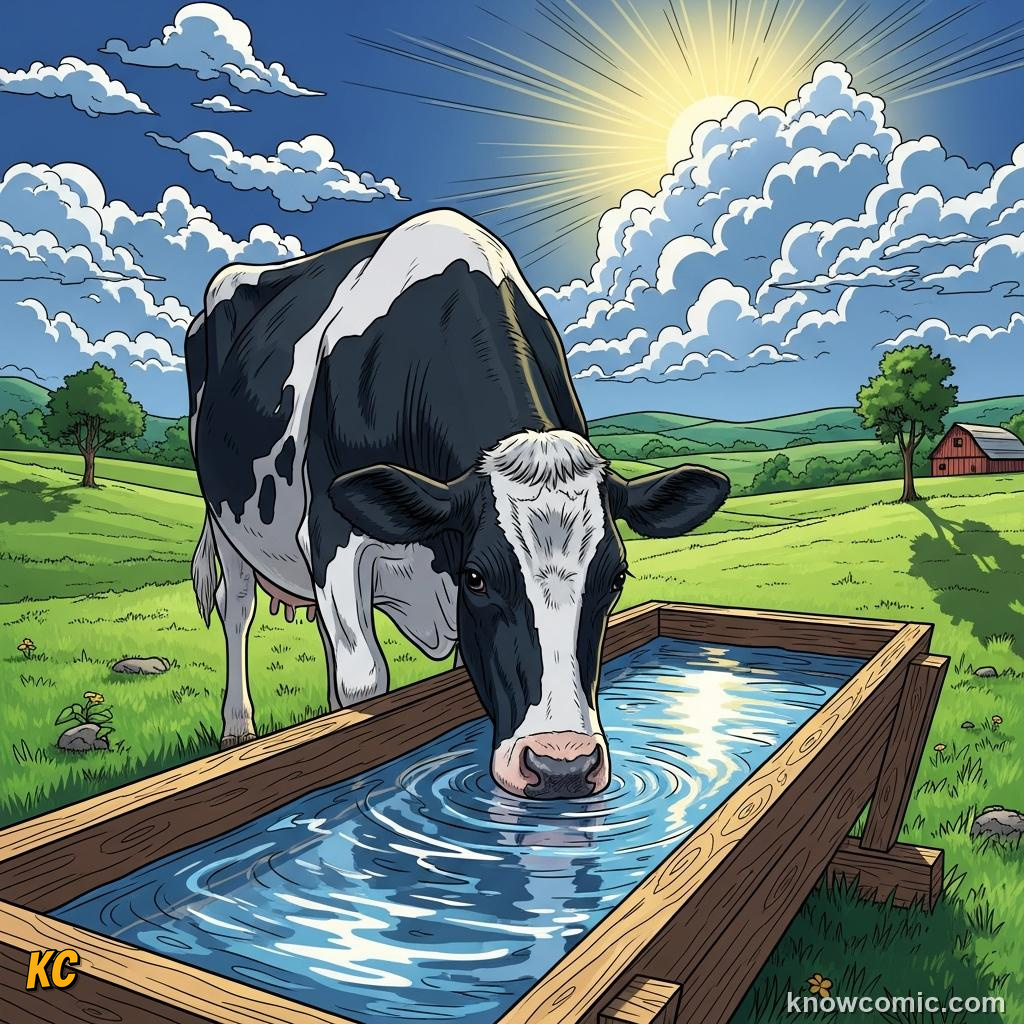
💧 A water trough is a milk tap—cows can drink 100+ L on a hot day.
HAPPY COW
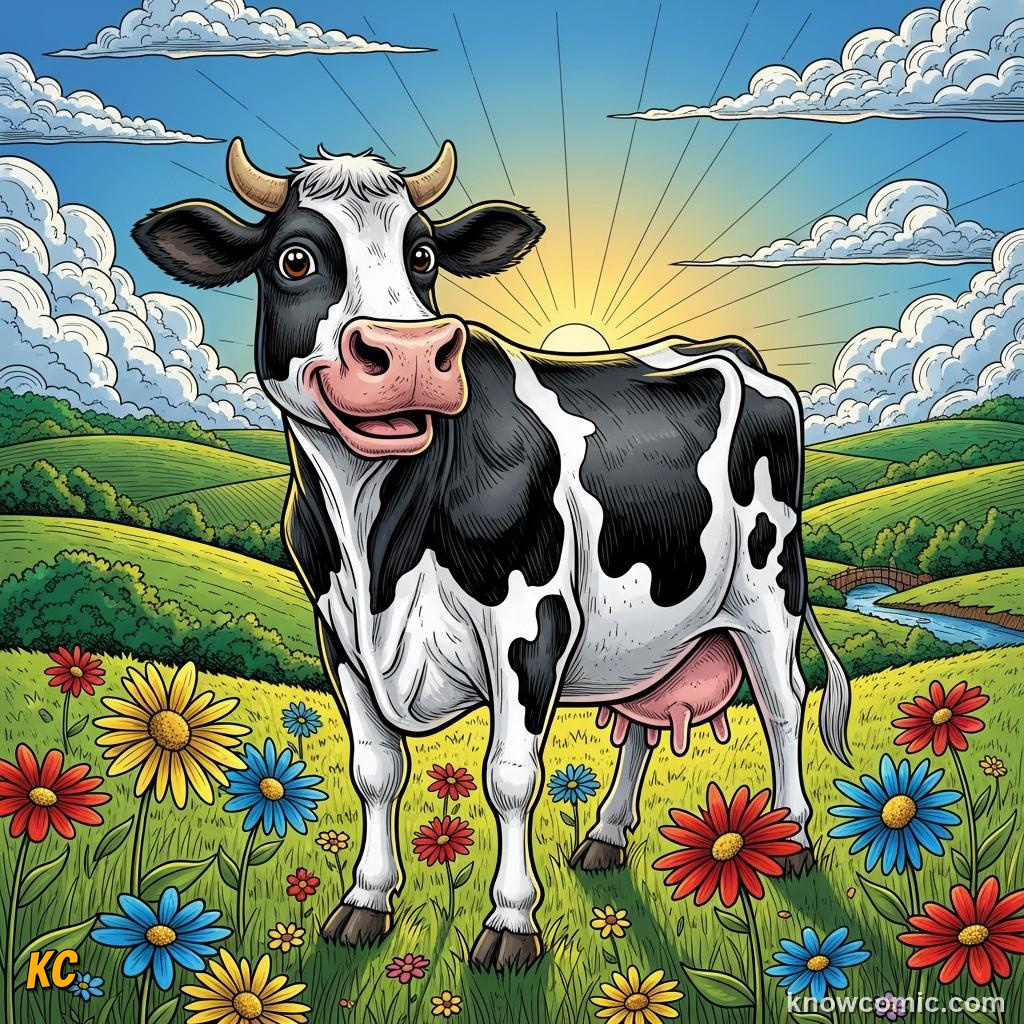
☀️ Pasture, shade, and care keep both mood and milk steadier.
PAGE 3 OF 5, MORNING, EVENING, REPEAT
MILKING RHYTHM
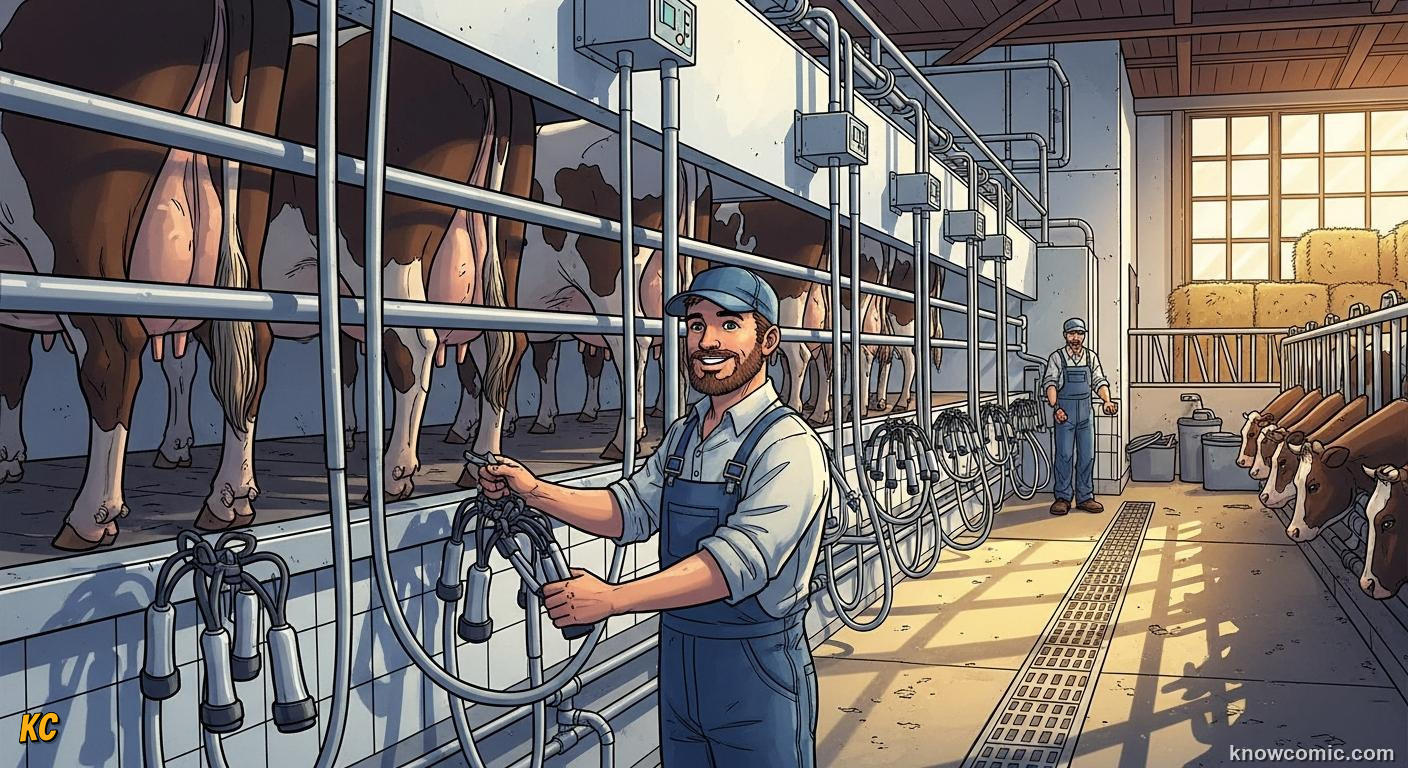
GENTLE, STEADY, SQUEAKY CLEAN
A healthy dairy cow is often milked two or more times a day. Hands, buckets, and gentle strips still work on small farms; many barns use soft silicone clusters and vacuum pumps that mimic nursing without hurting skin. Tanks and pipes are scrubbed, milk is chilled fast, and the truck is never far away. Less warm time = less chance for micro-critters to party in your future yogurt.
CHILL!
OLD-SCHOOL
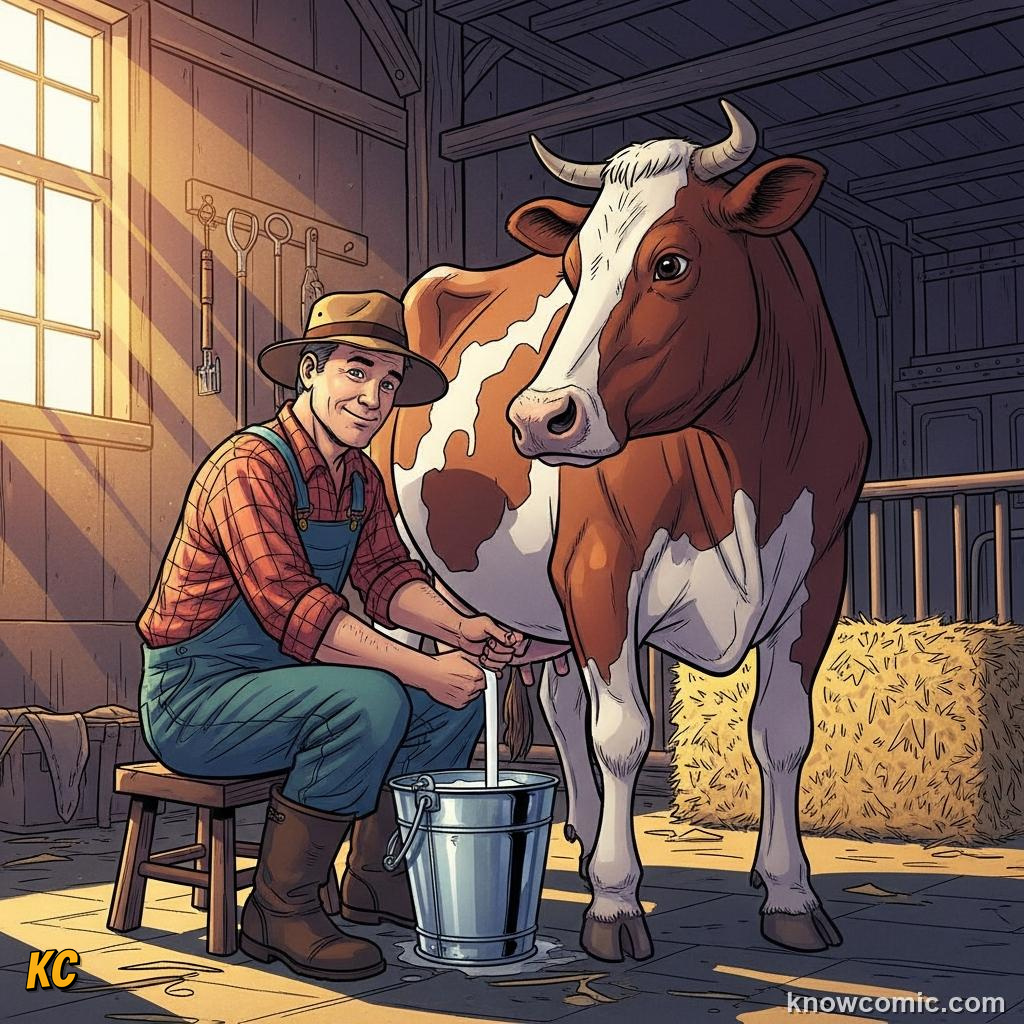
🥛 Bucket milking is still a lesson in respect and quiet hands.
COLD TANK

🧊 Steel tanks shiver the milk to slow bacteria in their tracks.
PAGE 4 OF 5, PASTEURIZE & POUR
FROM RAW TO READY
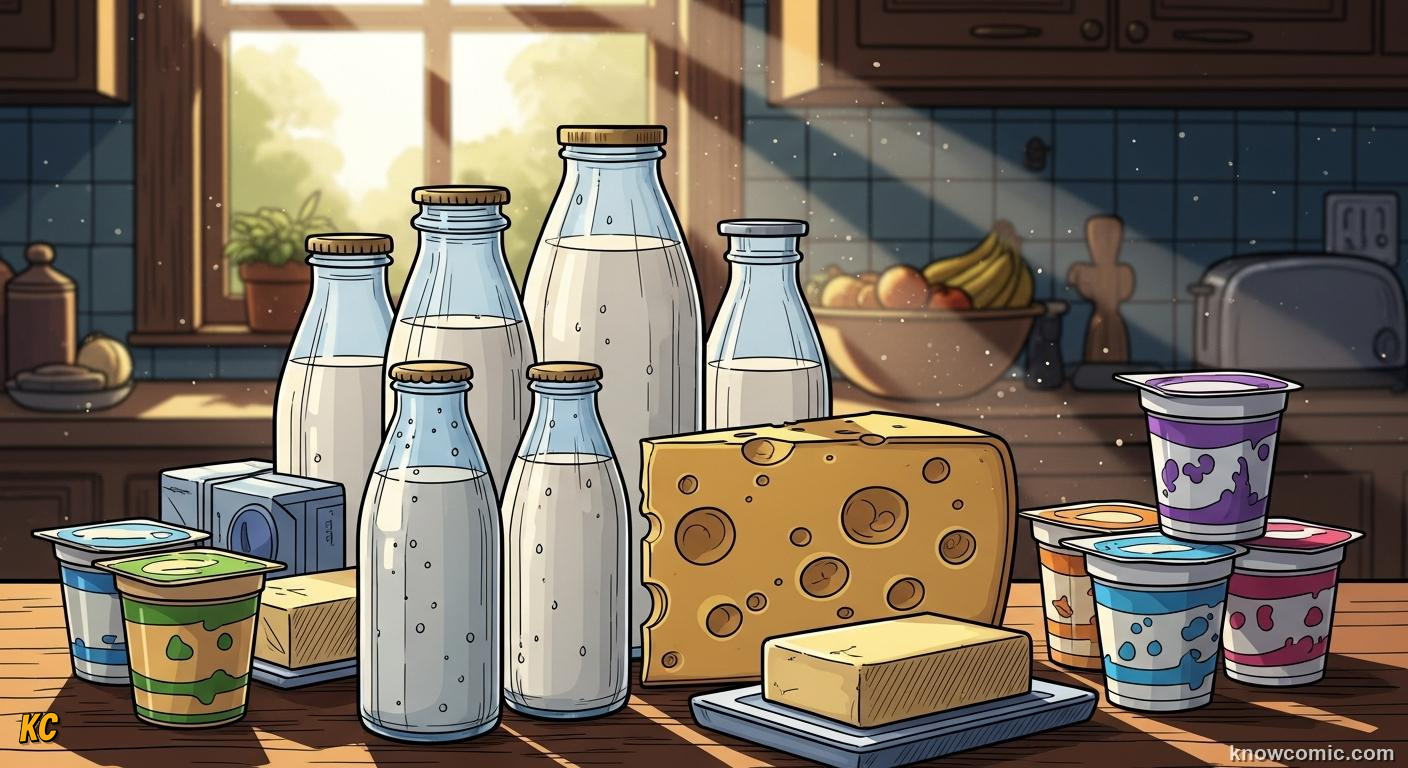
HEAT, HOMOGENIZE, LACTOSE
In many countries, pasteurization (gentle heat) knocks out harmful germs; homogenization smashes fat into tiny specks that stay smooth in a carton. The main natural sugar, lactose, is digested with an enzyme called lactase—plenty in baby mammals, and in many (not all) adult humans, which is why some people choose “lactose-free” milk. Chemists also spin the same white liquid into cheese curds, yogurt with friendly bacteria, cream… one cow, a chemistry set.
POUR!
GENTLE HEAT
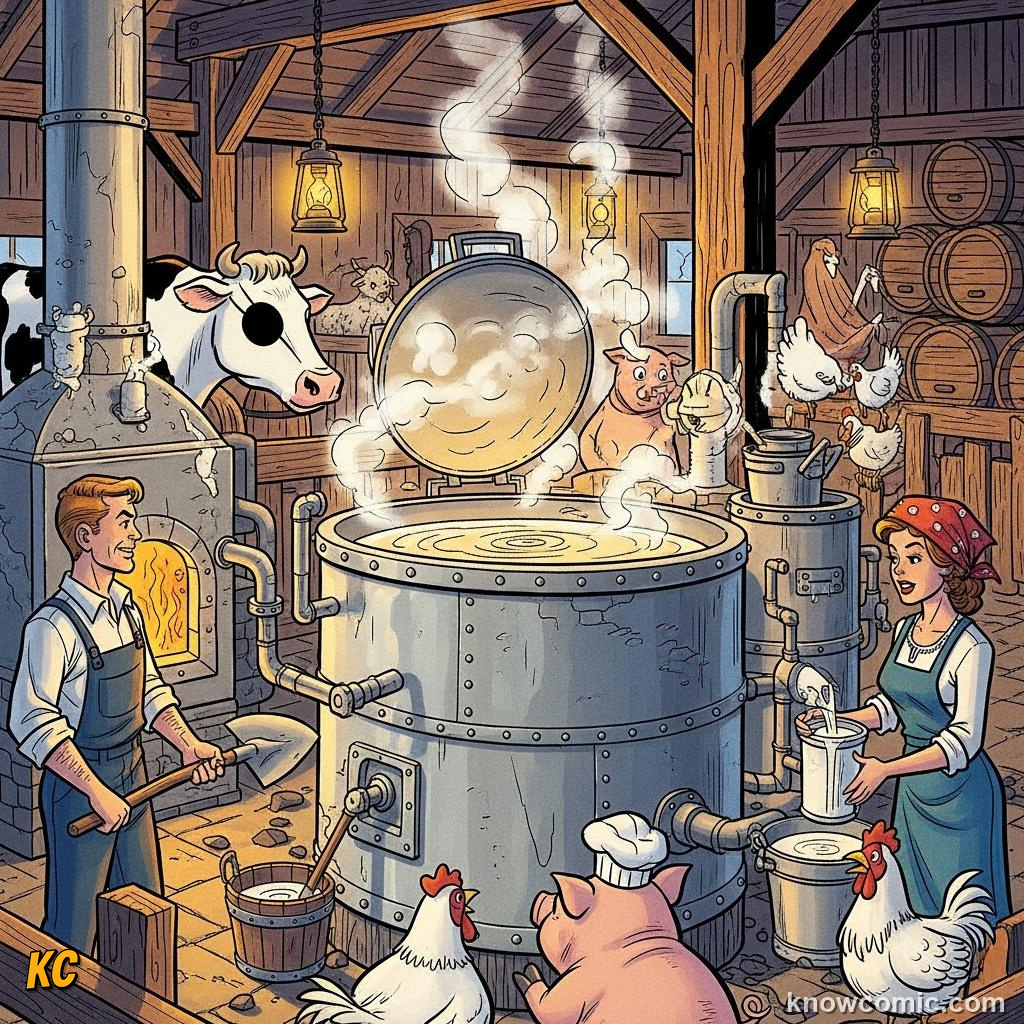
🌡️ Named for Louis Pasteur—science you can drink.
COLD DOOR

🧊 A fridge is a time machine that keeps fresh milk fresh.
BREAKFAST

🥣 Cereal, cocoa, and pancakes all know who pays the “cream” bill.
PAGE 5 OF 5, CARE, LAND, TOMORROW
HERD WITH HEART
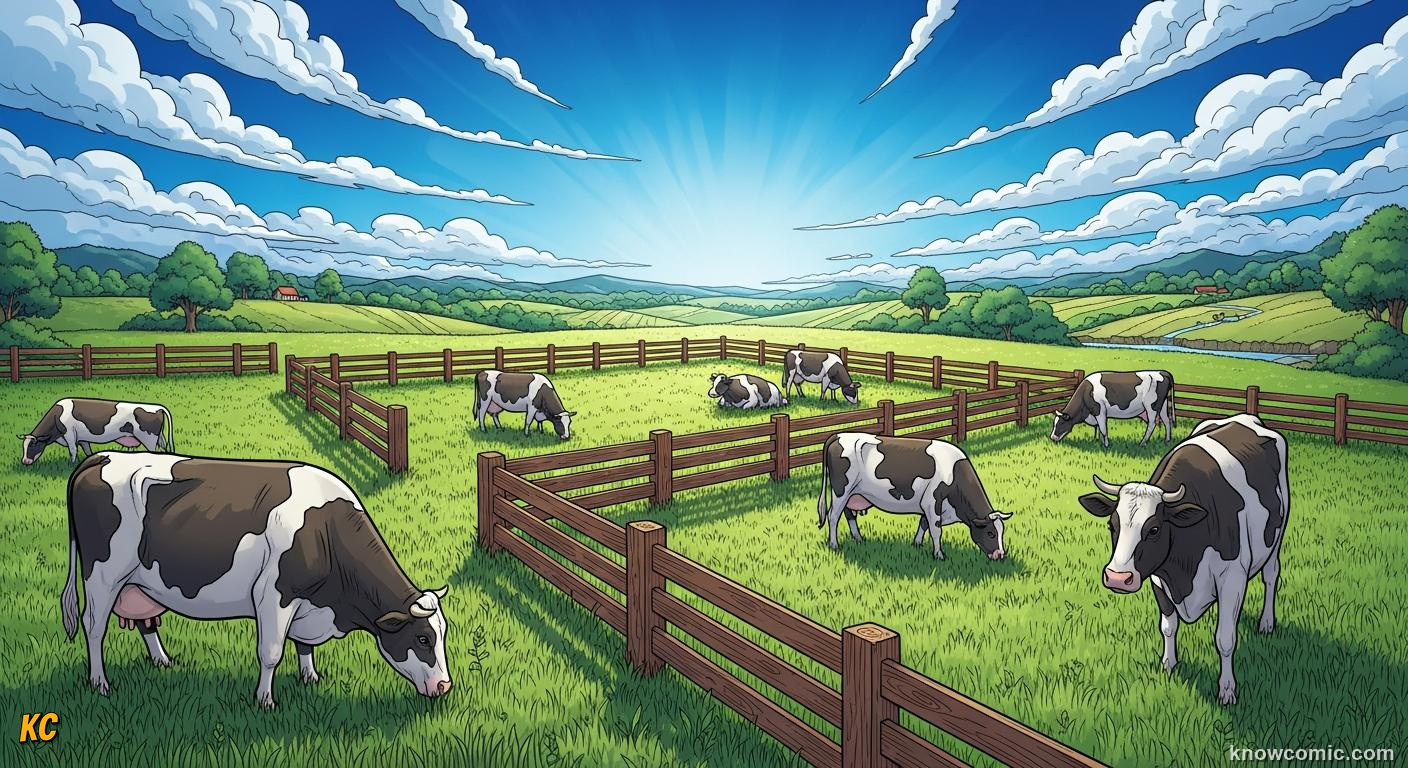
MILK TAKES A VILLAGE
Great dairies juggle animal well-being, soil, water, and climate together: veterinarians, nutritionists, and families who wake before sunrise. Big barns, small co-ops, and research plots all tinker to cut waste, cut methane, and keep calves healthy. Your choices—finish the carton, recycle, learn where food comes from—are part of the same story: respect for a cow’s work and for the place she stands.
THANKS!
CHECK-UPS
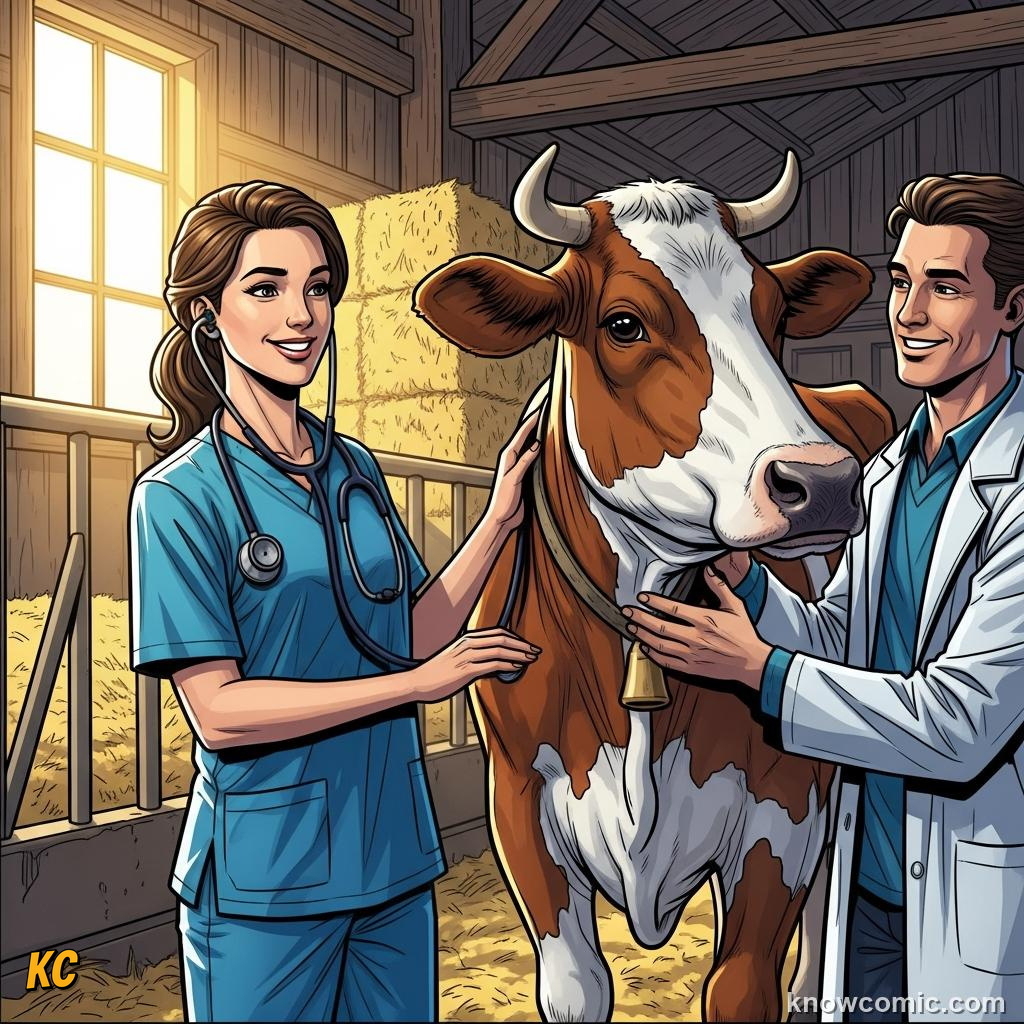
🩺 Healthy hooves, calm pens, and science keep herds humming.
REMEMBER
⚡ KEY FACTS
Mammals make milk for young; the udder is a food factory. Milking = gentle rhythm, cold storage, and strict cleaning. Processing uses heat; lactose is the sugar. Dairy ties together animal care, climate-smart land use, and your kitchen table.
✅ Feed + water + healthy cow → more safe milk.
✅ Pasteurize to knock bad germs off balance.
✅ Lactase helps digest milk sugar—bodies differ.
✅ Pasteurize to knock bad germs off balance.
✅ Lactase helps digest milk sugar—bodies differ.
🧠 QUIZ TIME!
COWS & DAIRY · 5 QUESTIONS
QUESTION 01
Where is cow milk made inside the animal’s body?
QUESTION 02
What is the name of the natural sugar in fresh milk?
QUESTION 03
Gentle heating to knock down harmful germs in milk is called…
QUESTION 04
The very first milk after calving—thick and packed with a starter immune boost for the calf—is called…
QUESTION 05
On many farms, why is milk quickly chilled in clean tanks right after milking?
0/5
LOADING...