🔥 THE PERMIAN EXTINCTION: THE GREAT DYING
PAGE 1 OF 5 — THE WORST EVENT IN EARTH'S HISTORY
252 MILLION YEARS AGO
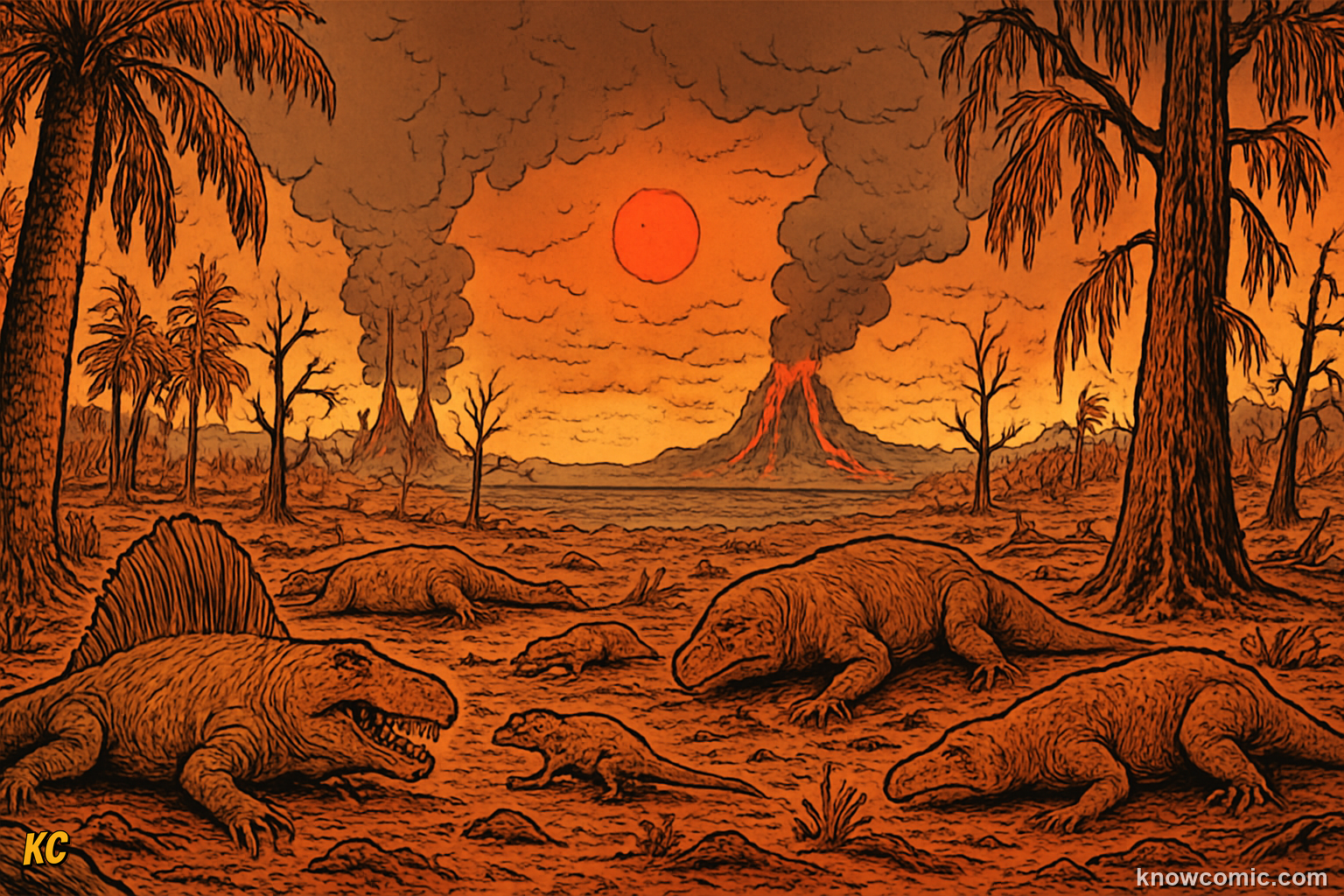
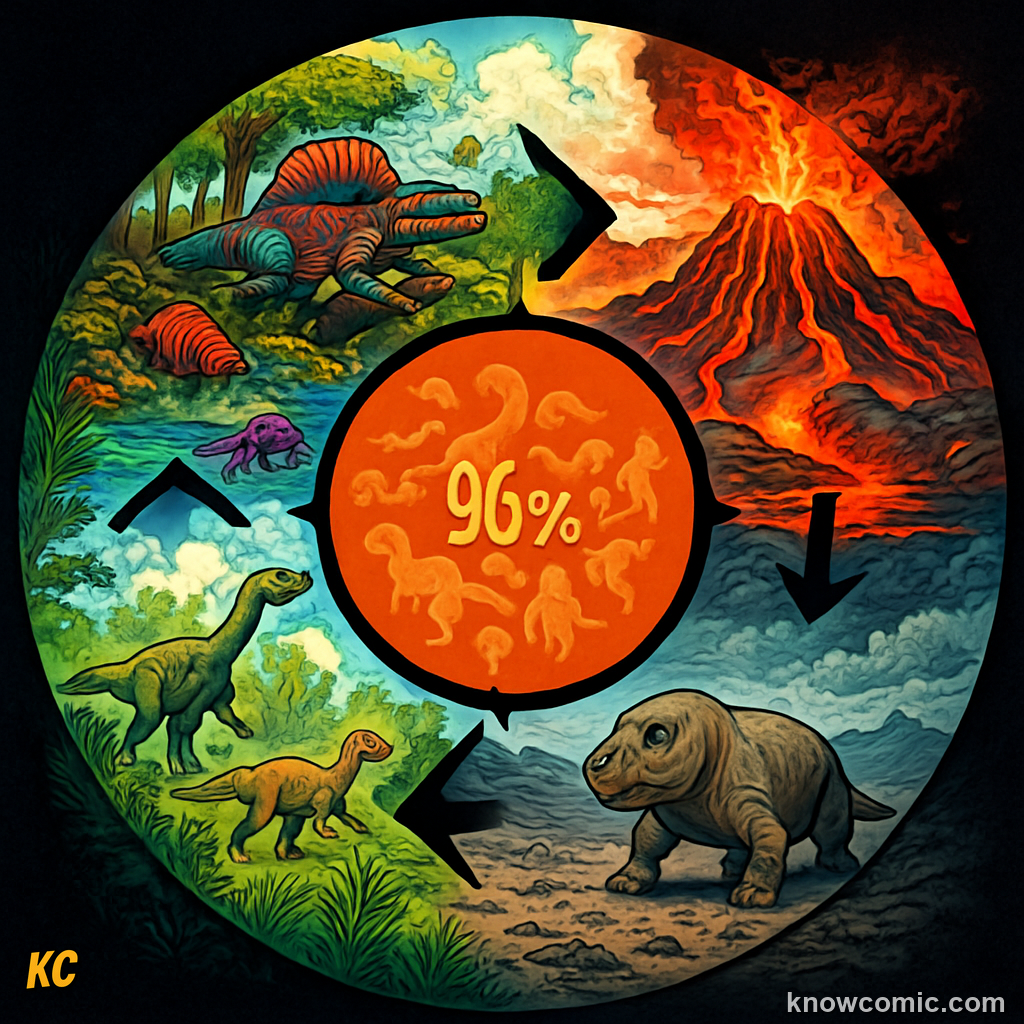
96% OF ALL LIFE — GONE
Long before the asteroid that killed the dinosaurs, there was a far more devastating catastrophe. The Permian-Triassic extinction event — nicknamed "The Great Dying" — killed 96% of all marine species and 70% of all land vertebrate species on Earth. It is the closest life has ever come to being completely wiped out. Every animal alive today — including you — is descended from the tiny fraction of survivors. Without the Great Dying, dinosaurs would never have existed.
"The only mass extinction that nearly ended ALL life on Earth."
THE NUMBERS
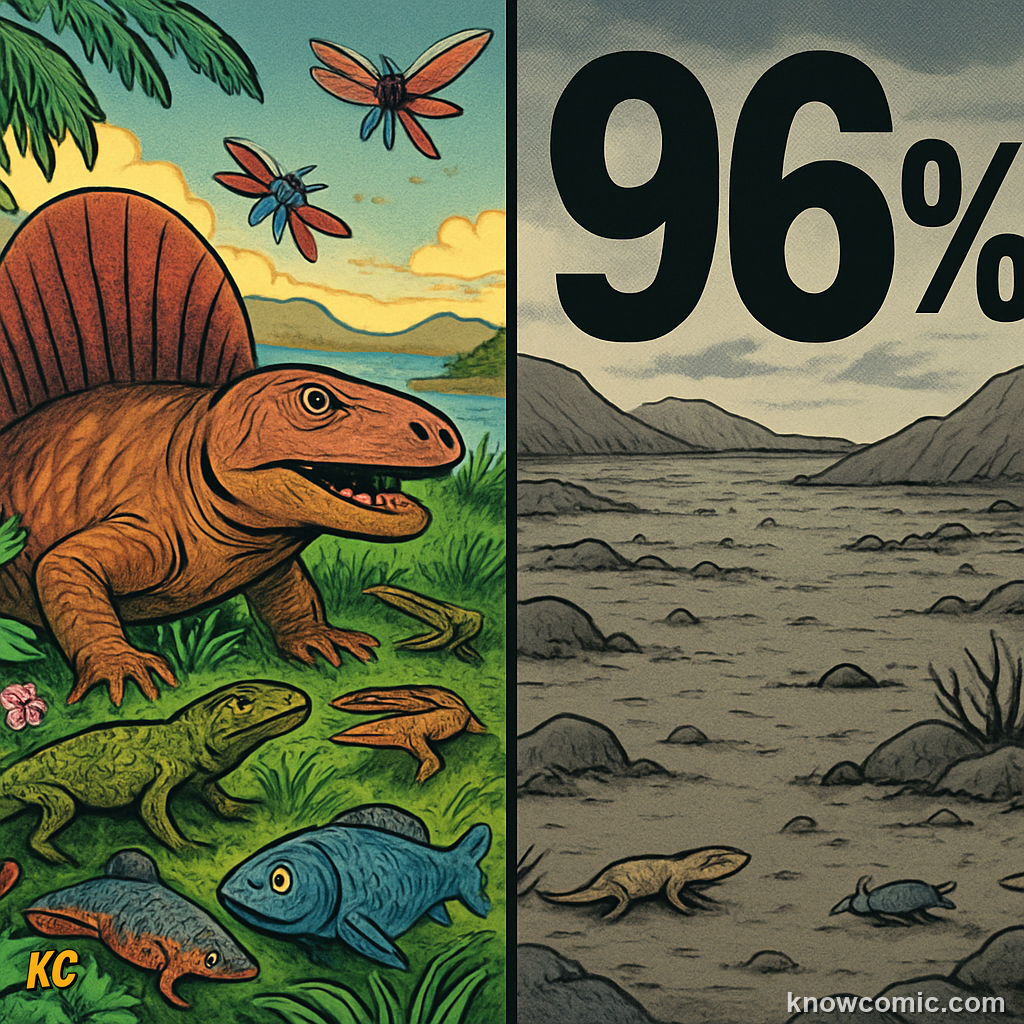
💥 96% of all marine species extinct
💥 70% of all land vertebrate species extinct
💥 83% of all insect genera extinct
💥 Took 10 million years to recover
💥 70% of all land vertebrate species extinct
💥 83% of all insect genera extinct
💥 Took 10 million years to recover
BEFORE & AFTER
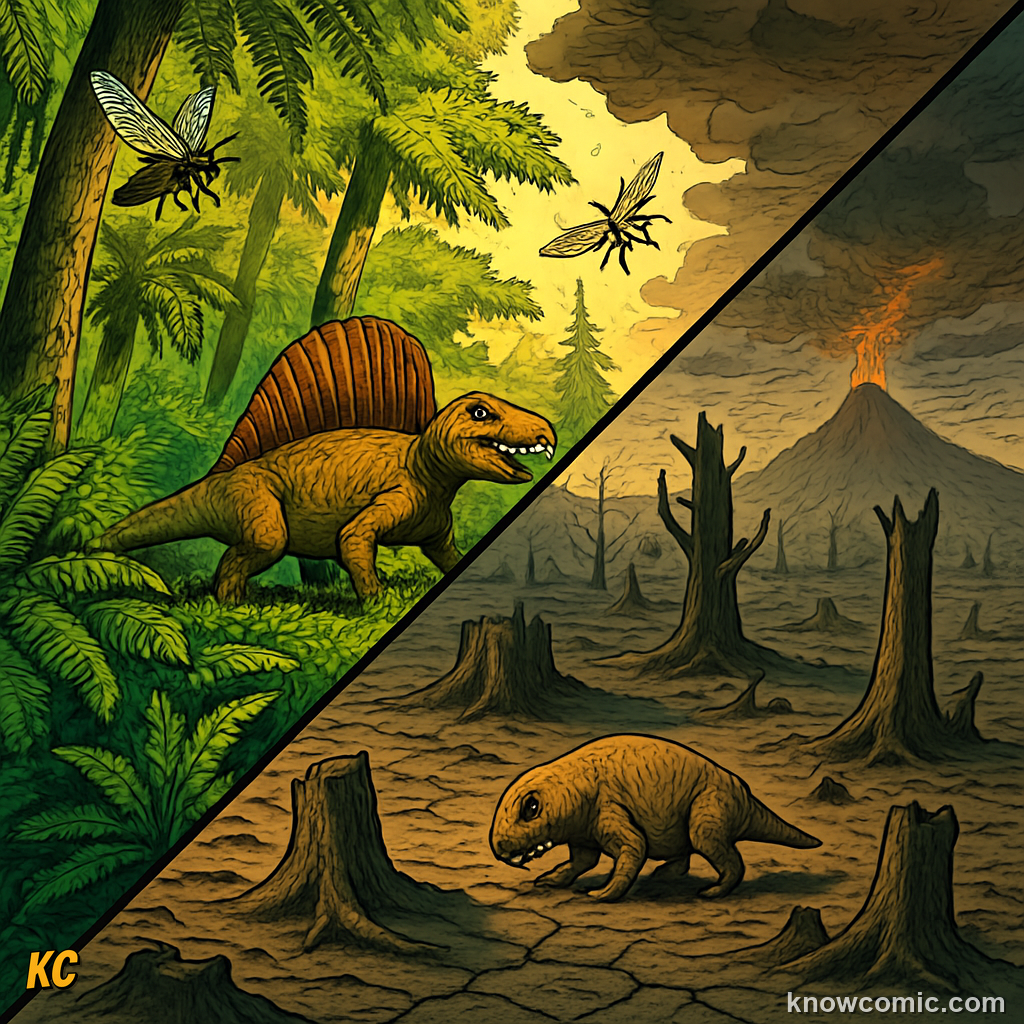
🌿 Before: rich diverse forests and seas
🔥 During: volcanic hellscape, acidic oceans
☠️ After: near-empty Earth, a few survivors
⏫ Recovery took longer than the dinosaur age
🔥 During: volcanic hellscape, acidic oceans
☠️ After: near-empty Earth, a few survivors
⏫ Recovery took longer than the dinosaur age
PAGE 2 OF 5 — THE CAUSE: SIBERIAN TRAPS
THE KILLER
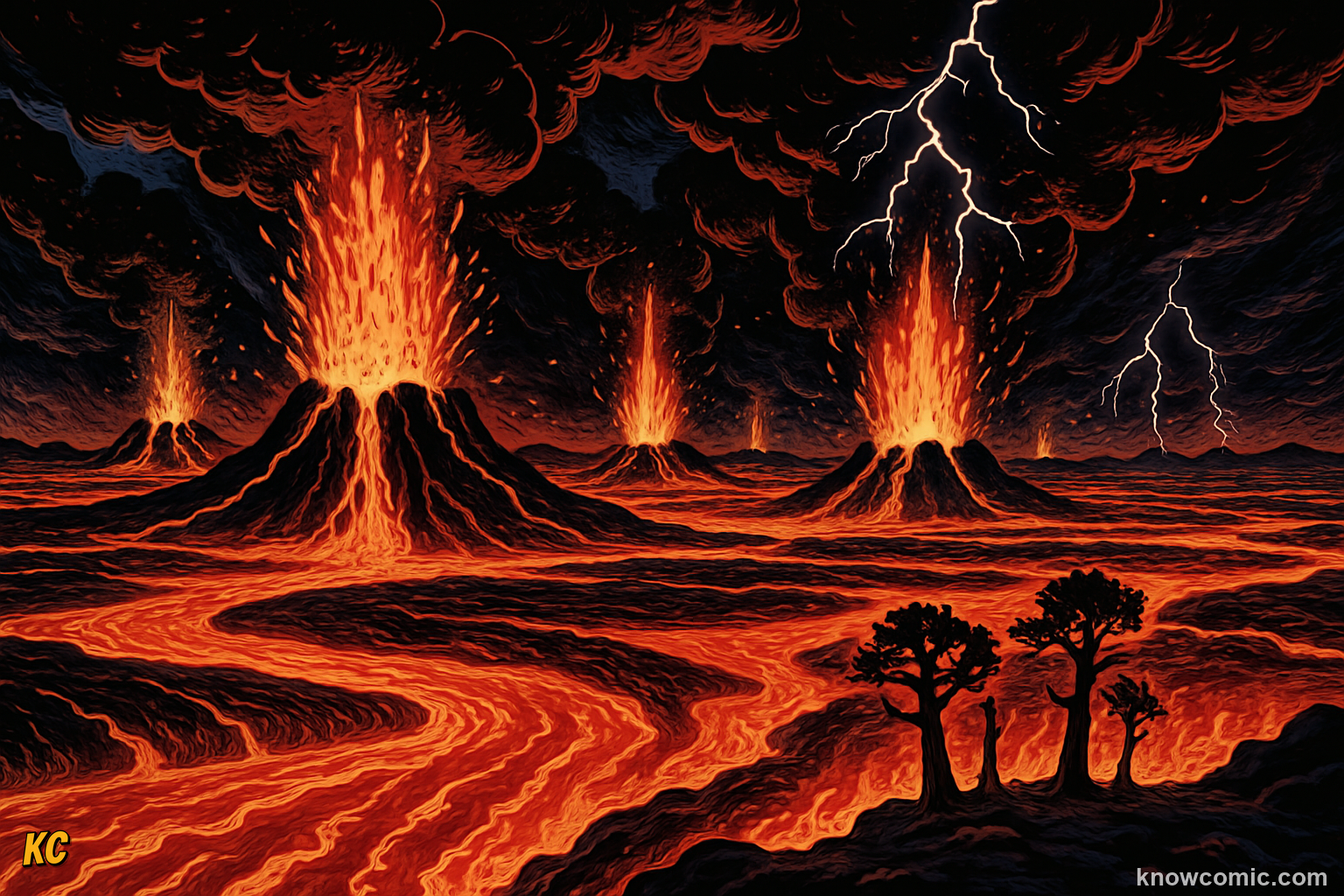
THE SIBERIAN TRAPS: A MILLION YEARS OF HELL
No asteroid caused the Great Dying. The villain was far more insidious: a massive volcanic event known as the Siberian Traps — a region of what is now Russia that erupted continuously for nearly one million years. It released enough lava to cover the entire surface of Europe to a depth of 3 kilometres. The real killer was not the lava itself — it was the carbon dioxide, sulphur dioxide, and other gases that poured into the atmosphere, triggering a runaway greenhouse effect, acidifying the oceans, and collapsing the food chains that every living thing depended upon.
VOLCANISM
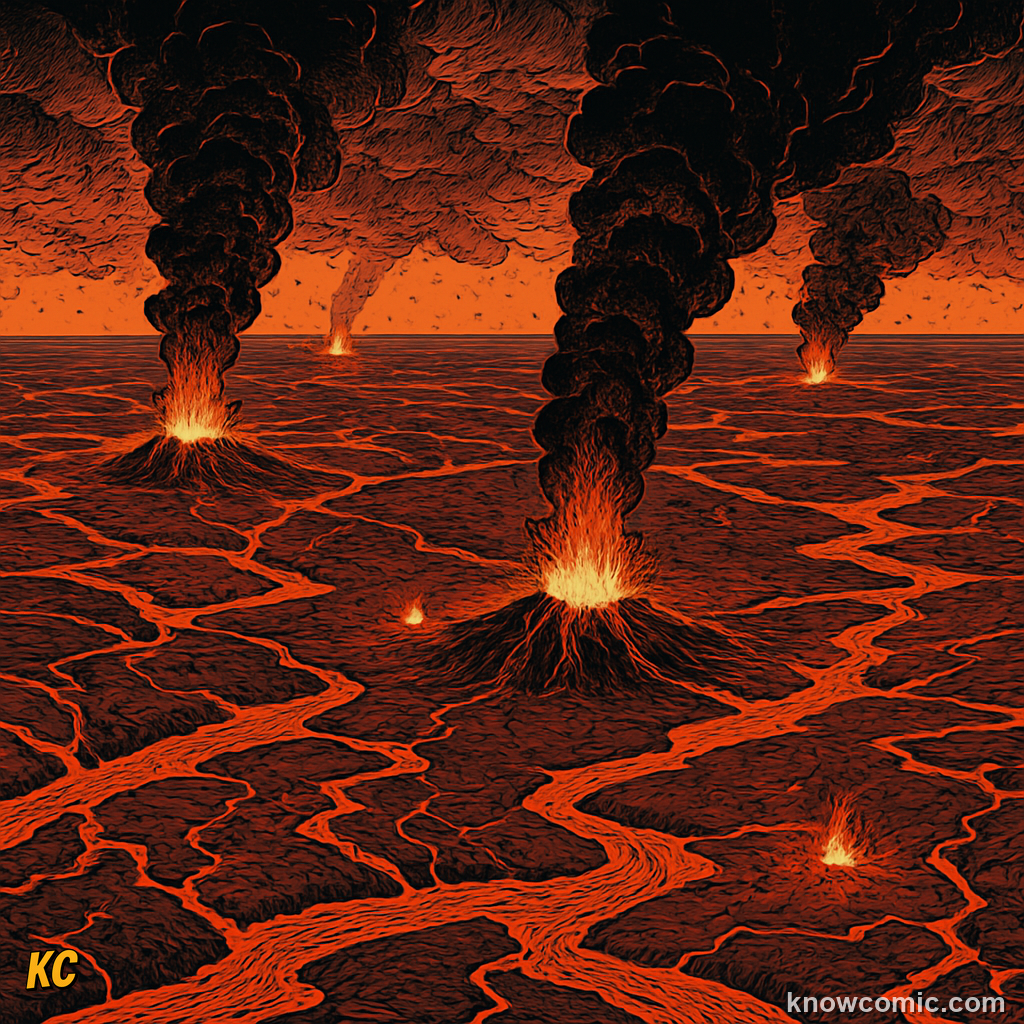
🌋 Erupted for ~1 million years continuously
🔥 Lava covered an area of 7 million km²
🌫️ CO₂ levels rose 5–8× above normal
🌡️ Global temperatures rose 8–10°C
🔥 Lava covered an area of 7 million km²
🌫️ CO₂ levels rose 5–8× above normal
🌡️ Global temperatures rose 8–10°C
OCEAN ACIDIFICATION
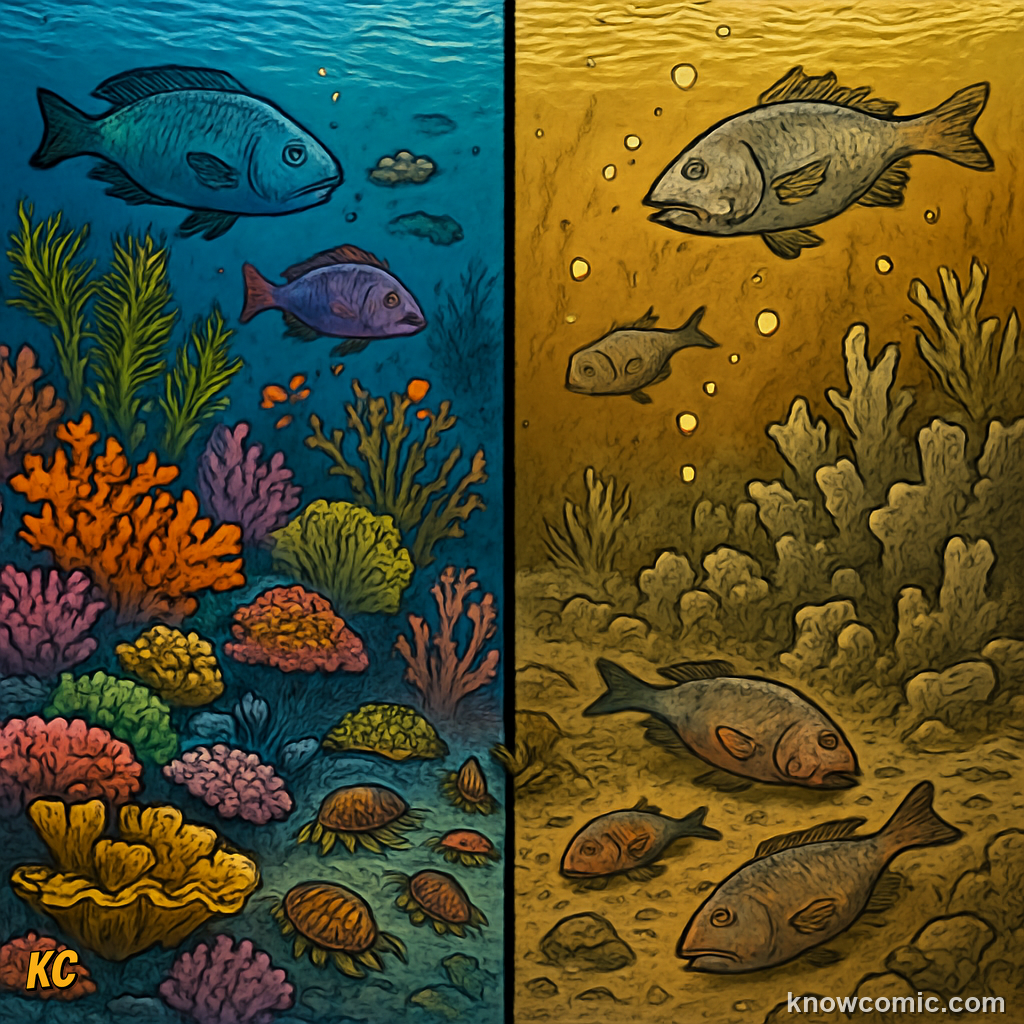
🌊 CO₂ dissolved into oceans, forming acid
🦎 Coral reefs and shellfish dissolved
🔥 Ocean pH dropped 0.7 units — catastrophic
💥 96% of all marine species lost
🦎 Coral reefs and shellfish dissolved
🔥 Ocean pH dropped 0.7 units — catastrophic
💥 96% of all marine species lost
METHANE RELEASE
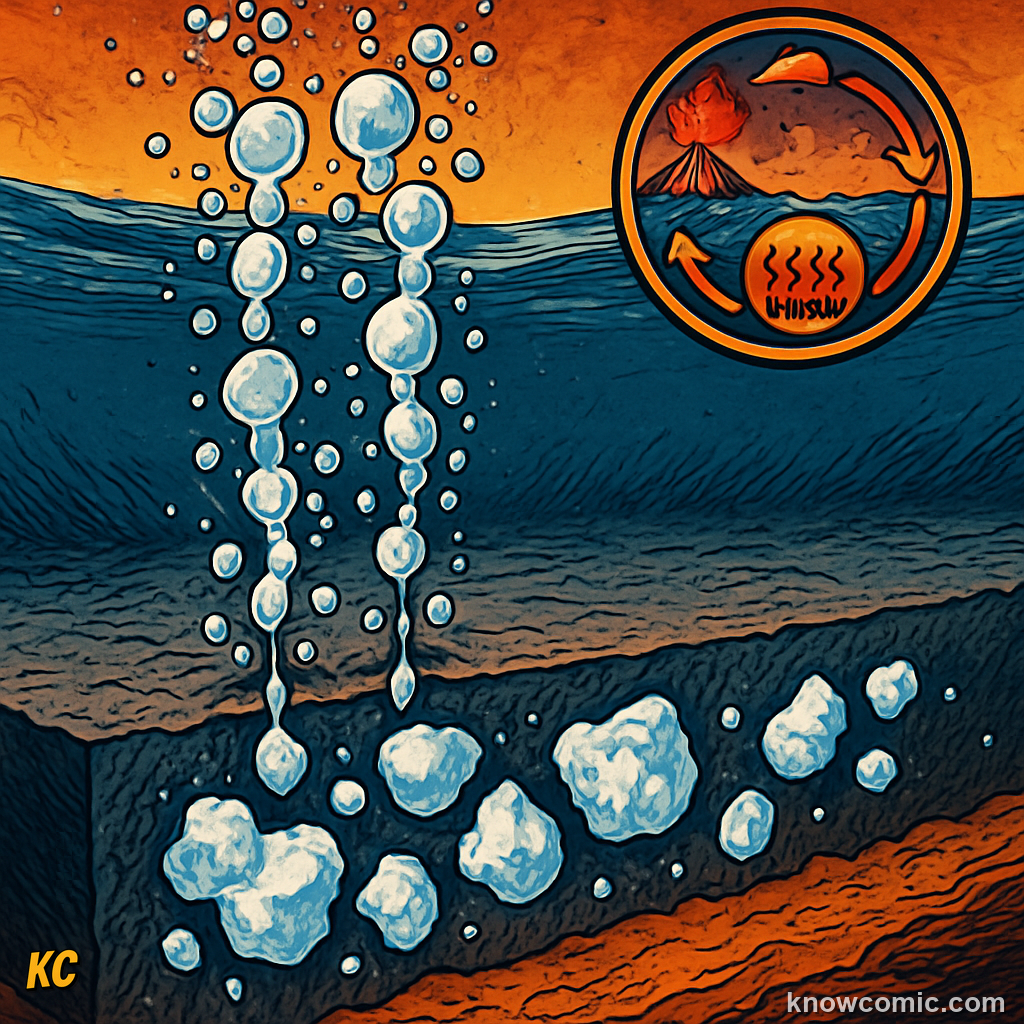
🥸 Warming seas released methane clathrates
🔥 Methane is 80× more potent than CO₂
⚡ A runaway greenhouse feedback loop
🧪 Oceans became anoxic — starved of oxygen
🔥 Methane is 80× more potent than CO₂
⚡ A runaway greenhouse feedback loop
🧪 Oceans became anoxic — starved of oxygen
PAGE 3 OF 5 — THE SURVIVORS
THE HERO
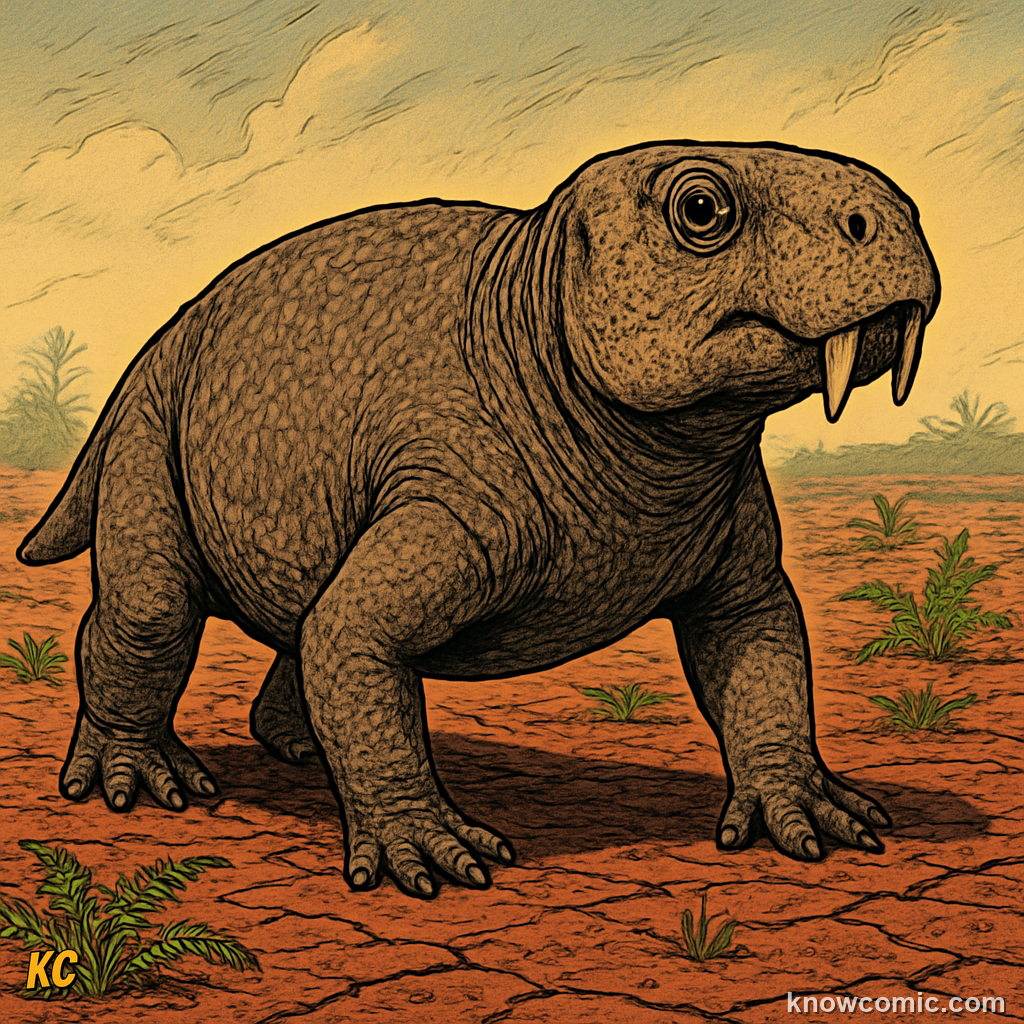
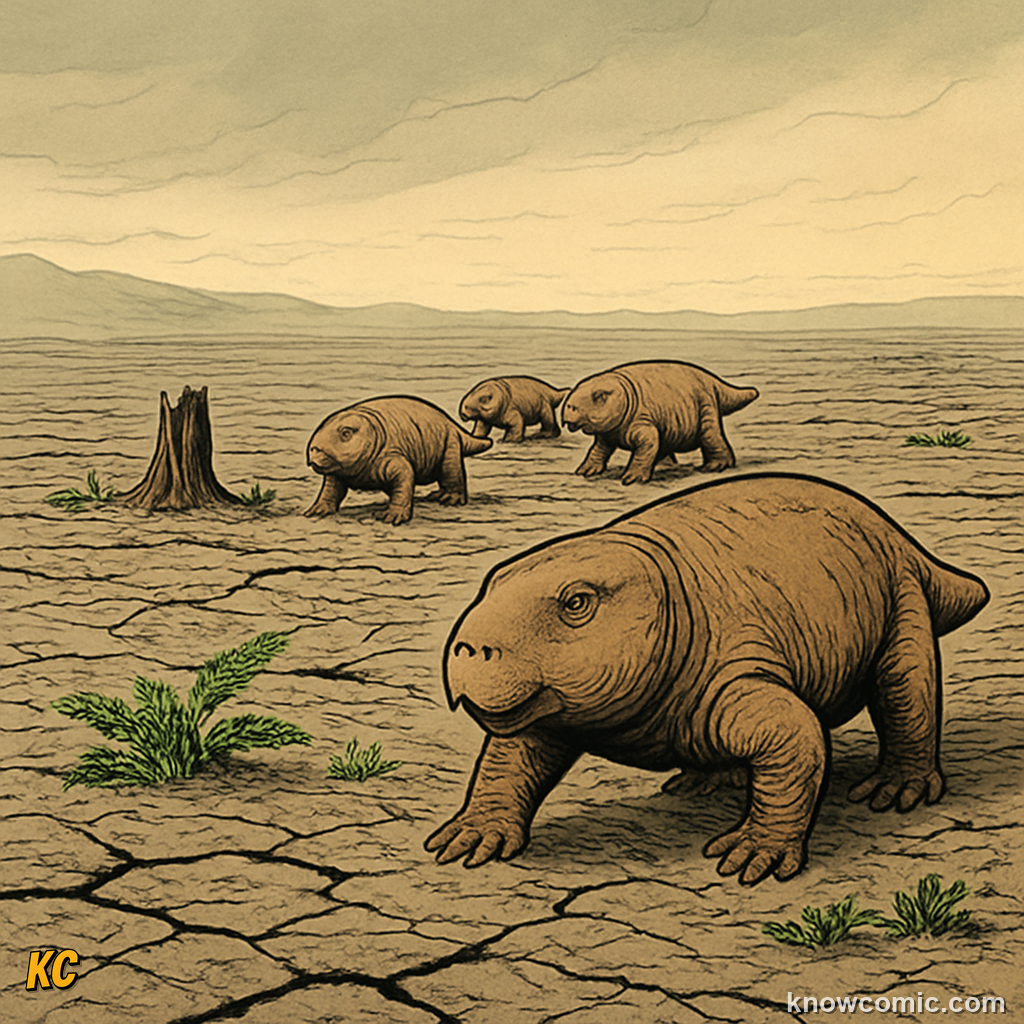
🦘 Lystrosaurus: the pig-sized survivor
✅ Made up 95% of land vertebrates after the extinction
📅 Small, burrowing, herbivorous — could hide
🔥 Our distant ancestor's lineage runs through it
✅ Made up 95% of land vertebrates after the extinction
📅 Small, burrowing, herbivorous — could hide
🔥 Our distant ancestor's lineage runs through it
THE SEAS
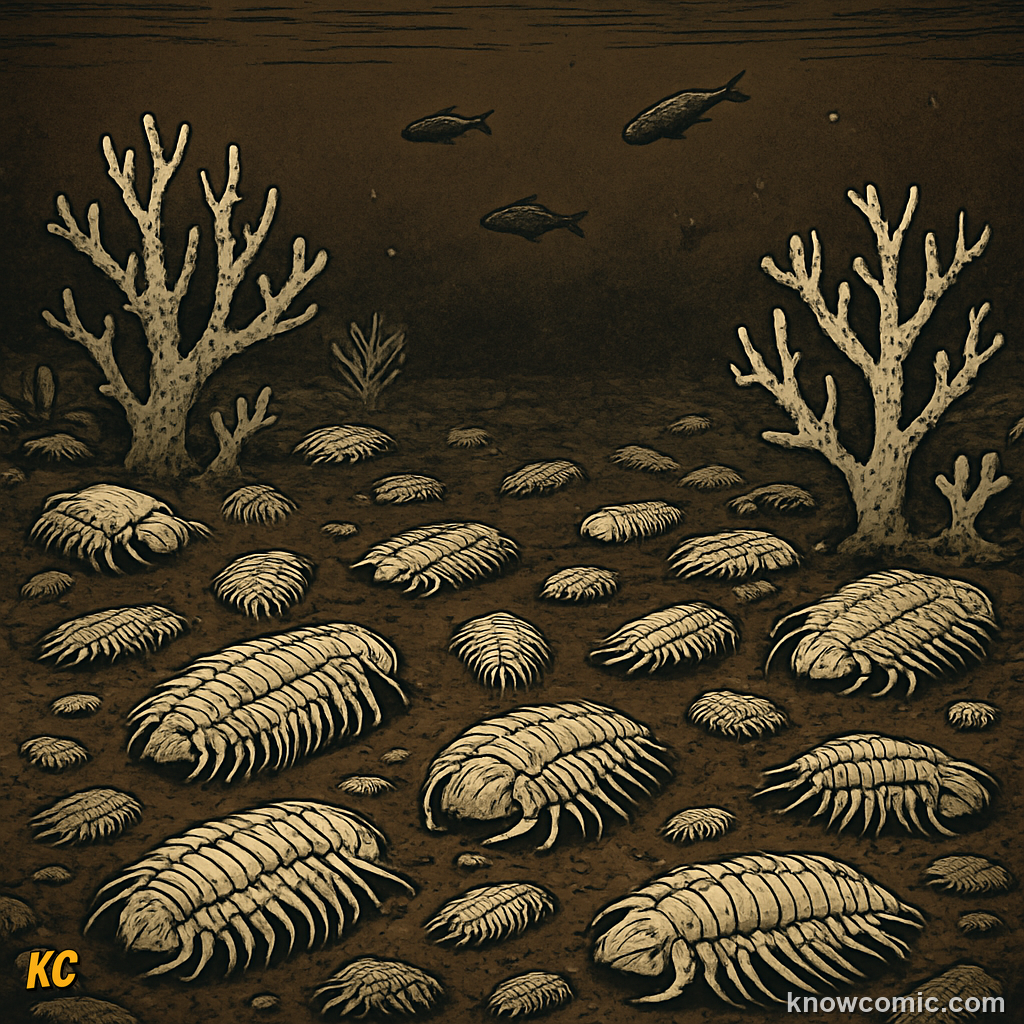
💥 Trilobites: extinct after 270 million years
💥 Rugose and tabulate corals: completely gone
💥 96% of all fish families gone
🔥 Oceans essentially empty for millions of years
💥 Rugose and tabulate corals: completely gone
💥 96% of all fish families gone
🔥 Oceans essentially empty for millions of years
AFTER THE DYING
WHO MADE IT THROUGH?
The survivors of the Great Dying were not the biggest, strongest, or most complex animals. They were the ones that happened to have traits that helped them in a hot, poisoned, food-scarce world. Lystrosaurus, a pig-sized herbivore, was so successful that it made up an estimated 95% of all land vertebrates on Earth after the extinction — an astonishing dominance by a single species. Alongside it survived the archosaur ancestors — the lineage that would eventually give rise to the crocodilians, pterosaurs, and all the dinosaurs.
SURVIVE!
PAGE 4 OF 5 — THE LONG RECOVERY
242 MILLION YEARS AGO
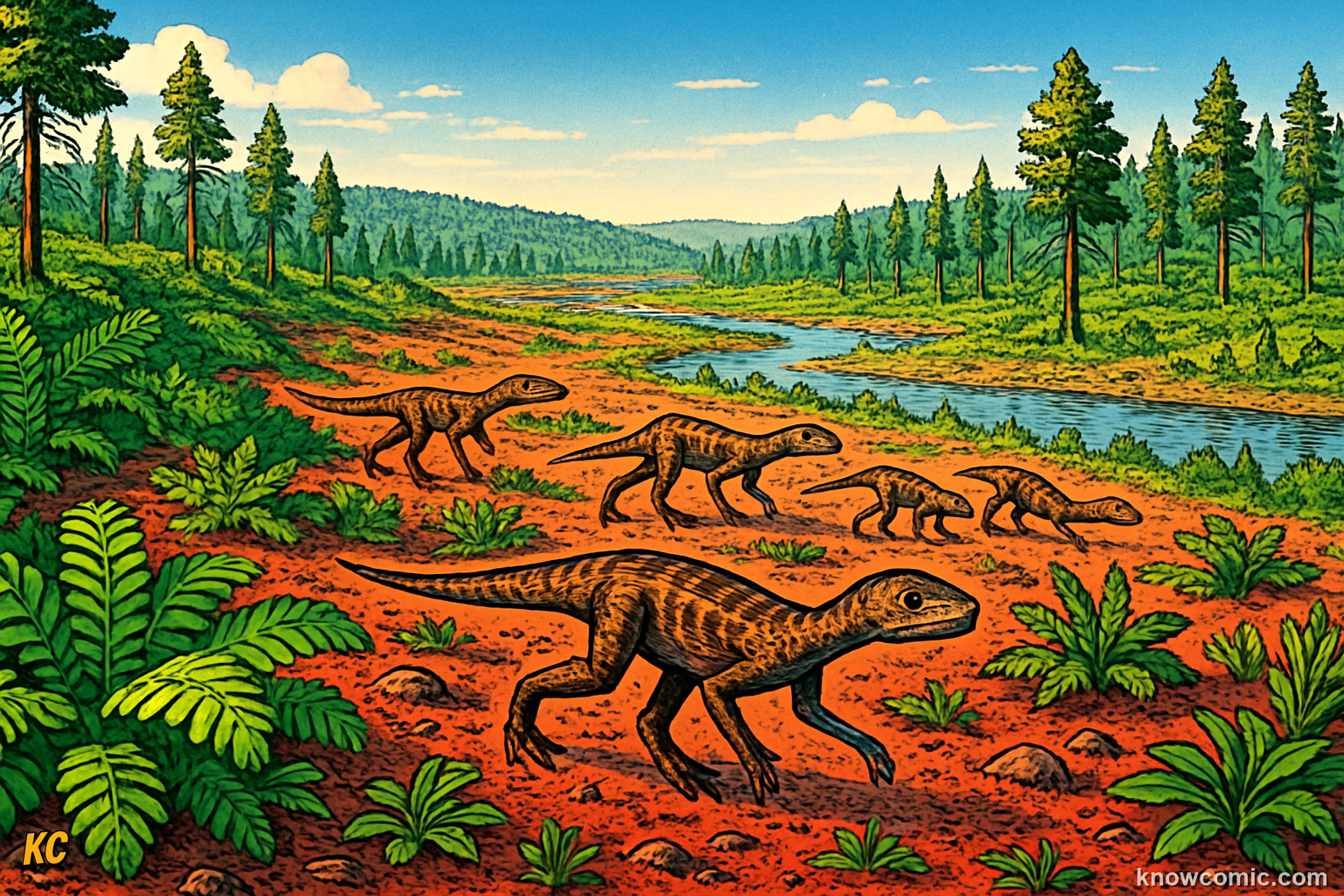
THE TRIASSIC DAWN
Recovery from the Great Dying was not quick. For roughly 10 million years, the Earth remained nearly barren — a "dead zone" in the fossil record where almost nothing complex survived. But slowly, life crept back. The Triassic period saw an explosion of new forms filling the empty ecological niches. The archosaurs — a group that survived the extinction — began to diversify rapidly. Among them were the first members of the lineage that would become crocodilians, pterosaurs, and dinosaurs. The slate had been wiped clean, and a new world was beginning.
10 MILLION YEAR GAP
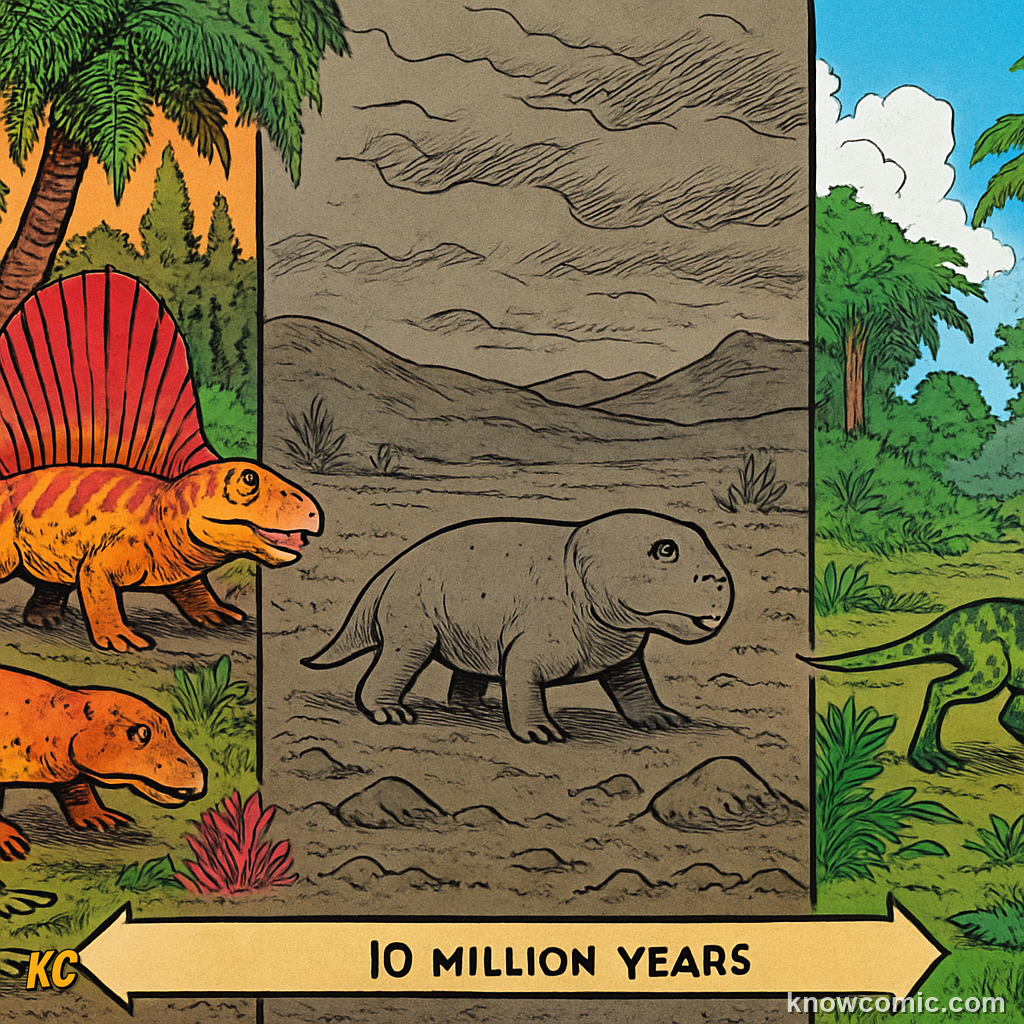
📅 252–242 Ma: the "dead zone" in the fossil record
⛔ Very few new species appear during this period
🌿 Ferns dominated land — the first to recover
📅 Full ecosystem diversity took 30+ million years
⛔ Very few new species appear during this period
🌿 Ferns dominated land — the first to recover
📅 Full ecosystem diversity took 30+ million years
NEW SPECIES
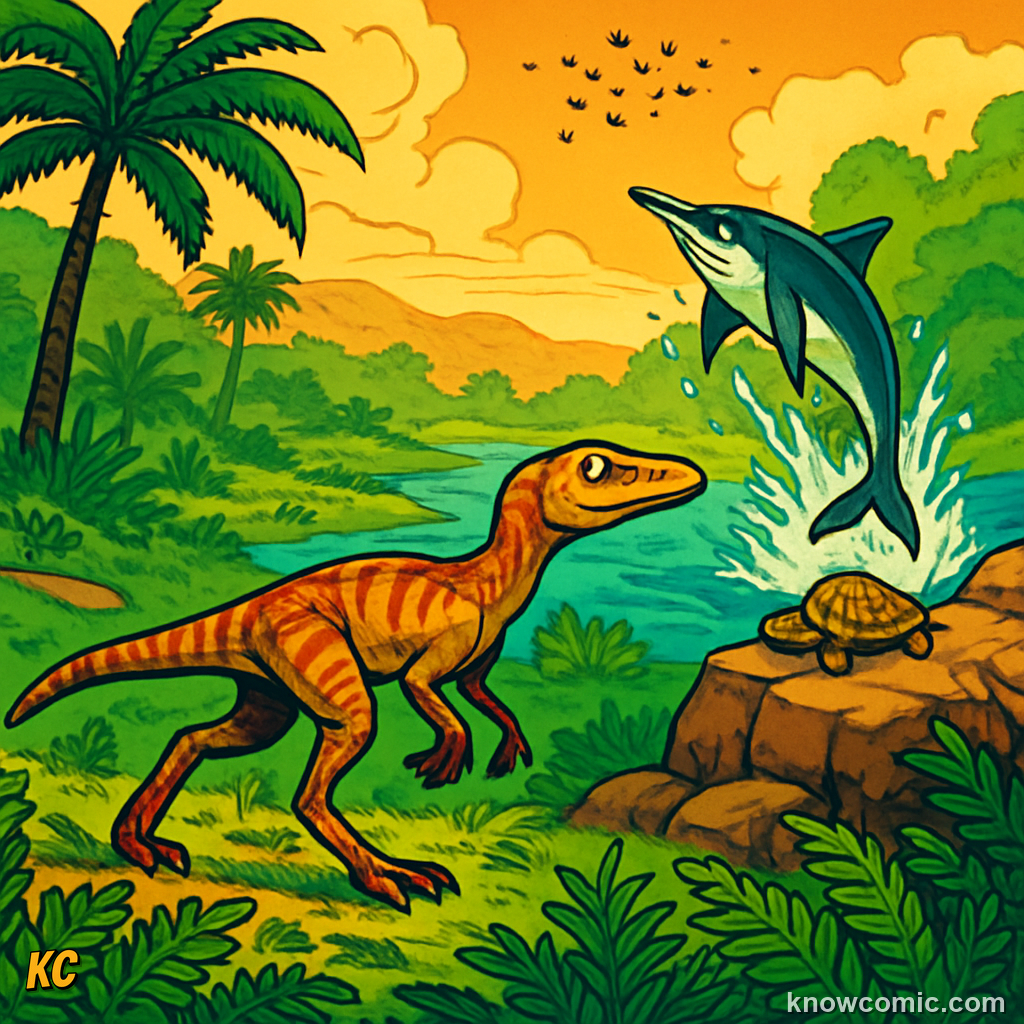
🦘 Archosaurs filled empty land niches rapidly
🌊 New reef-building corals replaced the old ones
🦐 Marine reptiles (ichthyosaurs) filled the empty seas
🐀 First true mammals appear in the Late Triassic
🌊 New reef-building corals replaced the old ones
🦐 Marine reptiles (ichthyosaurs) filled the empty seas
🐀 First true mammals appear in the Late Triassic
RISE OF ARCHOSAURS
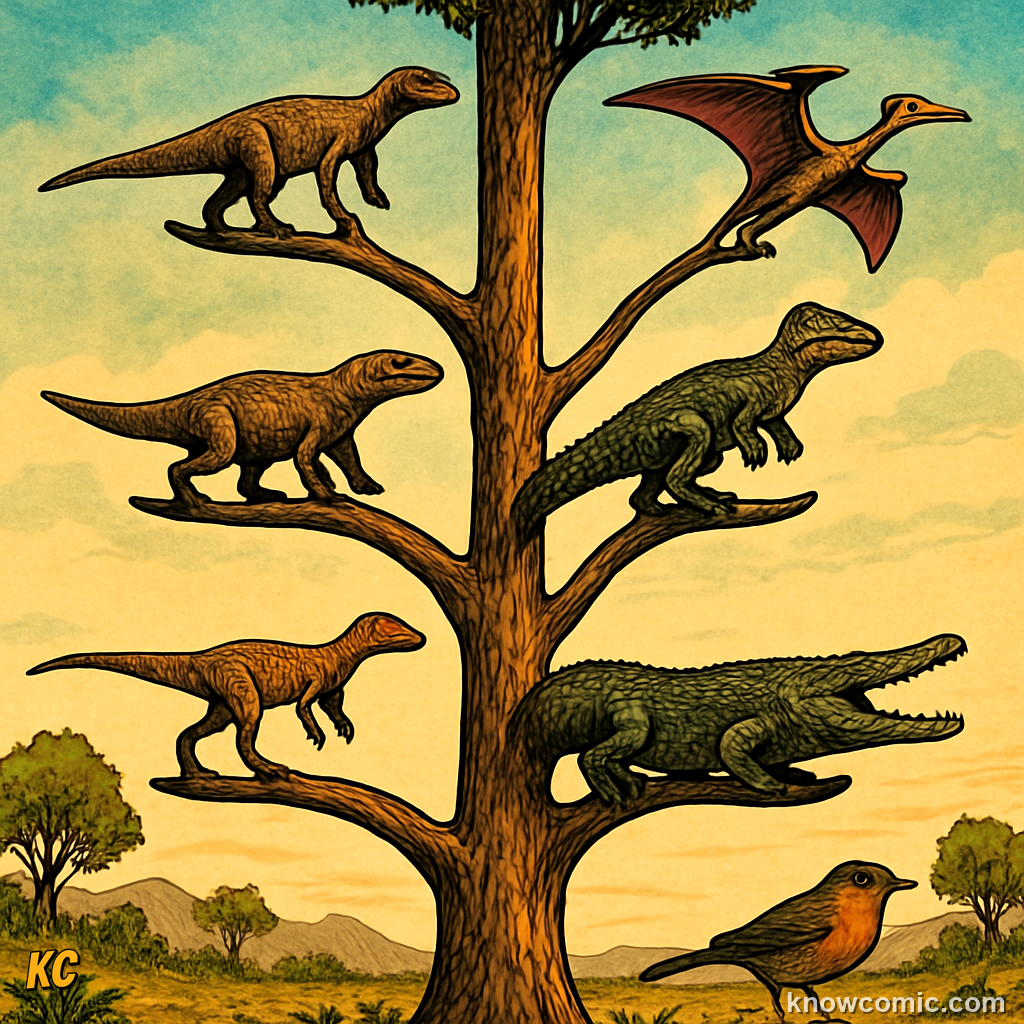
🦘 Archosauria: the group that won the Triassic
✅ Split into two lines: croc-line and bird-line
🦘 Bird-line archosaurs became pterosaurs + dinosaurs
🌟 Without the Great Dying — no archosaur dominance
✅ Split into two lines: croc-line and bird-line
🦘 Bird-line archosaurs became pterosaurs + dinosaurs
🌟 Without the Great Dying — no archosaur dominance
PAGE 5 OF 5 — THE RISE OF DINOSAURS
230 MILLION YEARS AGO
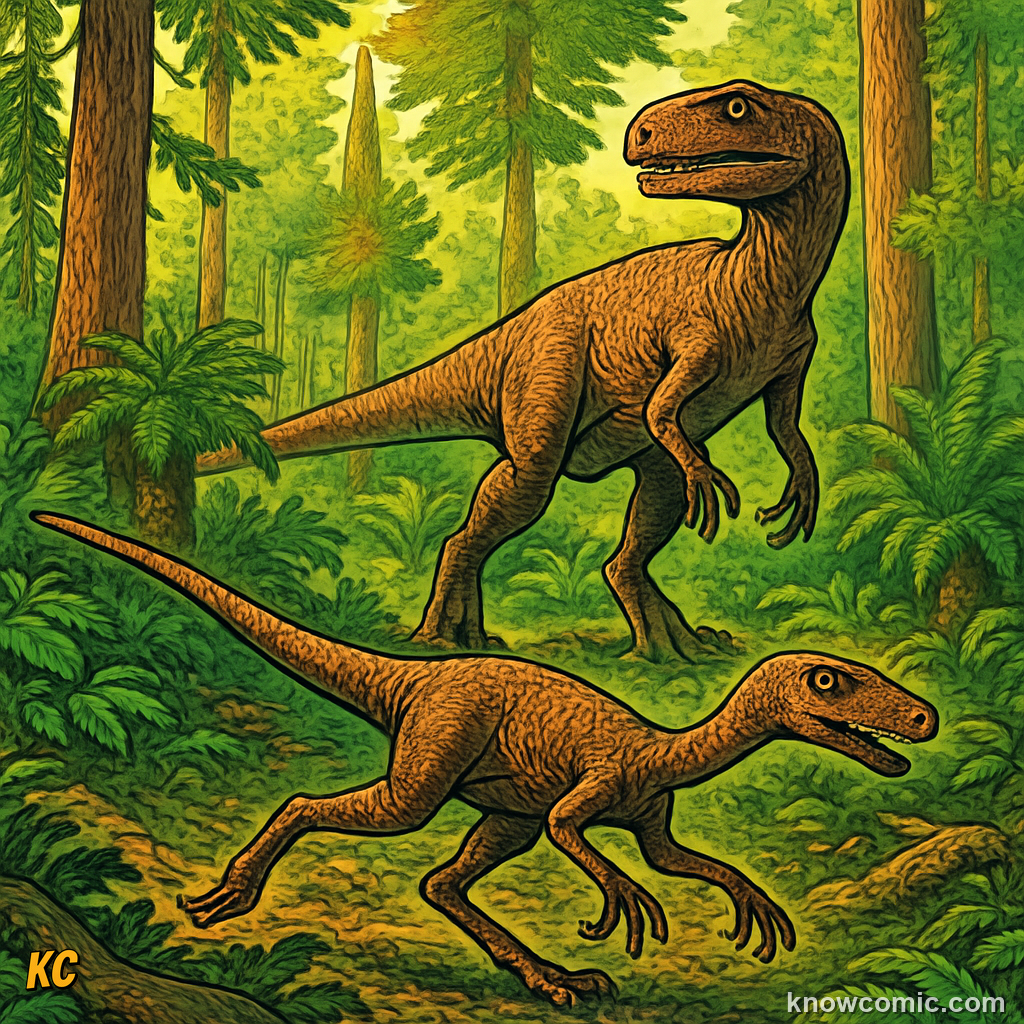
THE GREAT DYING GAVE US DINOSAURS
Here is the extraordinary truth: the most famous animals in Earth's history — the dinosaurs — only existed because of the worst catastrophe in Earth's history. The Great Dying cleared the world of its dominant animals. It took 20 million years, but the archosaur survivors slowly gave rise to the first true dinosaurs around 230 million years ago. Small, fast, bipedal — creatures like Eoraptor and Herrerasaurus. And once they appeared, they thrived in a world with few competitors, diversifying into the giants, hunters, and plant-eaters that would define life on Earth for the next 165 million years.
RISE!
WHY DINOSAURS WON
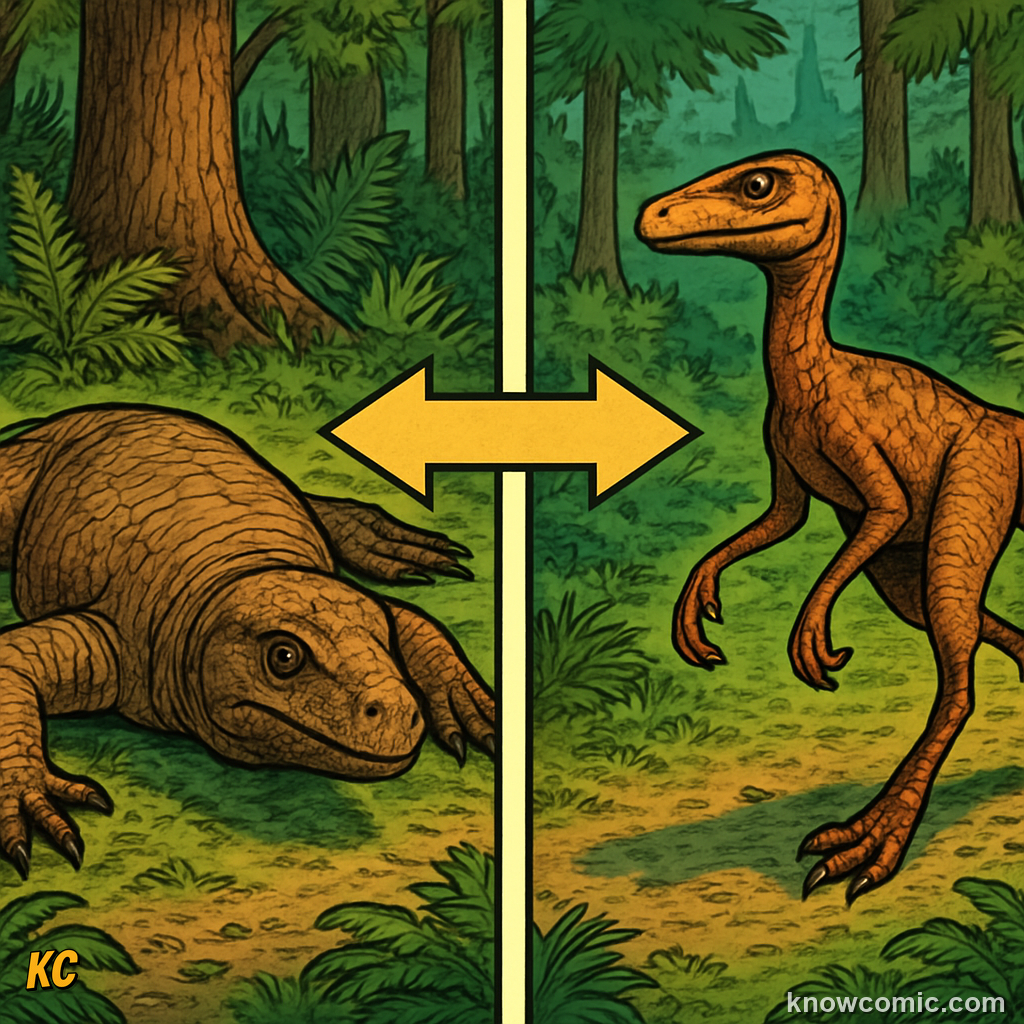
🦘 Upright posture — more efficient than sprawling
🔥 Higher metabolic rate than competitors
🧯 Could run faster and sustain activity longer
⚡ Outcompeted the remaining mammal-like reptiles
🔥 Higher metabolic rate than competitors
🧯 Could run faster and sustain activity longer
⚡ Outcompeted the remaining mammal-like reptiles
KEY TAKEAWAYS
📌 REMEMBER THIS
✦ The Great Dying killed 96% of marine species (252 Ma)
✦ Caused by Siberian Traps — 1 million years of eruptions
✦ Lystrosaurus was 95% of all land life after the event
✦ Without the Great Dying, dinosaurs would never have evolved
✦ Caused by Siberian Traps — 1 million years of eruptions
✦ Lystrosaurus was 95% of all land life after the event
✦ Without the Great Dying, dinosaurs would never have evolved
🧠 QUIZ TIME!
THE PERMIAN EXTINCTION: THE GREAT DYING · 5 QUESTIONS
QUESTION 01
The Great Dying was Earth's worst mass extinction. Approximately what percentage of all marine species were wiped out?
QUESTION 02
What was the main cause of the Permian Extinction — unlike the later dinosaur extinction, there was no asteroid. What actually caused it?
QUESTION 03
One animal dominated the land immediately after the Great Dying, making up 95% of all land vertebrates on Earth. What was it?
QUESTION 04
How long did it take for life on Earth to begin recovering after the Great Dying?
QUESTION 05
What is the surprising connection between the Great Dying and the eventual rise of dinosaurs?
0/5
LOADING...