⚛️ THE NUCLEAR ATOM
PAGE 1 OF 5 — A PUZZLE THE PLUM PUDDING COULDN'T SOLVE
THE PROBLEM WITH THOMSON'S MODEL
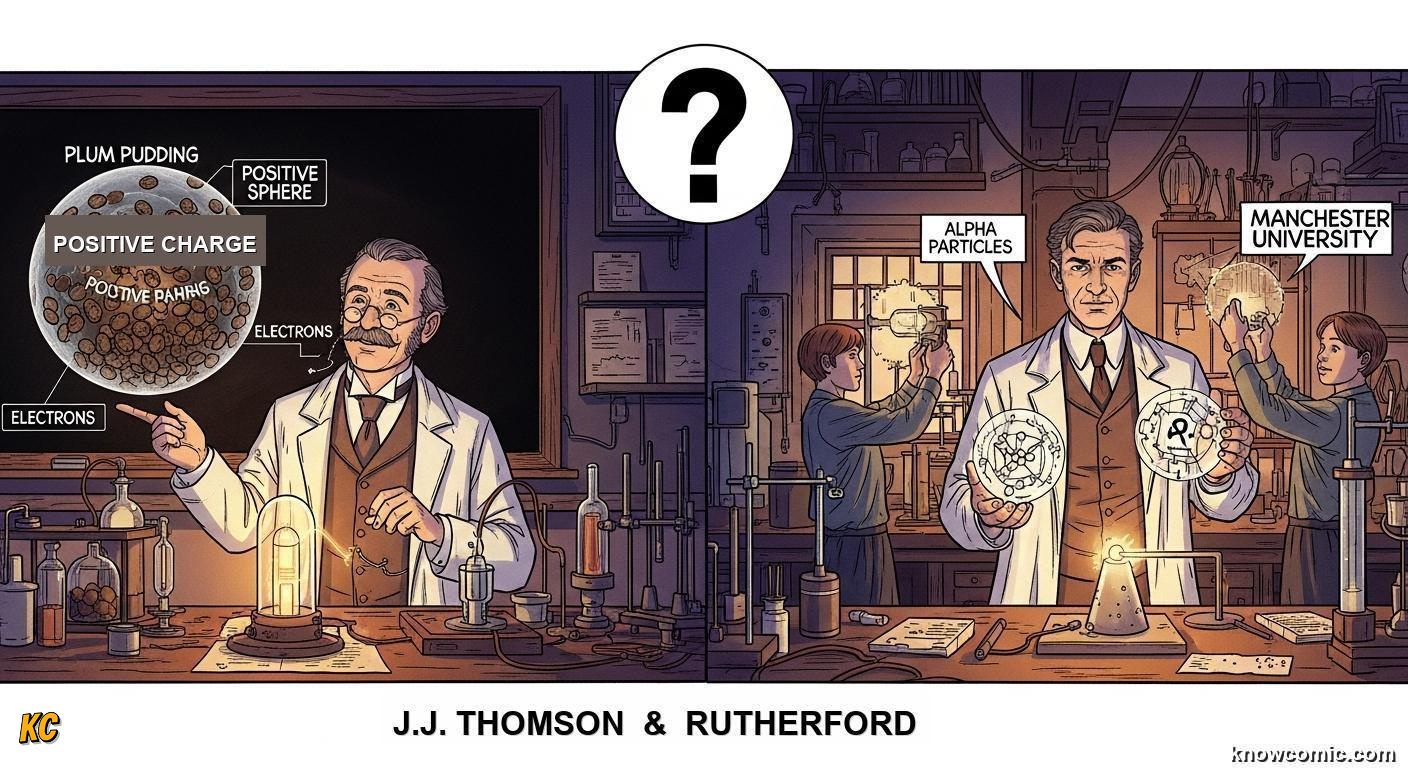
WHEN THE PUDDING MODEL WOBBLED
By 1909, Thomson's plum pudding model was the best science had — but it was about to face a devastating test. Ernest Rutherford, a New Zealand-born physicist working at Manchester University, decided to probe the atom directly. His weapon of choice: alpha particles — tiny, fast, positively charged particles fired from radioactive radium. If Thomson was right, the atom was a diffuse cloud of positive charge. Alpha particles should sail straight through it, barely deflecting at all. A simple test — with a shocking surprise. Nobody predicted what happened next.
⚛️ RUTHERFORD'S TEAM
Rutherford supervised the experiment, but the actual firing and counting was carried out by Hans Geiger (who later invented the Geiger counter) and an undergraduate student, Ernest Marsden, who was just 20 years old.
READY!
ALPHA PARTICLES
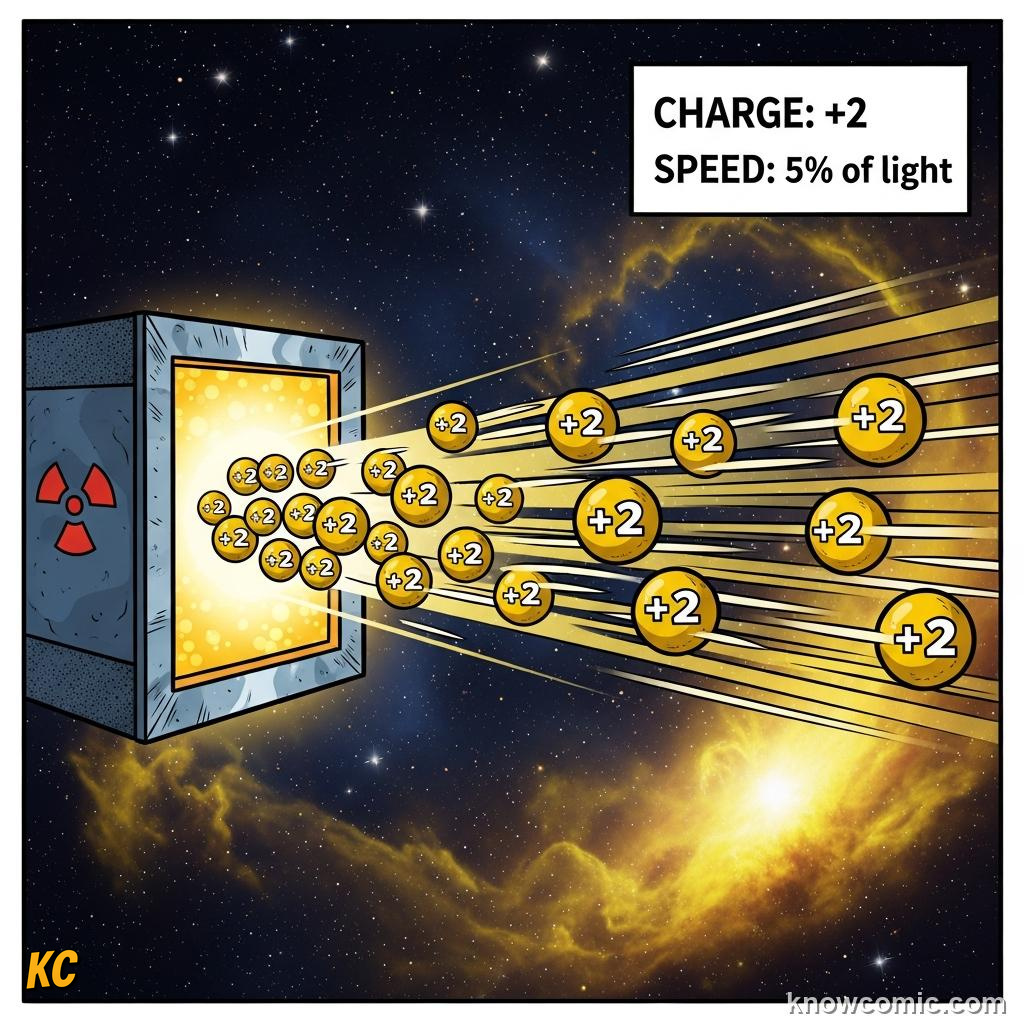
⚡ Positively charged (+2)
💨 Travel at 5% of the speed of light
🔋 Produced by radioactive radium
💨 Travel at 5% of the speed of light
🔋 Produced by radioactive radium
THE PREDICTION
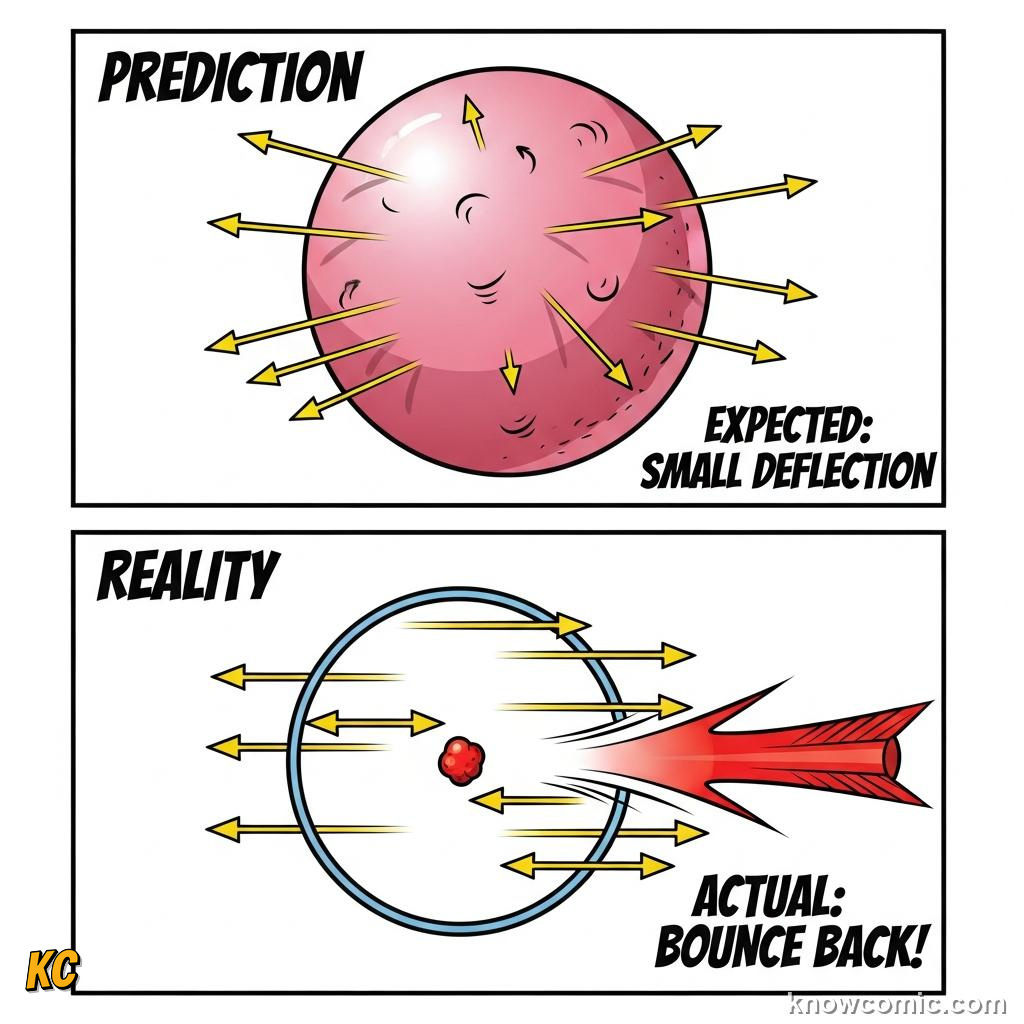
🍮 Plum pudding = soft, spread-out charge
➡️ Expected: particles pass straight through
❓ Small deflection possible — but nothing big
➡️ Expected: particles pass straight through
❓ Small deflection possible — but nothing big
PAGE 2 OF 5 — THE GOLD FOIL EXPERIMENT, 1909
GEIGER & MARSDEN FIRE THE SHOT HEARD ROUND SCIENCE
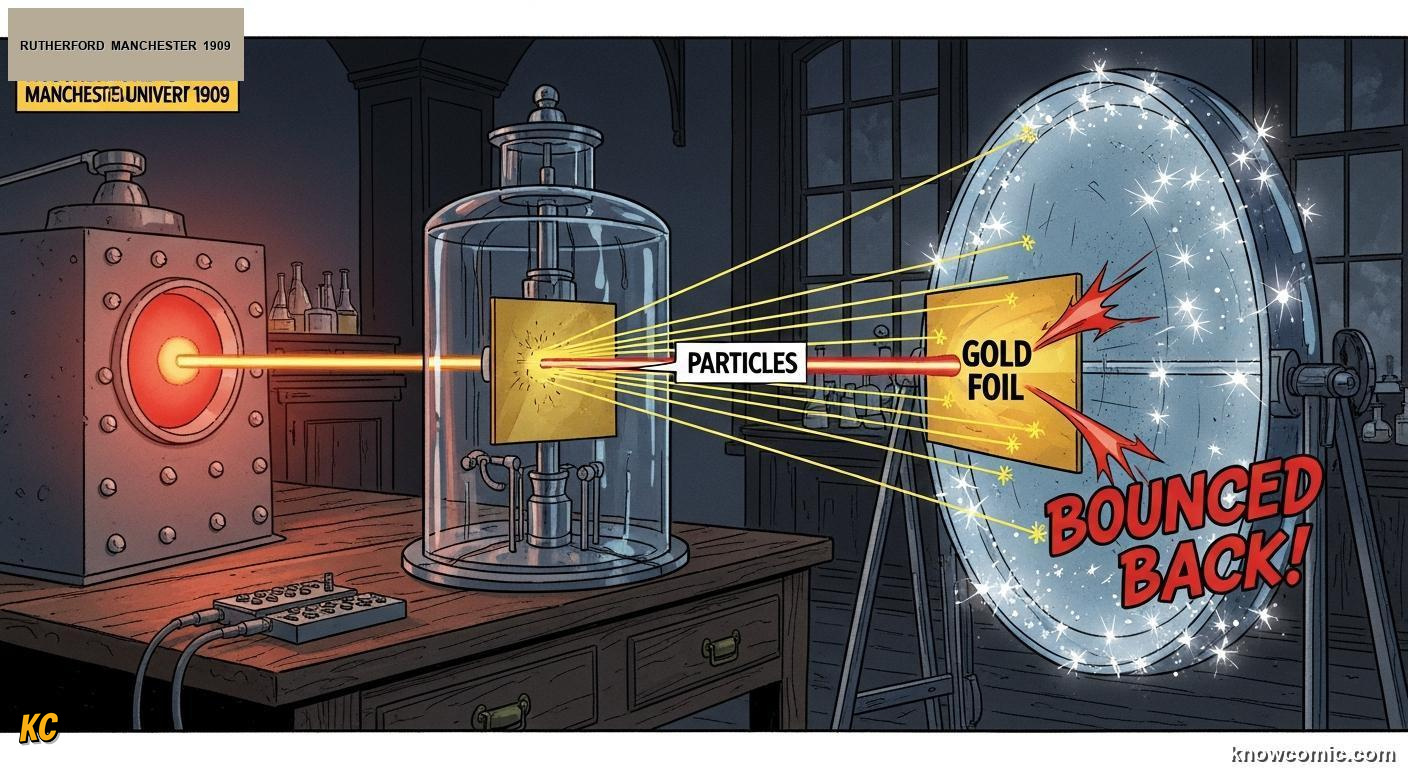
THE GOLD FOIL EXPERIMENT
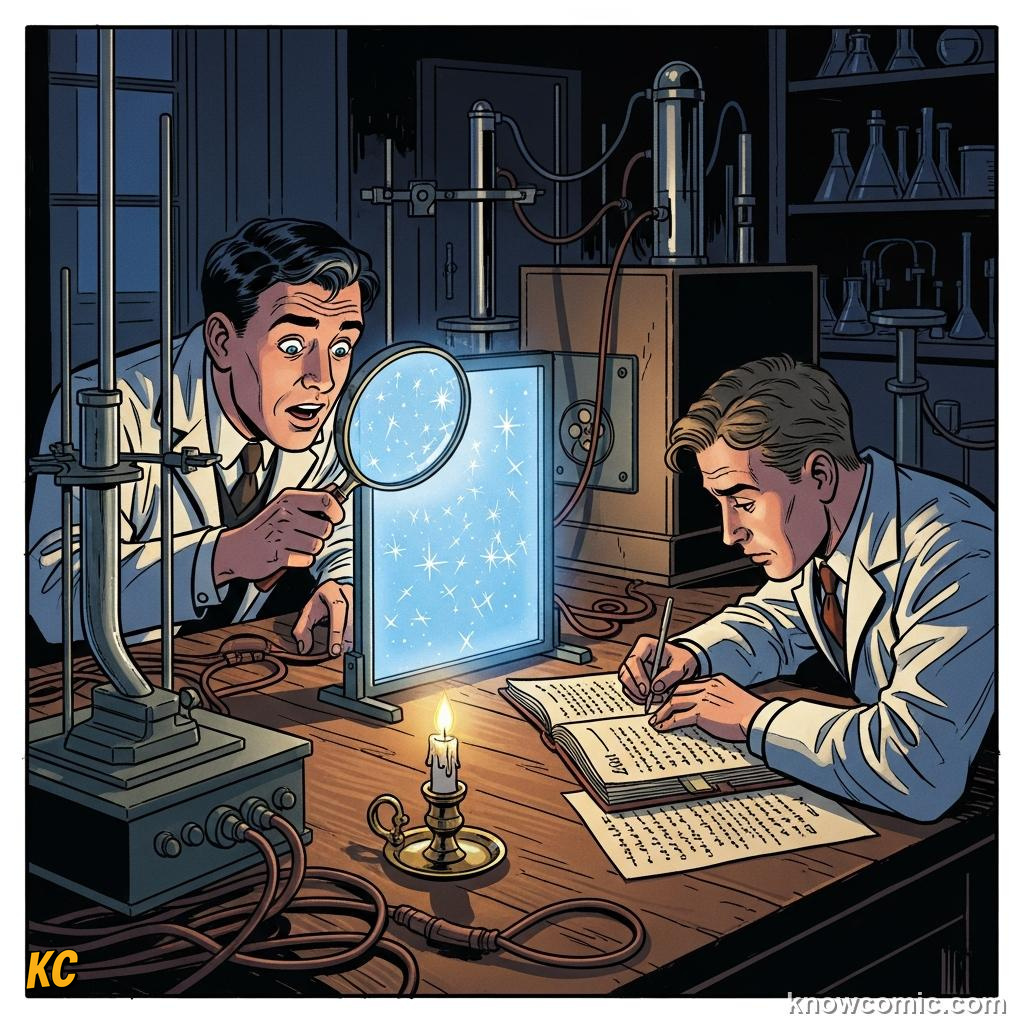
Geiger and Marsden set up a lead box containing radium as a source of alpha particles. The particles were aimed at a sheet of gold foil just a few hundred atoms thick — thinner than a human hair. Around the foil, a zinc sulfide screen was placed in a full circle, which produced a tiny flash of light each time an alpha particle hit it. Over days of patient counting in the dark, the results poured in. Most alpha particles went straight through — as expected. But around 1 in 8,000 bounced back almost directly toward the source. It was the most astonishing result in atomic science.
💥 RUTHERFORD'S REACTION
Rutherford later said: "It was quite the most incredible event that has ever happened to me in my life. It was almost as incredible as if you fired a 15-inch shell at a piece of tissue paper and it came back and hit you."
BOUNCE!
🥇 THE SETUP
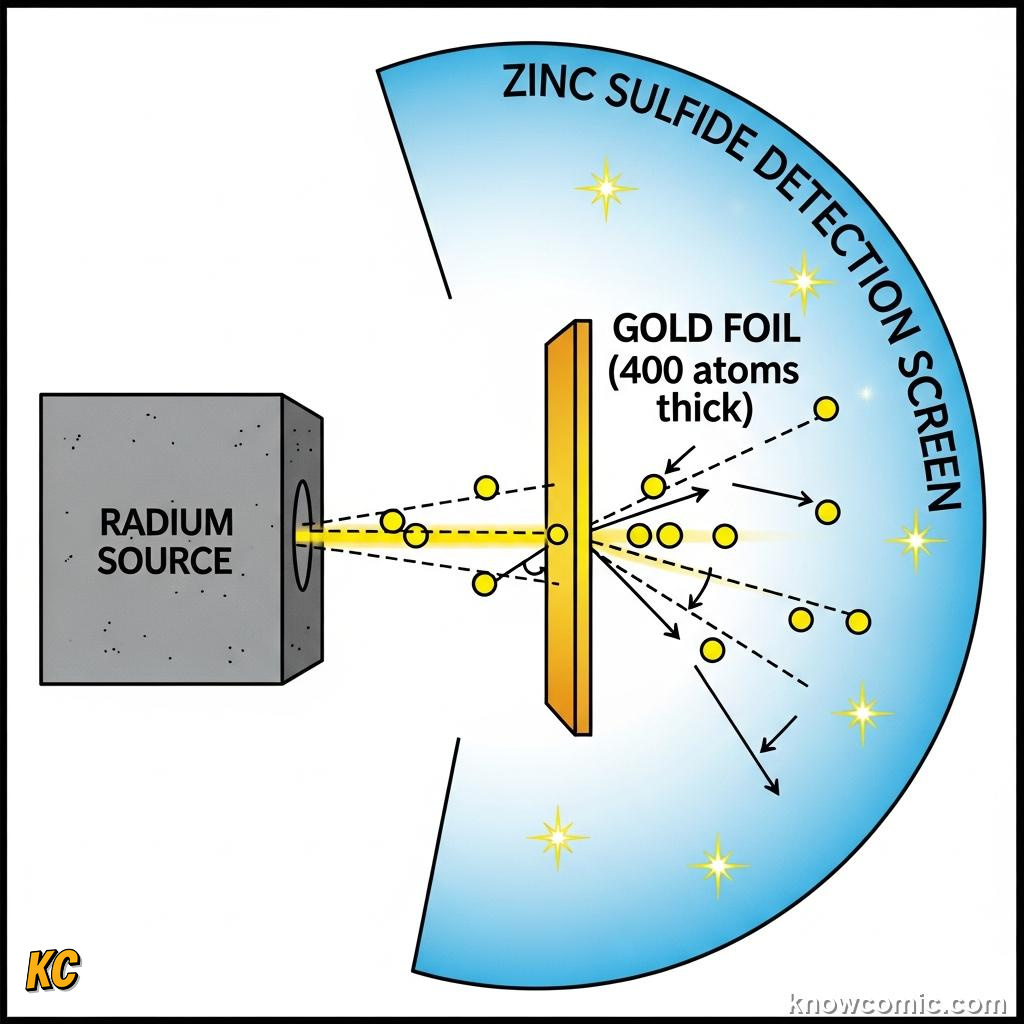
🔋 Radium in lead box = alpha source
🥇 Gold foil — just 400 atoms thick
✨ Zinc sulfide screen detects flashes
🥇 Gold foil — just 400 atoms thick
✨ Zinc sulfide screen detects flashes
📊 THE RESULTS
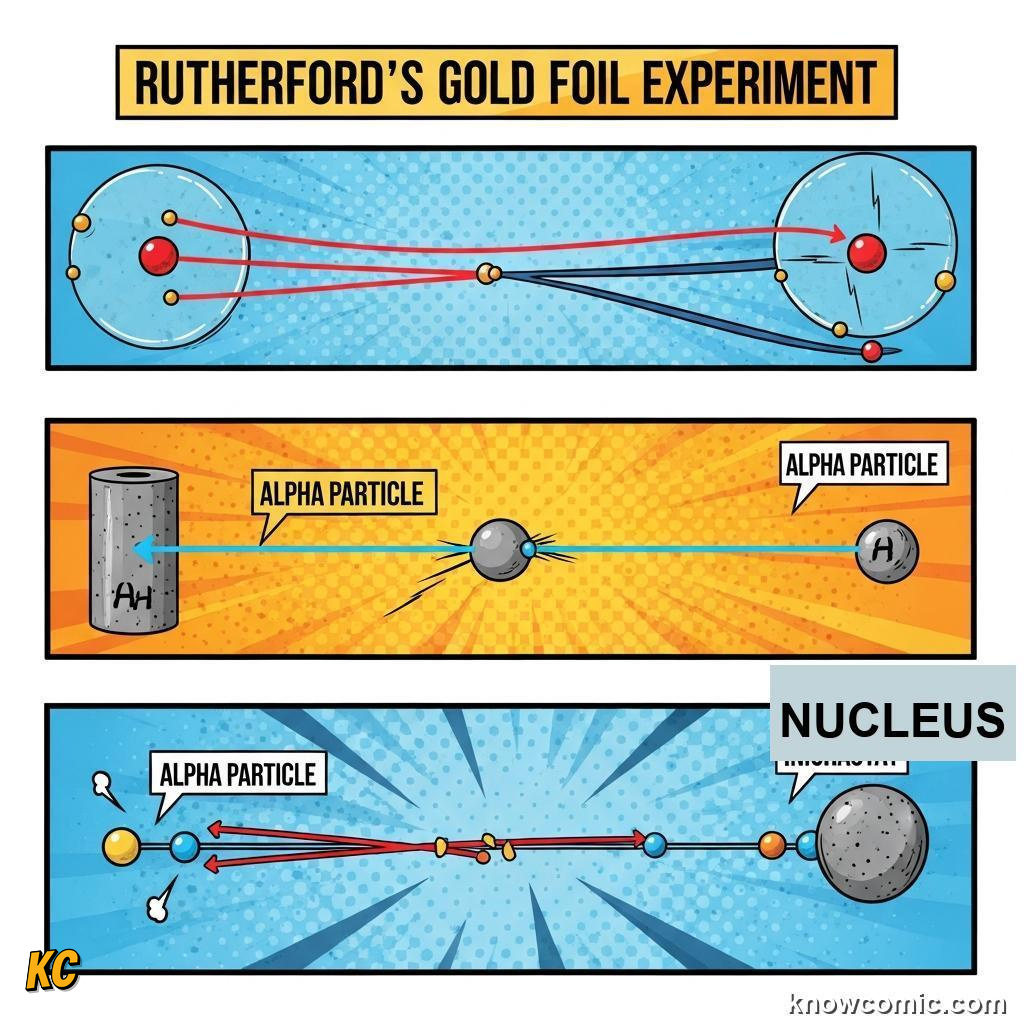
✅ Most particles: straight through
📐 Some: deflected at small angles
💥 1 in 8,000: bounced straight back!
📐 Some: deflected at small angles
💥 1 in 8,000: bounced straight back!
🤯 THE SHOCK
❌ Plum pudding cannot explain this
🧩 Something tiny and dense inside
⚛️ The atom has a hard positive core!
🧩 Something tiny and dense inside
⚛️ The atom has a hard positive core!
PAGE 3 OF 5 — THE NUCLEAR MODEL IS BORN
MOSTLY EMPTY SPACE
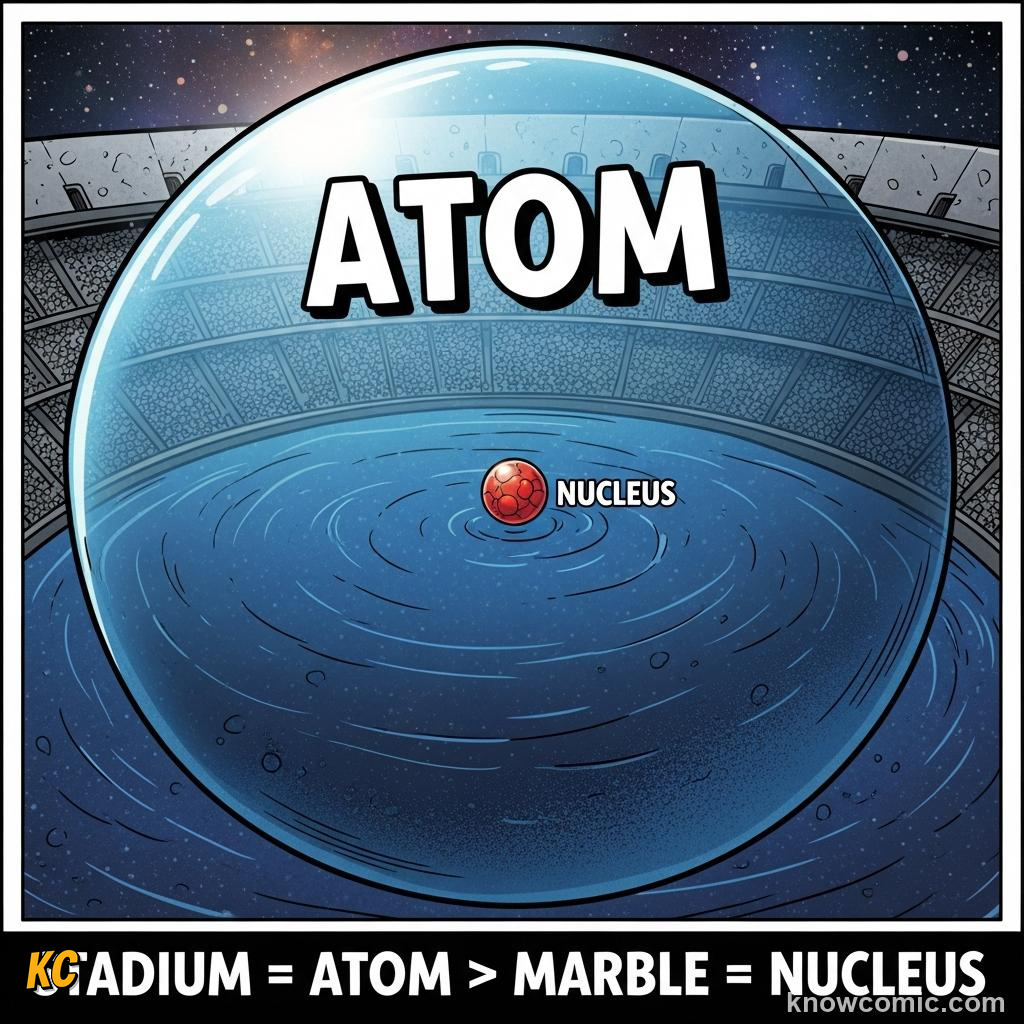
🌌 99.99% of atom is empty space
🔵 Electrons orbit far from centre
⚡ Nucleus is 100,000× smaller than atom
🔵 Electrons orbit far from centre
⚡ Nucleus is 100,000× smaller than atom
THE SOLAR SYSTEM ATOM
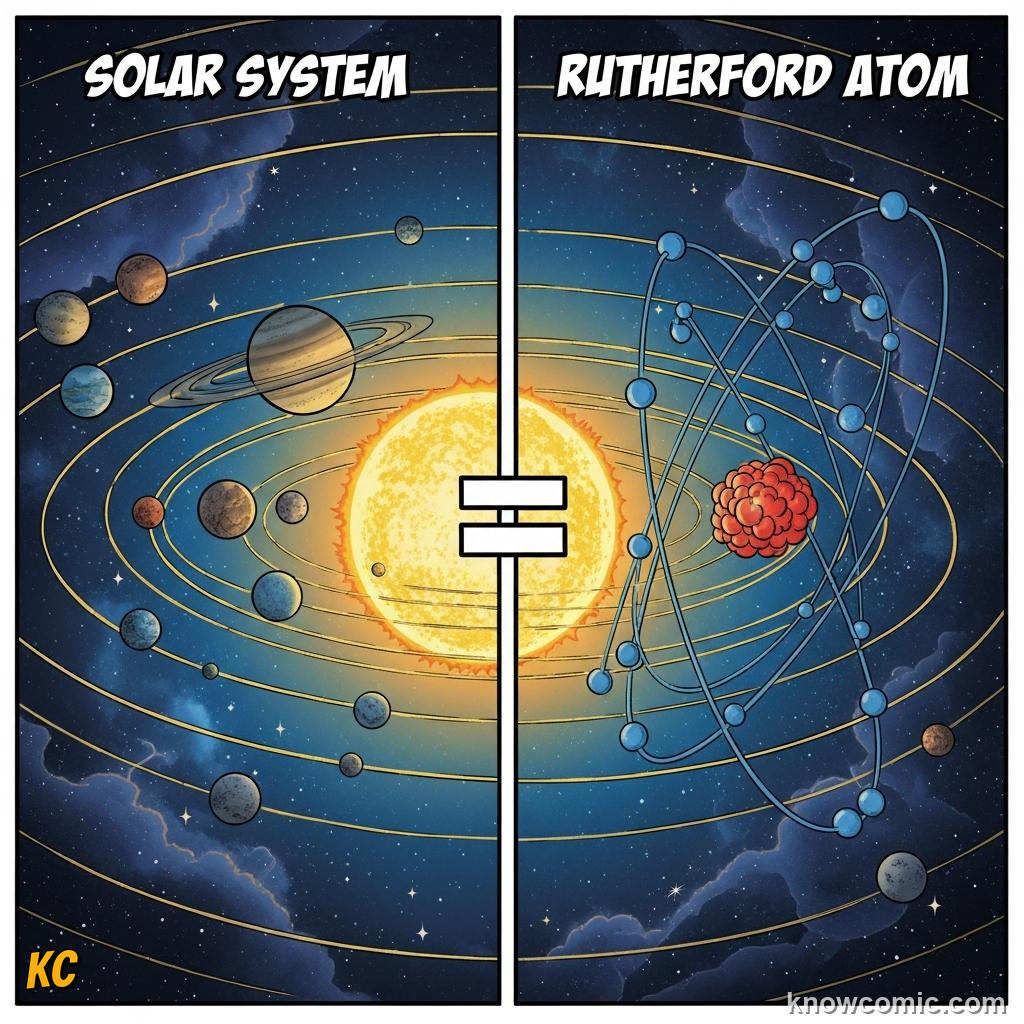
☀️ Nucleus = the Sun (dense and central)
🌍 Electrons = planets (orbiting around)
🌌 Vast empty space between them
🌍 Electrons = planets (orbiting around)
🌌 Vast empty space between them
RUTHERFORD'S NUCLEAR MODEL, 1911
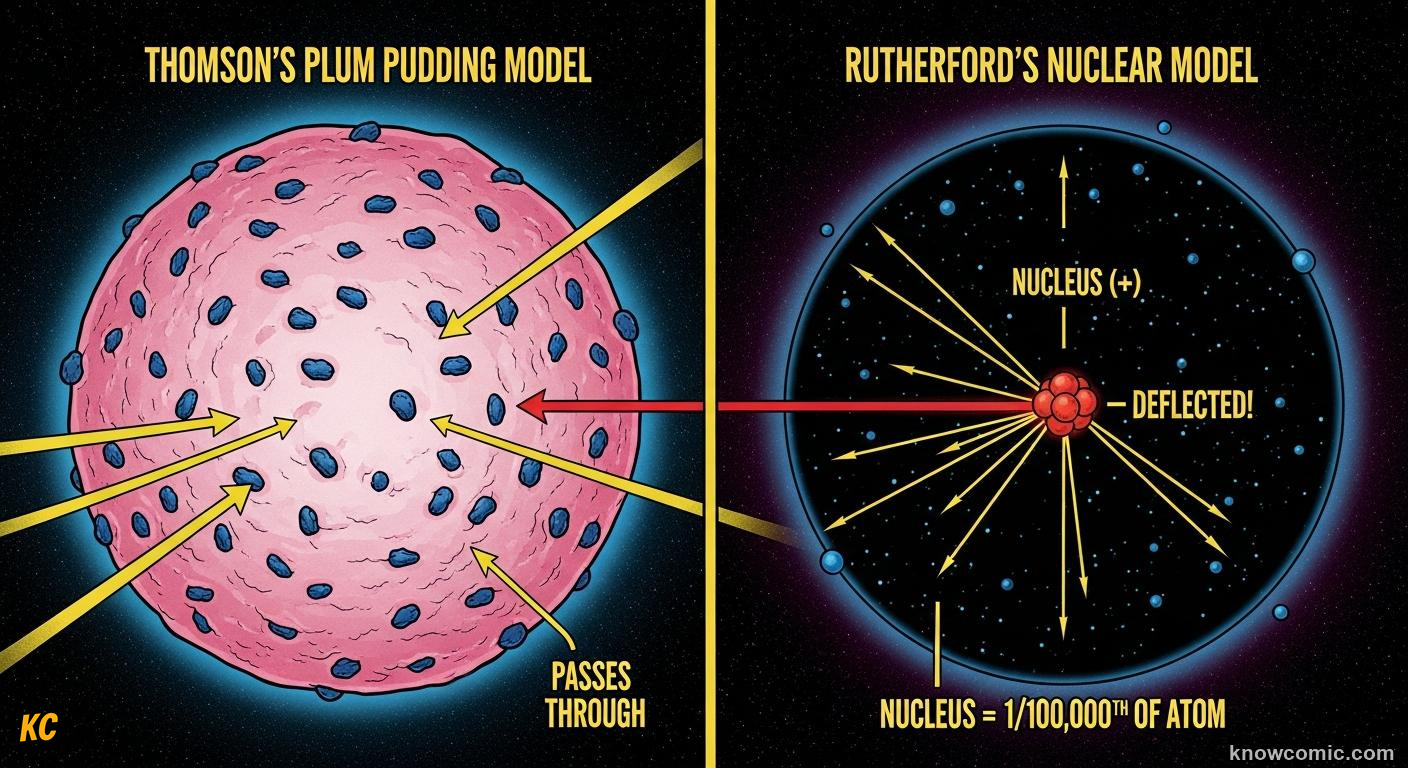
THE NUCLEAR MODEL EXPLAINED
In 1911, Rutherford published his nuclear model of the atom. The atom consists of a tiny, incredibly dense, positively charged nucleus at the centre, surrounded by negatively charged electrons orbiting at a vast distance — like planets around the Sun. The nucleus is so small that if an atom were the size of a football stadium, the nucleus would be a marble on the centre spot. Most of the atom — over 99.99% — is completely empty space. This explained perfectly why most alpha particles sailed straight through the gold foil (empty space) while the rare few that scored a direct hit on a nucleus bounced sharply back.
📏 NUCLEUS SIZE
A typical atomic nucleus is about 10⁻¹⁵ metres (1 femtometre) in diameter. The atom itself is about 10⁻¹⁰ metres — 100,000 times larger. The nucleus is unimaginably tiny.
NUCLEUS!
PAGE 4 OF 5 — INSIDE THE NUCLEUS
PROTONS, NEUTRONS AND THE NUCLEAR FORCE
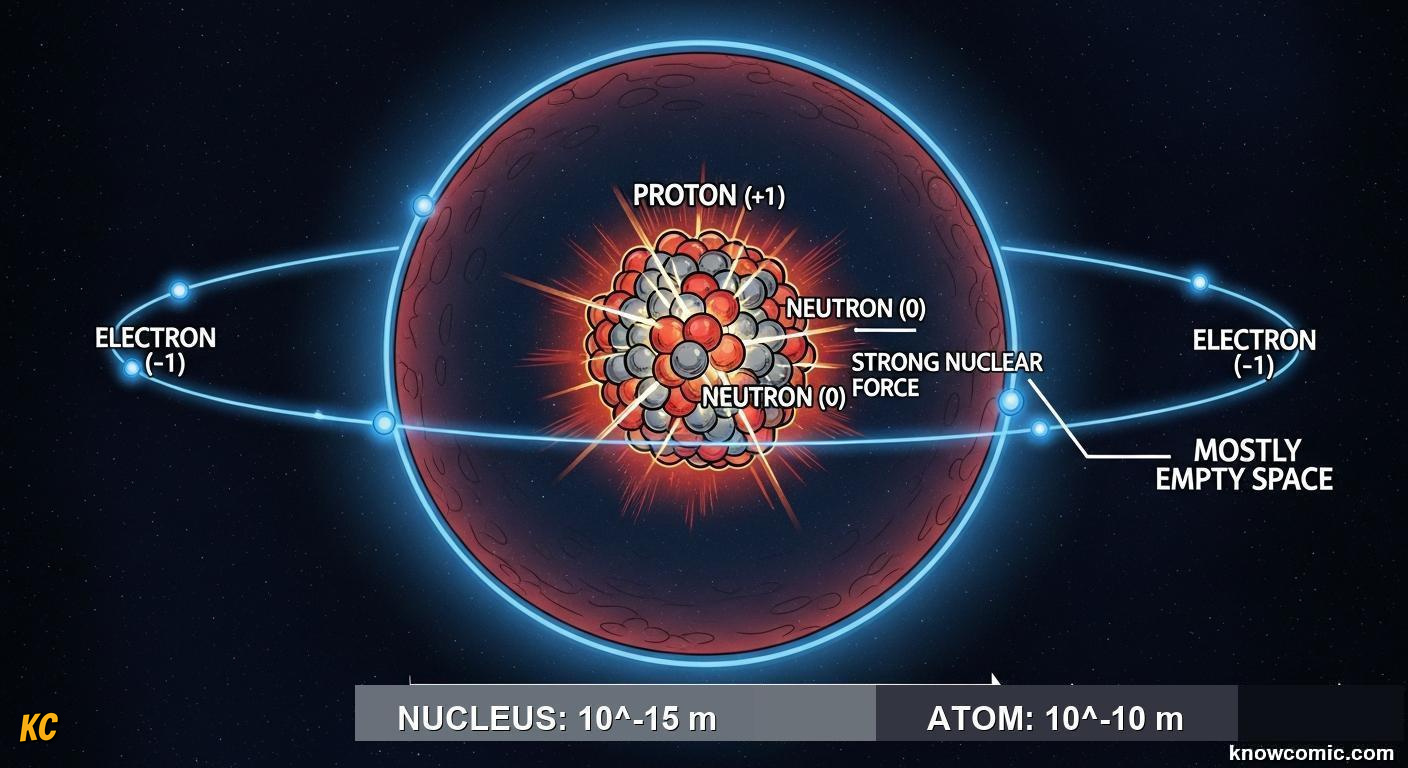
WHAT IS INSIDE THE NUCLEUS?
Rutherford's nucleus contained all of the atom's positive charge — but what exactly was inside? By 1920, Rutherford had confirmed the existence of the proton: a positively charged particle in the nucleus. He also predicted that a neutral particle must exist in the nucleus to account for the extra mass. In 1932, James Chadwick discovered this missing particle — the neutron: same mass as a proton but with no charge. Together, protons and neutrons (called nucleons) are held together inside the nucleus by the strong nuclear force — the most powerful force in nature, acting only at extremely short ranges. The number of protons in the nucleus defines which element an atom is.
⚛️ ATOMIC NUMBER
The number of protons in the nucleus is called the atomic number. Hydrogen has 1 proton, carbon has 6, gold has 79. Change the number of protons and you change the element entirely.
PROTONS!
⊕ PROTONS
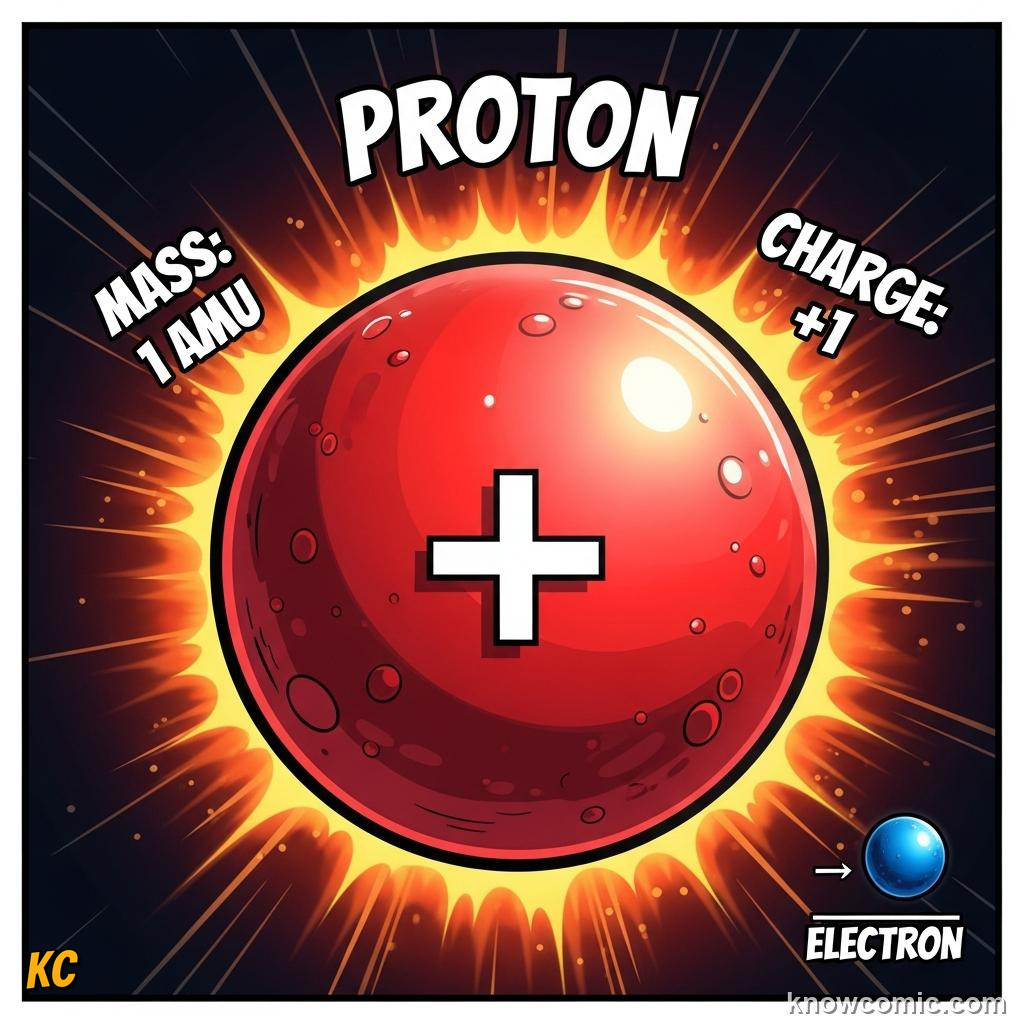
⊕ Charge: +1 (positive)
⚖️ Mass: 1 atomic mass unit
🔢 Number of protons = atomic number
⚖️ Mass: 1 atomic mass unit
🔢 Number of protons = atomic number
⬤ NEUTRONS
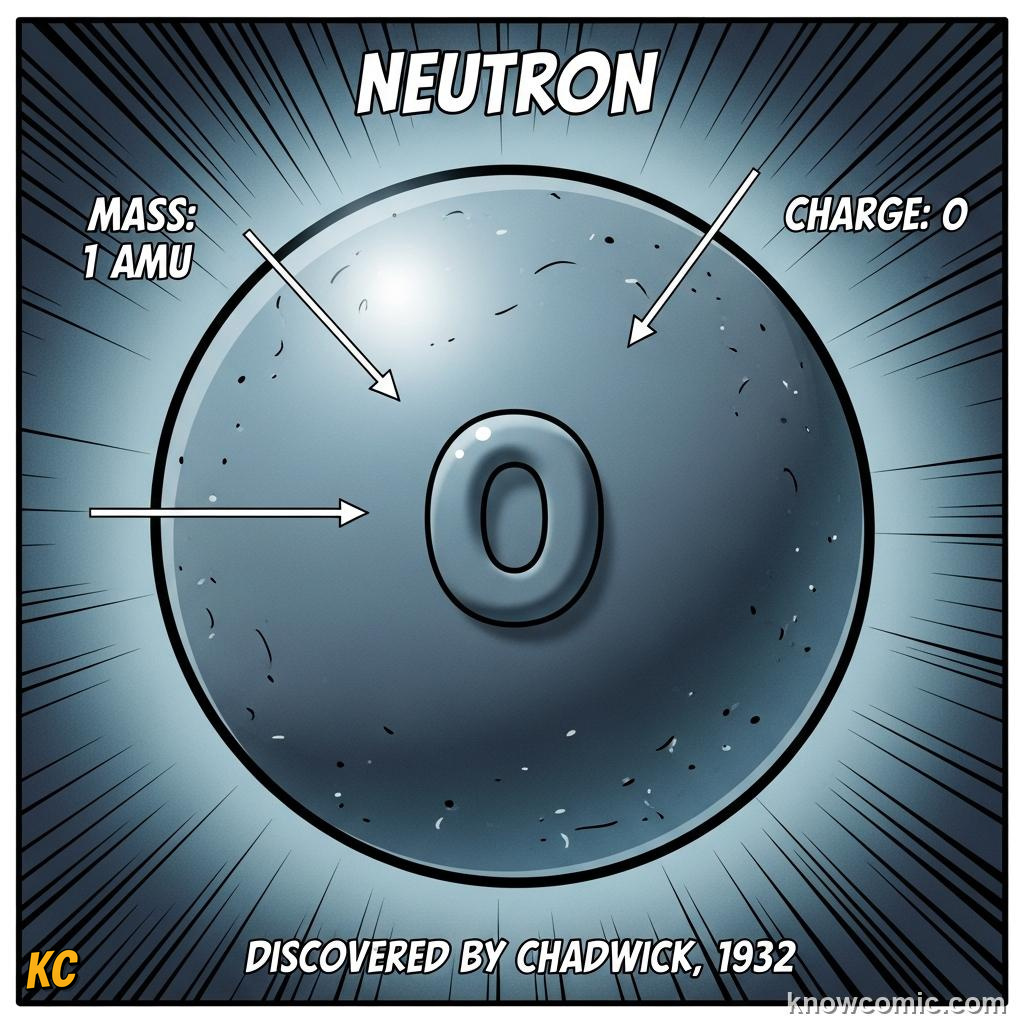
⬤ Charge: 0 (neutral)
⚖️ Mass: 1 atomic mass unit
🔗 Acts as nuclear glue between protons
⚖️ Mass: 1 atomic mass unit
🔗 Acts as nuclear glue between protons
💪 STRONG NUCLEAR FORCE
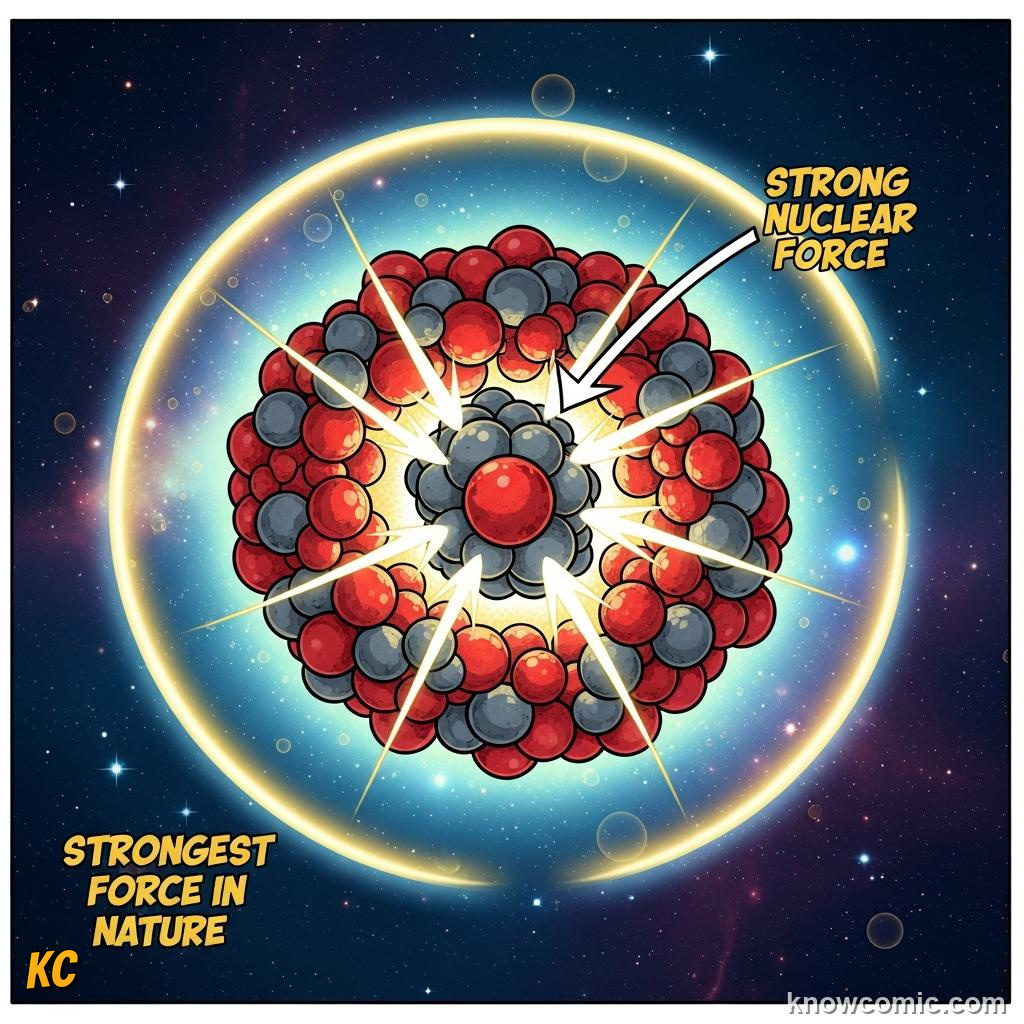
💪 Strongest force in nature
📏 Only acts at extremely short range
🔒 Holds protons & neutrons together
📏 Only acts at extremely short range
🔒 Holds protons & neutrons together
PAGE 5 OF 5 — RUTHERFORD'S LEGACY
FROM GOLD FOIL TO ATOMIC ENERGY
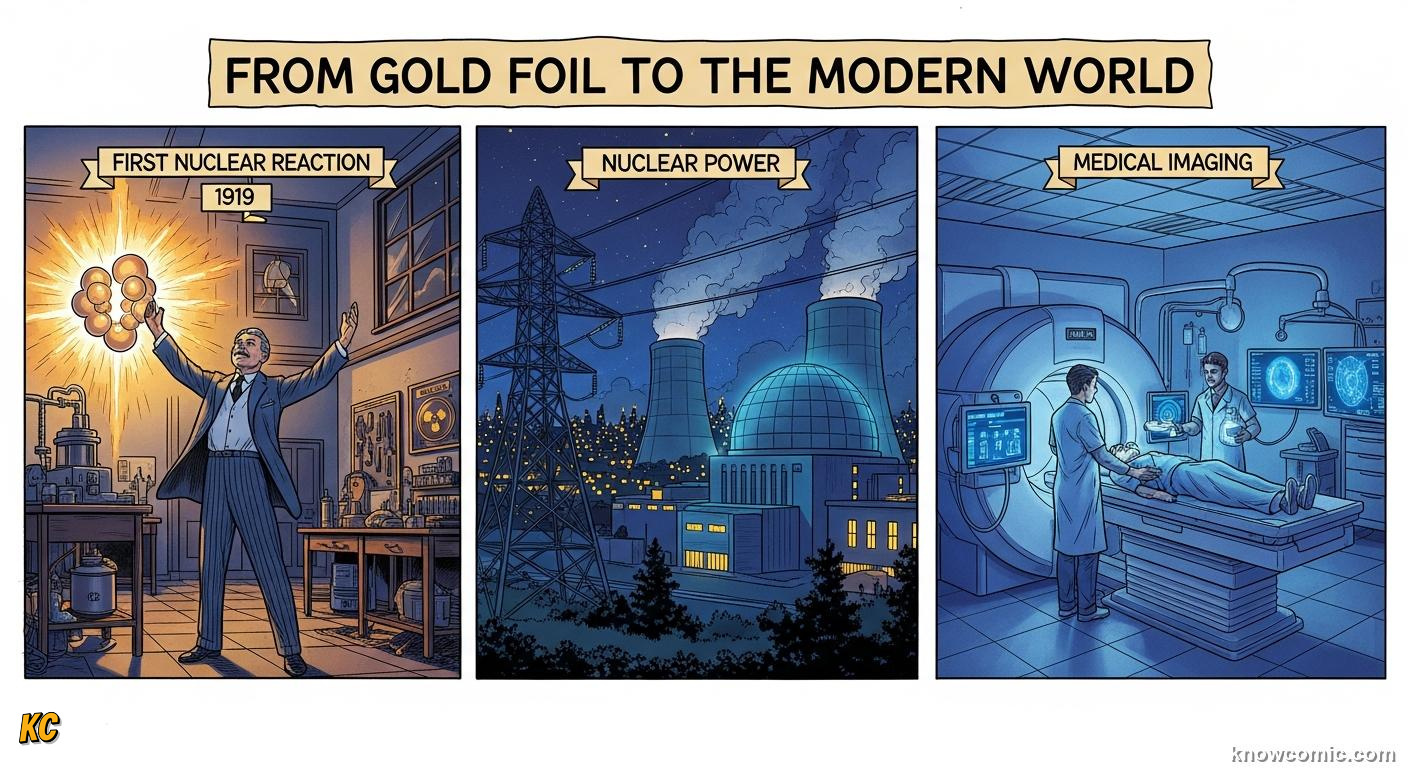
WHY RUTHERFORD'S MODEL MATTERS
Rutherford's nuclear model transformed science. By proving that atoms have a dense nucleus, he opened the door to nuclear physics — the study of what lies inside the nucleus itself. His student James Chadwick discovered the neutron in 1932. The nuclear model showed that nuclear reactions — splitting or fusing nuclei — release enormous amounts of energy. This led directly to nuclear power stations generating electricity for millions of homes, and to medical applications like PET scans and cancer radiotherapy. Every time you switch on a light powered by nuclear energy, you are using energy unlocked by Rutherford's gold foil experiment.
🔬 WHAT'S NEXT?
Rutherford's model had one flaw — it could not explain why electrons did not spiral into the nucleus. That was solved by Niels Bohr in 1913, who gave electrons fixed energy shells. Topic 04 covers the Bohr model!
POWER!
🔬 RUTHERFORD'S TIMELINE
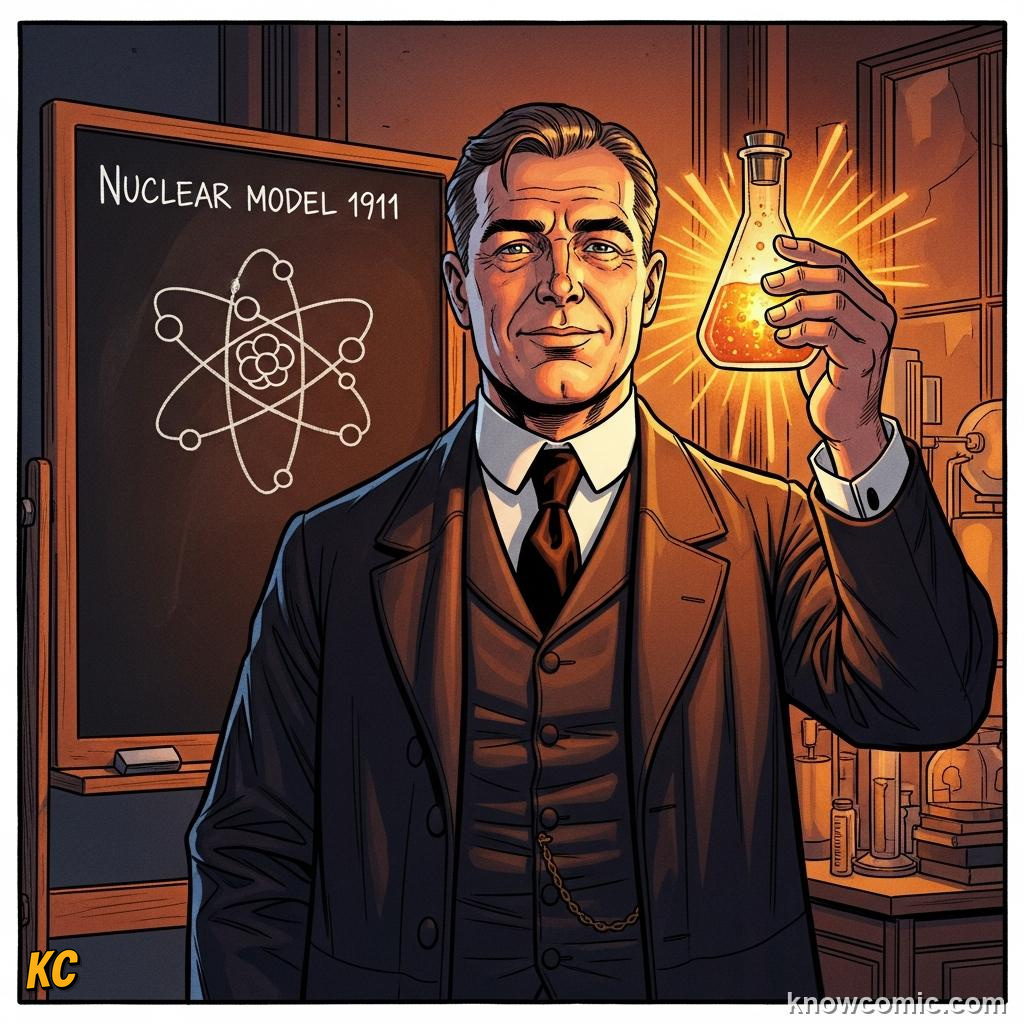
1909 Gold foil experiment
1911 Nuclear model published
1919 First artificial nuclear reaction
1932 Chadwick discovers neutron
1911 Nuclear model published
1919 First artificial nuclear reaction
1932 Chadwick discovers neutron
REMEMBER
⚛️ KEY FACTS
The nucleus is tiny, dense and positively charged. Most of the atom is empty space. Electrons orbit the nucleus far away. Protons define the element; neutrons add mass and stability. The strong nuclear force holds the nucleus together.
✅ Nucleus holds all positive charge
✅ 99.99% of atom = empty space
✅ Protons + neutrons = nucleons
✅ Strong force glues the nucleus
✅ 99.99% of atom = empty space
✅ Protons + neutrons = nucleons
✅ Strong force glues the nucleus
🧠 QUIZ TIME!
THE NUCLEAR ATOM · 5 QUESTIONS
QUESTION 01
What did Rutherford fire at the gold foil in his 1909 experiment?
QUESTION 02
What surprising result did Rutherford observe in the gold foil experiment?
QUESTION 03
According to Rutherford's nuclear model, what percentage of the atom is empty space?
QUESTION 04
Which particle was discovered by James Chadwick in 1932 to complete the nuclear model?
QUESTION 05
What determines which element an atom belongs to?
0/5
LOADING...