🦬 WILDEBEEST MIGRATION: 2 MILLION
PAGE 1 OF 5, THE GREATEST LOOP
NO TICKET, NO TOUR
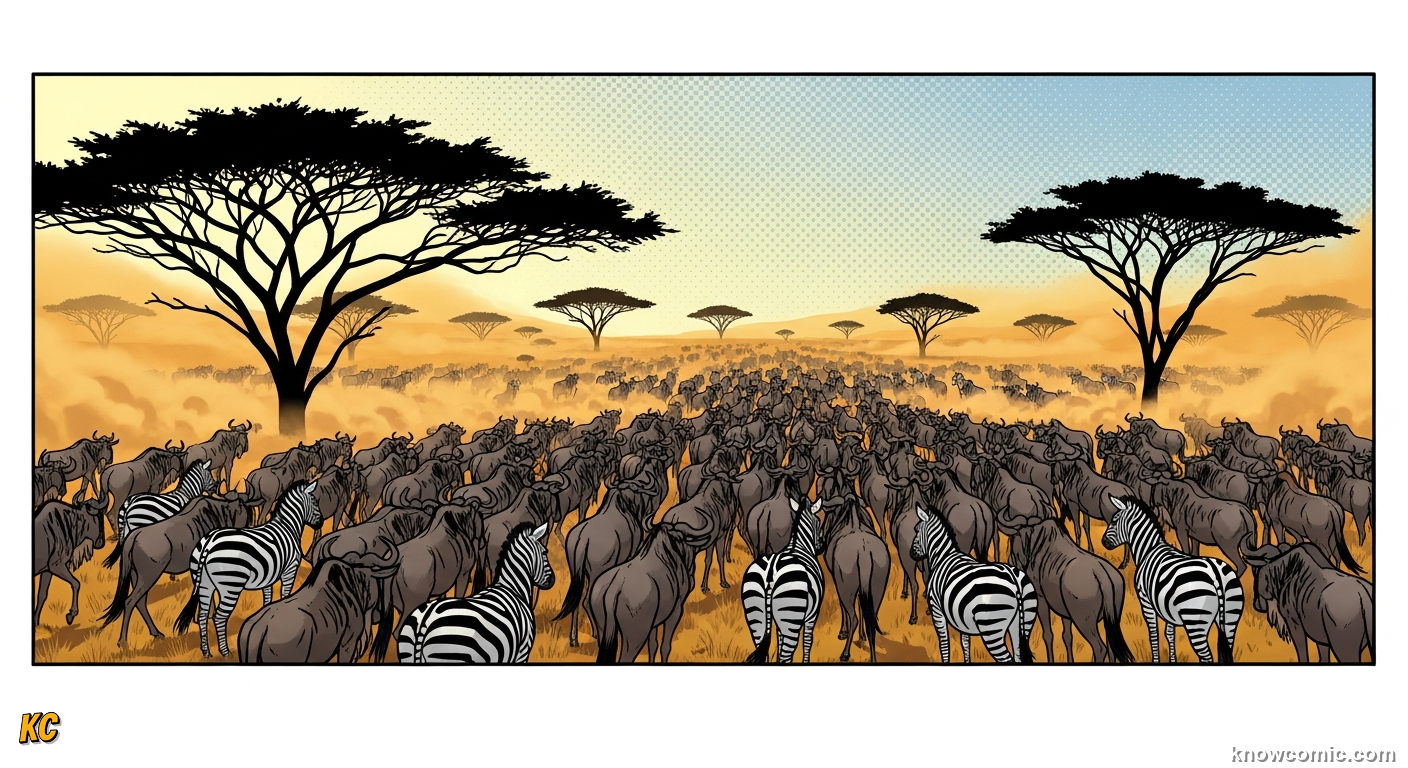
SERENGETI + MARA = ONE CIRCLE
The wildebeest (gnu) is the drumbeat of a bigger parade: on the order of one to two million blue wildebeest, joined by plains zebra, Thomson's and Grant's gazelles, and eland, a moving ecosystem chasing rain-greens across Tanzania's Serengeti and Kenya's Maasai Mara. It is often called the largest remaining overland animal migration. Hooves thump, dust rises, predators follow, rivers block the way, and still the front keeps rolling because grass, not a calendar, is the map.
📌 WILD CARD
Exact routes and timing shift year to year with rainfall. That is the point: a loop tuned to the sky, not a train schedule.
MOVE!
MIX
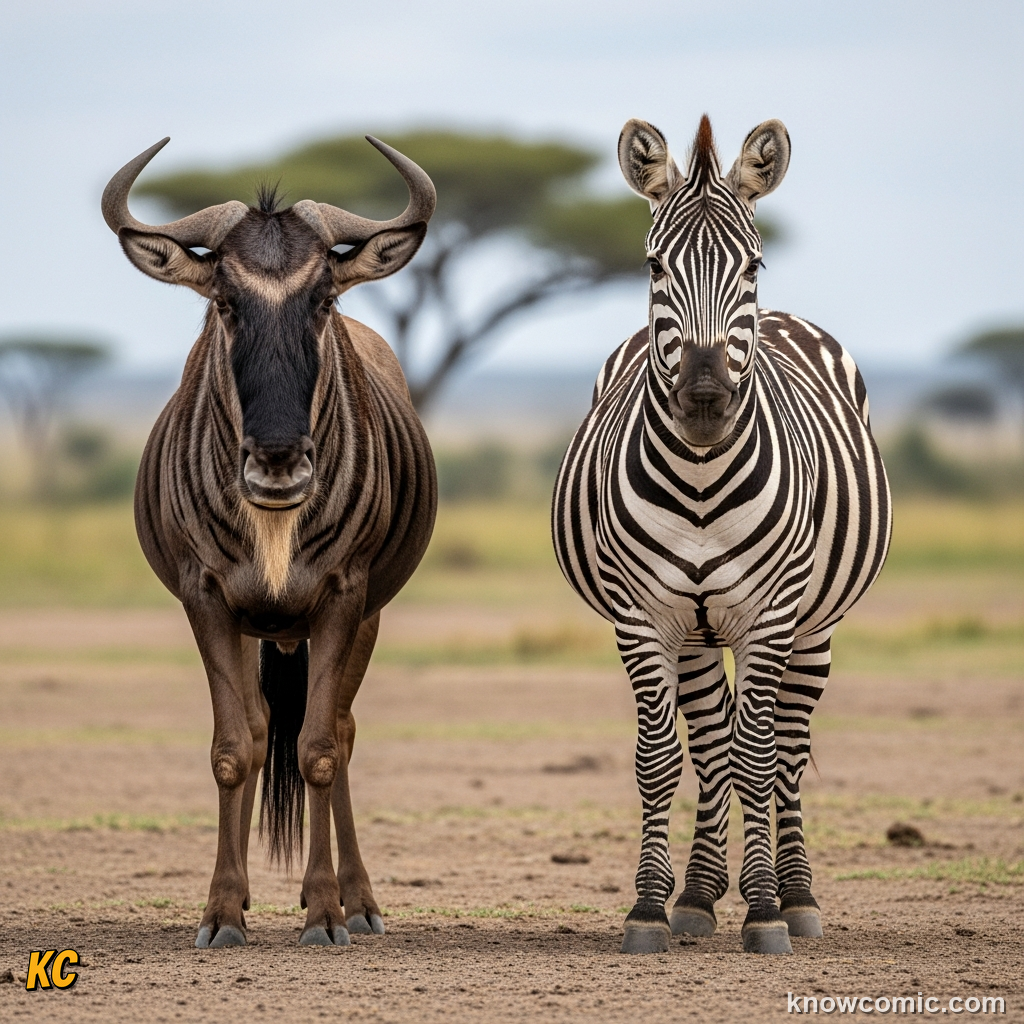
🦬 Wildebeest: bulk of the column
🦓 Zebra: early graze, memory of routes
🦓 Zebra: early graze, memory of routes
DAYS
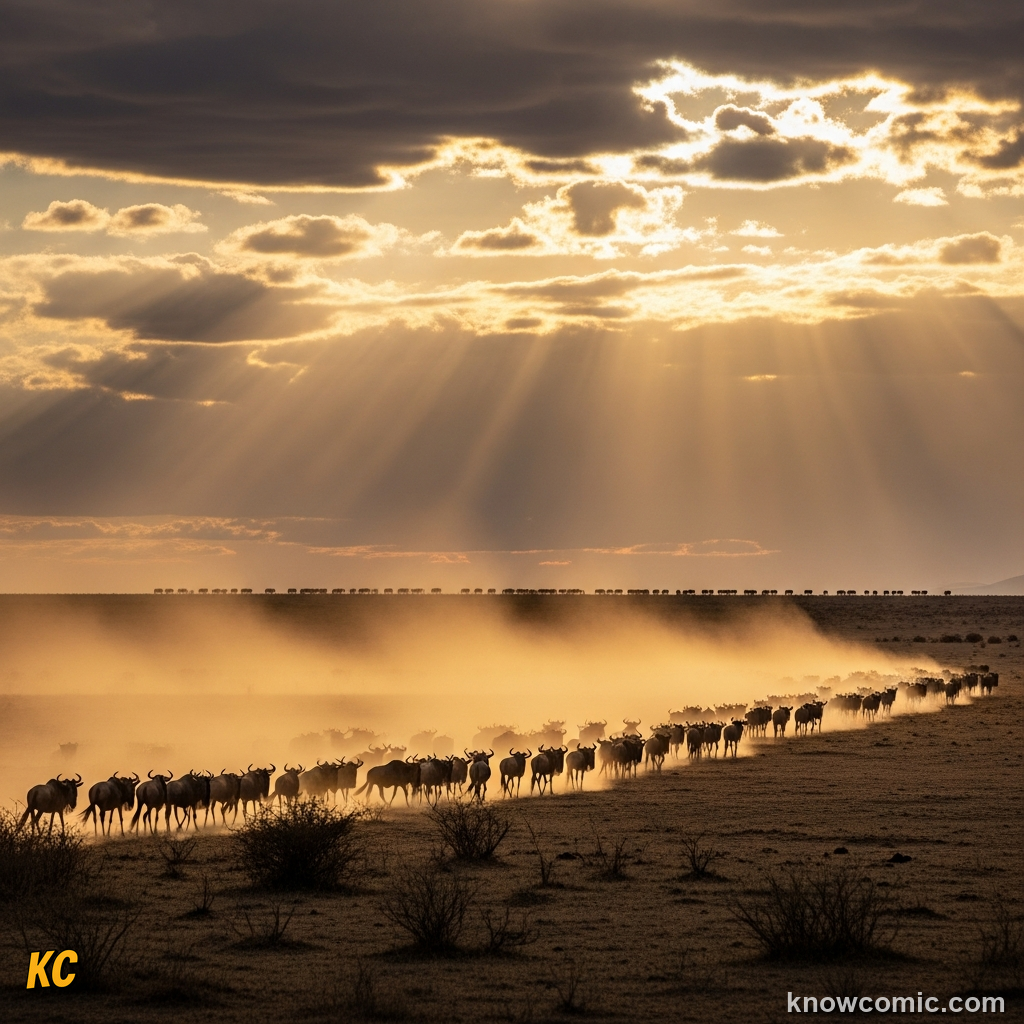
Hundreds of km each leg
Storms rewrite the "best" path
Storms rewrite the "best" path
PAGE 2 OF 5, CHASE THE GREEN WAVE
RAIN = MENU
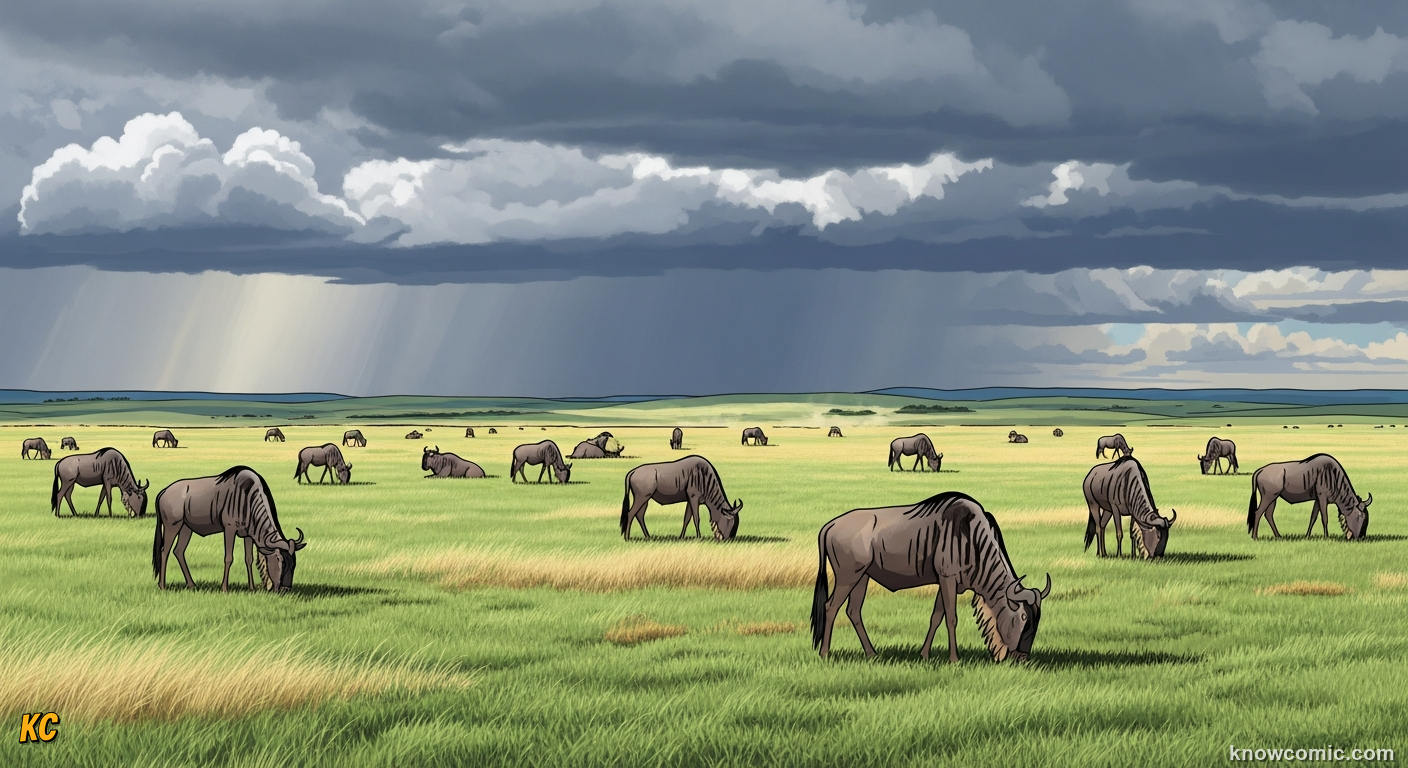
GRASS, NOT GLOSSY BROCHURES
Wildebeest are ruminants that live on the move: they strip protein-rich growth after the rains, then outrun brown stubble to the next flush. Zebras often take the first bite of tall grass, wildebeest follow for what is left, gazelles pick at finer shoots, a staggered menu that spreads pressure across species. Drought, fire, and wildebeest dung and hooves reshape which plants win, so the migration is an engine for the whole savanna food web, not a parade for tourists alone.
GRAZE!
WET
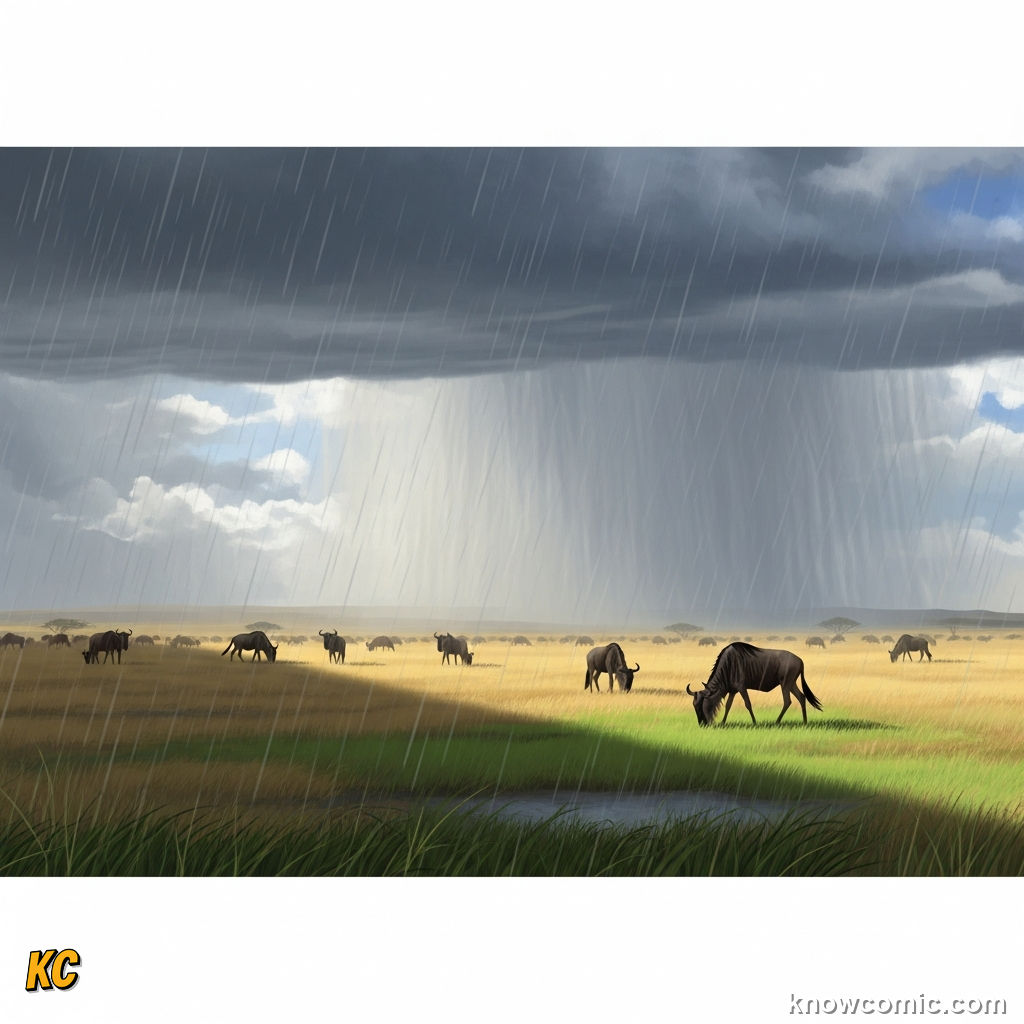
Short rains, long rains, timing shifts the herd
CALVE
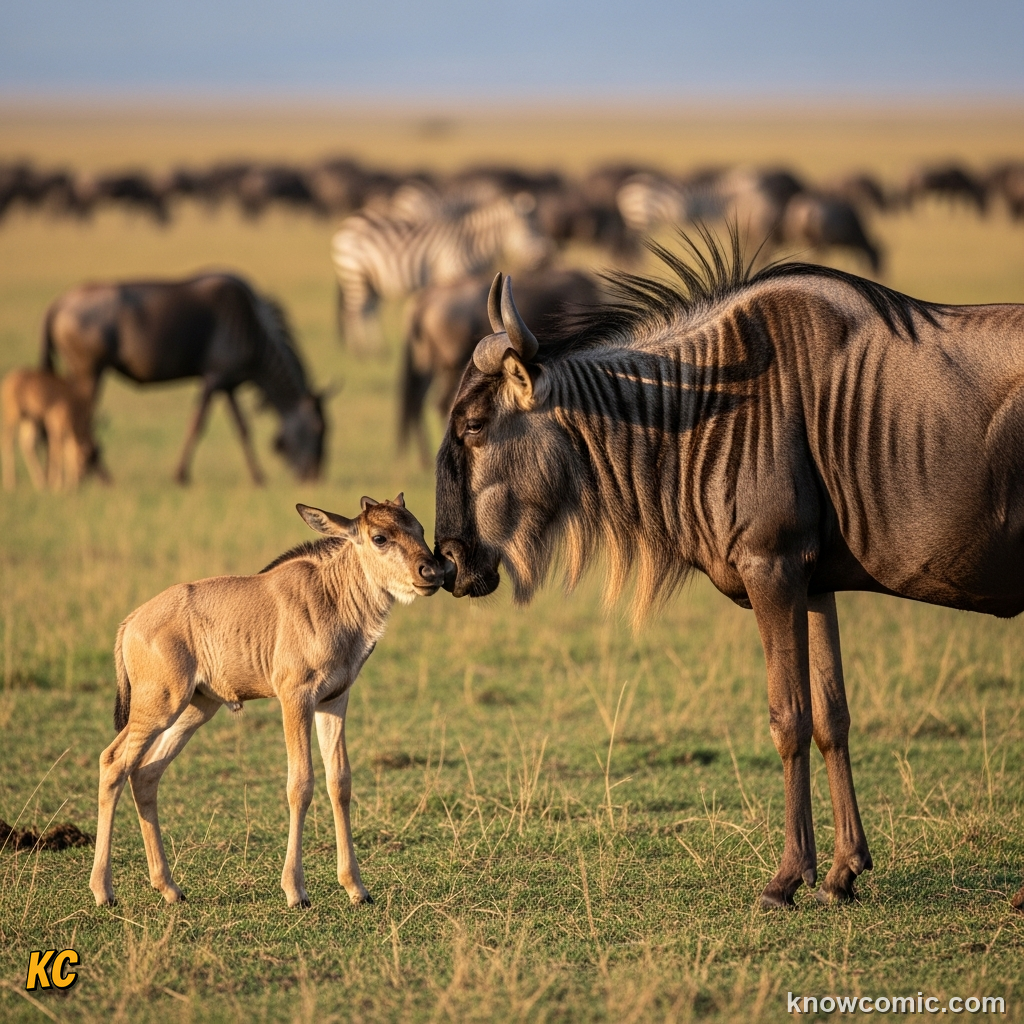
Calving surges: many calves, many predators
4 STOMACHS
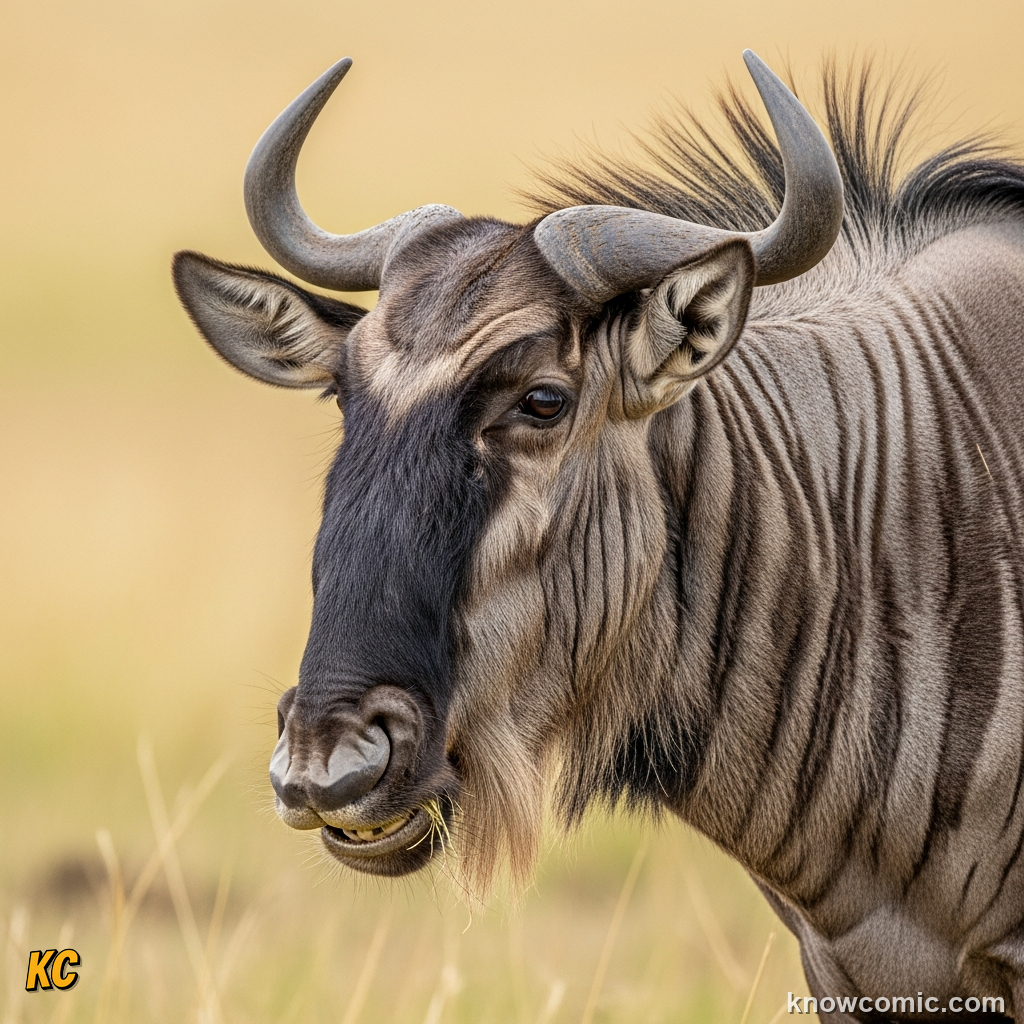
Chew, ferment, move, fuel for a march
PAGE 3 OF 5, MEGA-HERD, NO GPS
CROWD
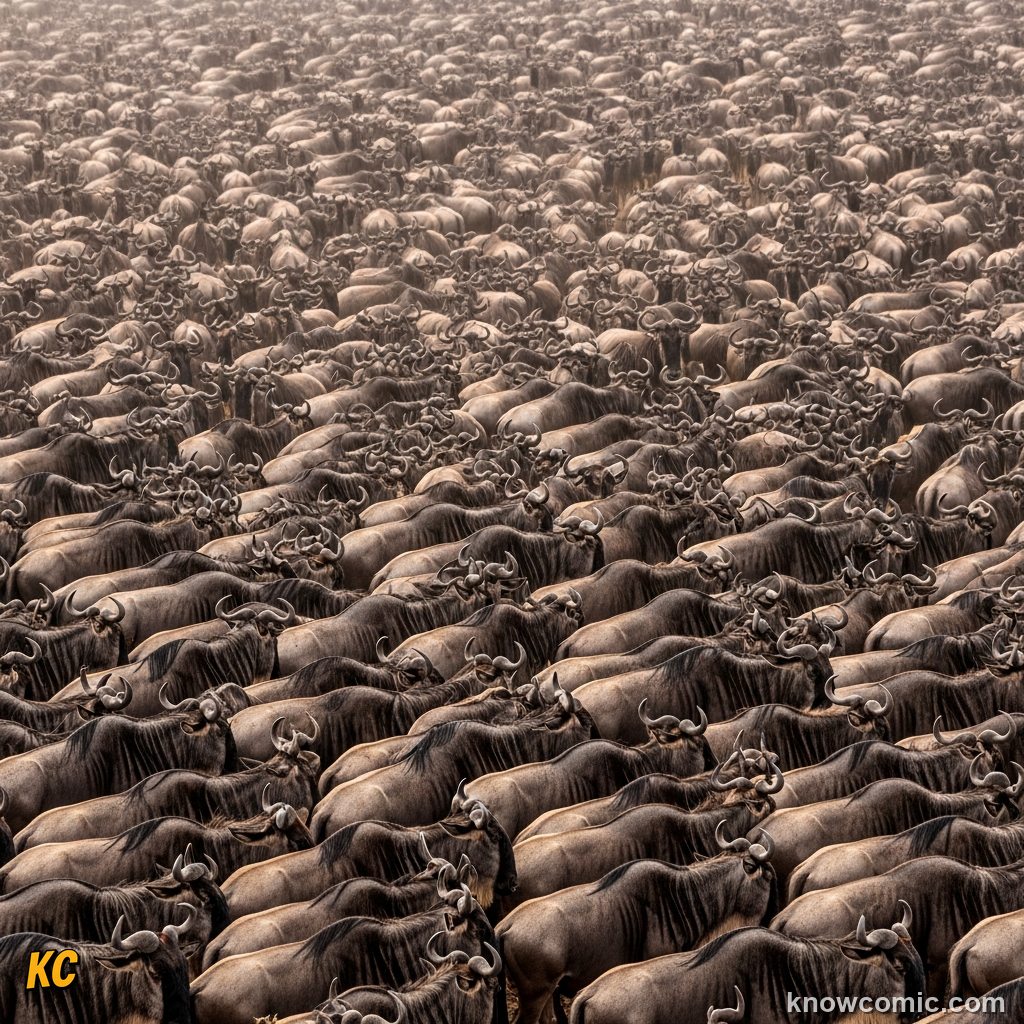
Density so thick it looks like the plain is breathing
DUST
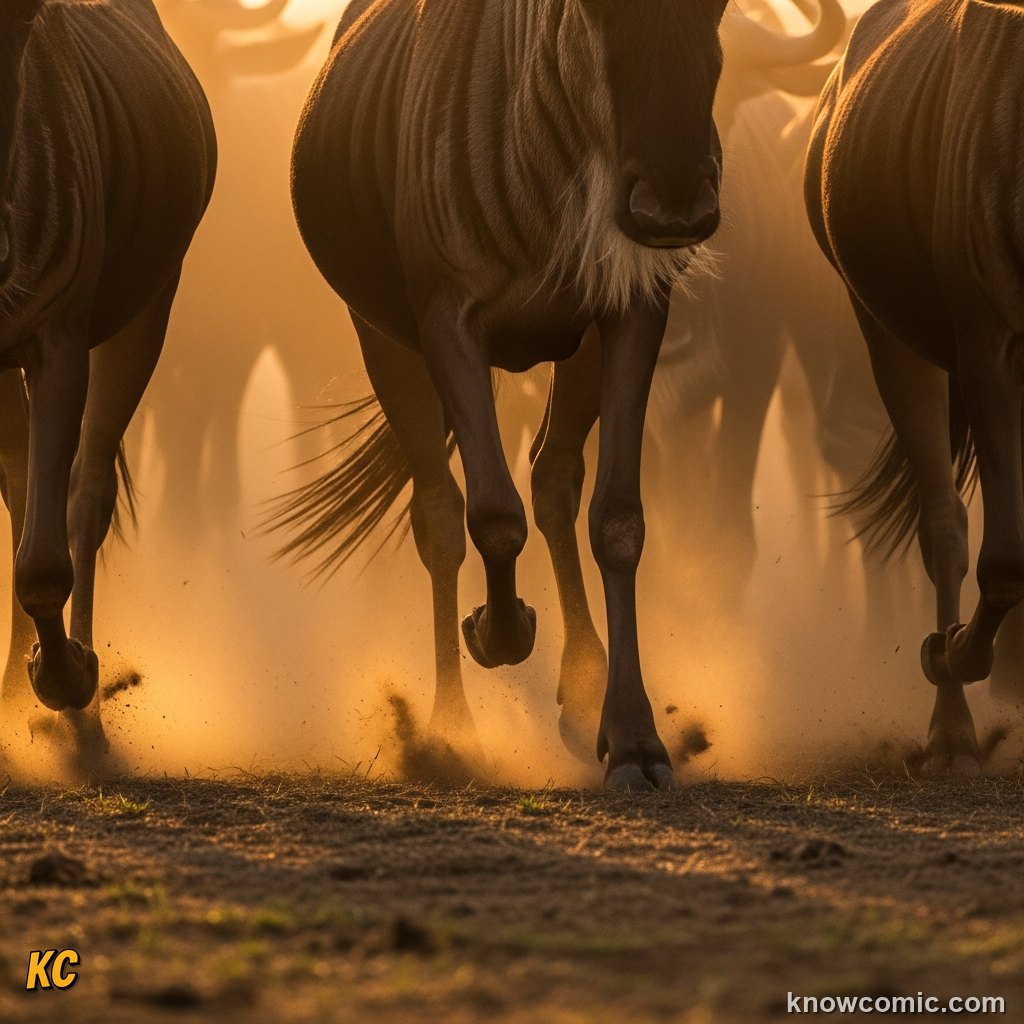
Front moves first, the middle surges in waves
FOLLOW & LEAD
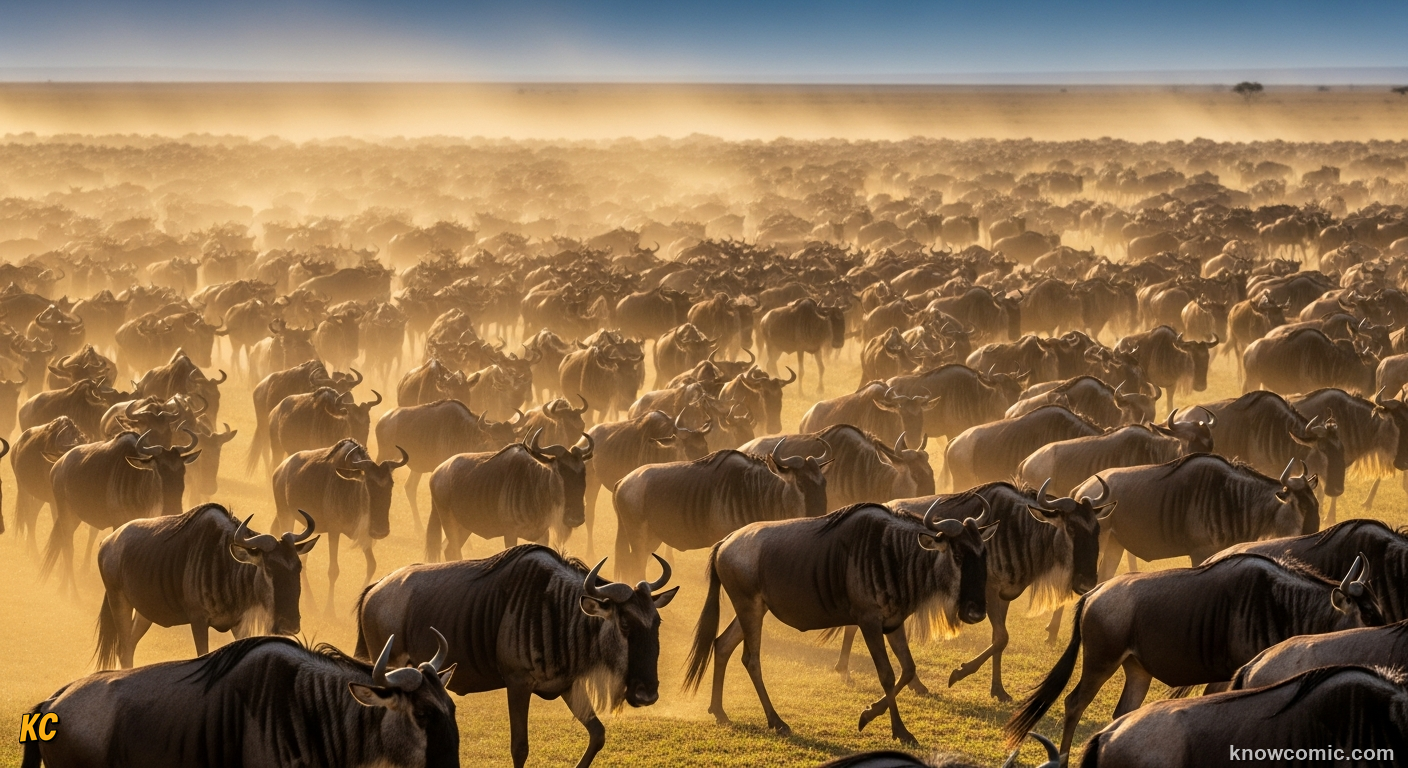
NOT RANDOM, NOT A STRAIGHT LINE
Leaders and followers swap places in a rolling negotiation: scent of wet soil, memory of last year, pressure from stragglers, the pull of a storm cell on the horizon. Predators and scavengers, lions, cheetahs, hyenas, jackals, vultures, work the fringes and the stragglers without stopping the main column. A migration this big is a resource pulse: meat, carcasses, dung, trampled seedbeds, all feeding other lives.
SURGE!
PAGE 4 OF 5, MARA: TEETH IN THE SHALLOWS
HOLD & GO
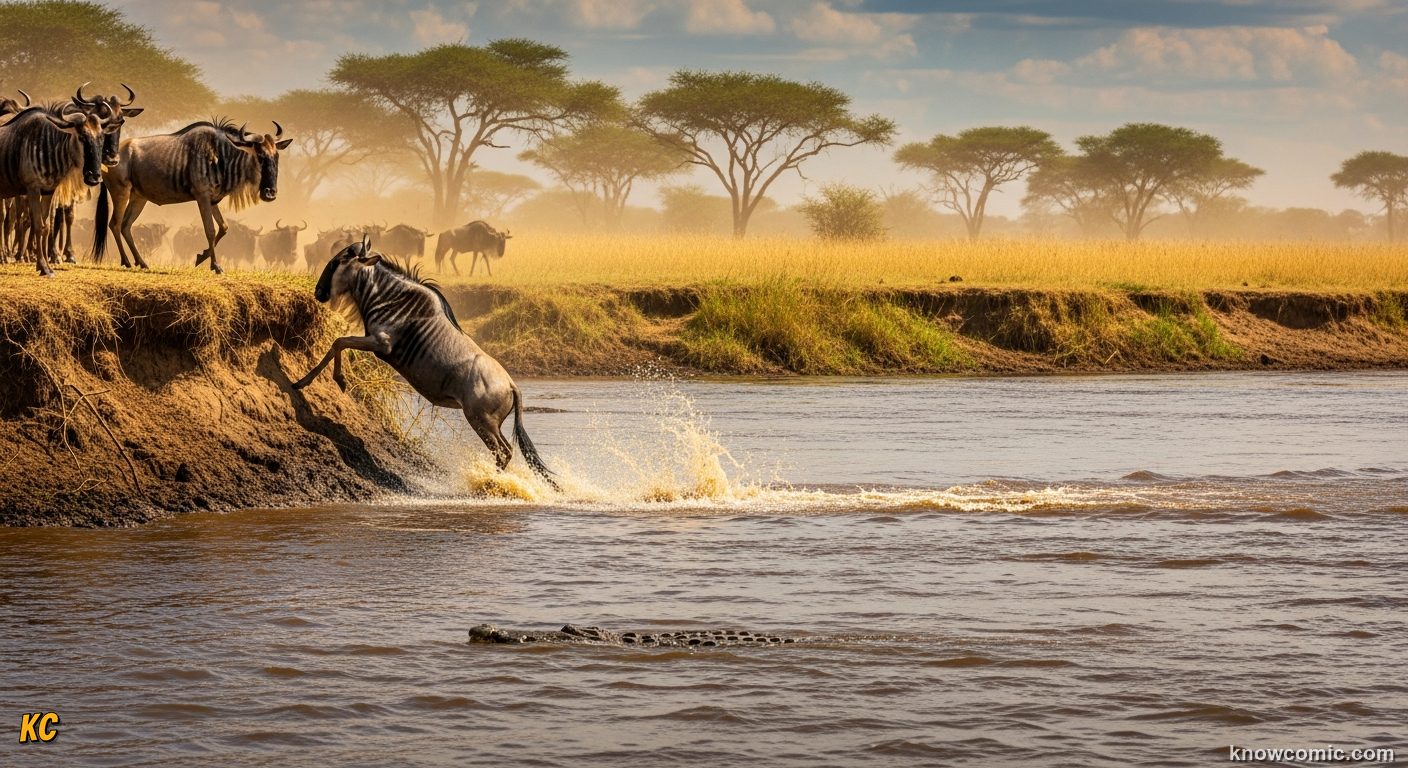
CROCS, CURRENT, CHAOS
Famous Mara and Grumeti crossings are where drama clips go viral: Nile crocodiles wait in eddies, banks crumble into mudslides, and animals jam until someone jumps. Most survive each year, the spectacle is not "everyone dies", but panic, drownings, and injury are real, and the river is a filter as cruel as any predator on land. On the banks, lions, hyenas, and crocs pick off the wobbly. The column still pushes because the cost of staying on the wrong side of dry season is worse.
JUMP!
WAIT
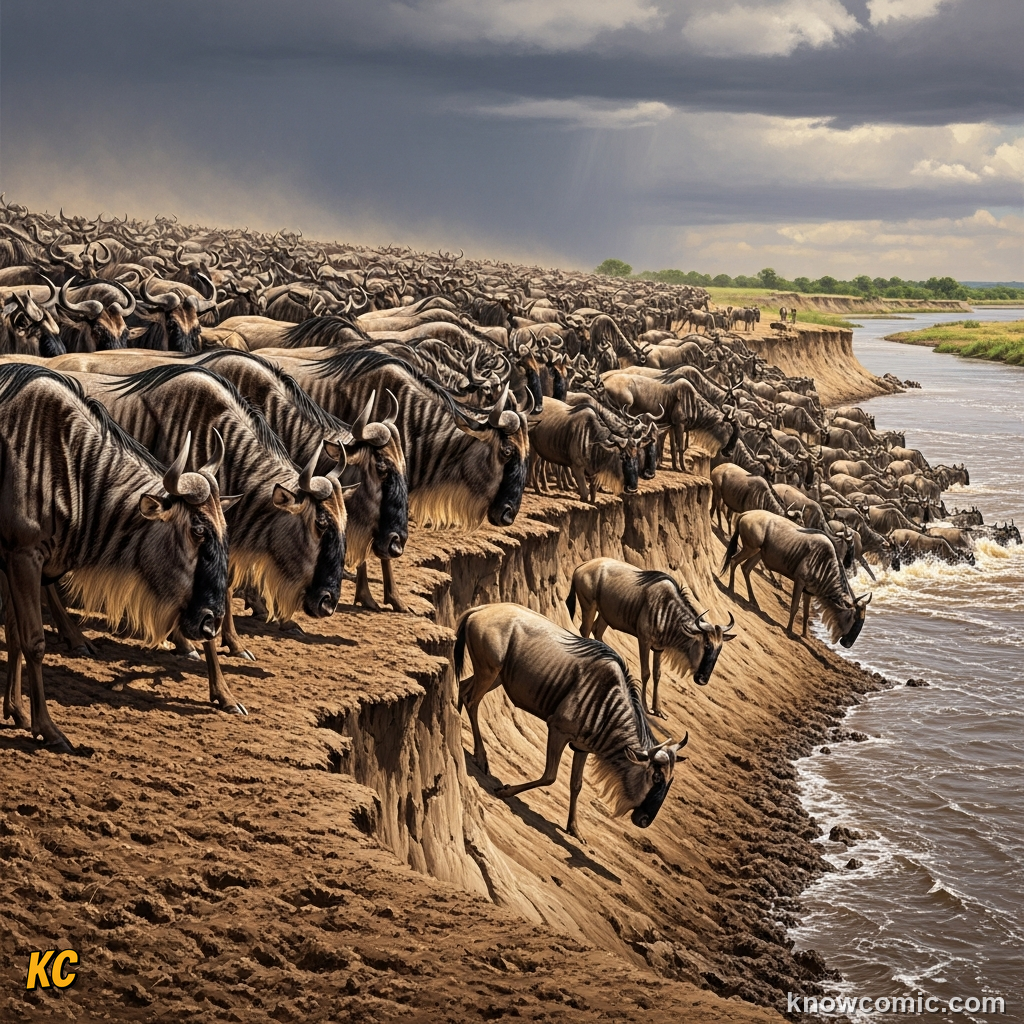
Hundreds gather on the bank, then one goes
TEETH
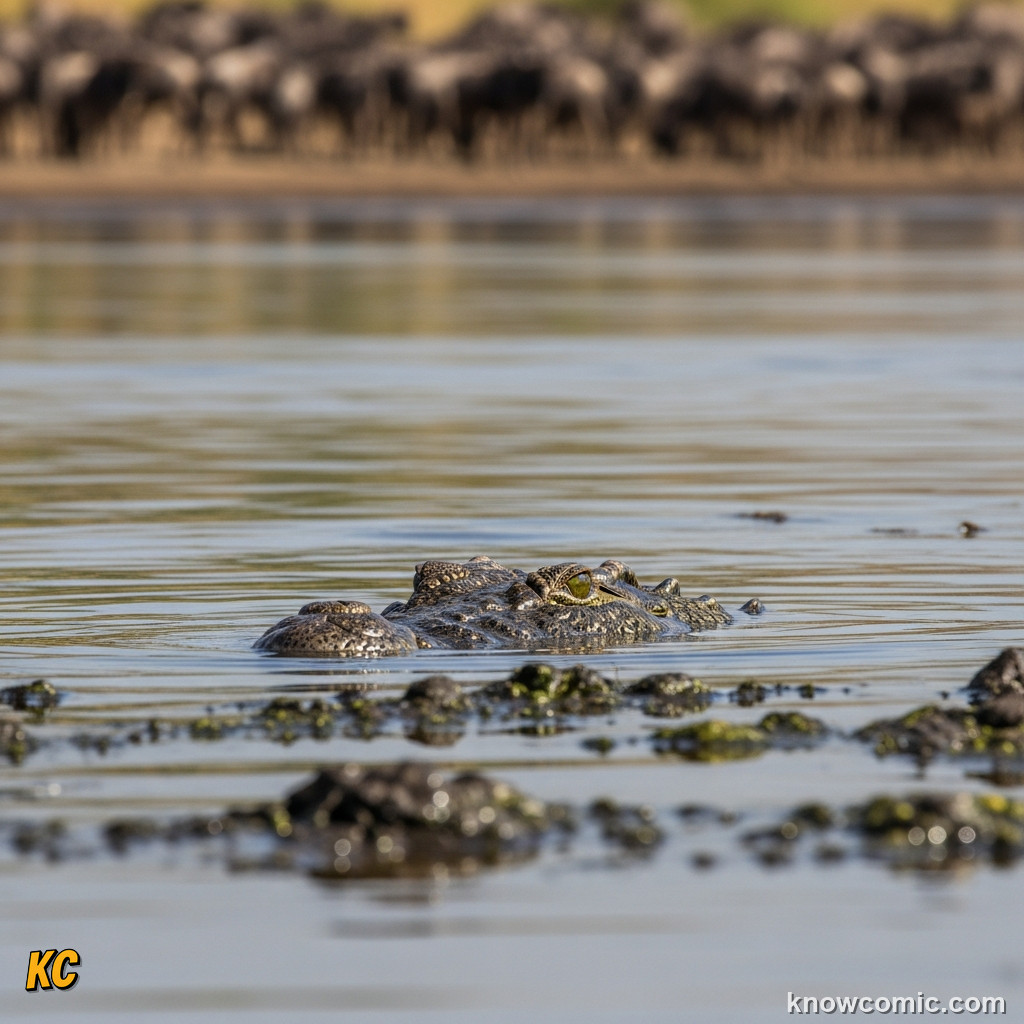
Crocodiles, an ancient filter at the ford
LAND
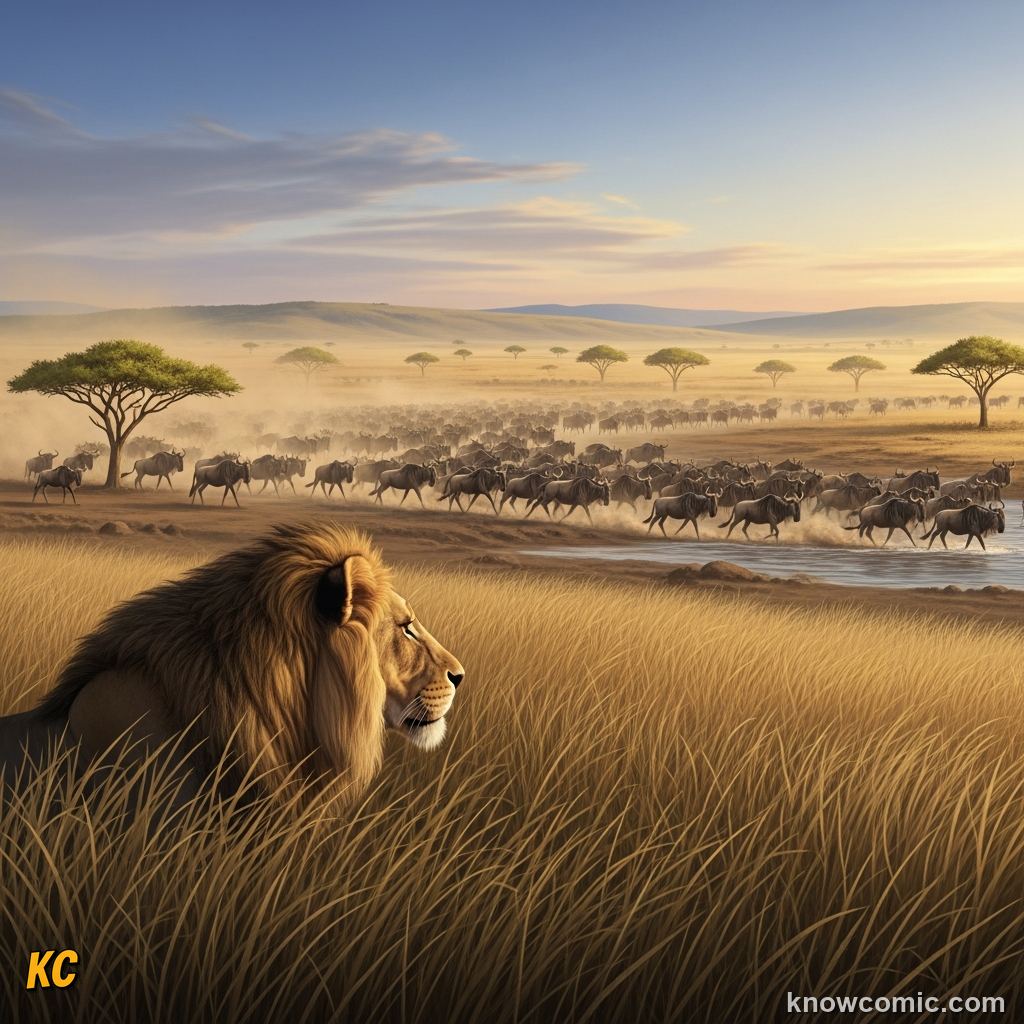
Lions and hyenas meet the stragglers
PAGE 5 OF 5, KEEP THE LOOP UNBROKEN
CORRIDORS & COMMUNITIES
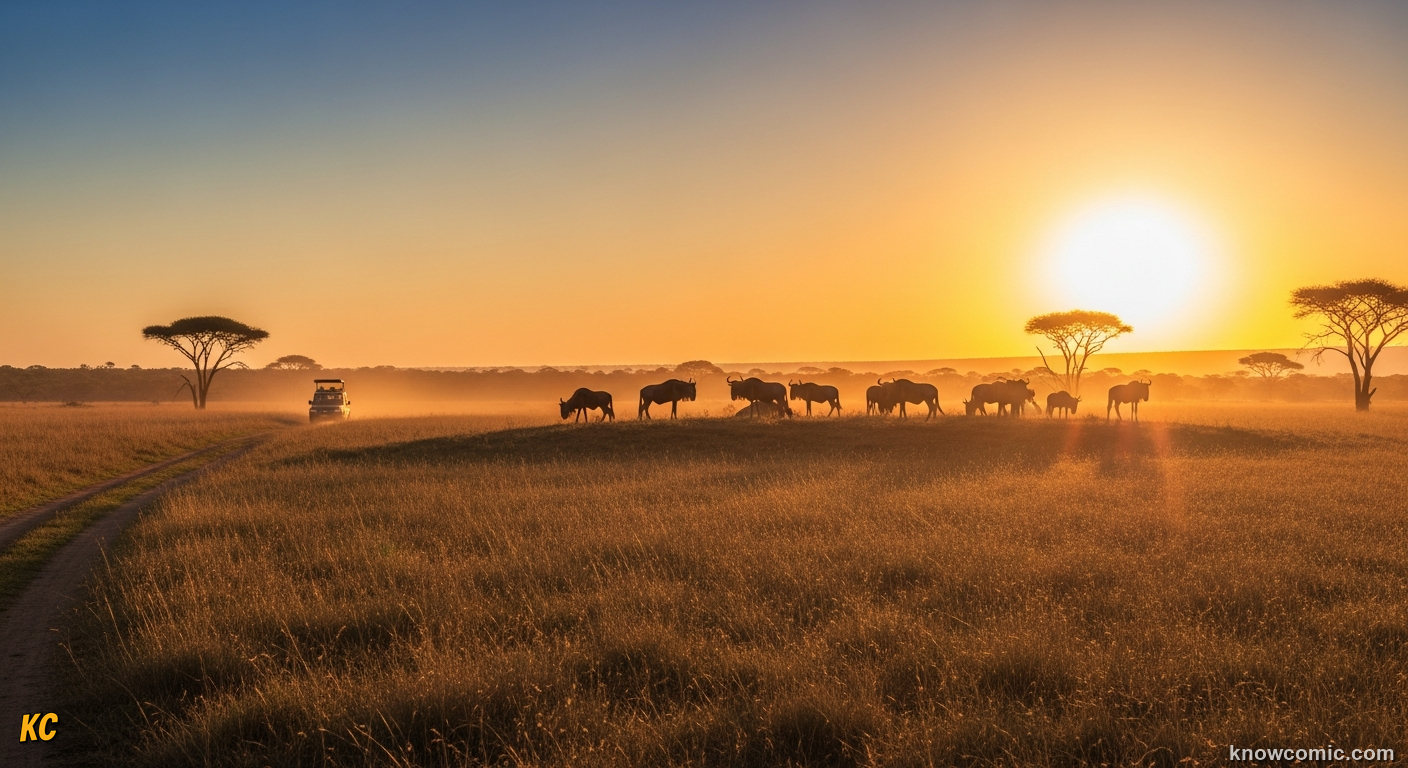
PARKS PAY, FENCES COST
Protecting the show means unfragmented grassland, river access, and enforcement that outlasts one election. Community conservancies pair ecotourism revenue with neighbour lands; anti-poaching patrols and smart fencing (where truly needed) keep animals moving. Climate shifts and human population at the edges squeeze the same narrow green window. You can back the system: visit with low-impact operators, fund science, and reject illegal bushmeat or trophy shortcuts that break trust.
🌍 ROOT FOR
Wildlife corridors, co-managed buffer zones, and fair pay for people who share land with 2 million hooves, the migration is a human story too.
HOME!
VISIT
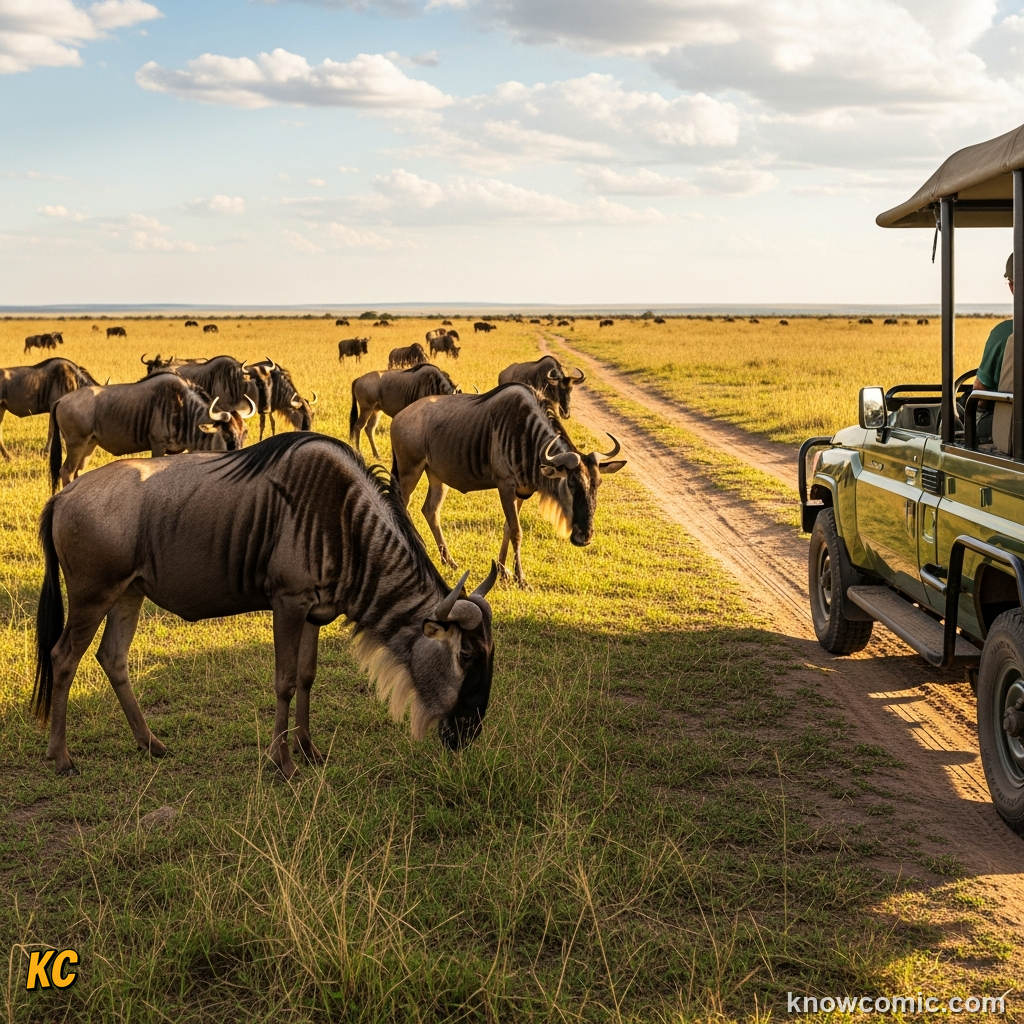
Permits, quiet vehicles, and never crowding a crossing
REMEMBER
🦬 KEY FACTS
Serengeti–Mara loop, rain-timed grass chase, million-plus gnus, crocs in the shallows, parks + people in balance.
🧭 No GPS, grass and storms steer the path
🌾 Protect space, and the column keeps rolling
🌾 Protect space, and the column keeps rolling
🧠 QUIZ TIME!
WILDEBEEST MIGRATION: 2 MILLION ANIMALS · 5 QUESTIONS
QUESTION 01
The Serengeti–Mara great migration is best known for the massive herds of —
QUESTION 02
Roughly what order of magnitude are wildebeest numbers in this ecosystem (often quoted in media)?
QUESTION 03
The herds move their route each year mostly because —
QUESTION 04
Famous river crossings in the Serengeti–Mara system are especially risky because —
QUESTION 05
A major long-term human threat to keeping this migration intact is —
0/5
LOADING...