🦛 HIPPO: AFRICA'S MOST DANGEROUS
PAGE 1 OF 5, RIVER TANK
NOT CUTE
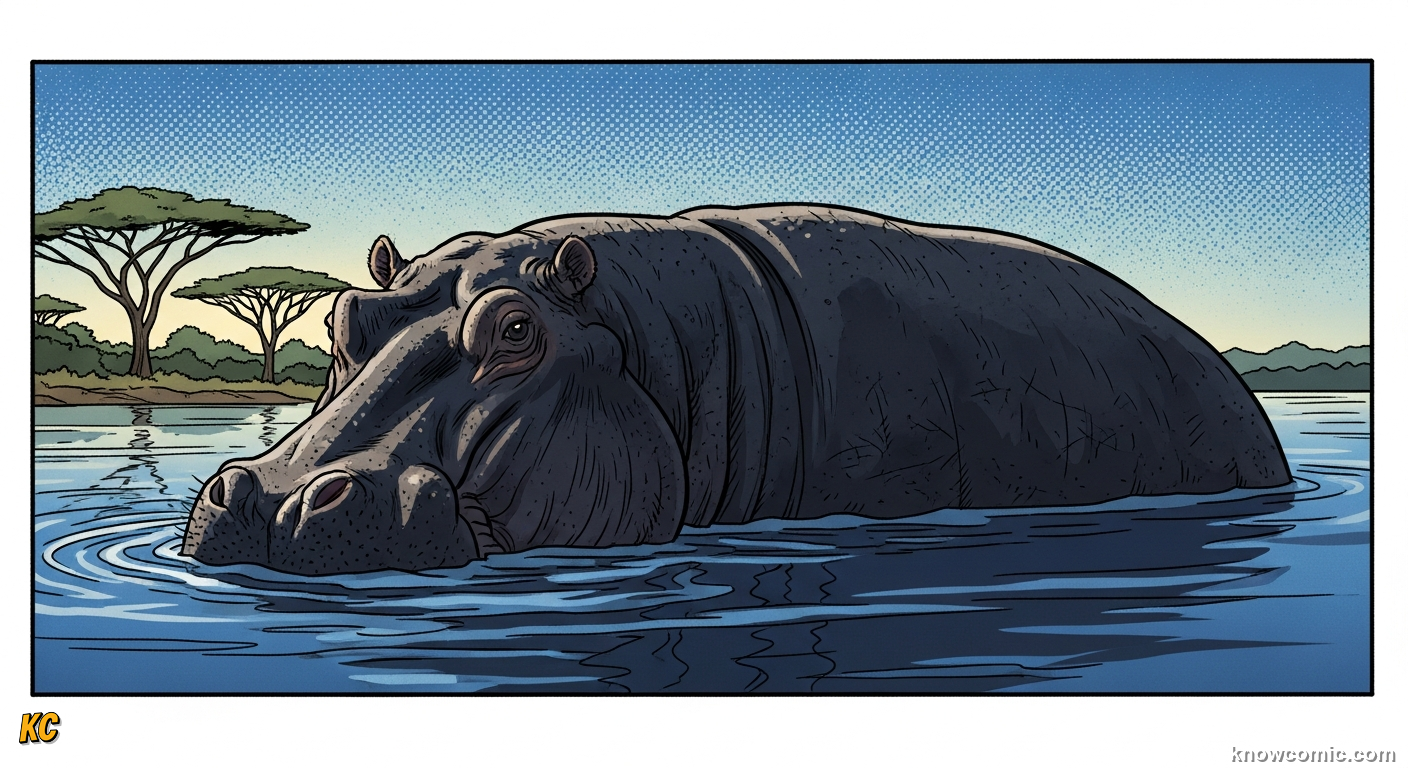
THIRD-BIGGEST LAND MAMMAL
The common hippopotamus looks like a floating sofa with teeth, but it is a multi-tonne grazer built for rivers and lakes across sub-Saharan Africa. After elephants and white rhinos, hippos are among the heaviest animals you can meet on land. People underestimate them because they yawn in sun-warmed water; in reality they are strong swimmers, fast sprinters on short runs, and emotionally zero chill when a pod feels crowded or a cow has a calf nearby.
📌 STATS MATTER
Conflicts with people are not because hipps "hunt humans", they defend water, surprise canoes, and trample crops at night.
HEFT!
ARTIODACTYL
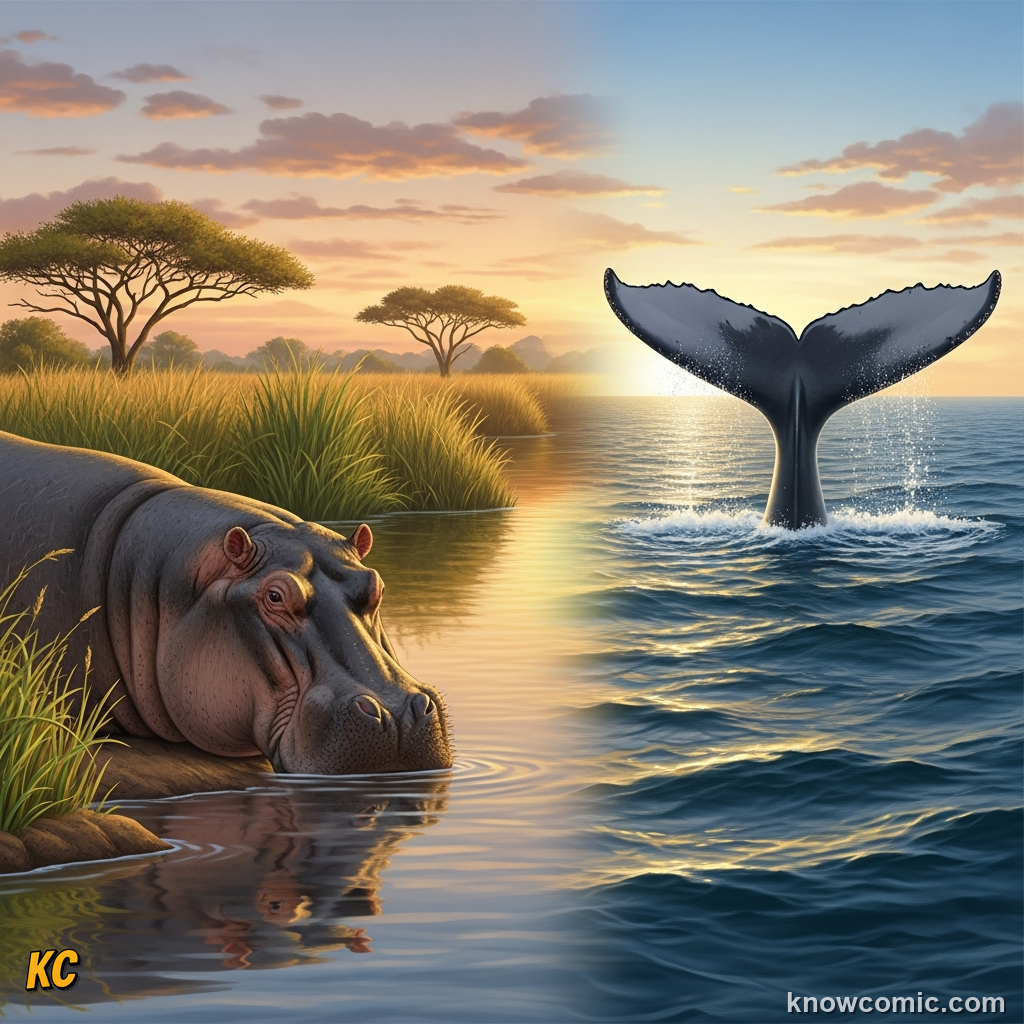
Even-toed ungulate family
Cousins: whales & dolphins (yes, really)
Cousins: whales & dolphins (yes, really)
SPLASH
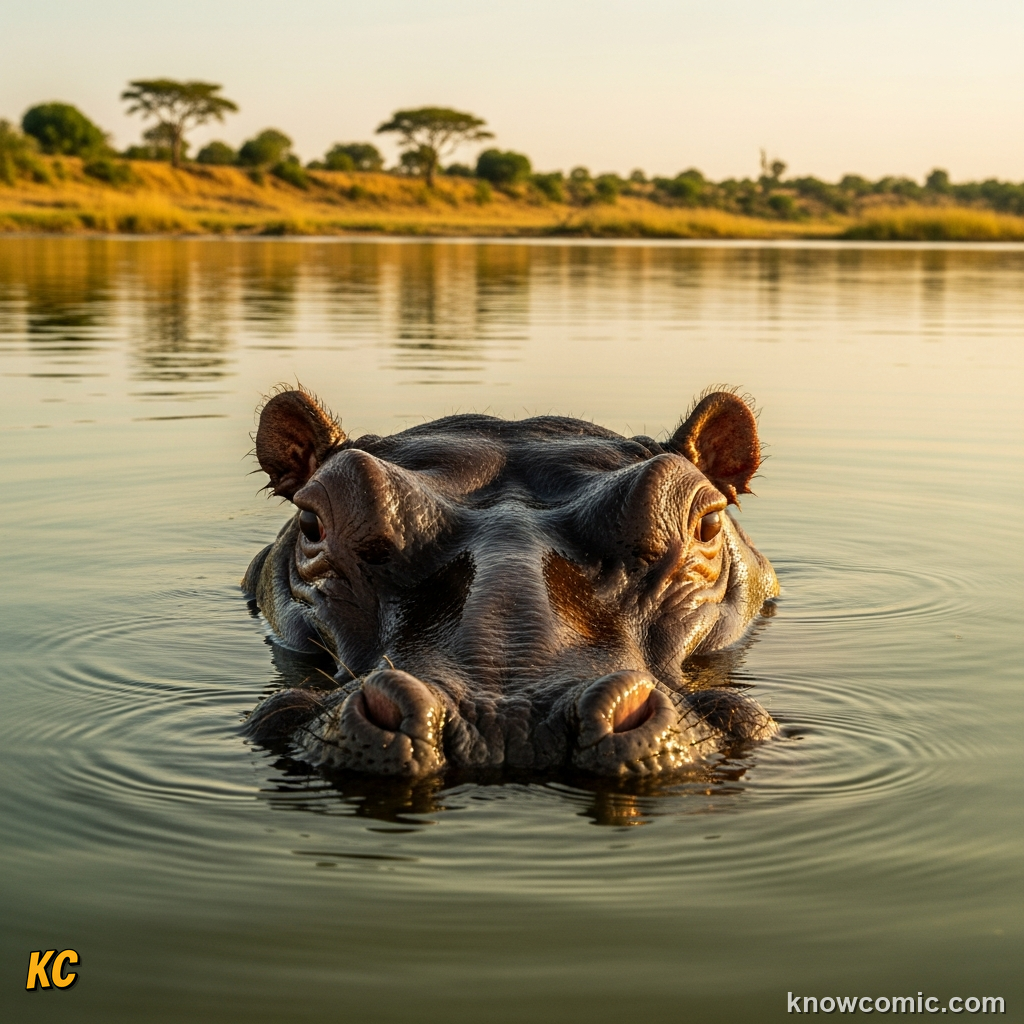
Eyes & nostrils on top, breathe while mostly submerged
PAGE 2 OF 5, GRASS, NOT FISH
NIGHT SHIFTS
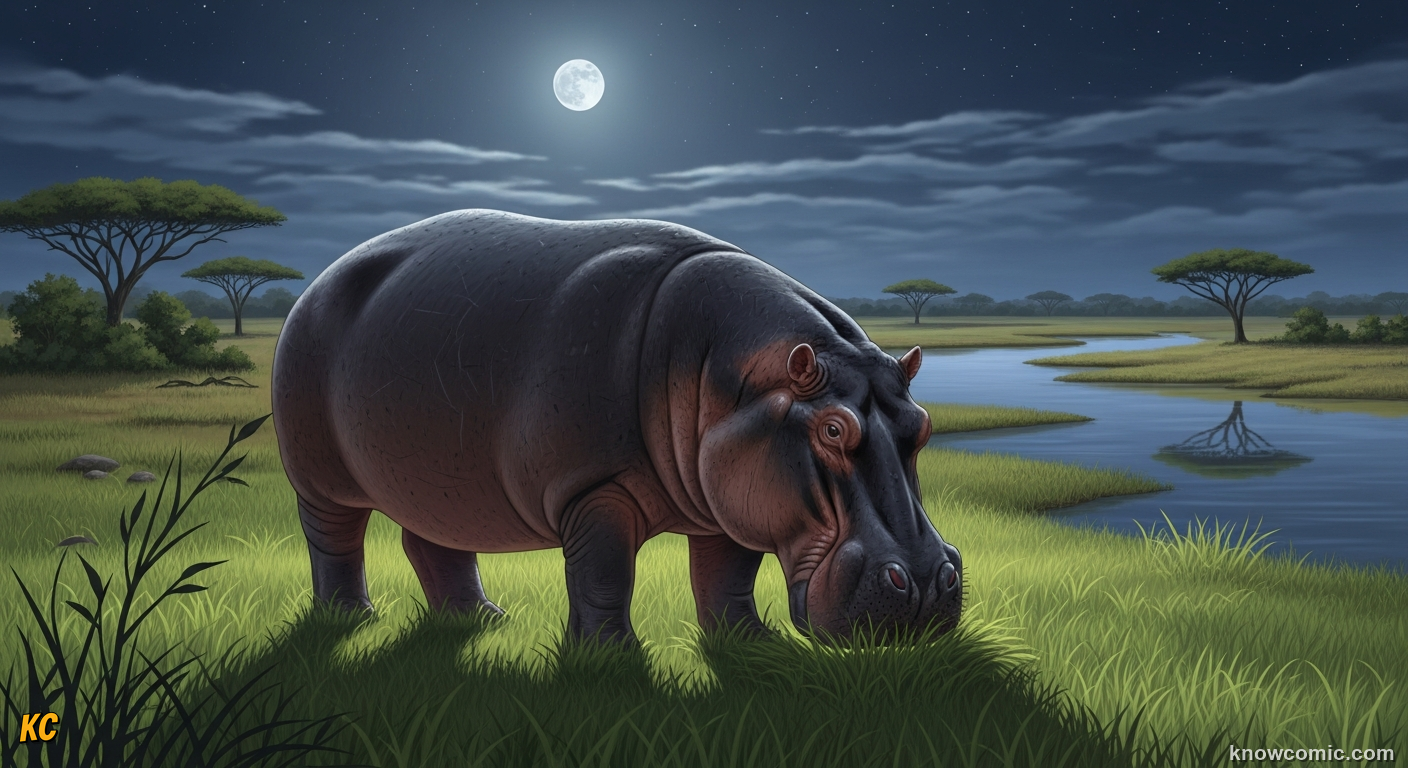
WATER = HOME, LAND = LUNCH
Hippos stay cool by day-resting in water or mud, a giant heat sink, then often walk kilometres at night to graze short, juicy grass on banks and floodplains. They are herbivores with serious bite force, not piranhas. In water they can push off the bottom, tuck legs, and move in three dimensions like a submarine with attitude. A healthy river can hold a lot of hippo, and a lot of hippo dung, which fertilises food webs in ways scientists still study.
CHEW!
SUN AID
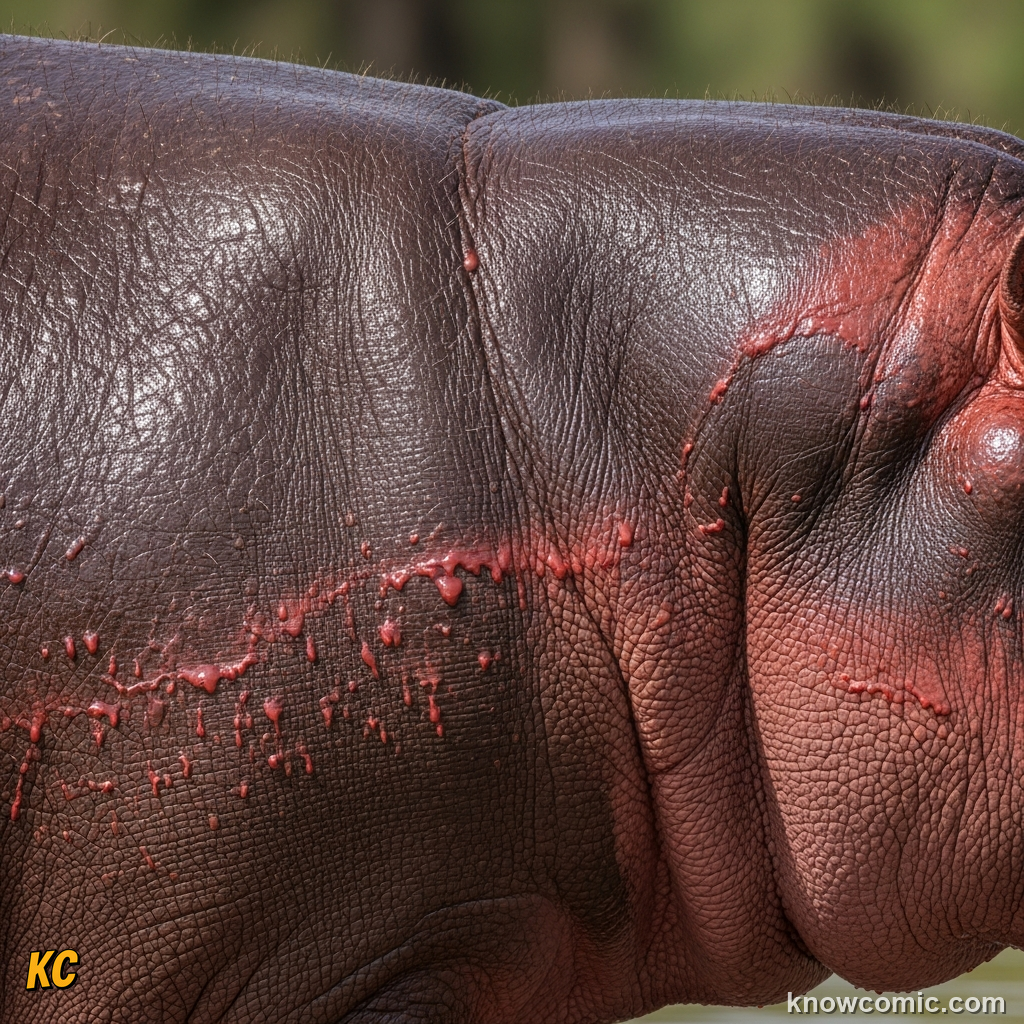
"Blood sweat", red mucus, UV + microbe shield (not gore)
MUD
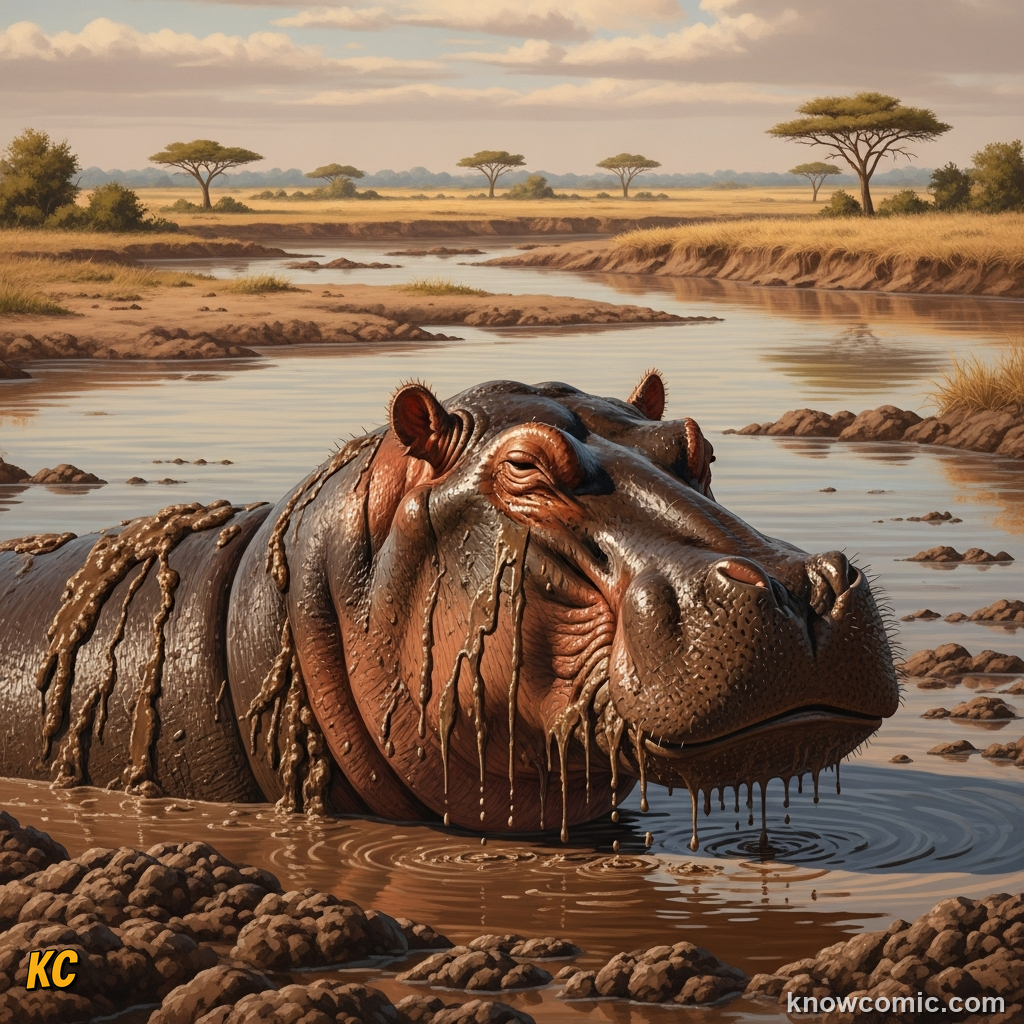
Wallows, sunscreen + social hangouts
BLOAT
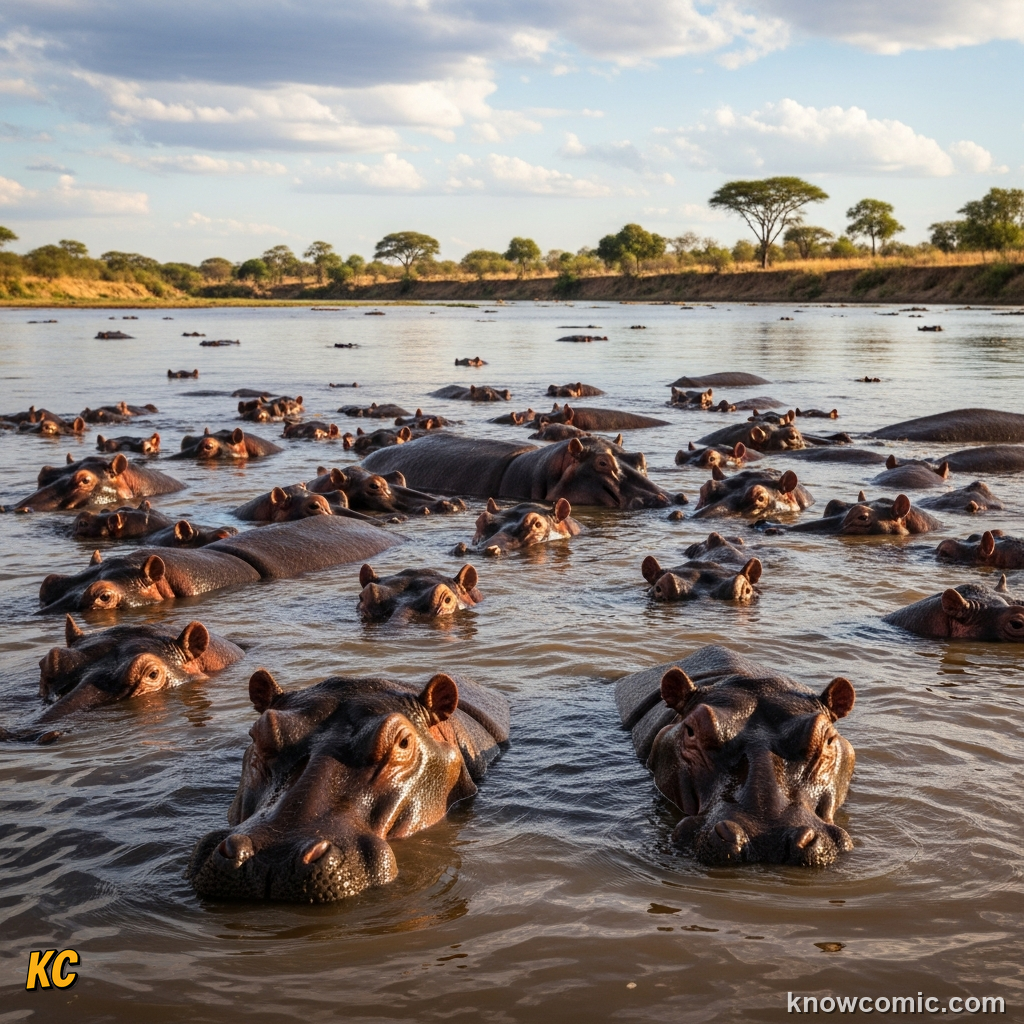
A pod of hippos = a "bloat" of hippos (best word)
PAGE 3 OF 5, PODS, BULLS, & BOUNDARIES
YAWN
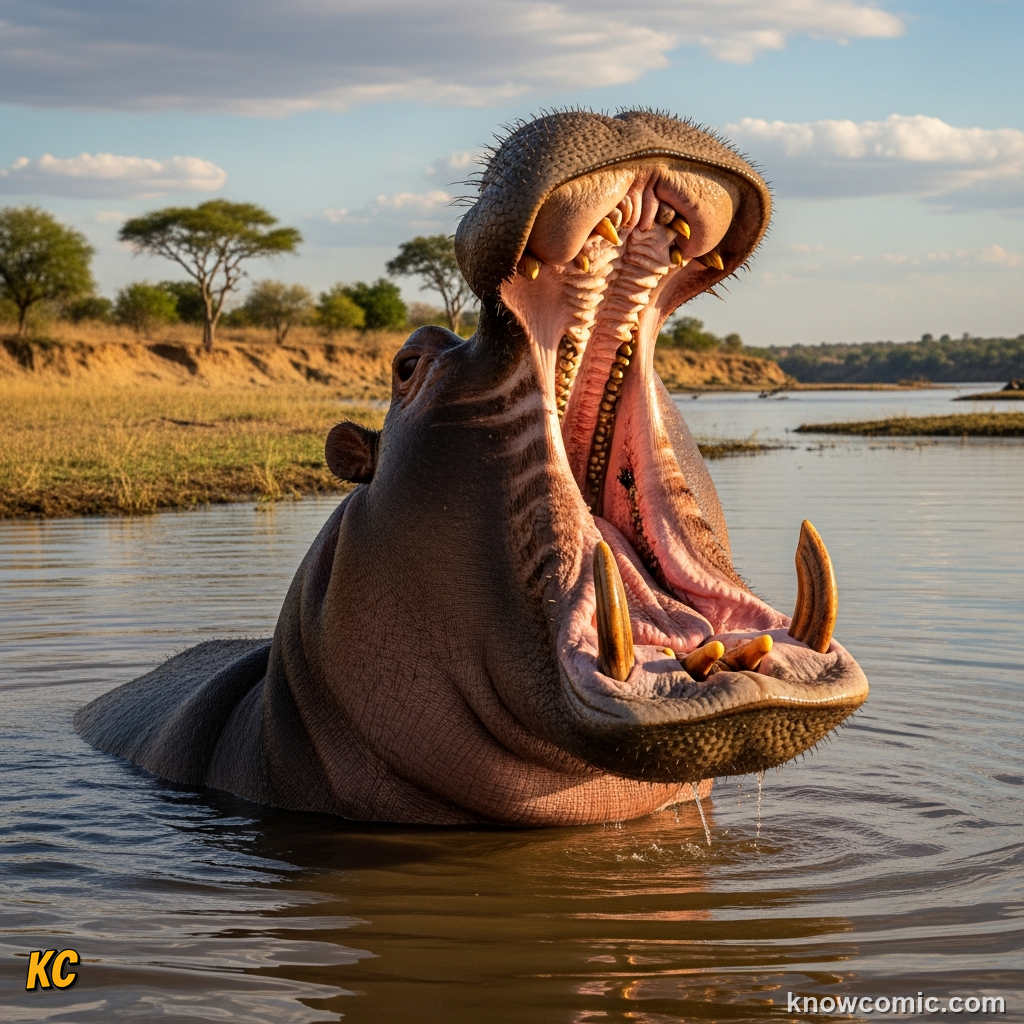
Huge gape = threat display, not a nap
CALF
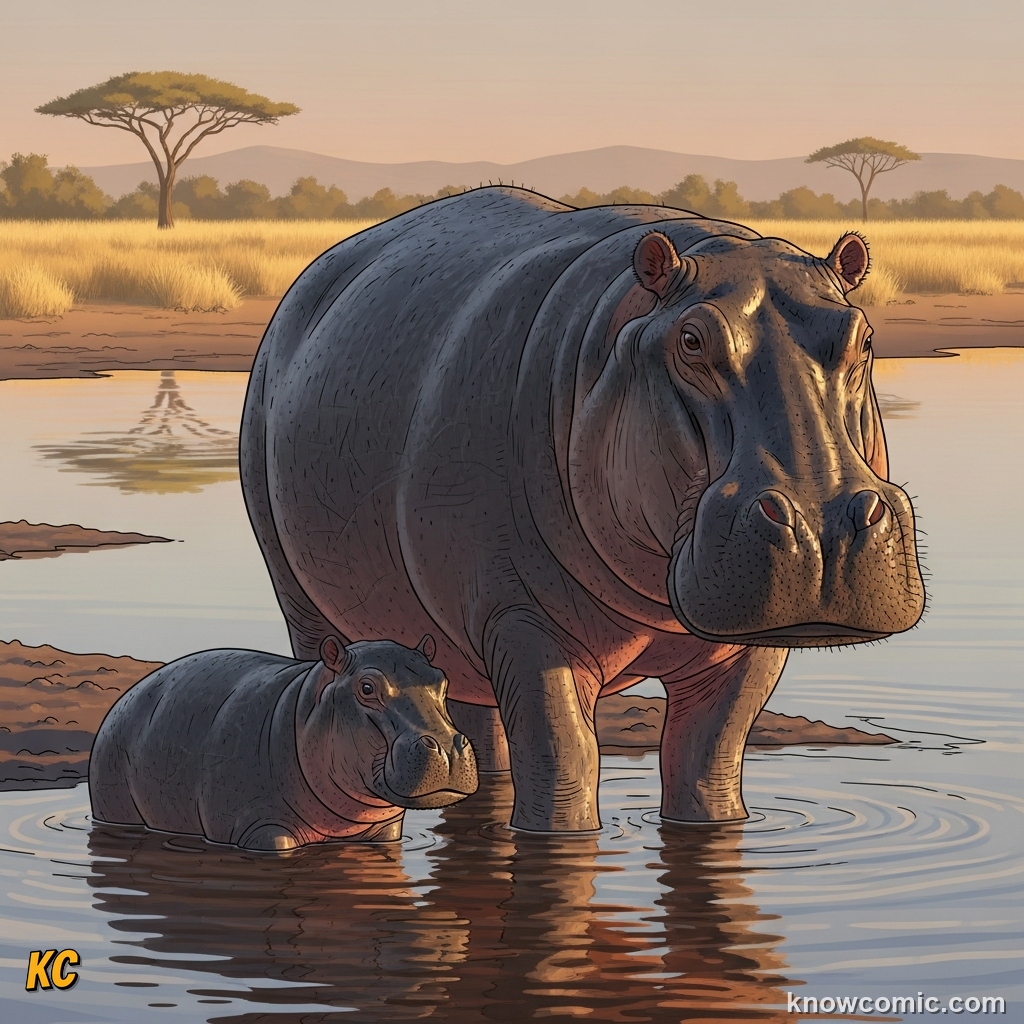
Mum + baby, extra reason not to wade in
DON'T CROSS

RIVERS = REAL ESTATE
A stretch of water is hippo territory: mature bulls patrol, chase, and fight with long canine tusks. Young males may form bachelor groups, females cluster with calves, and disputes can turn bloody in seconds. Anything that blunders into the wrong patch, a rival hippo, a curious crocodile, a boat that gets too close, can trigger a head-on, fast-moving attack. Even lions think twice. You should too.
BACK!
PAGE 4 OF 5, WHY SO MANY HUMAN DEATHS?
HIDDEN TANK
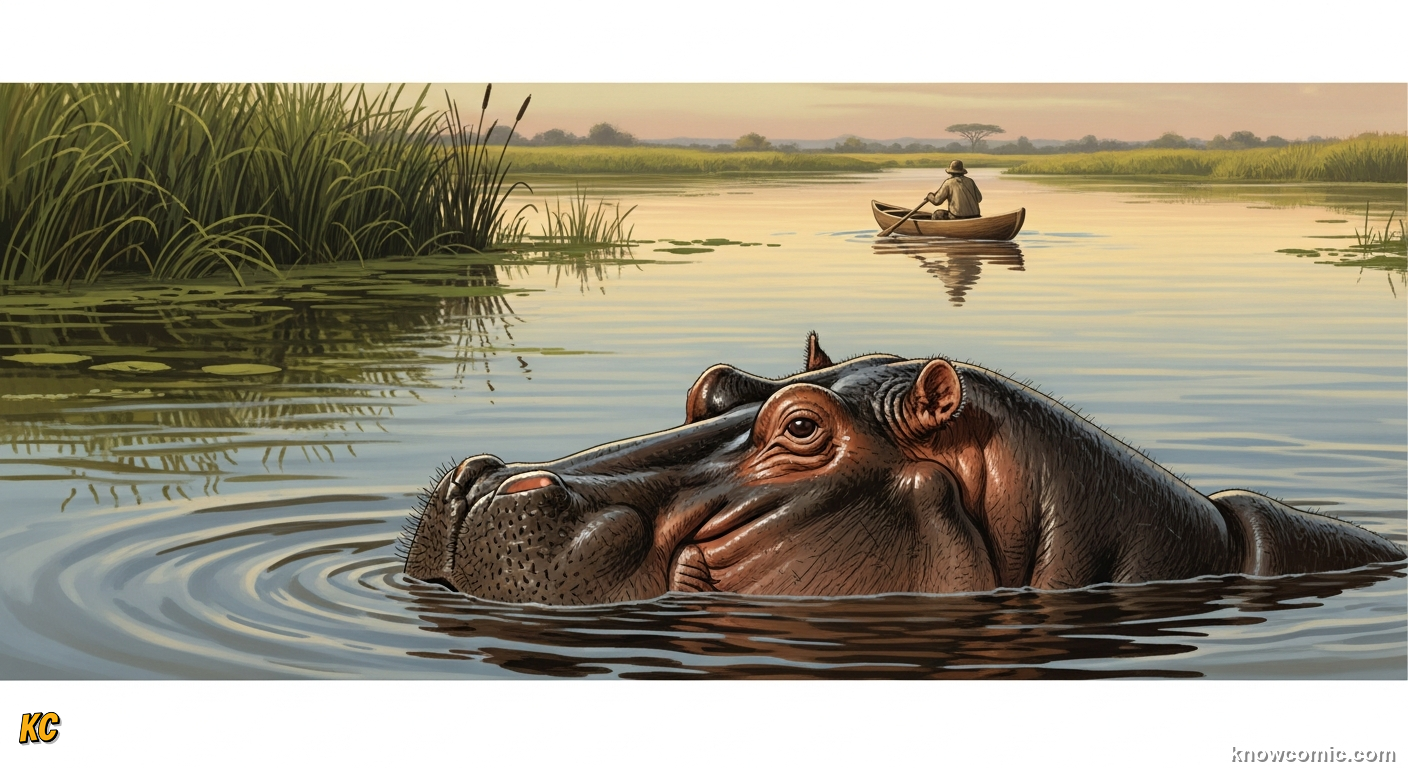
MISTAKE THE RIVER, PAY THE BILL
Hippos do not hunt people; people enter their world by accident, fishing, washing clothes, poling a canoe, or walking a dark path at the water's edge. A hippo bursts from the surface, capsizes boats, and bites with force that can sever limbs. On land, a charge over short range is deceptively fast. Many fatal encounters are rural, at night, with few hospitals nearby, a statistical tragedy that has earned the species a grim reputation. The lesson: keep distance, never block an exit to water, and never assume a log is a log.
SLOW!
BOAT
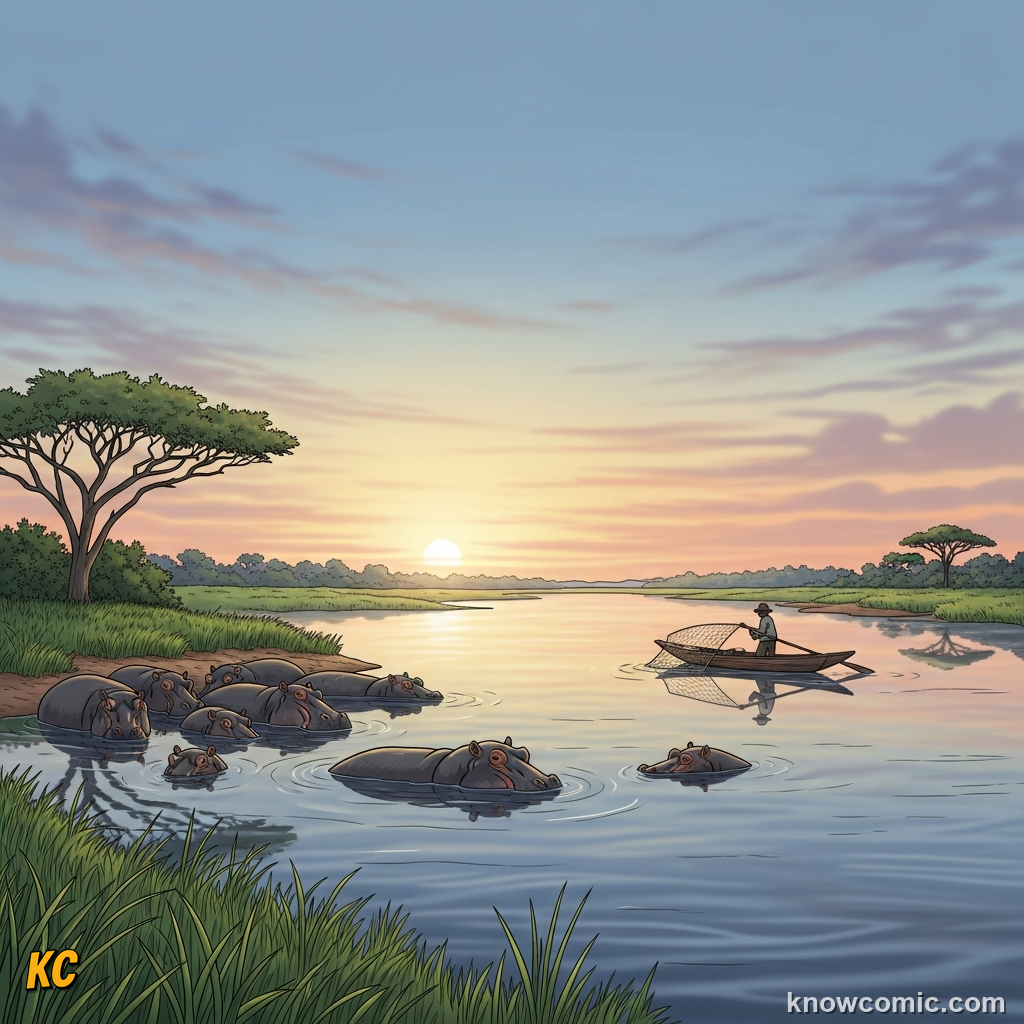
Small canoes = easy to flip; stay wide
CROP

Farmland meets hippo night routes, bad mix
FLASH
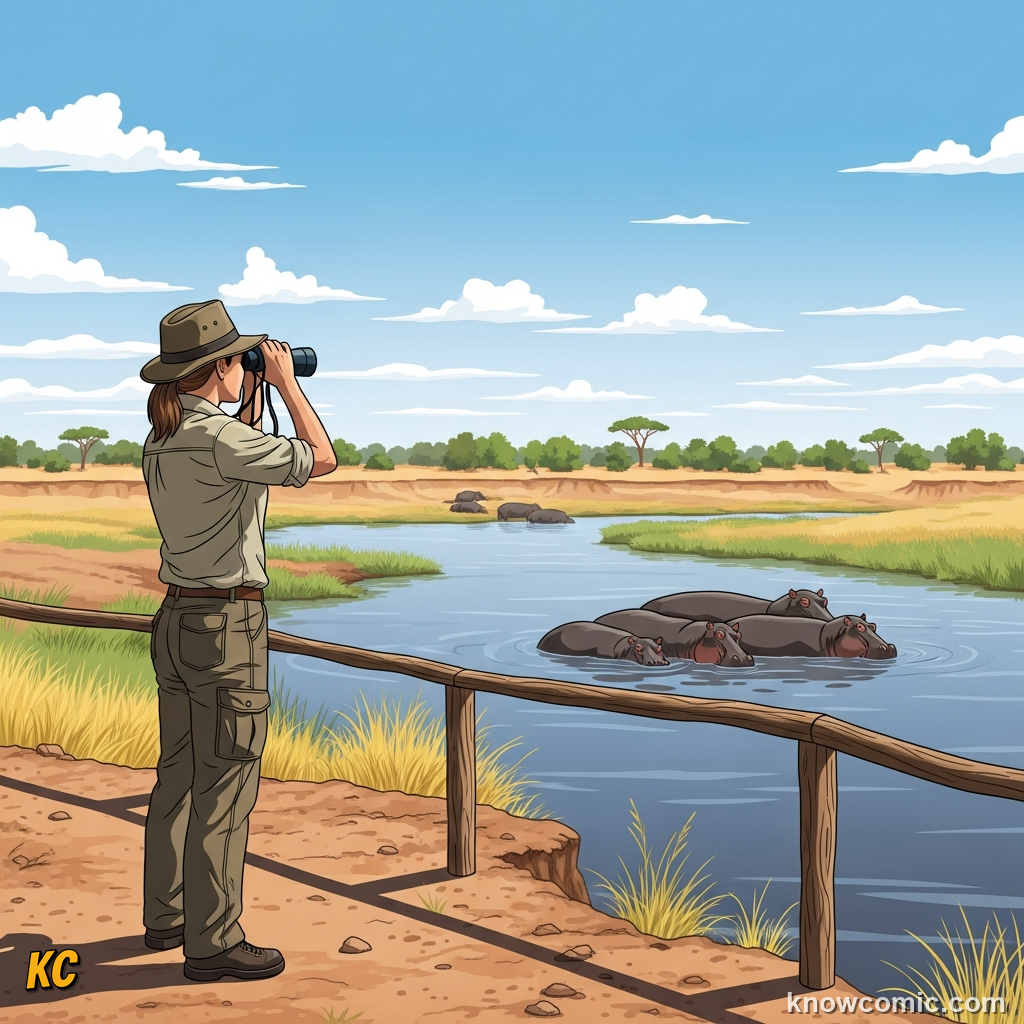
Tourists: never crowd hippo for a selfie
PAGE 5 OF 5, PROTECT RIVERS, PROTECT HIPPOS
VULNERABLE GIANTS
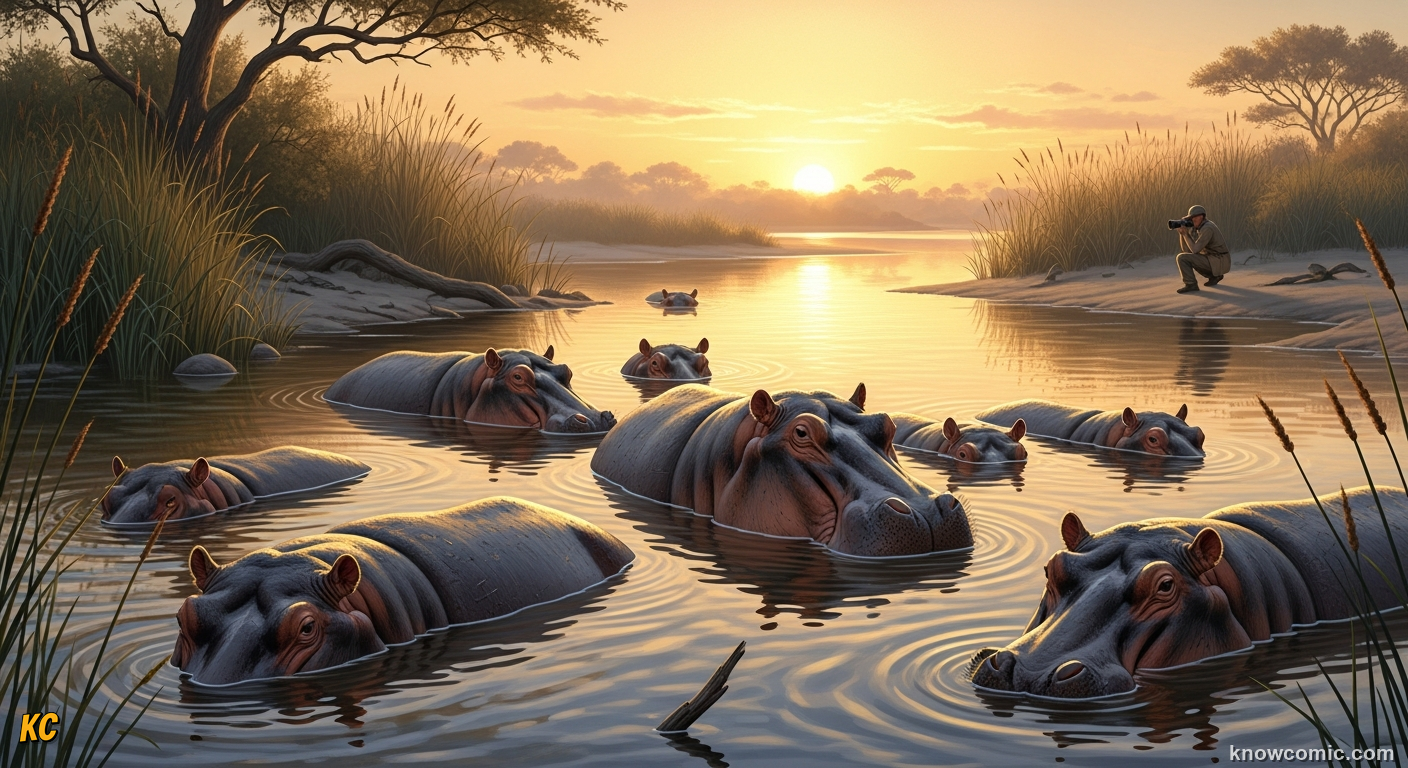
DAMS, DROUGHT, DYNAMITE
Hippos need reliable water + night grazing, a combo broken by pollution, diversion, silt, and human settlement right on the bank. Illegal hunting for meat and teeth still happens; habitat loss and conflict can spiral together. Pygmy hippos in West Africa are a separate, far rarer species in deep forest. Conservation is not "save the cute" only, it is fences that guide both species, education for boat communities, and parks with real funding.
🌍 ROOT FOR
Clean river basins, community water safety, and tourism that pays rangers to protect hippos, not just lions.
WADE!
WATCH
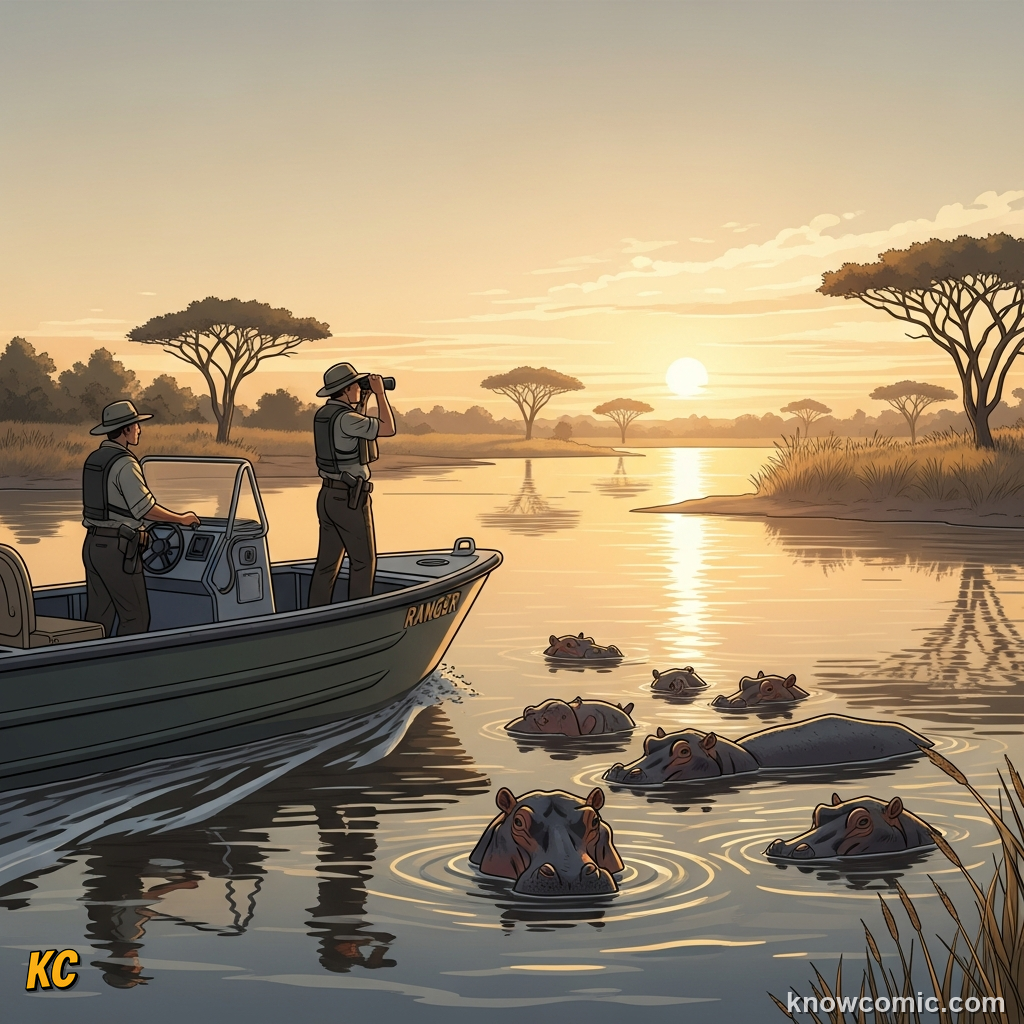
Binoculars from the bank, not a swim
REMEMBER
🦛 KEY FACTS
Herbivore · river-territorial · very dangerous at close range · IUCN Vulnerable (trend: declining).
🦷 Long canines = displays & fights, not plants
🌿 Respect the bloat
🌿 Respect the bloat
🧠 QUIZ TIME!
HIPPO: AFRICA'S MOST DANGEROUS · 5 QUESTIONS
QUESTION 01
What do common hippos mainly eat?
QUESTION 02
A big reason people get hurt by hippos is —
QUESTION 03
Hippo "blood sweat" is —
QUESTION 04
The much smaller, forest-dwelling West African relative is the —
QUESTION 05
The common hippopotamus is currently listed on the IUCN Red List as —
0/5
LOADING...