🦓 ZEBRA: WHY THE STRIPES?
PAGE 1 OF 5, LIVING BARCODE
NO CLONE COAT
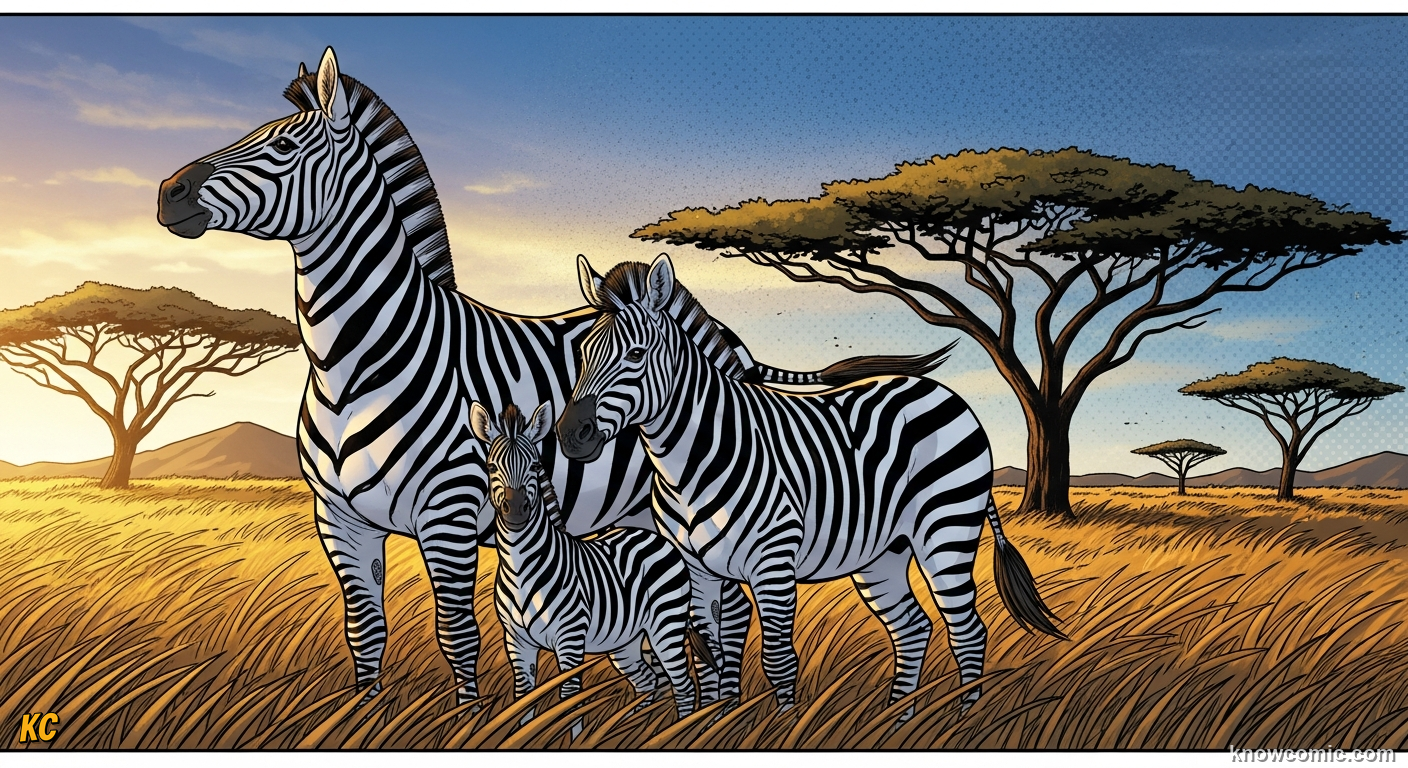
STRIPES LIKE A FINGERPRINT
Zebras are grassland Equus horses in bold pyjamas: plains, mountain, and Grevy's species (and subspecies) differ in stripe width, belly pattern, and ear size, but every individual's striping is unique. Researchers photograph "stripe maps" to ID animals in long studies, like a library of living barcodes. Stripes run from ears to hooves and even into the mane, it is not face-paint you can peel off; it is skin patterning with real jobs in the wild.
📌 NOT JUST FOR SHOW
Stripes may help with identity, thermoregulation, pest deterrence, and confusing predators, probably several forces at once, not a single "magic reason."
ID!
SPECIES
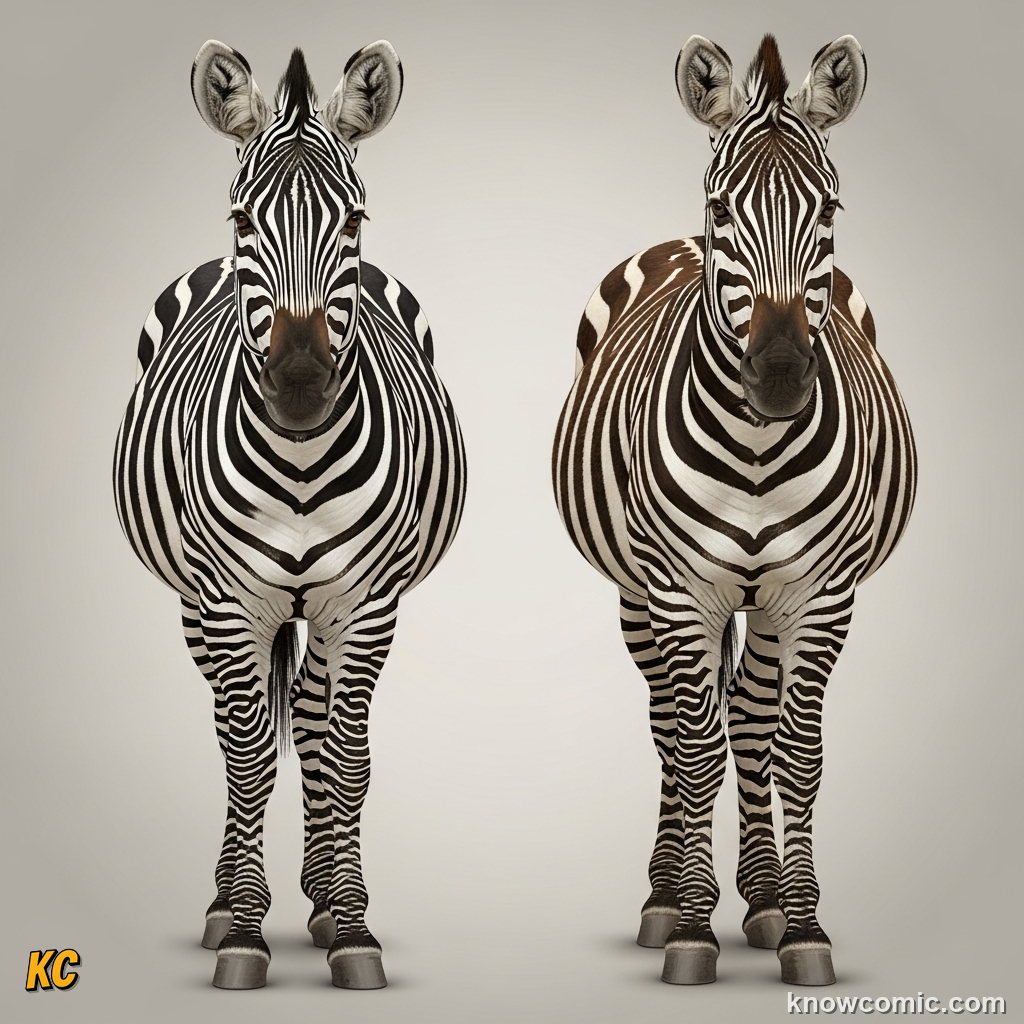
🦓 Grevy's: narrow stripes, big ears, donkey-like
🦓 Plains: broad bold bands, huge herds
🦓 Plains: broad bold bands, huge herds
FOAL
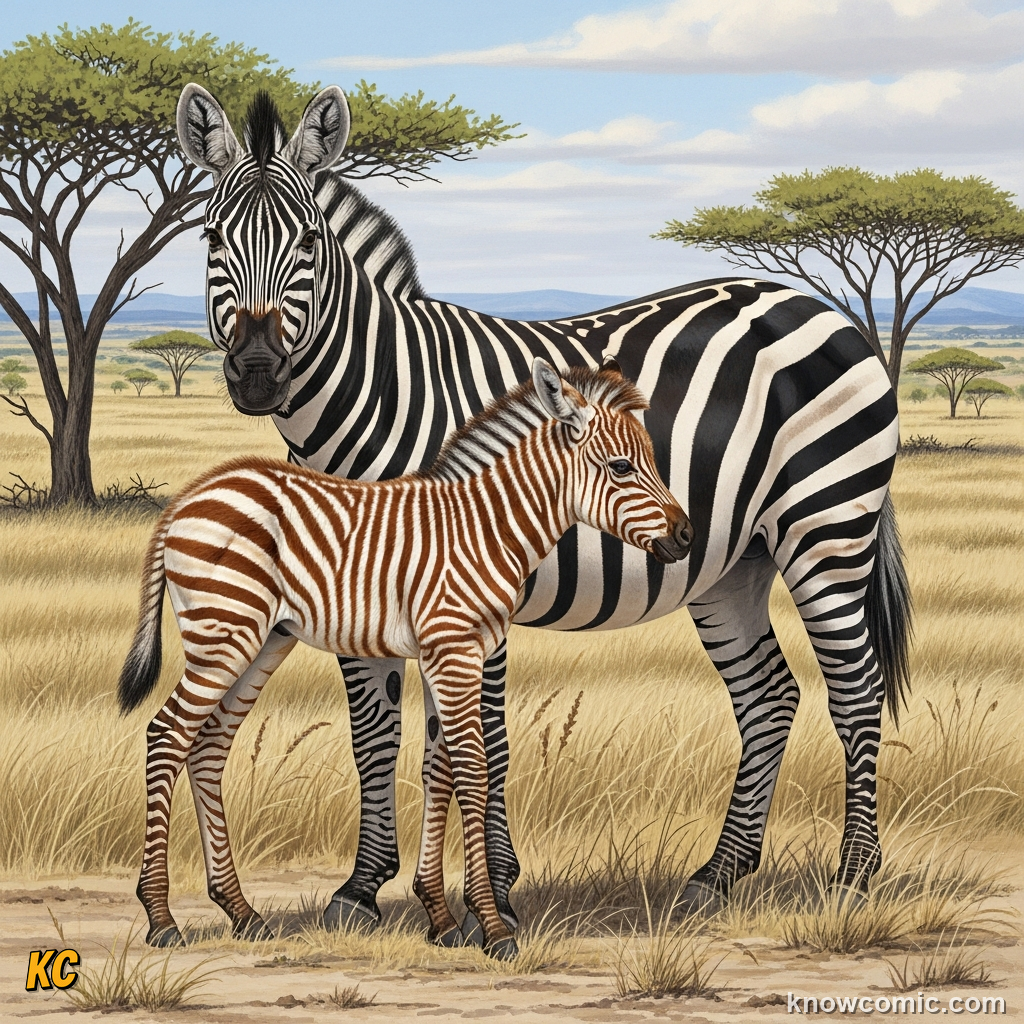
Brownish baby coat → black & white in weeks
Mum memorises your pattern fast
Mum memorises your pattern fast
PAGE 2 OF 5, FLIES, DAZZLE, & FIERCE DEBATE
HYPOTHESES
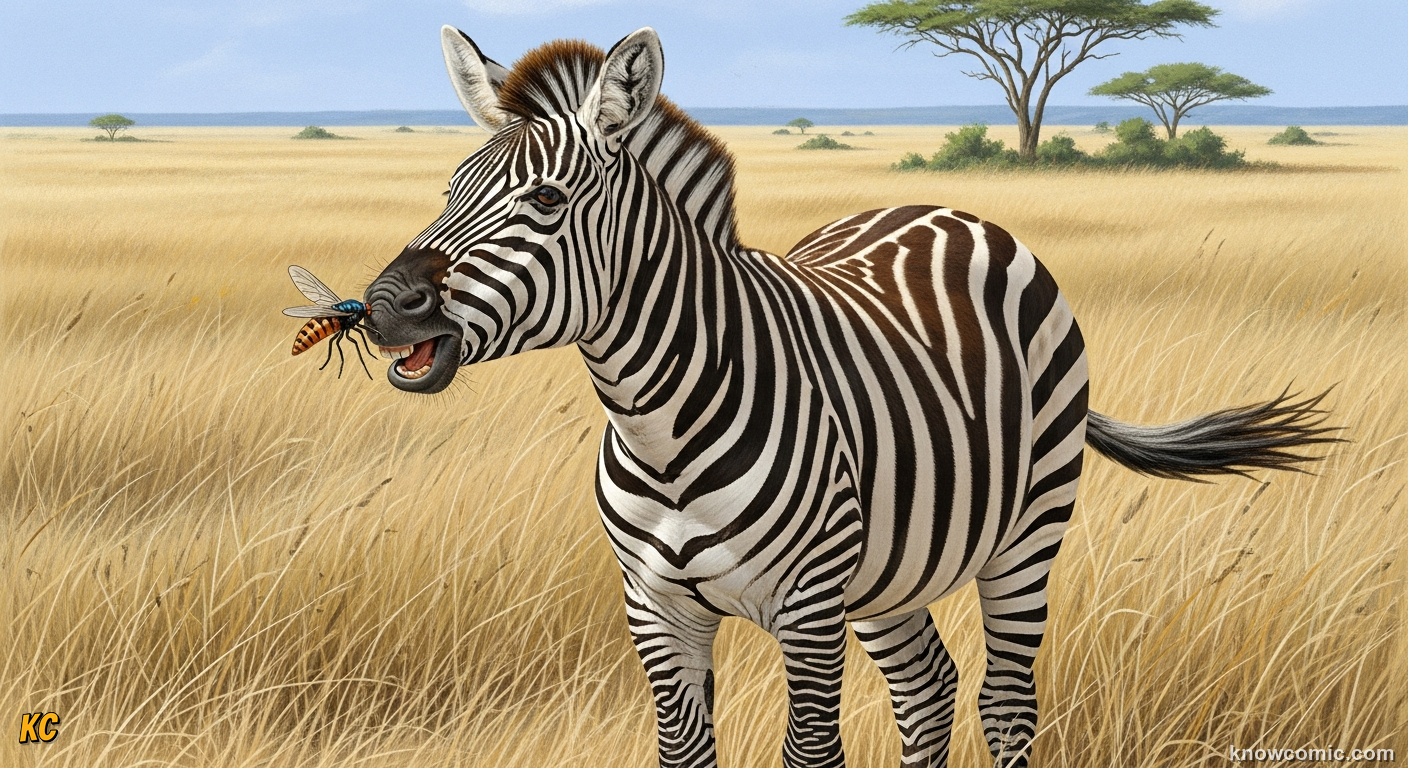
MORE THAN ONE ANSWER
The old idea that stripes are only savanna camouflage in grass has taken hits from experiments. Tabanid biting flies (horseflies & friends) may land less on striped coats in some field tests, a neat fit for the misery flies cause. Motion dazzle suggests high-contrast lines blur speed and position when a herd runs. Micro air currents, heat, and social signalling are still in play. The honest headline: stripes are probably multipurpose, a compromise banner evolution kept tuning.
TEST!
FLIES
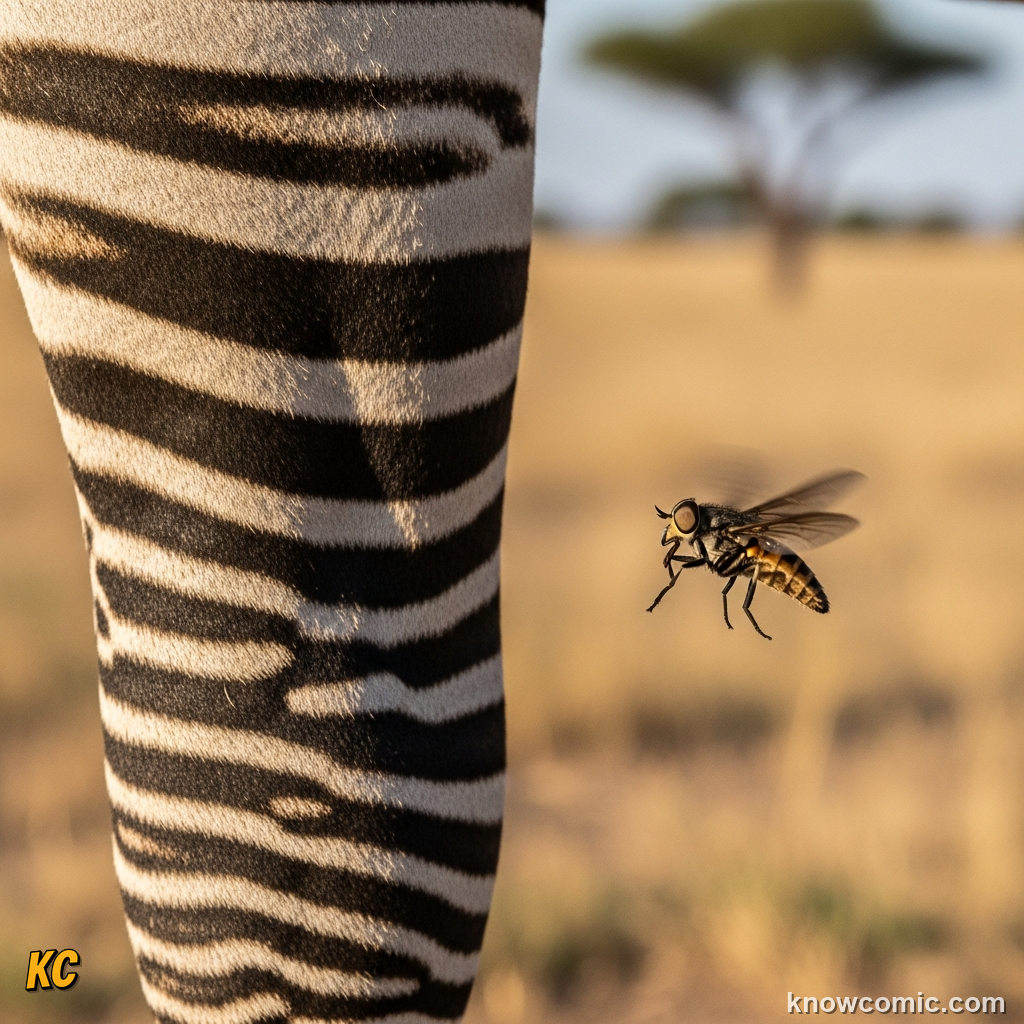
Biting midges + tabanids love large mammals
HEAT
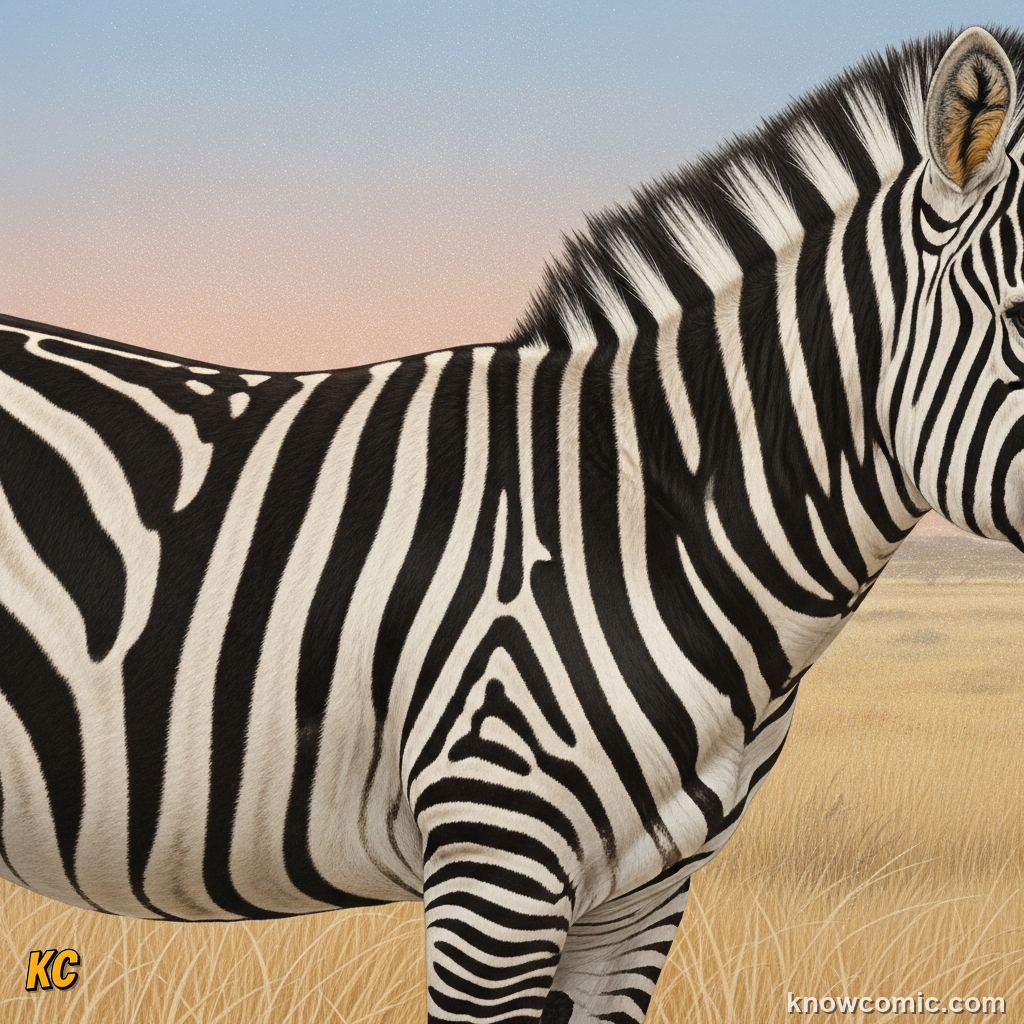
Black soaks, white reflects, tiny eddies of air?
LION EYE
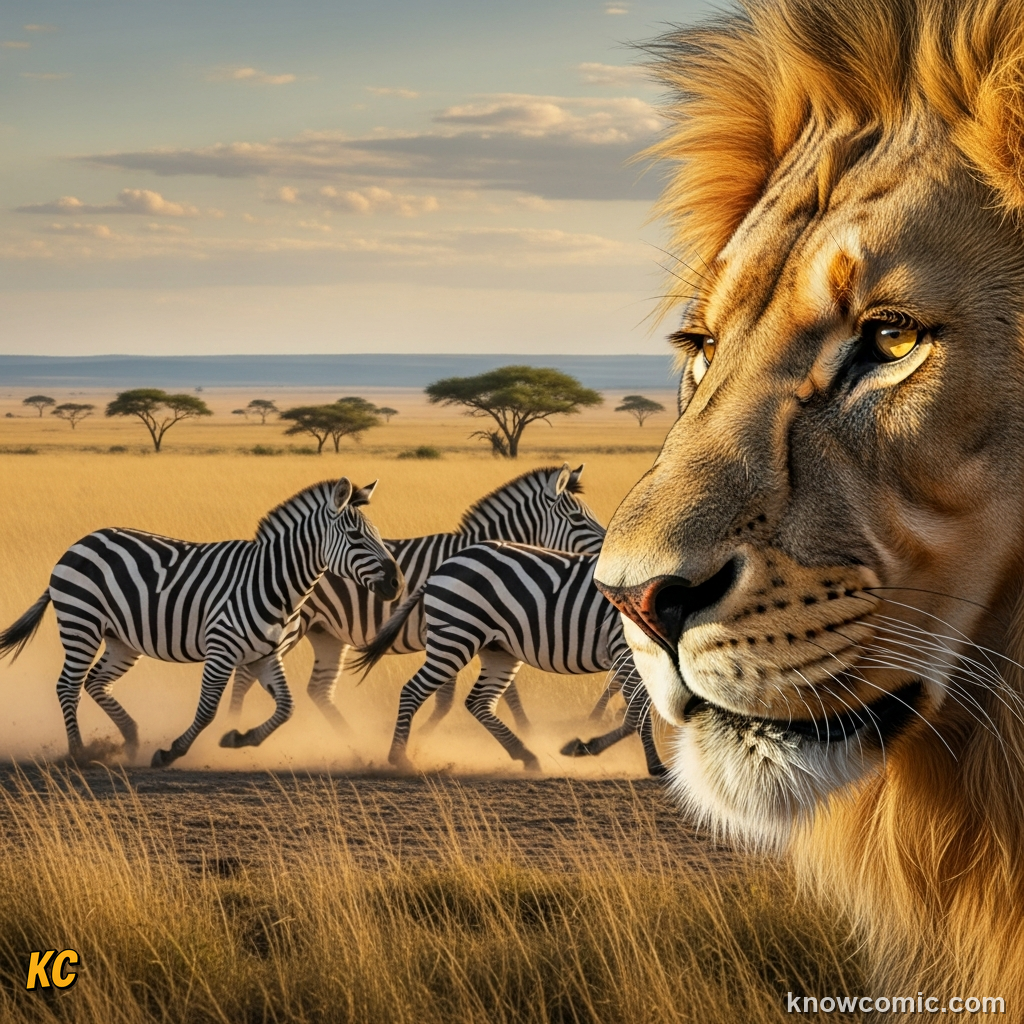
One target in 200 flanks? Confusing.
PAGE 3 OF 5, HERD LIFE & THE GREAT DRIFT
BARK
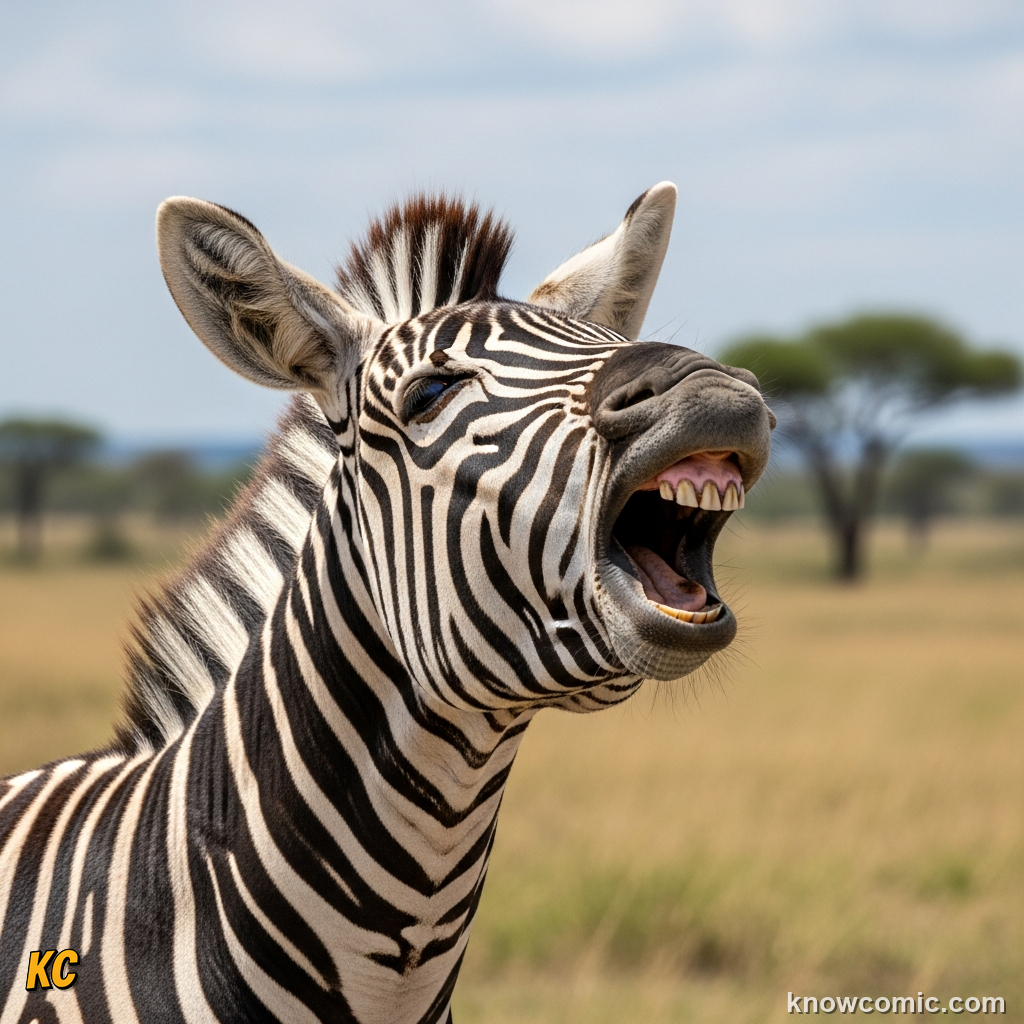
Snort / bark alarm, ears swivel to lion distance
FOAL
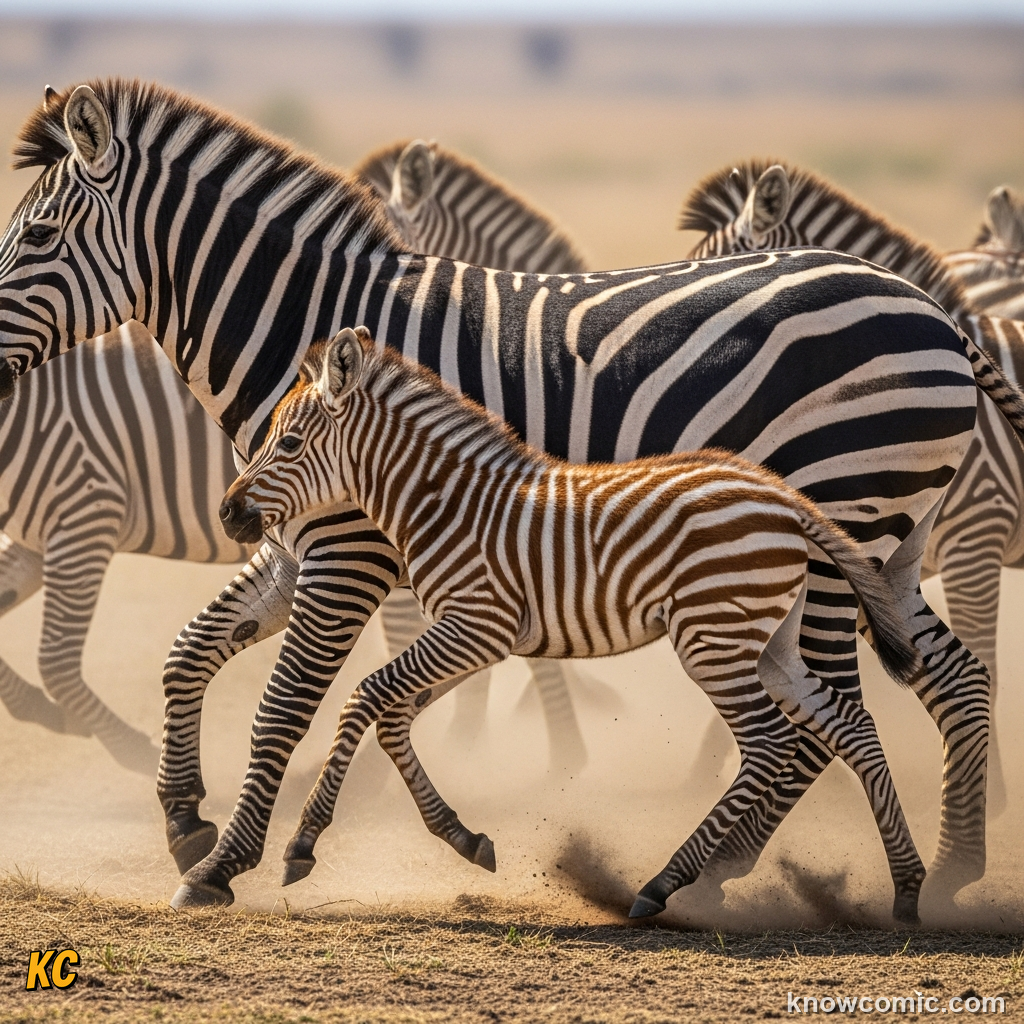
Stay in the blizzard of stripes = safer
PLAINS ENGINE
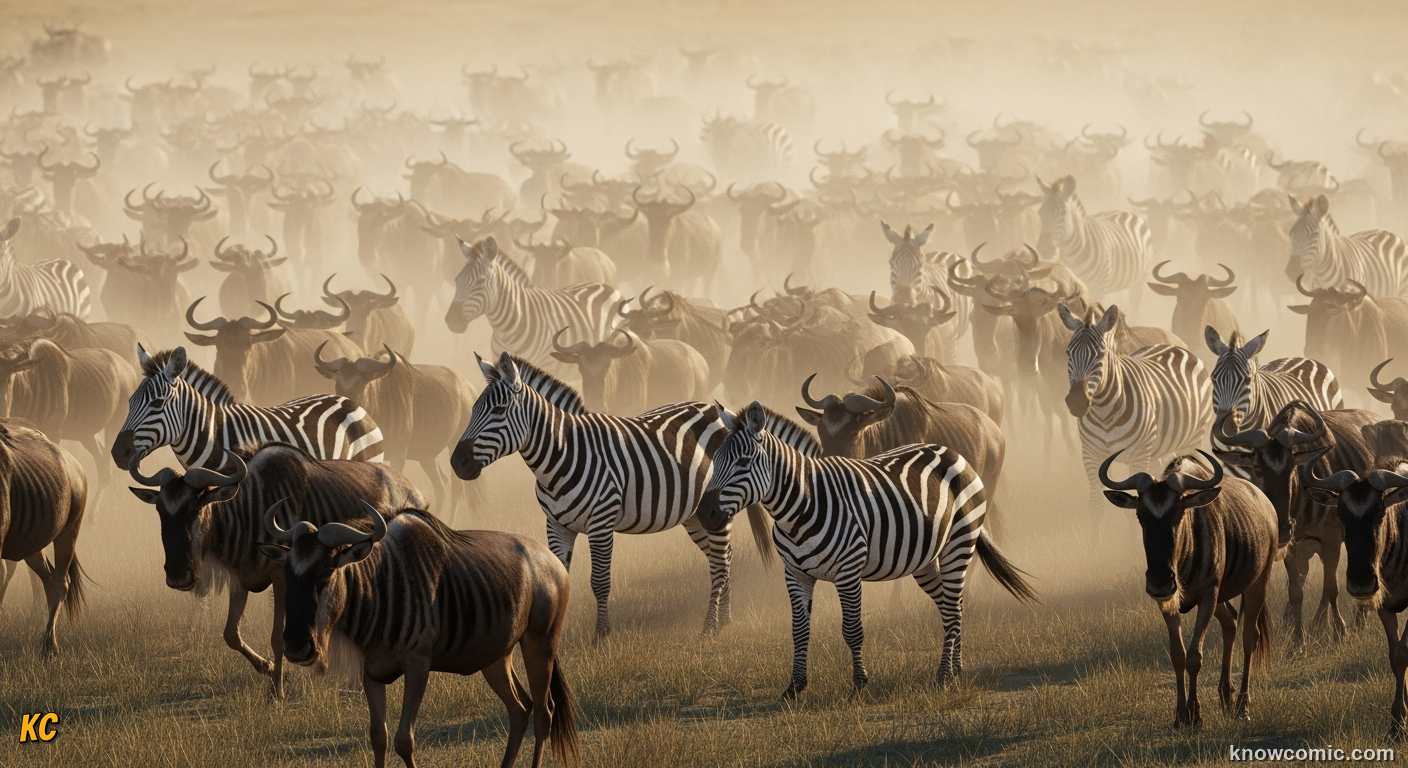
HAREMS, DUDES, & MIGRATION
Plains zebras form stallion-led harems, bachelor clubs, and temporary mega-herds that can mix with wildebeest on seasonal marches to rain and fresh grass. They are non-ruminant grazers with hindgut fermentation, tough stems in, quick throughput. Predators do not "starve if zebras are fast": lions and hyenas target the young, the weak, the slow turn, or a drink gone wrong. Society + stripes + alert calls = a living shield, never perfect, always expensive.
RUN!
PAGE 4 OF 5, PREDATORS & PEOPLE PRESSURE
TOOTH & WIRE
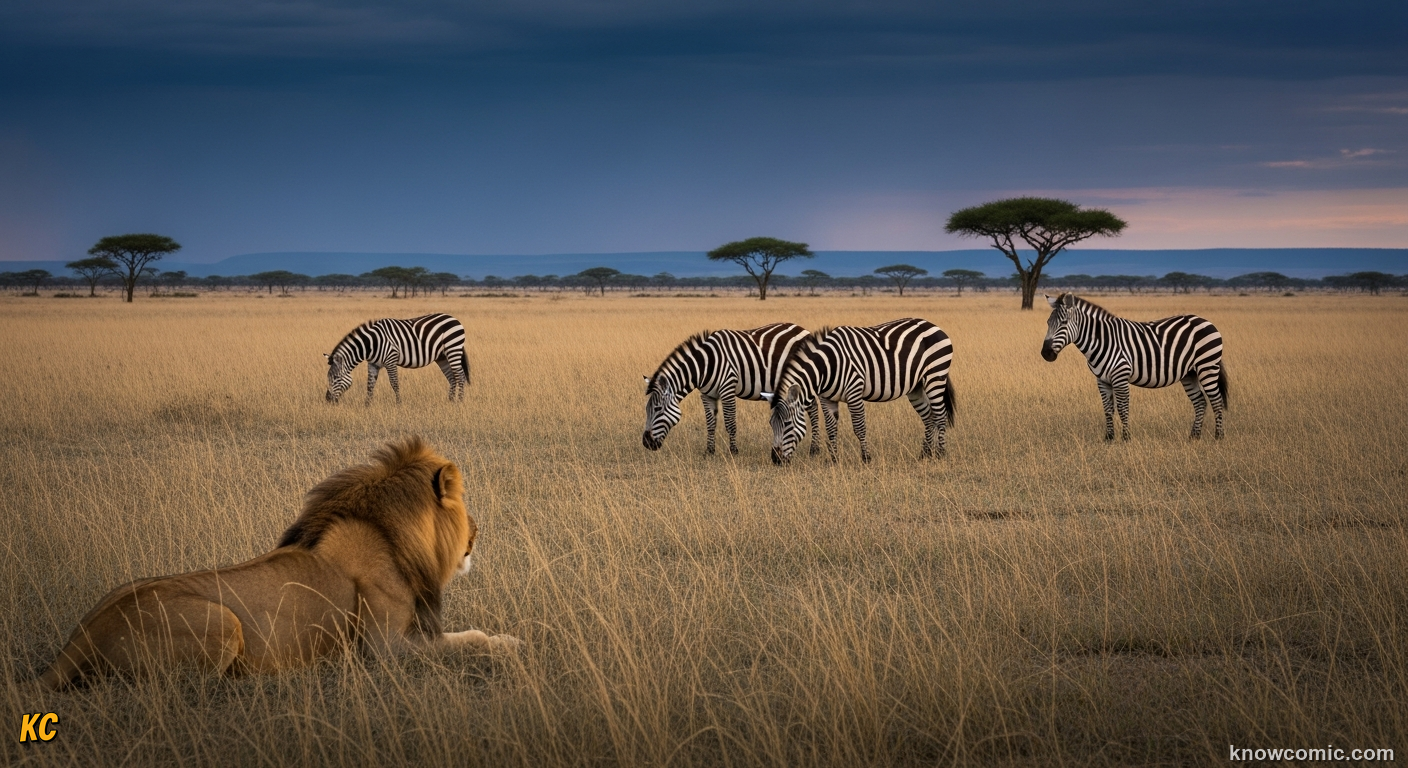
LIONS, WILD DOGS, SKINS, SNARES
A zebra's list of problems reads like a savanna mixtape: lion prides at water, spotted hyena packs, African wild dog relays, and crocodile jaws at the crossing. Humans add snares for antelope that catch zebras, habitat fences that block migration, and illegal shooting for skins. Grevy's zebra in particular is Endangered, rarer, fussier, squeezed between livestock and climate shifts. The stripes did not sign up for the Anthropocene, but they have to run in it.
RISK!
CROC
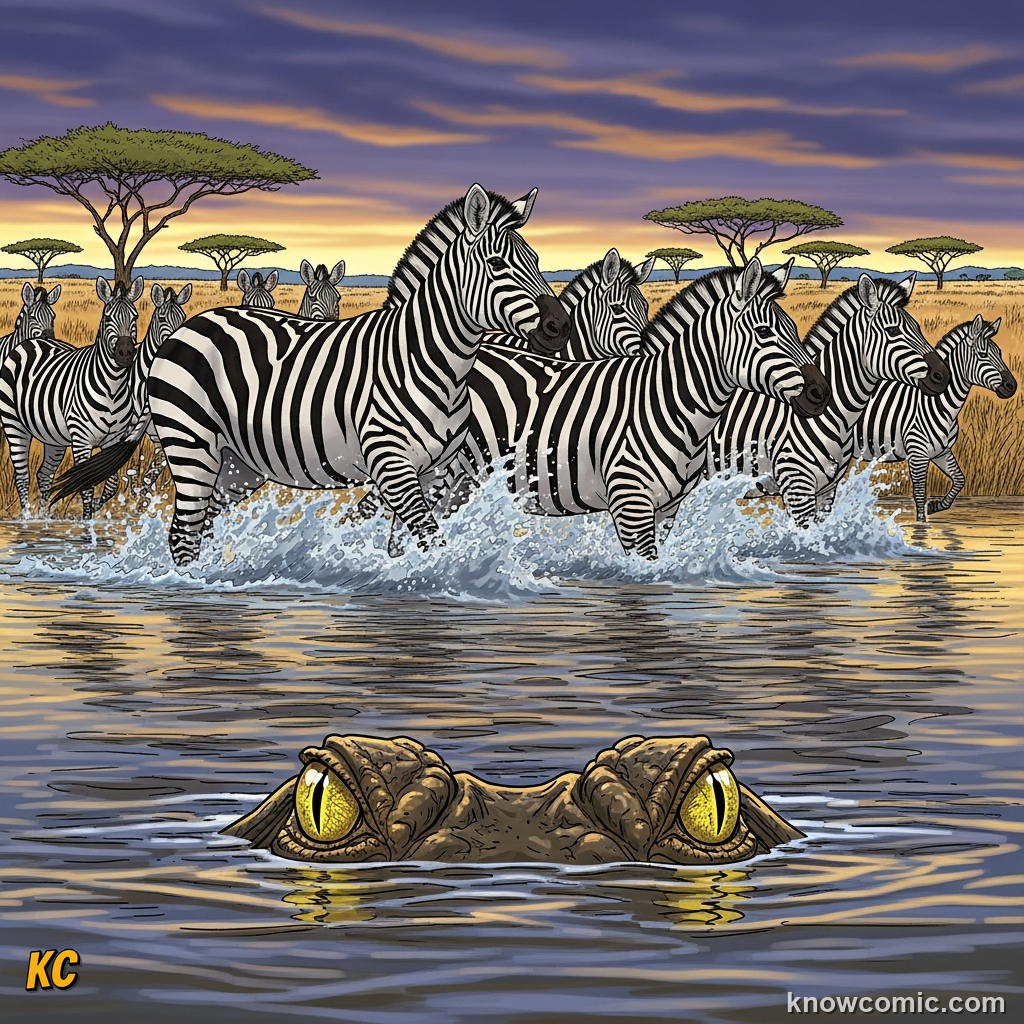
River crossing = one bad step
SNARE
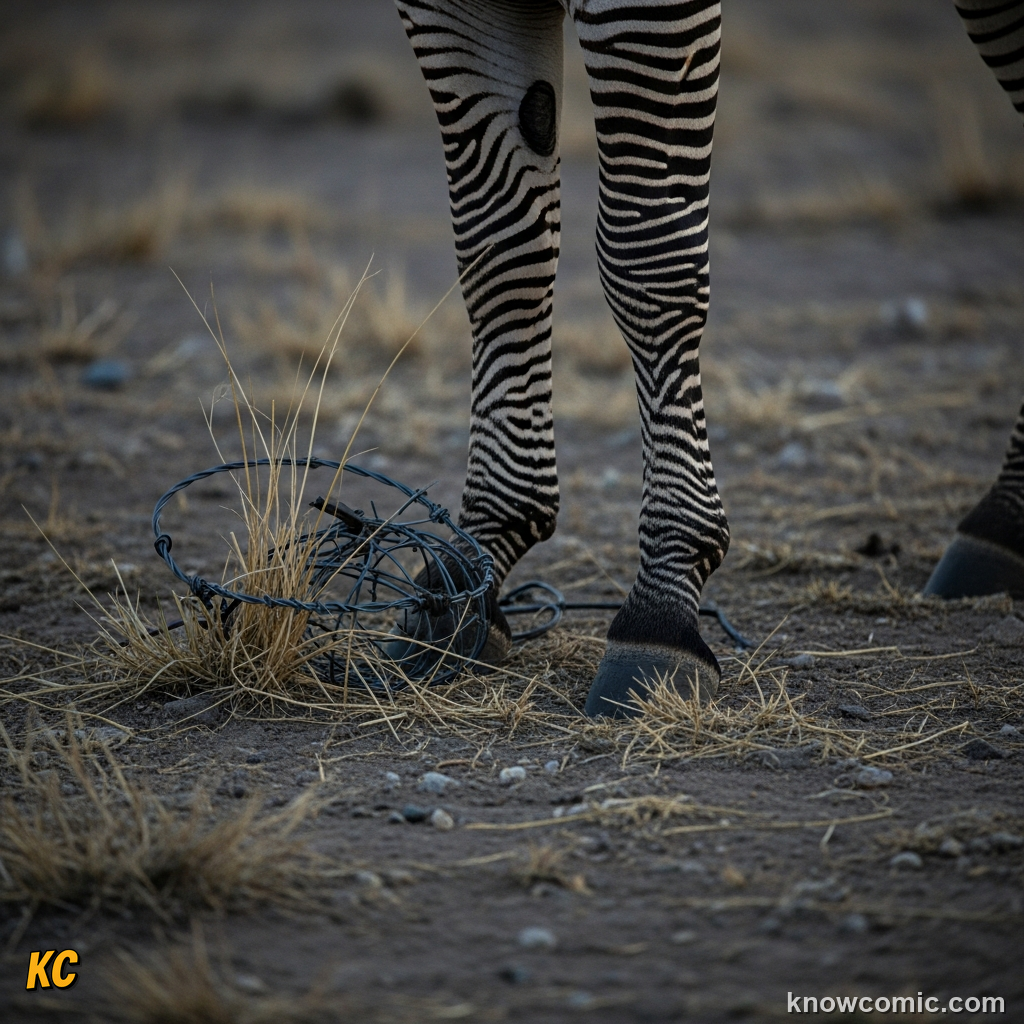
One loop, broken leg, no migration
RANGE
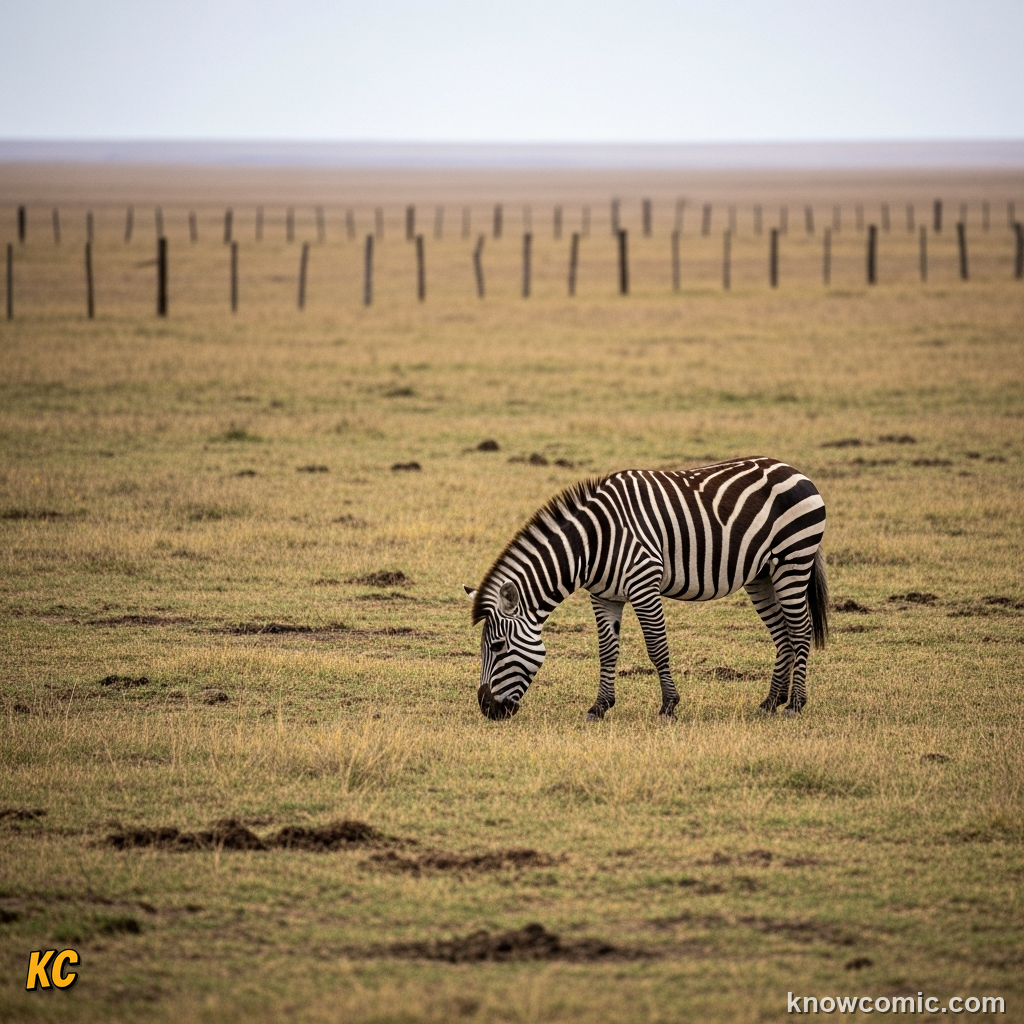
Grass + water = competition with herds
PAGE 5 OF 5, STRIPES NEED SPACE
FENCE OUT CRISIS
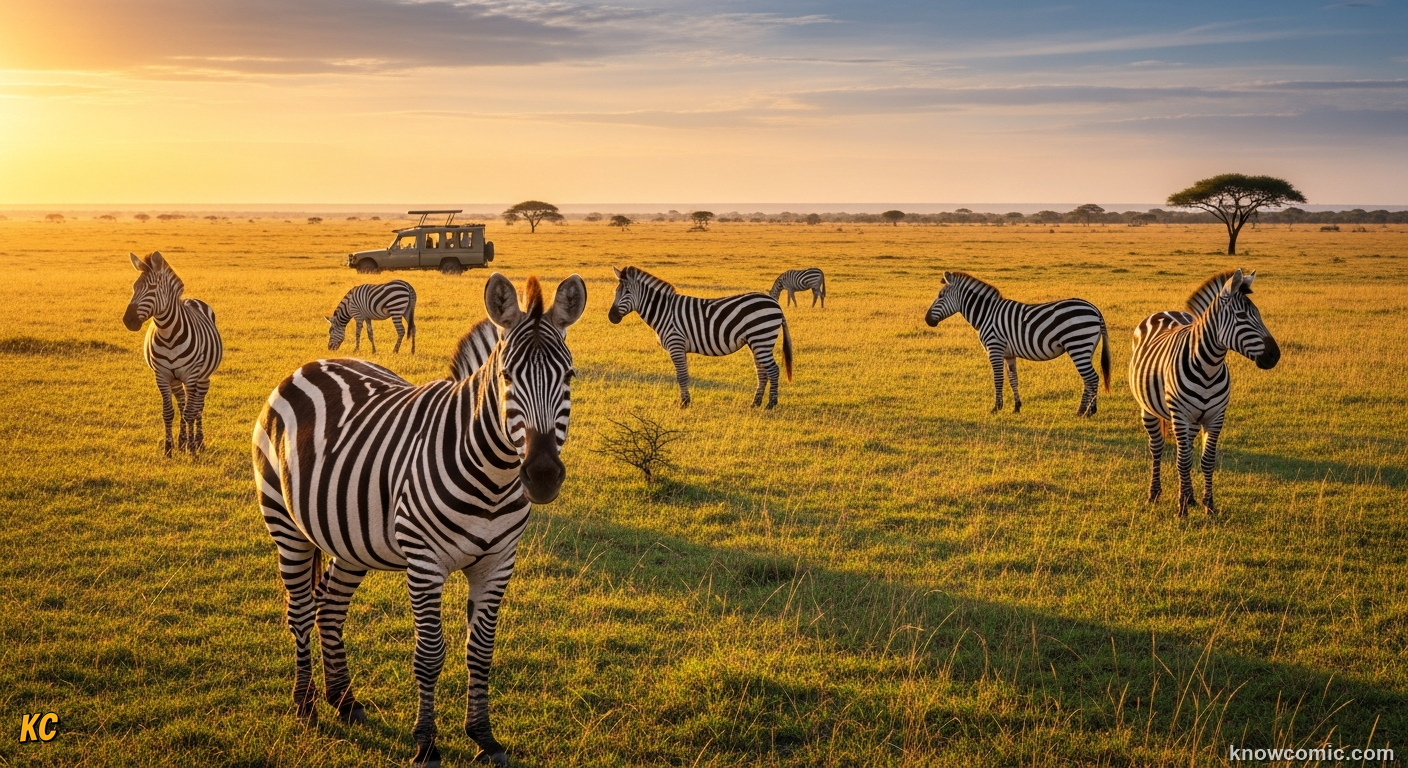
PROTECT MIGRATIONS, NOT JUST POSTERS
Winning for zebras means connected grassland, water access, and anti-poaching that sticks. Community rangers, camera-trap ID, and tourism that pays local stewards turn stripes into income, not just Instagram. In some countries reintroduction and breeding programs build insurance herds while science refines the map of each species. You do not have to be a zoologist: learn which brands fund habitat, and which buy wildlife wisely.
🌍 ROOT FOR
Snare sweeps, wildlife corridors, and classrooms that know Grevy's from plains zebras, names matter for laws and donations.
HOPE!
VISIT
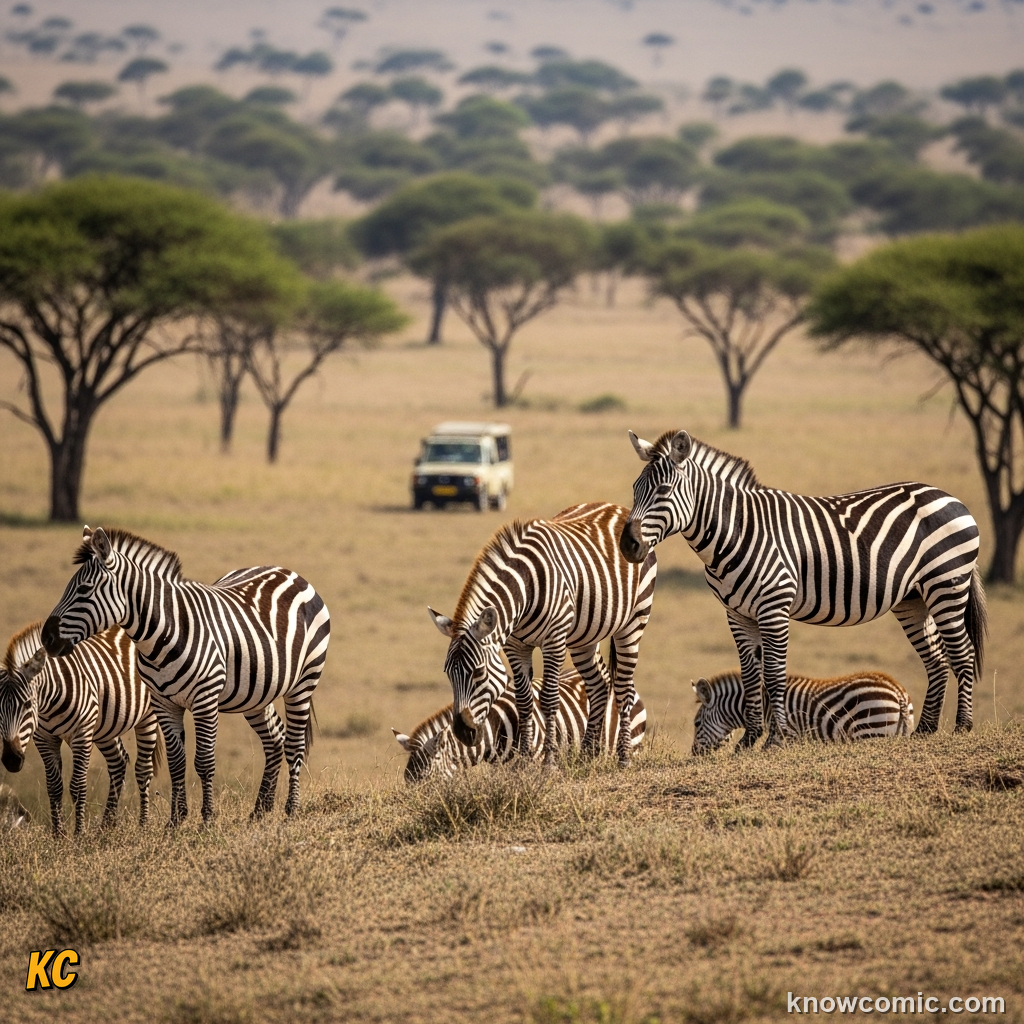
Park fees and guides who obey distance rules
REMEMBER
🦓 KEY FACTS
Stripes: ID + pest/heat/dazzle hypotheses. Herd life under lion pressure. Grevy's especially threatened, grassland = shared with us.
🧪 Field science still pokes each hypothesis
🌾 Space to roam equals stripes in motion
🌾 Space to roam equals stripes in motion
🧠 QUIZ TIME!
ZEBRA: WHY THE STRIPES? · 5 QUESTIONS
QUESTION 01
Is any one zebra's stripe pattern a perfect copy of another's?
QUESTION 02
A leading modern hypothesis about stripes and biting flies suggests that striping may —
QUESTION 03
Plains zebras (broadly) are best described as —
QUESTION 04
Grevy's zebra, compared with common plains zebras, is generally —
QUESTION 05
A serious human-caused problem for many zebra populations is —
0/5
LOADING...