🐘 ELEPHANT: THE MEMORY GIANT
PAGE 1 OF 5, LAND LIFTERS
THE HERD
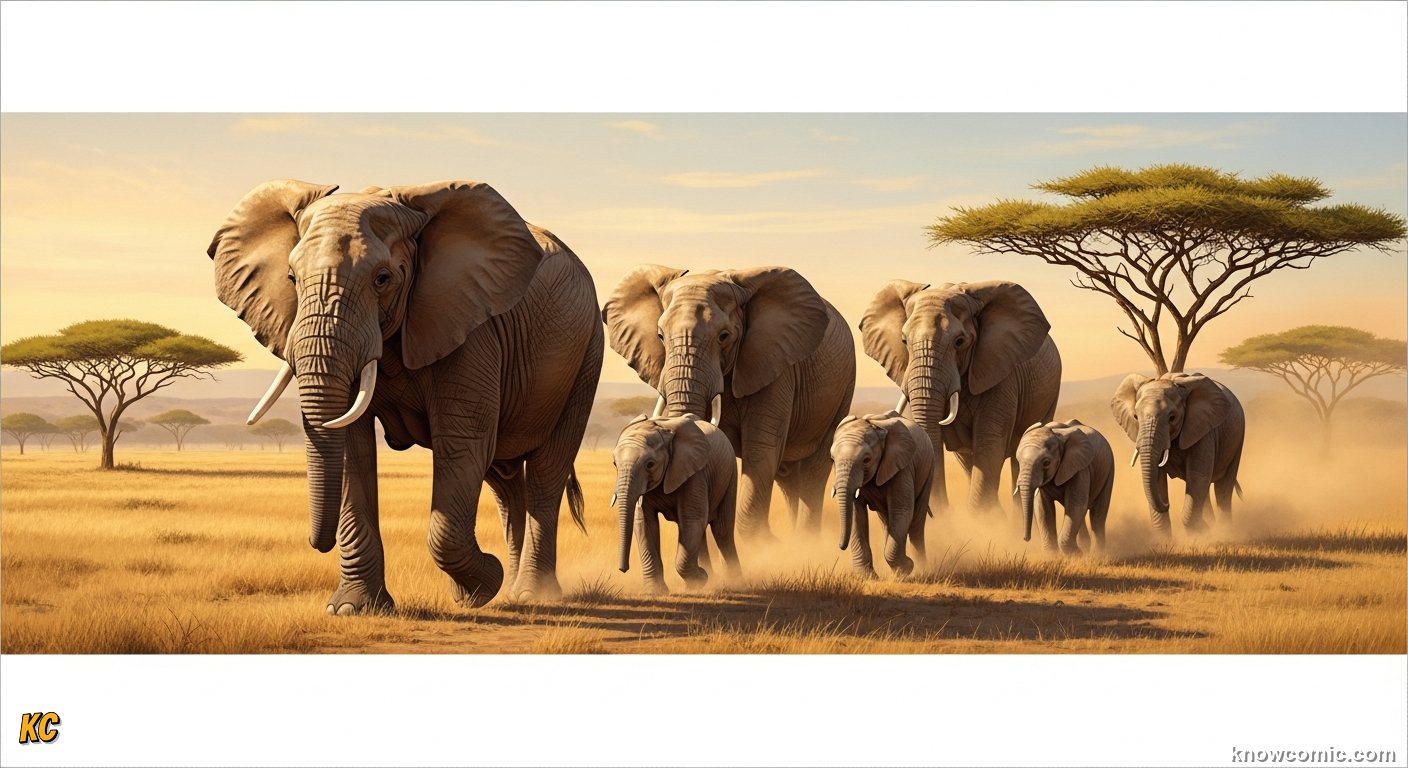
BIGGEST ON LAND
African elephants are the heaviest land animals alive, a bull can exceed six tonnes, yet they move in near silence. Life revolves around a female-led herd: related mothers, sisters, aunts, and young. Grandmother elephants matter, the oldest one often guides the group to water in drought years, because she remembers what younger elephants have never seen.
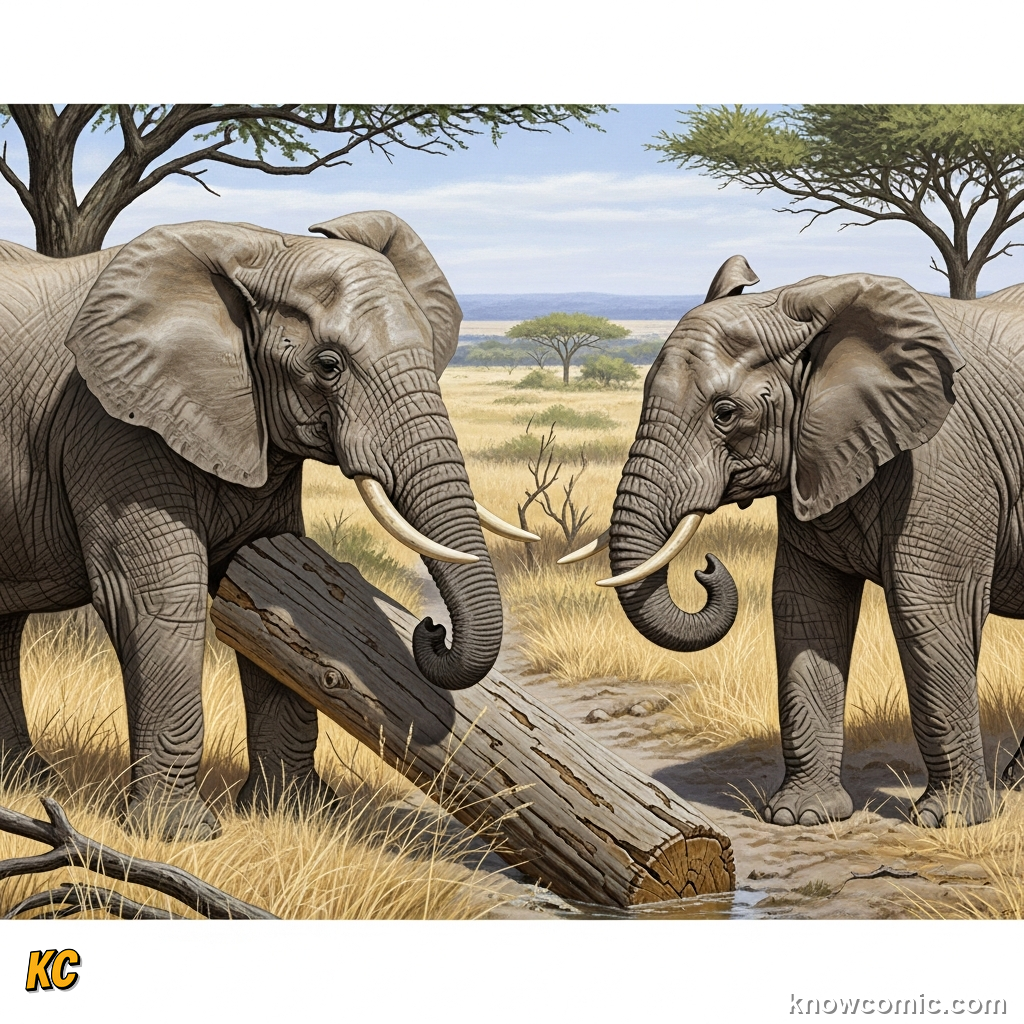
A trunk is a nose, hand, shower, snorkel, and bugle all in one. With more than 40,000 muscles, it is the most skillful tool in the entire mammal world.
SCALE
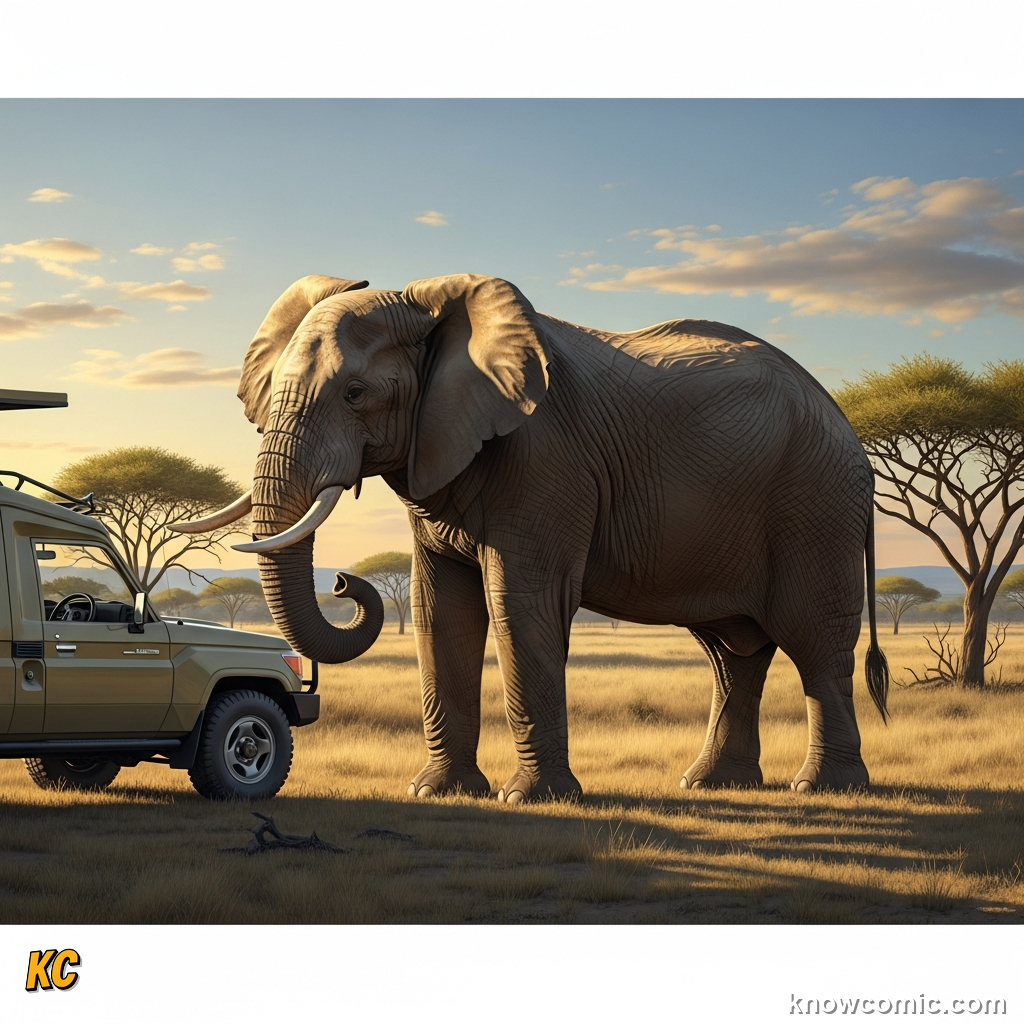
Shoulder 2.5–4 m
Pregnancy ~22 months
Calves 90–120 kg at birth
Pregnancy ~22 months
Calves 90–120 kg at birth
TRUNK
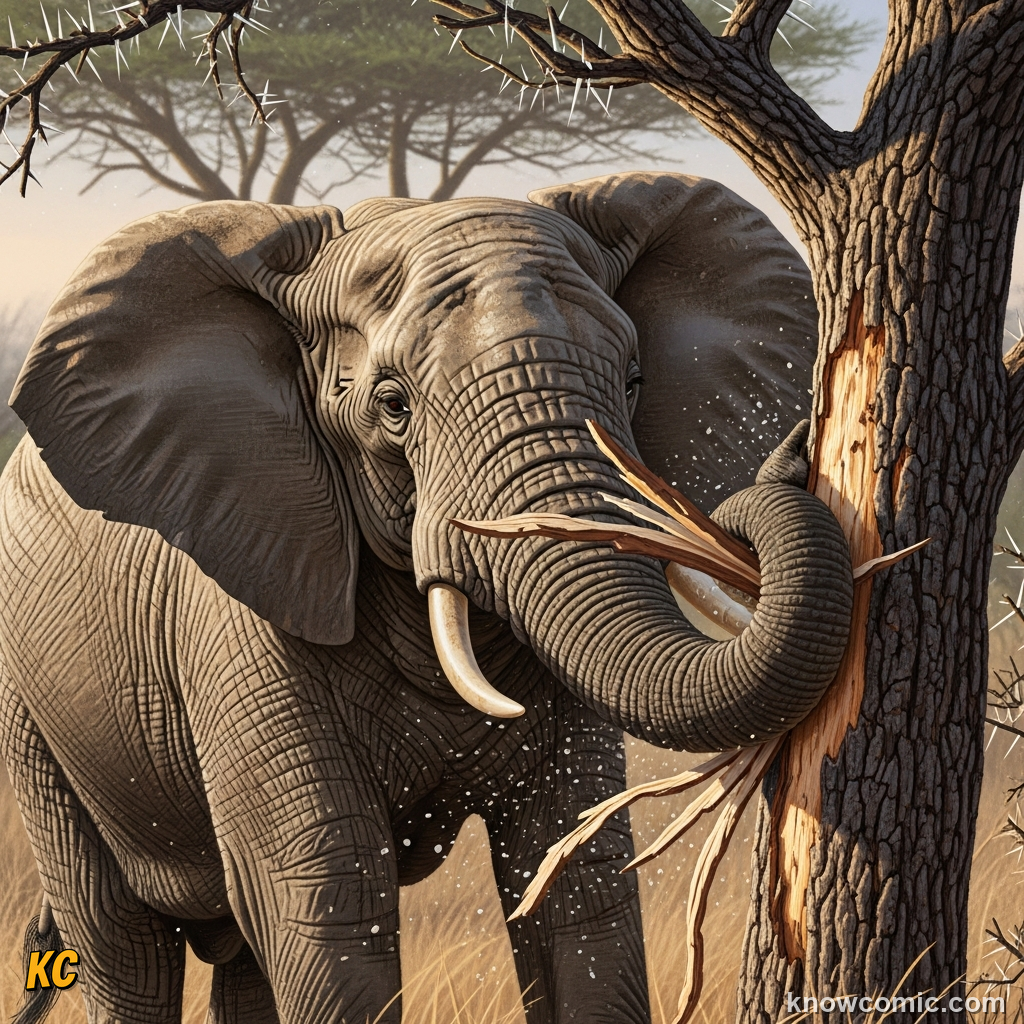
Pull grass · Lift logs
Suck & spray water · Hug friends
Suck & spray water · Hug friends
PAGE 2 OF 5, BRAINS THAT REMEMBER
INFRASOUND
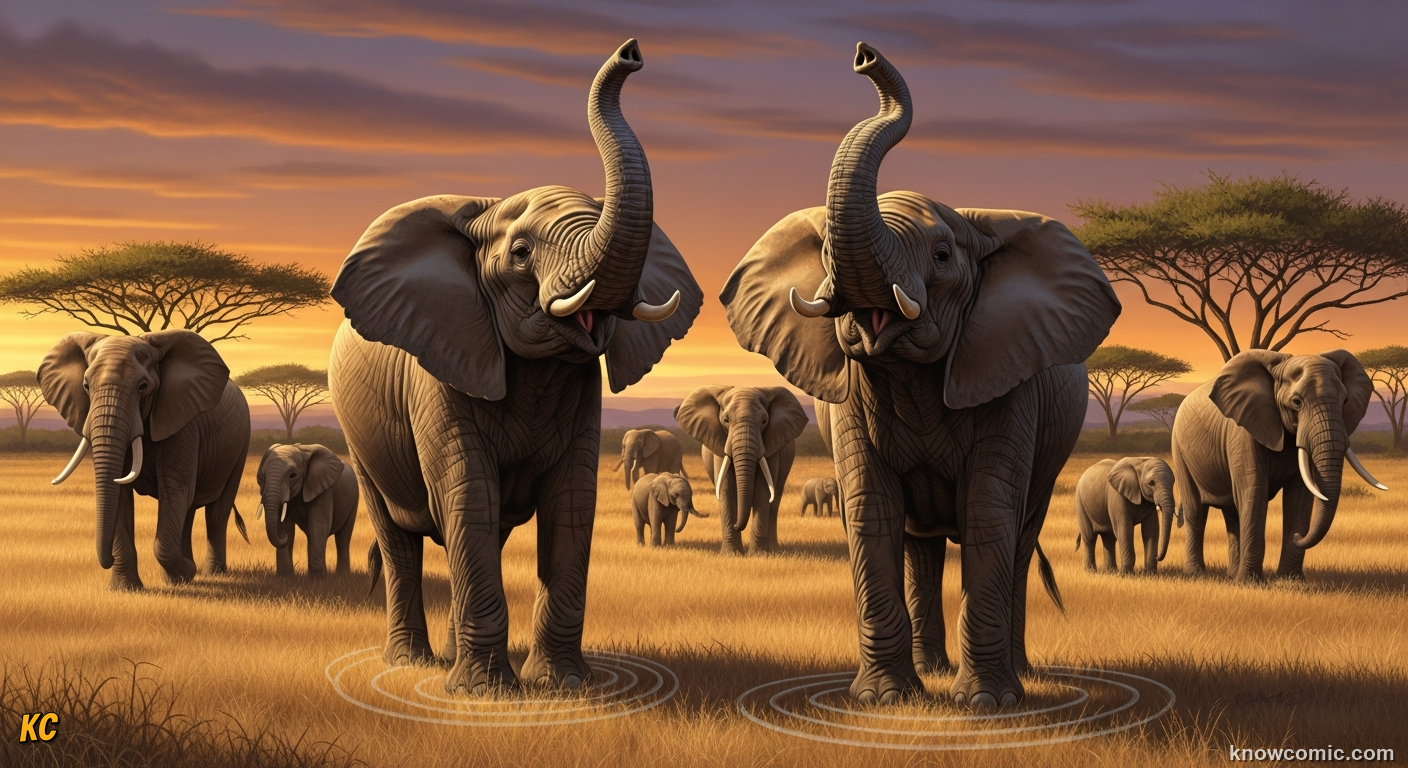
RUMBLES TOO DEEP FOR HUMAN EARS
Elephants talk through the ground. Low-frequency rumbles travel for kilometres, carrying news about food, water, and danger. Herds coordinate without shouting across the savanna. Laboratory tests show they recognise patterns, cooperate to solve problems, and, famously, pass the mirror self-recognition test like great apes and dolphins. That is a rare mark of self-awareness.
Their brains are huge, the largest of any land mammal, packed with the hardware for long-term social memory.
COGNITION
Cortex for planning · Grief & joy recorded
TEAM
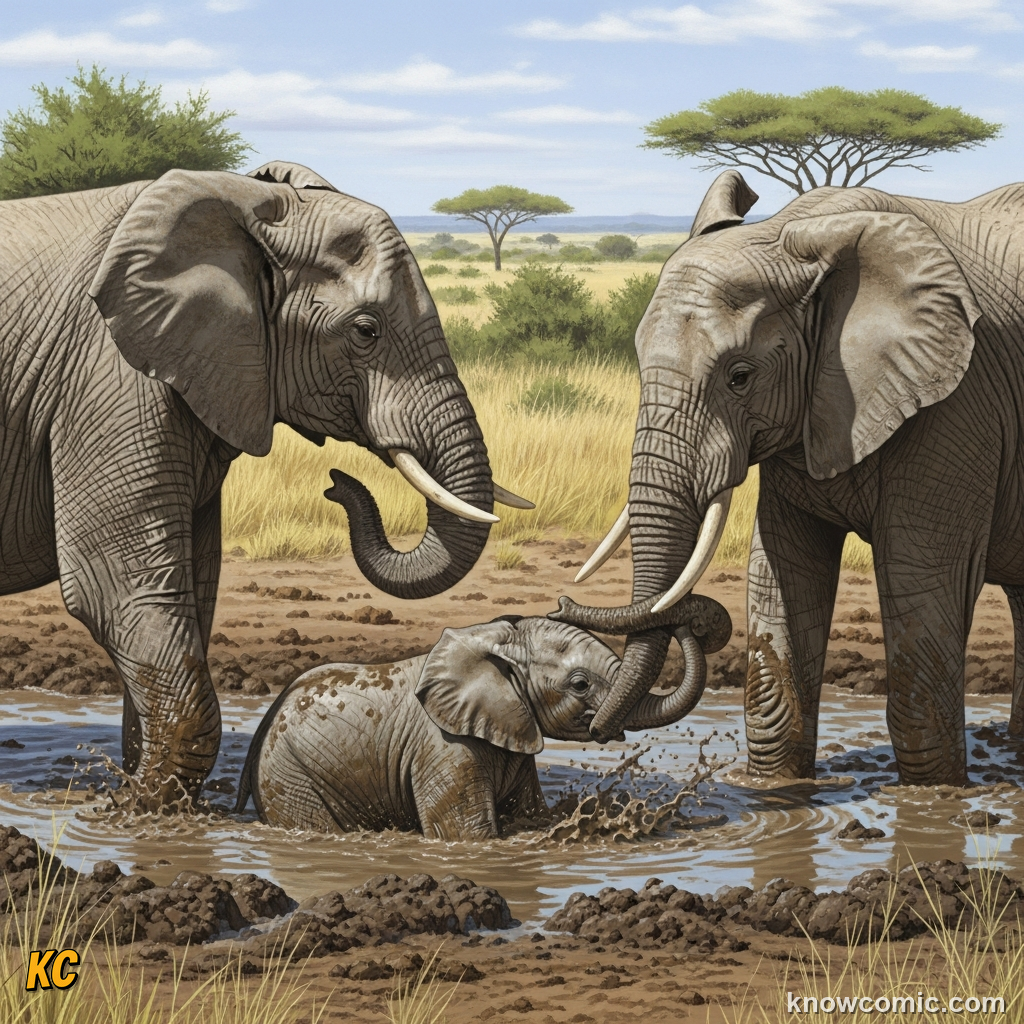
Help calves · Guard injured · Share skills
EARS
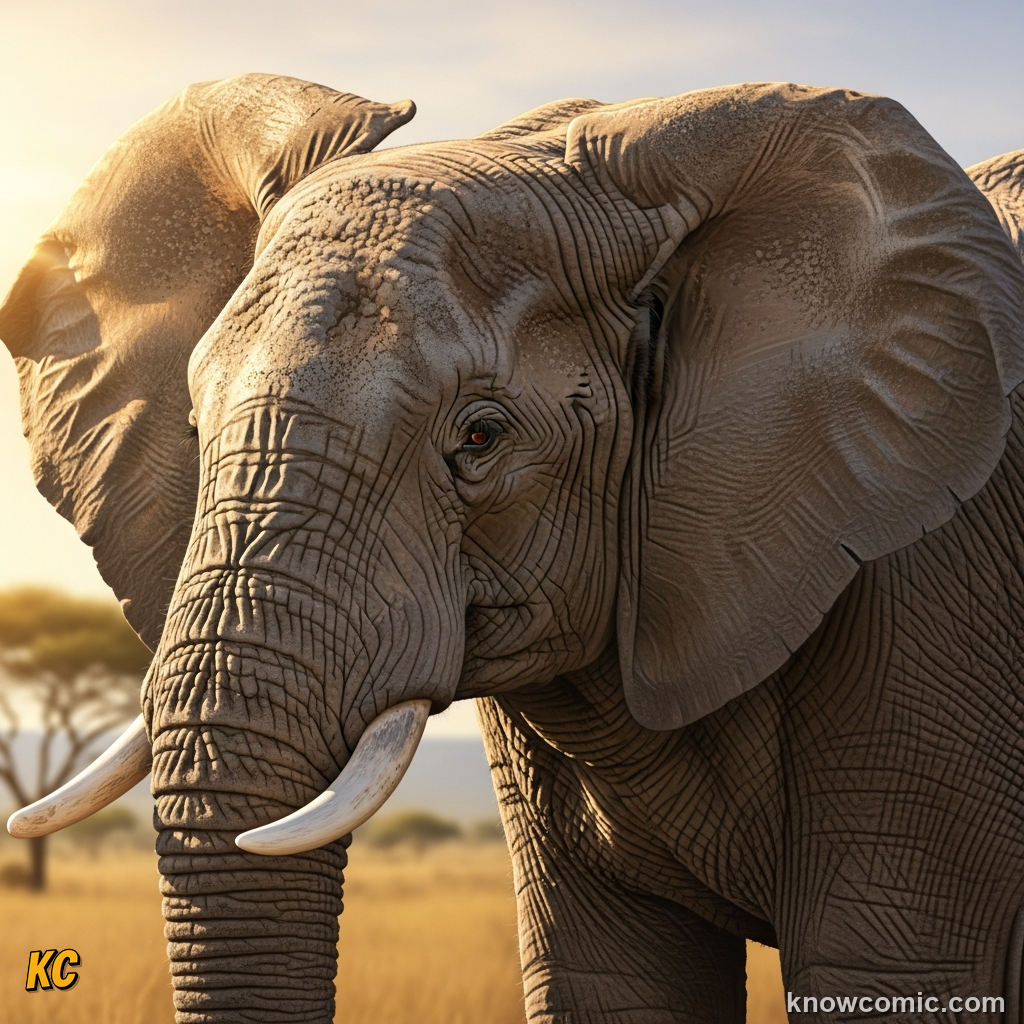
Pinpoint rumbles · Cool blood (Africa)
PAGE 3 OF 5, THE MATRIARCH'S MAP
LEADER
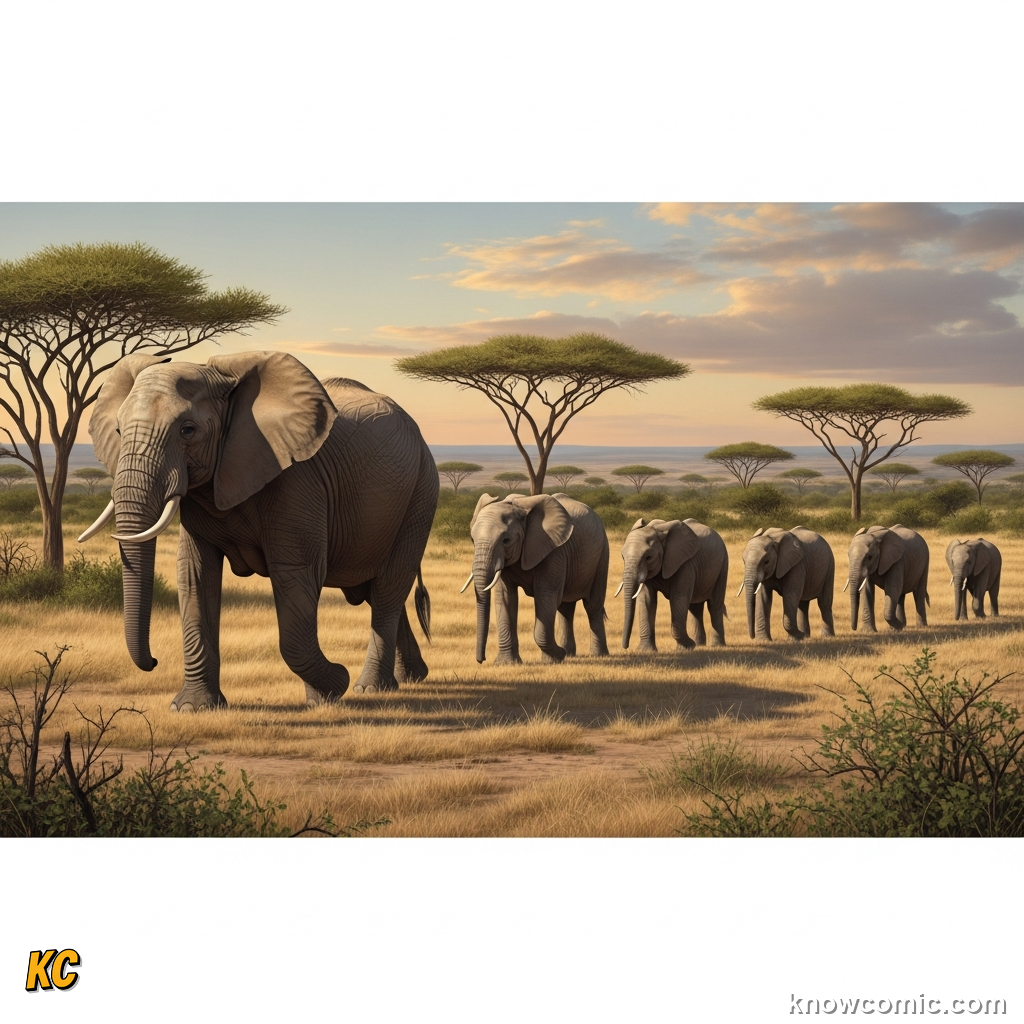
Elder sets pace · Stops when risk is high
WATER
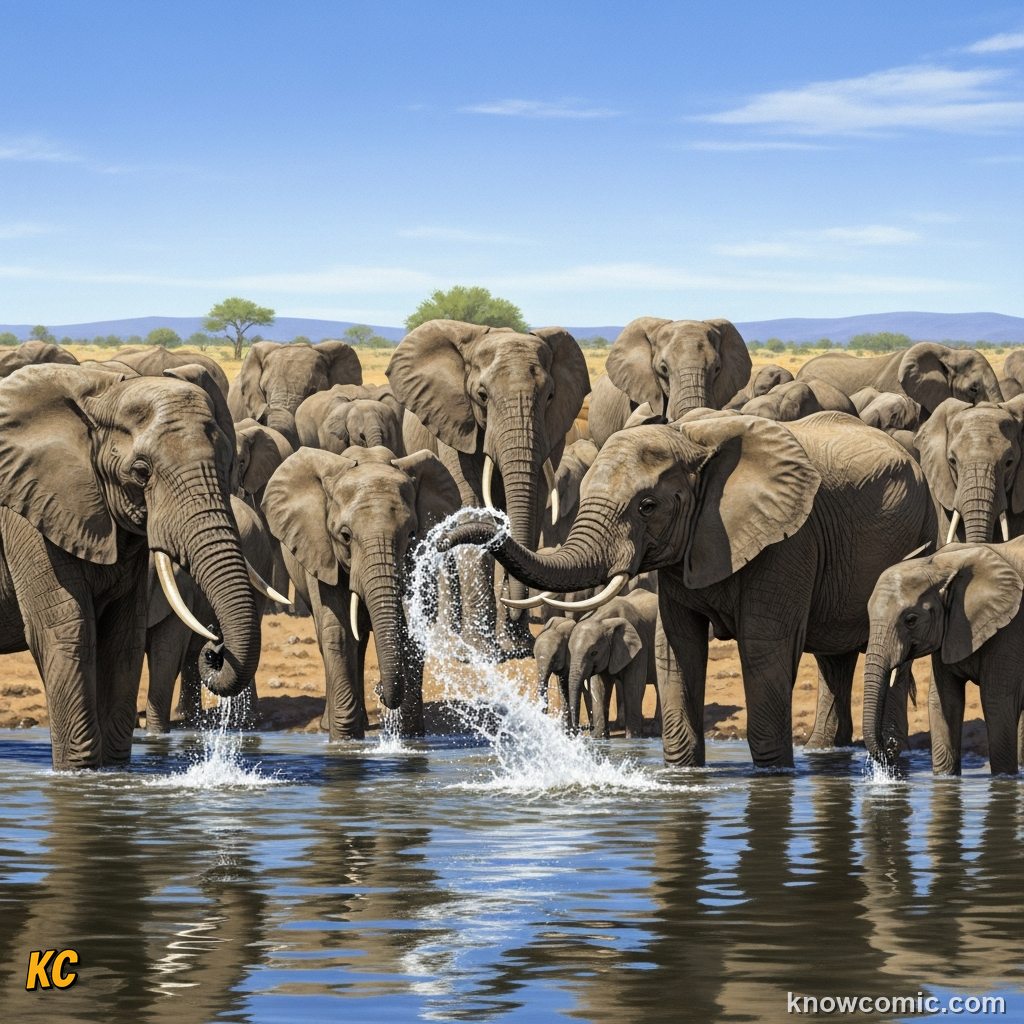
Remember dry-season pans · Walk miles to drink
ON THE MOVE
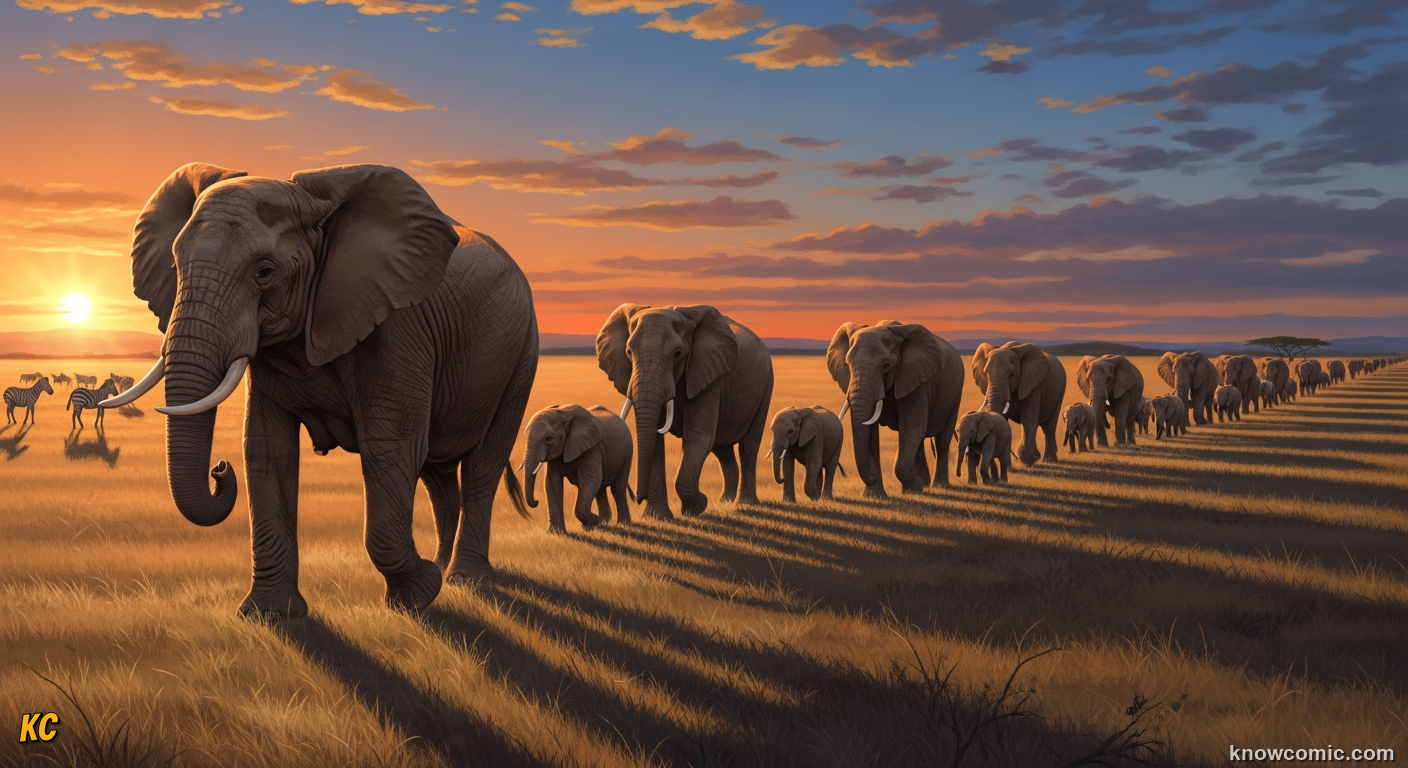
ECOSYSTEM ENGINEERS
By knocking trees, digging for minerals, and spreading seeds, elephants reshape the landscape for other species. A savanna with elephants has different grass, different termites, different birds. Remove them and the system tips, a reminder that saving elephants is never about one species alone.
A herd isn't traffic, it is a living library of where to walk when the world goes dry.
PAGE 4 OF 5, HEART, NOT JUST HEAD
BONDS
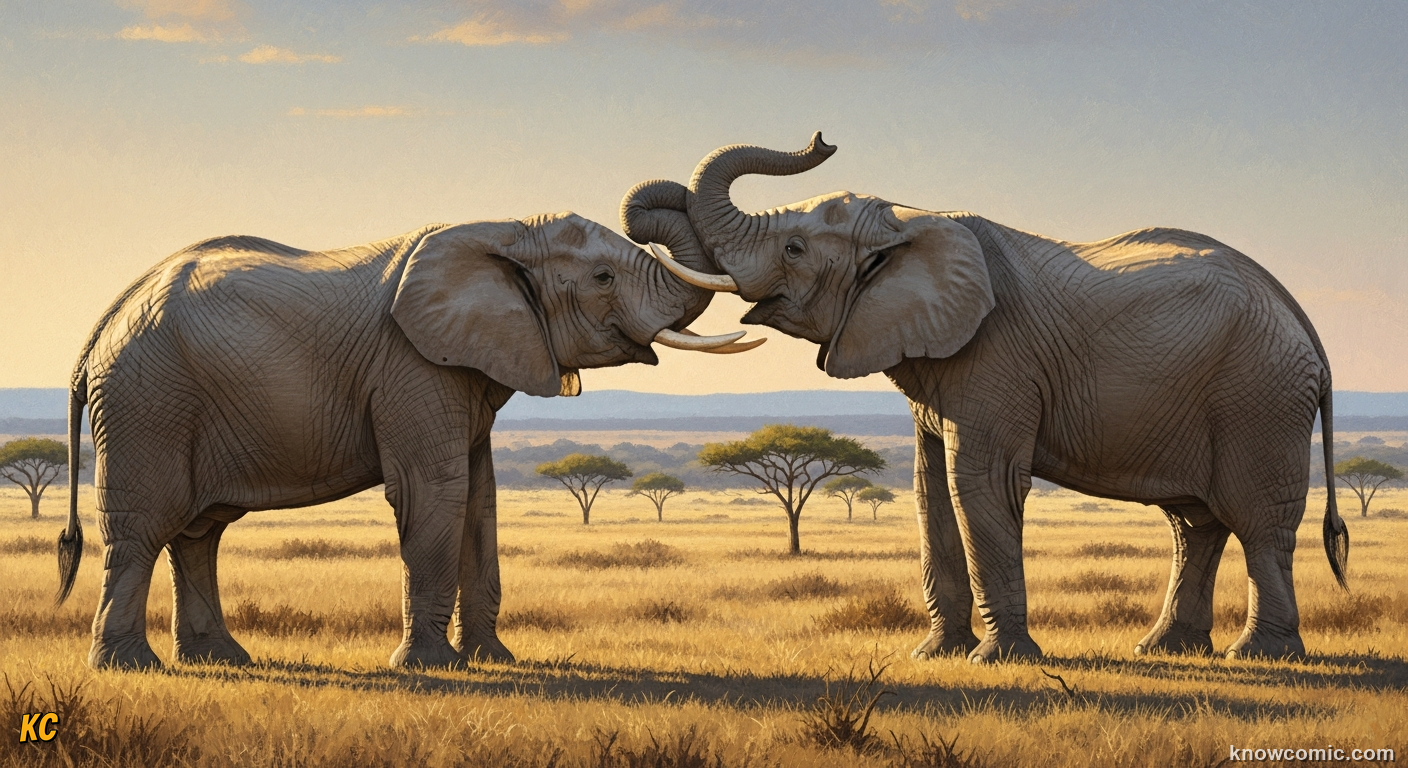
EMPATHY IN THE BUSH
Field biologists have watched elephants stand quietly near dead relatives, touch bones gently with trunks, and help stranded calves. "Allomothers", aunties in the herd, babysit, teach, and protect. The emotional life of an elephant is not a human fairy tale; it is what long memory plus tight families produce.
🧪 SCIENCE SAYS
Stress hormones spike when a close partner dies, a physiological echo of loss, similar in pattern to other highly social mammals.
AUNTIES
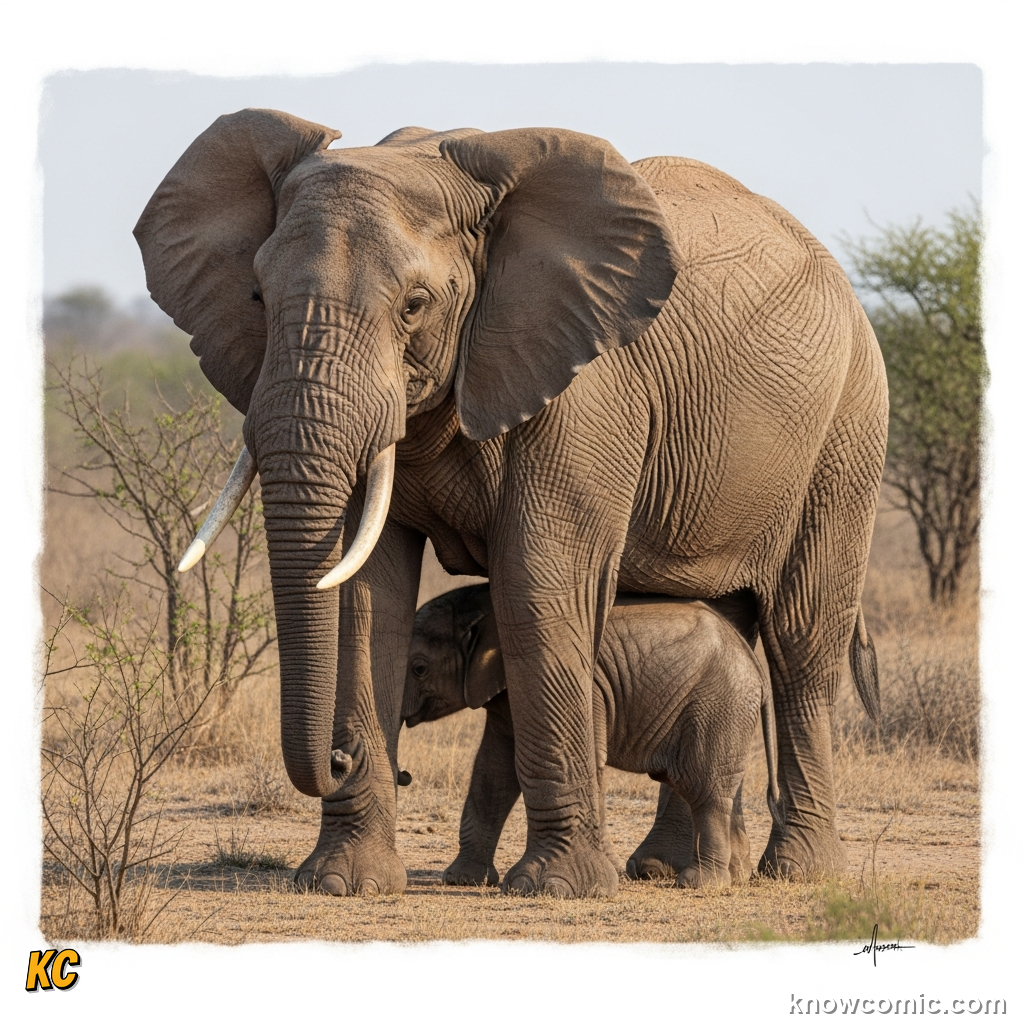
Babysit · Teaches trunk skills
CALVES
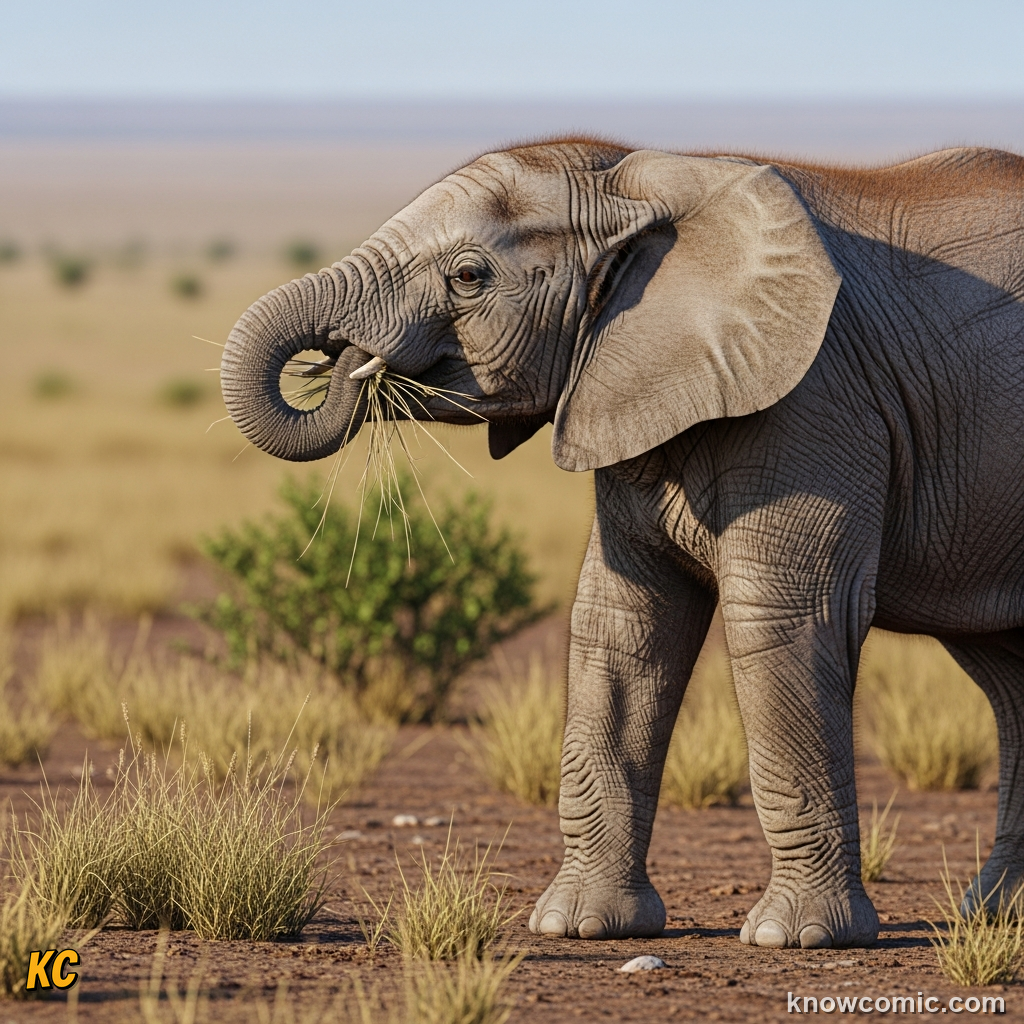
Years to master trunk
SEEDS
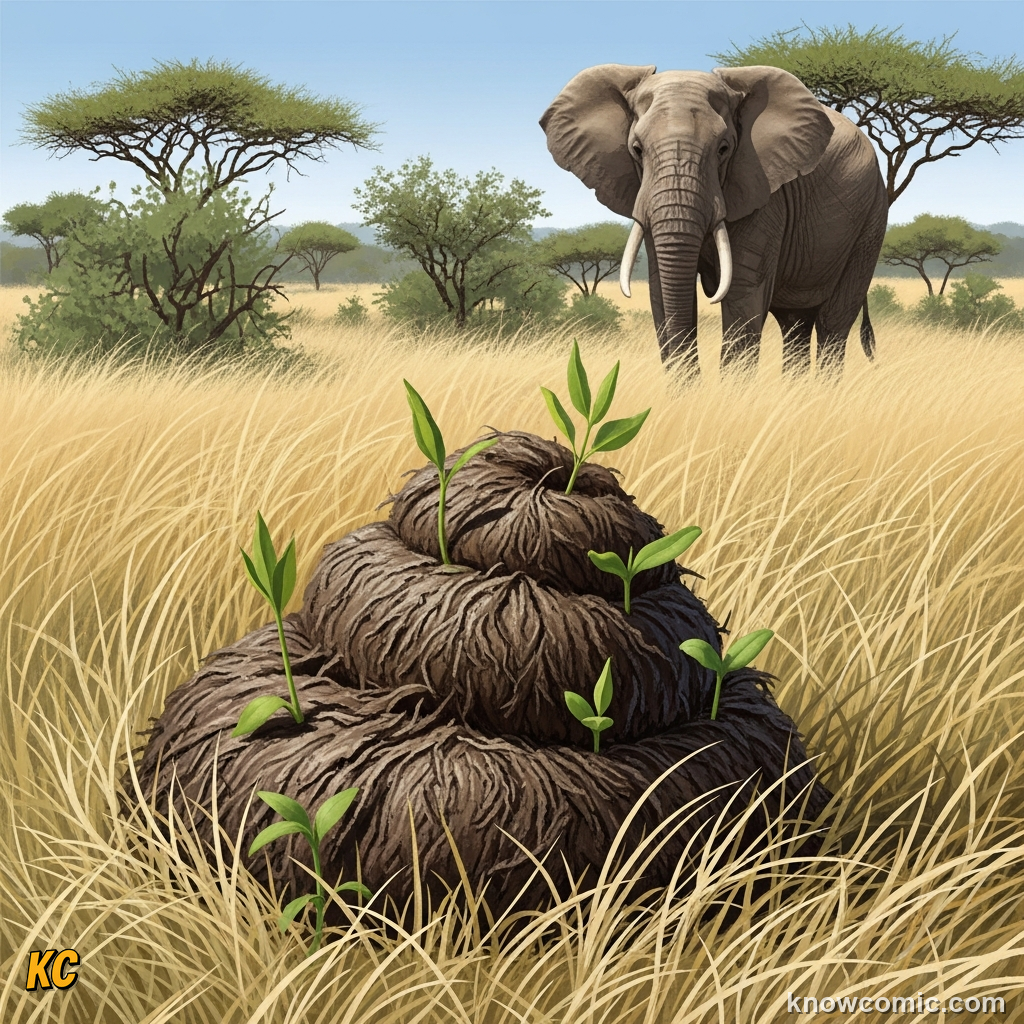
Dung = forest starter kit
PAGE 5 OF 5, THE IVORY SHADOW
CRISIS
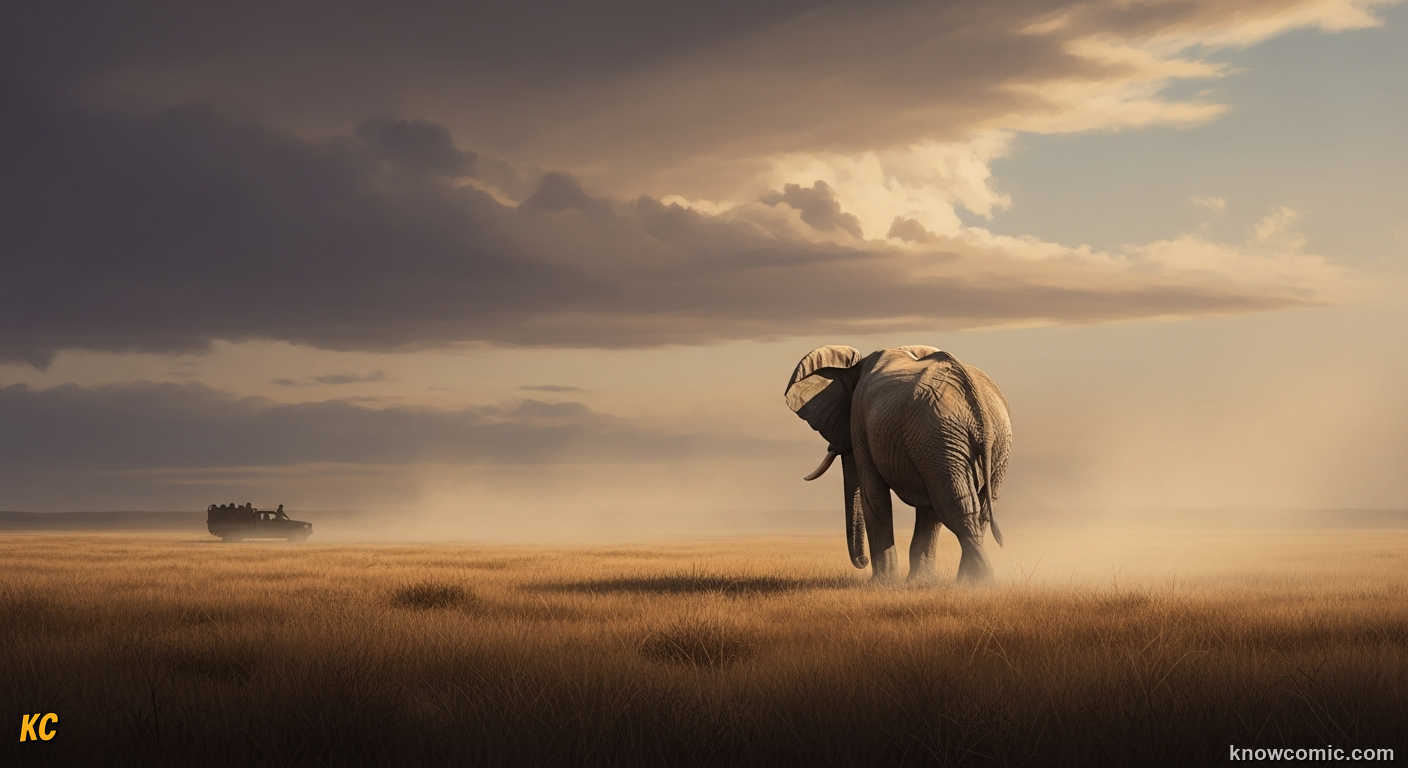
HISTORY REPEATED
A century ago, millions of African elephants roamed the continent. Commercial ivory hunting slashed their numbers. Habitat fragmentation, farms, roads, fences, now traps herds away from old migration routes. Human–elephant conflict rises when crops sit beside ancient trails. Poaching for ivory is illegal worldwide, yet black markets still kill tens of thousands of elephants each decade.
Tusks are teeth, you cannot take ivory without shattering a family, a herd, and a landscape.
KEYSTONE
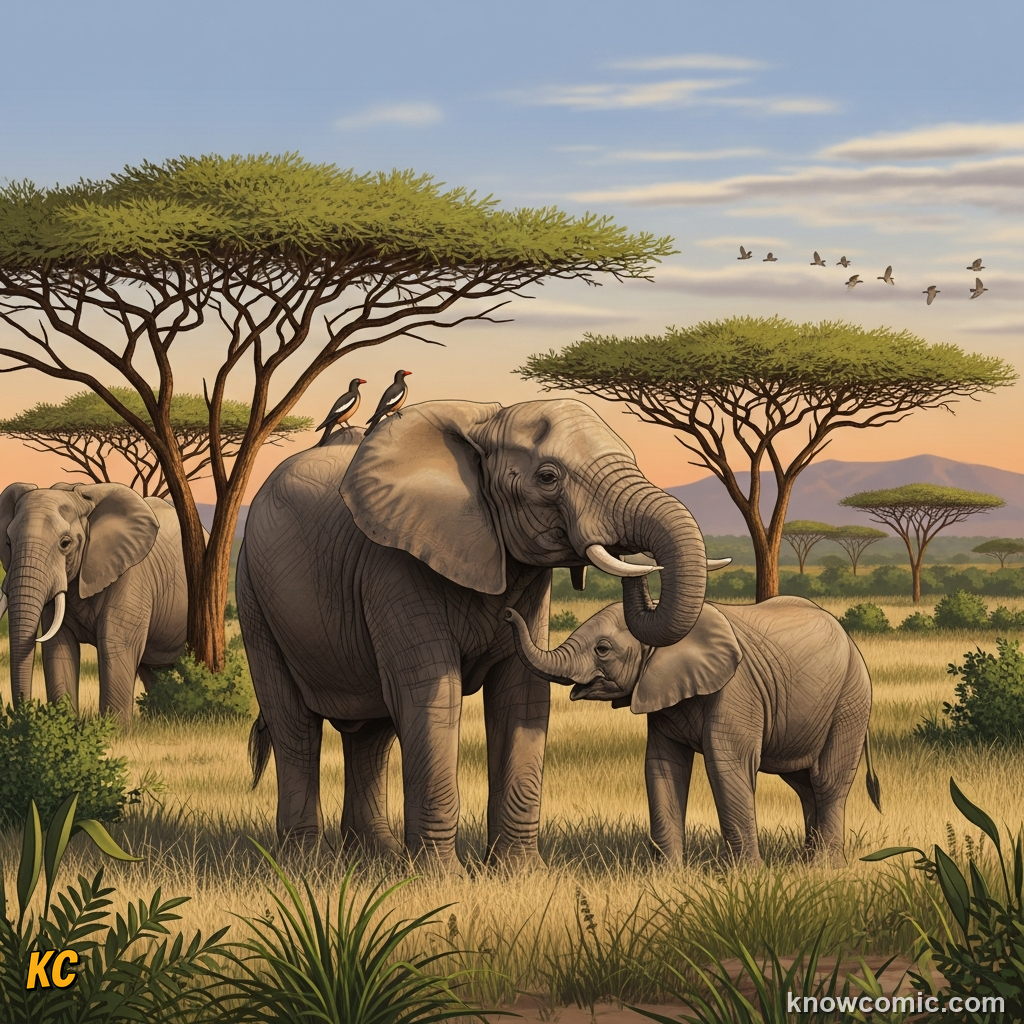
Habitats + tourism + balance
HOPE
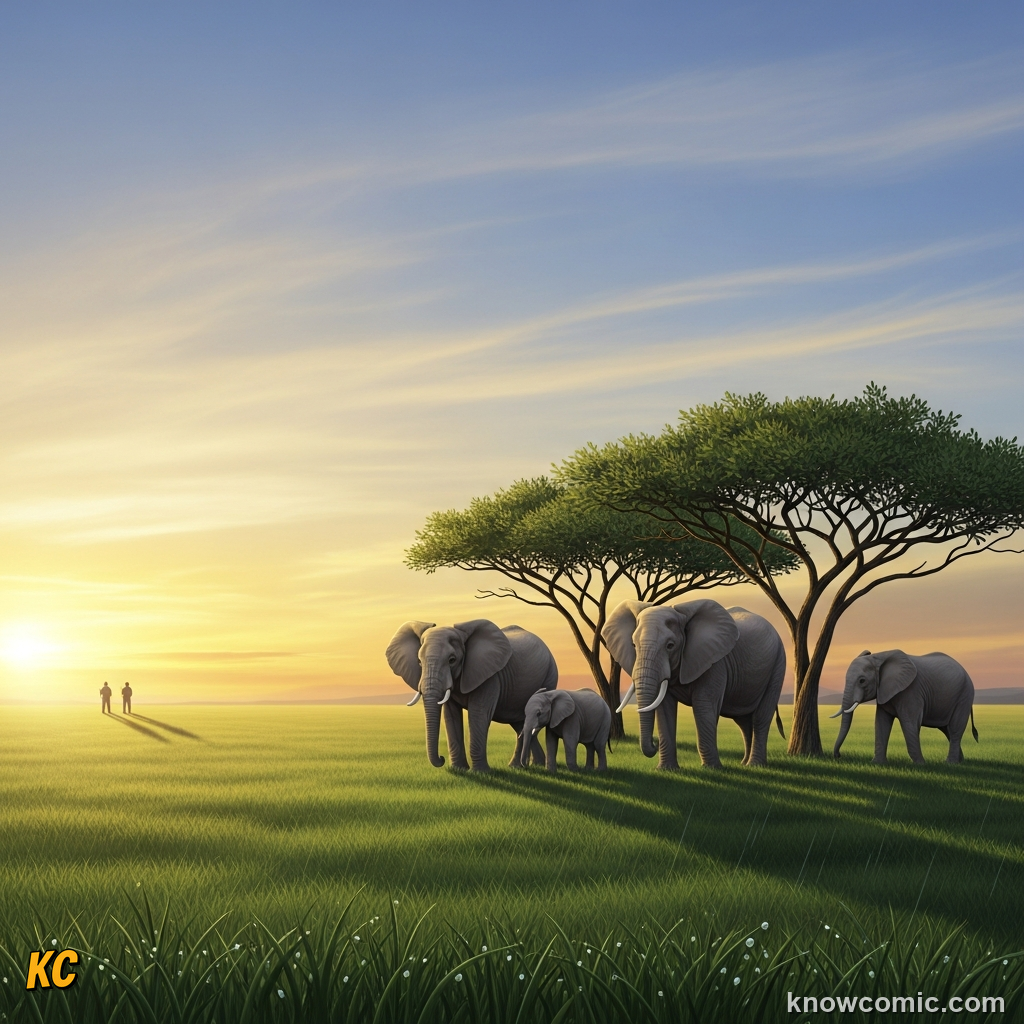
Parks · Corridors · Community wins
🧠 QUIZ TIME!
ELEPHANT: THE MEMORY GIANT · 5 QUESTIONS
QUESTION 01
Who usually leads a typical African elephant herd?
QUESTION 02
Why can elephants rumble across several kilometres?
QUESTION 03
In mirror tests, some elephants can —
QUESTION 04
What are elephant tusks made of?
QUESTION 05
A major reason African elephant numbers crashed in the 20th century was —
0/5
LOADING...