🐆 CHEETAH: FASTEST LAND ANIMAL
PAGE 1 OF 5, NATURE'S TOP-FUEL ROCKET
RECORD HOLDER
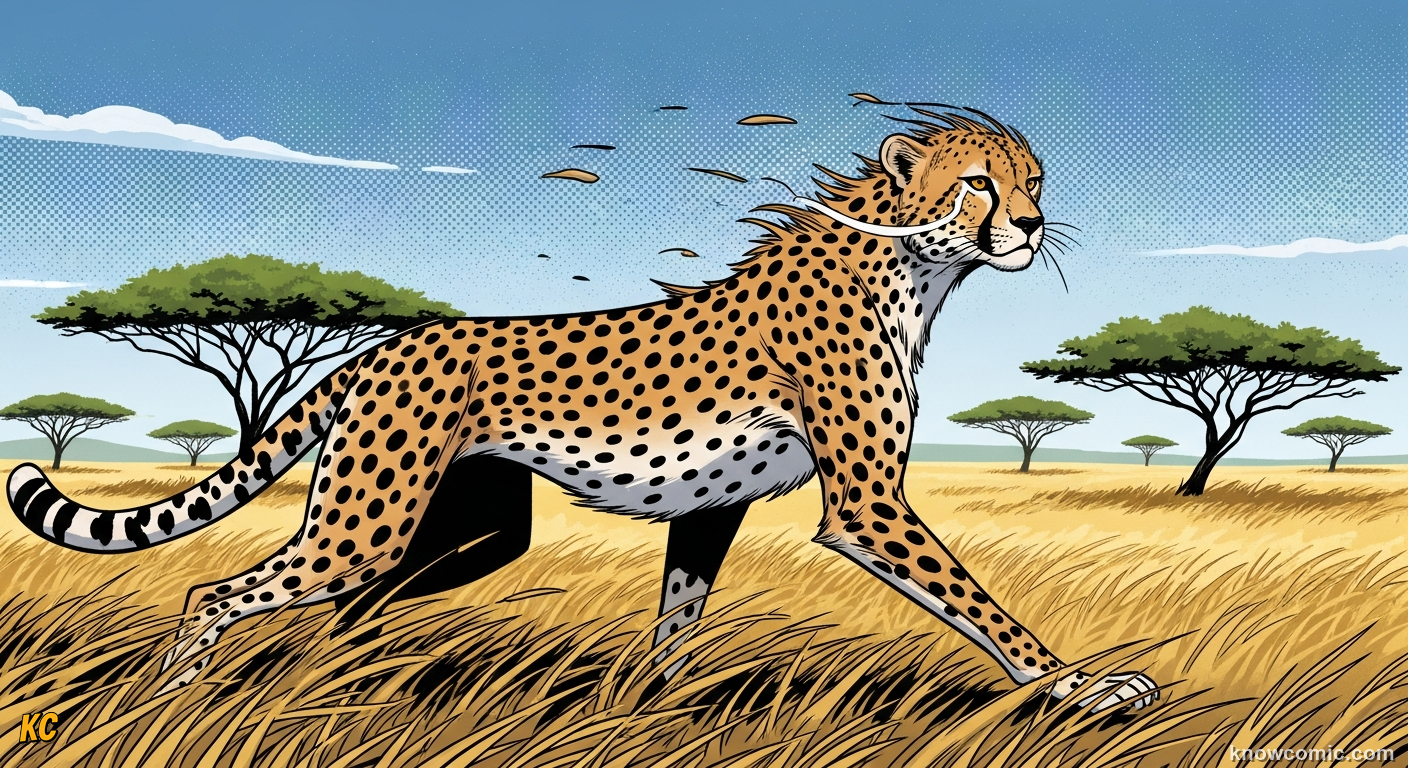
FASTEST ON FOUR PAWS
The cheetah, Acinonyx jubatus, is the fastest land animal we have clocked in the field, peak speeds around 100+ km/h (60+ mph) in short bursts. It is not built to wrestle hyenas or lions. Its job is to close distance before prey turns the next corner. Everything about the body, long spine, tiny round head, massive nasal passages, is tuned for acceleration, not armoured combat.
A racing cheetah is not "running like a dog", the gait is a flying gallop, all four feet off the ground twice per stride.
SPOTS
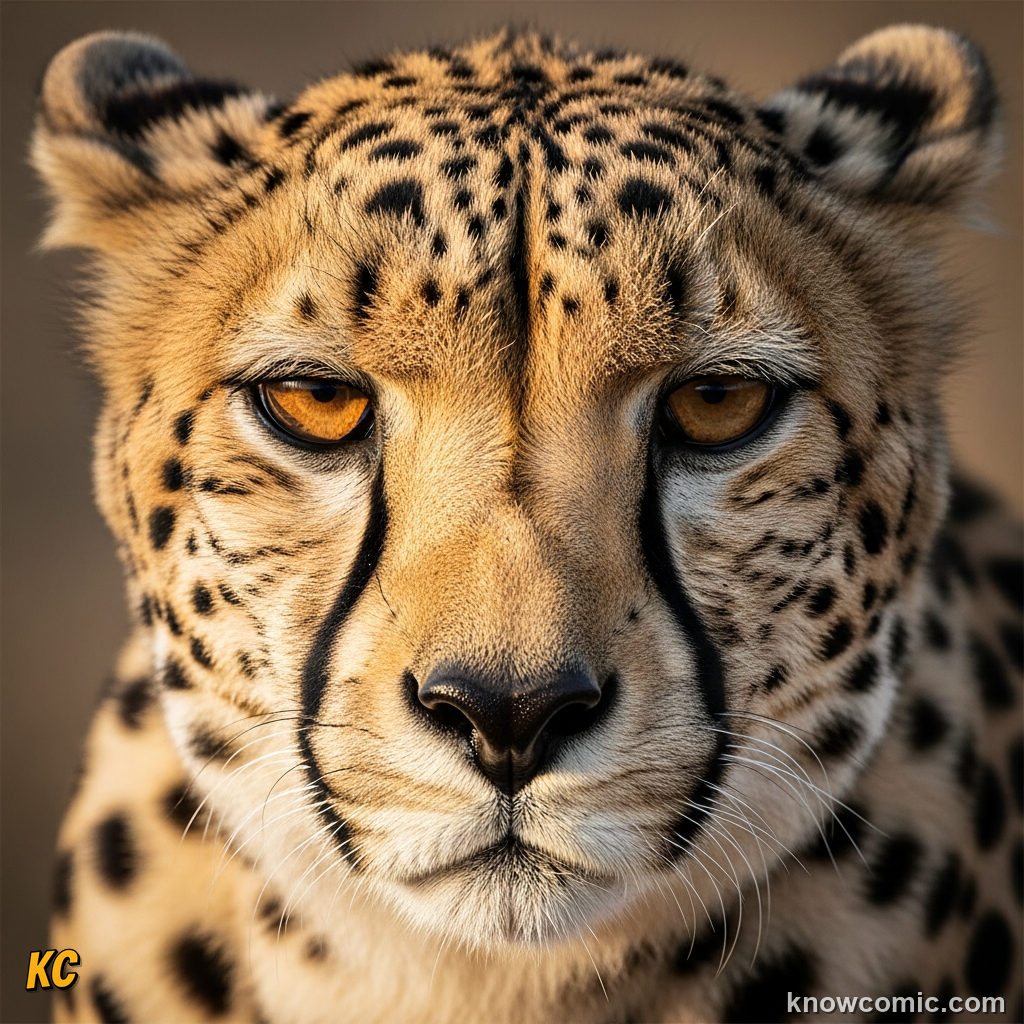
Every coat unique · Black "tear lines" cut sun glare
SLIM
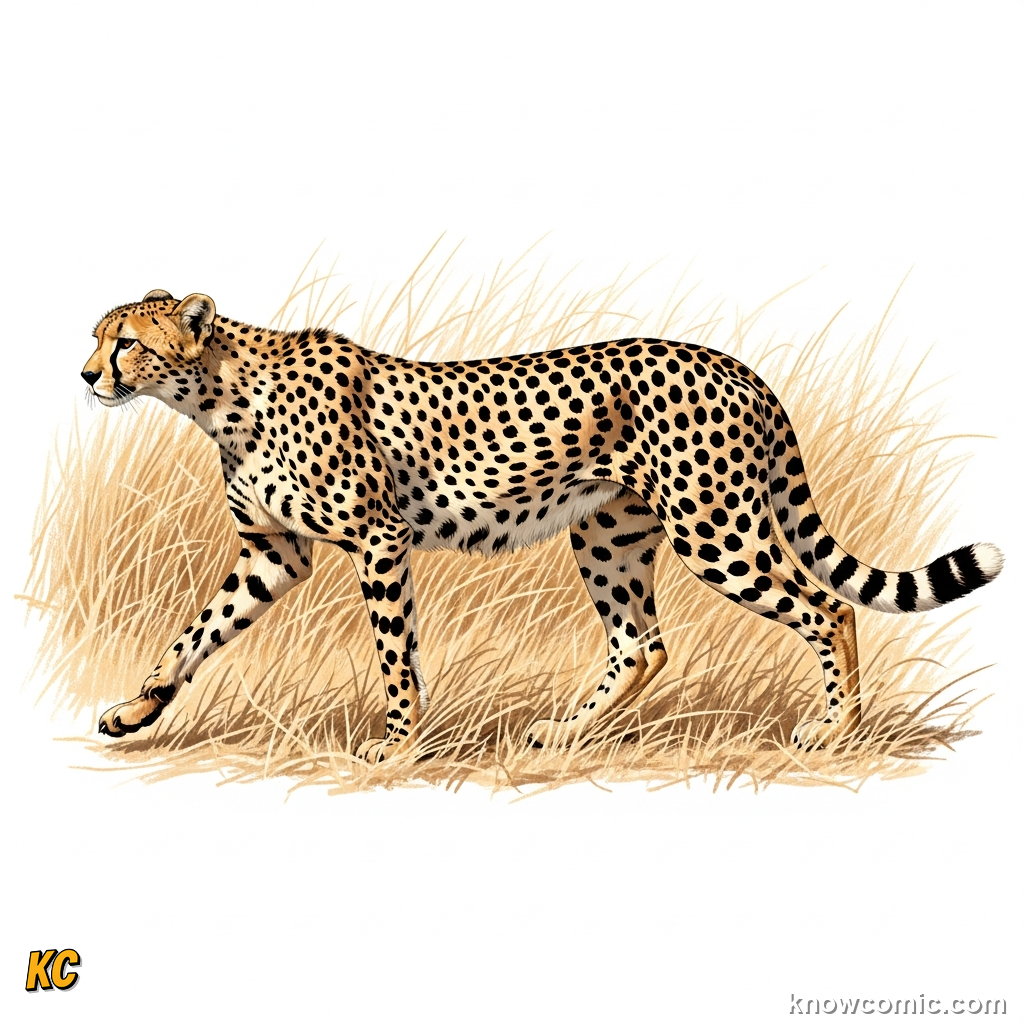
Light frame · Lighter than lion, speed over muscle mass
PAGE 2 OF 5, THE BIOLOGY OF SPRINT
BLUR MODE
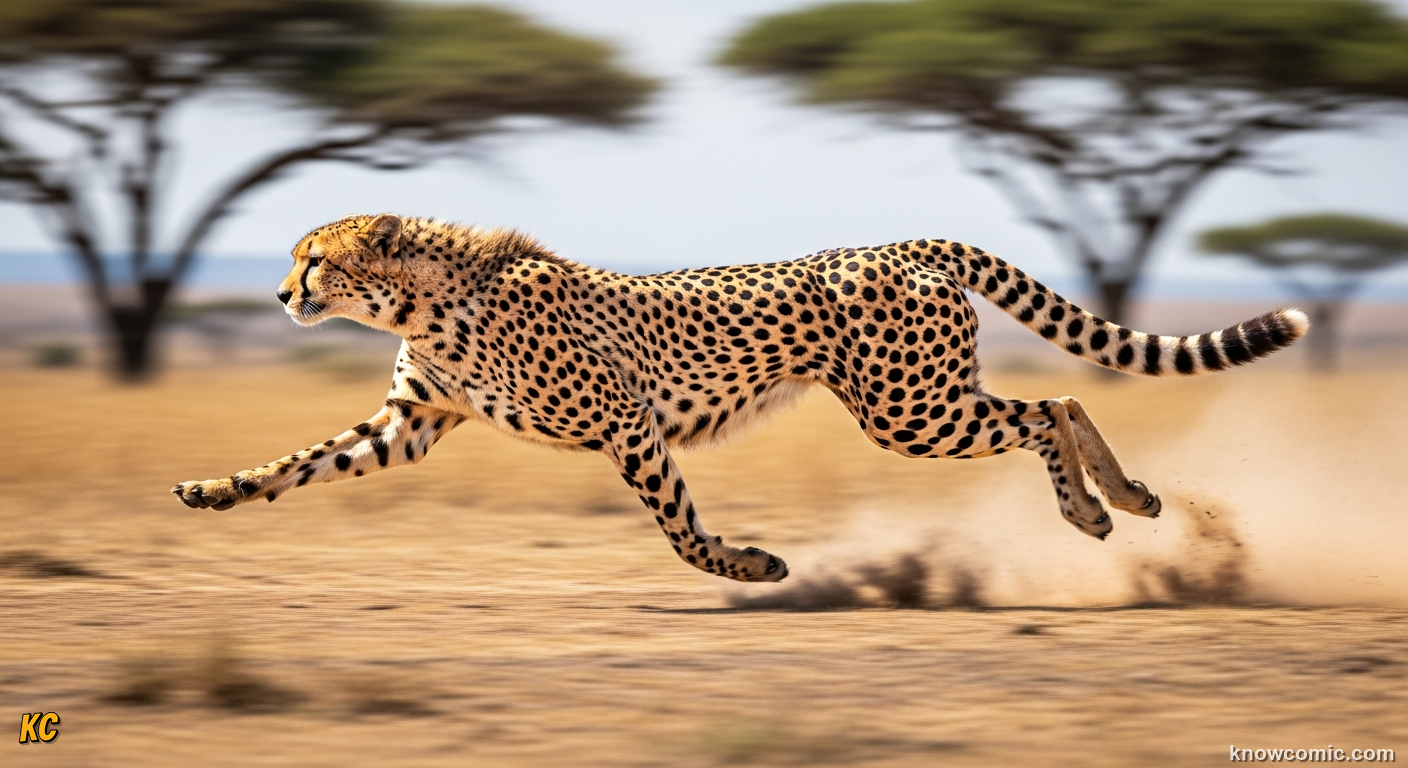
MINUTES OF GLORY, HOURS OF REST
A chase lasts ~20–60 seconds, then the cheetah is done. Core temperature rockets; muscles fill with heat. It must catch breath, cool down, and guard a kill before lions or hyenas arrive. This is the "terrible cost" of the headline speed: a life of all-or-nothing chases on an empty fuel tank, plus competition from bigger thieves.
Cheetah engines: enlarged heart, huge lungs, wide nostrils, a sprinter, not a marathon runner.
PUMP & BLOW
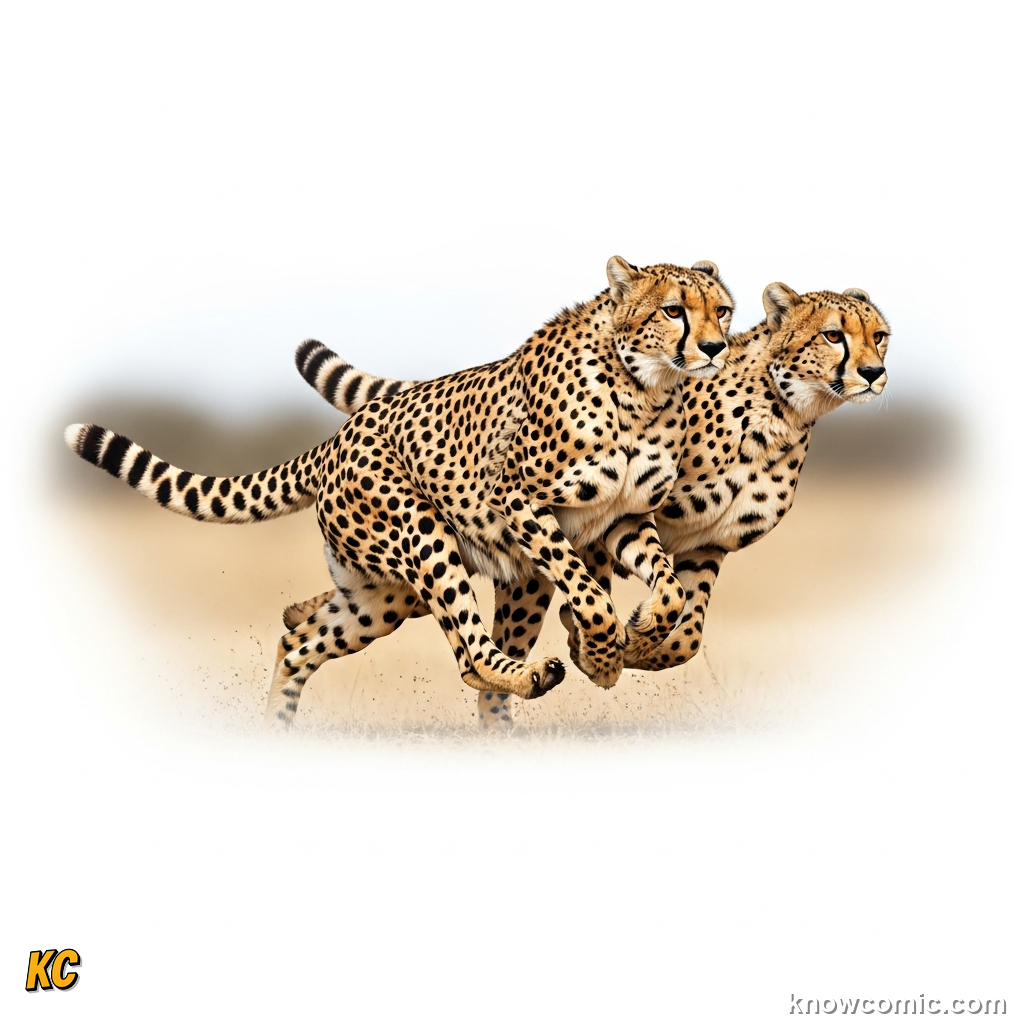
Heart & lungs shift oxygen fast
PAWS
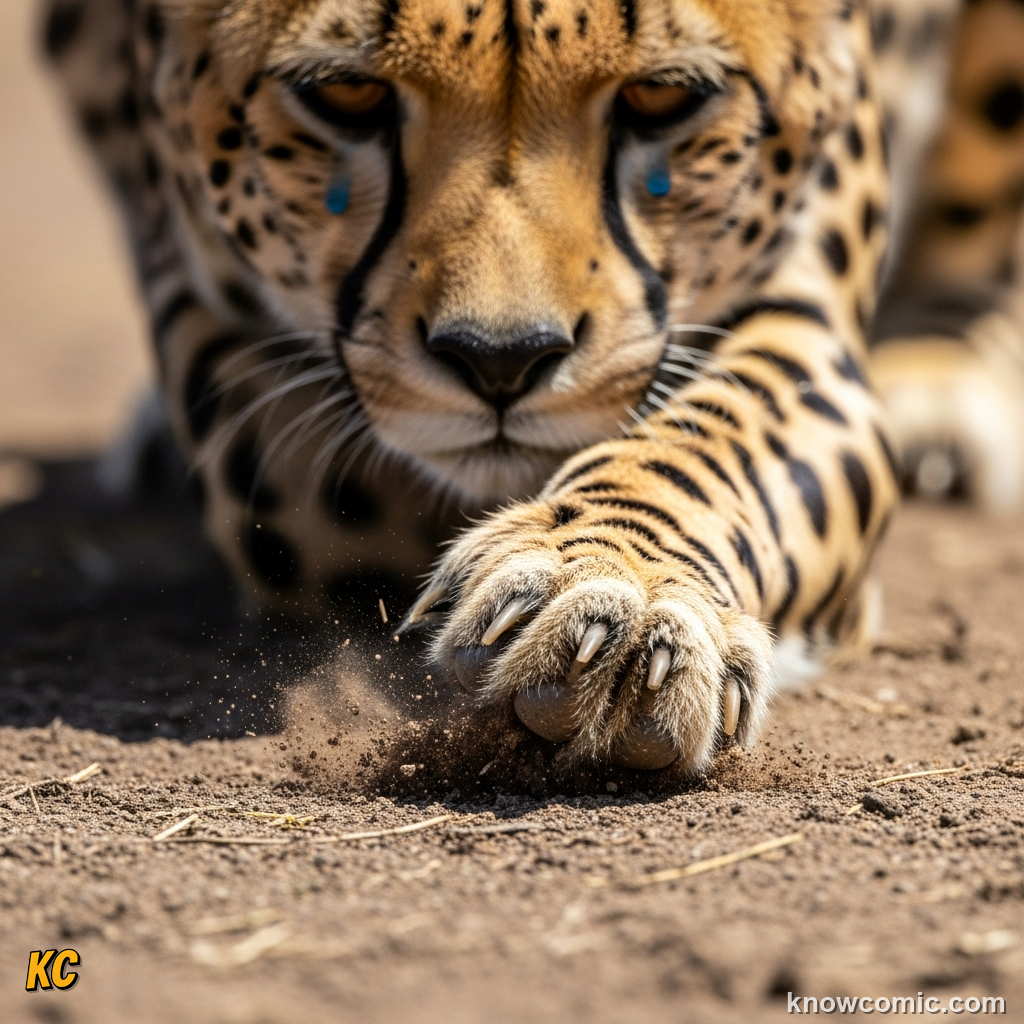
Semi-retractable claws = track spikes
RUDDER
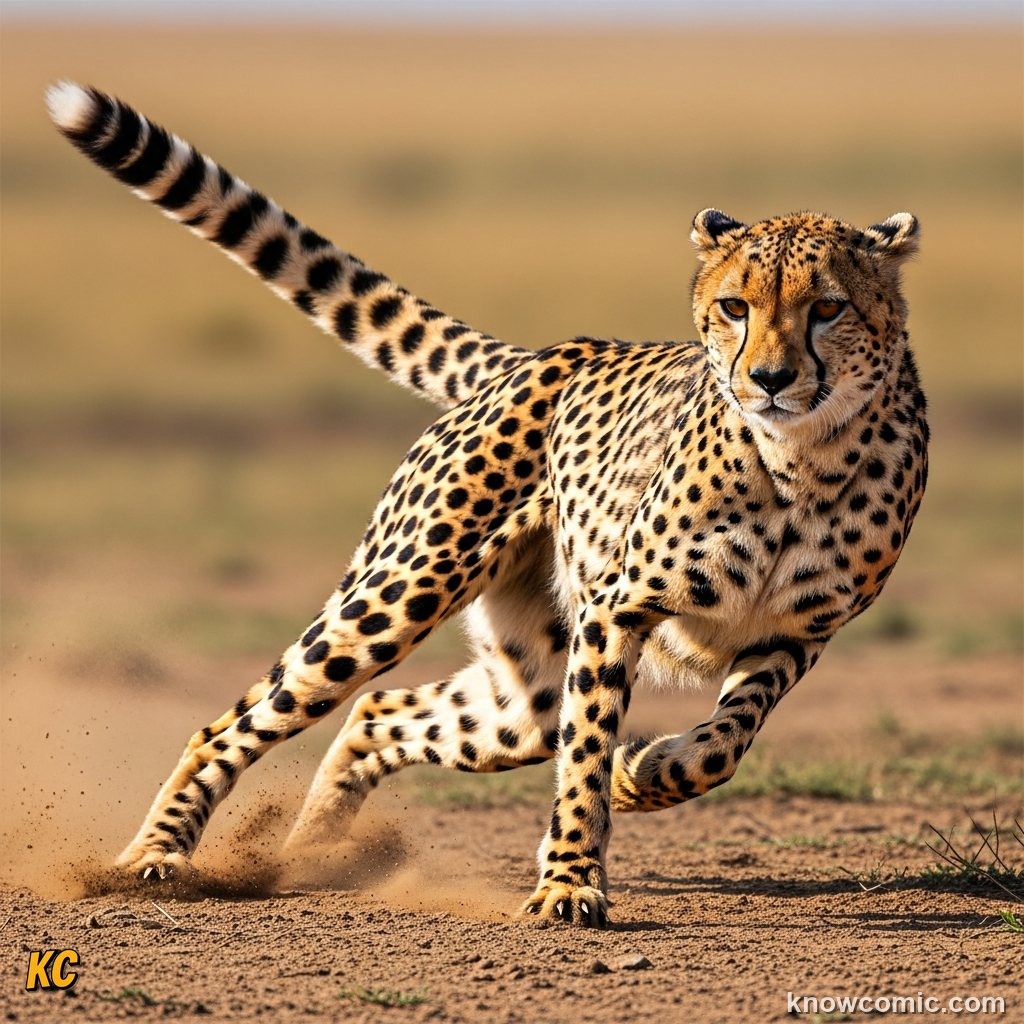
Long tail = balance at 100 km/h turns
PAGE 3 OF 5, HUNT, MISS, & STEAL
BROS
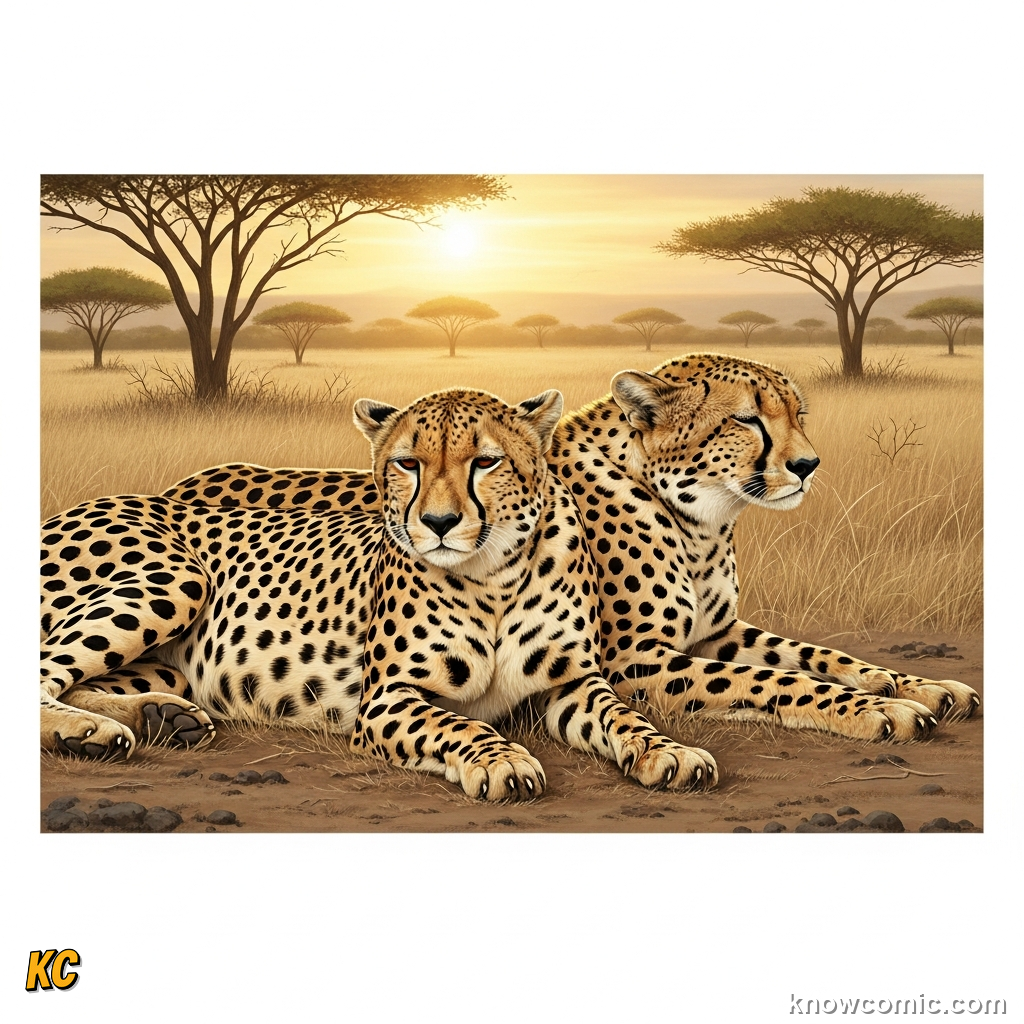
Male coalitions (often brothers) · Safer, bigger territory
HEAT
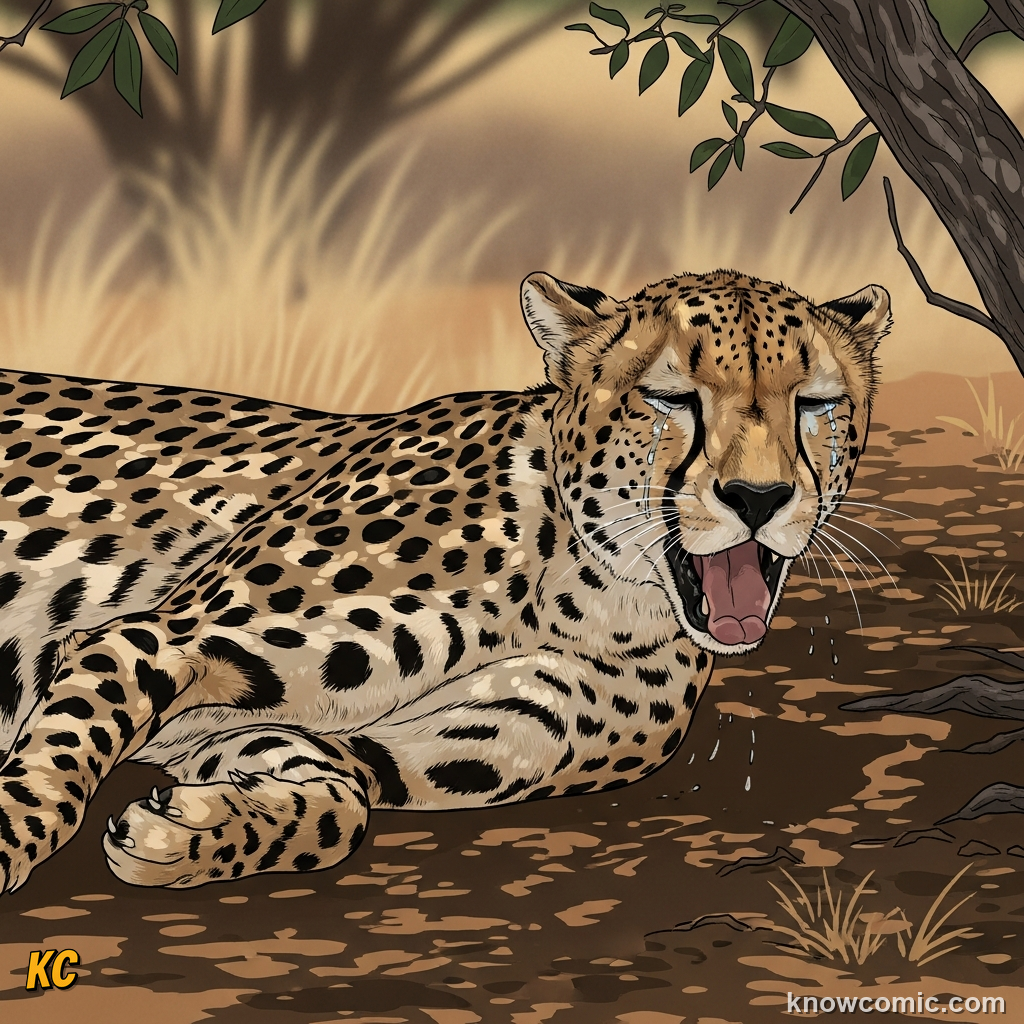
Panting · Midday = bad idea
CHASE SCENE
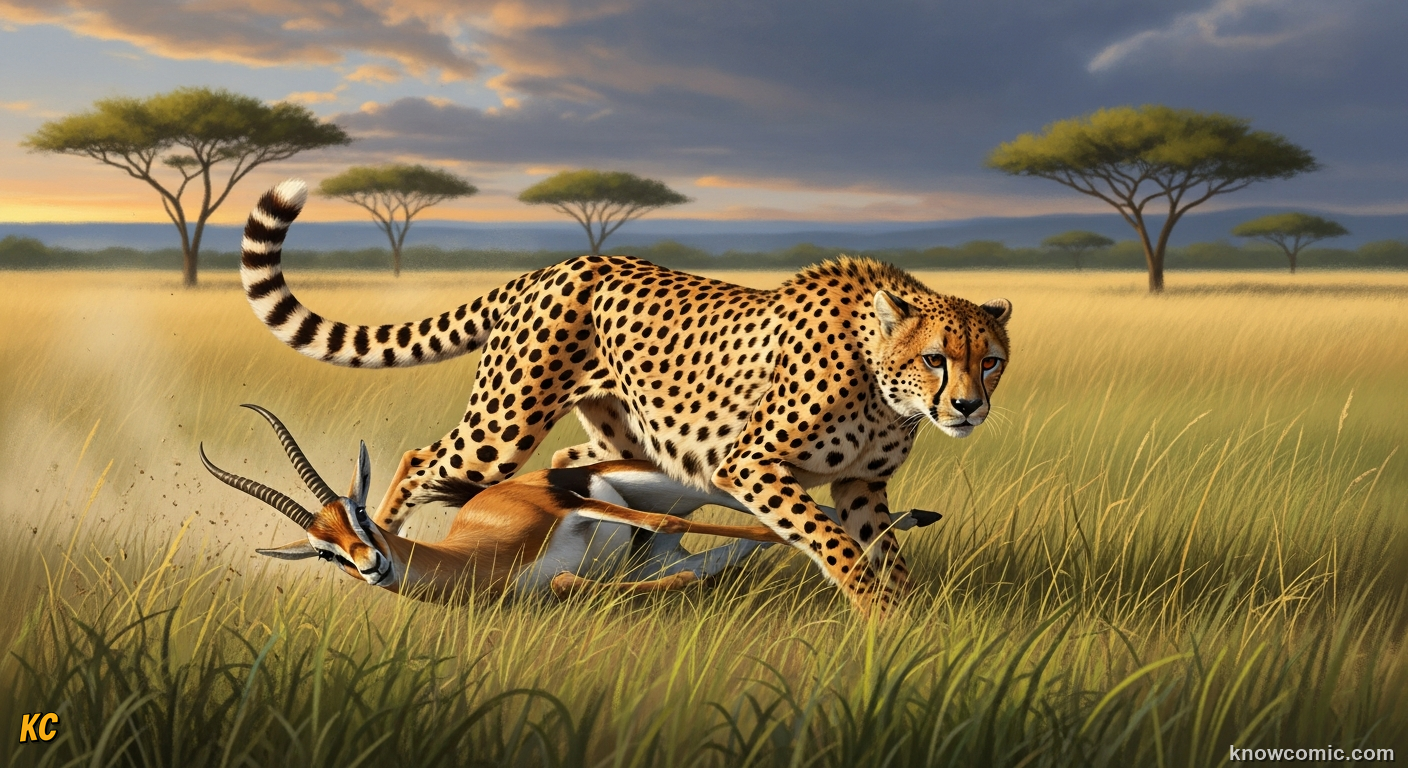
TRIP, NOT TACKLE
A cheetah trips small antelope with a hooking paw, then a throat bite, quick suffocation. Half of hunts fail when prey jinks at the last second. If it wins, the clock starts: vultures and rival predators read the commotion. The cheetah gulps meat fast, or loses lunch.
Cheetah vs gazelle: evolution's live-action game of "miss by a centimetre, starve for hours."
PAGE 4 OF 5, TINY CUBS, BIG RISKS
CUBS
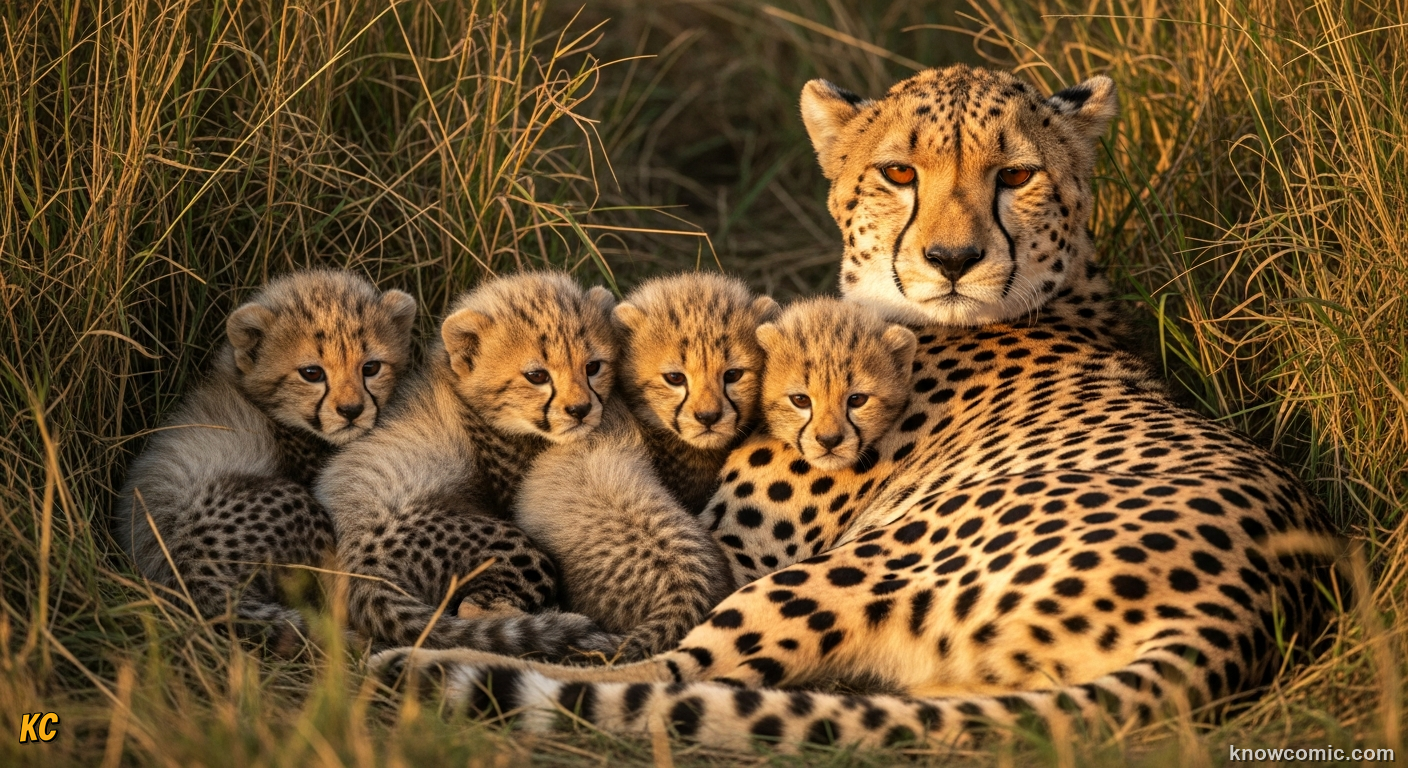
MORTALITY MOUNTAIN
Cubs are born blind and helpless. Mum moves dens to dodge lions, hyenas, and eagles. Many litters do not make it to independence, a brutal statistic that makes every surviving adult precious. Low global population + low genetic diversity in some areas = cheetahs need space and management help.
📌 IN THE WILD & IN CAPTIVITY
Studbooks and breeding programs exist because wild numbers stay fragile, a species can be "famous for speed" and still be quietly sliding toward the red list without protection.
LUNCH
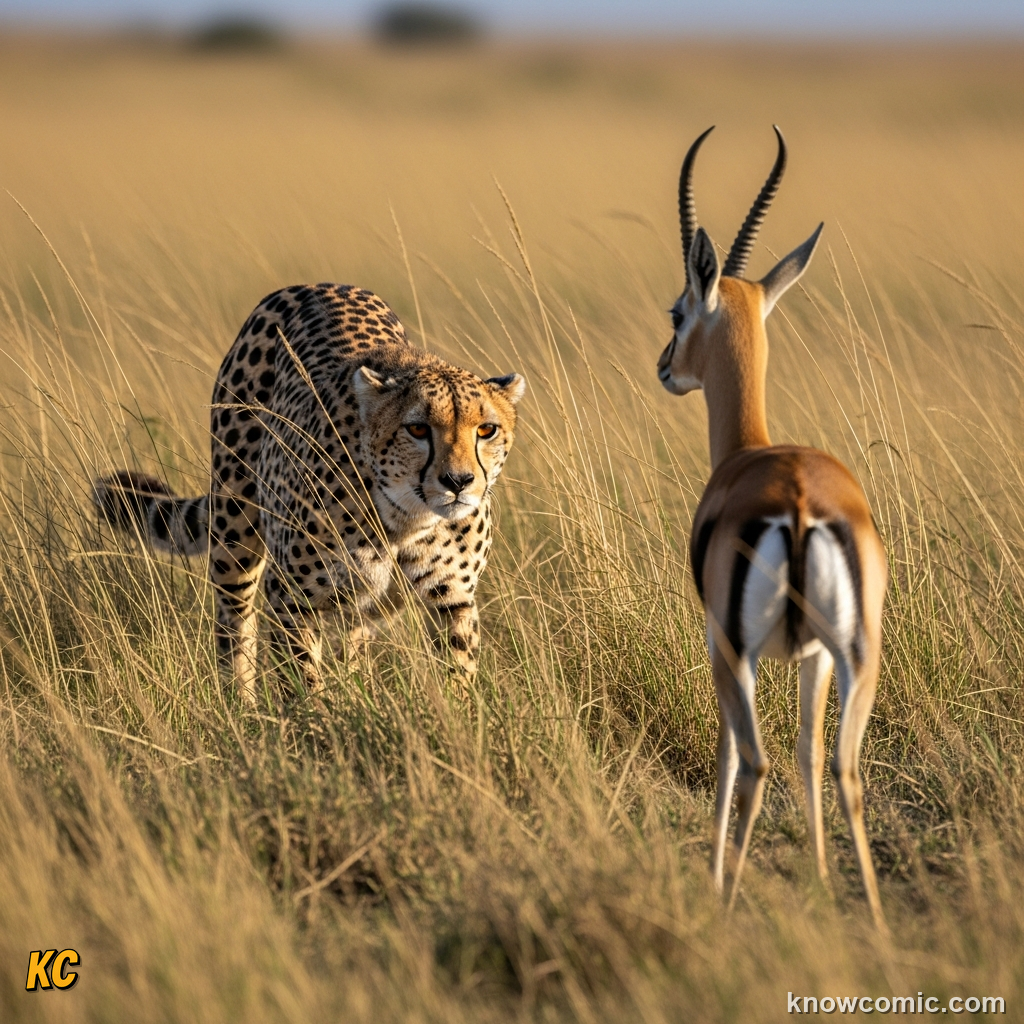
Small–medium ungulates · Gazelles, young wildebeest
MUM
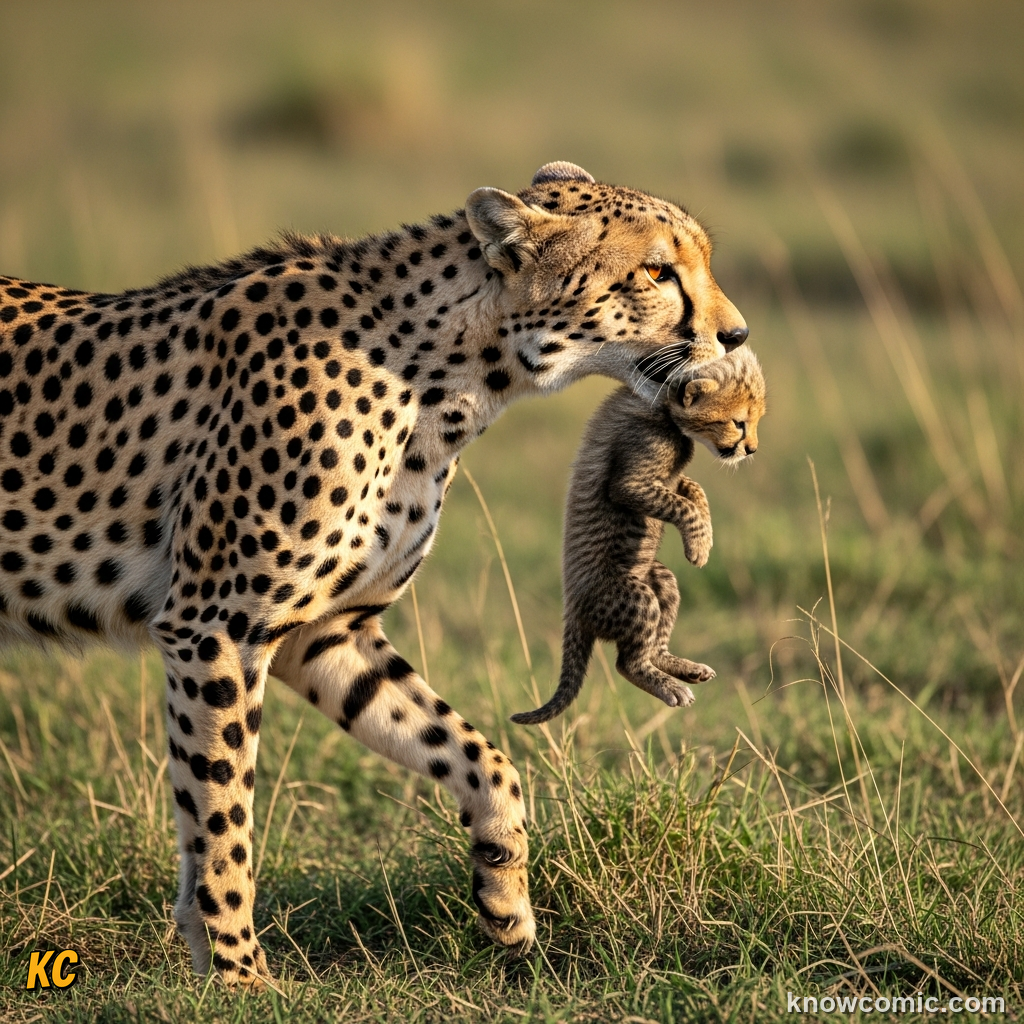
Carries cubs to new den
FENCE
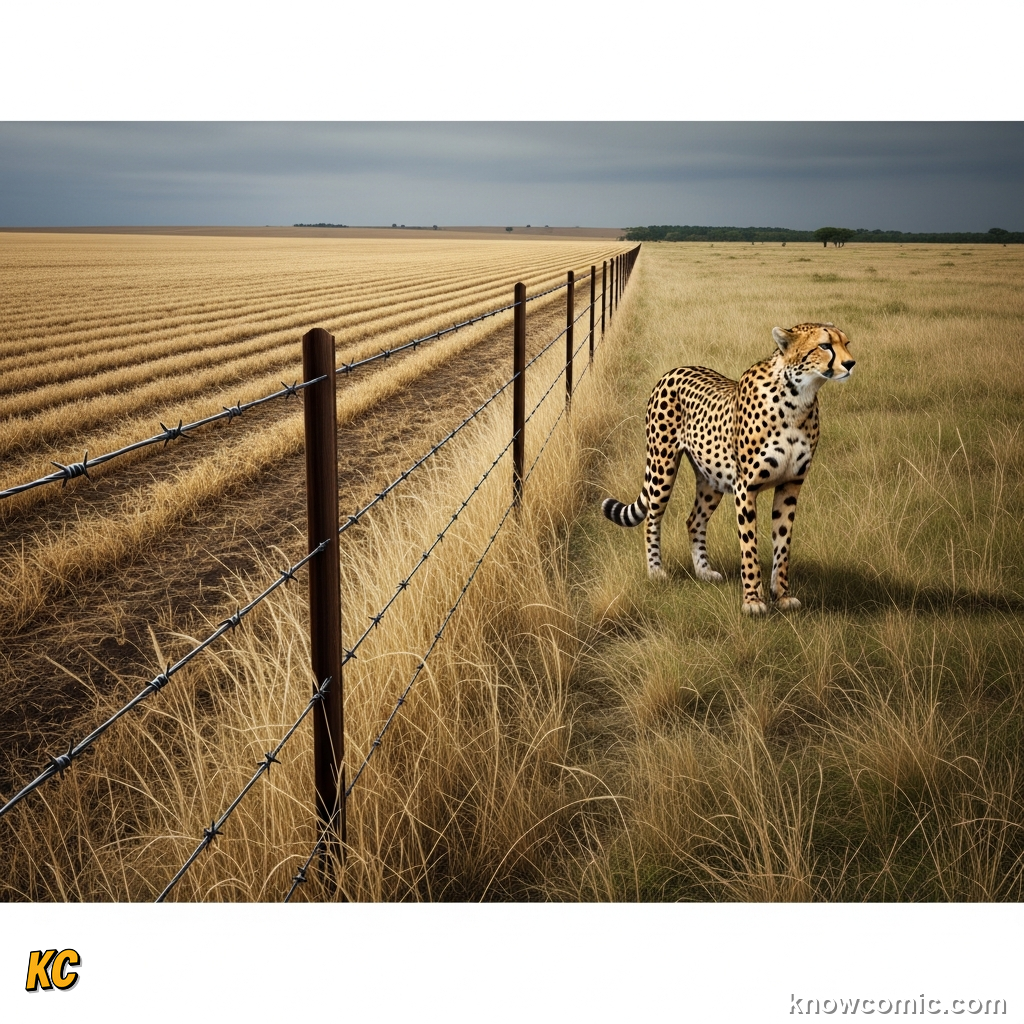
Livestock conflict when prey vanishes
PAGE 5 OF 5, GIVE THEM ROOM TO RUN
THREATS
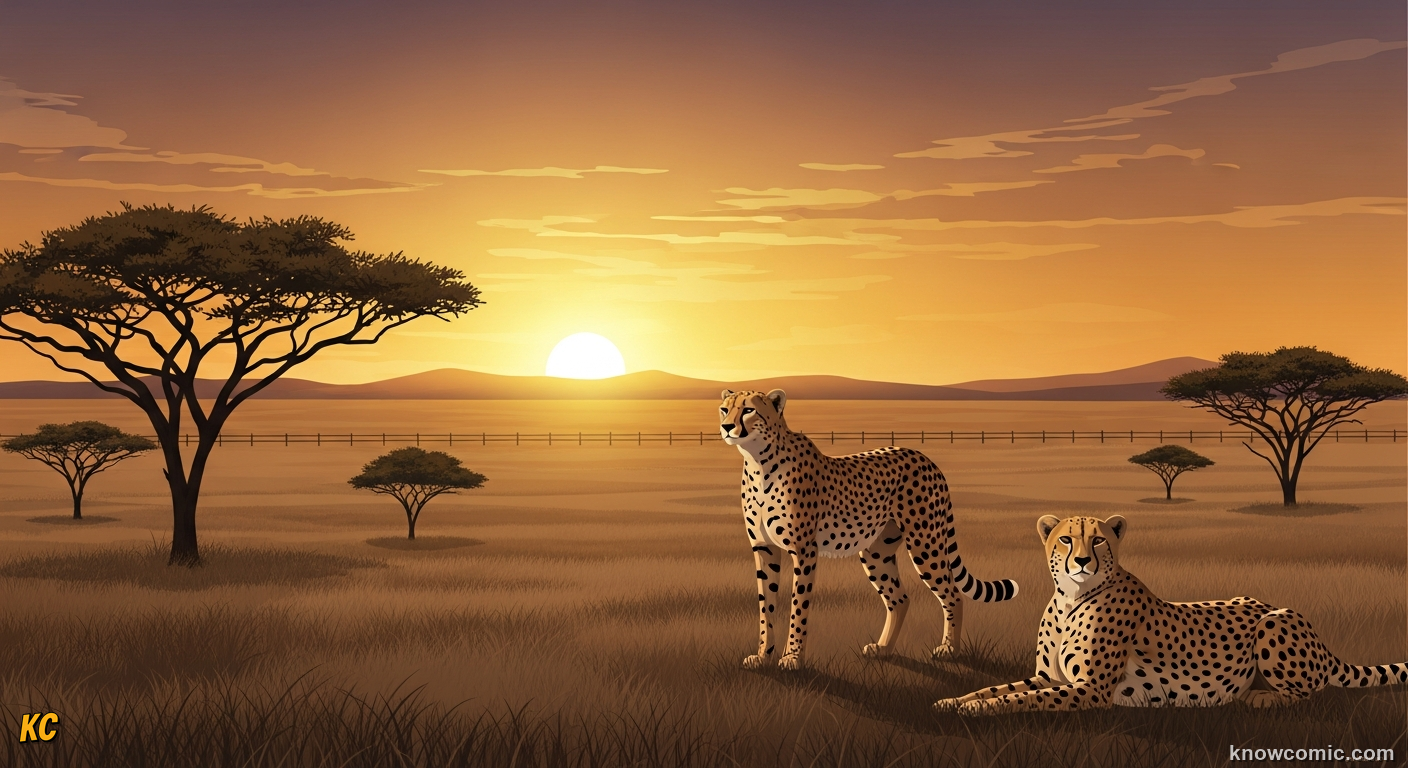
RARE, WIDE, VULNERABLE
Cheetahs need vast, connected savanna and scrub with prey. Farmland, roads, and fenced reserves slice habitat into pieces too small for a sprinter. Illegal trade in cubs still happens in some regions. Ecotourism that pays local communities to protect cheetahs (not just the Big Five) is one path forward, speed needs space.
The world's fastest land animal cannot outrun habitat loss in a car, we slow down, or they disappear.
LENS
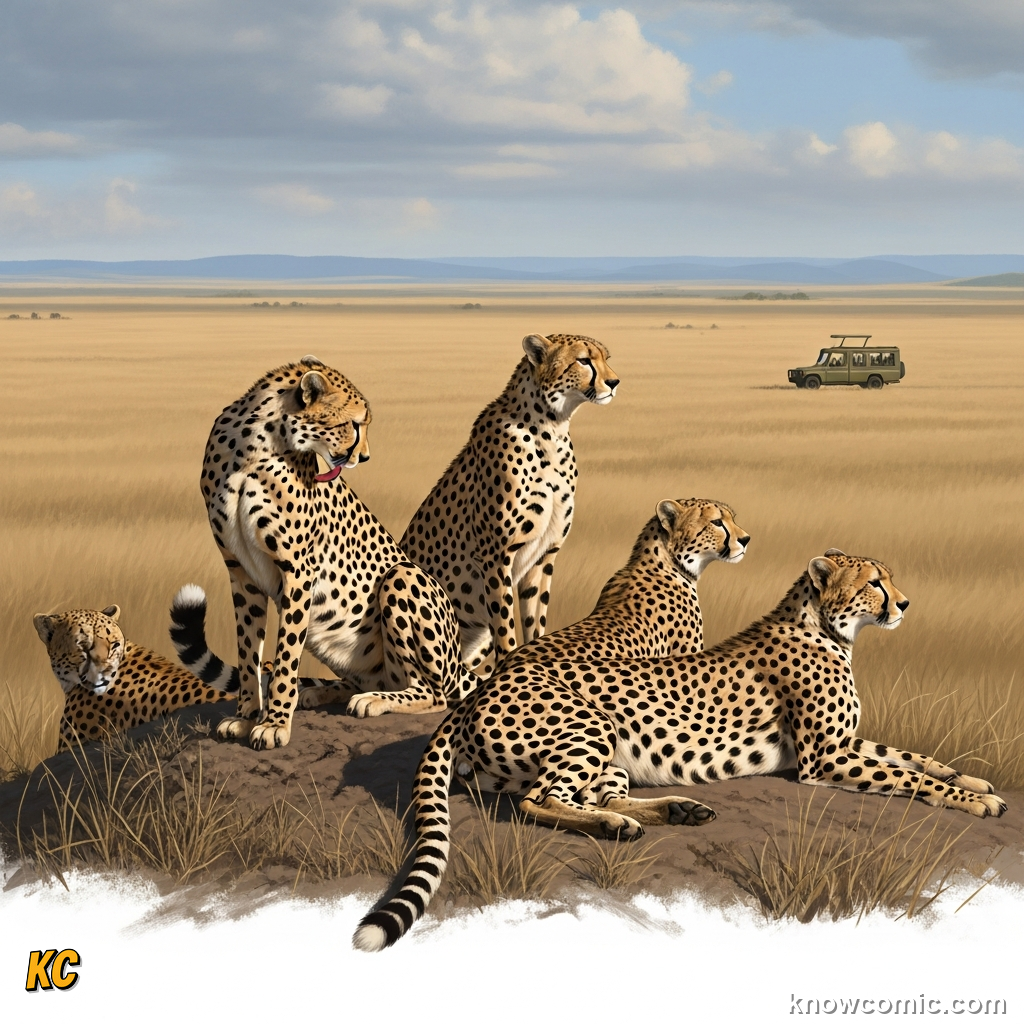
Tourists who pay for ethical sightings fund guards & science
LAND
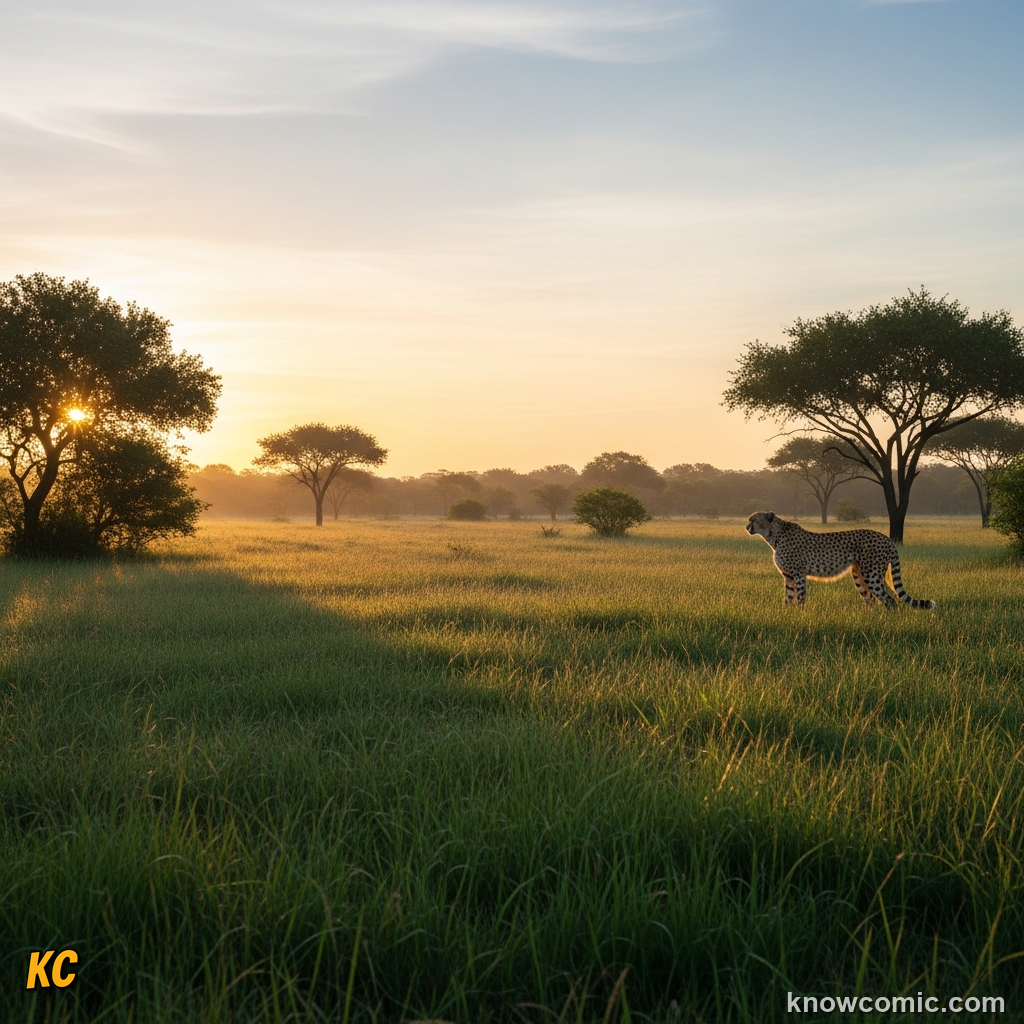
Parks + corridors = future runs
🧠 QUIZ TIME!
CHEETAH: FASTEST LAND ANIMAL · 5 QUESTIONS
QUESTION 01
Which title belongs to the cheetah in straight-line speed on land?
QUESTION 02
After a top-speed chase, a cheetah usually must —
QUESTION 03
Cheetah claws are often described as —
QUESTION 04
A major reason cubs are at high risk in the wild is —
QUESTION 05
A lasting threat to cheetahs in Africa is —
0/5
LOADING...