🌌 HOW THE SOLAR SYSTEM FORMED
PAGE 1 OF 5 — THE NEBULA CLOUD
BEGINNING
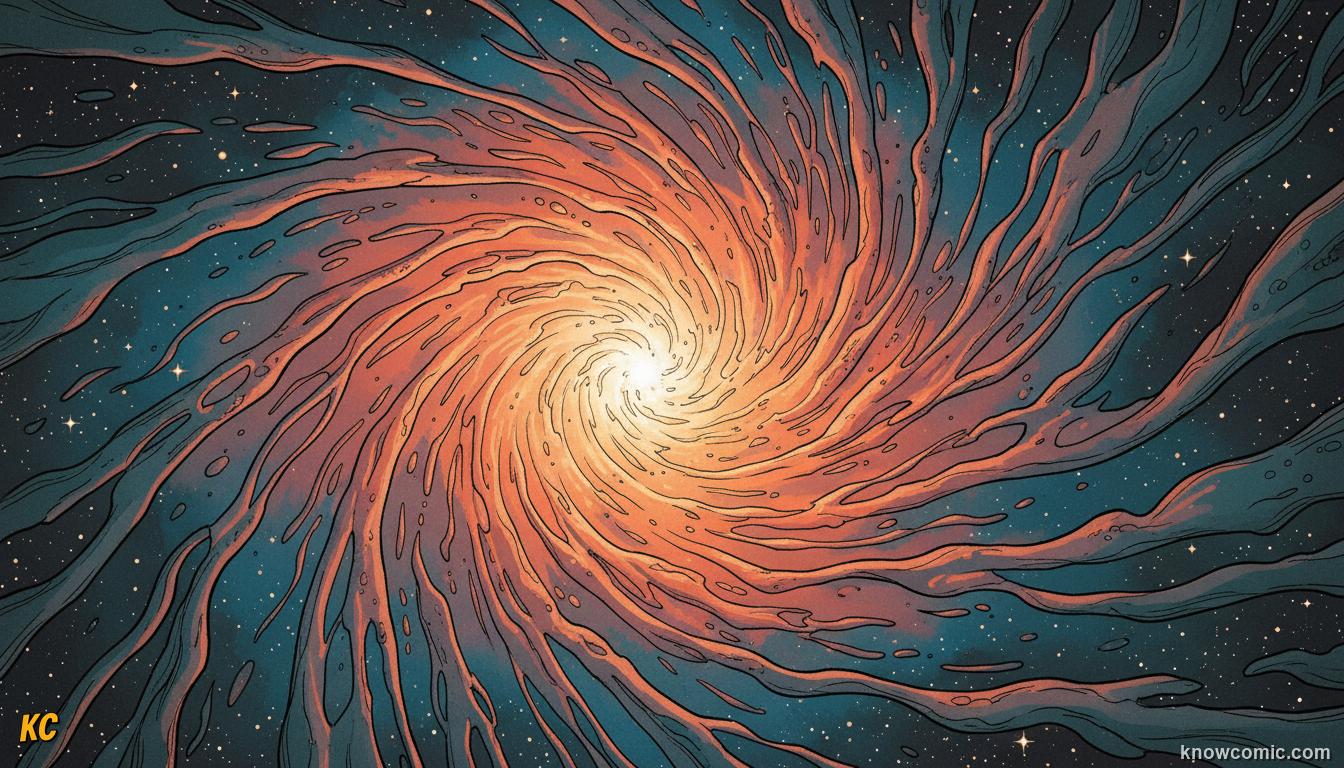
4.5 BILLION YEARS AGO
In the vast darkness of space, a giant cloud of gas and dust slowly rotated. This nebula was enormous — many light-years across! Gravity pulled everything inward, and the spinning increased. The cloud heated up as it compressed. This is how our solar system began!
COLLAPSING!
NEBULA
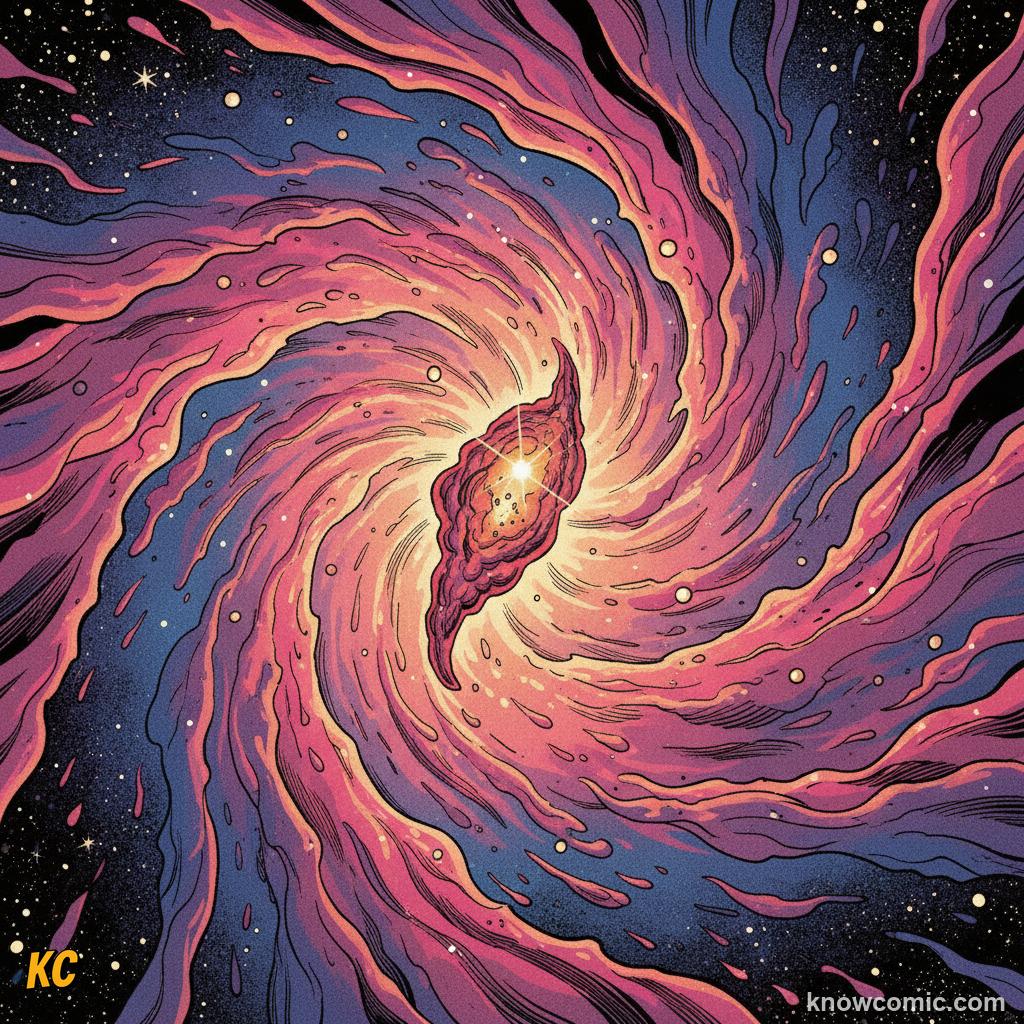
💫 Giant cloud of gas
🌀 And cosmic dust
🌀 And cosmic dust
GRAVITY
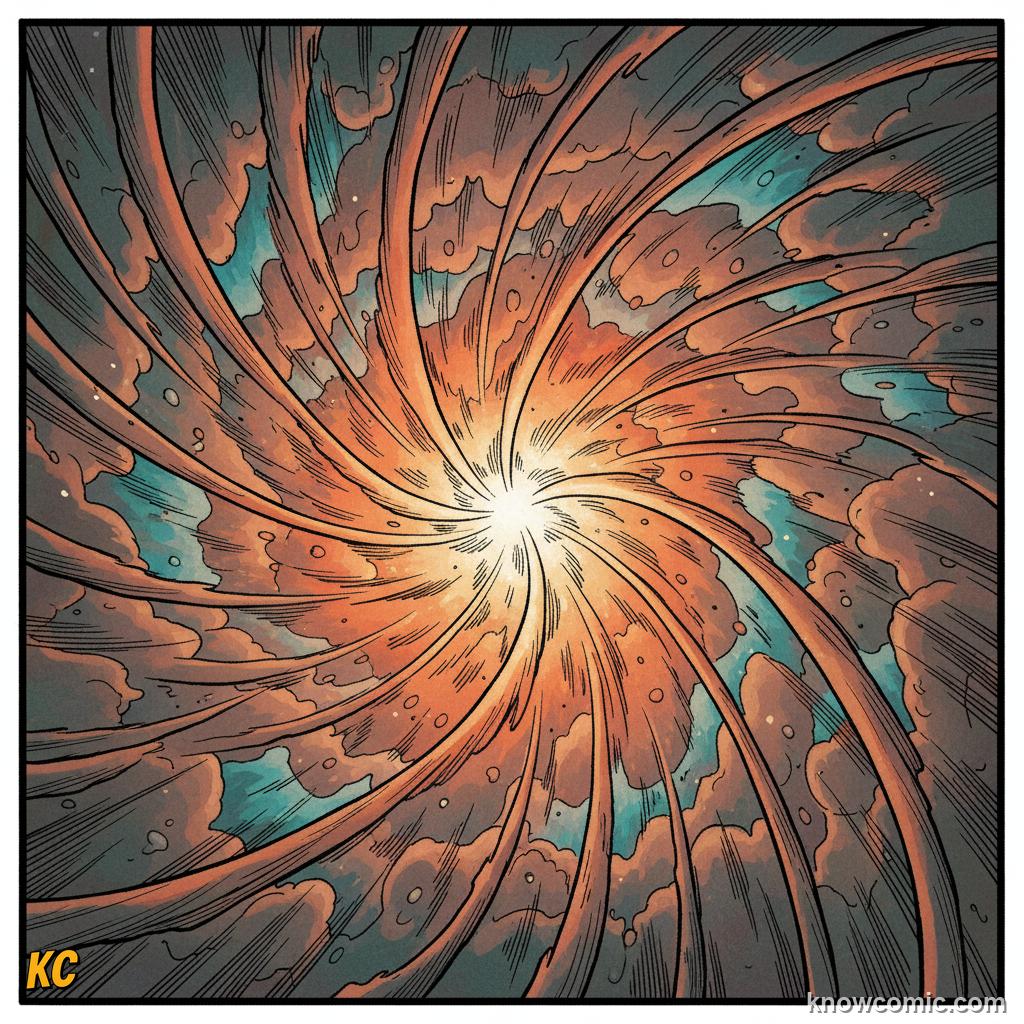
📍 Invisible force pulling
↪️ Everything toward center
↪️ Everything toward center
PAGE 2 OF 5 — THE SUN IS BORN
IGNITION
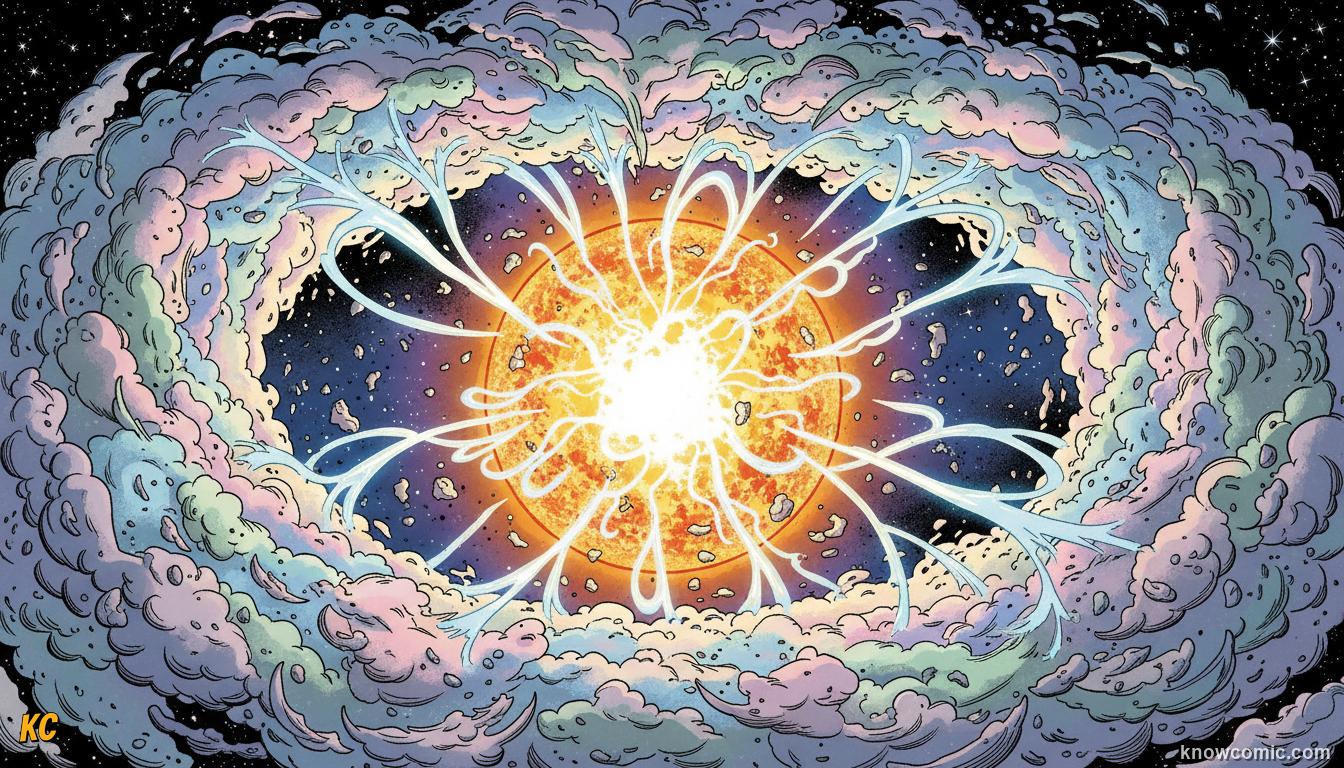
THE CENTER IGNITES
As the nebula collapsed, the center became unbelievably hot and dense. Gravity compressed hydrogen so powerfully that nuclear fusion began. The Sun was born! It blazed to life at the heart of the collapsing cloud. Hydrogen became helium, releasing incredible energy. Our star was alive!
BURNING!
FUSION
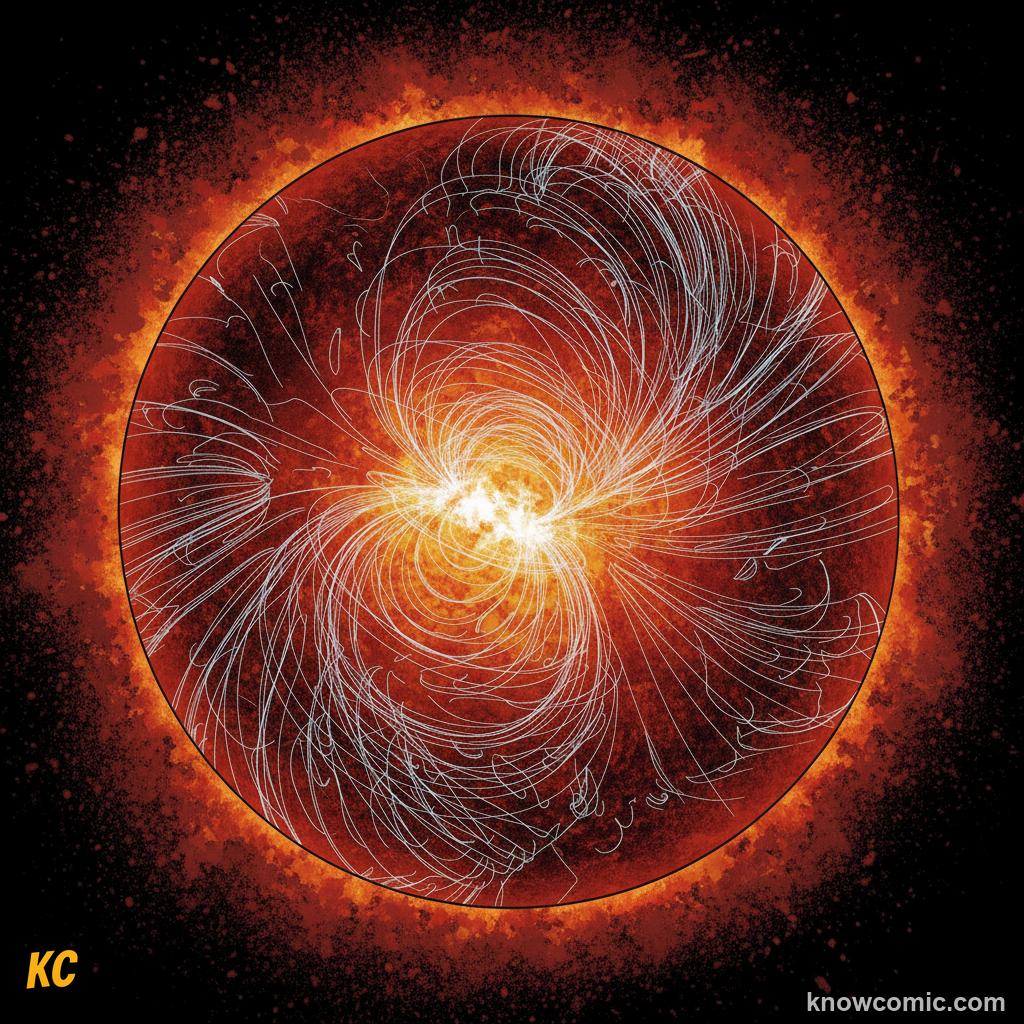
🔥 Hydrogen merges into helium
💥 Nuclear reaction releases energy
💥 Nuclear reaction releases energy
ENERGY
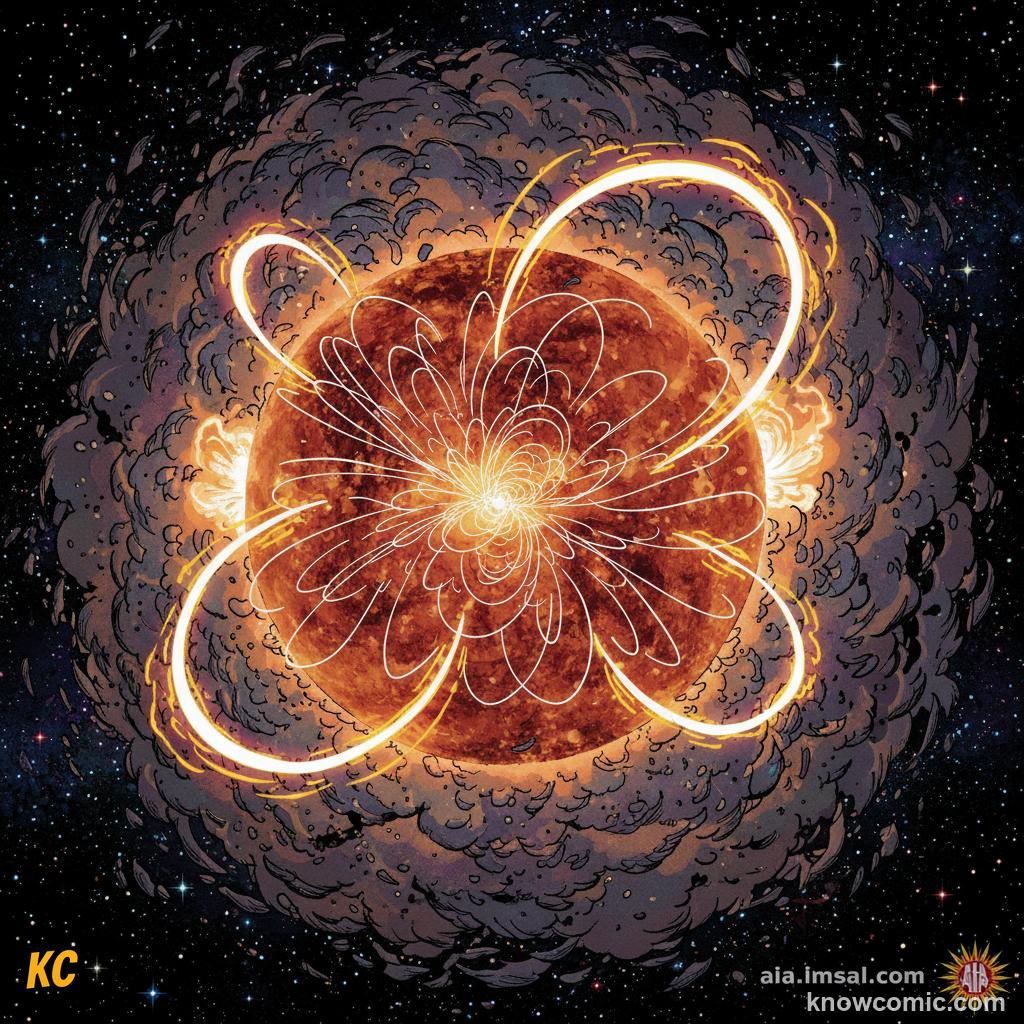
☀️ Powerful radiation outward
🌟 Sun shines for first time ever
🌟 Sun shines for first time ever
DISK
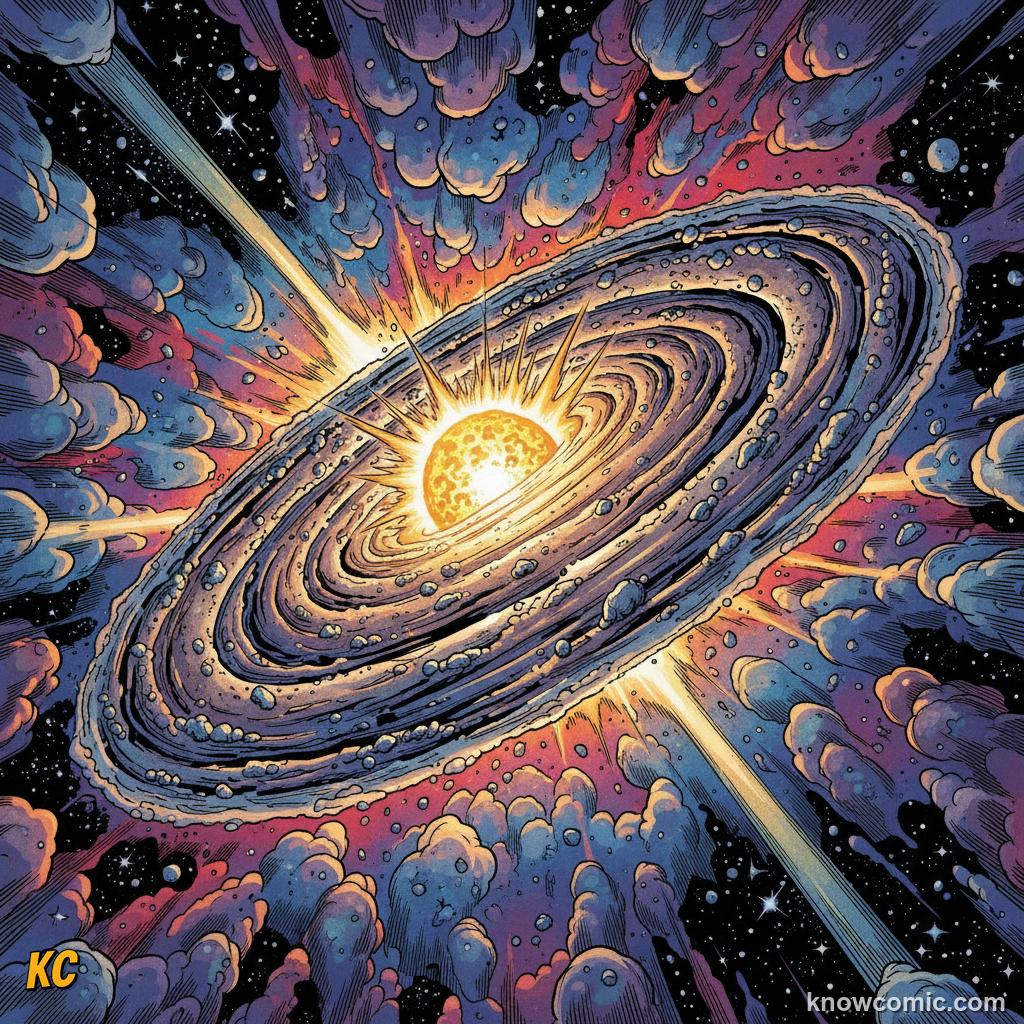
🌀 Dust and gas still spinning
↪️ Around the newborn star
↪️ Around the newborn star
PAGE 3 OF 5 — THE ACCRETION DISK
DUST GRAINS
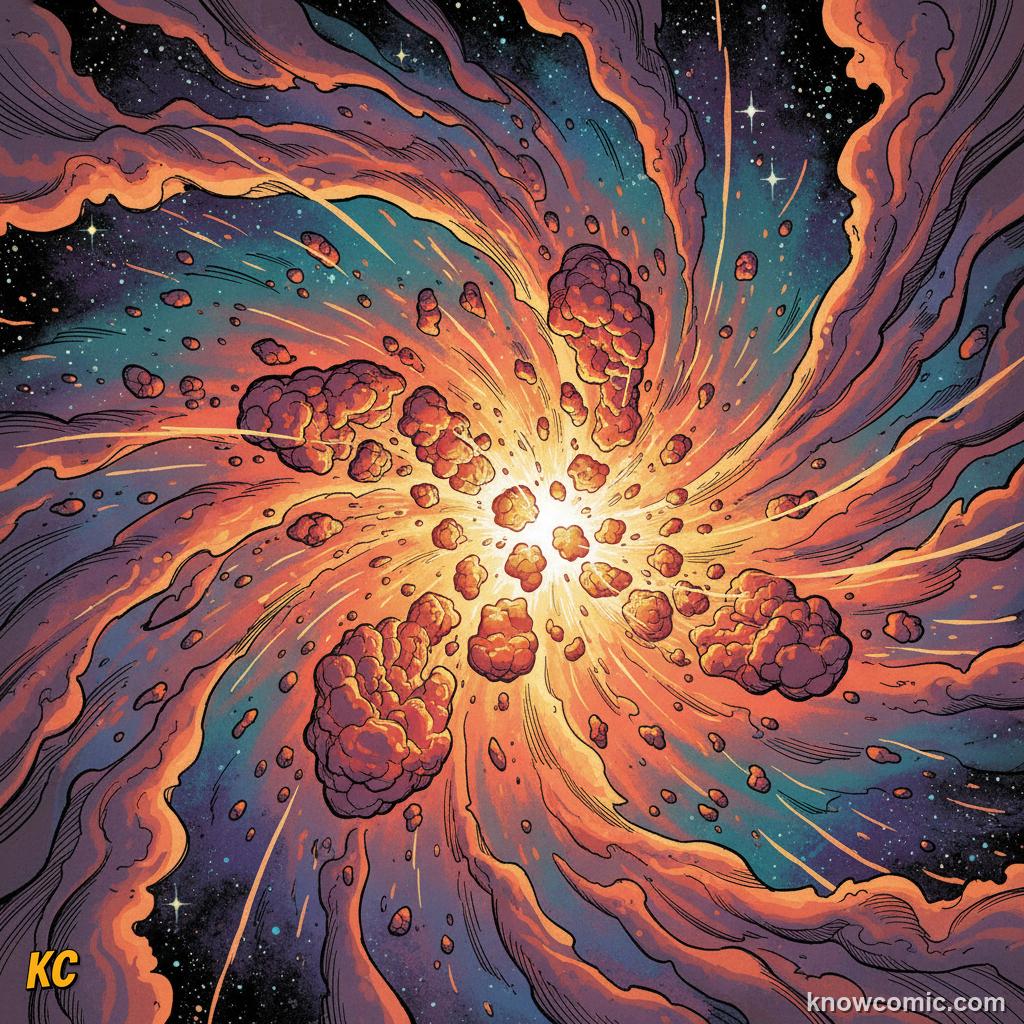
💨 Particles orbiting Sun
🌀 In a flat spinning disk
🌀 In a flat spinning disk
COLLISIONS
💥 Dust grains stick together
⚪ Forming larger clumps
⚪ Forming larger clumps
ACCRETION
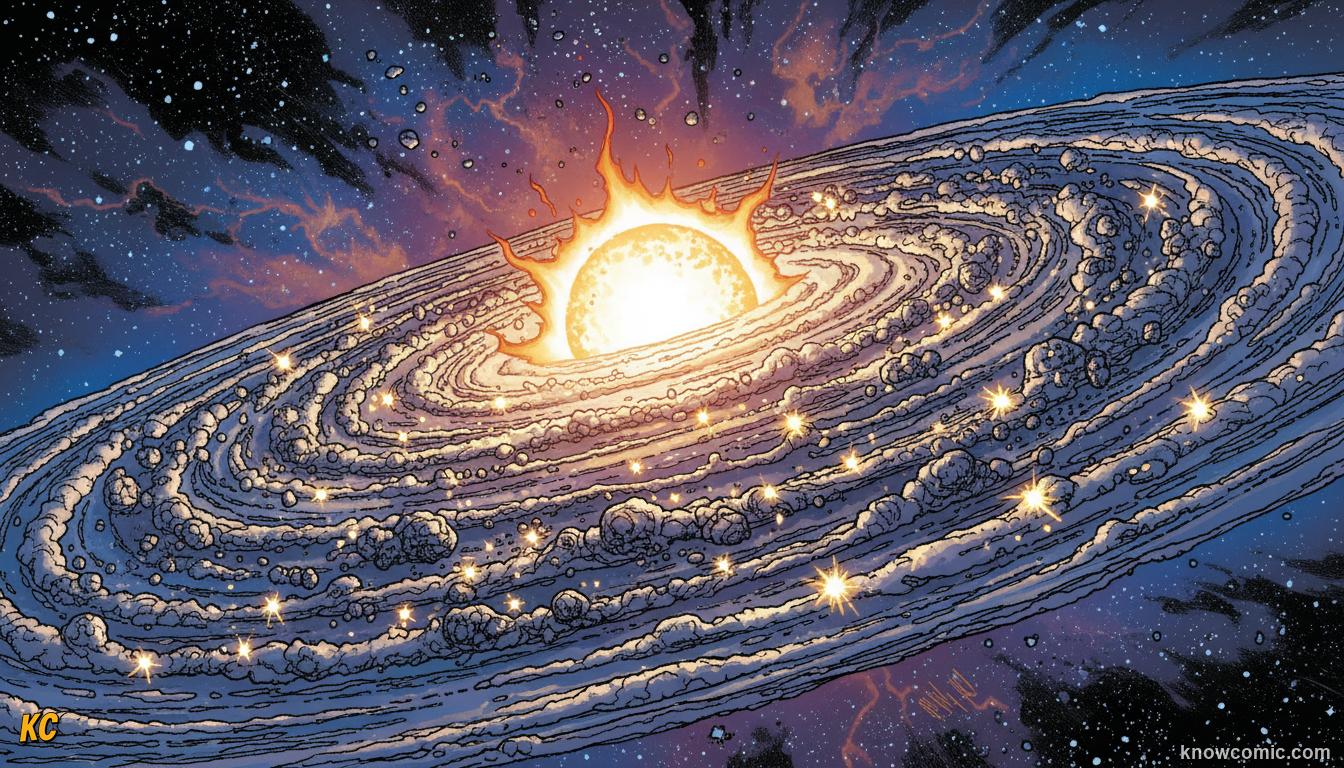
THE DISK
The remaining disk of dust and gas orbited the young Sun. Tiny particles crashed together, sticking and forming larger objects. Planetesimals! These were kilometer-sized chunks of rock and ice. They collided and merged, creating bigger and bigger bodies. Gravity helped them grow. Planetary building had begun!
SWIRLING!
PAGE 4 OF 5 — PLANETS ASSEMBLE
ASSEMBLY
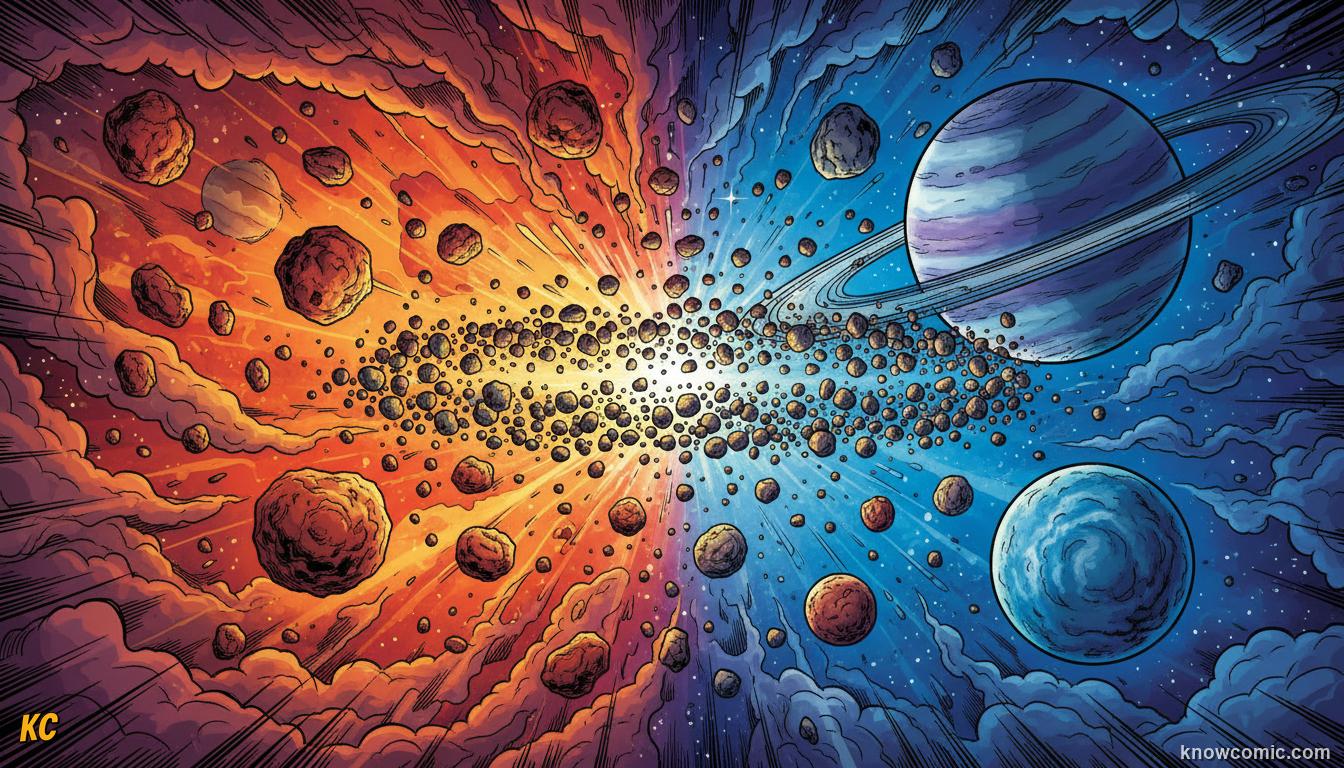
PLANETS FORM
Planetesimals collided and merged in a chaotic dance. Gradually, larger planets formed! Closer to the Sun, rocky planets collected. Further out, cold gas giants grew massive by capturing hydrogen and helium. The inner solar system became hotter; the outer system stayed cold. Each zone created different types of planets!
GROWING!
HOT ZONE
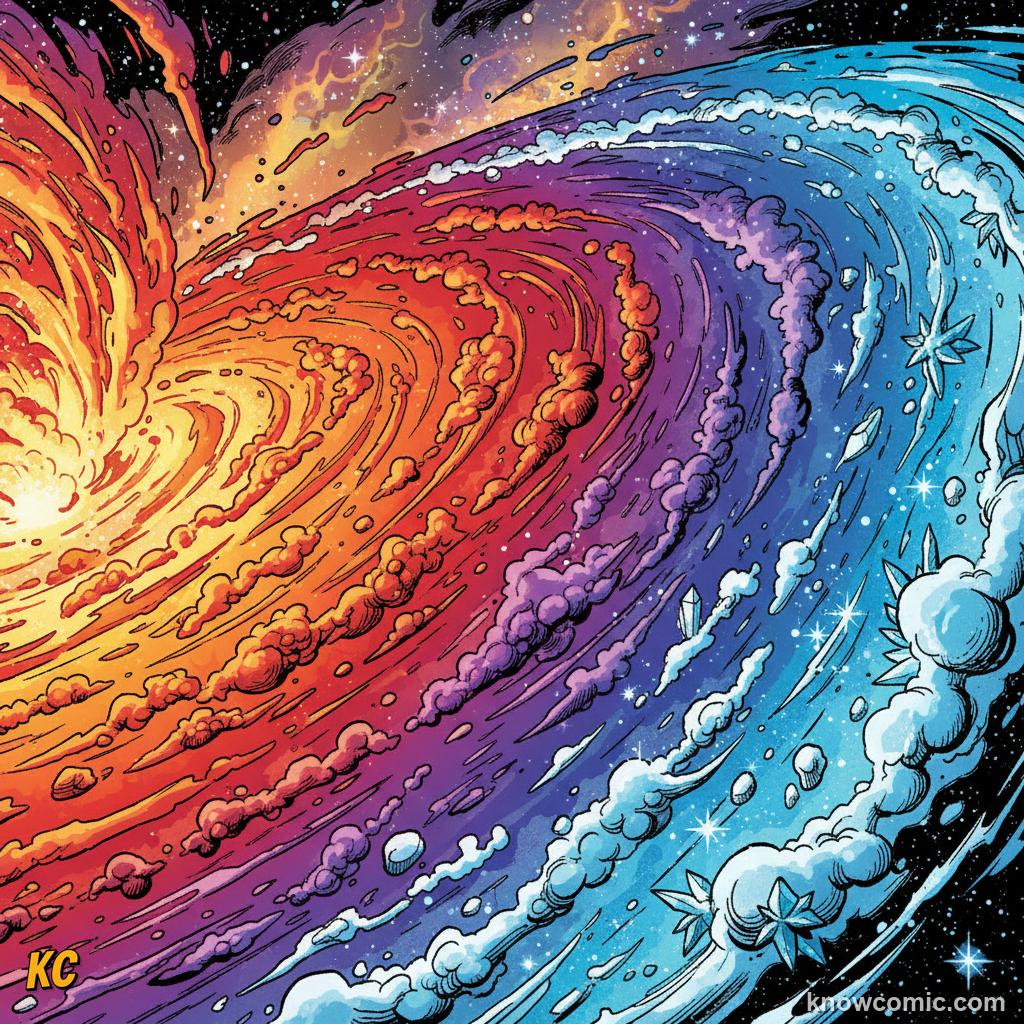
🔥 Rocky planets near Sun
🪨 Mercury, Venus, Earth, Mars
🪨 Mercury, Venus, Earth, Mars
ASTEROID BELT
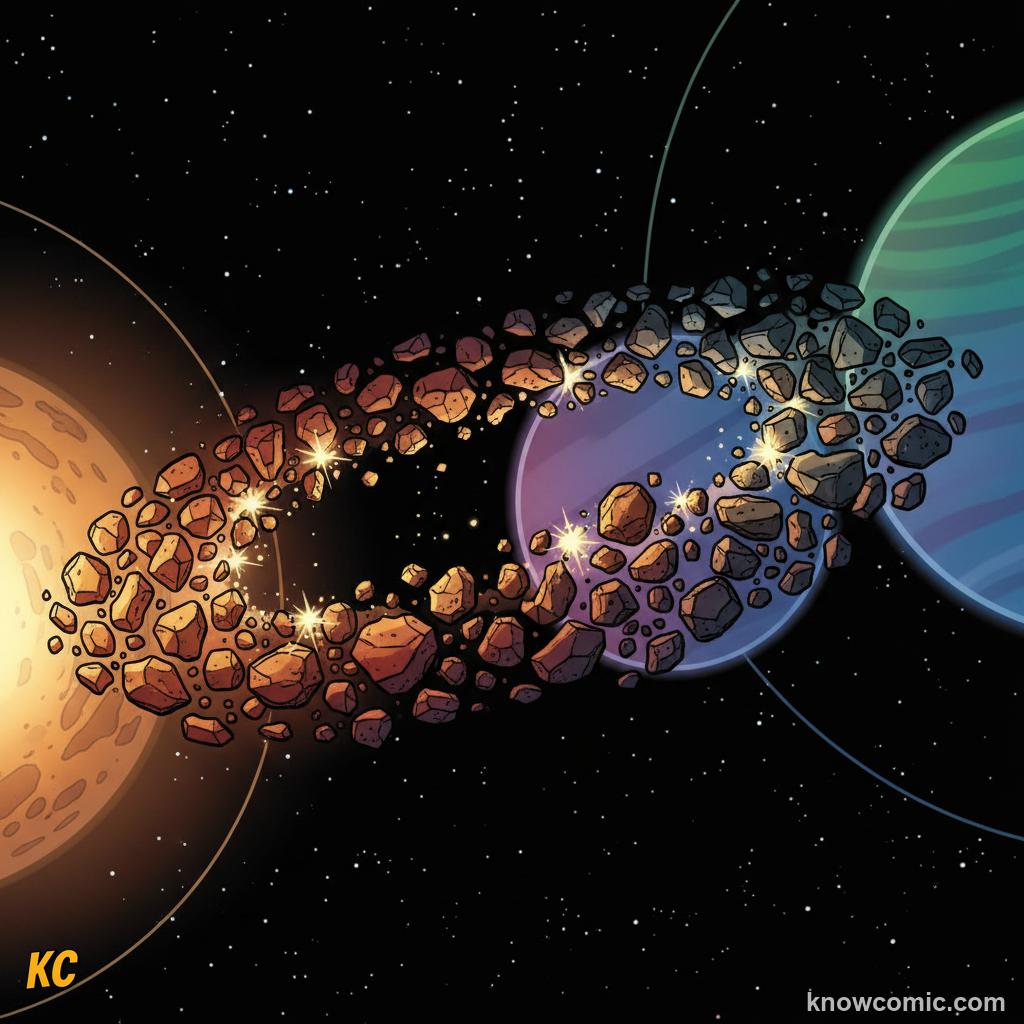
🪨 Belt of asteroids
⭐ Jupiter's gravity shaped it
⭐ Jupiter's gravity shaped it
COLD ZONE
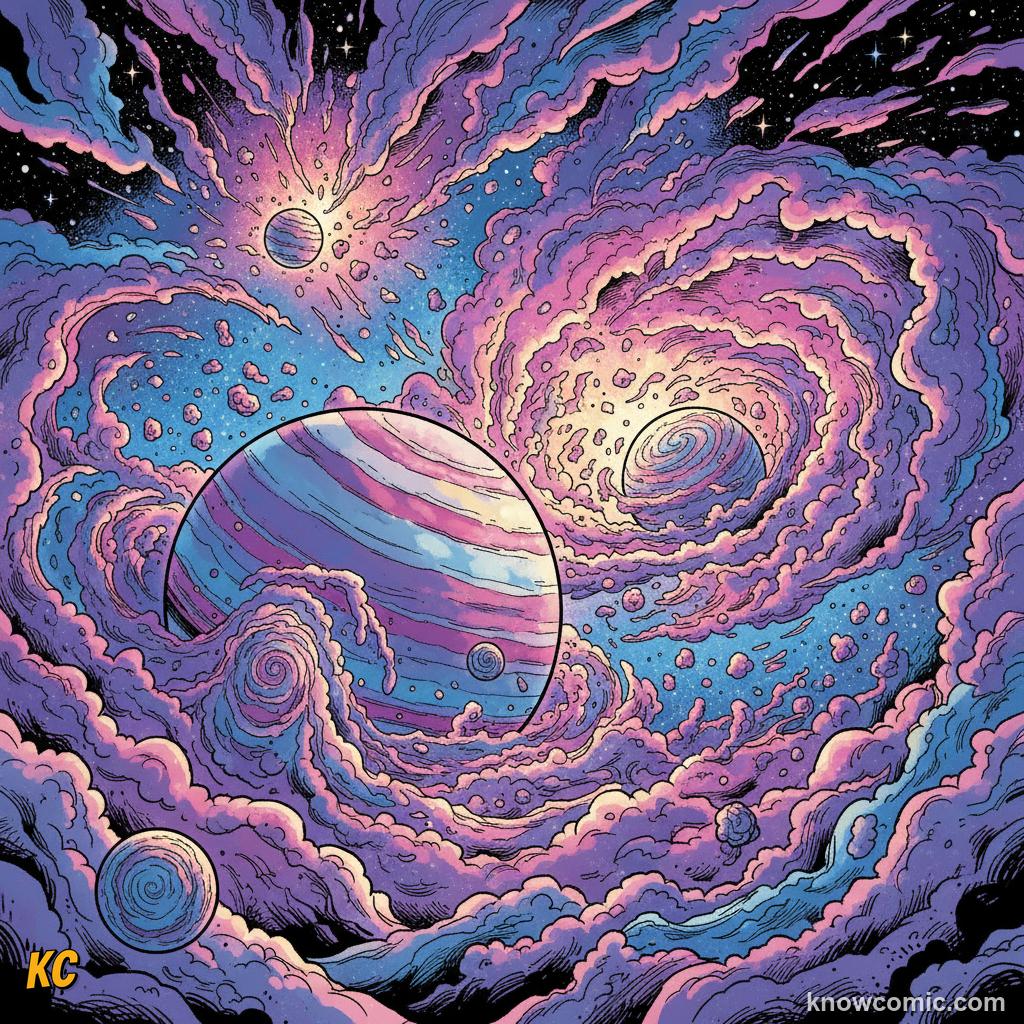
❄️ Gas giants far out
🌀 Jupiter, Saturn, Uranus, Neptune
🌀 Jupiter, Saturn, Uranus, Neptune
PAGE 5 OF 5 — OUR SOLAR SYSTEM TODAY
PRESENT
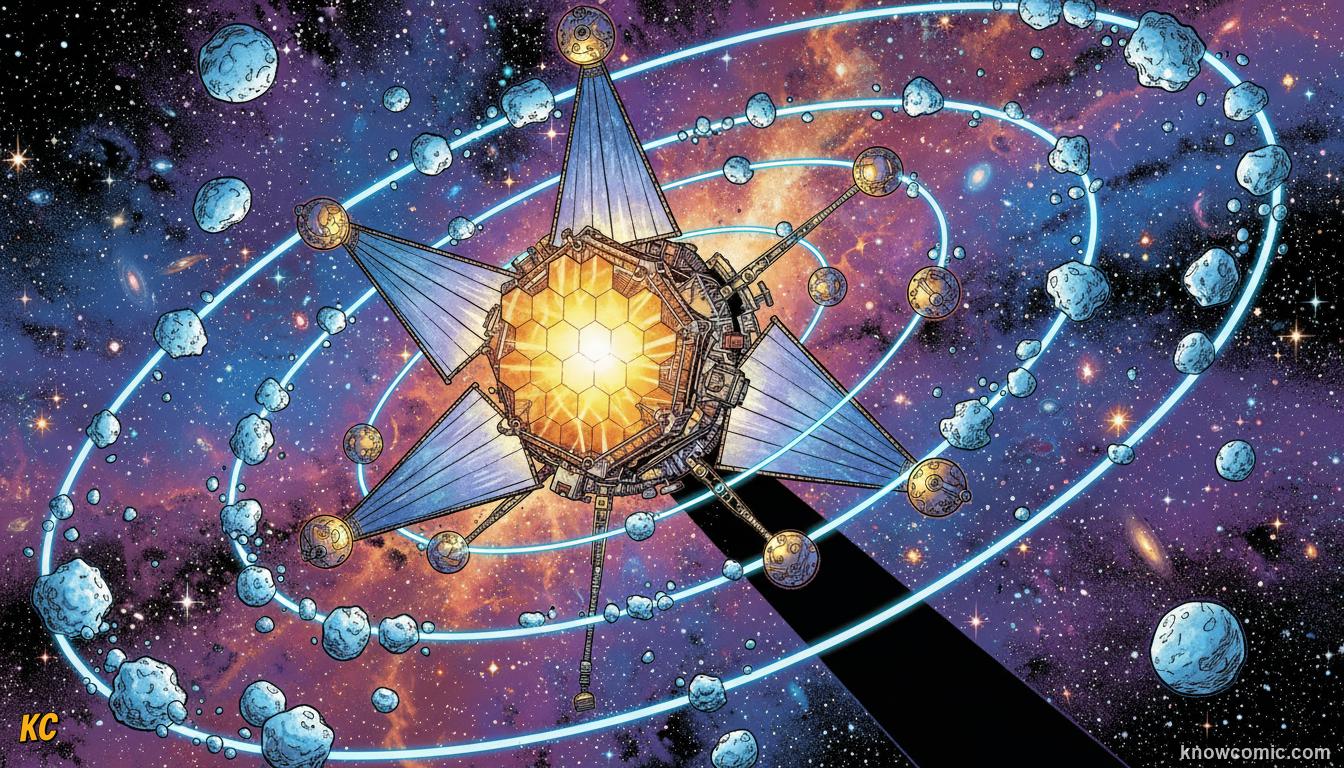
TODAY: A STABLE SYSTEM
After millions of years of chaos, our solar system settled into a stable configuration. Eight planets orbit the Sun in predictable paths. Moons orbit planets. Asteroids and comets exist in distant zones. The Sun will burn hydrogen for billions of years more. In about 5 billion years, it will expand and engulf the inner planets. But for now, our cosmic home is stable and wonderful!
STABLE!
PLANETS
🌟 THE EIGHT PLANETS
Mercury, Venus, Earth, Mars orbiting close. Jupiter, Saturn, Uranus, Neptune far away. All born from the same nebula cloud 4.5 billion years ago!
☀️ Sun at center
🌍 Stable orbits
💫 Perfect distance from star
🪐 Made from same dust cloud
🌍 Stable orbits
💫 Perfect distance from star
🪐 Made from same dust cloud
FUTURE
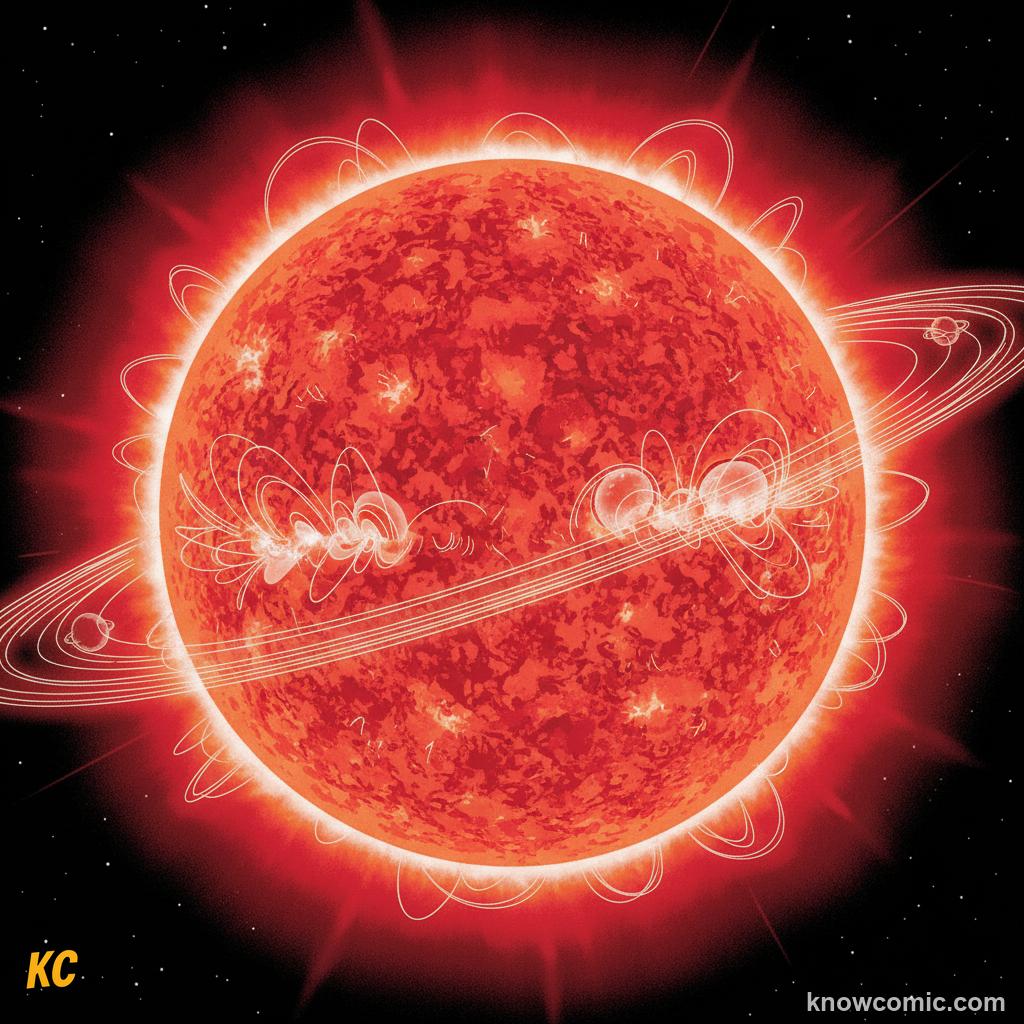
⏰ 5 billion years from now
💥 Sun will expand as a red giant
💥 Sun will expand as a red giant
🧠 QUIZ TIME!
HOW THE SOLAR SYSTEM FORMED · 5 QUESTIONS
QUESTION 01
What was the solar system's starting point?
QUESTION 02
How did the Sun form?
QUESTION 03
What are planetesimals?
QUESTION 04
Why are rocky planets near the Sun and gas giants far away?
QUESTION 05
When did the solar system form?
0/5
LOADING...