🔴 MARS: THE RED PLANET
PAGE 1 OF 5 — MARS POSITION AND APPEARANCE
POSITION
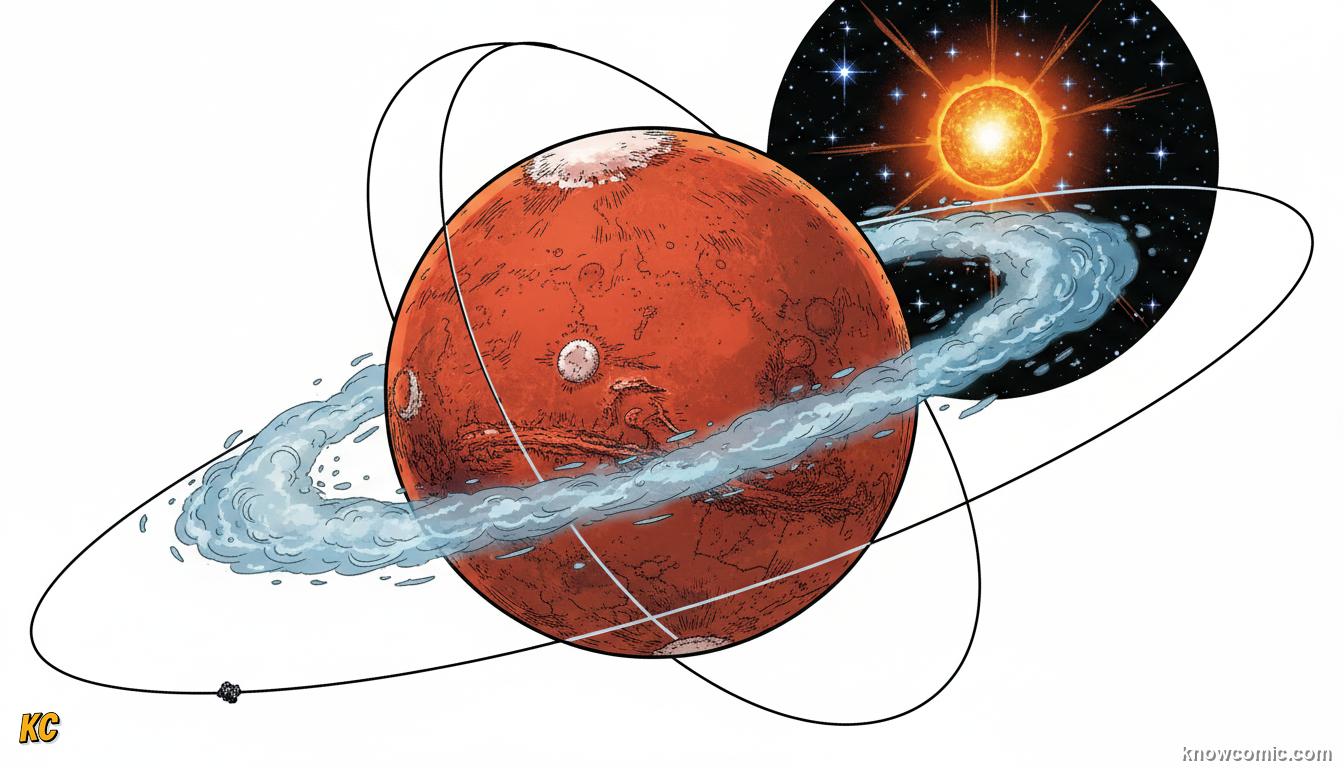
FOURTH FROM THE SUN
Mars orbits beyond Earth, in the outer inner solar system. It's about half Earth's size and takes 687 Earth days to complete one orbit. This red planet captivates astronomers and explorers because it might have been habitable billions of years ago — and humans could walk there someday soon!
RUSTY!
SIZE
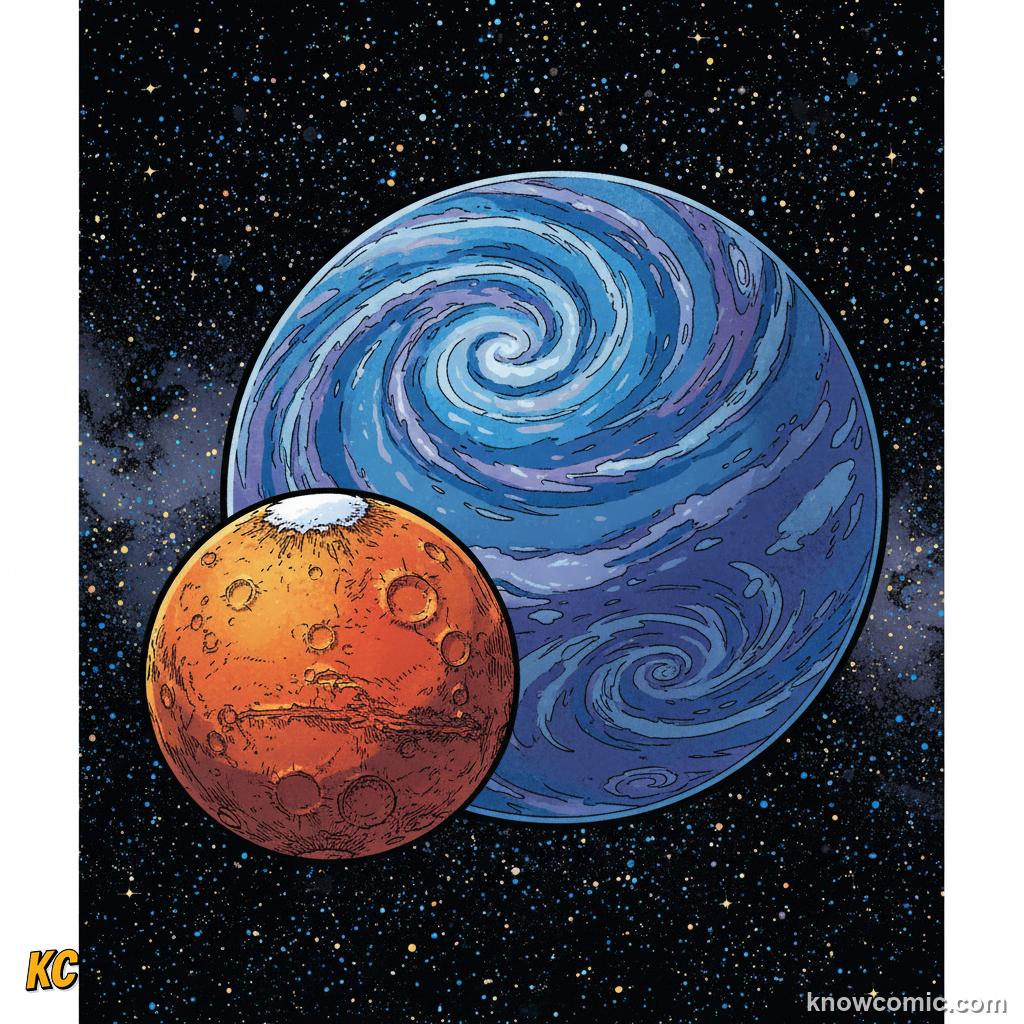
🔴 About half of Earth's size
💫 Smaller than expected
💫 Smaller than expected
DISTANCE
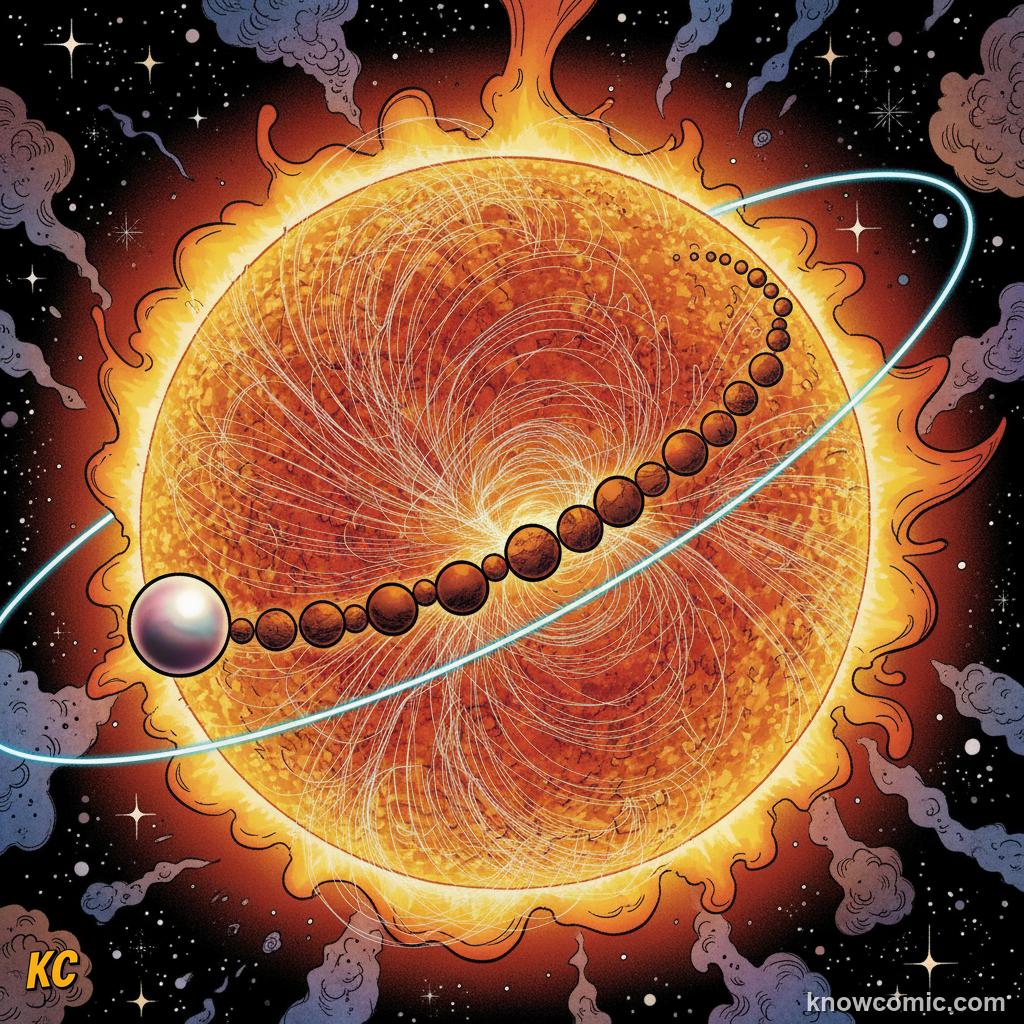
📍 228 million km from Sun
🔁 687 Earth days per year
🔁 687 Earth days per year
PAGE 2 OF 5 — THE RUSTY SURFACE
GEOLOGY
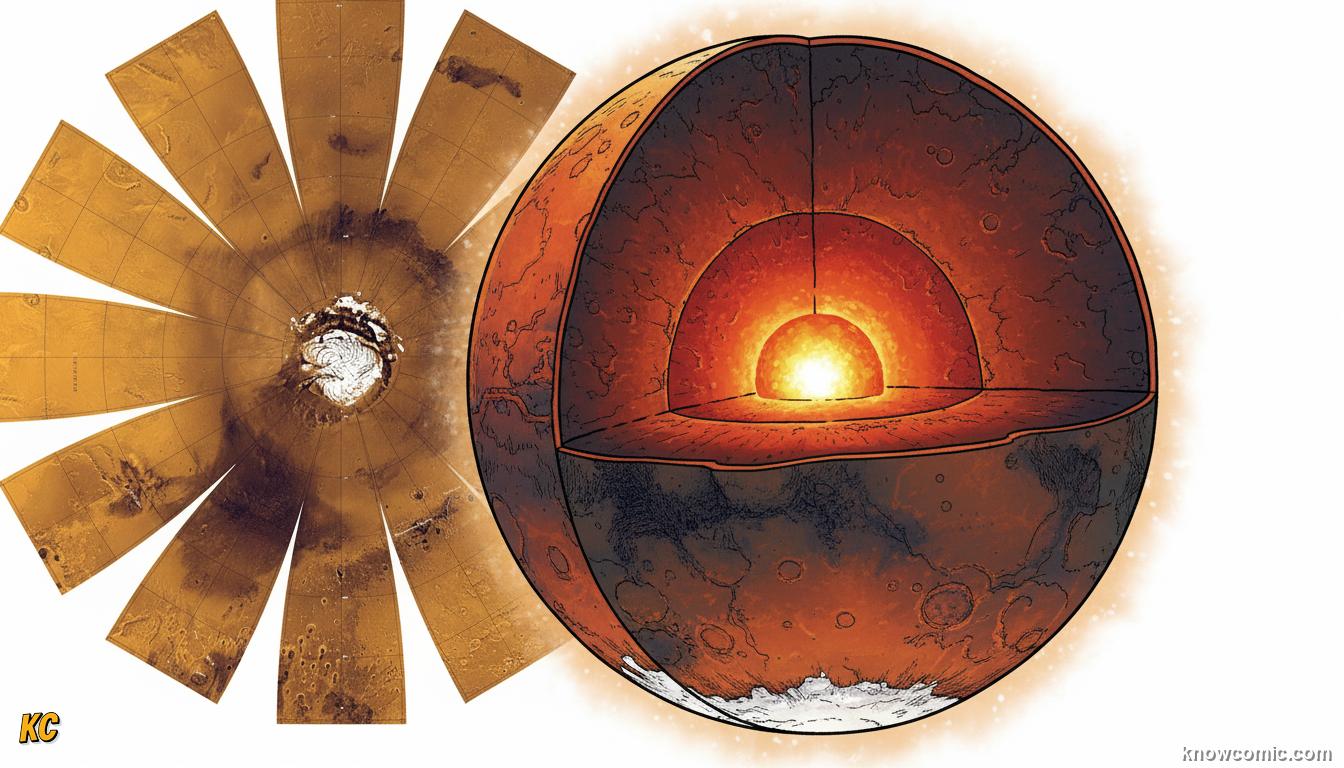
IRON OXIDE = RED COLOR
Mars is rusty! The planet's surface is covered in iron oxide (rust) which gives it that distinctive red color. The landscape is dominated by giant canyons, massive volcanoes, polar ice caps made of frozen CO₂ and water ice, and evidence of ancient river deltas. Scientists believe liquid water once flowed across Mars!
ANCIENT!
ATMOSPHERE
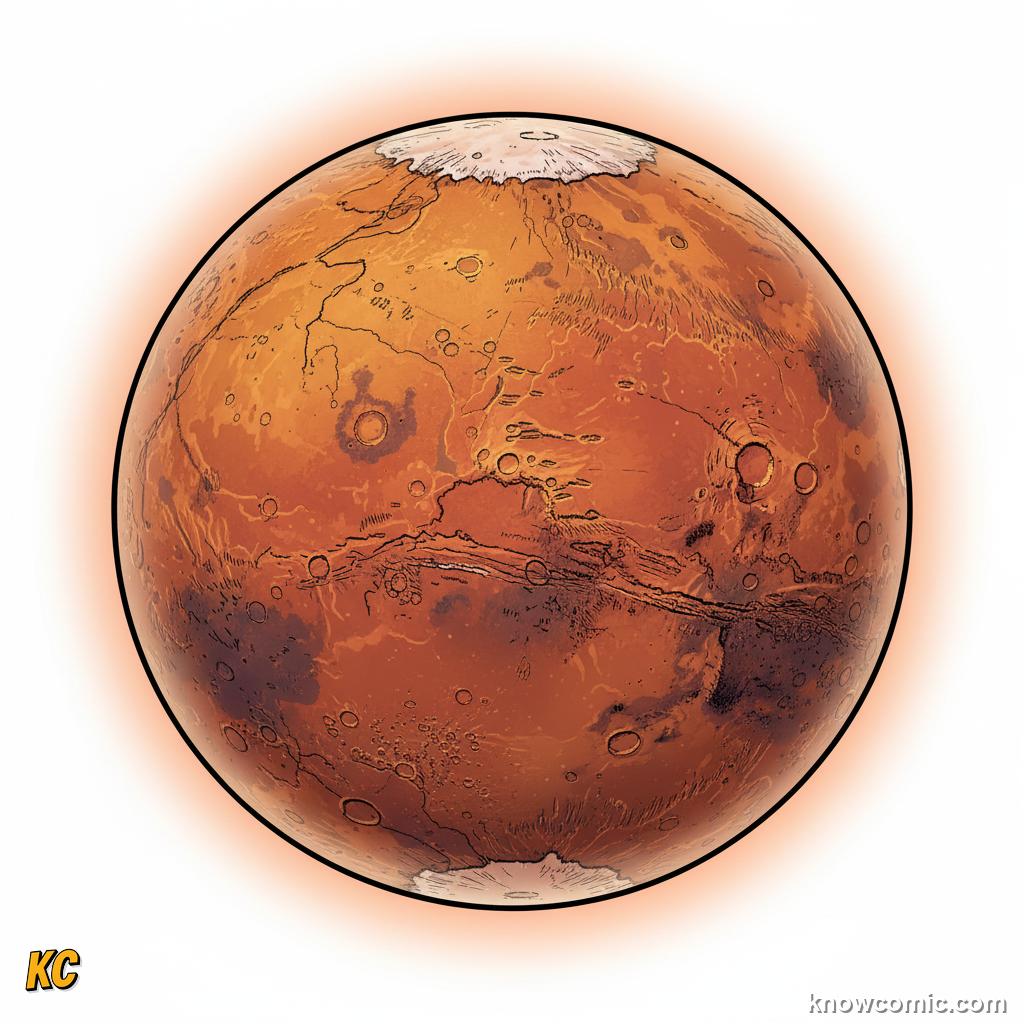
💨 95% carbon dioxide
🌬️ Very thin atmosphere
🌬️ Very thin atmosphere
TEMPERATURE
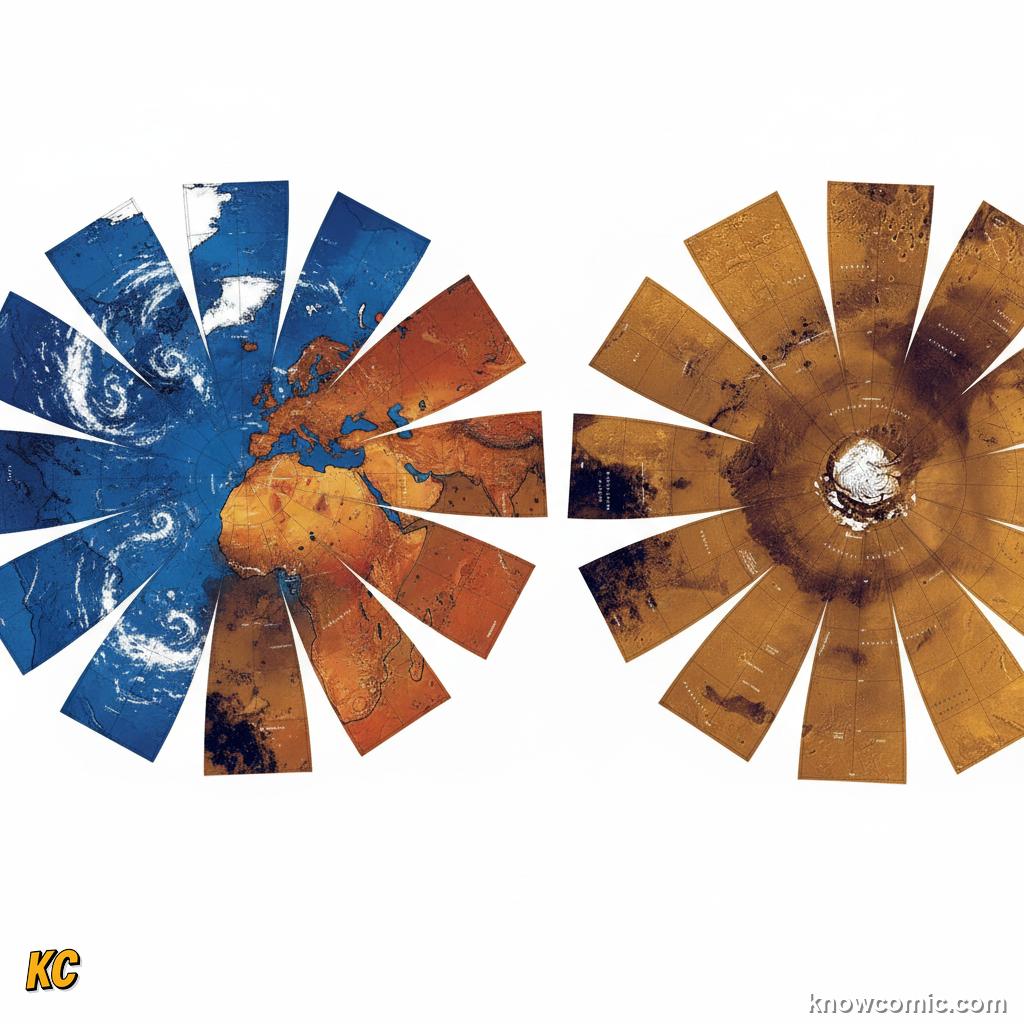
❄️ Minus 65°C average
🥶 Frozen desert world
🥶 Frozen desert world
DUST
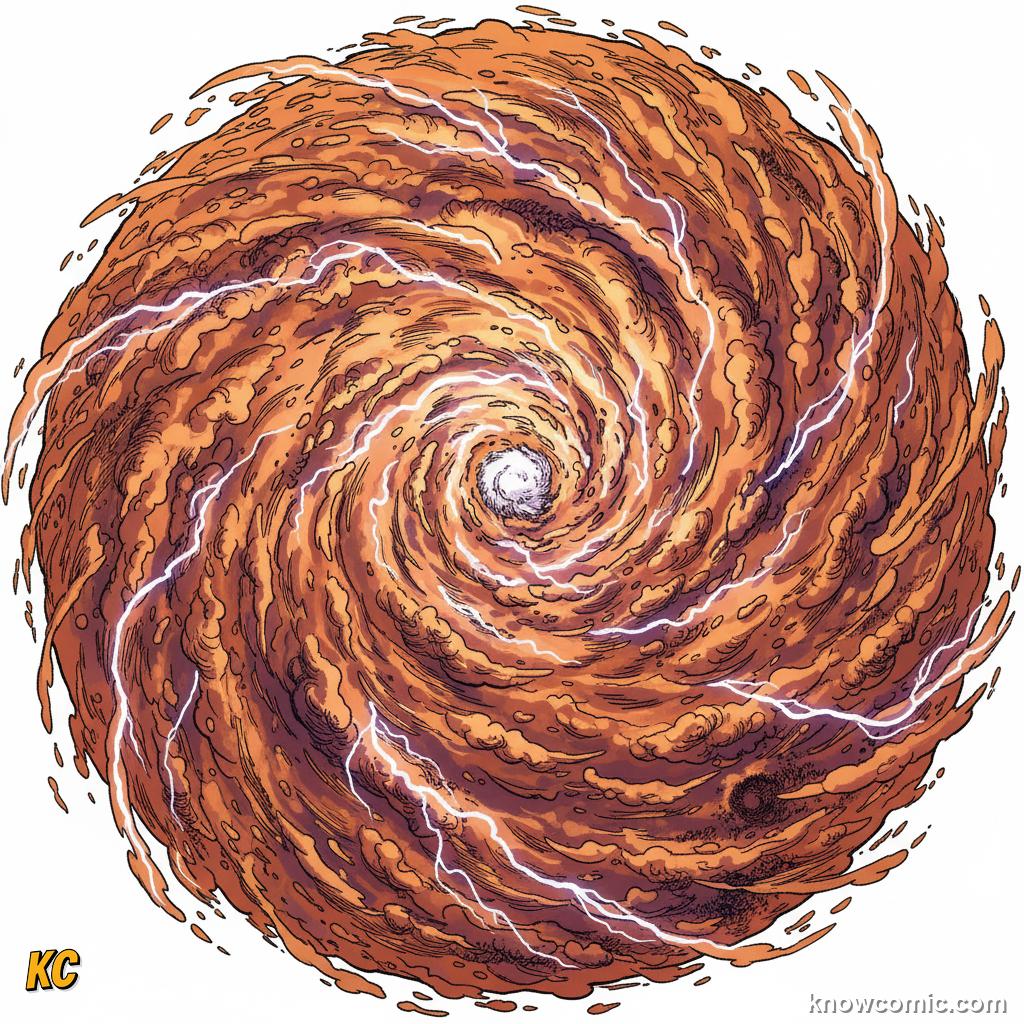
🌪️ Dust storms sweep planet
🔴 Red dust everywhere
🔴 Red dust everywhere
PAGE 3 OF 5 — GIANT VOLCANOES AND CANYONS
VOLCANOES
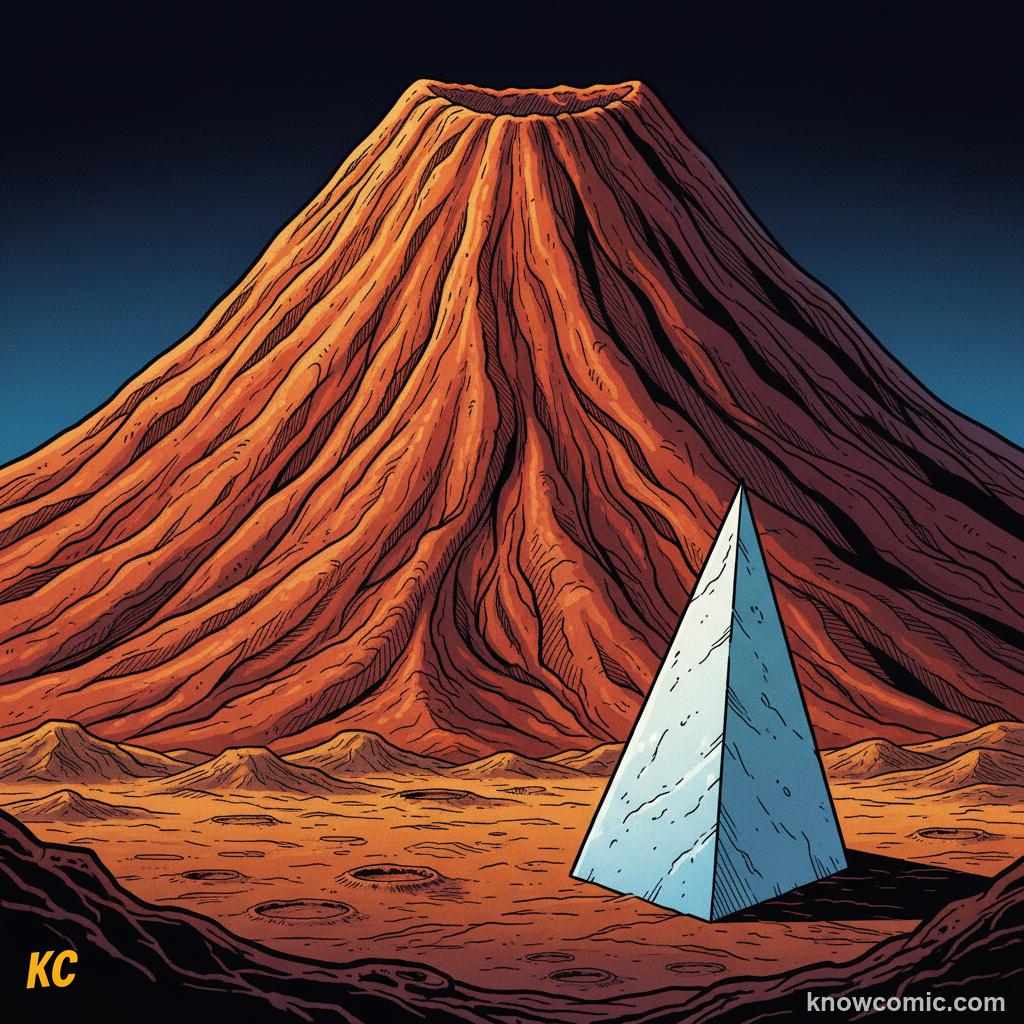
🌋 Biggest volcano in solar system
📏 Olympus Mons - 21 km tall!
📏 Olympus Mons - 21 km tall!
CANYON
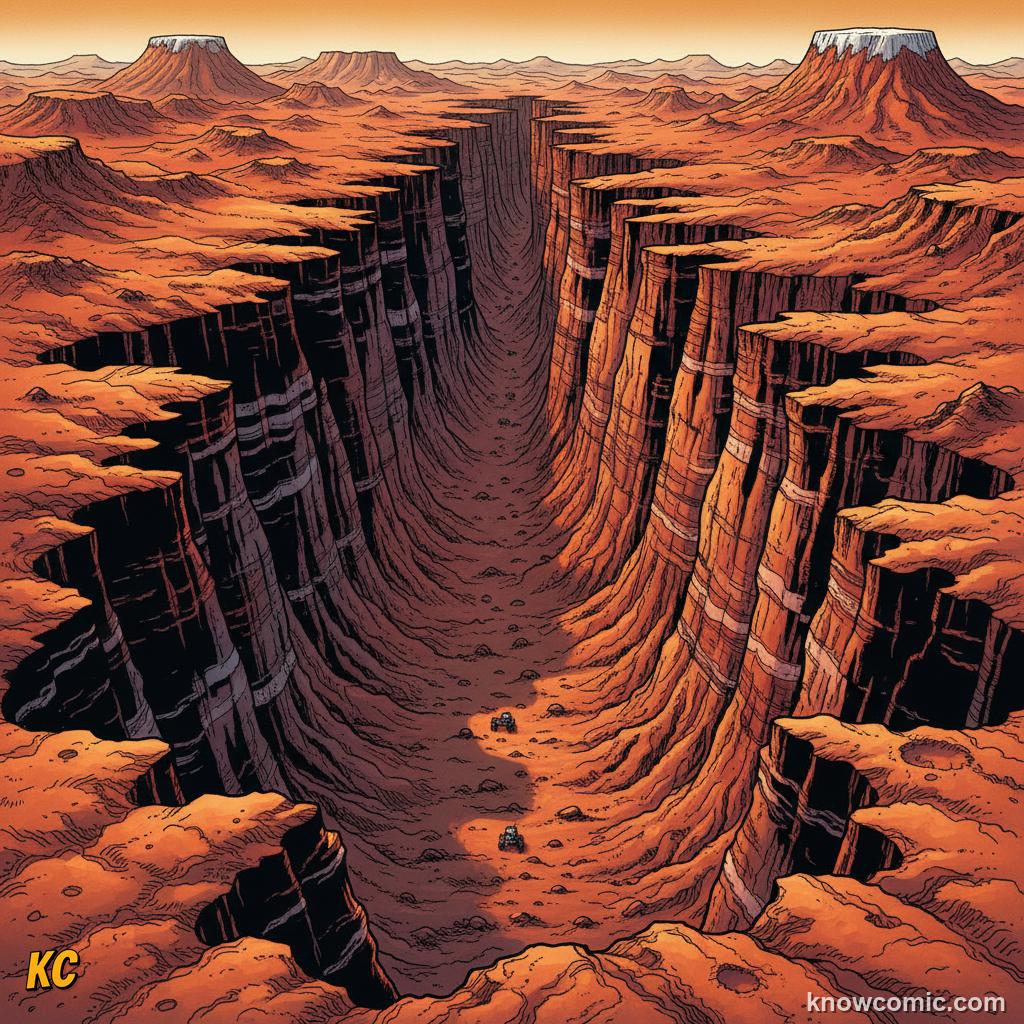
🏜️ Valles Marineris canyon
↔️ 4,000 km long, 7 km deep!
↔️ 4,000 km long, 7 km deep!
ANCIENT FEATURES
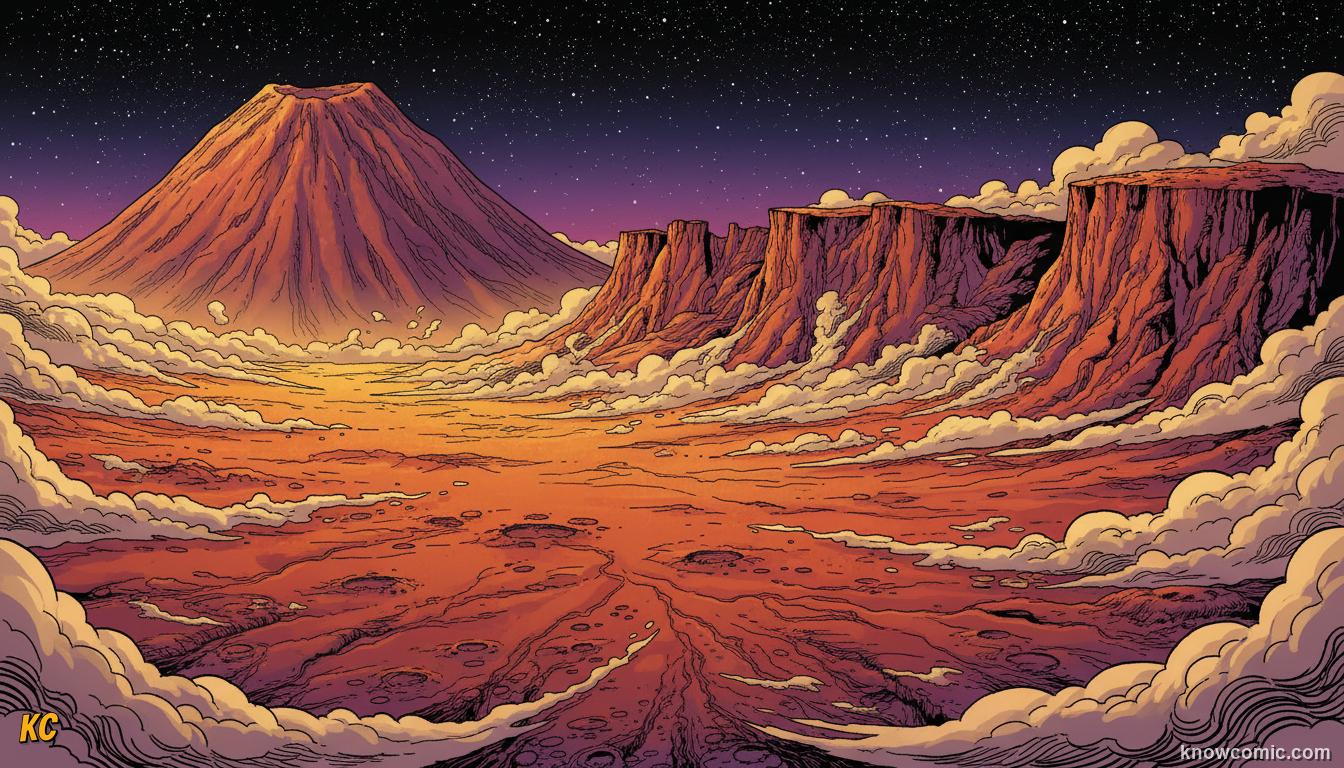
EXTREME TOPOGRAPHY
Mars has the most dramatic landscape features in the solar system! The massive volcano Olympus Mons towers 21 km high (2.5 times higher than Mount Everest). The colossal canyon Valles Marineris stretches over 4,000 km — longer than the Grand Canyon! Channels suggest water once carved the landscape. A geological wonder world!
HUGE!
PAGE 4 OF 5 — SEASONS ON MARS
CLIMATE
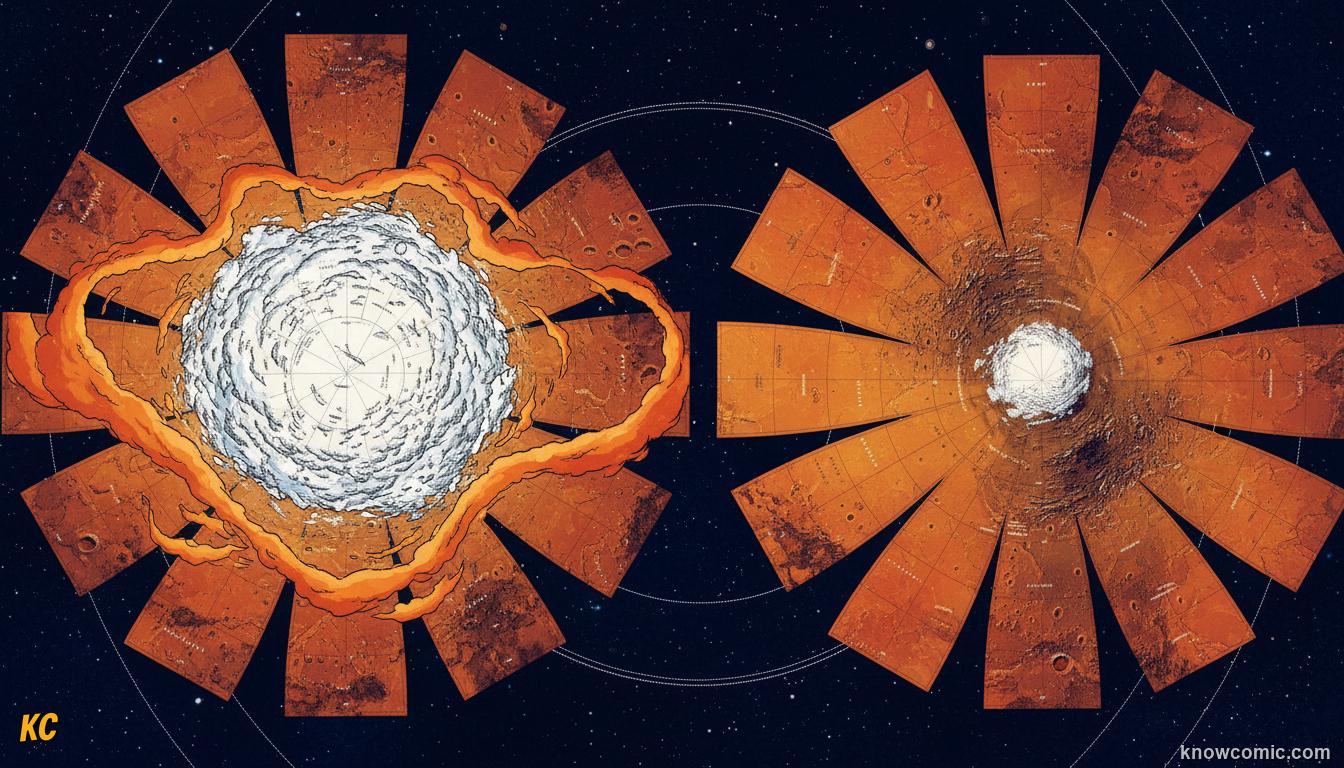
MARS HAS SEASONAL CYCLES
Like Earth, Mars experiences seasons! It tilts on its axis, causing seasonal temperature changes. Summer in Mars's northern hemisphere can reach -20°C (still freezing!), while winter drops to -140°C. The polar ice caps expand and shrink with the seasons. Dust storms rage across the surface during certain times of year, turning the sky reddish-brown!
WINDY!
POLAR CAPS
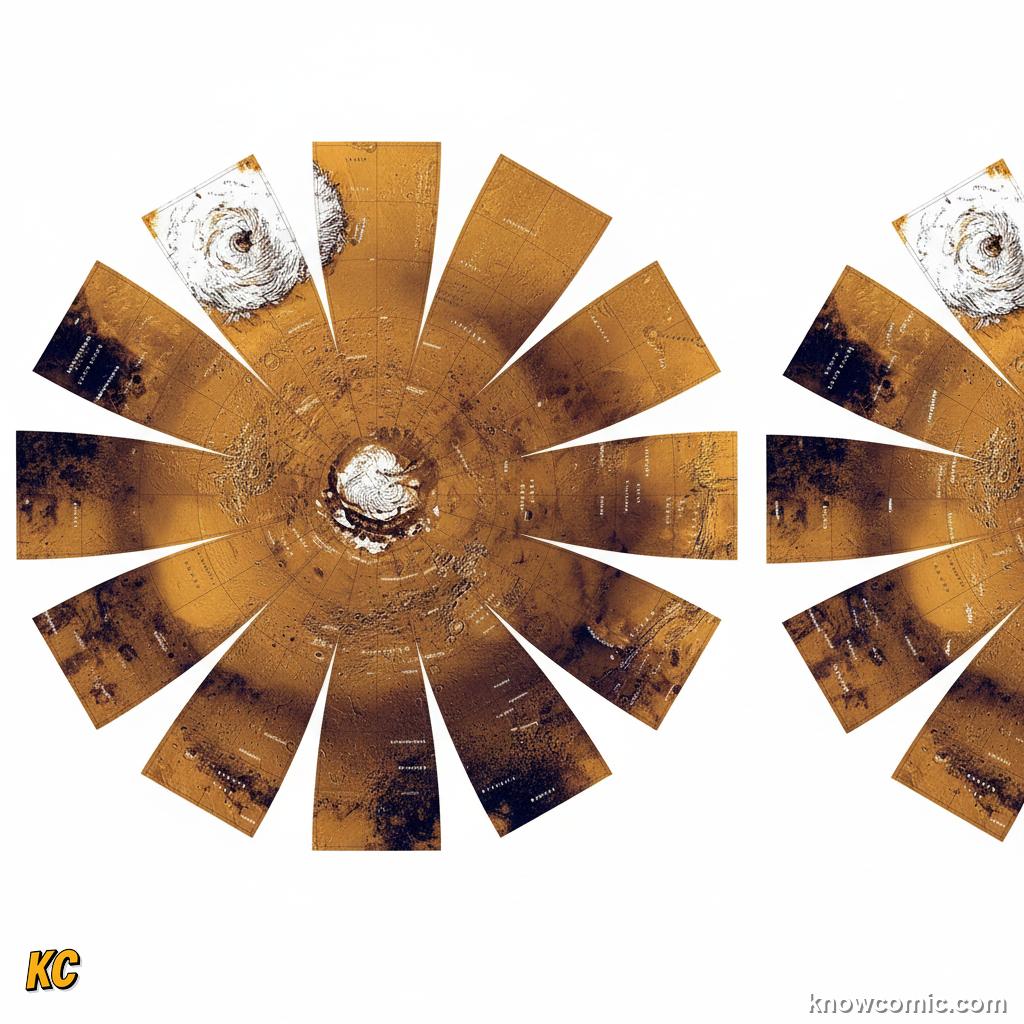
❄️ CO₂ ice + water ice
🔄 Seasonal expansion/contraction
🔄 Seasonal expansion/contraction
DUST STORMS
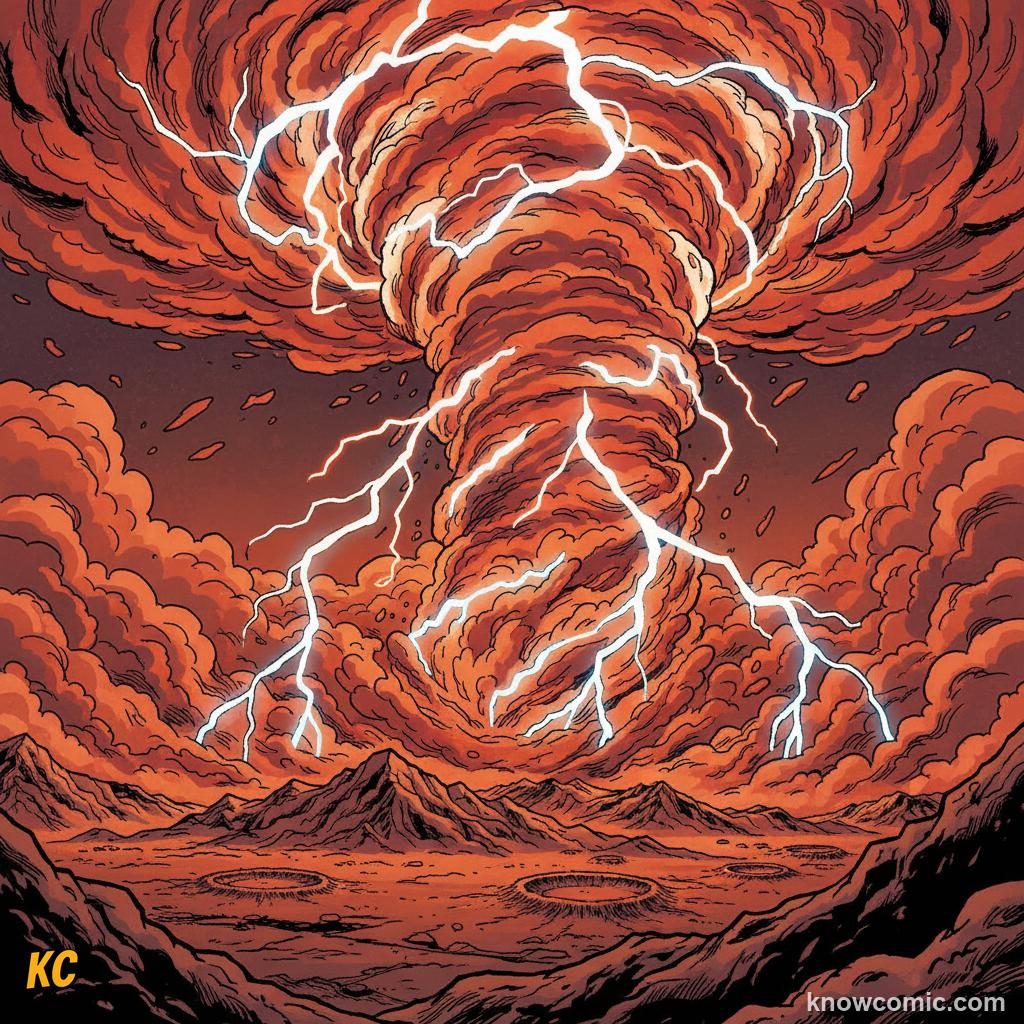
🌪️ Planet-wide dust storms!
🔴 Turns sky reddish-brown
🔴 Turns sky reddish-brown
TEMPERATURE
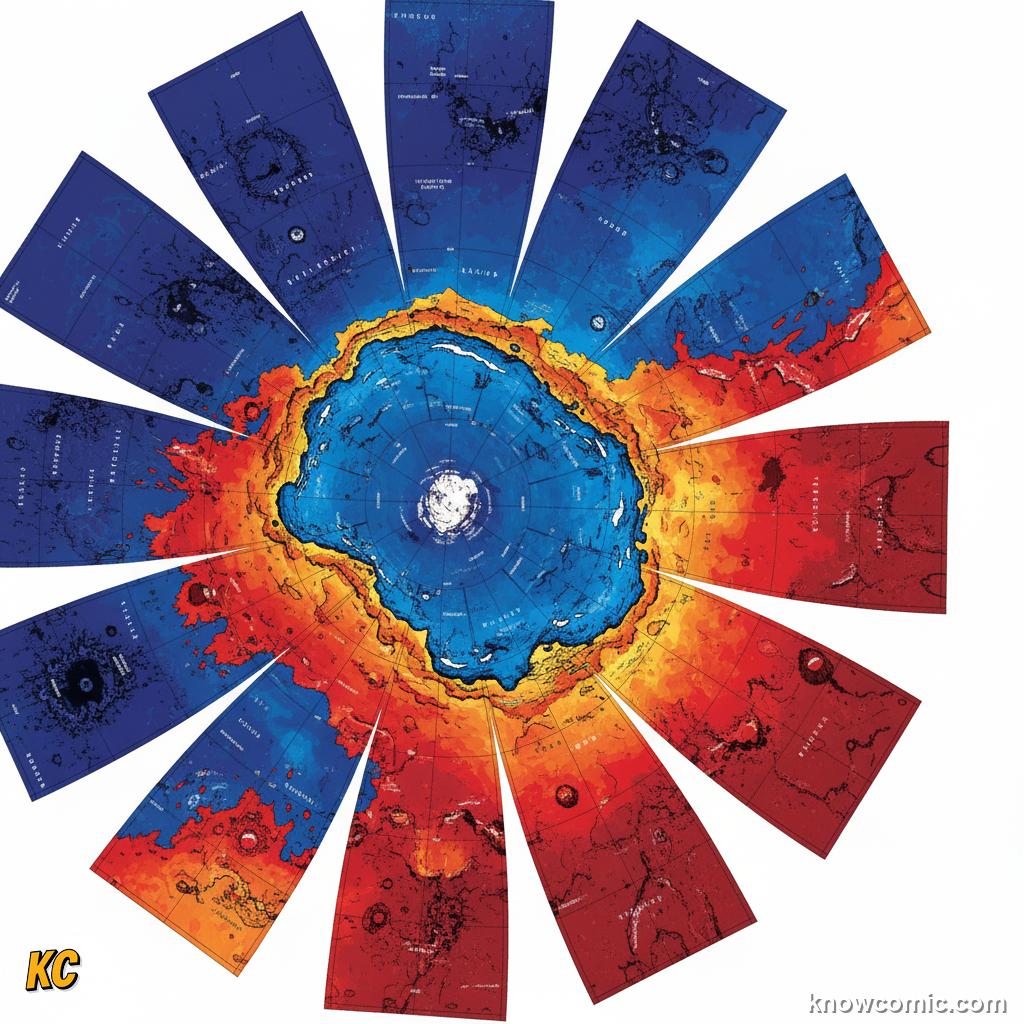
❄️ Summer: -20°C
🥶 Winter: -140°C (brutal!)
🥶 Winter: -140°C (brutal!)
PAGE 5 OF 5 — MARS: NEXT DESTINATION?
EXPLORATION
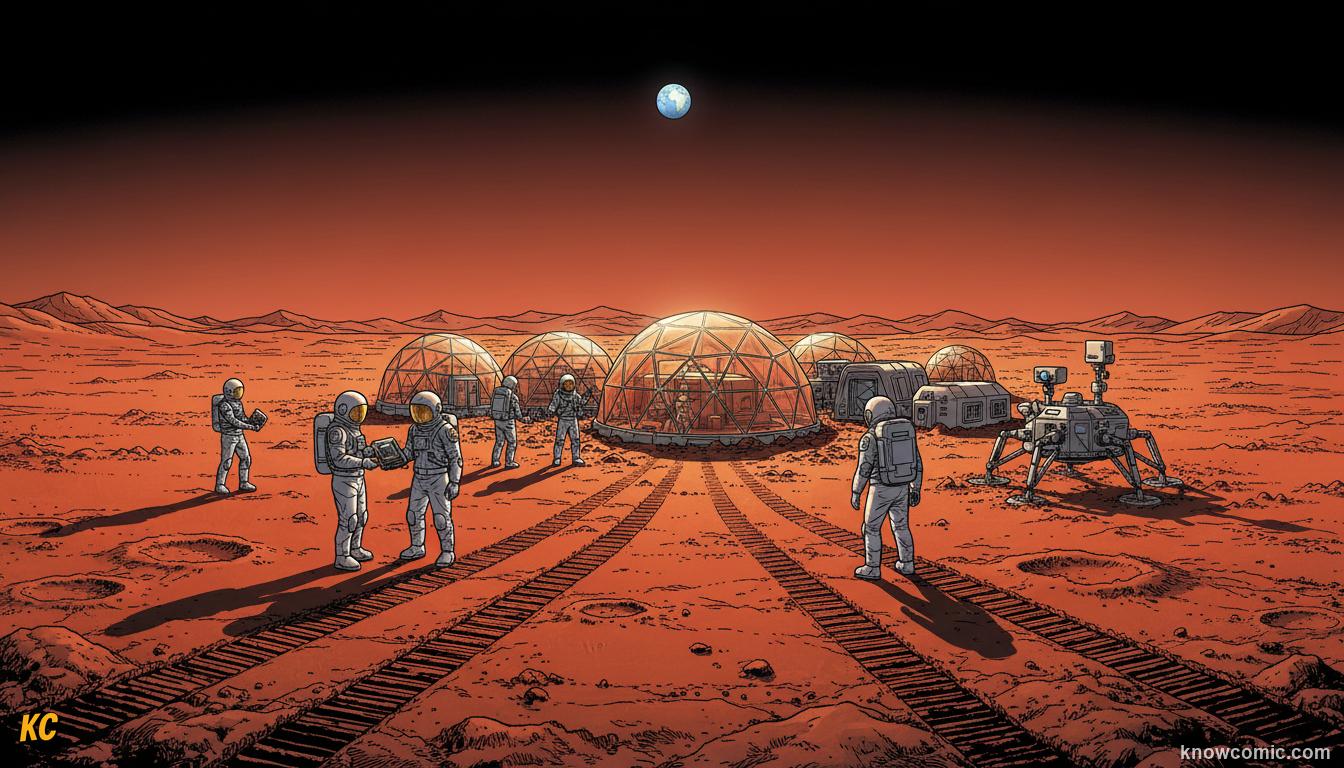
THE FUTURE HOME FOR HUMANS
Mars fascinates space agencies and explorers worldwide! Rovers like Curiosity and Perseverance search for signs of ancient microbial life. Many scientists believe humans could establish a colony on Mars within the next 30 years. Why Mars? It has water ice, a 24.6-hour day similar to Earth, and it might have once been habitable. Mars is our next great adventure!
FUTURE!
ROVERS
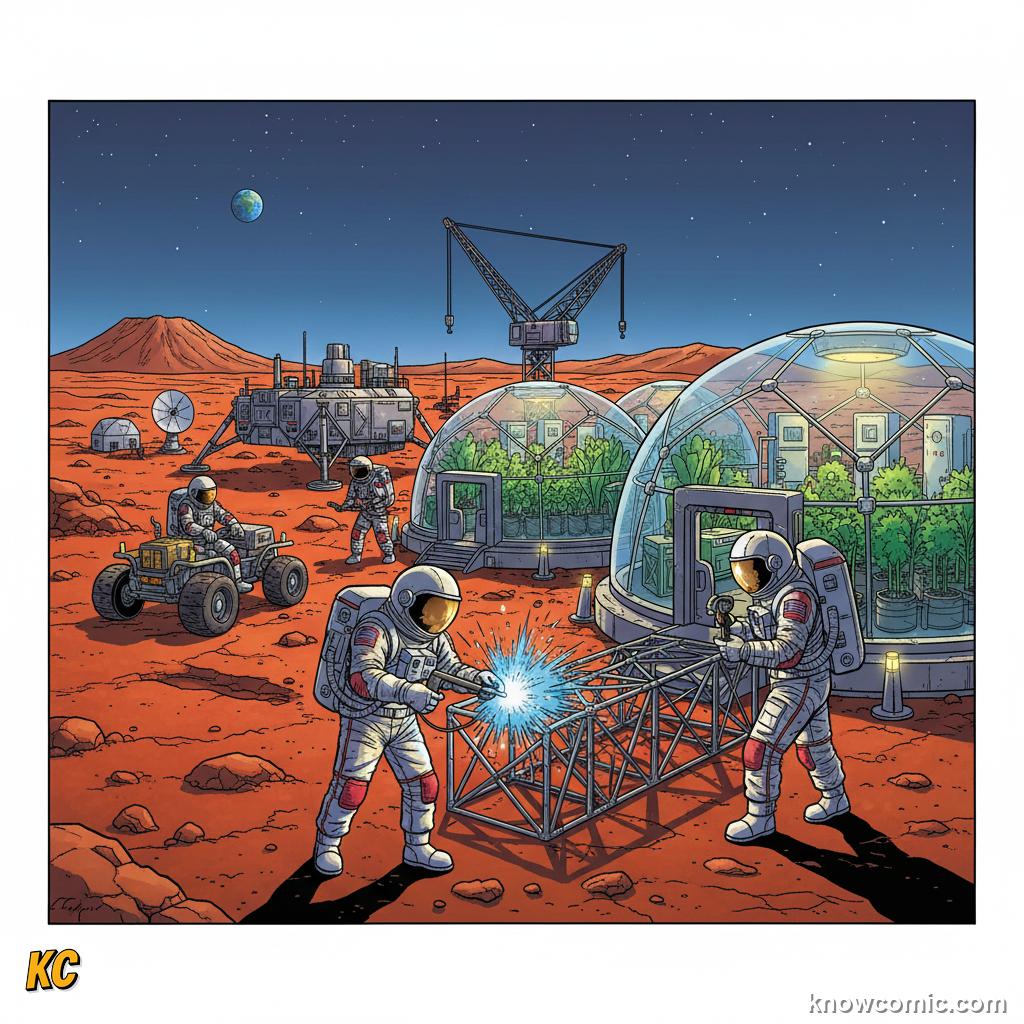
🤖 Curiosity rover exploring
👁️ Perseverance searching for life
👁️ Perseverance searching for life
KEY FACTS
🌟 REMEMBER
Mars is the red planet with the biggest volcano and longest canyon in the solar system. It has water ice, seasons, dust storms, and evidence of ancient water. Humans might visit Mars within 30 years!
🔴 Fourth from Sun
🔁 687-day year
⛰️ Olympus Mons volcano
💧 Water ice at poles
🚀 Future human home?
🔁 687-day year
⛰️ Olympus Mons volcano
💧 Water ice at poles
🚀 Future human home?
🧠 QUIZ TIME!
MARS: THE RED PLANET · 5 QUESTIONS
QUESTION 01
Why is Mars called the Red Planet?
QUESTION 02
What is the largest volcano in our entire solar system?
QUESTION 03
How long is a year on Mars?
QUESTION 04
What evidence suggests water once flowed on Mars?
QUESTION 05
Why are scientists interested in sending humans to Mars?
0/5
LOADING...