🦅 ROMAN GODS
PAGE 1 OF 5 · JUPITER AND THE CAPITOLINE TRIAD
CAPITOL
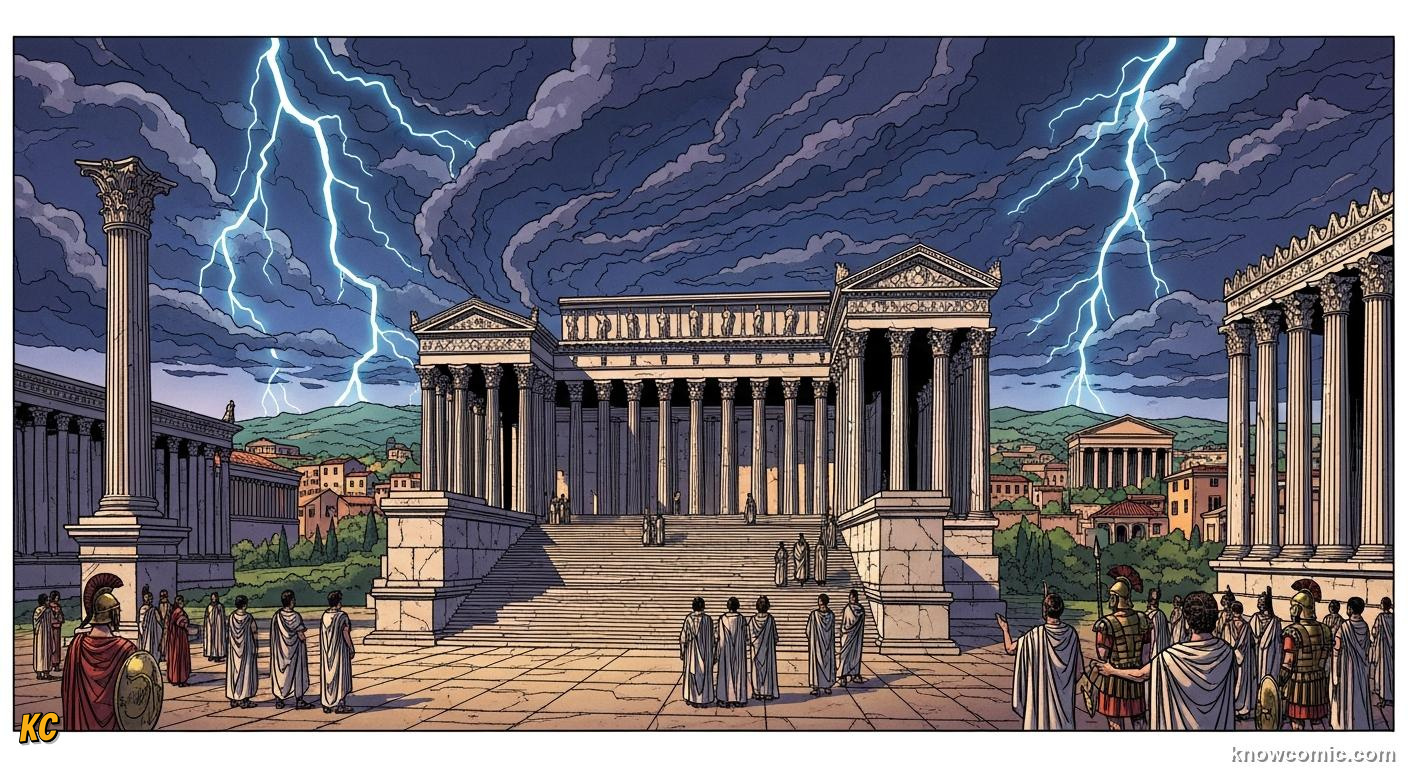
ROME'S SKY KING WAS JUPITER
Long before smartphones, the city of Rome raised huge temples on the Capitoline hill for three chief gods: Jupiter who ruled thunder and oaths, his wife Juno who watched over women and the state, and wise Minerva who loved crafts and battle plans. Priests climbed these steps with offerings whenever generals left for war or consuls swore to tell the truth. Romans knew many of these tales first from Greek neighbours, then rewrote them in Latin with new names, yet the feelings stayed the same: awe at lightning, fear of a broken vow, hope that wisdom would win a siege.
⚡ DID YOU KNOW?
The English word Thursday hides the name Thor, while Romance languages use Jupiter instead, like jeudi in French. Roman gods still echo inside modern calendars.
ROMA!
SYNCRETISM
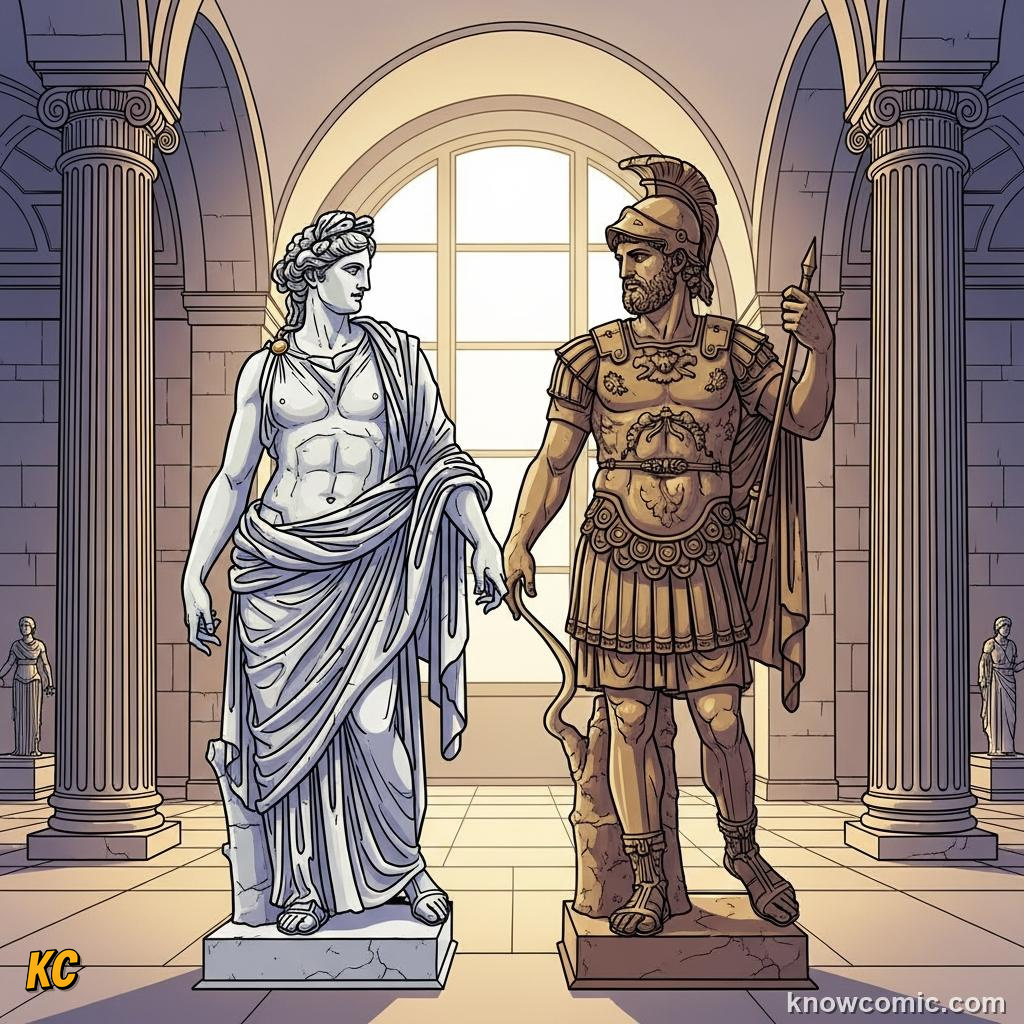
🔄 Storytellers paired each Roman god with a Greek cousin so trade and travel felt less confusing. Jupiter lines up with Zeus, Neptune with Poseidon, Venus with Aphrodite.
📚 Schools in the empire often taught both names side by side, like two labels on the same bottle.
📚 Schools in the empire often taught both names side by side, like two labels on the same bottle.
JUNO
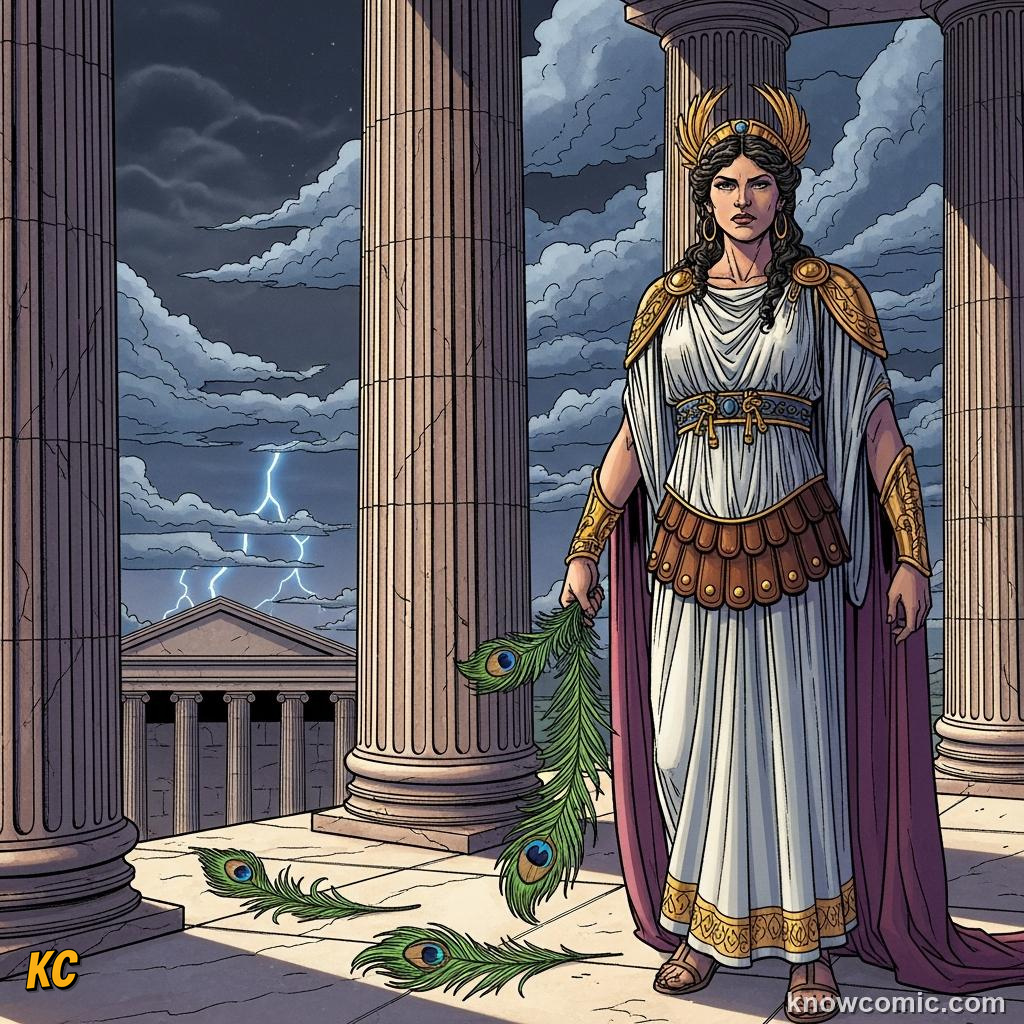
👑 Juno guarded marriage, money chests, and the safety of the city itself. Her sacred goose on the Capitoline once honked to warn Romans that sneaky Gauls climbed the walls at night.
🪶 Artists painted her with peacocks and a stern glare that said keep your promises.
🪶 Artists painted her with peacocks and a stern glare that said keep your promises.
PAGE 2 OF 5 · TEMPLES, FIRE, AND THE HOME ALTAR
RITUAL
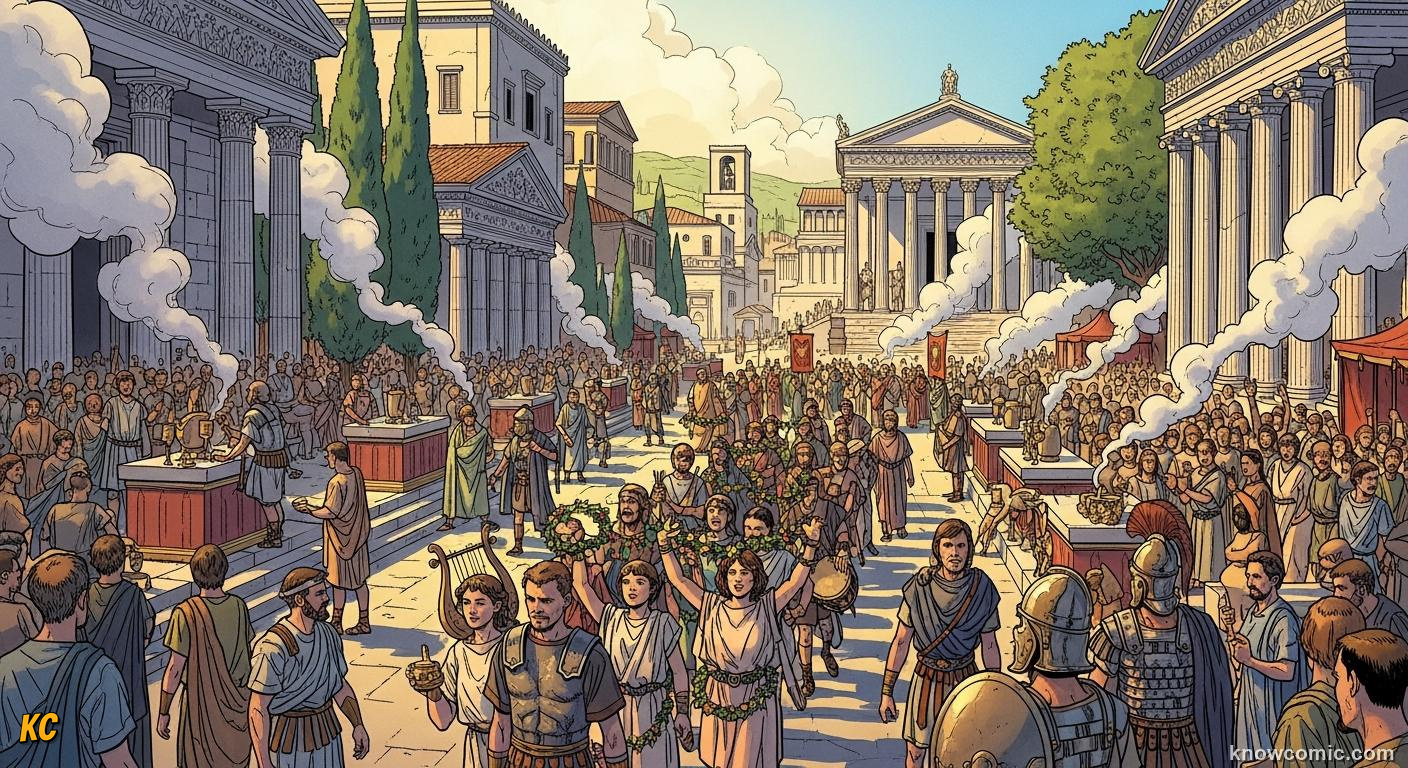
PUBLIC FEASTS AND PRIVATE PRAYERS
Roman religion mixed loud public games with quiet corners at home. Citizens tossed grain and incense onto small altars for the Lares, guardian spirits of the crossroads, and for the Penates who watched the pantry. Vestal Virgins kept a never ending hearth fire for Vesta because if it went out, people feared the city might lose its luck. Augurs studied bird flight to decide whether a battle day looked blessed. None of this required everyone to believe the same story inside their heads. What mattered was showing up, doing the gesture, and keeping Rome in rhythm with heaven.
OFFER!
LARES
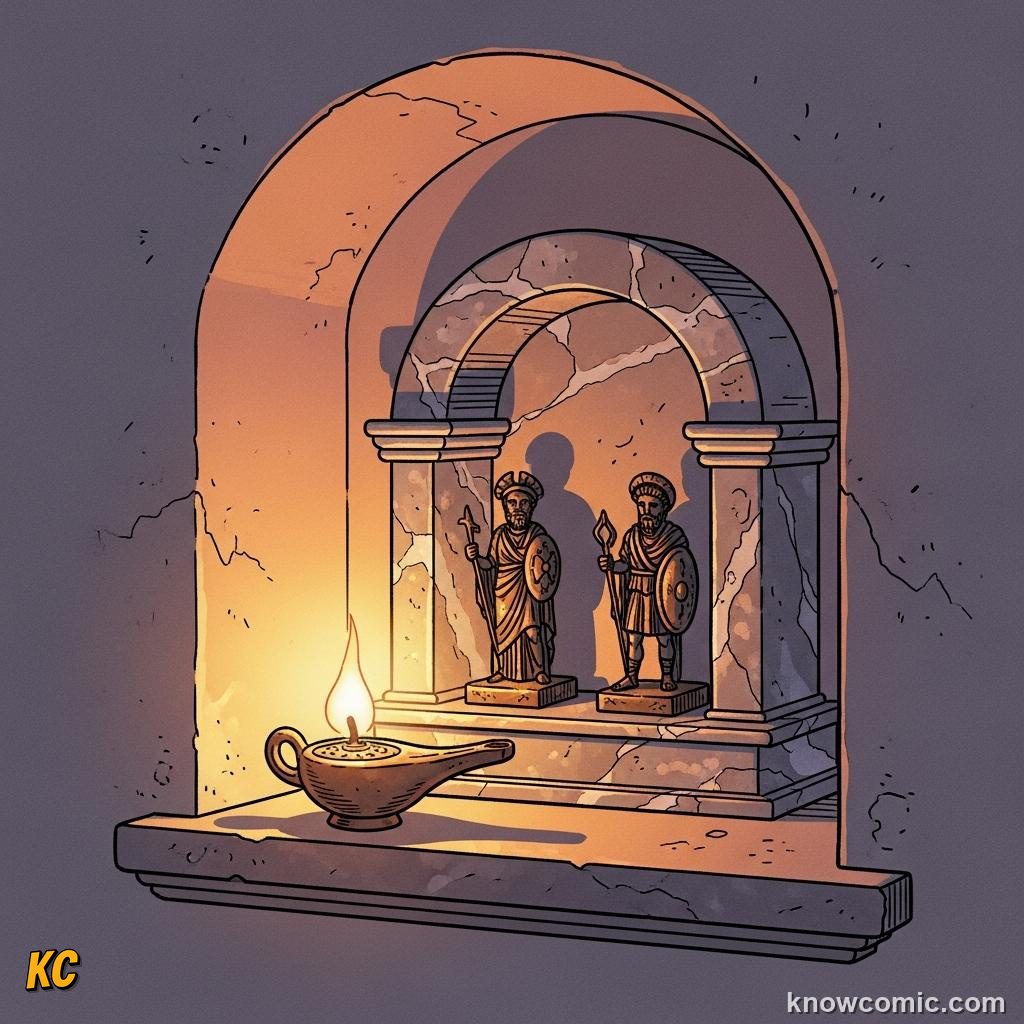
🏠 Tiny statues of Lares stood on shelves so families could nod hello each morning with a pinch of salt or a flower.
🛤️ Travelers also left coins at roadside shrines so the same friendly spirits would guard the next mile.
🛤️ Travelers also left coins at roadside shrines so the same friendly spirits would guard the next mile.
VESTA
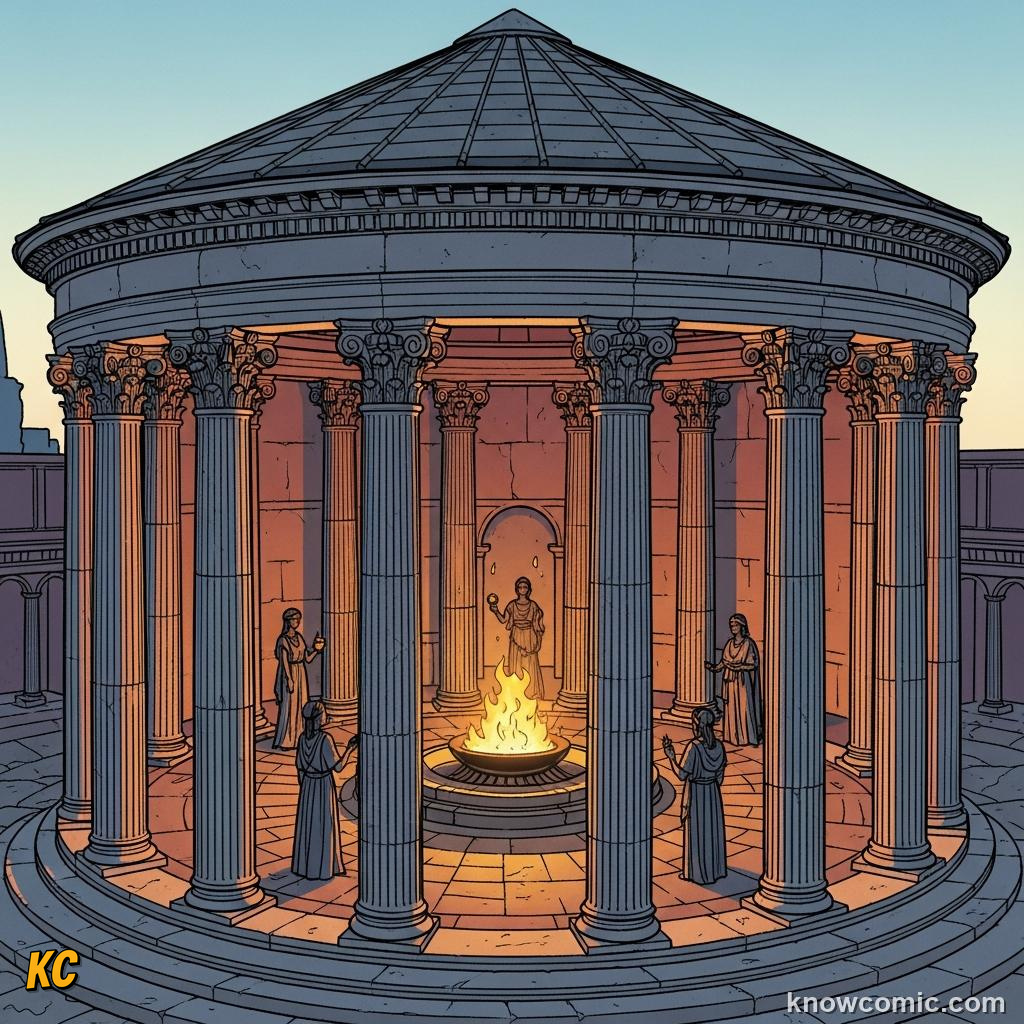
🔥 Vesta's flame lived inside a round temple where priestesses vowed thirty years of service.
📜 If a Vestal broke the rules, history books say the punishment was harsh because Romans treated the vow like a load bearing wall for the whole city.
📜 If a Vestal broke the rules, history books say the punishment was harsh because Romans treated the vow like a load bearing wall for the whole city.
AUGUR
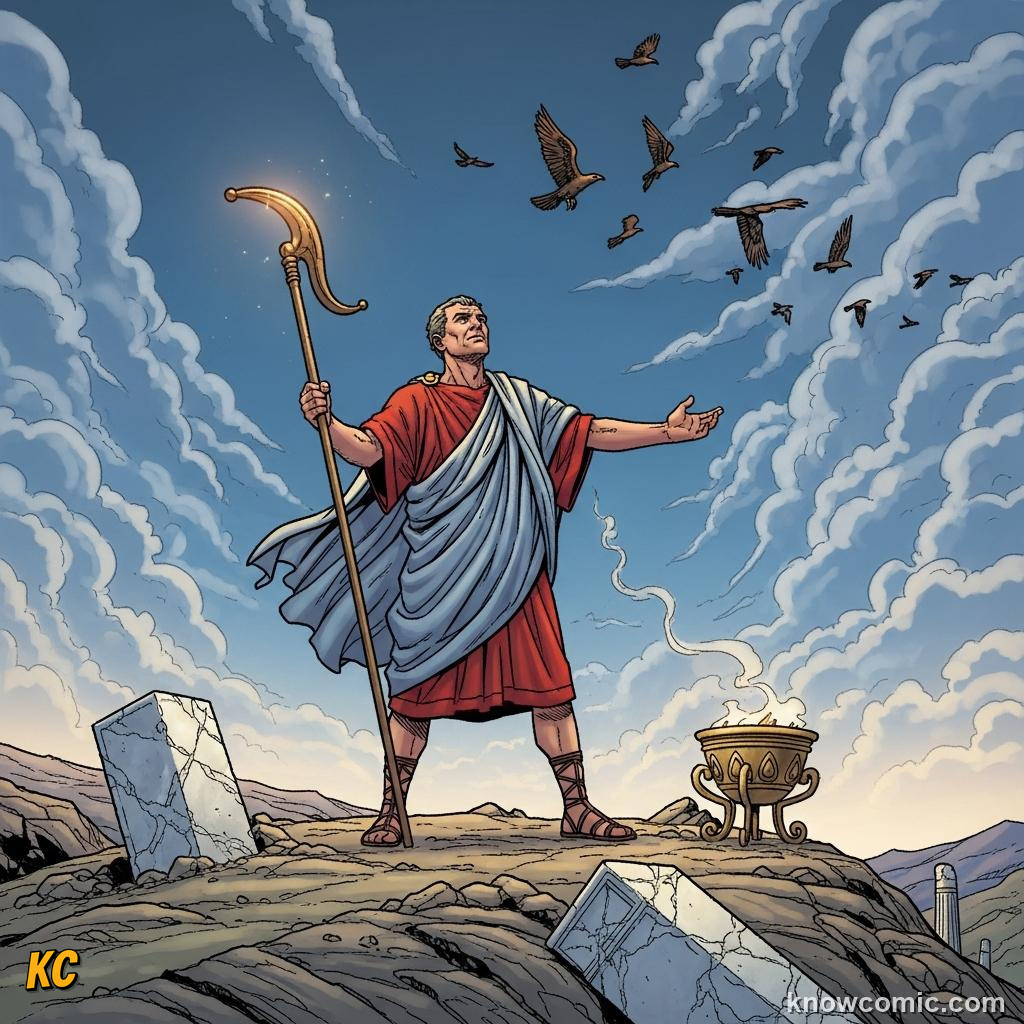
🦅 Augurs carried curved staffs and watched which way birds crossed the sky before a law passed or a fleet sailed.
⚖️ Leaders still had to choose wisely because omens were hints, not full scripts.
⚖️ Leaders still had to choose wisely because omens were hints, not full scripts.
PAGE 3 OF 5 · MARS, VENUS, AND MINERVA
MARS
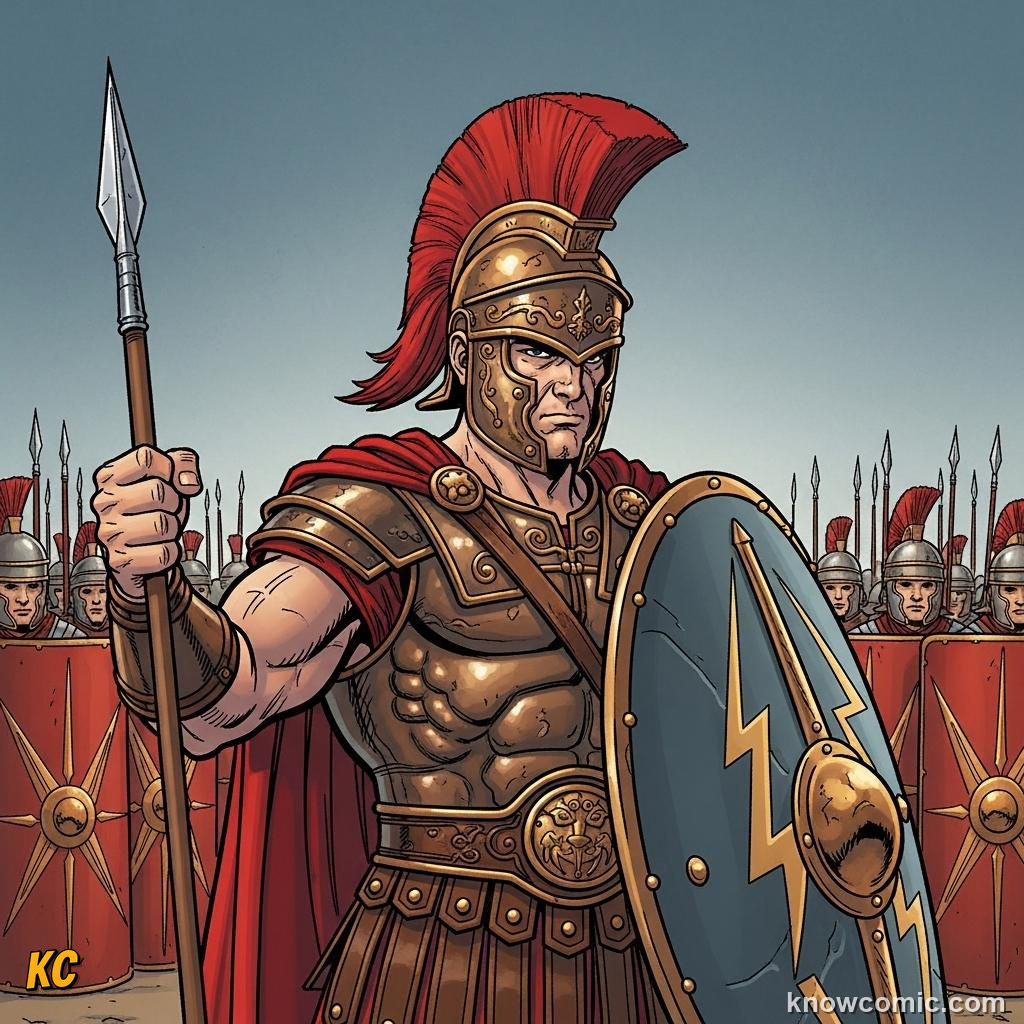
⚔️ Mars was more than a bully with a spear. He stood for disciplined courage, spring growth, and the loud music of legions marching in step.
🐺 Legends even said a wolf nursed Rome's founders near his sacred grove, tying the god to the city's birth story.
🐺 Legends even said a wolf nursed Rome's founders near his sacred grove, tying the god to the city's birth story.
VENUS
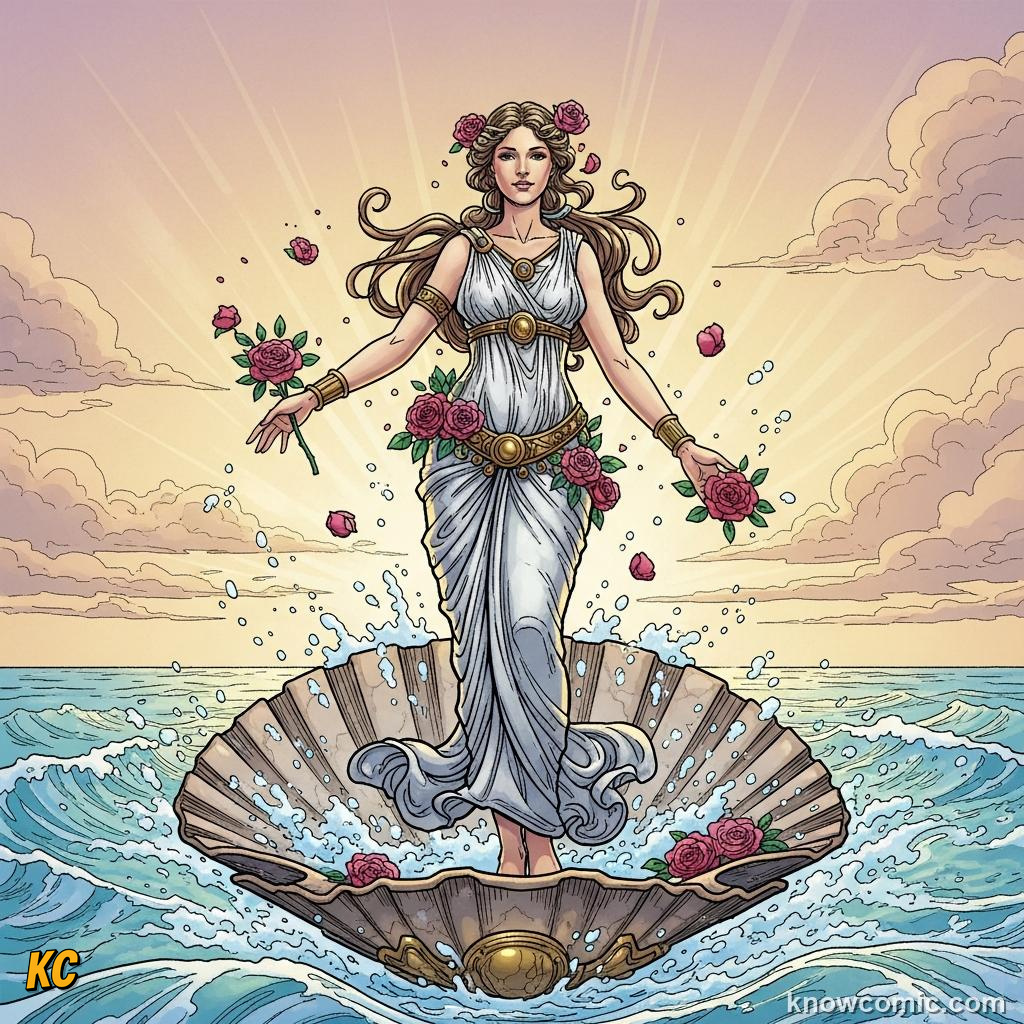
🌊 Romans pictured Venus rising from sea foam, yet they also claimed her as ancestor of the Julian family line.
💐 That mix of beauty and politics helped leaders say their wars still served love and harmony.
💐 That mix of beauty and politics helped leaders say their wars still served love and harmony.
MINERVA
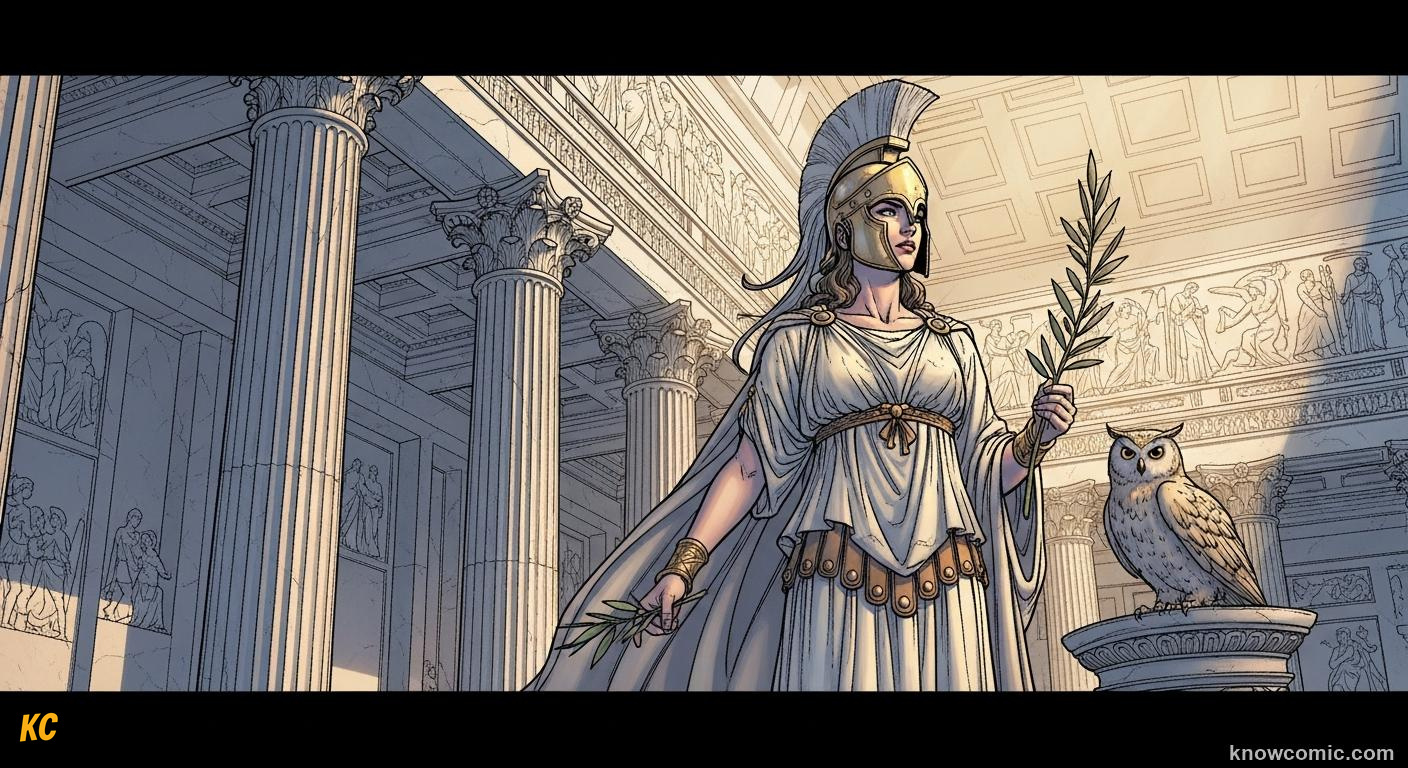
OWL, LOOM, AND BATTLE MAP
Minerva borrowed many traits from Greek Athena. She owned the owl, the olive branch, and clever machines like the chariot that myth says sprang from the earth when Romans needed a surprise weapon. Generals prayed to her before choosing flanking routes, while weavers asked the same goddess to keep fingers nimble. Roman art often showed her helmet pushed back, ready to think first and strike second.
WISDOM!
PAGE 4 OF 5 · EMPIRE, AENEAS, AND THE WOLF
FOUNDING
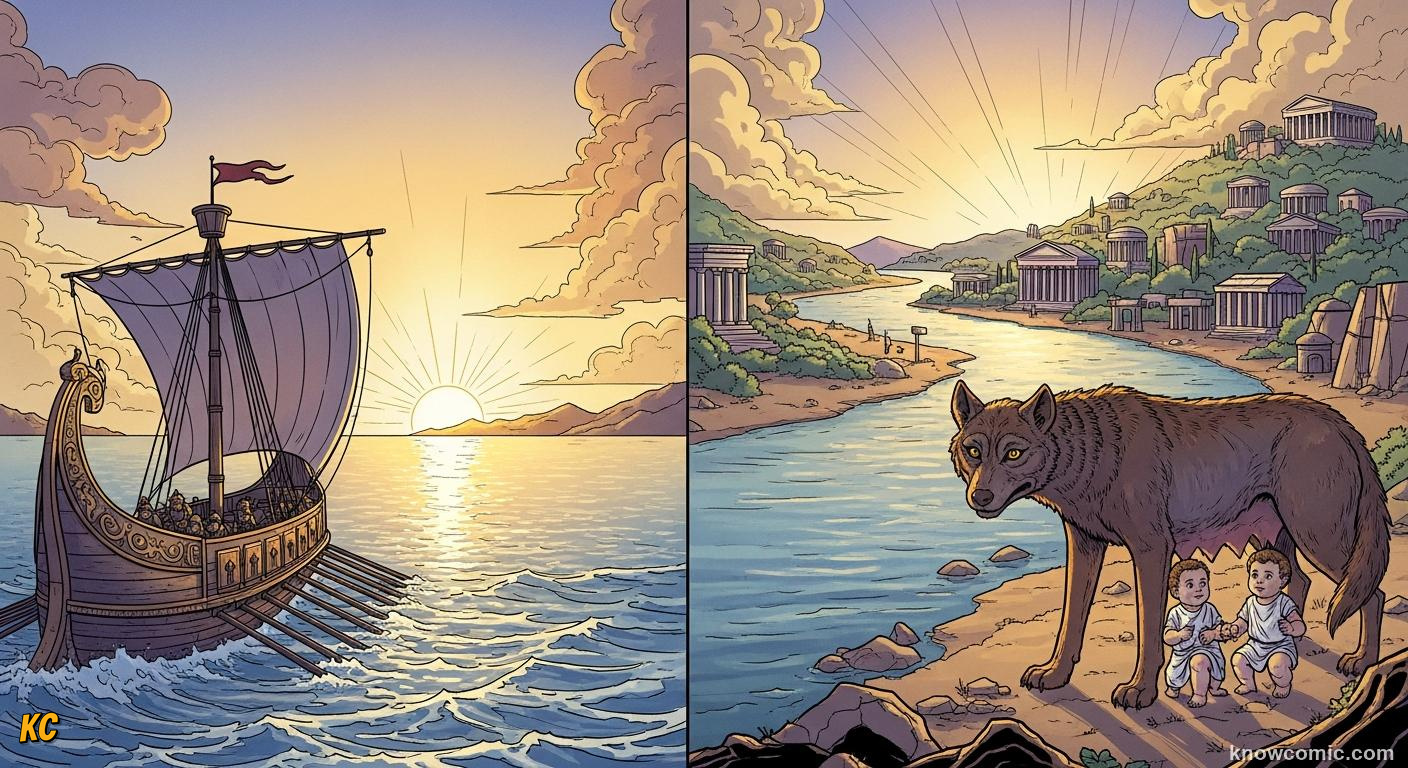
FROM TROY'S ASHES TO SEVEN HILLS
The poet Virgil imagined Trojan prince Aeneas sailing west until fate planted him in Italy so his descendants could build Rome. Later myths added twin brothers Romulus and Remus, children of war and royalty, left in the wild and suckled by a she wolf until a shepherd found them. When they argued about where to plow a city wall, the tale says Romulus stood his ground and Remus paid with his life. Romans told these stories not because every detail was kind, but because they wanted a past that felt ancient, tough, and chosen by gods.
LUPA!
GENIUS
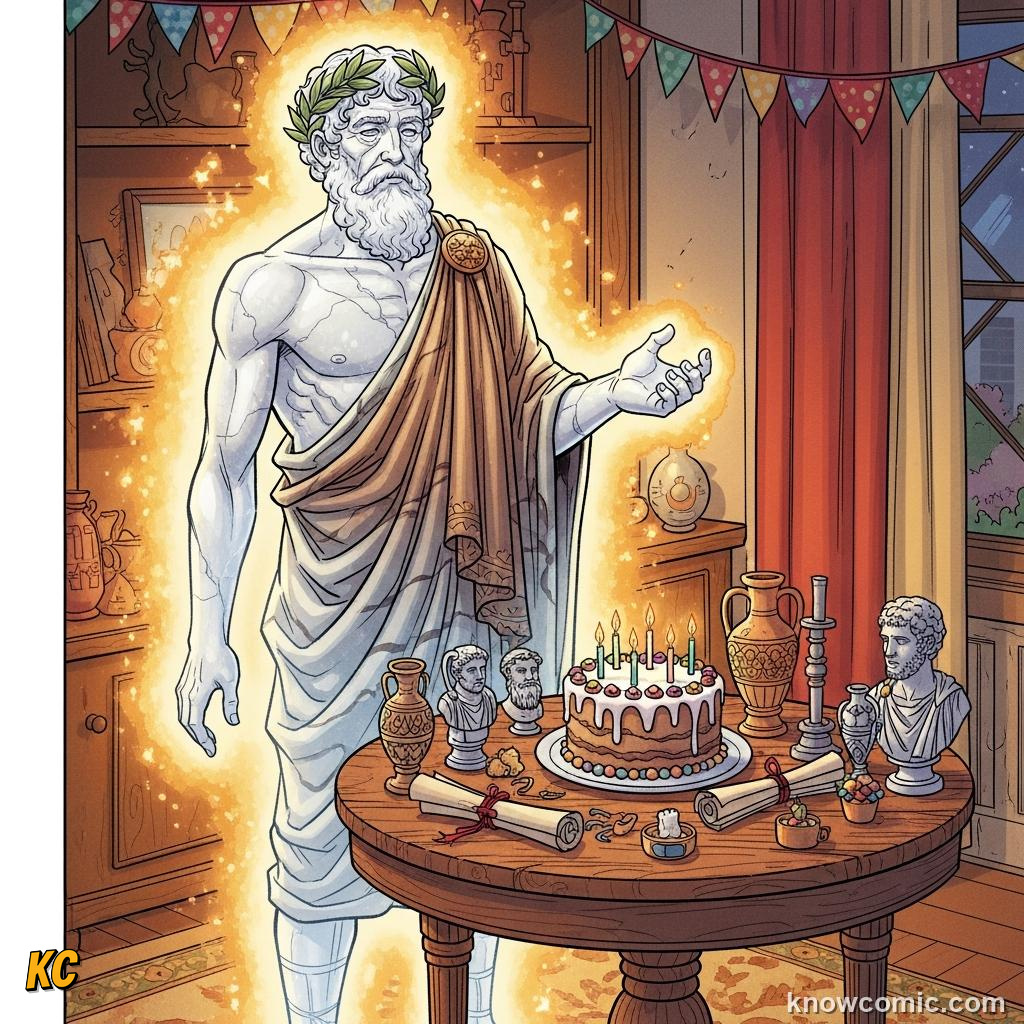
✨ Every person and city carried a Genius, a guiding spark you honoured on birthdays with cake and wine.
🏙️ The emperor's Genius became a stand in for loyalty to the whole empire, not just one house.
🏙️ The emperor's Genius became a stand in for loyalty to the whole empire, not just one house.
CULT
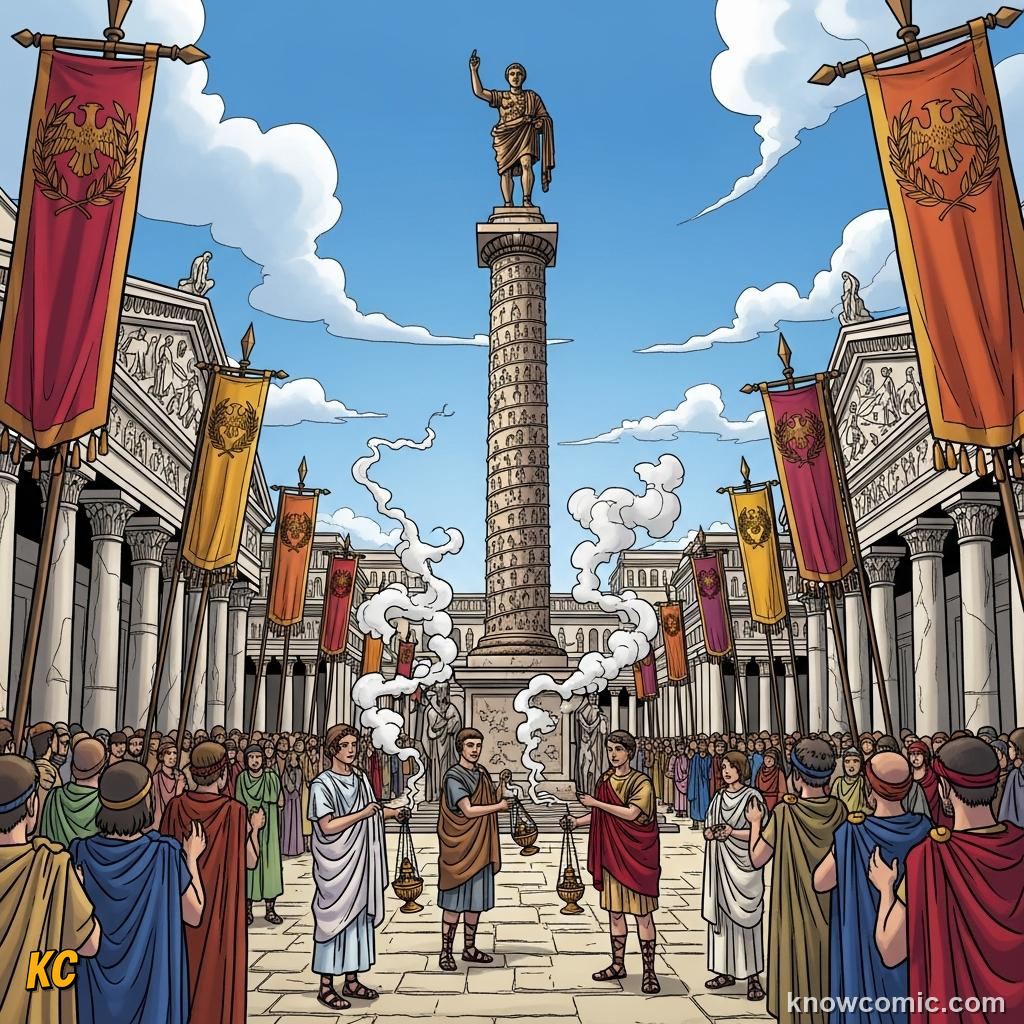
🏛️ Later emperors merged human praise with divine titles so provincials could burn incense for the ruler's spirit.
🌍 Some modern readers call this propaganda, yet it helped far towns feel tied to one capital.
🌍 Some modern readers call this propaganda, yet it helped far towns feel tied to one capital.
VIRGIL
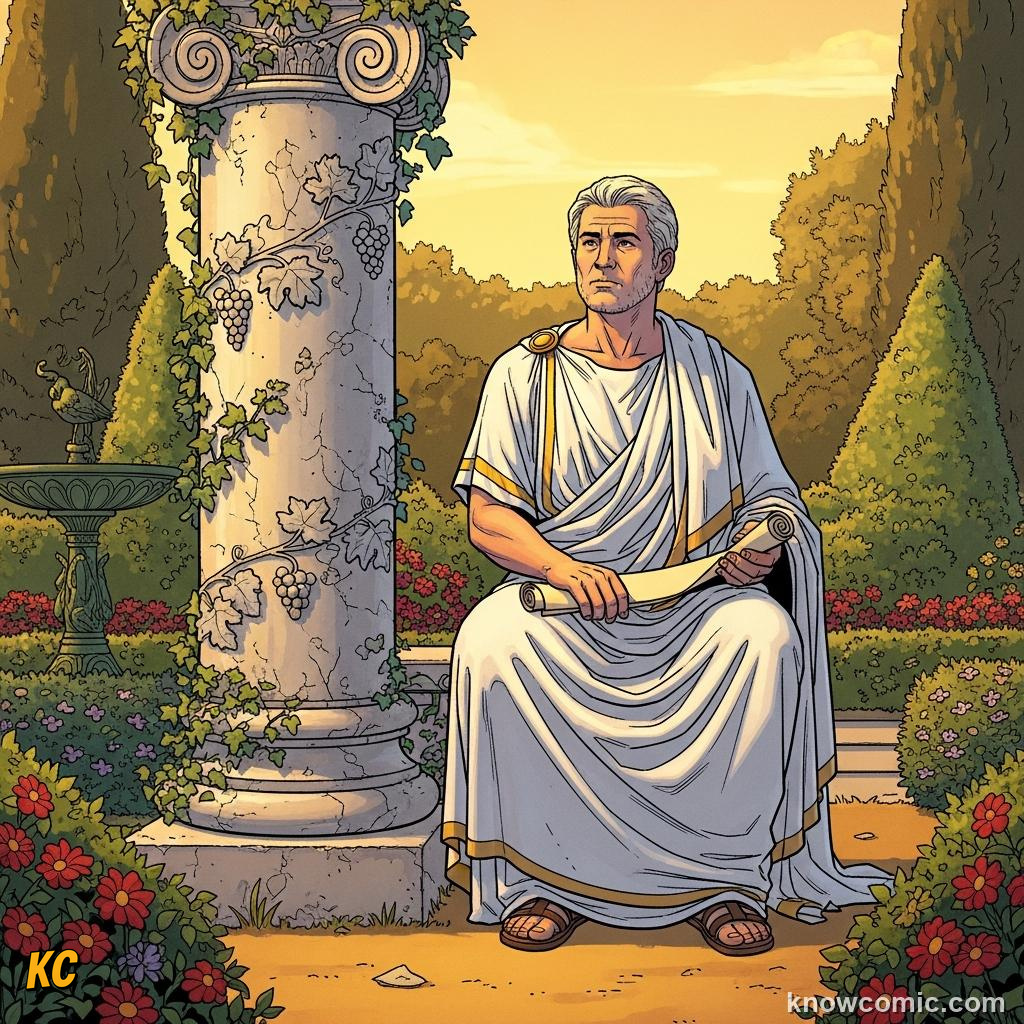
📜 Virgil's Aeneid wove older Greek epic style into Latin verse about duty and destiny.
📖 Schoolkids once memorised lines the way others learn song lyrics.
📖 Schoolkids once memorised lines the way others learn song lyrics.
PAGE 5 OF 5 · WHY ROMAN GODS STILL MATTER
LEGACY
FROM LATIN TO LAUNCH PADS
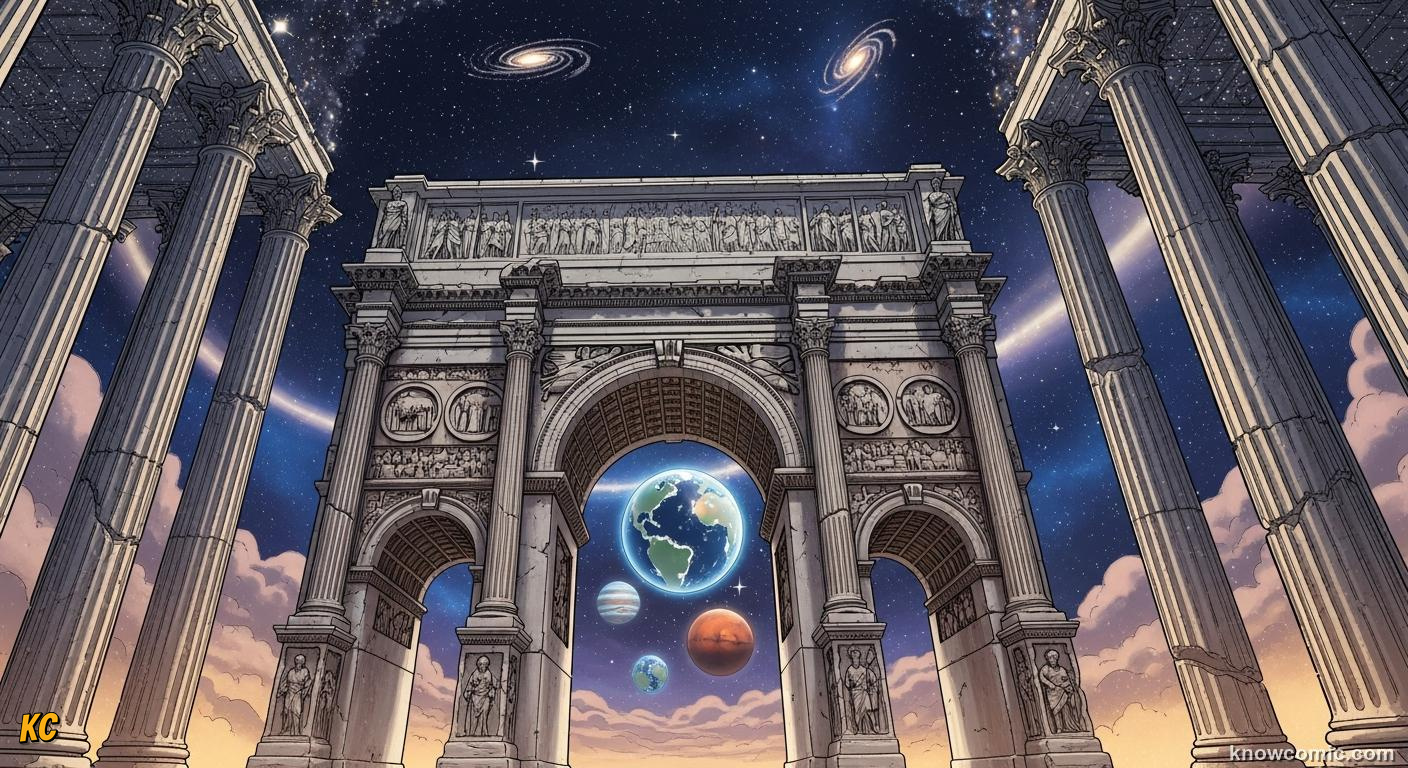
When you say January, you nod to Janus who faces two directions. Mercury speeds messages, Neptune names a blue gas giant, and volcanoes still borrow Vulcan's forge. Roman law, arches, and road grids lasted longer than any single emperor, yet the gods rode along inside language. Learning Jupiter and Mars next to Zeus and Ares is like learning nicknames for the same storm cloud: the shape changes, the thunder still rolls.
AETERNA!
MAP
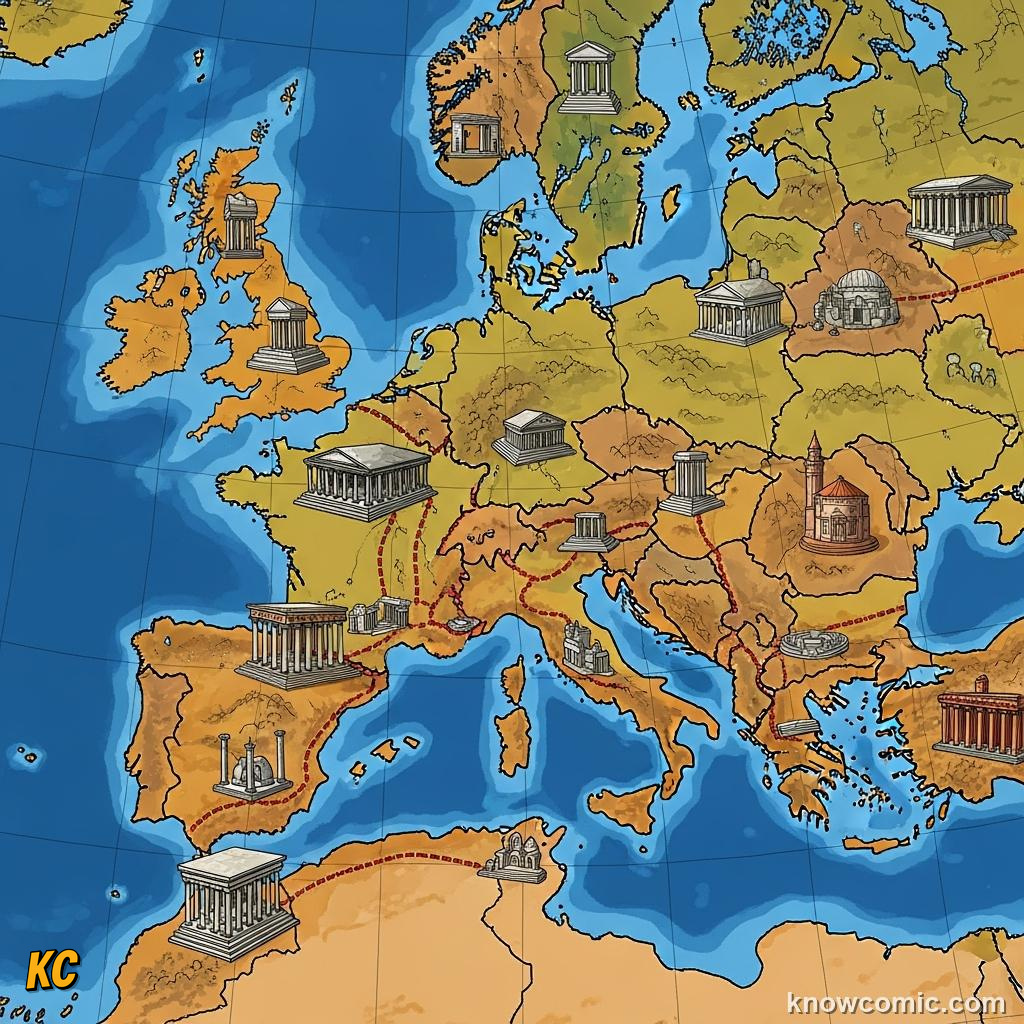
🗺️ From Britain to Syria, soldiers built mini Romes with forums and baths that carried the same gods in new soil.
🏛️ Ruins today still show where altars stood, so tourists can guess where crowds once prayed aloud.
🏛️ Ruins today still show where altars stood, so tourists can guess where crowds once prayed aloud.
REMEMBER
⚡ KEY FACTS
Capitoline triad Jupiter Juno Minerva. Twelve Di Consentes match the Greek Olympian council. Household Lares and Penates. Mars Venus Vesta loom large in civic life. Latin names shaped months, planets, and modern Romance tongues.
✅ Roman religion loved correct ritual as much as private belief.
✅ Myths could celebrate empire while borrowing Greek plots.
✅ Names of gods still hide inside ordinary English words.
✅ Myths could celebrate empire while borrowing Greek plots.
✅ Names of gods still hide inside ordinary English words.
🧠 QUIZ TIME!
ROMAN GODS · 5 QUESTIONS
QUESTION 01
Who was king of the Roman gods?
QUESTION 02
Which Roman goddess lines up with Greek Athena?
QUESTION 03
Who was Rome's fierce god of war?
QUESTION 04
In legend, who became the first king of Rome?
QUESTION 05
How many gods sat in Rome's main council called the Di Consentes?
0/5
LOADING...