🌊 THE BLUE PLANET
PAGE 1 OF 5, WHY EARTH LOOKS BLUE FROM SPACE
MARBLE
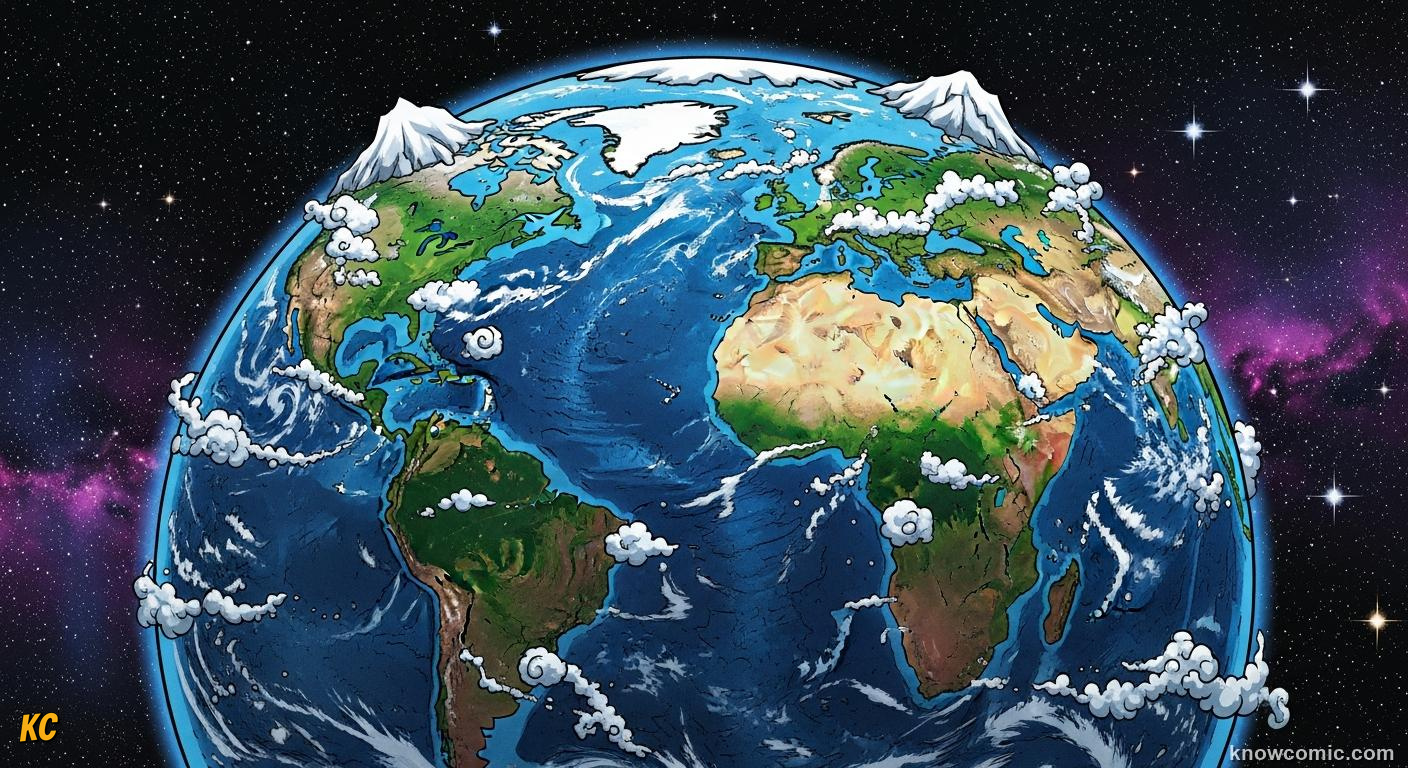
WATER + SKY = THE FAMOUS GLOW
Apollo crews called it the blue marble, a small bright bead in black velvet. Deep oceans absorb reds from sunlight and scatter blues back toward space cameras while white clouds swirl like cream. Land shows brown-green continents; polar caps flash ice white. Other rocky planets look rust or tan because they lack a global ocean and thick wet atmosphere tuned to scatter short wavelengths the way ours does, a signature of a living, leaking, raining world.
⚡ DID YOU KNOW?
If you shrank Earth to a desktop globe, the entire atmosphere would be thinner than a coat of varnish, yet it paints the edge blue.
BLUE!
SCATTER
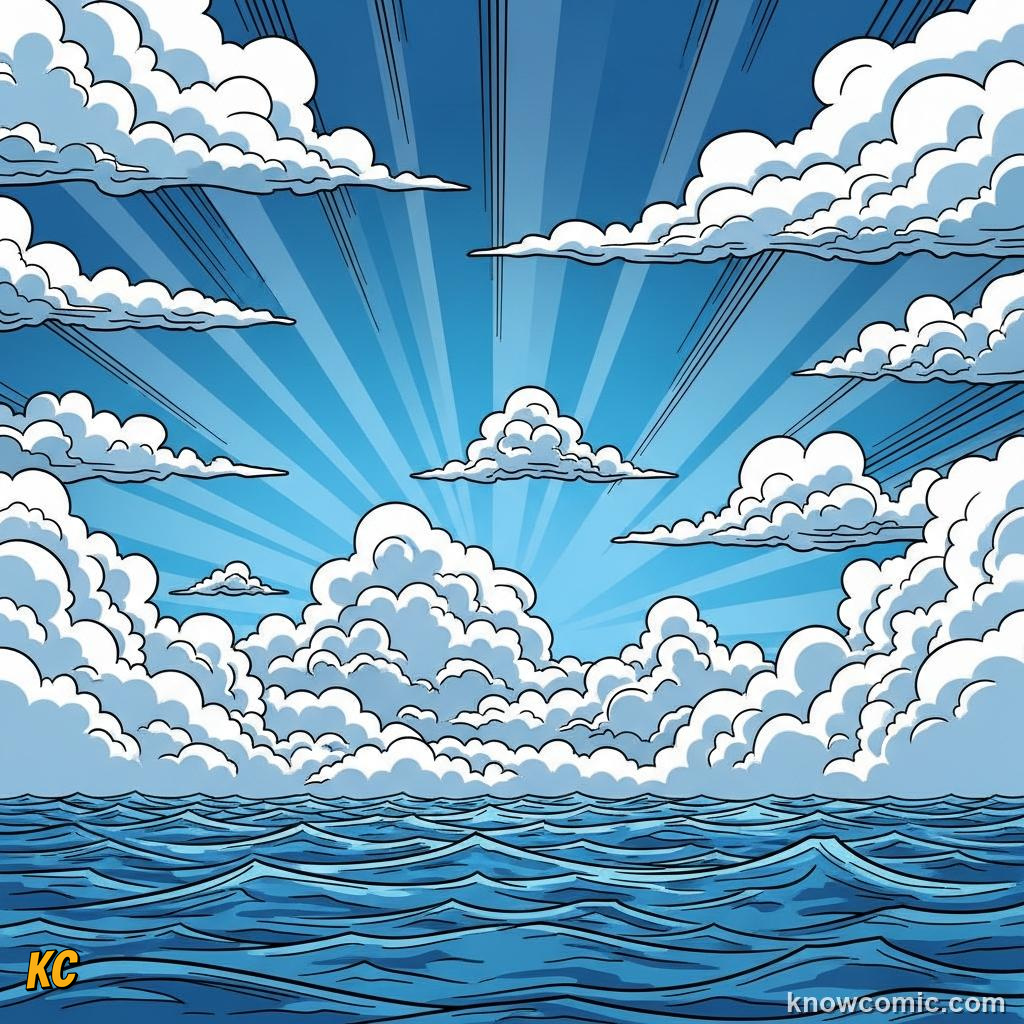
☀️ Short blue waves bounce about
🌅 Sunsets turn red when path long
🌅 Sunsets turn red when path long
COVER
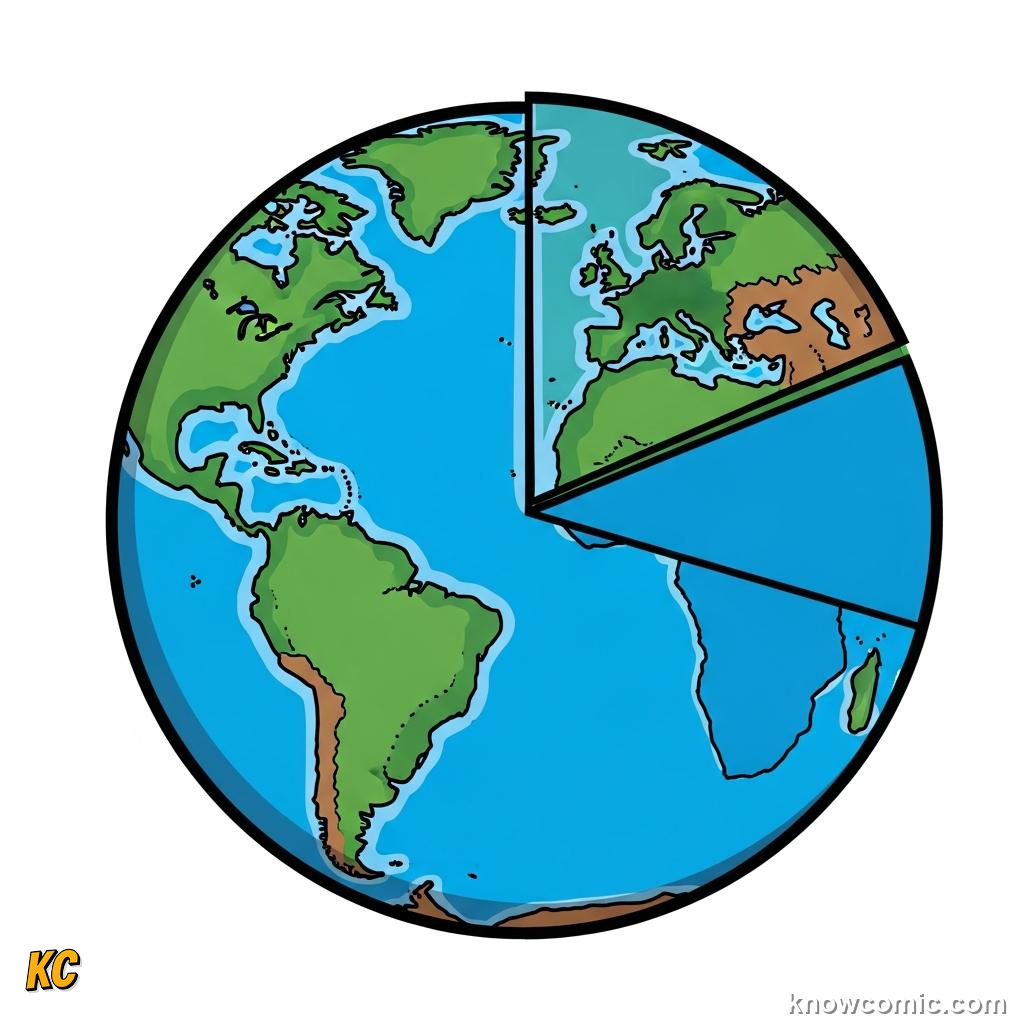
🌊 ~71% ocean + seas
🏔️ ~29% land & ice shelves
🏔️ ~29% land & ice shelves
PAGE 2 OF 5, ONE CONNECTED OCEAN
PACIFIC
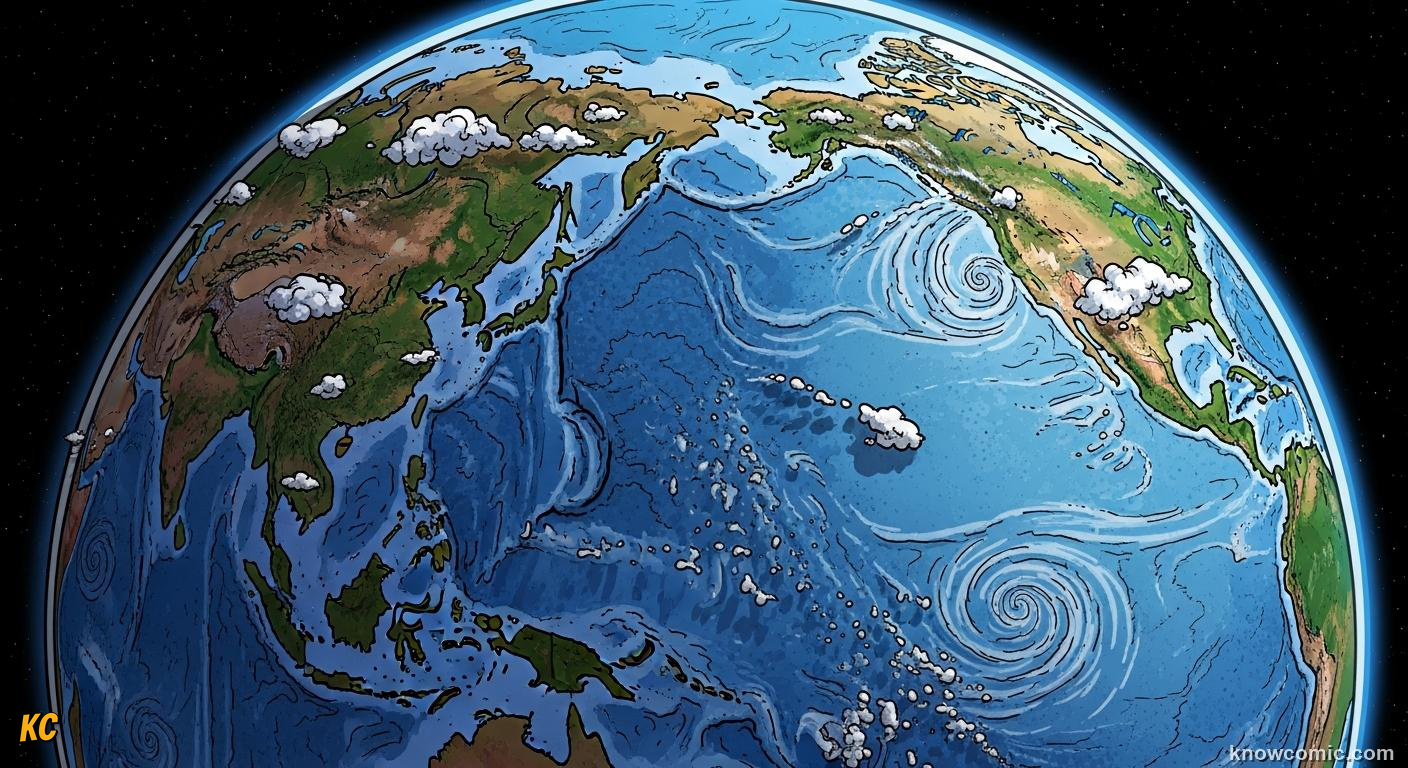
BIGGEST SINGLE FEATURE ON THE MAP
All oceans link into one continuous saltwater skin, Atlantic, Indian, Arctic and Southern hug Antarctica, but the Pacific dominates by area, swallowing nearly half the hydrosphere's surface. Mid-ocean ridges stitch the seafloor like zippers where new crust forms; trenches hide deeper than Everest is tall. Surface currents ferry heat toward Europe; deep cold returns creep for centuries in the great conveyor that stabilises climate.
DEEP!
SALTY
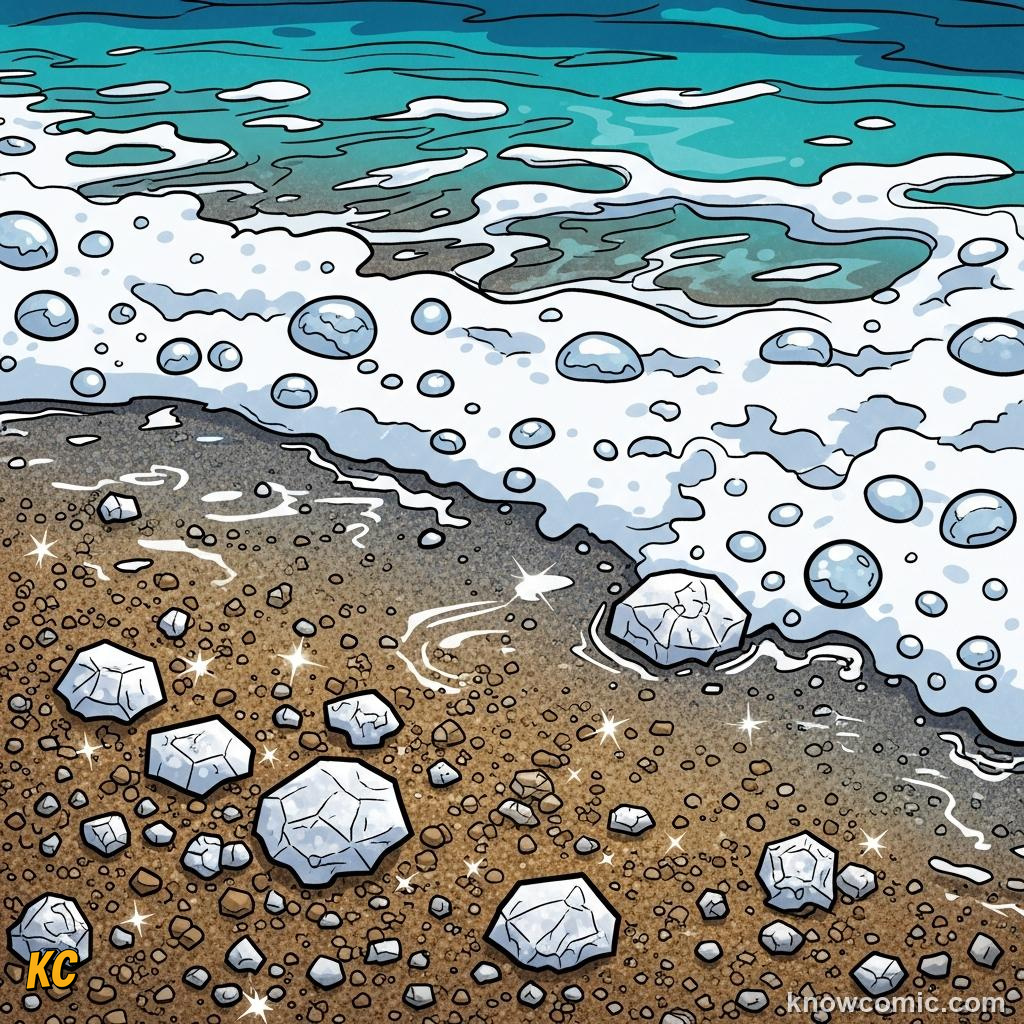
🧂 ~3.5% dissolved salts
🐟 Life even in abyss
🐟 Life even in abyss
SHELF
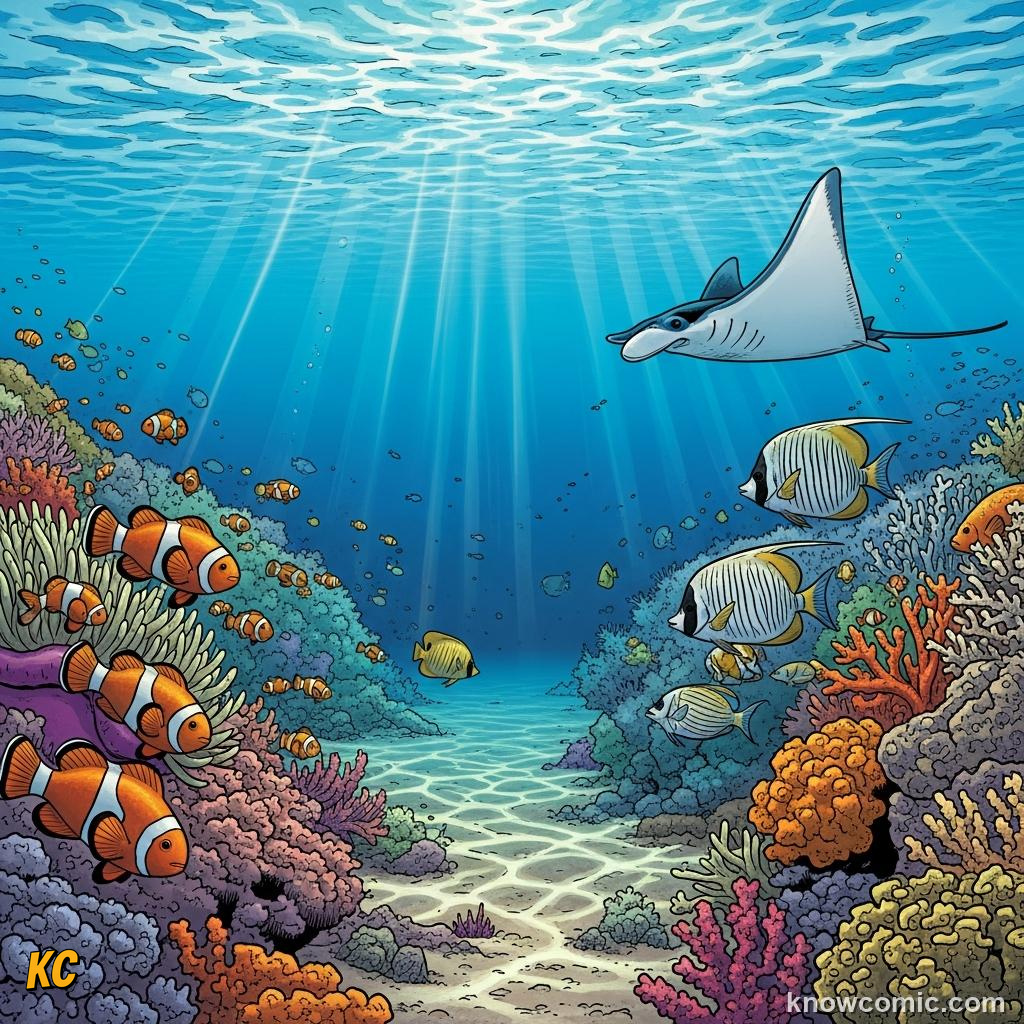
🏖️ Shallow sunlit nurseries
🪸 Coral cities at risk
🪸 Coral cities at risk
SONAR
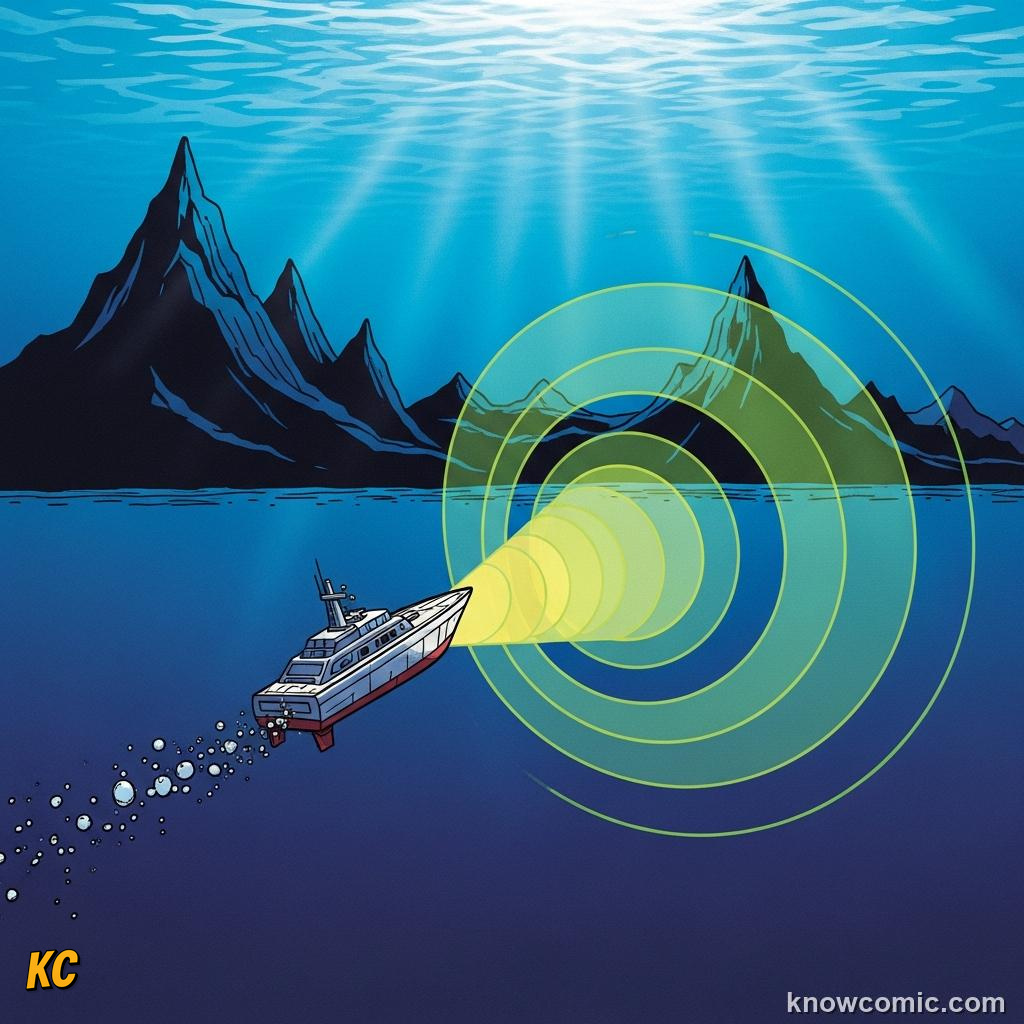
🔊 Maps hidden mountains
🛰️ Satellites watch colour daily
🛰️ Satellites watch colour daily
PAGE 3 OF 5, FRESHWATER IS PRECIOUS AND RARE
ICE
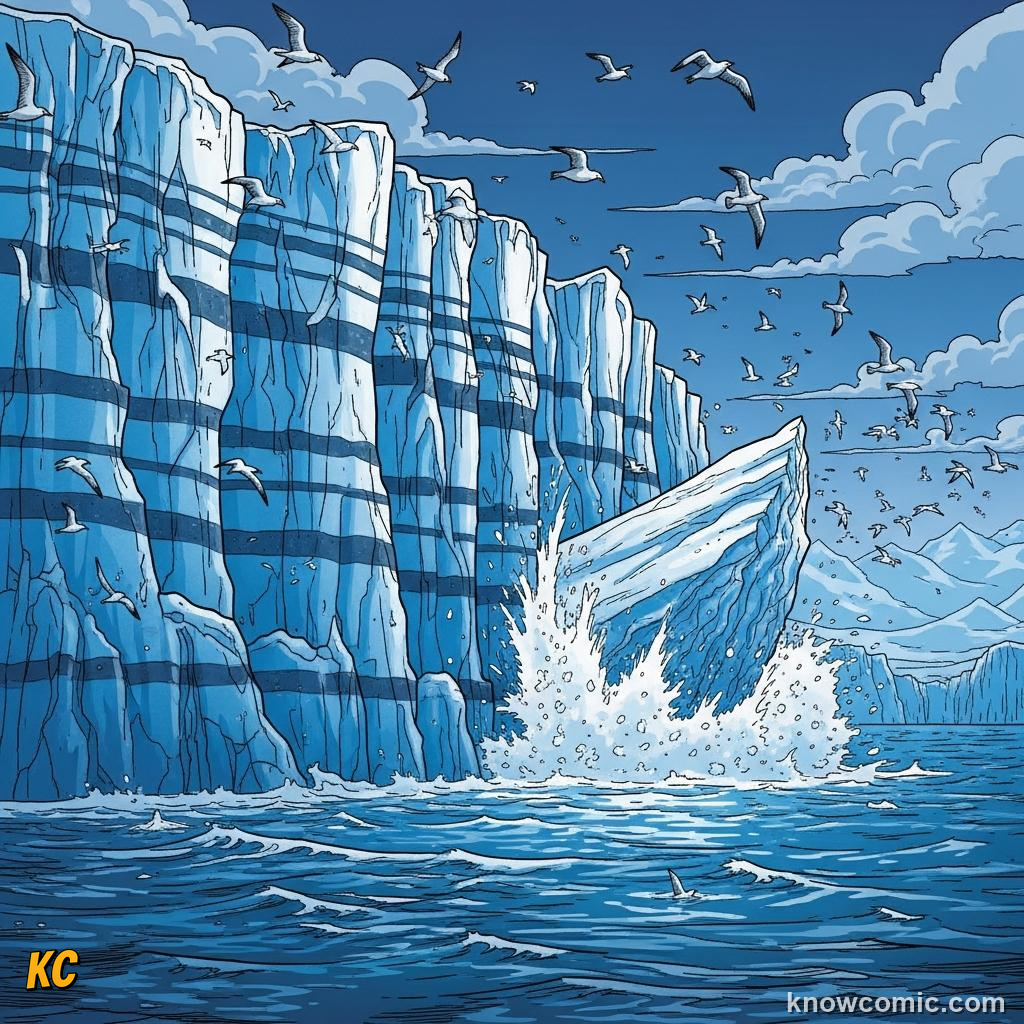
🧊 Most freshwater locked in ice
🏔️ Greenland & Antarctica sheets
🏔️ Greenland & Antarctica sheets
RIVERS
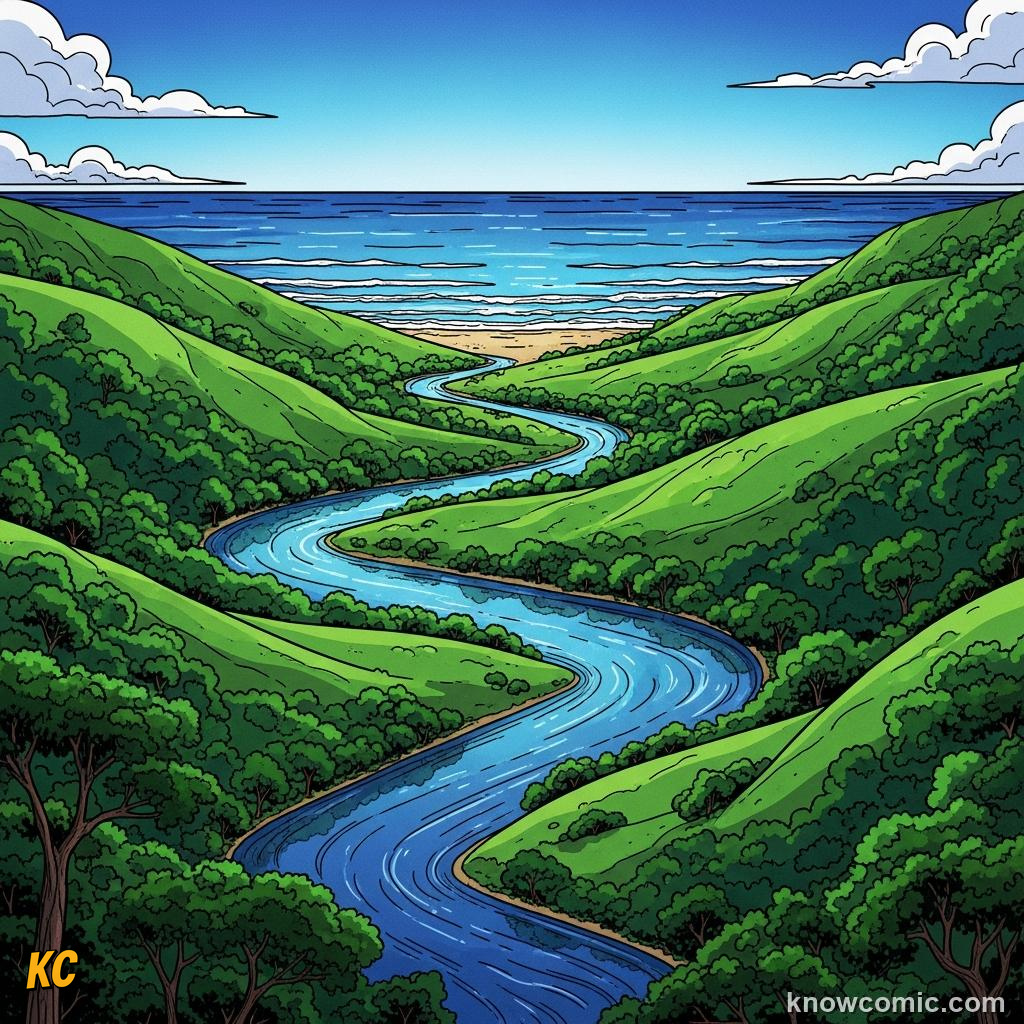
💧 Tiny slice of total water
🌾 Civilisations hug banks
🌾 Civilisations hug banks
GROUND
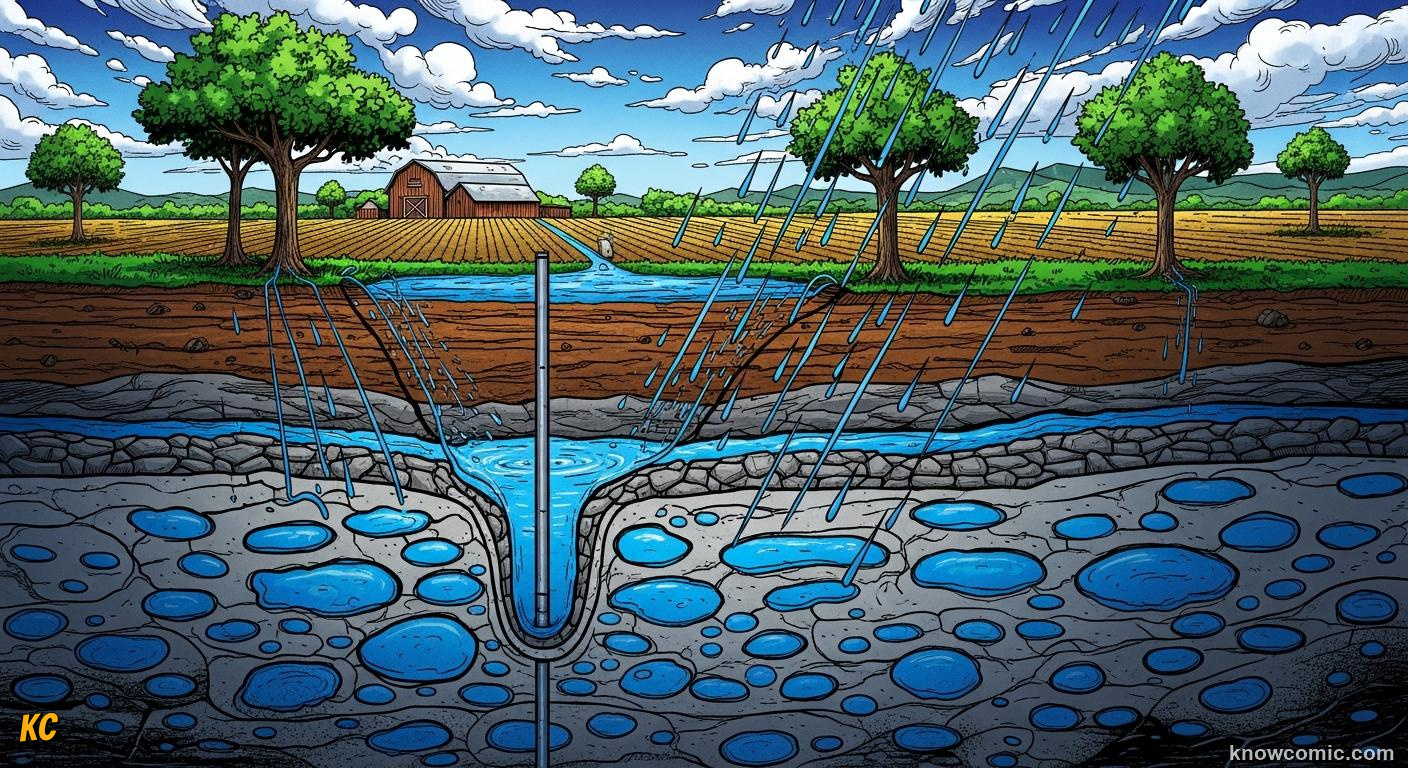
AQUIFERS FEED WELLS AND SPRINGS
Rain soaks soil and percolates into porous rock layers, groundwater moves slowly for years to millennia before bubbling out or pumped for farms and cities. Over-extraction can sink land or pull salt into coastal wells. Wetlands sponge floods and filter pollution; losing them hurts both wildlife and flood safety. Every litre we drink ties back to the same global cycle linking clouds, mountains and sea.
FRESH!
PAGE 4 OF 5, THE WATER CYCLE NEVER STOPS
CYCLE
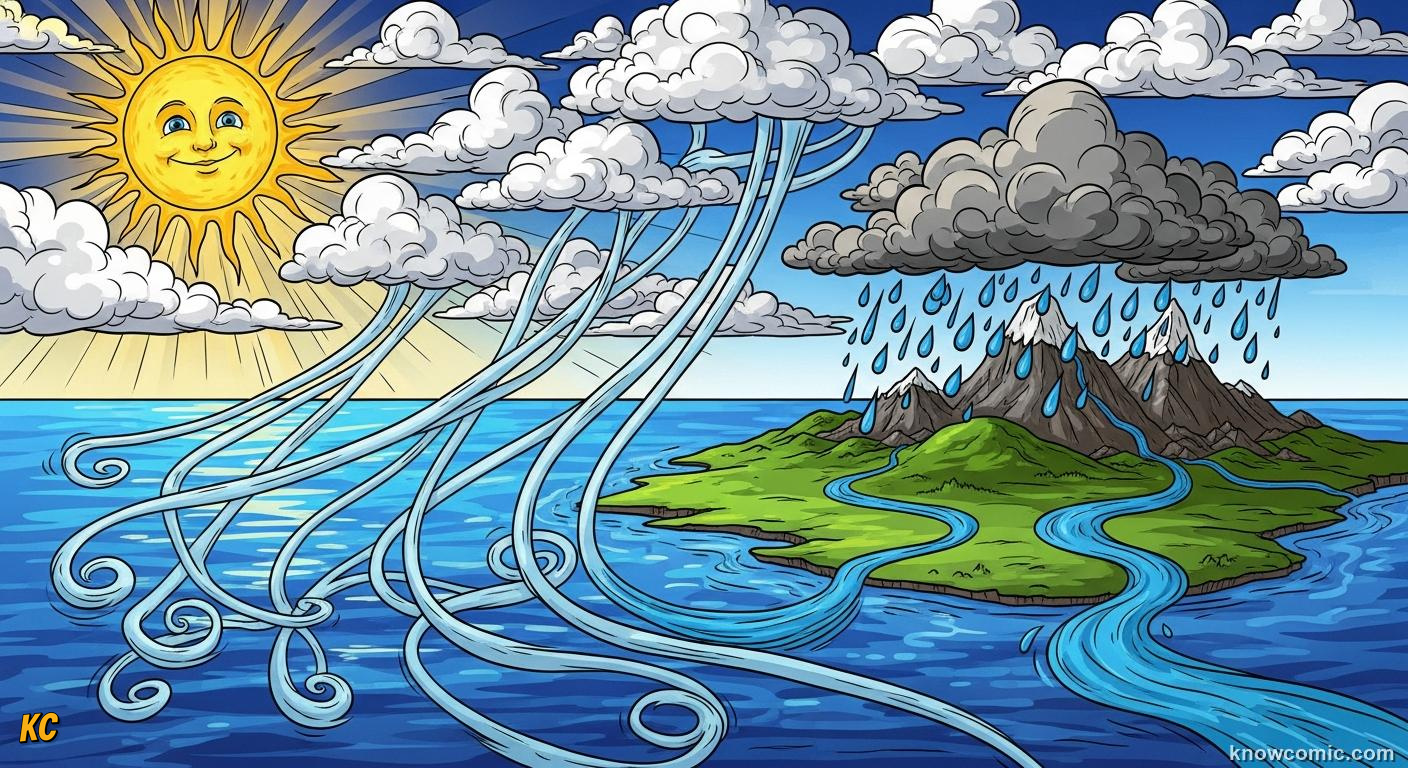
SUN POWER LIFTS OCEAN TO SKY
Evaporation leaves salt behind and sends vapour skyward; rising air cools it into droplets that merge into clouds. Winds push weather systems until rain or snow returns water to land and sea, some soaks in, some rushes in muddy floods, some refreezes on peaks. Lightning even helps fix nitrogen that later fertilises soil. Climate warming loads warmer air with extra moisture, nudging storm statistics regionally even while the basic loop stays ancient.
RAIN!
EVAP
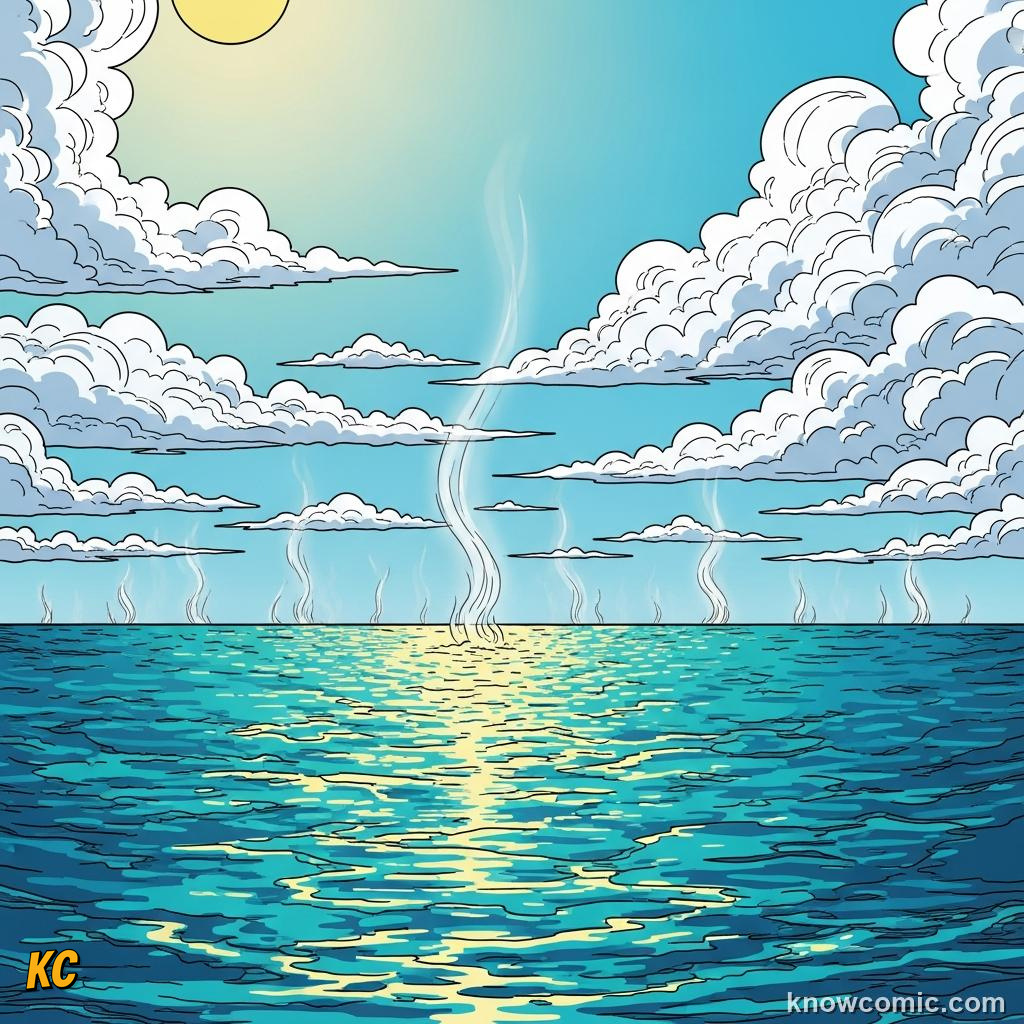
🌞 Heat engine of climate
🌀 Hurricanes drink warmth
🌀 Hurricanes drink warmth
SNOW
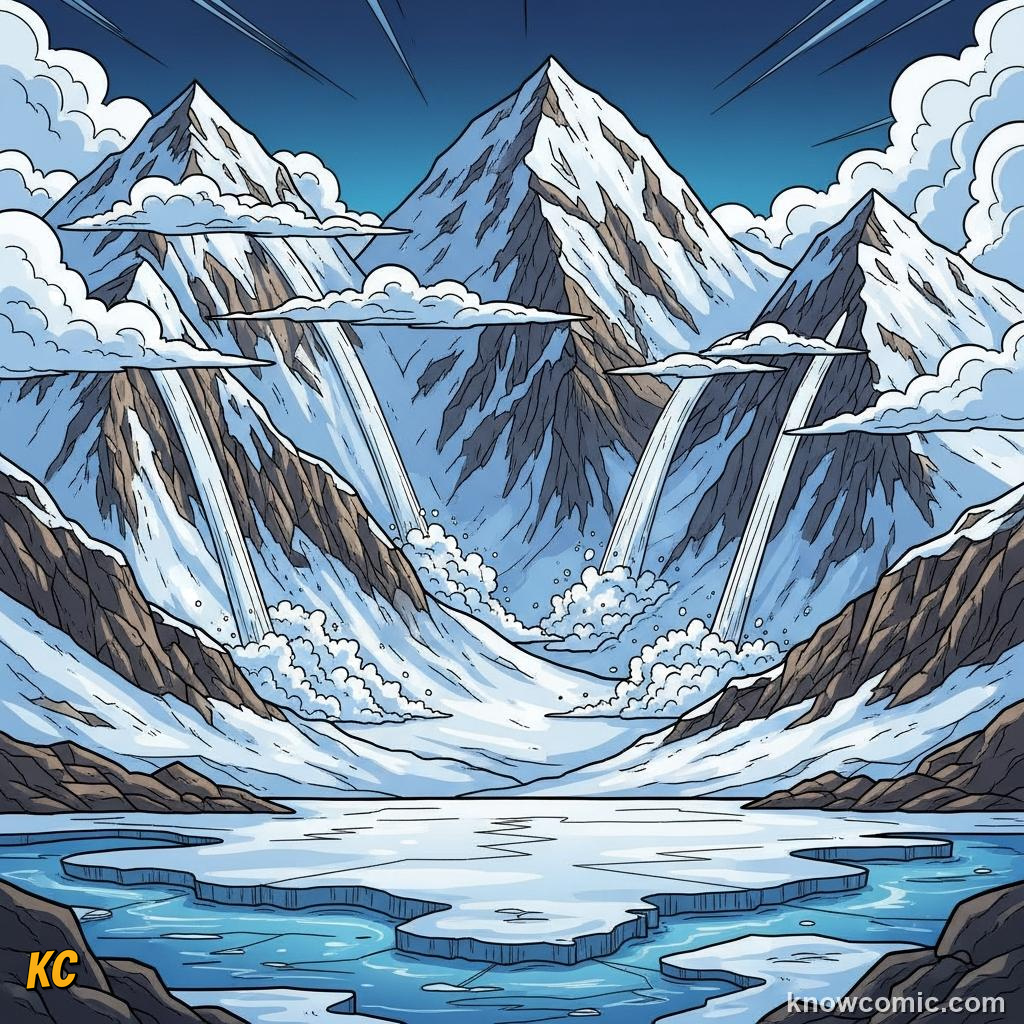
❄️ High albedo reflects sun
🏔️ Seasonal melt feeds rivers
🏔️ Seasonal melt feeds rivers
FOG
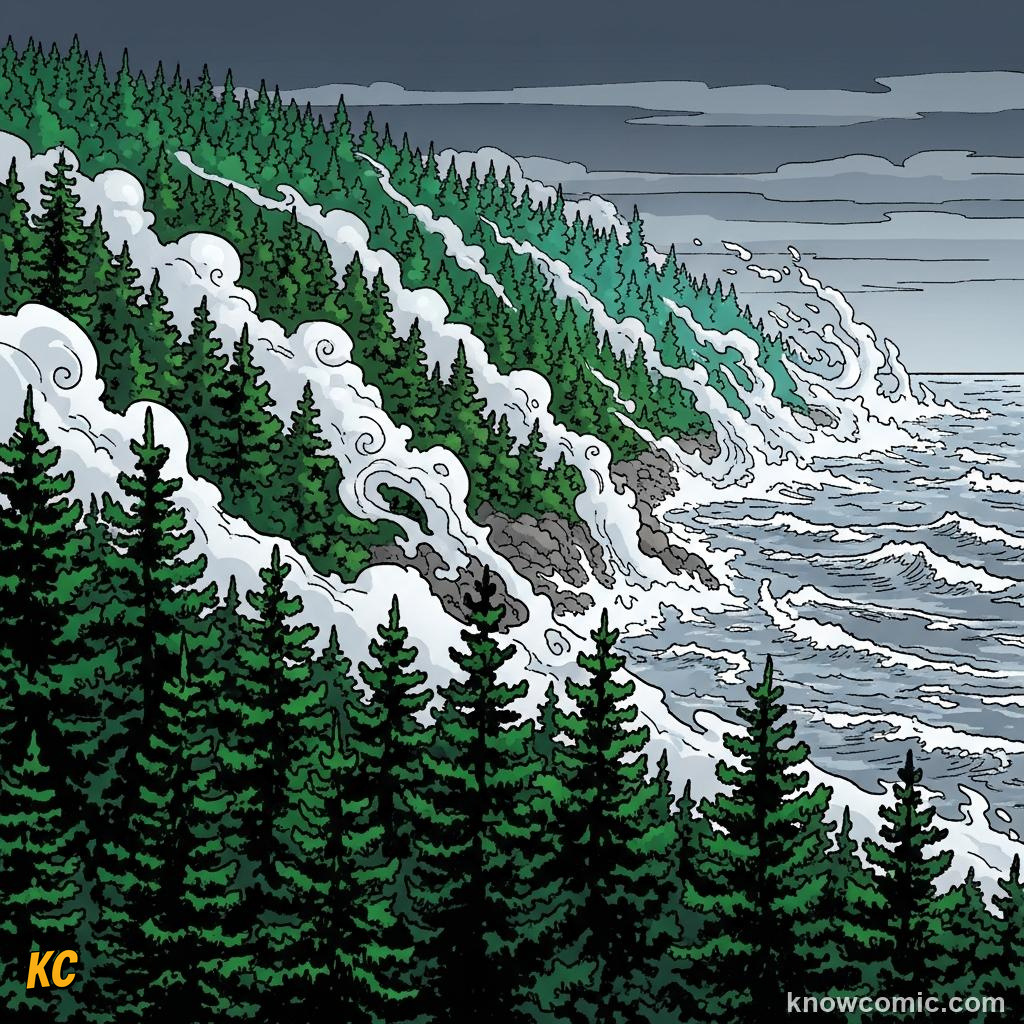
🌫️ Coastal dew and mist
🌲 Forests exhale vapour
🌲 Forests exhale vapour
PAGE 5 OF 5, KEEPING THE BLUE PLANET HEALTHY
HOME
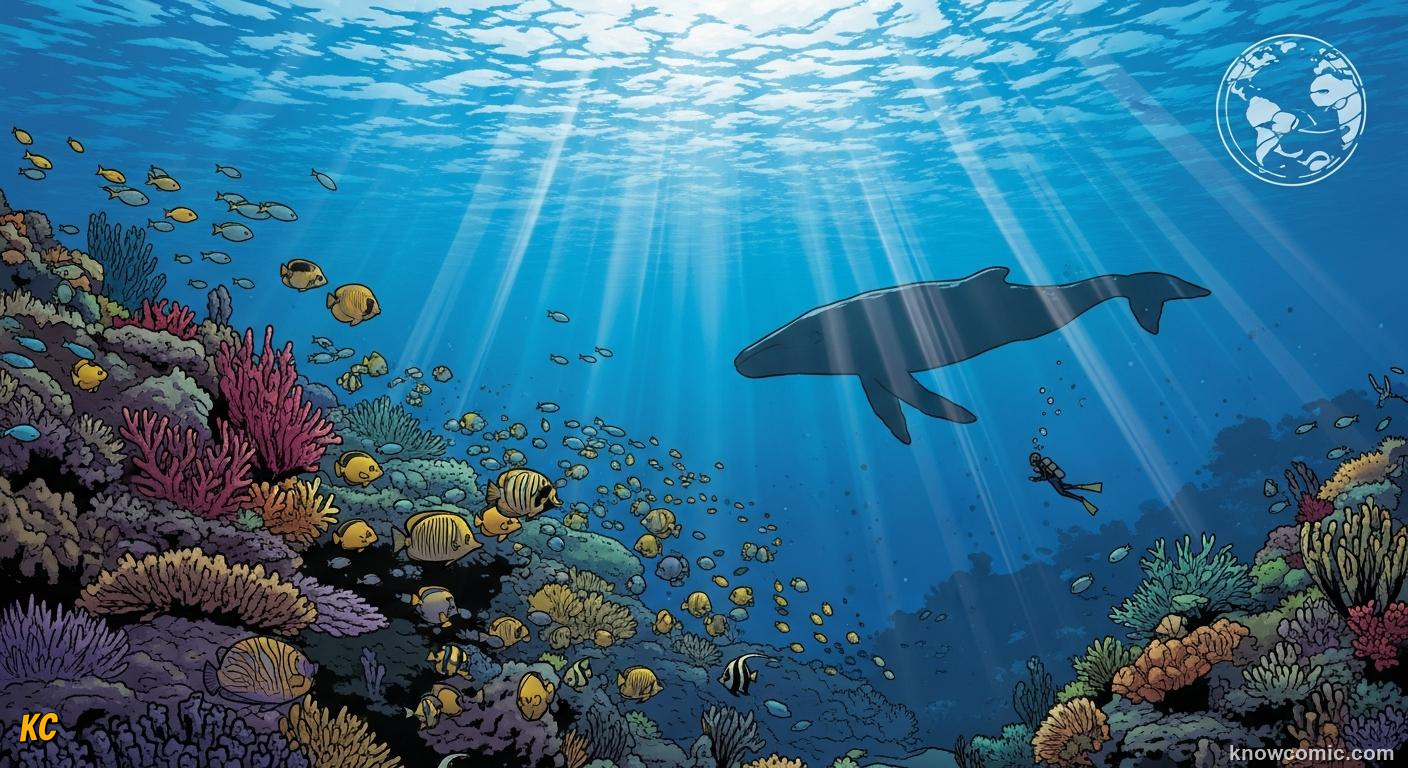
PLASTIC, ACID AND HEAT STRESS THE OCEAN
Gyres collect floating litter; microplastics ride currents into food webs. Extra CO₂ dissolves into seawater shifting chemistry toward acidity, shelled larvae notice first. Marine protected areas and smarter fishing quotas help stocks rebound when enforced; mangrove replanting shields coasts from storm surge. Satellites now chart chlorophyll blooms daily, Earth's blue skin is measurable, finite and worth defending together.
CARE!
LIFE
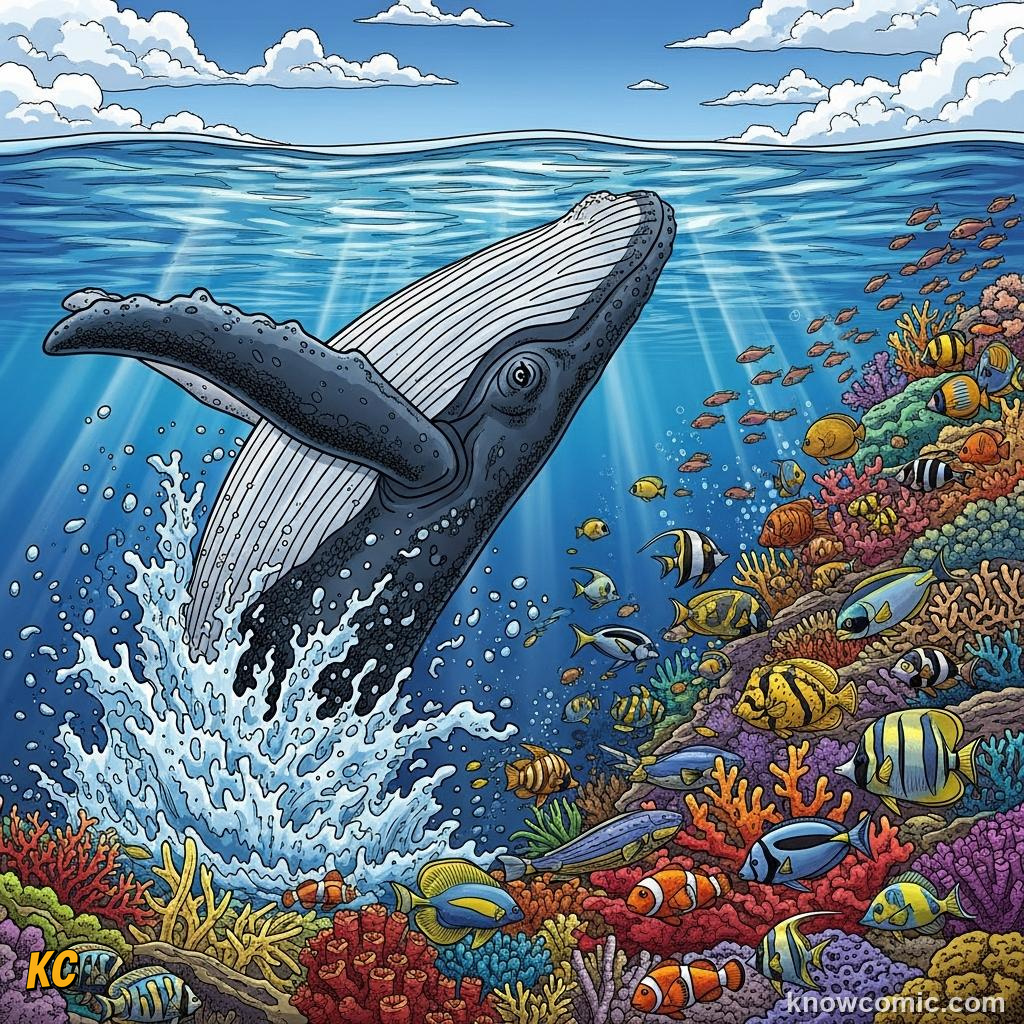
🐋 Whales mix nutrients
🪸 Reefs = biodiversity cities
🪸 Reefs = biodiversity cities
REMEMBER
🌊 KEY FACTS
~71% ocean surface · Pacific largest basin · Freshwater mostly ice · Water cycle links sea, sky, land · Blue look = ocean + scattered light · Human choices shape future blue.
✅ One connected ocean
✅ Freshwater tiny share
✅ Protect what connects us
✅ Freshwater tiny share
✅ Protect what connects us
🧠 QUIZ TIME!
THE BLUE PLANET · 5 QUESTIONS
QUESTION 01
From space, Earth often looks mostly blue mainly because…
QUESTION 02
About what percentage of Earth's surface is covered by oceans and seas?
QUESTION 03
Which ocean is the largest by surface area?
QUESTION 04
Most of Earth's freshwater is stored as…
QUESTION 05
The water cycle is powered mainly by…
0/5
LOADING...