🐝 HOW PLANTS AND INSECTS EVOLVED TOGETHER
PAGE 1 OF 5, BEFORE THE DEAL WAS MADE
300 MILLION YEARS AGO
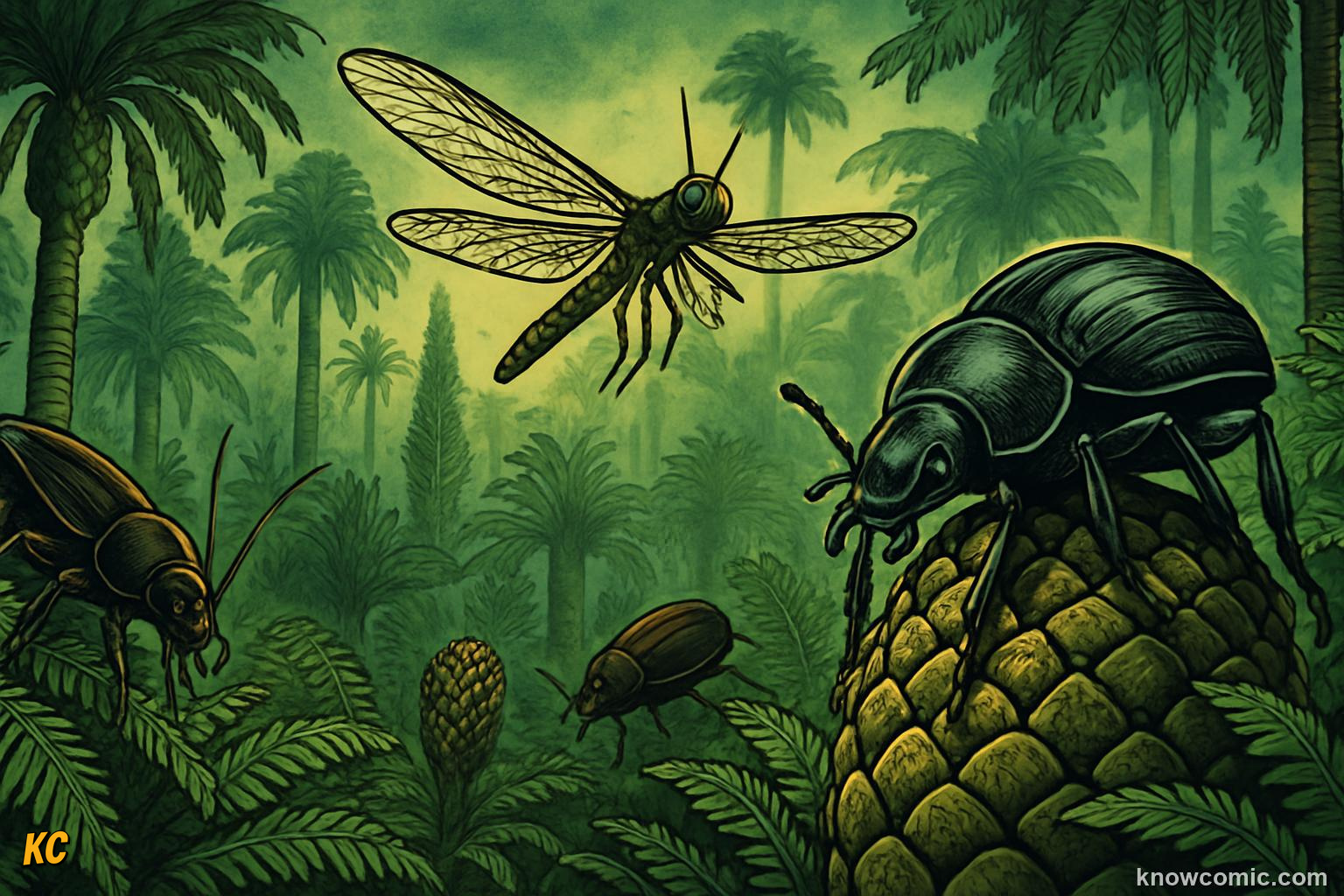
INSECTS AND PLANTS, BEFORE THE PARTNERSHIP
Insects and plants shared the Earth for 200 million years before flowers existed. Early insects, beetles, cockroaches, dragonflies, crawled over ferns and cycads, eating leaves, drinking moisture, accidentally carrying spores. Neither species was trying to help the other. It was a slow, accidental relationship that would take hundreds of millions of years to become one of the greatest partnerships in the history of life.
ANCIENT!
EARLY VISITORS
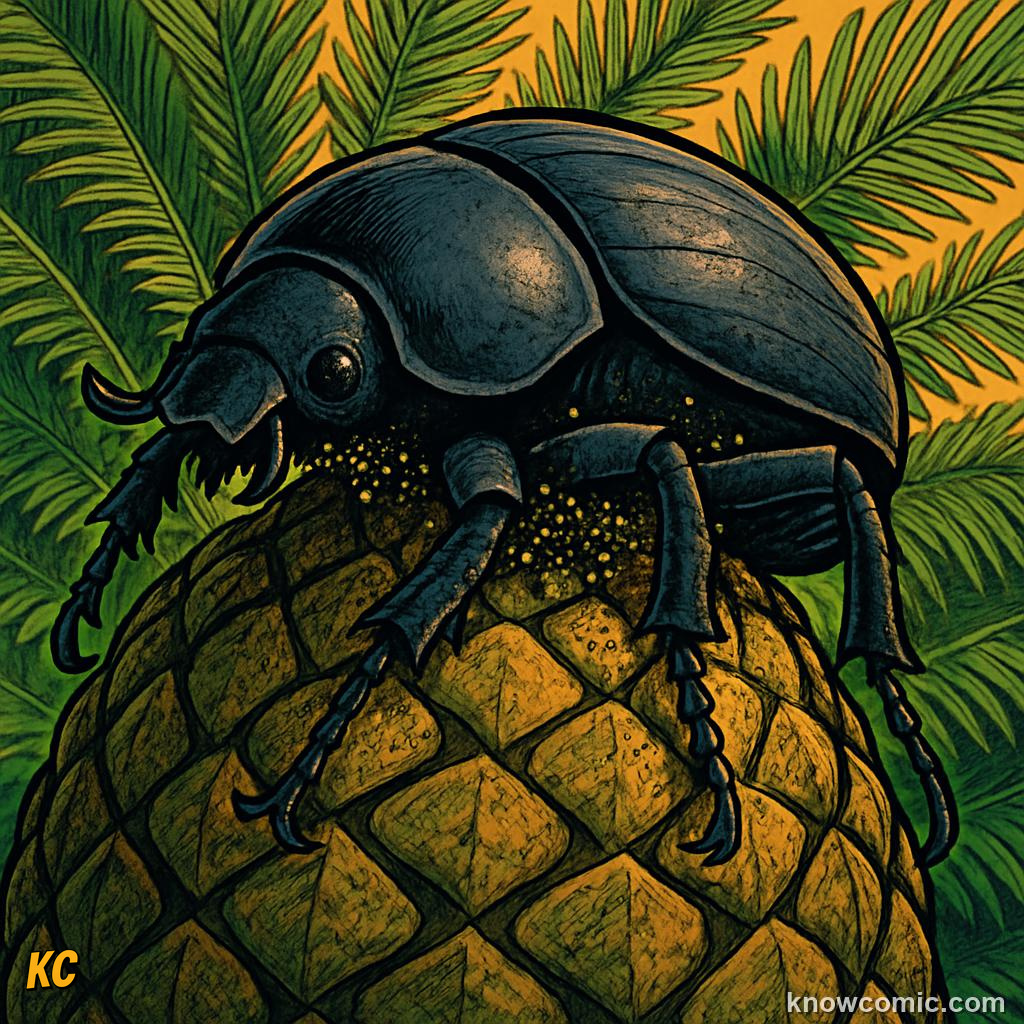
🪲 Beetles visited cycad cones for protein
🌿 Accidentally moved pollen between plants
🌿 Accidentally moved pollen between plants
THE LONG WAIT
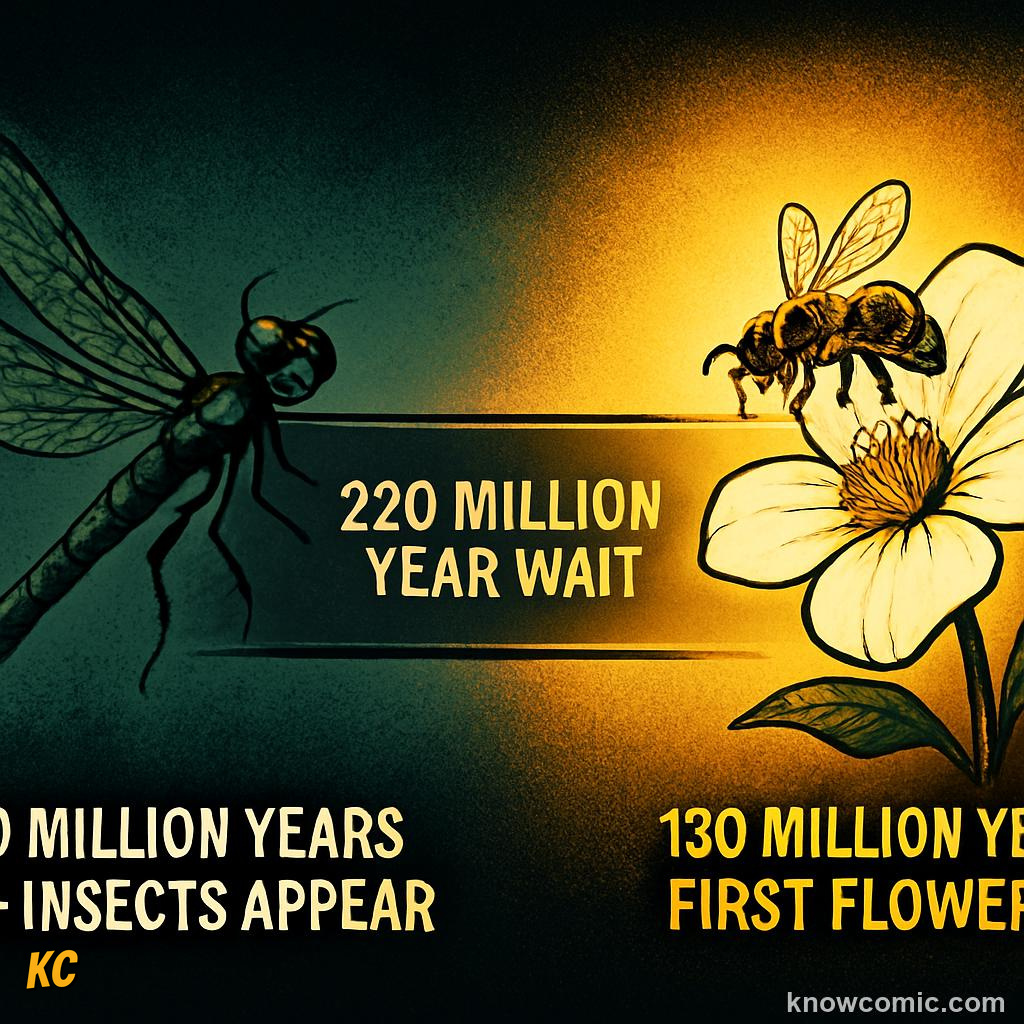
⏳ Insects evolved 350 million years ago
🌸 Flowers didn't appear for another 220 million years
🌸 Flowers didn't appear for another 220 million years
PAGE 2 OF 5, THE DEAL THAT CHANGED EVERYTHING
130 MILLION YEARS AGO
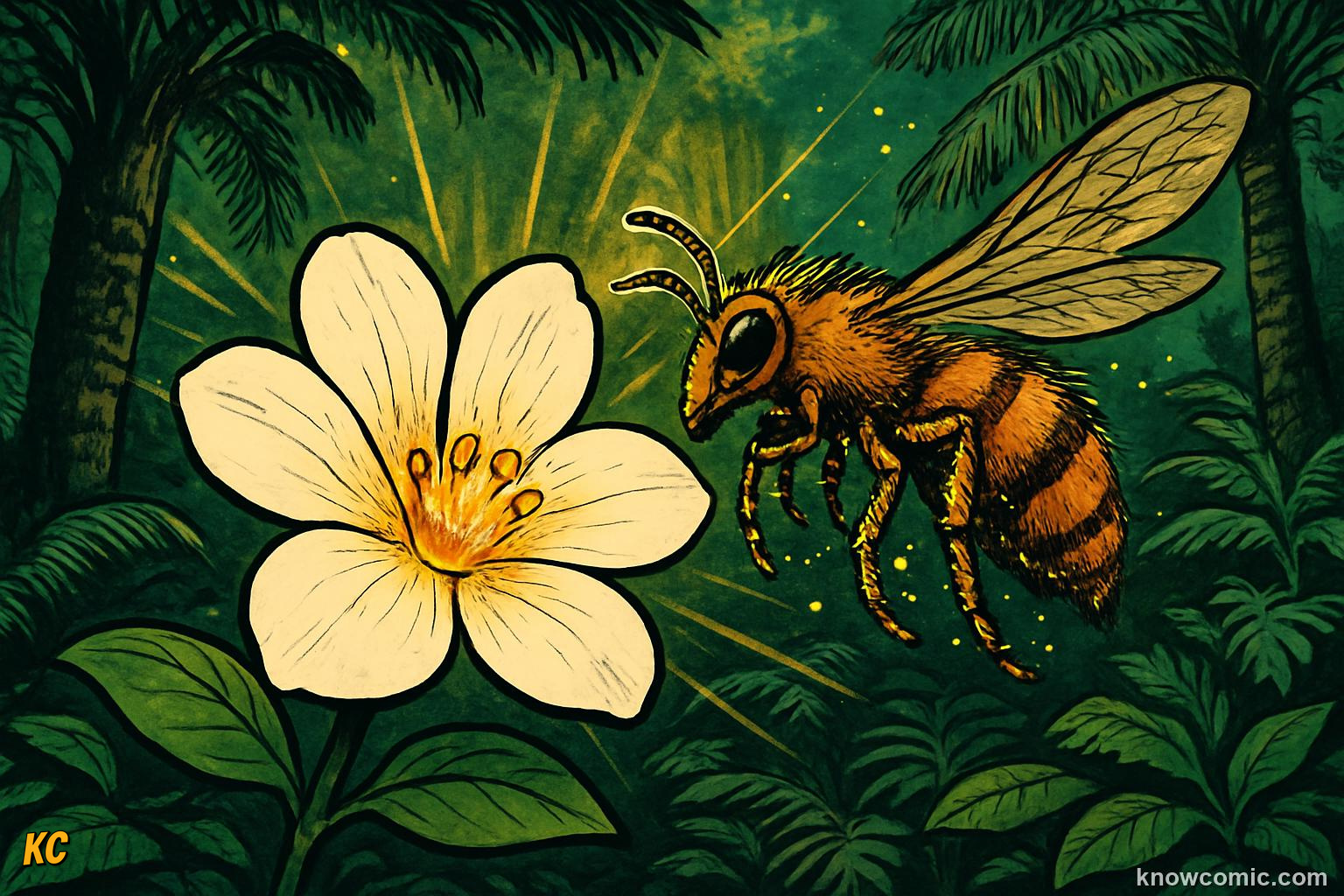
THE FIRST FLOWER MAKES AN OFFER
When the first flowering plants appeared 130 million years ago, they invented something revolutionary: a reward system. Instead of relying on random wind to carry pollen, they produced sweet nectar and grew bright petals, essentially advertising: "Come here! Eat this! In return, please carry my pollen." Early wasps and beetles accepted the deal. As they fed, pollen dusted their bodies. When they visited the next flower, that pollen fertilised it. A biological contract was signed, and it would reshape the entire planet.
DEAL!
POLLEN
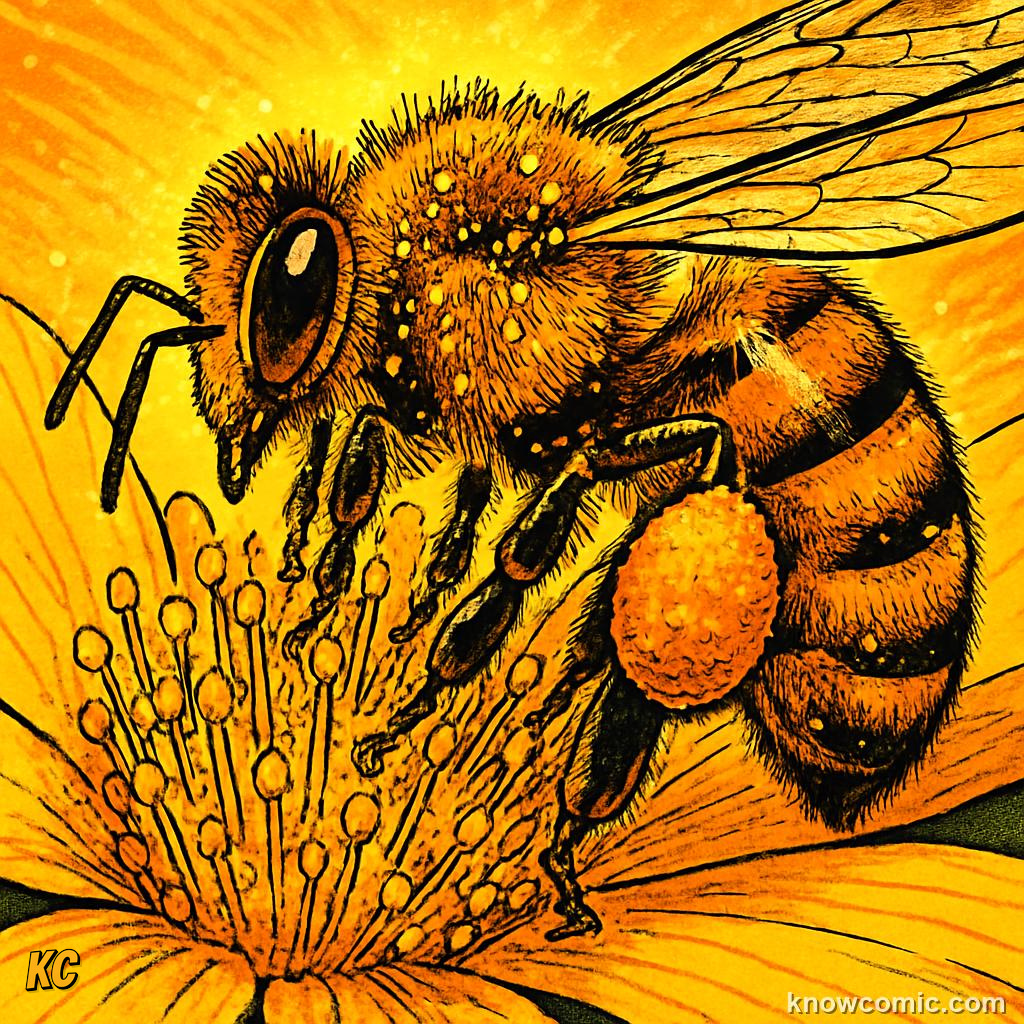
🐝 Bees have special pollen baskets on their legs
🌼 One bee visit can carry thousands of grains
🌼 One bee visit can carry thousands of grains
NECTAR
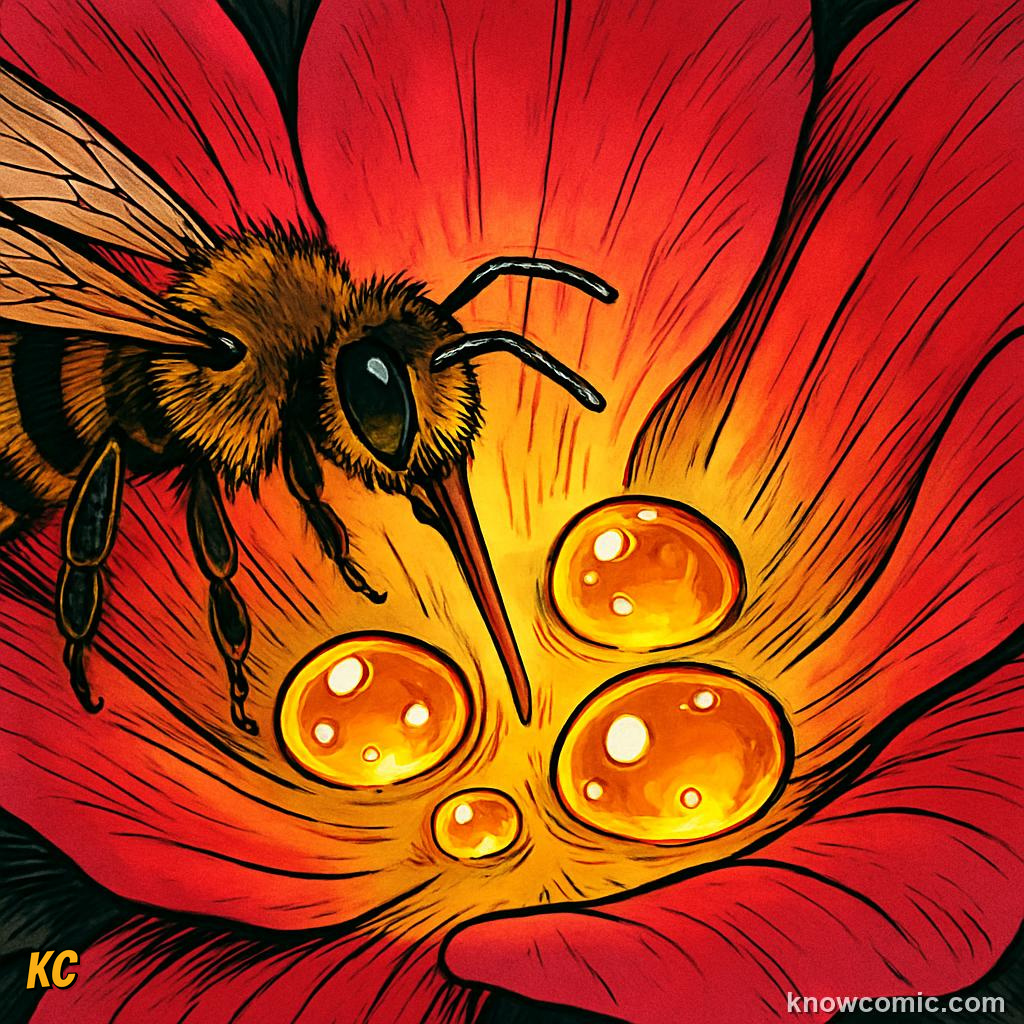
🍯 Nectar: pure energy, sugars dissolved in water
🌺 The flower's payment for pollination services
🌺 The flower's payment for pollination services
UV SIGNALS
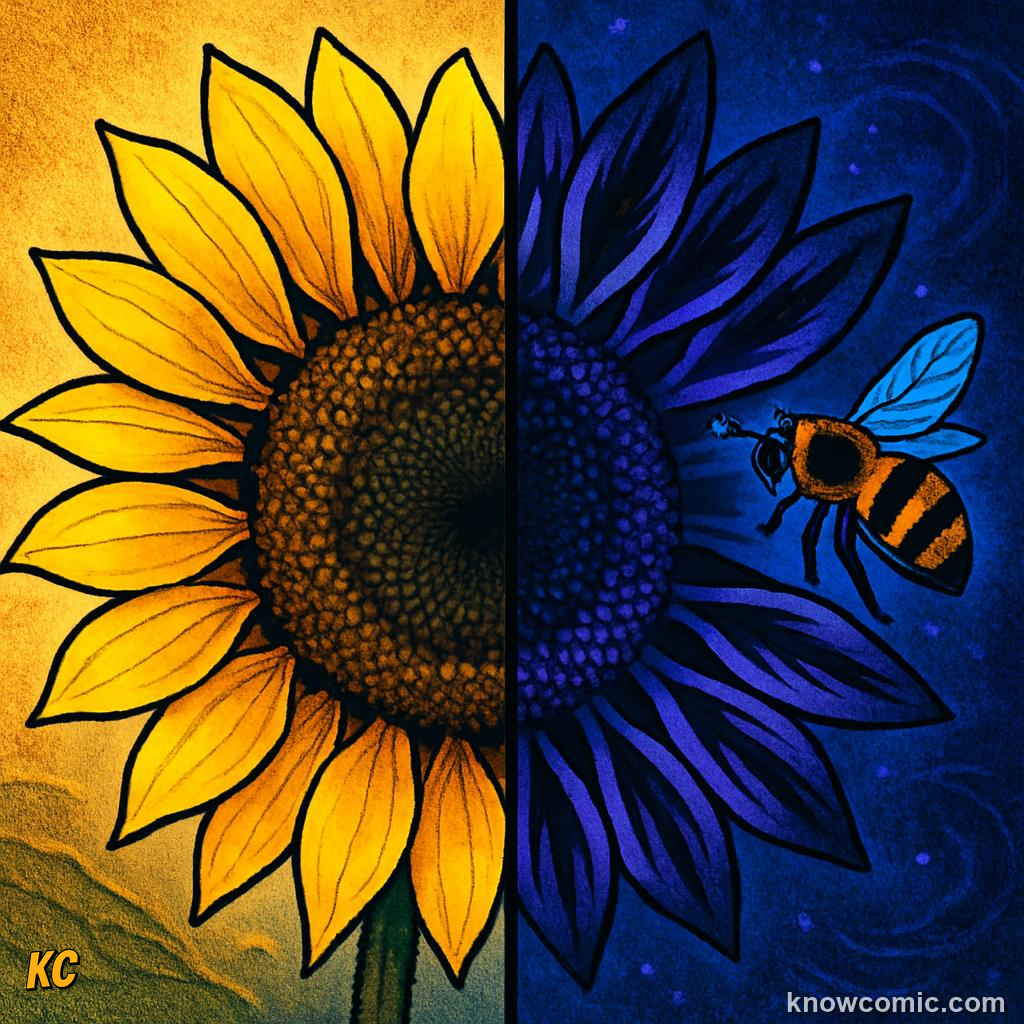
👁️ Bees see ultraviolet, invisible to humans
✨ Flowers have UV "landing strips" pointing to nectar
✨ Flowers have UV "landing strips" pointing to nectar
PAGE 3 OF 5, THE EVOLUTIONARY ARMS RACE
PERFECT FIT
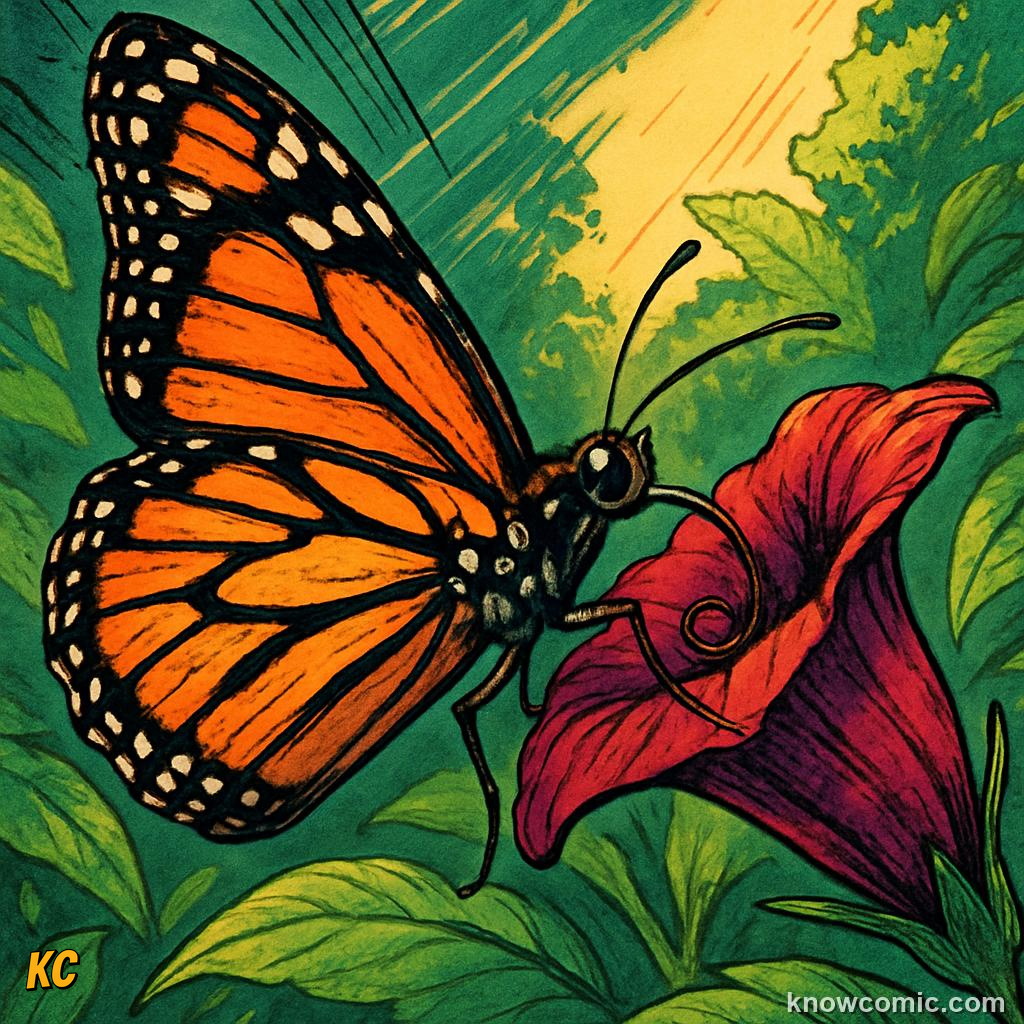
🦋 Butterfly proboscis: long straw for deep flowers
🌸 Tubular flowers evolved to match exactly
🌸 Tubular flowers evolved to match exactly
HAWKMOTH
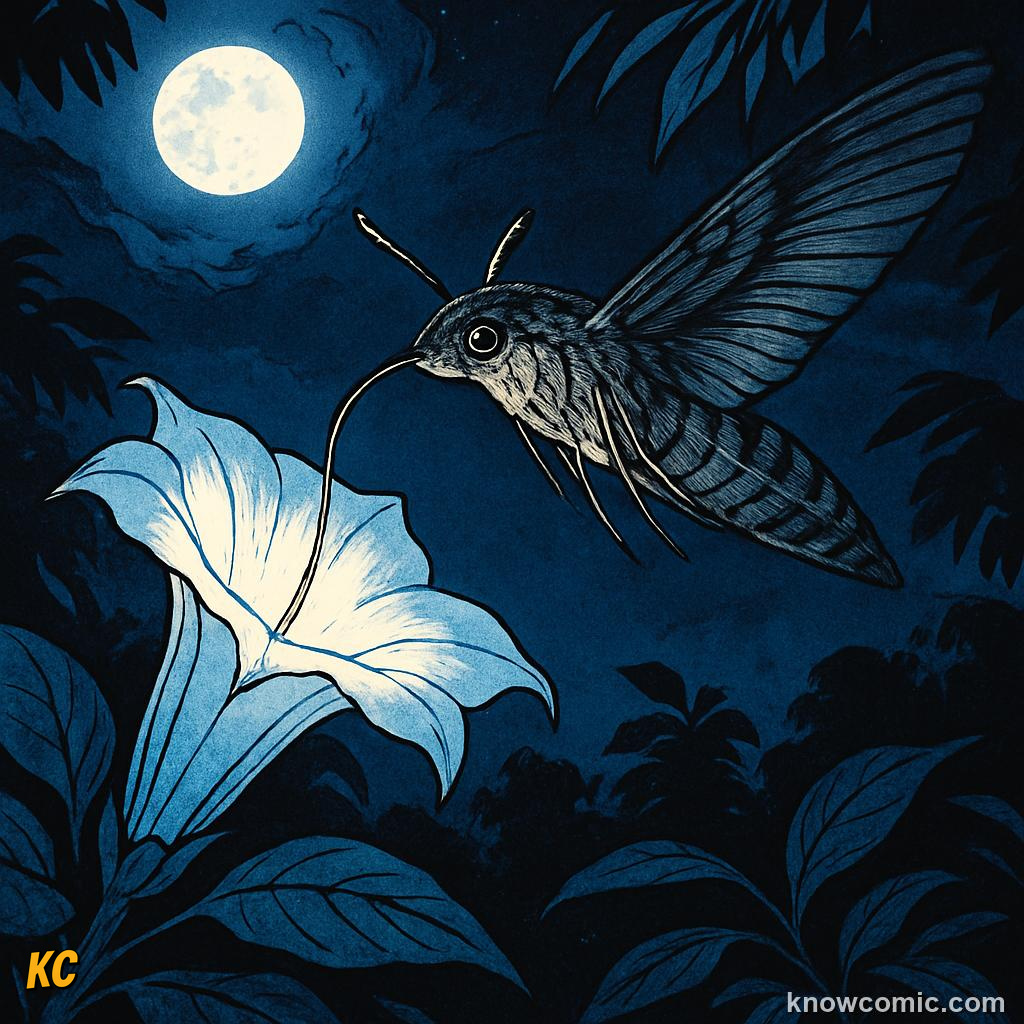
🌙 Hawkmoths pollinate at night, white flowers glow
👃 Night flowers evolved powerful scent, not colour
👃 Night flowers evolved powerful scent, not colour
CO-EVOLUTION
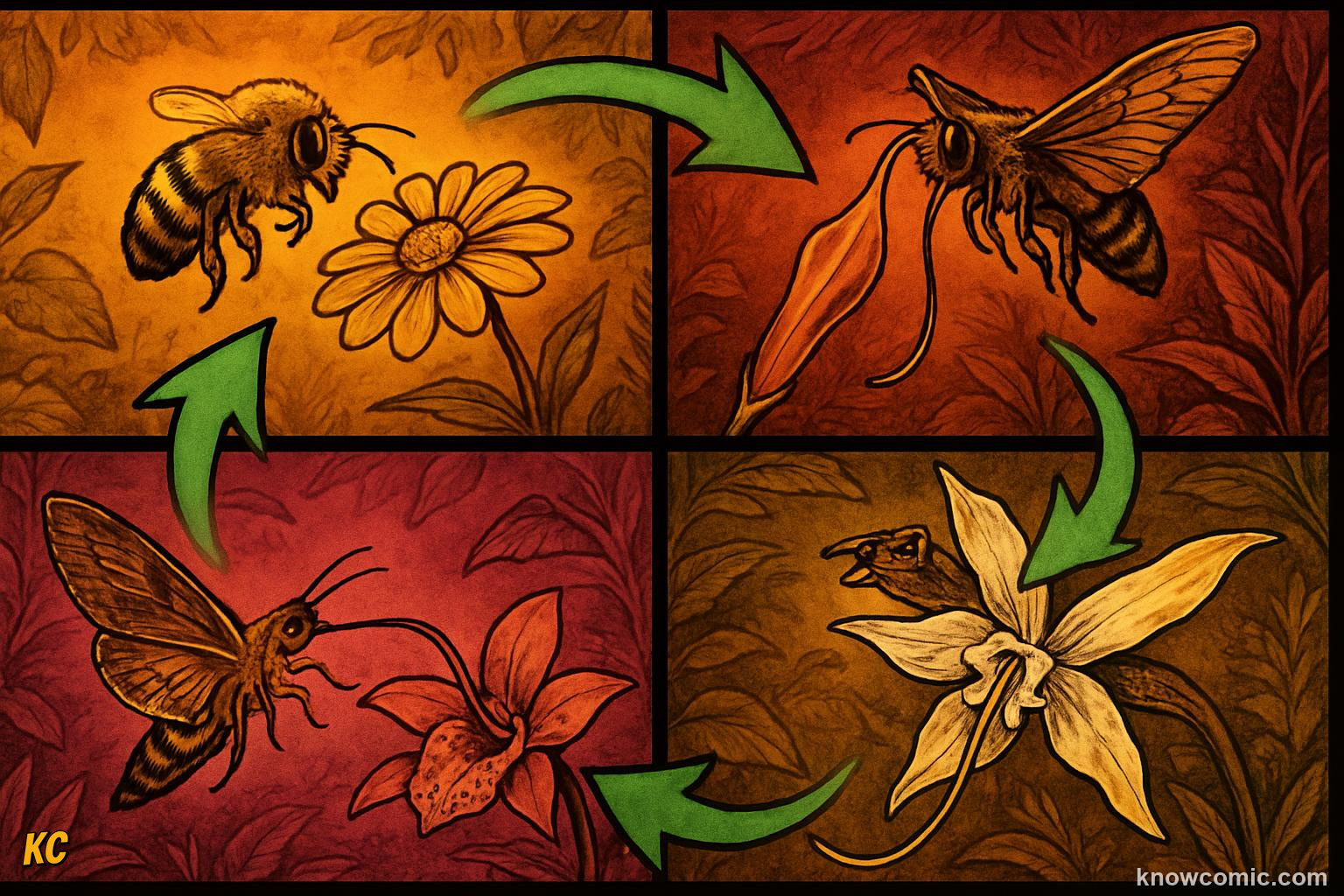
TWO SPECIES SCULPTING EACH OTHER
Over millions of years, plants and their insect partners engaged in a spectacular evolutionary arms race, but instead of weapons, they evolved locks and keys. A flower grew a longer nectar tube, so only one species could reach it. That insect evolved a longer tongue to reach the nectar. The flower grew longer still. The tongue grew again. Generation by generation, across millions of years, flowers and insects sculpted each other's bodies, each species becoming the other's perfect partner. This is co-evolution: two species writing each other's DNA.
EVOLVE!
PAGE 4 OF 5, THE MOST EXTREME PARTNERSHIPS
EXTREME CO-EVOLUTION
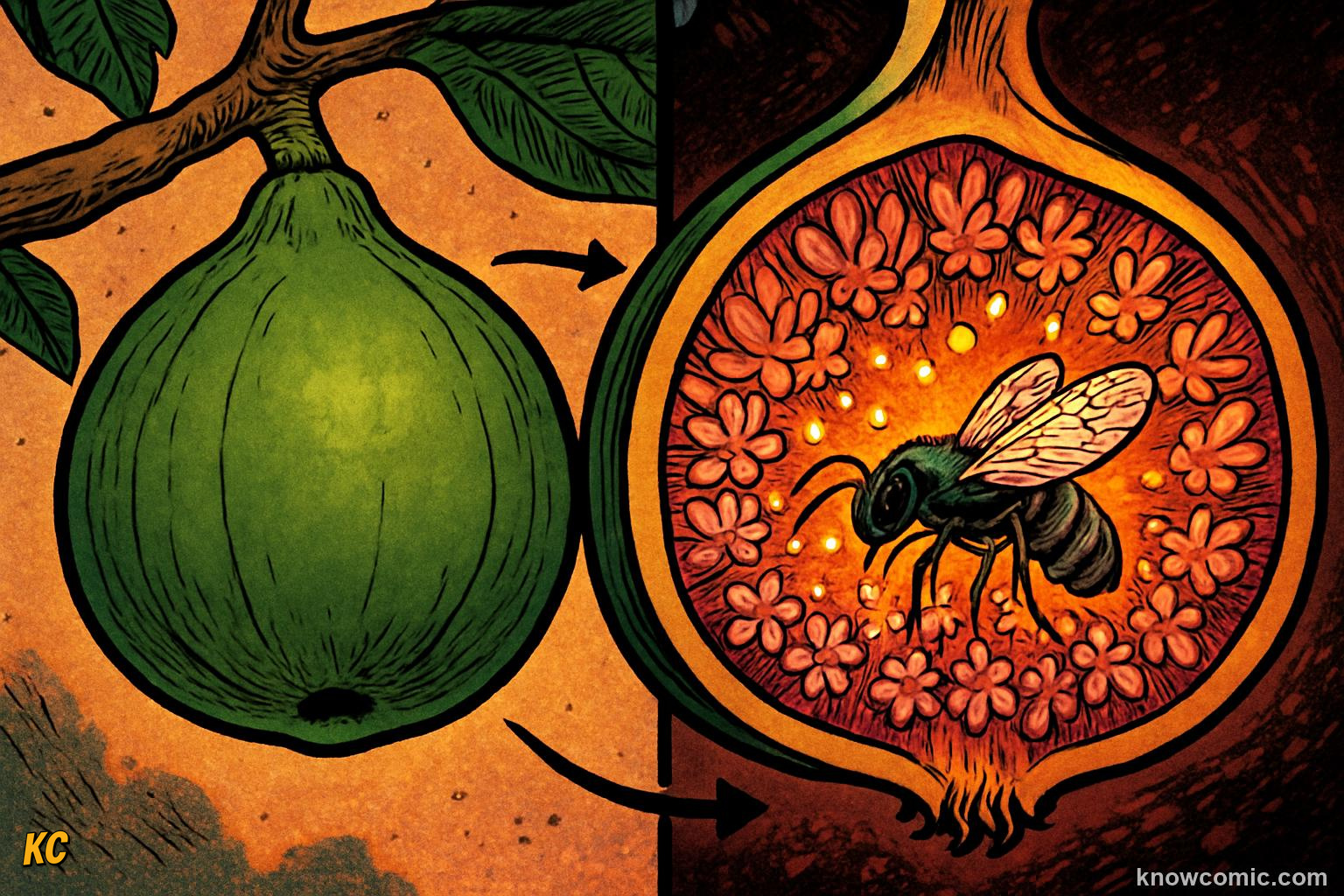
THE FIG AND THE WASP, INSEPARABLE FOR 60 MILLION YEARS
Of all plant-insect partnerships, the fig and its wasp is the most extreme. A fig is not a fruit, it's an inside-out flower, sealed shut. The only way in is a tiny hole just wide enough for one species of wasp. A female fig wasp enters, lays her eggs inside, and pollinates the flowers as she moves. She loses her wings and antennae squeezing in, and dies inside. Her babies hatch, mate, and the females escape carrying pollen to another fig. The fig can only be pollinated by this one species of wasp. The wasp can only breed inside this one species of fig. Neither can exist without the other. They have been locked together for 60 million years.
LOCKED!
ORCHID TRICK
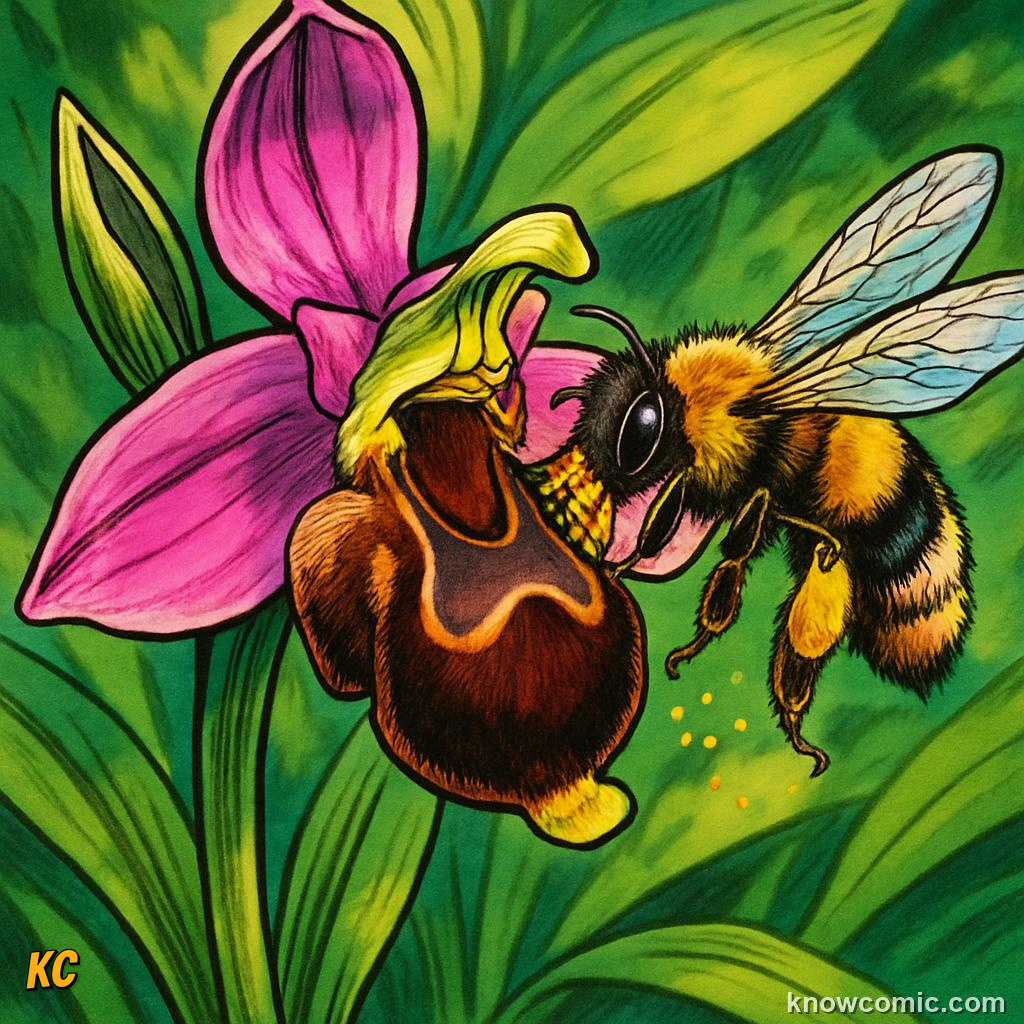
💎 Some orchids mimic female bee scent, no nectar offered
🐝 Male bee tries to "mate", collects pollen instead
🐝 Male bee tries to "mate", collects pollen instead
YUCCA MOTH
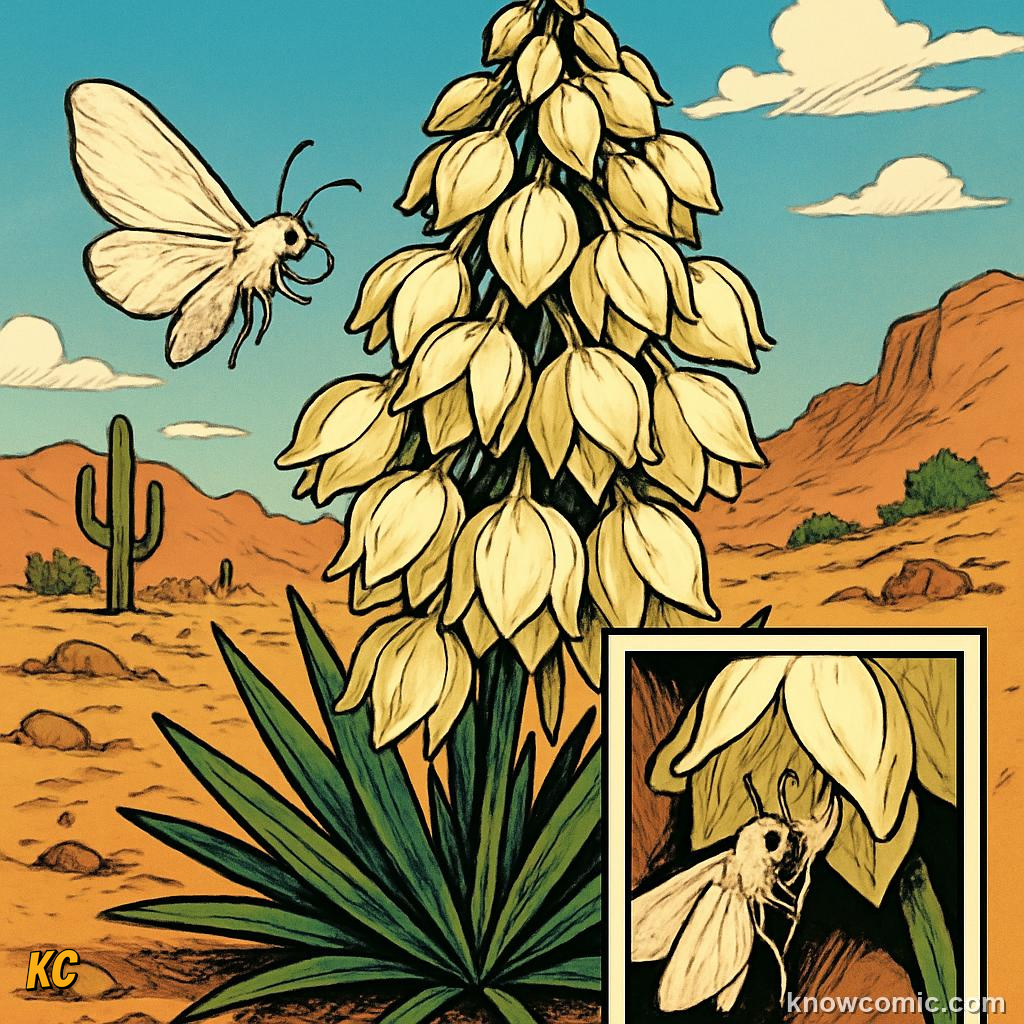
🌵 Yucca plants: one moth species is their only pollinator
🦋 The moth actively collects and delivers pollen
🦋 The moth actively collects and delivers pollen
WAGGLE DANCE
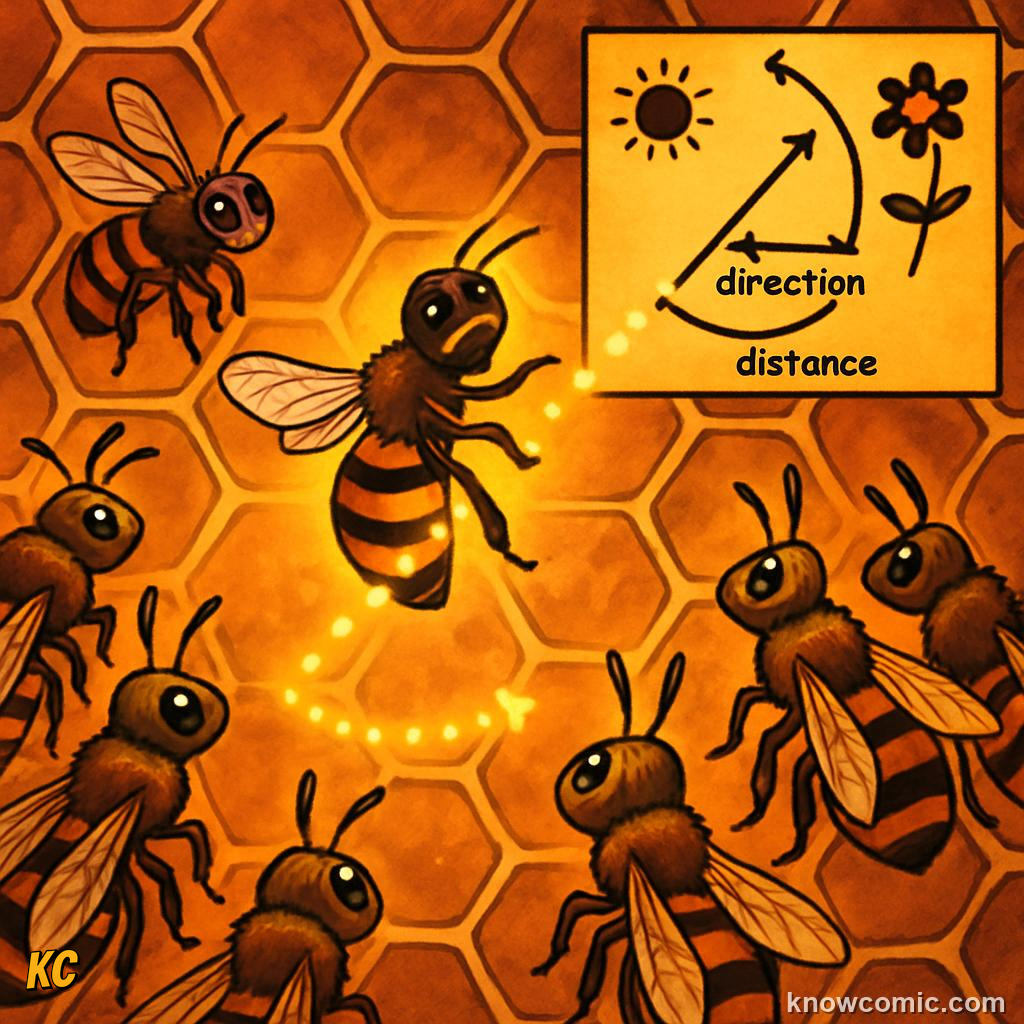
💃 Bees communicate flower locations by dancing
🗺️ Angle = direction from sun; duration = distance
🗺️ Angle = direction from sun; duration = distance
PAGE 5 OF 5, WHY THIS PARTNERSHIP FEEDS THE WORLD
THE STAKES
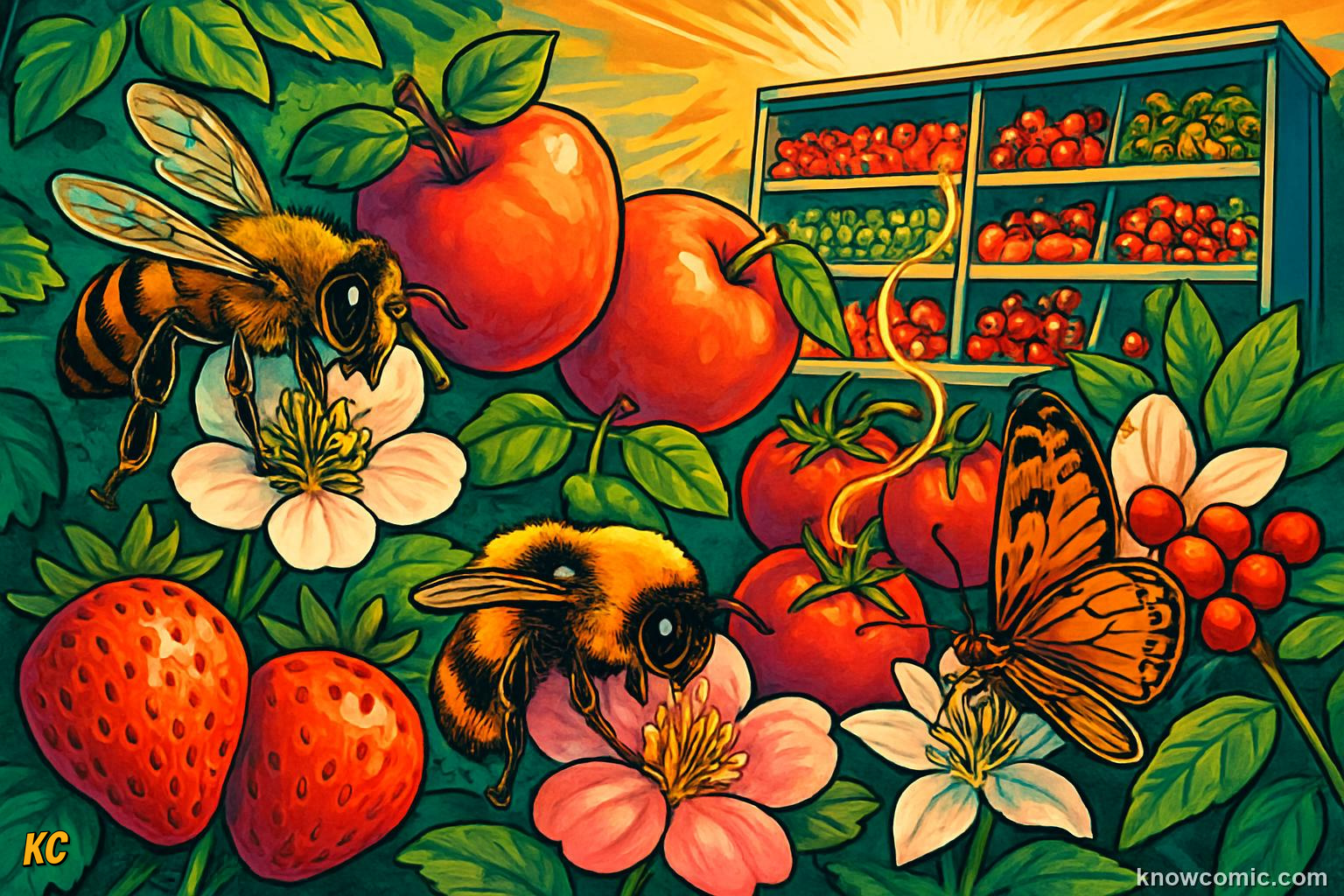
WITHOUT INSECTS, MOST OF OUR FOOD DISAPPEARS
The partnership between plants and insects is not just beautiful, it is the foundation of almost all human food. Around 75% of the world's food crops depend on animal pollinators, mostly insects. Apples, almonds, strawberries, chocolate, coffee, blueberries, tomatoes, cucumbers, all require an insect to carry pollen from flower to flower. A world without bees is a world where supermarket shelves lose three quarters of their produce. The 130-million-year-old deal between flowers and insects is the deal that feeds humanity.
VITAL!
BEE CRISIS
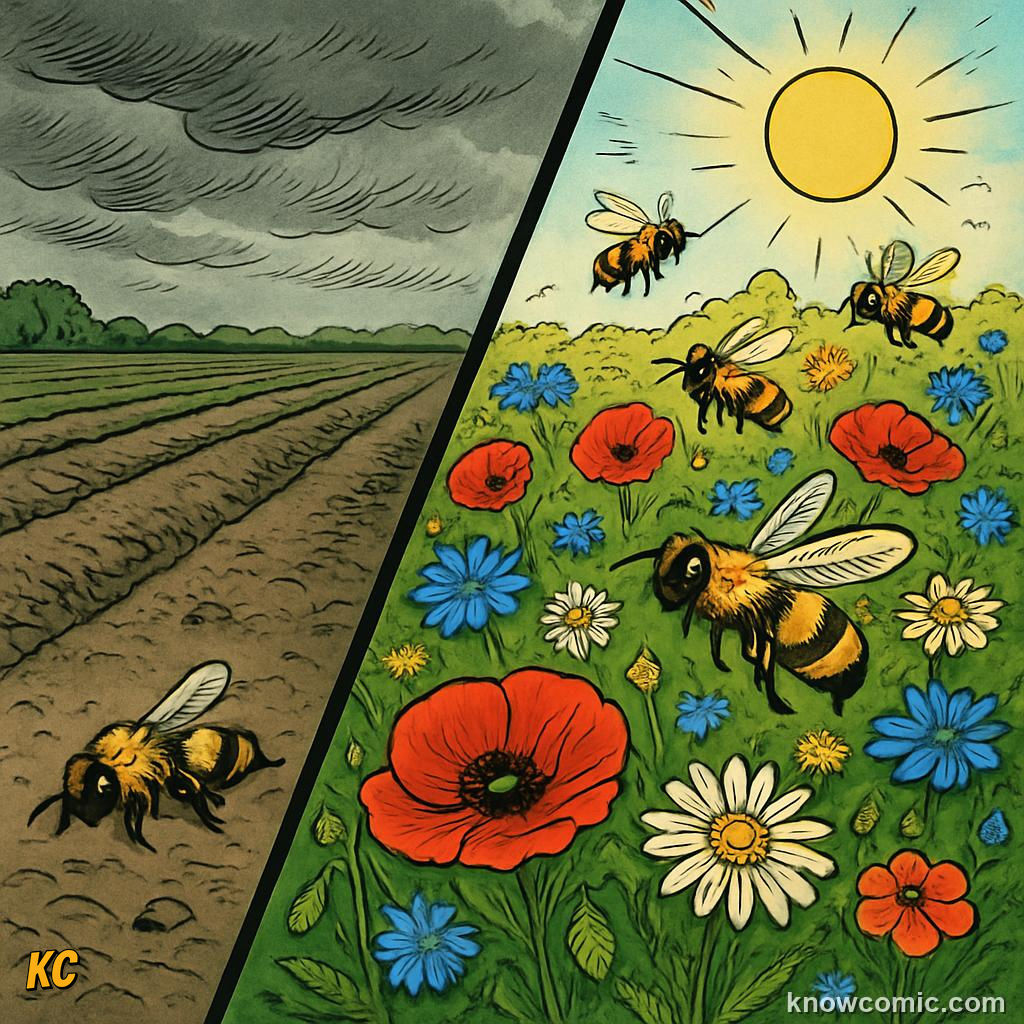
⚠️ Wild bee populations have declined 30%+ since 1990
🌱 Planting wildflowers helps restore their habitat
🌱 Planting wildflowers helps restore their habitat
REMEMBER
🐝 KEY FACTS
Plants and insects began their accidental relationship 350 million years ago. Flowers and bees co-evolved from 130 million years ago. 75% of food crops need pollinators. The fig and its wasp have been locked together for 60 million years. Bees see UV light, flowers evolved UV "landing strips" just for them.
🌸 Flower → Nectar
🐝 Bee → Pollen delivery
🍎 Fruit → Food for all
🐝 Bee → Pollen delivery
🍎 Fruit → Food for all
🧠 QUIZ TIME!
HOW PLANTS AND INSECTS EVOLVED TOGETHER · 5 QUESTIONS
QUESTION 01
What does "co-evolution" mean when we talk about plants and insects?
QUESTION 02
Why do flowers produce nectar, and what do they get in return?
QUESTION 03
Darwin predicted a moth with a 30cm tongue must exist before it was ever found. What was this prediction based on?
QUESTION 04
What happens to a female fig wasp when she enters a fig to lay her eggs?
QUESTION 05
Approximately what fraction of the world's food crops depend on animal pollinators?
0/5
LOADING...