☀️ MERCURY: CLOSEST TO THE SUN
PAGE 1 OF 5 — THE CLOSEST WORLD
THE SCORCHED WORLD
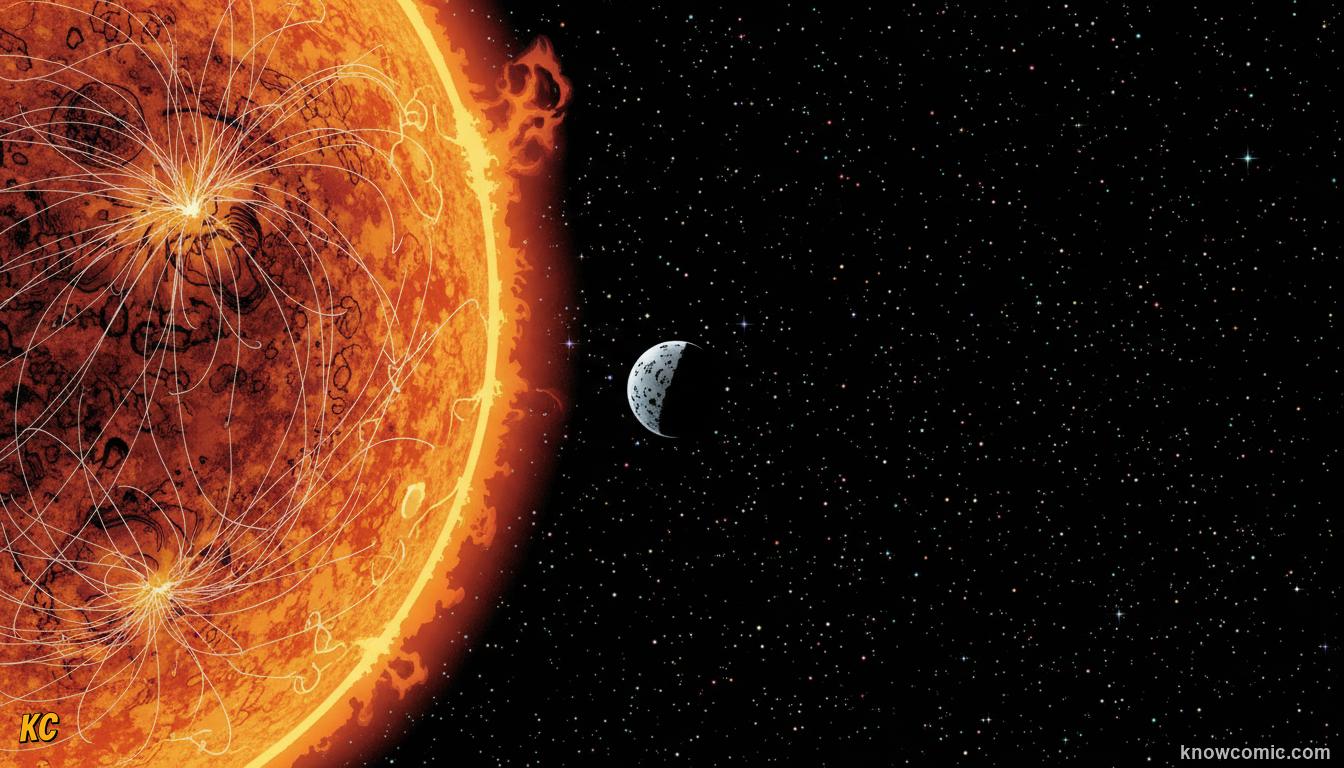
CLOSEST TO THE SUN!
Mercury is the closest planet to the Sun - only 58 million kilometers away. That's closer than any other planet! Because it's so close to the Sun's intense heat and radiation, Mercury is one of the most extreme places in our entire solar system. It orbits the Sun in just 88 Earth days!
⚡ DID YOU KNOW?
Mercury is NOT the hottest planet — Venus is! That's because Venus has a thick atmosphere that traps heat. Mercury has no atmosphere at all!
CLOSE!
FAST ORBIT
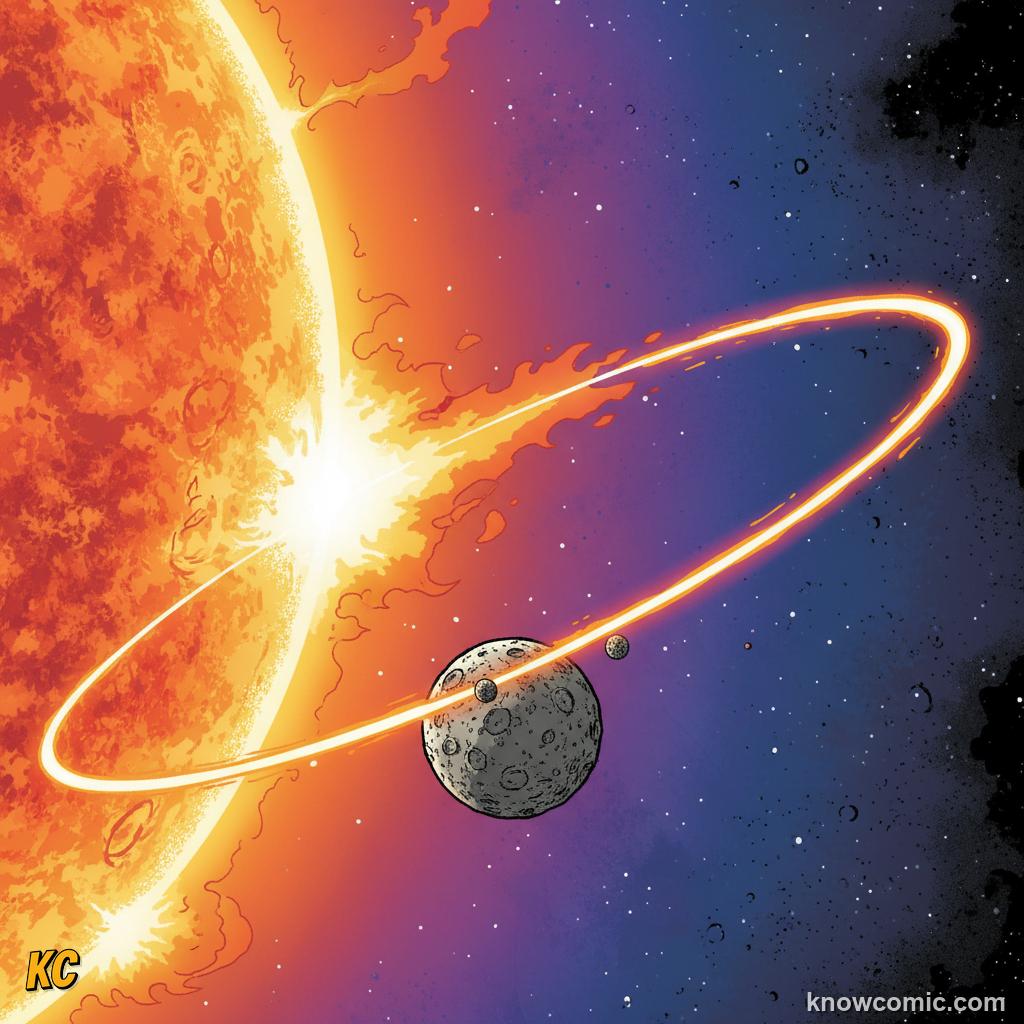
⚡ 88 Earth days per orbit
💫 Speed: 47 km per second
💫 Speed: 47 km per second
SMALLEST TERRESTRIAL
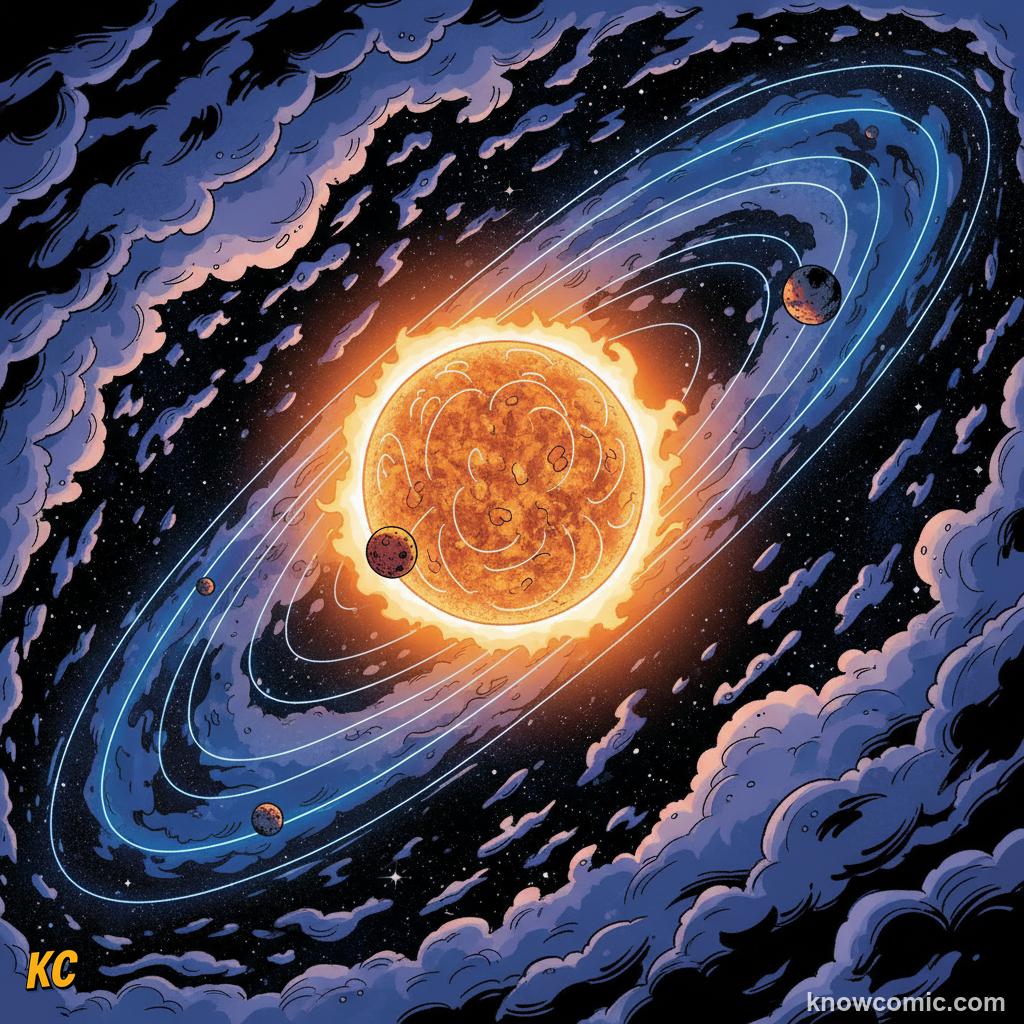
🪨 Only 4,879 km diameter
⚪ Smaller than our Moon
⚪ Smaller than our Moon
PAGE 2 OF 5 — INSIDE MERCURY
INTERNAL STRUCTURE
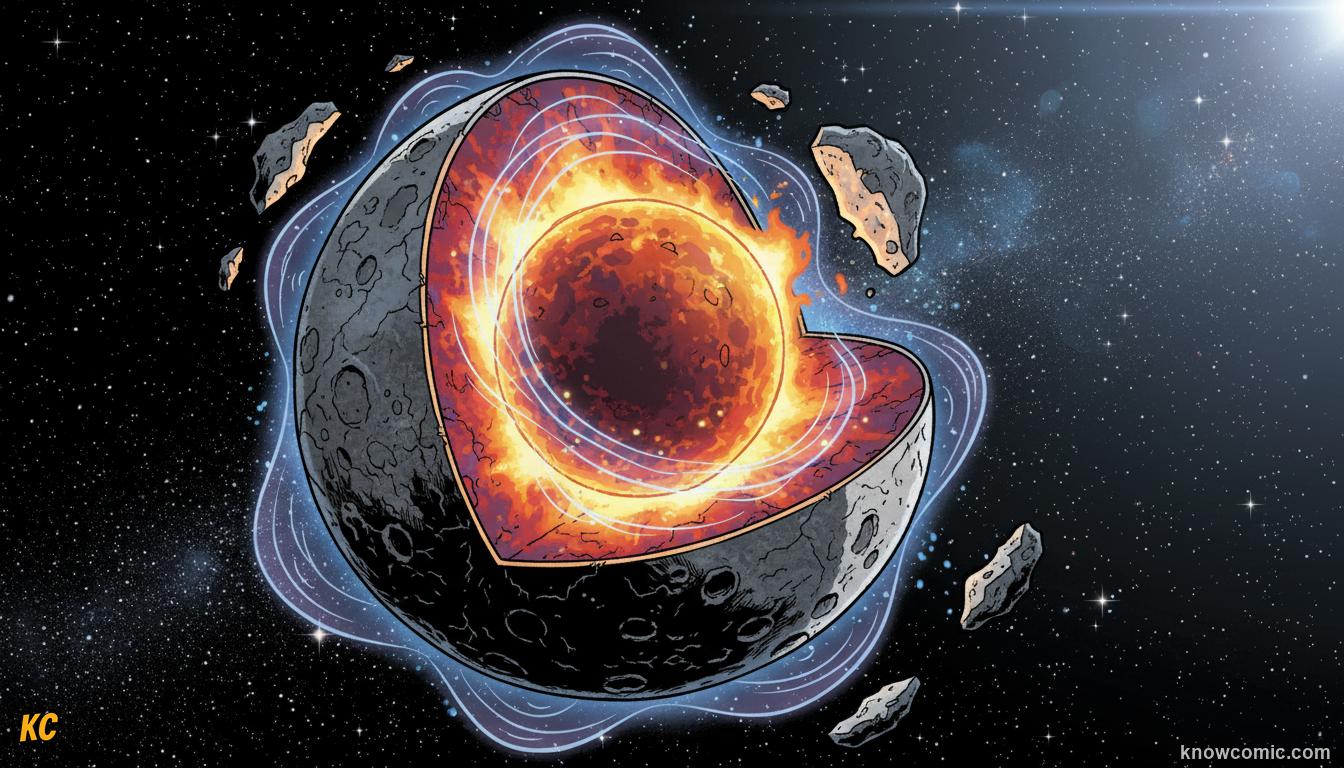
IRON CORE WORLD
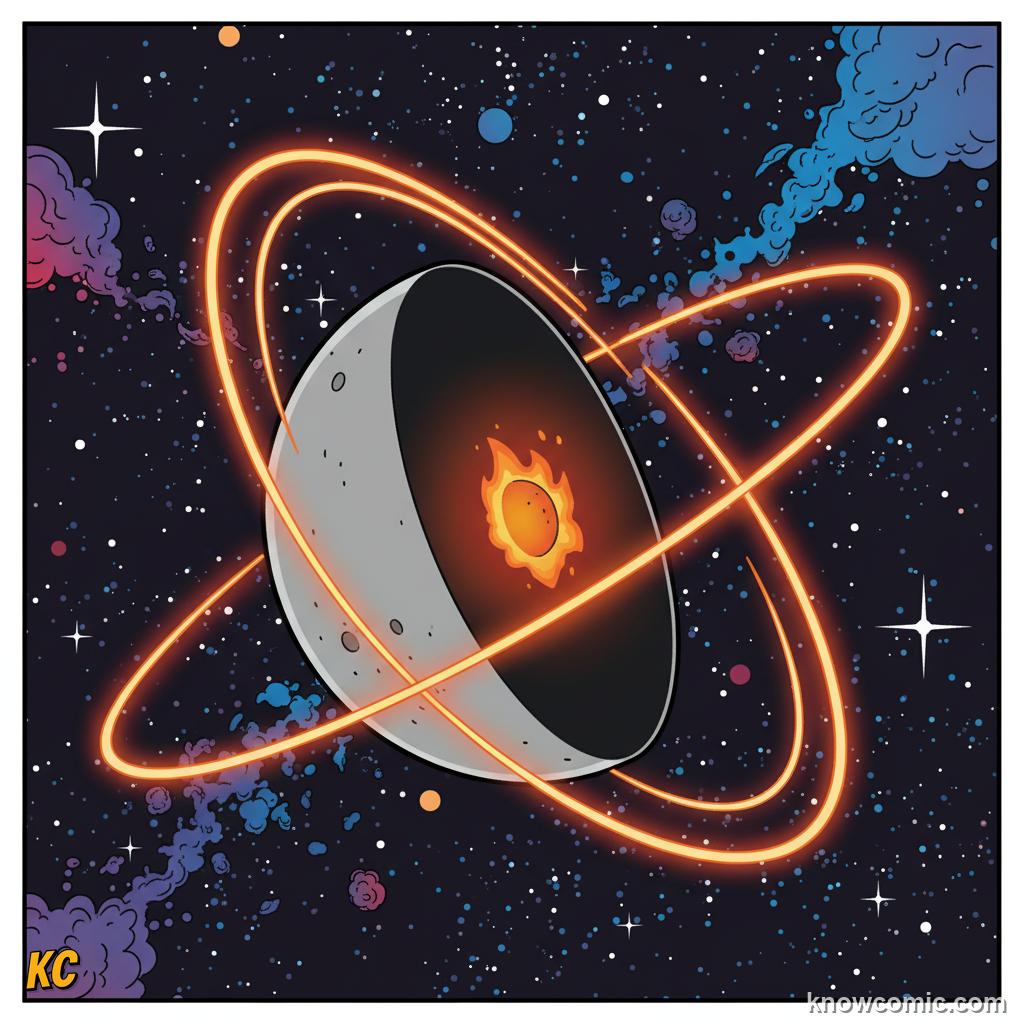
Despite being the smallest terrestrial planet, Mercury has an enormous iron core that makes up most of its interior. The core is so large that scientists are still puzzled by how it got there. Mercury's crust is thin and heavily cratered from billions of years of impacts.
IRON!
CRUST
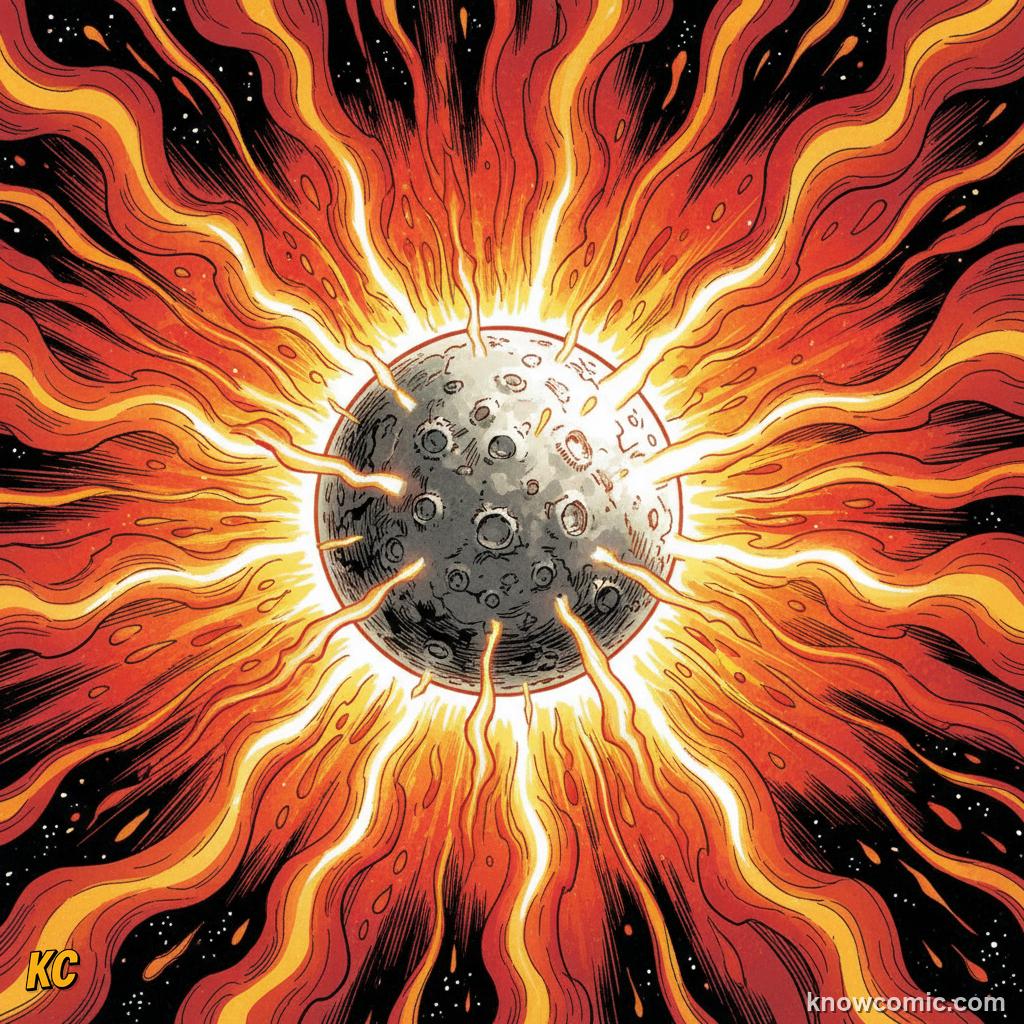
🪨 Thin rocky shell
💥 Covered in craters
💥 Covered in craters
MANTLE
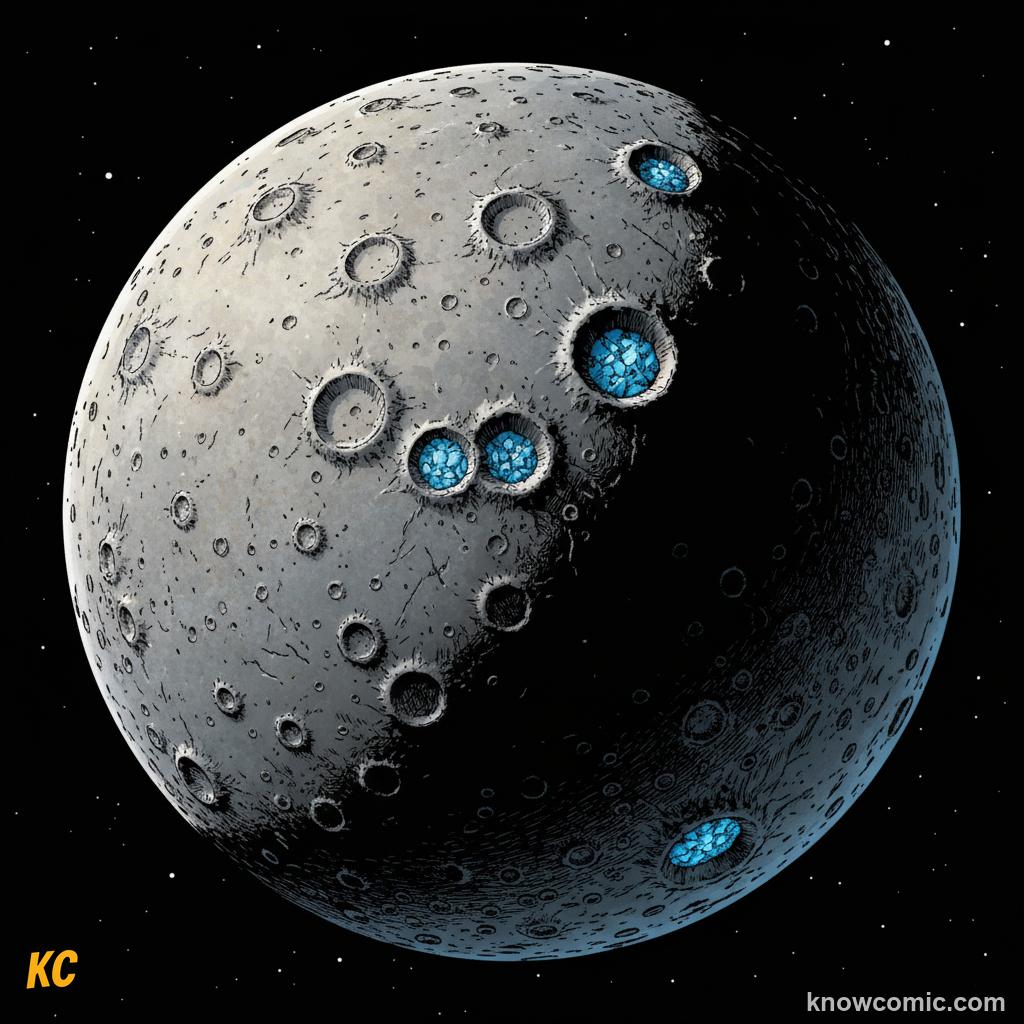
🌊 Rocky layer
🔥 Hot intermediate zone
🔥 Hot intermediate zone
IRON CORE
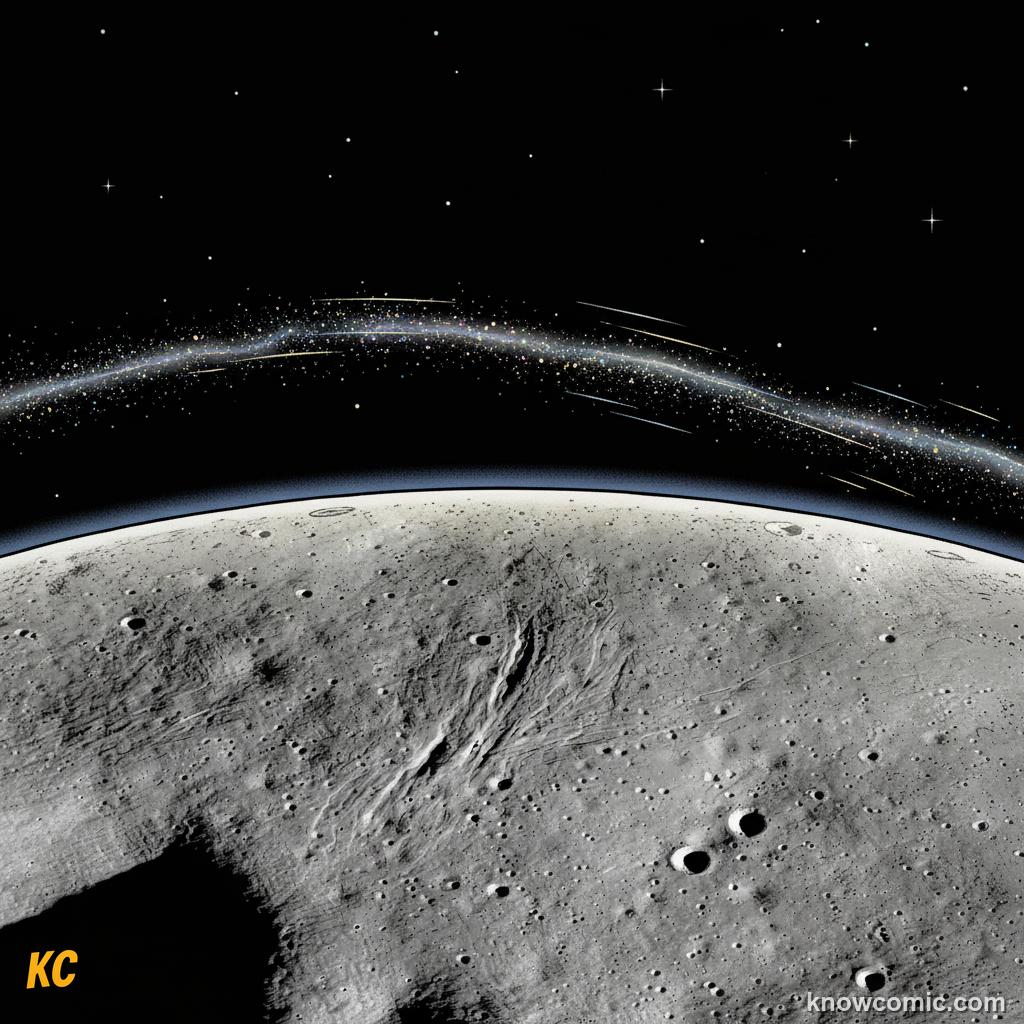
⭐ Enormous metal center
🔴 Extremely dense iron
🔴 Extremely dense iron
PAGE 3 OF 5 — EXTREME TEMPERATURES
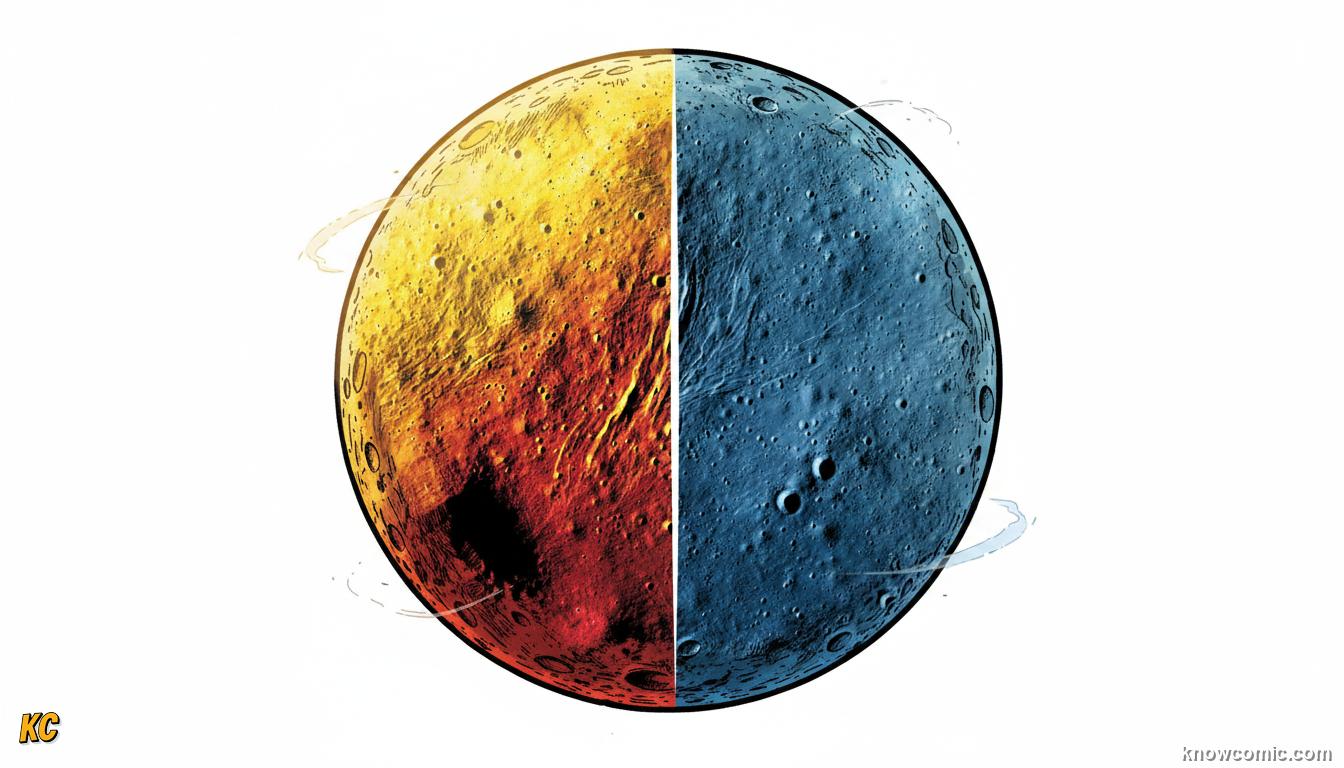
DAYTIME
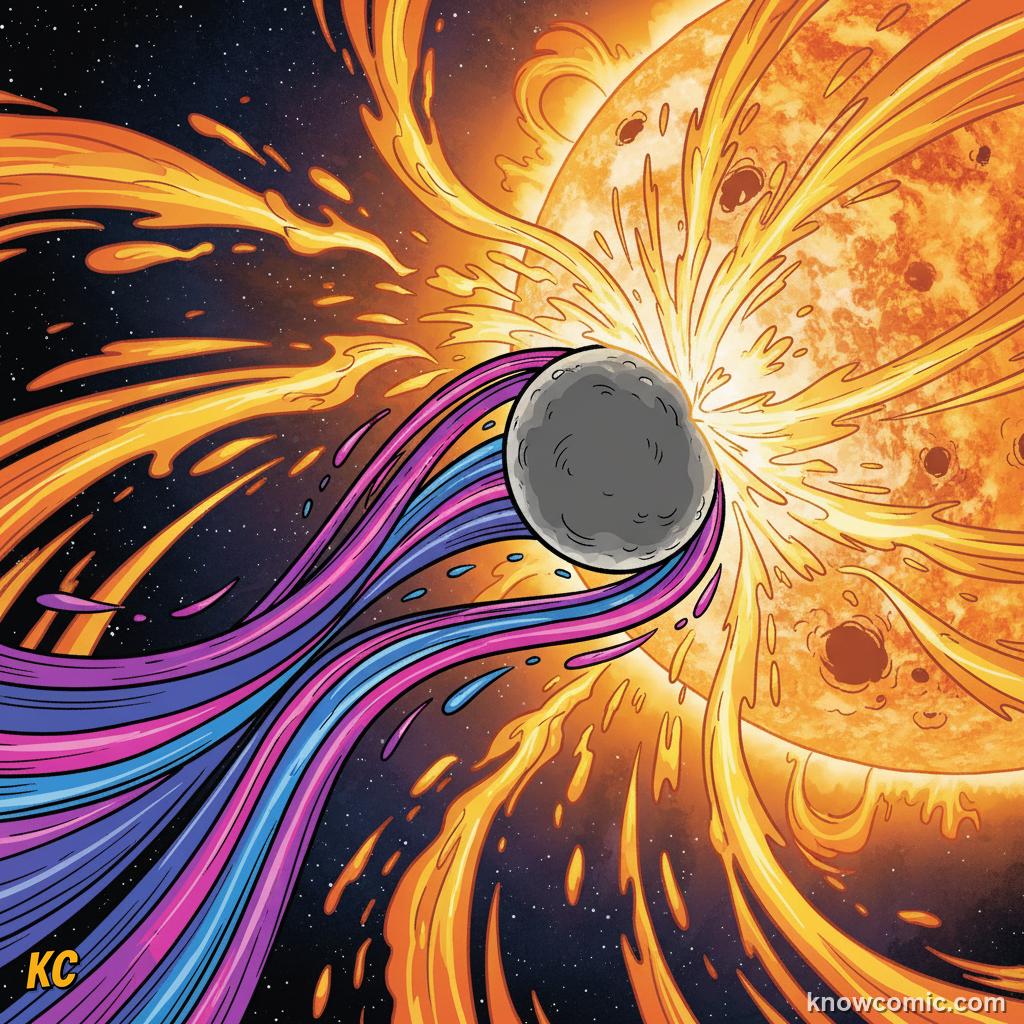
🔥 430°C surface
☀️ Extreme solar radiation
☀️ Extreme solar radiation
NIGHTTIME
❄️ -180°C surface
🌑 Deep freezing cold
🌑 Deep freezing cold
TEMPERATURE EXTREMES
THE BIGGEST SWING
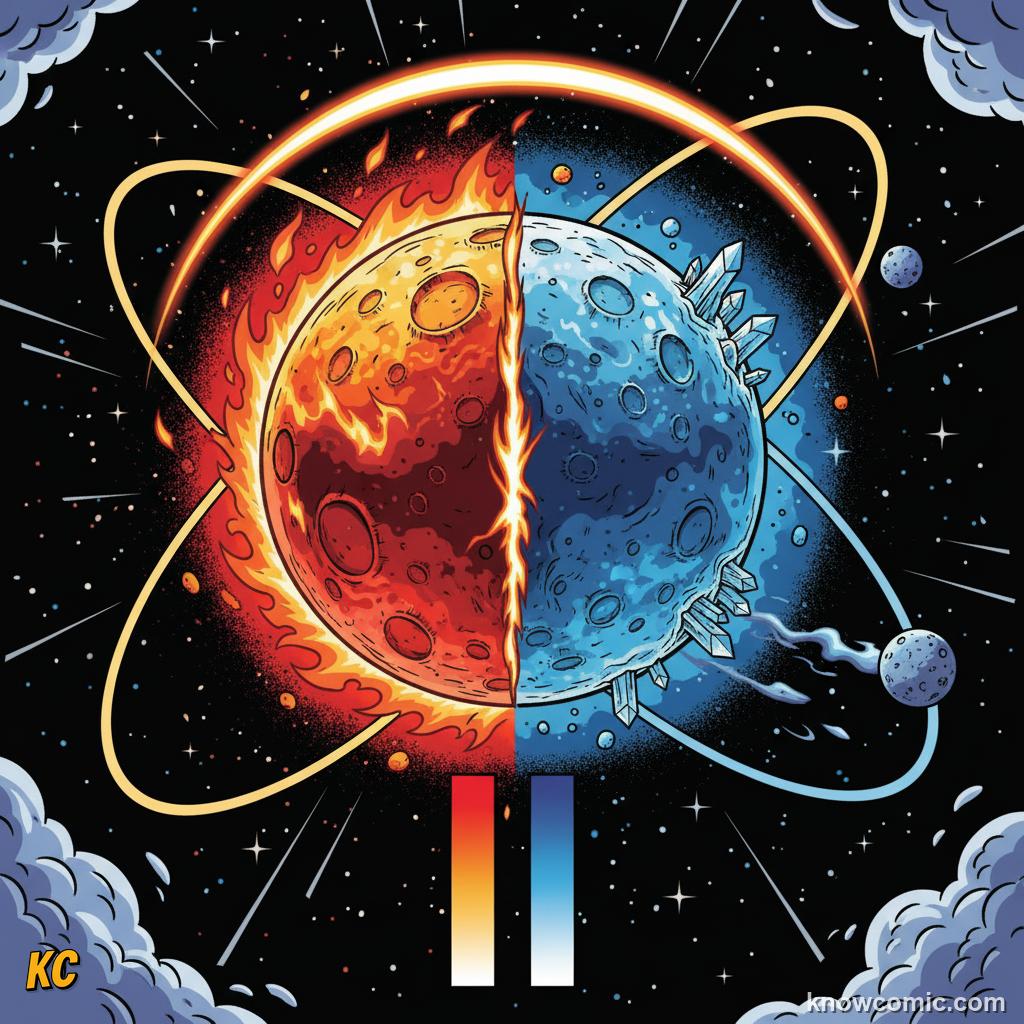
Mercury has the biggest temperature difference of any planet! The side facing the Sun gets scorching hot at 430°C — hot enough to melt lead! But the side facing away from the Sun is frozen at -180°C. That's a swing of 610 degrees! This happens because Mercury has almost NO atmosphere to distribute heat.
EXTREME!
PAGE 4 OF 5 — CRATERED SURFACE
ANCIENT BOMBARDMENT
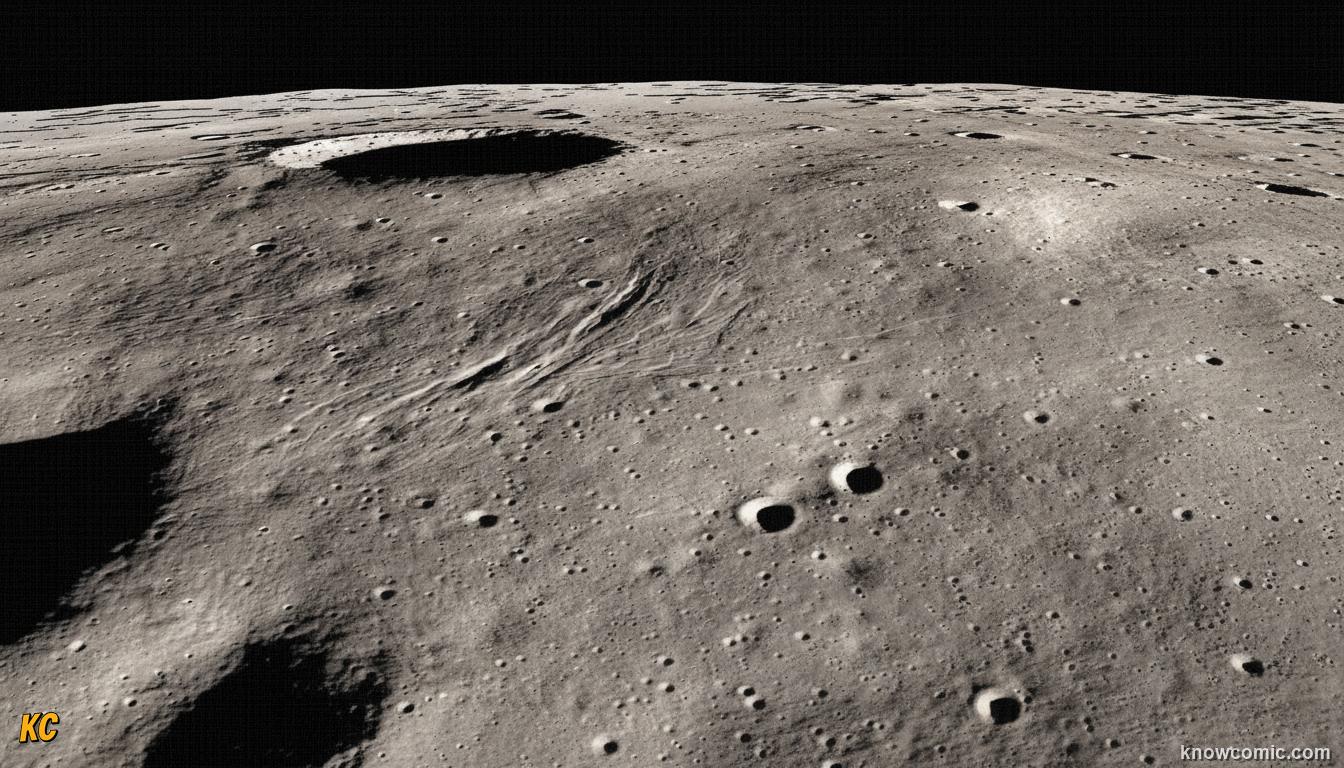
CRATER WORLD
Mercury's surface is covered with thousands of impact craters — some massive and some tiny. These craters are evidence of billions of years of asteroid and comet impacts. Unlike Earth, Mercury has no atmosphere and no plate tectonics to erase these ancient scars. Mercury looks a lot like our Moon!
BOOM!
CRATERS
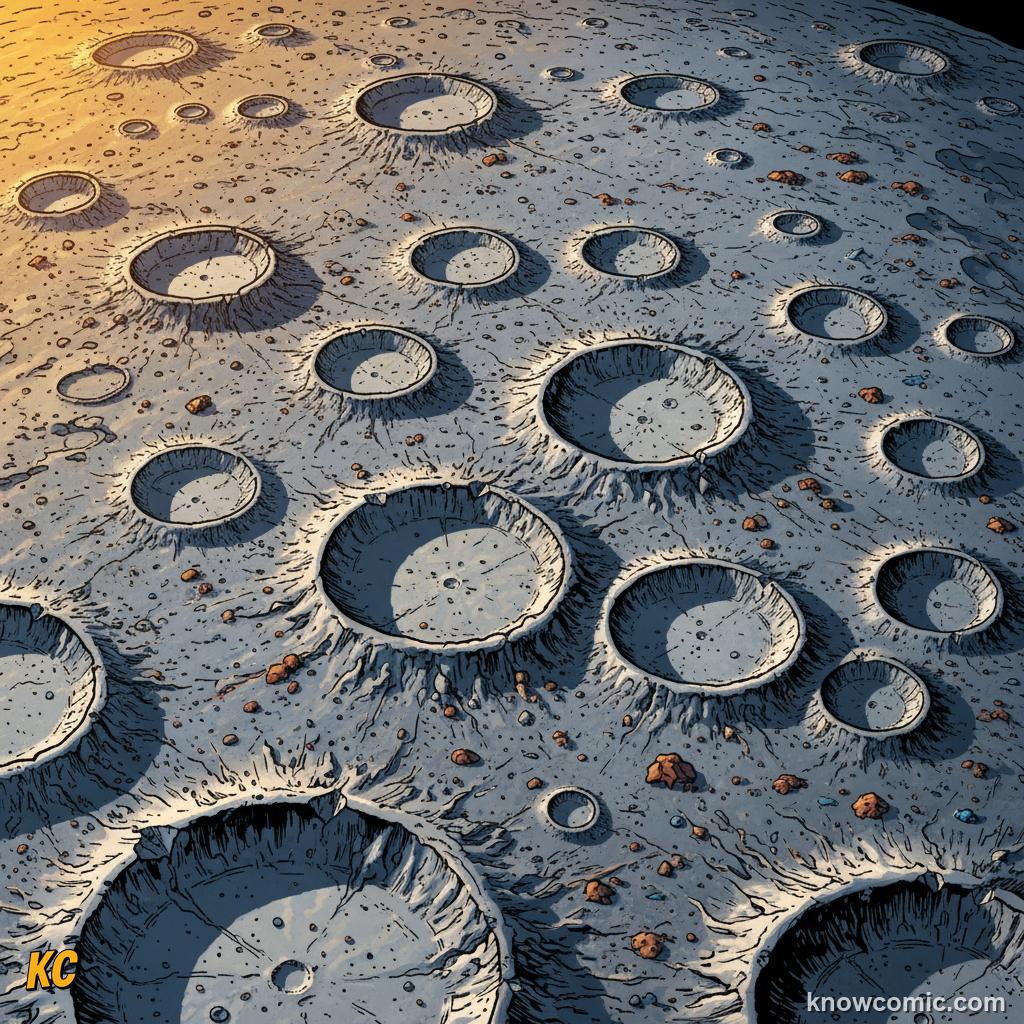
💥 Thousands of impacts
⭕ Preserved forever
⭕ Preserved forever
ESCARPMENTS
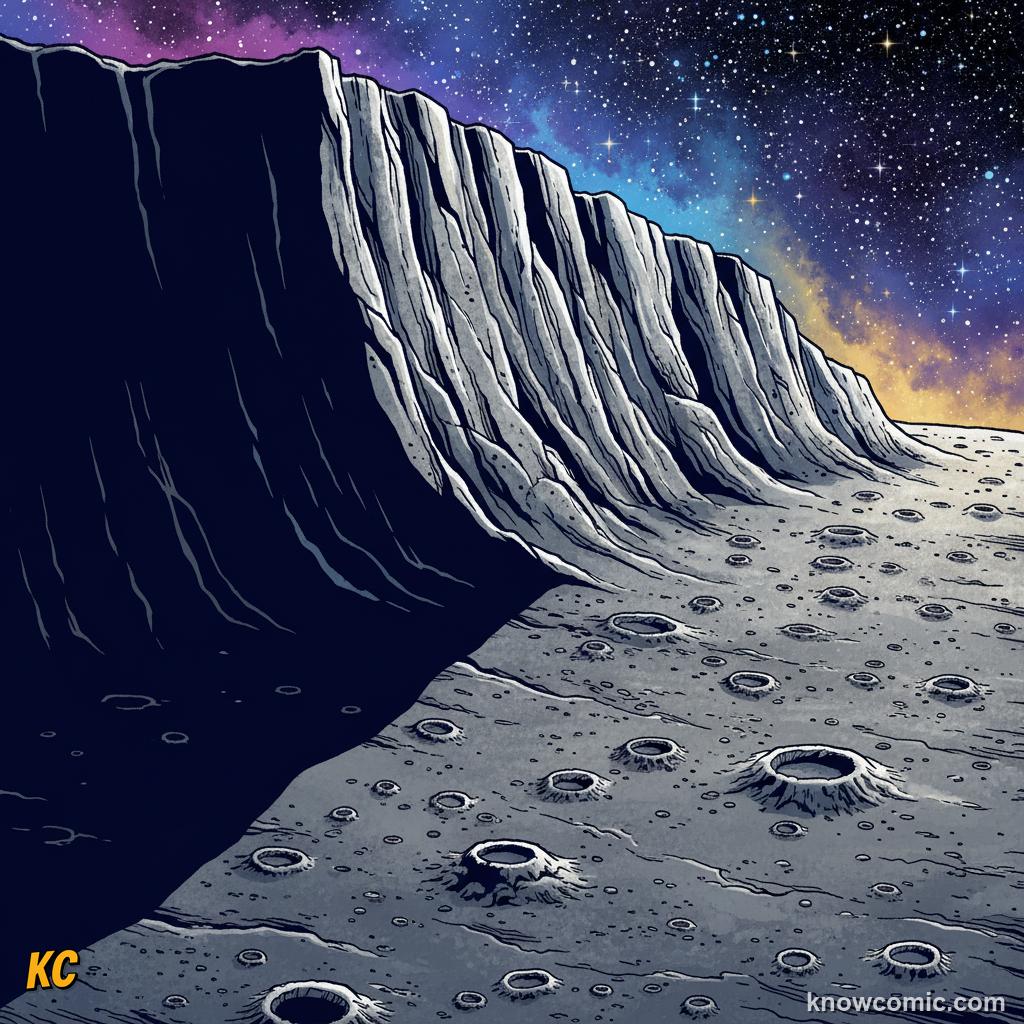
🏔️ Massive cliffs
📏 Hundreds of km long
📏 Hundreds of km long
PLAINS
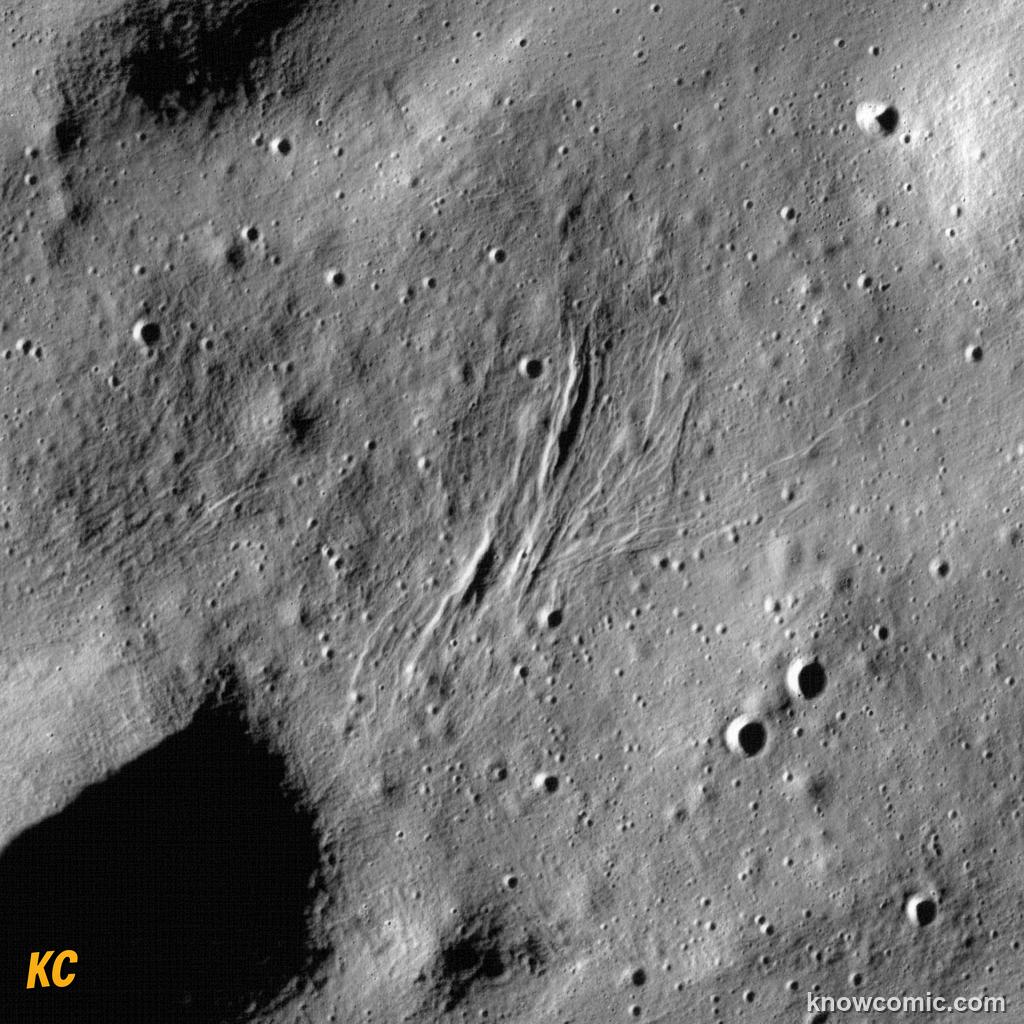
🌍 Smooth regions
🪨 Ancient lava flows
🪨 Ancient lava flows
PAGE 5 OF 5 — MOTION IN SPACE
CLOSEST ORBIT
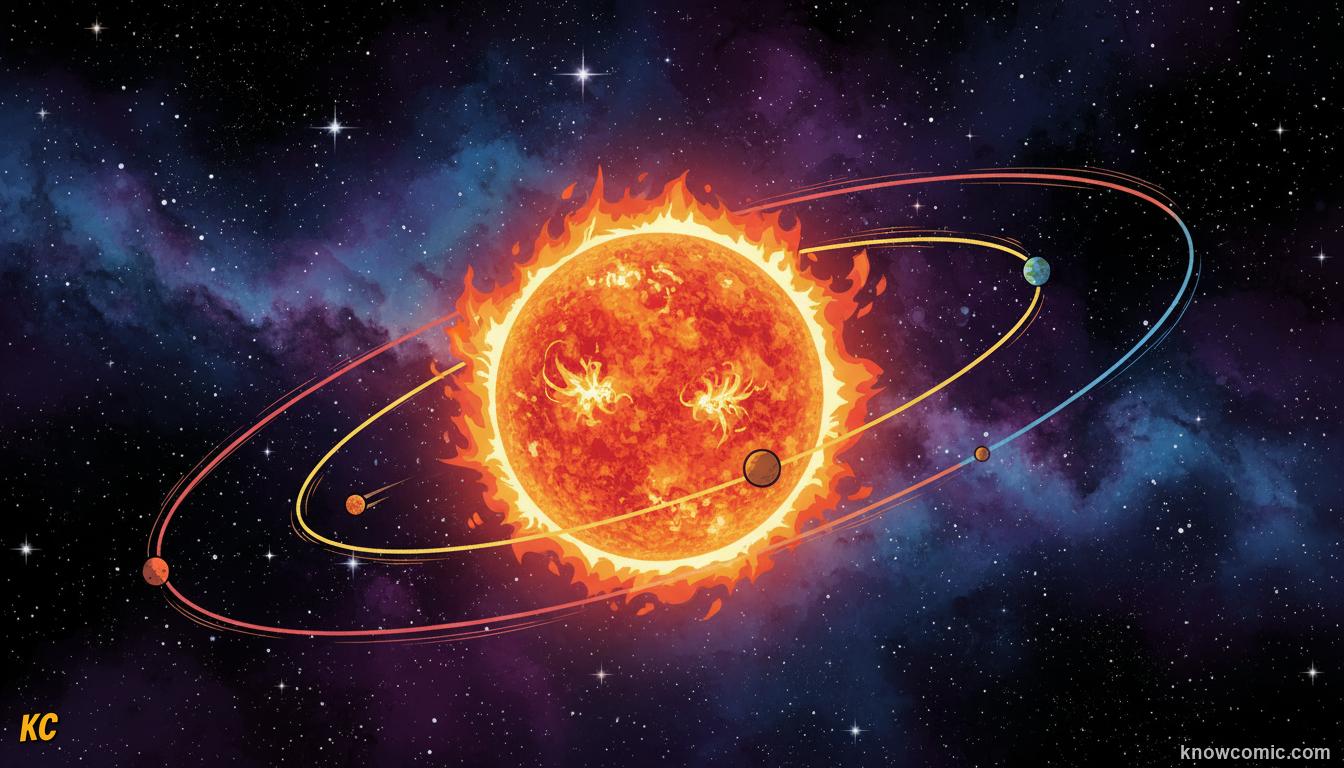
FASTEST MESSENGER
Mercury is named after the Roman messenger god because it moves so fast across the sky! It orbits the Sun in just 88 Earth days — the fastest of all the planets. Mercury gets close to the Sun but never crashes into it because its elliptical orbit keeps it at a safe distance. It's also the closest planet to the Sun!
⚡ DID YOU KNOW?
A "day" on Mercury (one complete rotation) takes 59 Earth days. That means one Mercury day is longer than one Mercury year!
ZOOM!
ORBIT SPEED
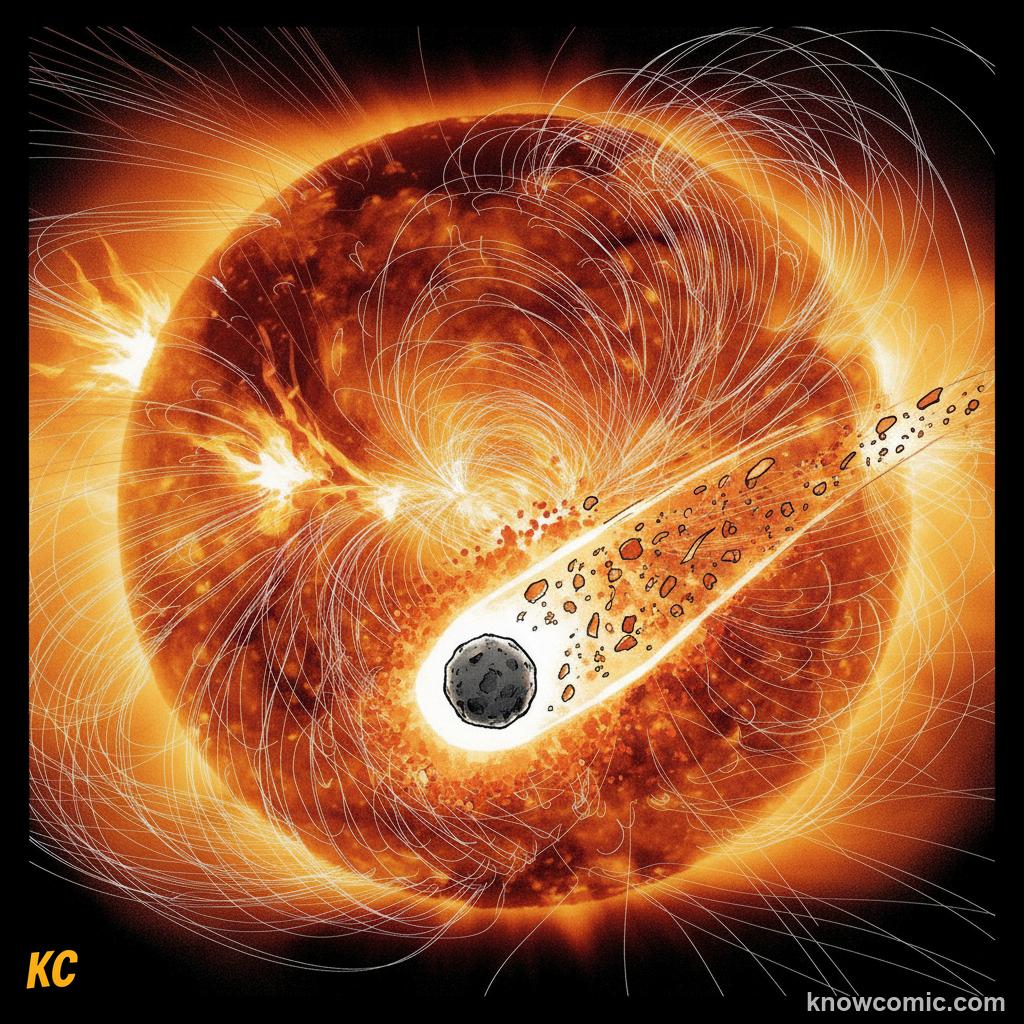
⚡ 47 km per second
🏃 Fastest planet
🏃 Fastest planet
KEY FACTS
📍 58 million km from Sun
⏱️ 88 Earth days per year
🌡️ 430°C to -180°C
⏱️ 88 Earth days per year
🌡️ 430°C to -180°C
☀️ QUIZ TIME!
MERCURY · 5 QUESTIONS
QUESTION 01
Is Mercury the hottest planet?
QUESTION 02
Why does Mercury have no atmosphere?
QUESTION 03
How long is a "year" on Mercury?
QUESTION 04
What's Mercury's daytime temperature?
QUESTION 05
Which planet is closest to the Sun?
0/5
QUESTIONS CORRECT
Keep learning about space!