🌱 THE FOOD CHAIN: FROM SOIL TO PLATE
PAGE 1 OF 5, THE POWER SOURCE
BILLIONS OF MILES AWAY
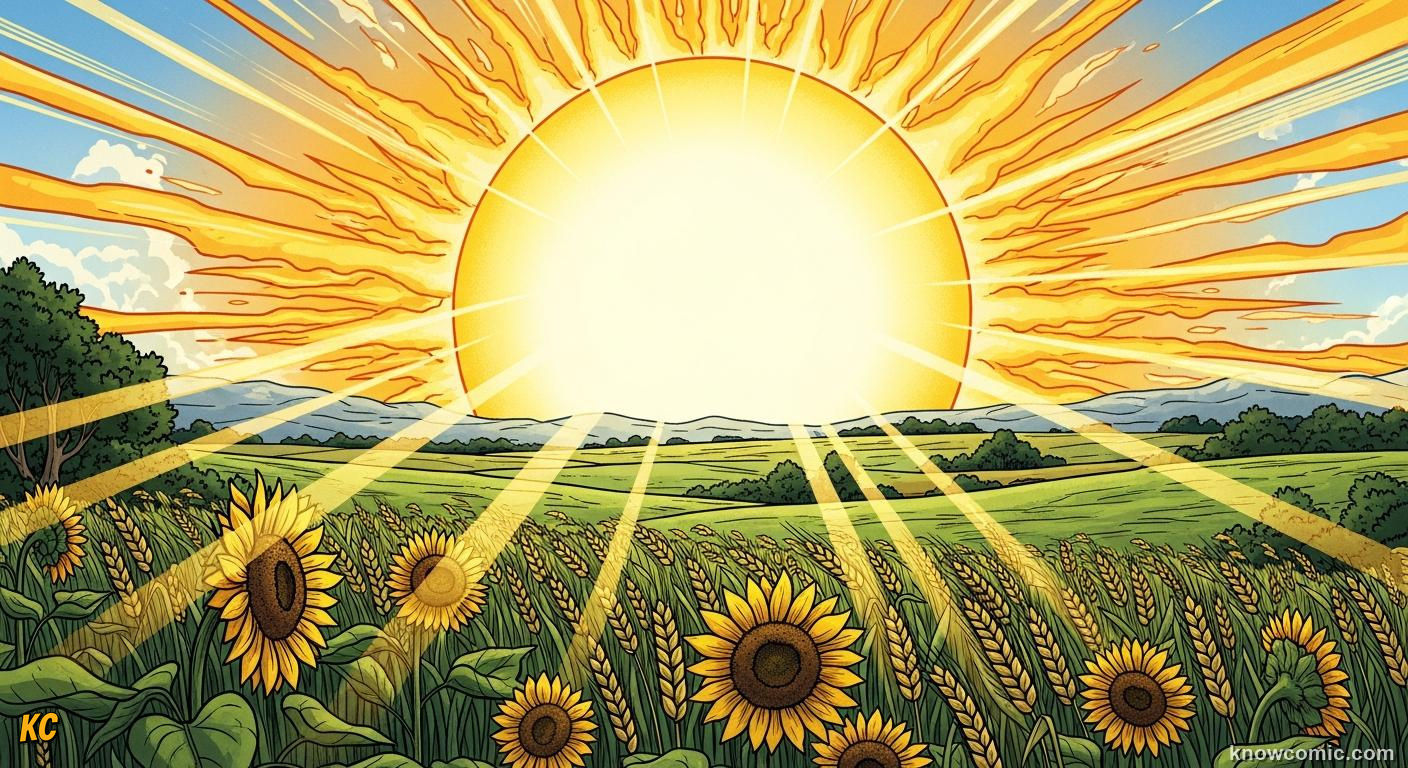
IT ALL STARTS WITH THE SUN
Every single thing you eat, whether it is a crunchy apple or a bowl of noodles, ties back to energy from the Sun. Plants capture light and store it in leaves, roots, and seeds. That process is called photosynthesis, and it is step one for almost every food chain on land.
ZAP!
SOLAR POWER
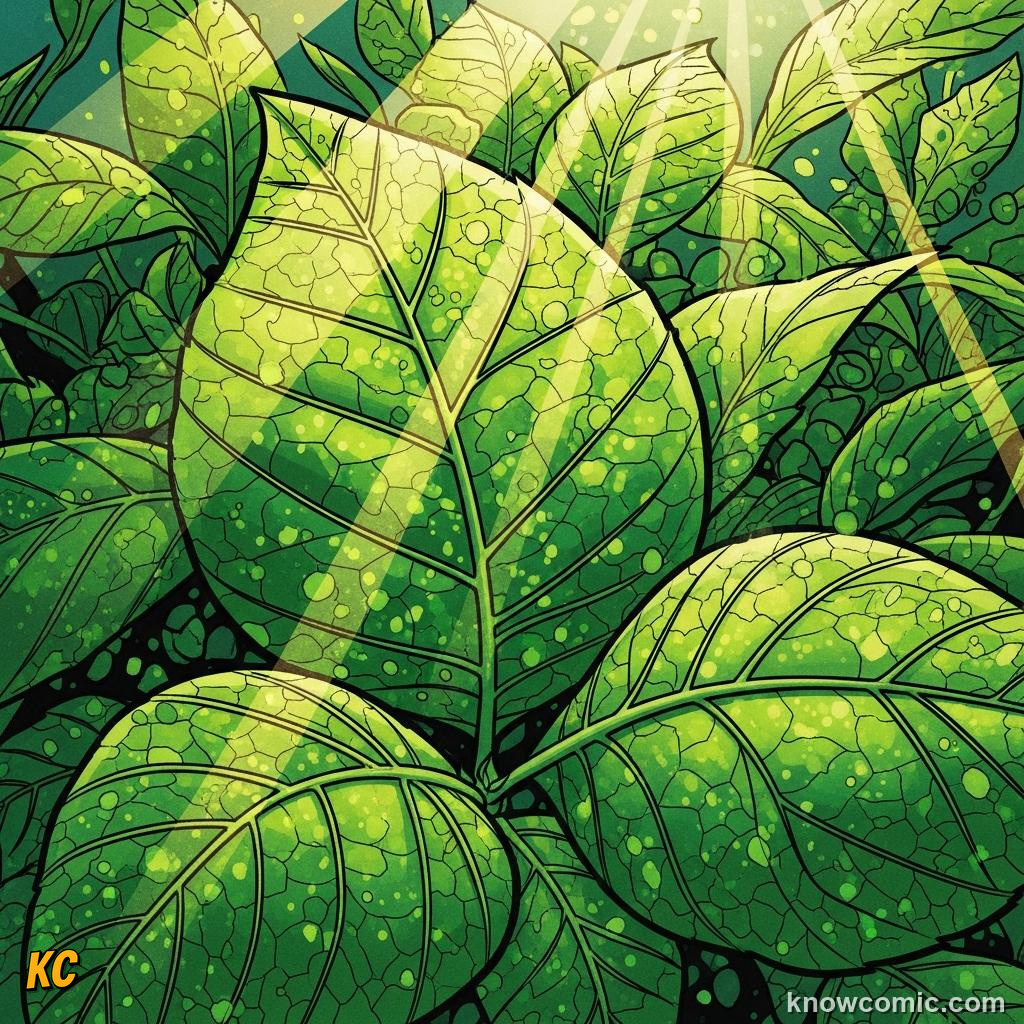
☀️ Sunbeams feed the leaves.
SOIL SECRETS
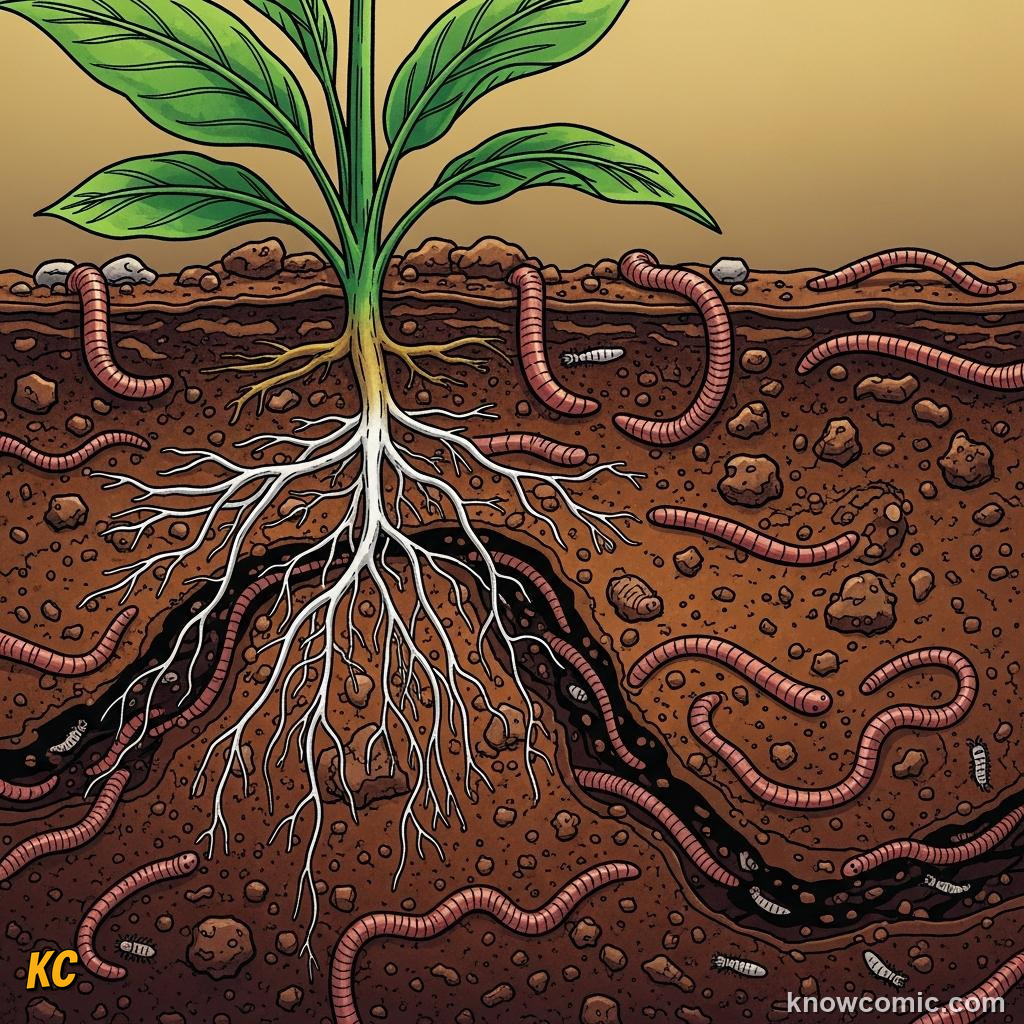
🪱 Roots and soil life hold water and minerals plants need.
PAGE 2 OF 5, THE PRODUCERS
THE GREEN TEAM
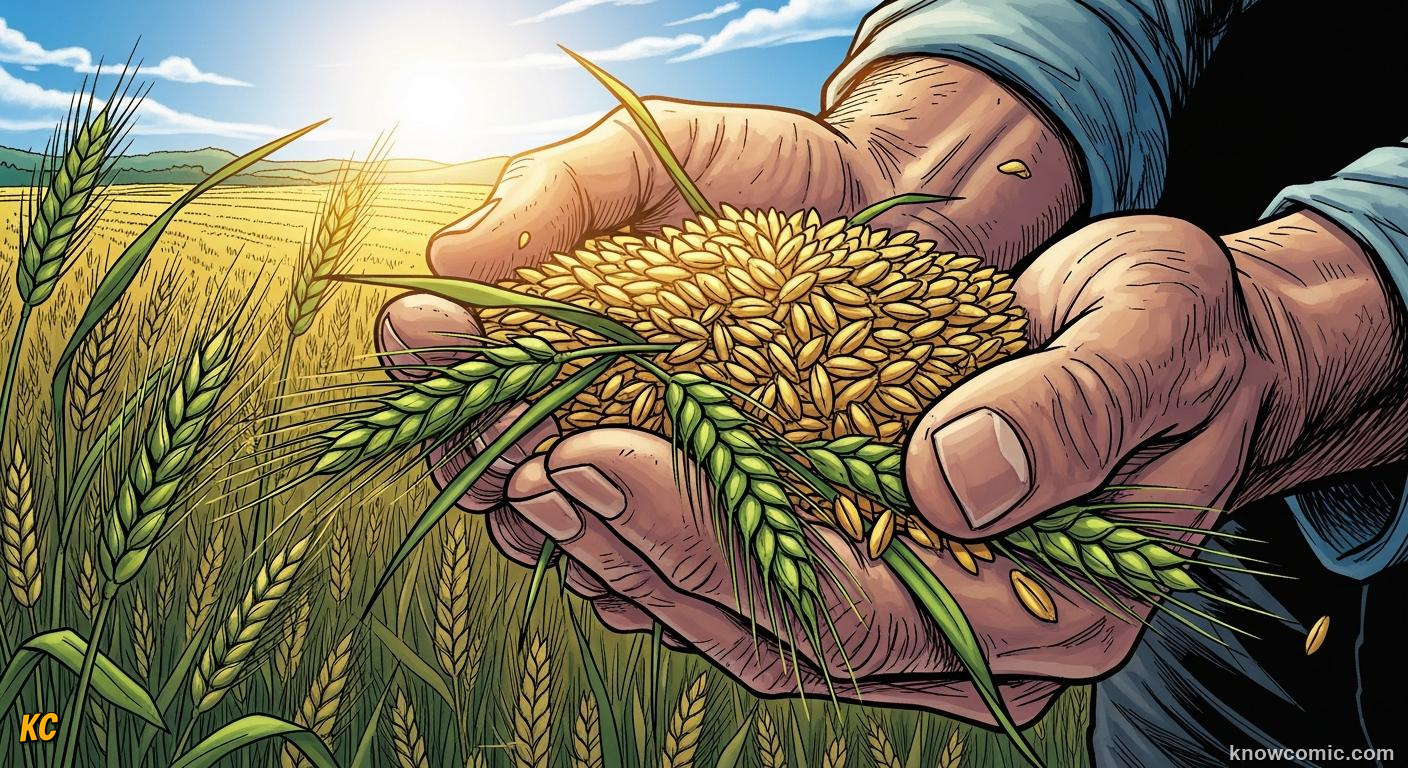
WHEAT, RICE, AND MORE
In science, we call plants producers because they produce their own food. They do not need a grocery store! By mixing sunlight, water, carbon dioxide, and soil nutrients, they build sugars, starches, and proteins that the rest of life can borrow.
PRODUCE!
GRAINS
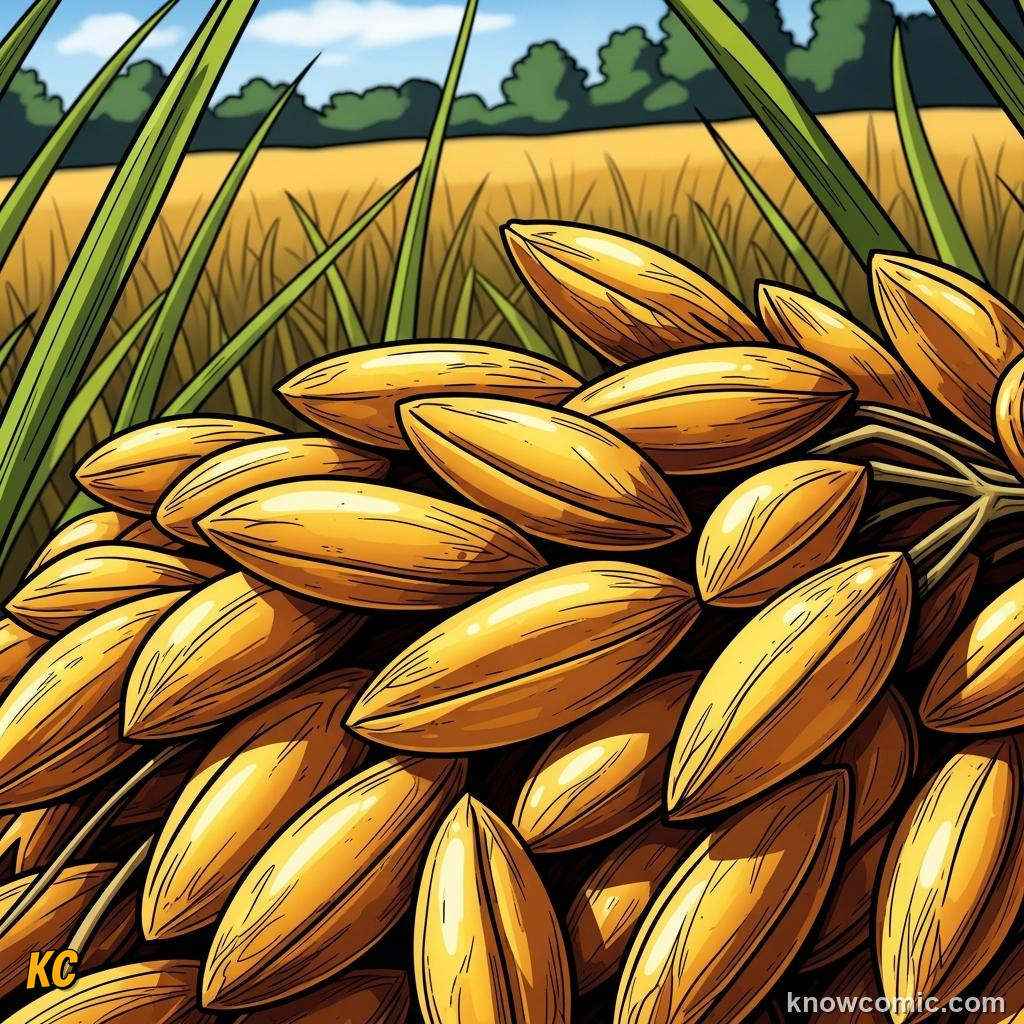
🌾 Cereals pack calories for billions of meals.
FRUITS & SEEDS
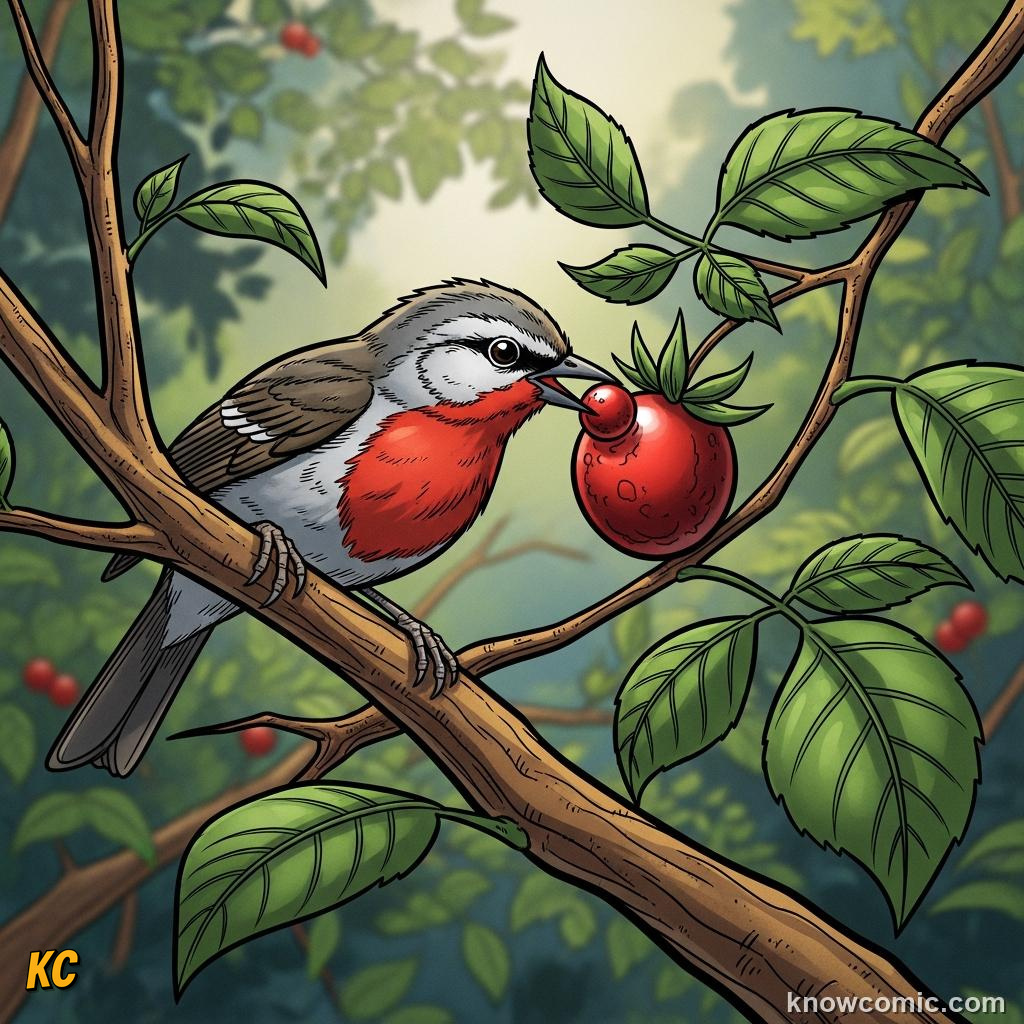
🫐 Birds and people both chase sweet, energy-rich snacks.
ROOT CROPS
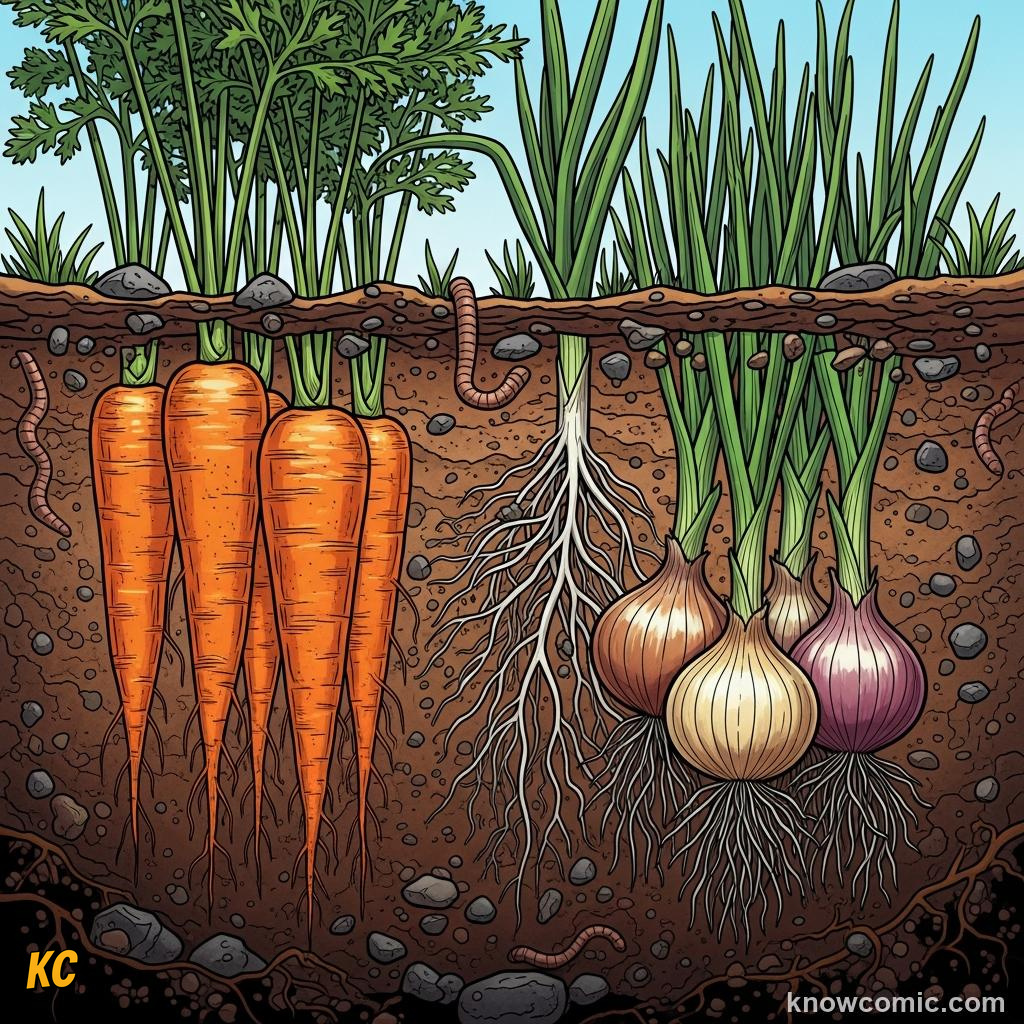
🥕 Underground storage keeps dinner going in cold months.
PAGE 3 OF 5, THE CONSUMERS
HERBIVORES
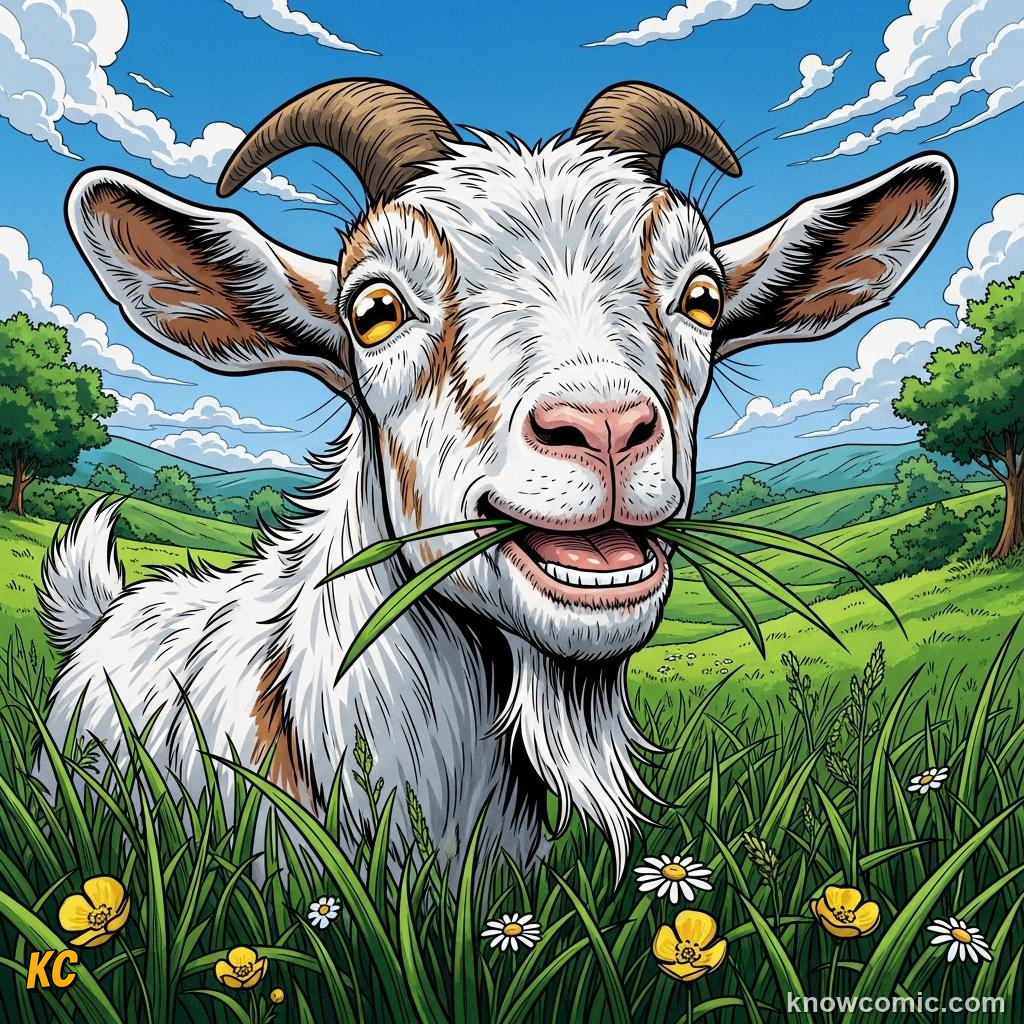
🐐 Plant-eaters turn leaves into muscle and milk.
CARNIVORES
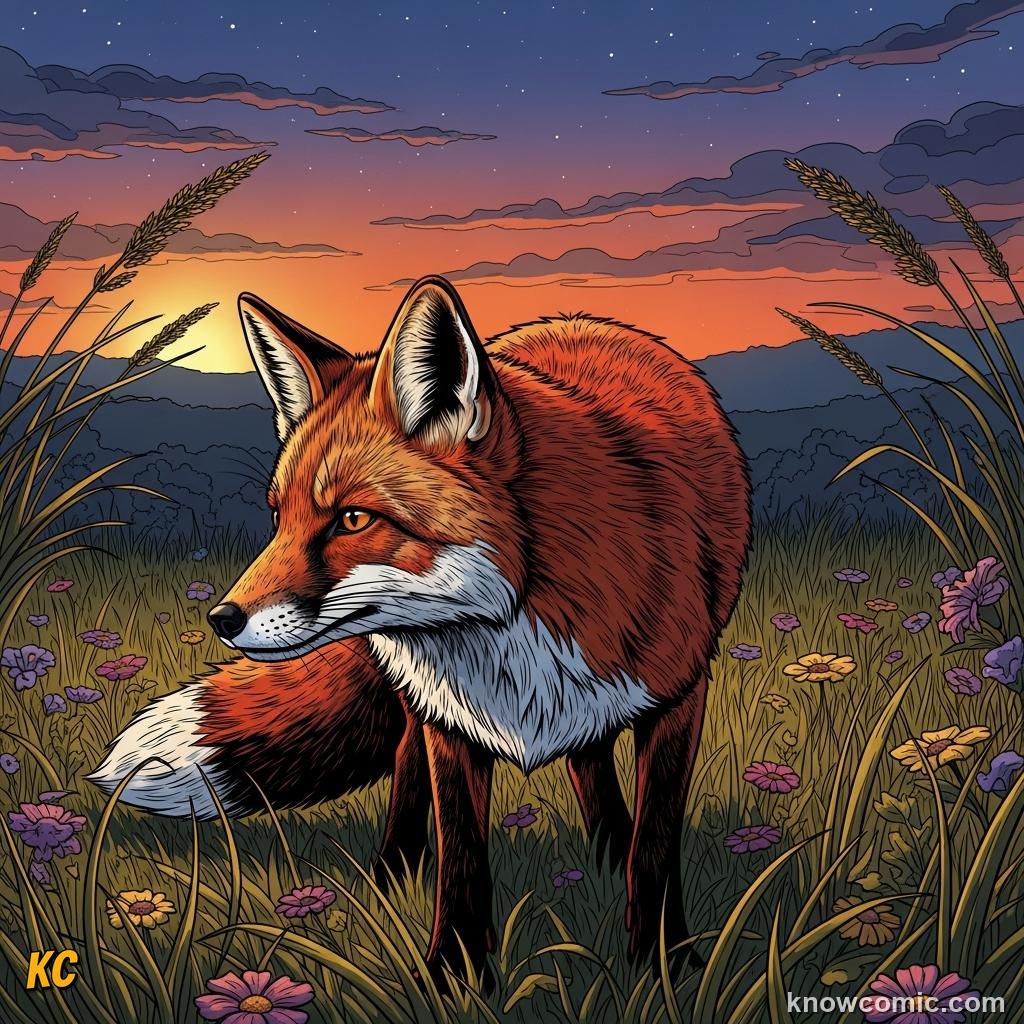
🦊 Meat-eaters pass energy up another step.
ENERGY TRANSFER
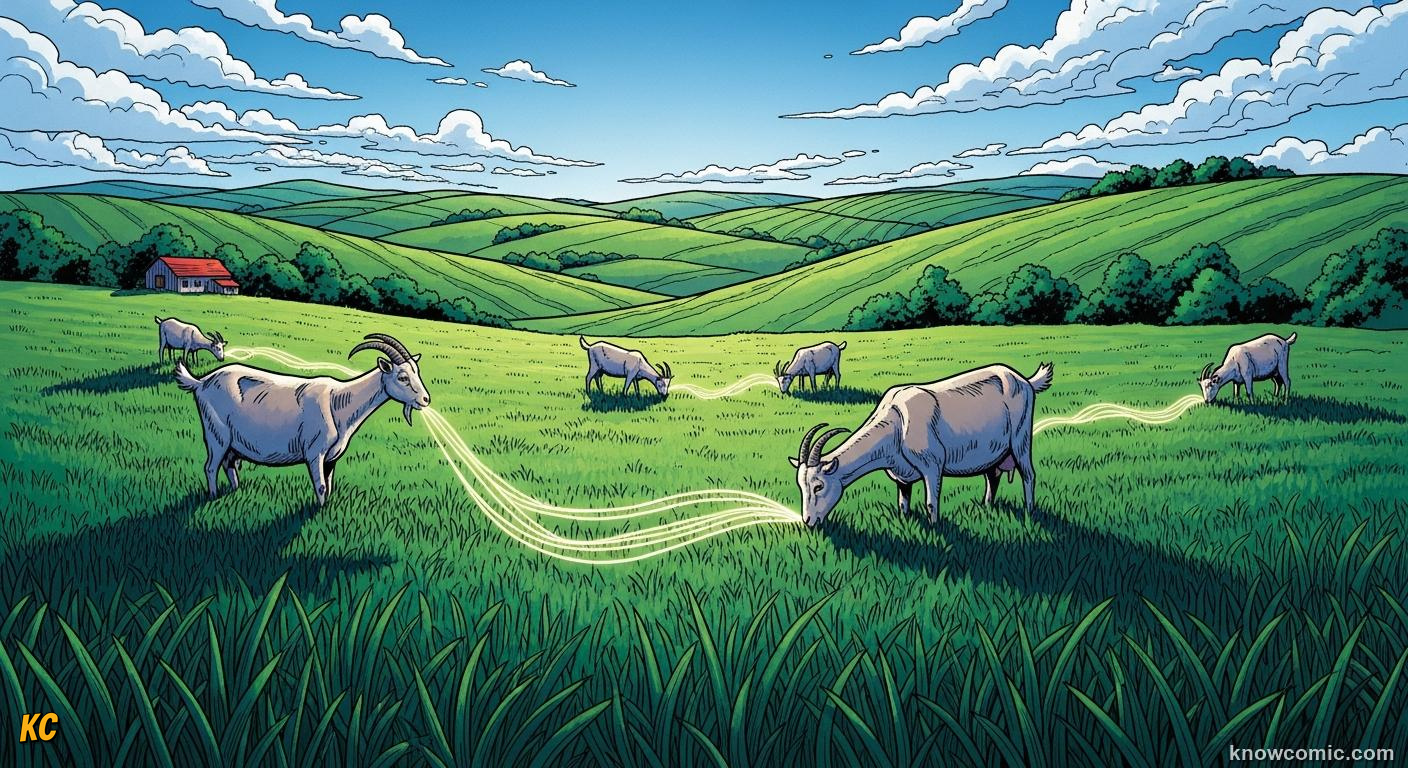
WHO EATS WHOM?
Animals are consumers because they take food by eating other life. Each feeding step is a trophic level, grass to goat, or berry to bird. Chains can be short or long, but the accounting is the same: energy moves, and a little is lost as heat at every hop.
CHOMP!
PAGE 4 OF 5, THE HUMAN CONNECTION
TOP OF THE CHAIN
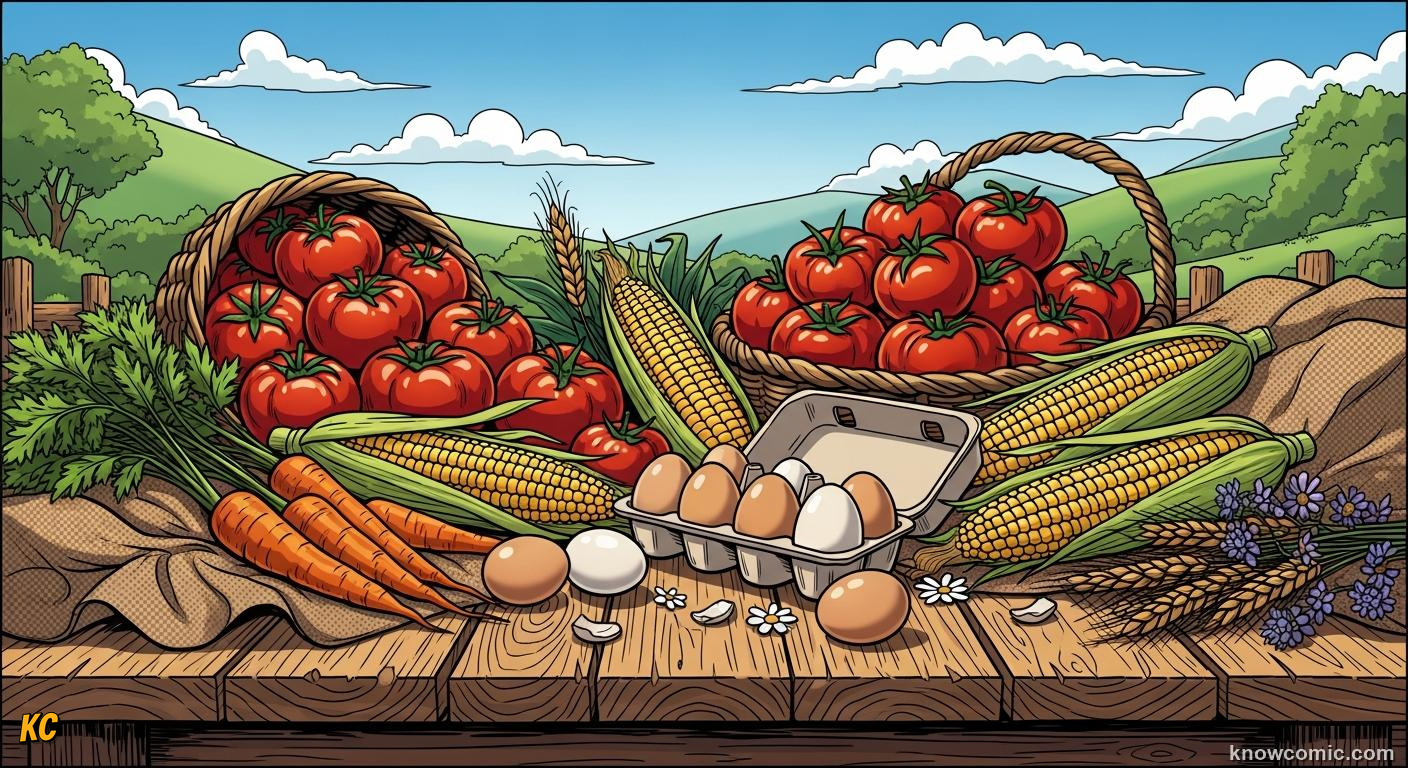
WE ARE OMNIVORES
Humans are omnivores, we eat plants, animals, and foods made from both. That puts us near the top of many food chains, which sounds powerful, but it also means we depend on pollinators, soil, water, and every link below. No step is “optional” for long.
EVERYTHING!
POLLINATORS
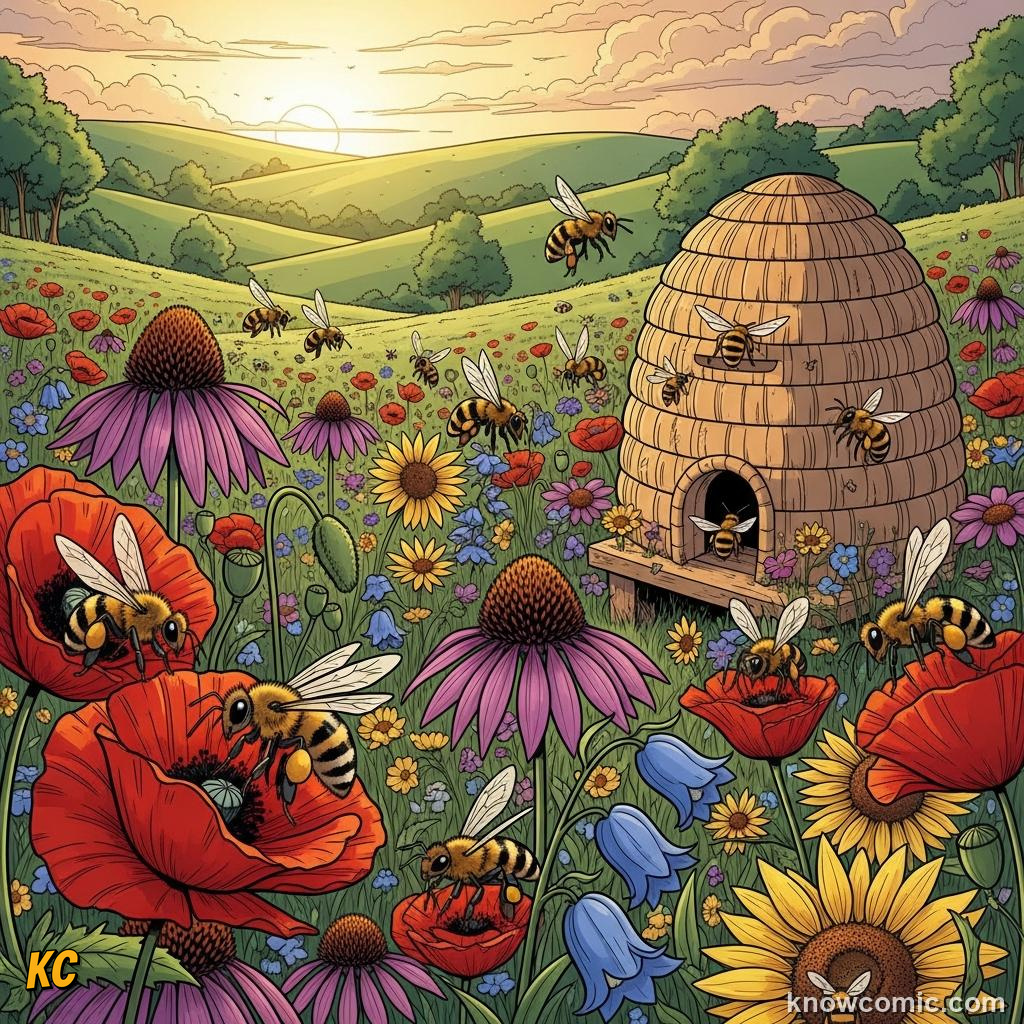
🐝 Busy bees help turn flowers into future meals.
FRESH WATER
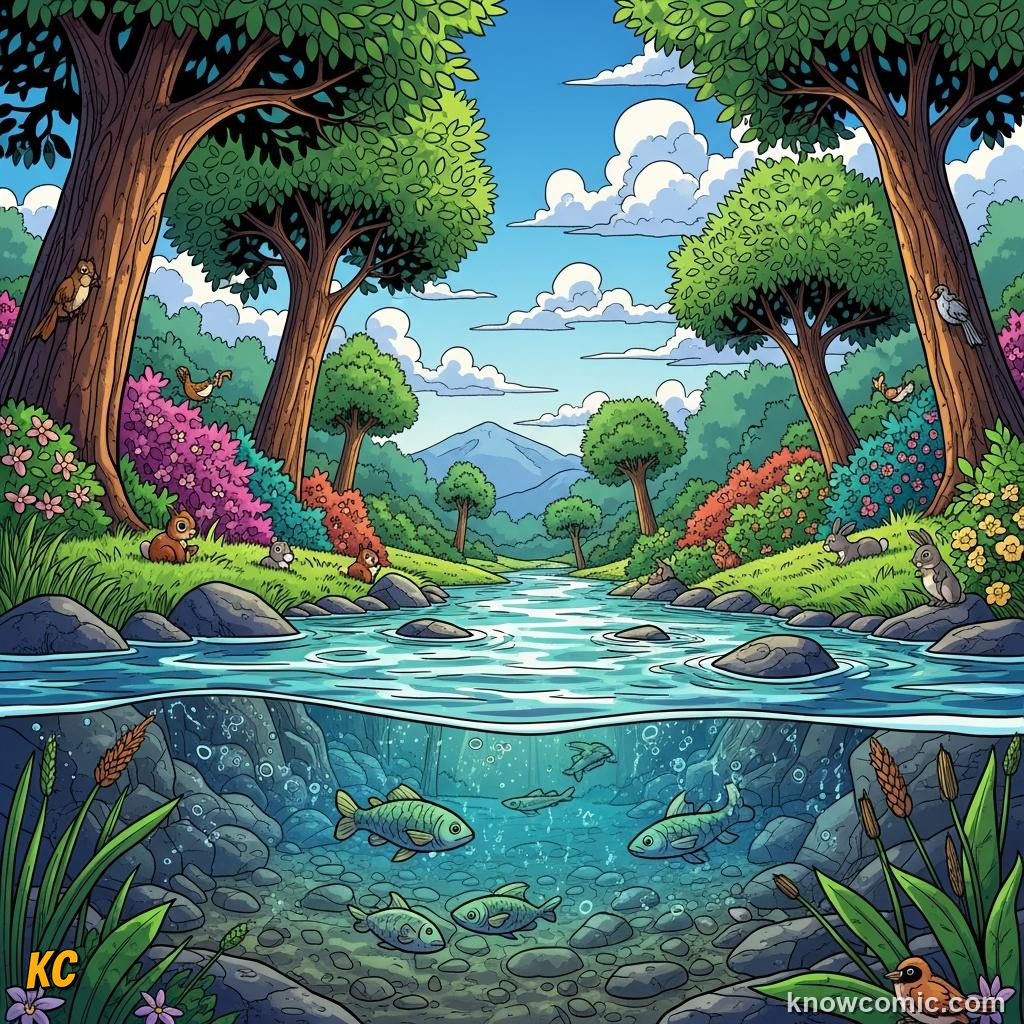
💧 Rivers and rain move nutrients that fields drink up.
DECOMPOSERS
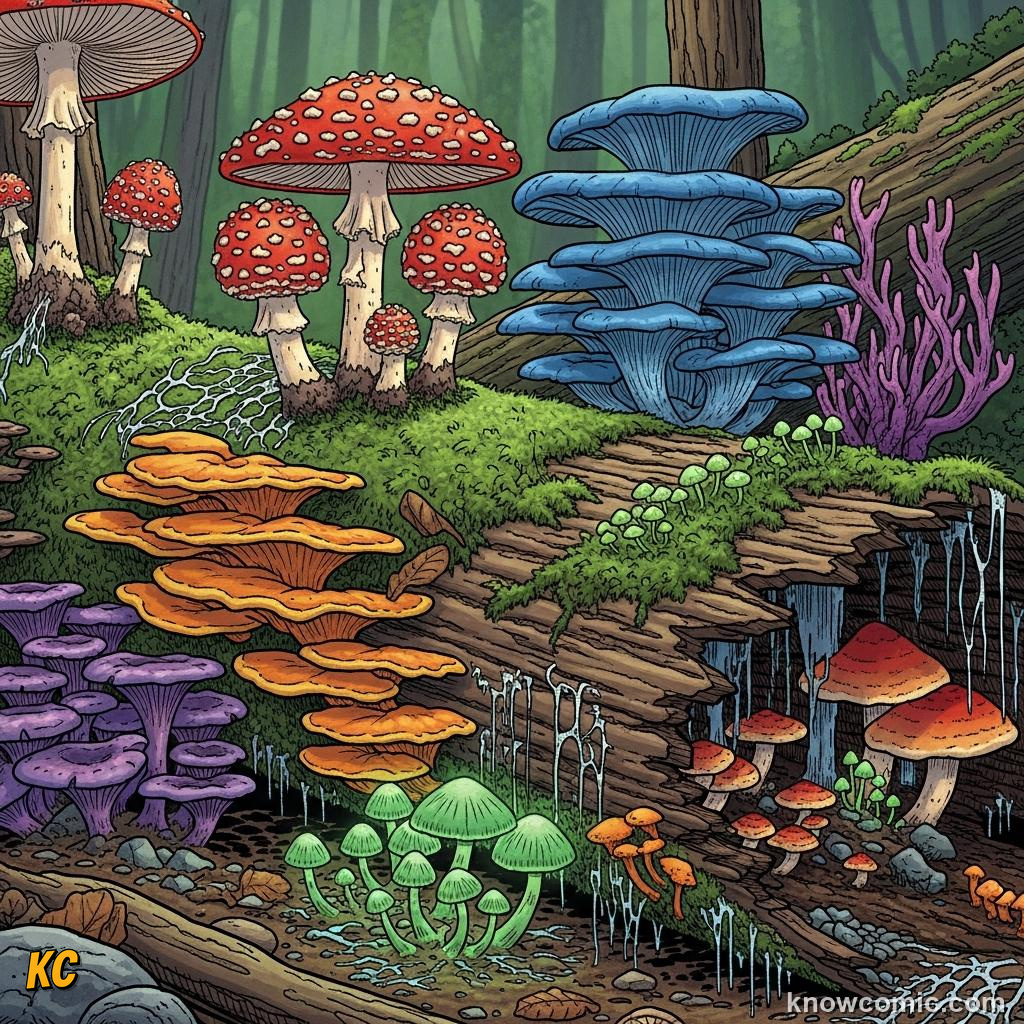
🍄 Fungi and rot return leftovers to the soil web.
PAGE 5 OF 5, THE MODERN PLATE
YOUR DINNER
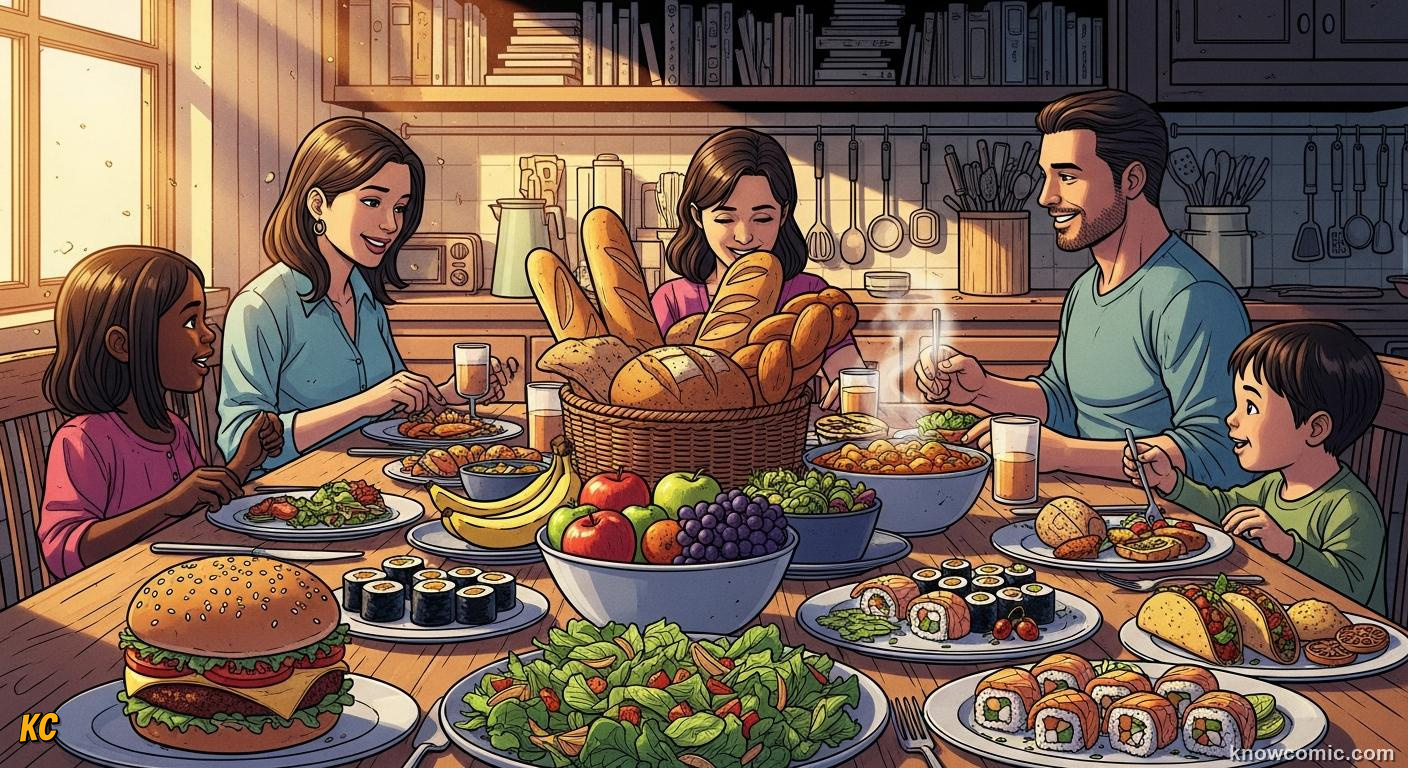
THE JOURNEY OF A MEAL
Picture a simple plate: bread, salad, maybe cheese or egg. Sunlight, soil, farmers, bakers, truck drivers, and cooks all had a part. The food chain is not a slogan, it is a map of who depends on whom. Caring for the links means caring for dinner tomorrow.
PLATE!
CARE FOR THE CHAIN
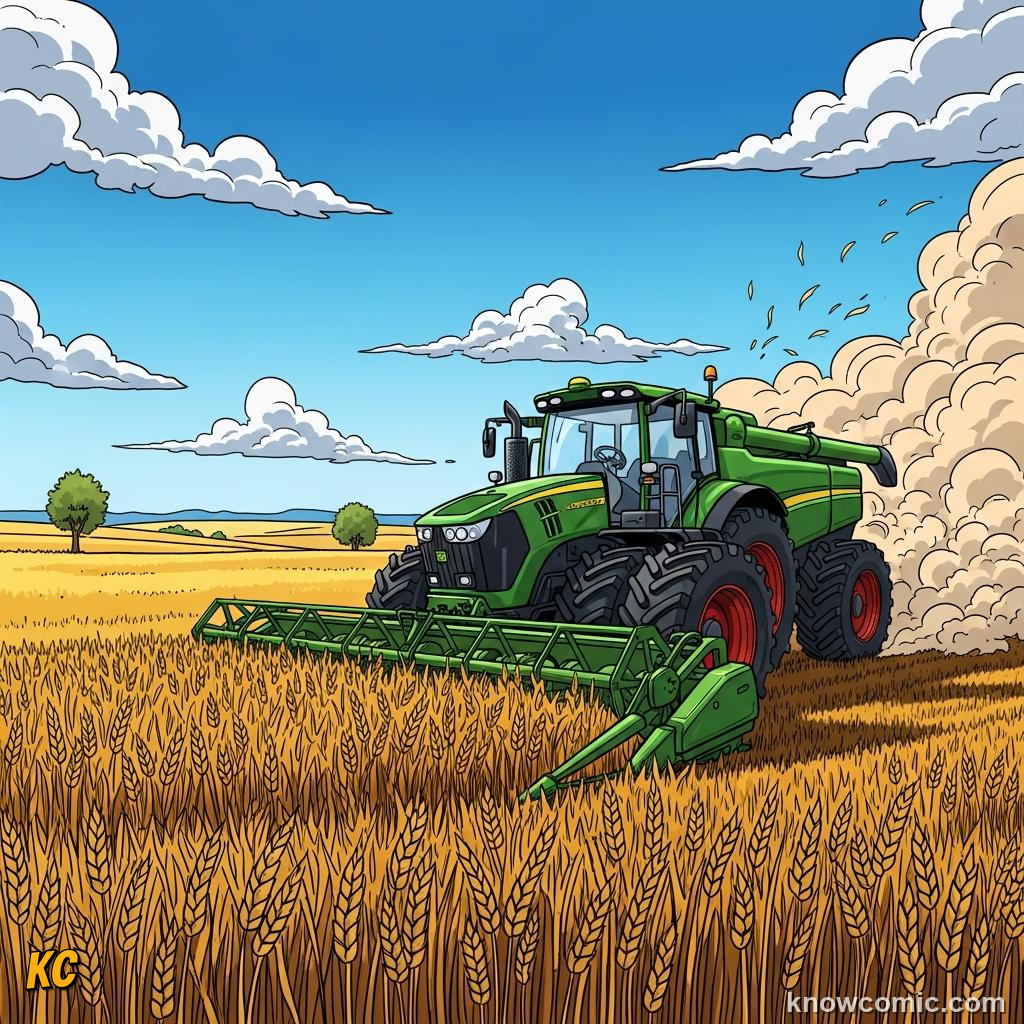
🚜 Thoughtful farming keeps soils and water healthier.
REMEMBER
⚡ KEY FACTS
The Sun is the main energy input for most food. Plants = producers. Animals = consumers. Omnivores use both. Bees, water, and soil fungi quietly stitch chains together. Lose a link, and the web strains.
✅ Trace a favorite snack: can you name plant and animal parts?
✅ Food web beats a single line: many species share the world.
✅ Waste that returns to the soil can feed the next season.
✅ Food web beats a single line: many species share the world.
✅ Waste that returns to the soil can feed the next season.
🧠 QUIZ TIME!
THE FOOD CHAIN · 5 QUESTIONS
QUESTION 01
What is the main original energy source for most food on land?
QUESTION 02
What do we usually call plants in a food chain?
QUESTION 03
An herbivore is an animal that…
QUESTION 04
Why are bees and other pollinators a big deal for our food supply?
QUESTION 05
People who eat both plants and animals are called…
0/5
LOADING...